How Virginia Gardeners Keep Mandevilla Alive Through Winter
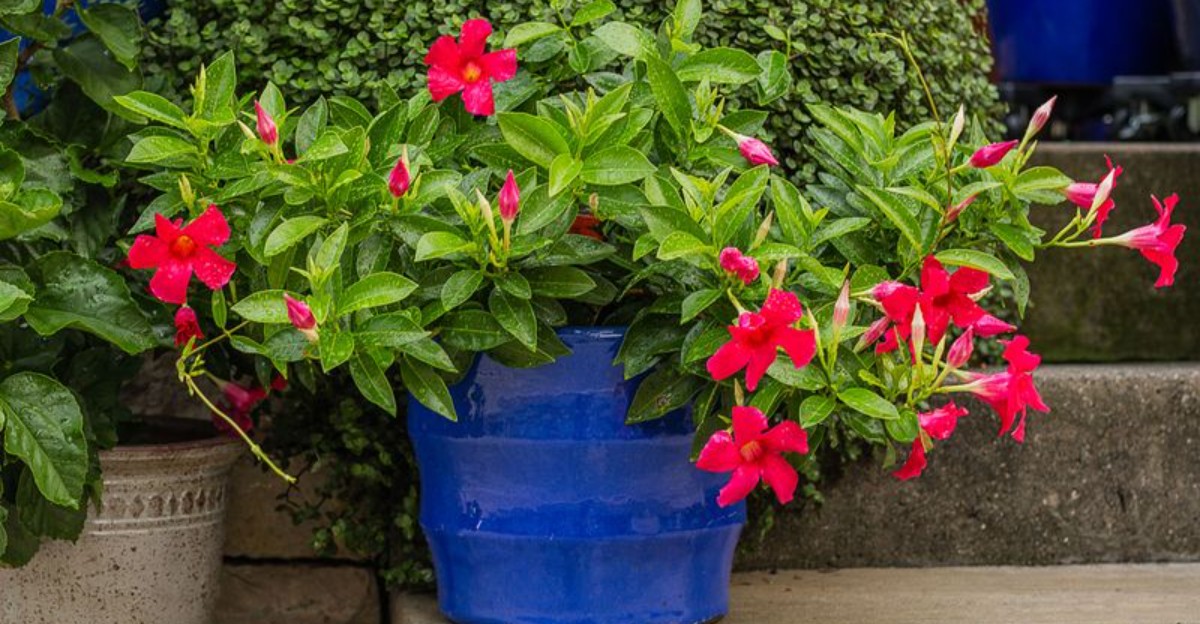
A Mandevilla blazing with pink trumpet flowers can turn a sunny Virginia porch into a tropical getaway. Come the first cold snap, that same vine starts looking rather sorry for itself.
Native to warm corners of Central and South America, Mandevilla sulks once nights slip below 50 degrees. Most people toss it in fall and buy a fresh one every spring.
Clever gardeners keep theirs instead, and the plan costs almost nothing. With a few smart moves, the same vine can rest indoors and bloom again next summer.
You won’t need a greenhouse, fancy gear, or a green thumb passed down for generations. Good timing, a bright window, and a little patience handle nearly everything.
Mandevilla Comes Indoors Before Freezing Temperatures Arrive
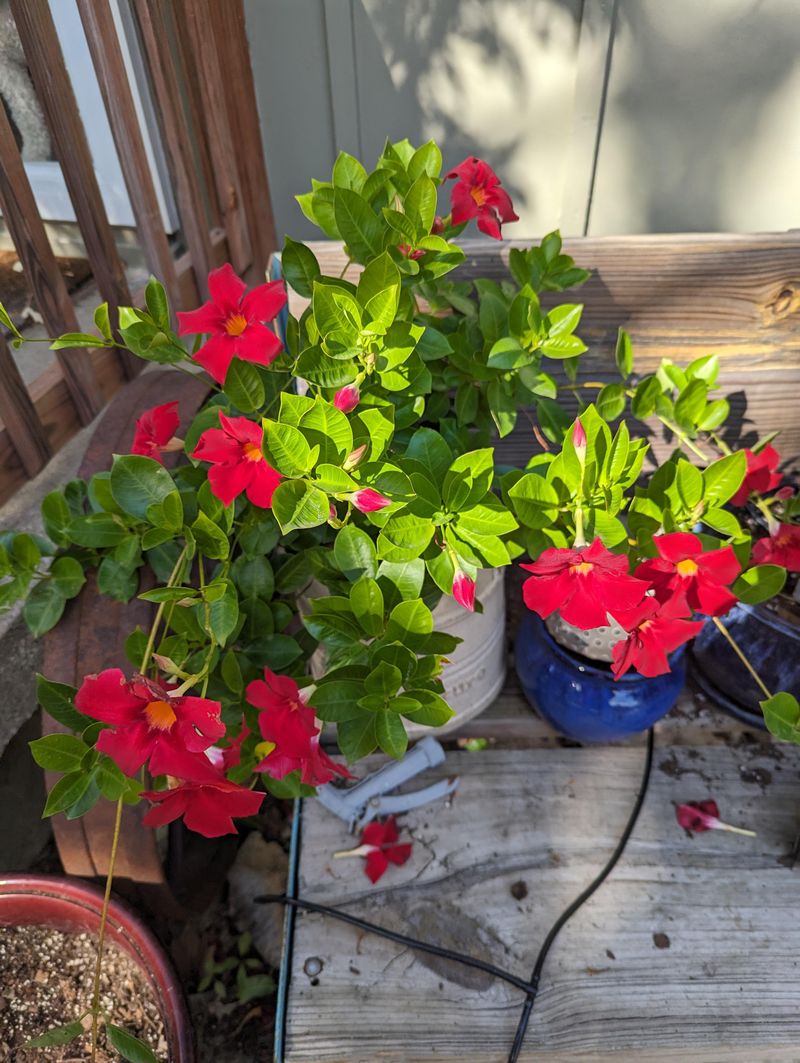
Ask any seasoned grower in Richmond, and they will tell you timing matters more than anything else. One frosty night can undo a whole summer of lush growth and cheerful blooms.
Mandevilla starts to struggle once temperatures slip below about 50 degrees Fahrenheit. Anything under 45 degrees puts real stress on the leaves, stems, and roots.
Most gardeners start watching the forecast closely in late September. Nights that hover between 50 and 60 degrees are your signal to get moving.
Waiting for the first frost warning is risky, since forecasts can shift quickly in fall. Moving the pot a week or two early gives you breathing room and less panic.
A plant grown in the ground needs a little extra work before the move. Dig carefully around the root ball and settle it into a pot with fresh mix.
Pick a mild, cloudy day for the transfer if you can. Roots and leaves handle the change better without harsh sun or wind beating on them.
Here is a handy trick many folks use each year. Set a phone reminder for mid-September so the task does not sneak up on you.
Mountain towns in the western part of the state often cool off weeks before the coast. Check your local average frost date, then plan your move around that number.
Heavy pots can strain your back, so grab a helper or a plant dolly. A rolling caddy makes future moves in spring much easier too.
A Bright Window Gives The Vine Enough Light To Get Through Winter
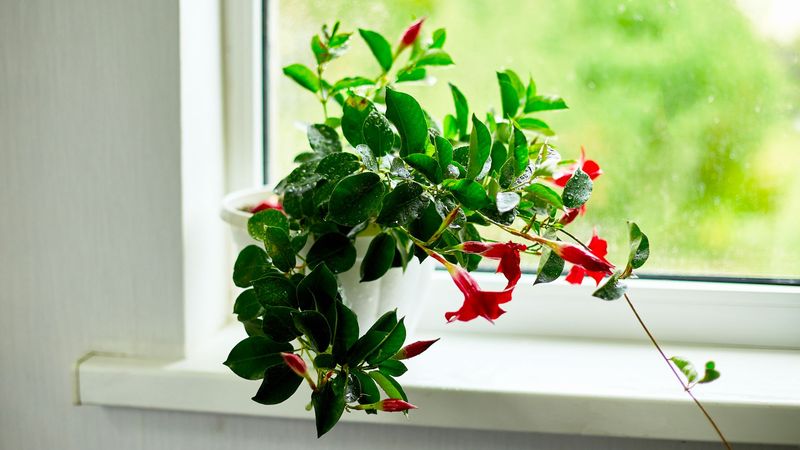
Sunlight is basically breakfast, lunch, and dinner for a Mandevilla. Take it away, and the vine grows pale, leggy, and grumpy within weeks.
Aim for six to eight hours of bright light each day. A sunny window or a glass patio door often does the job nicely.
Direction matters more than you might think. East-facing windows give gentle morning light, while a south window offers the strongest winter glow.
Winter sun sits low in the sky, so south windows rarely feel too harsh. If leaves look scorched or faded, simply scoot the pot a foot back.
Short December days can leave even the brightest room a bit dim. An inexpensive LED grow light fills that gap without raising your power bill much.
Your Virginia Garden Changes Every Week. Your Plan Should Too.
Gardening in Virginia changes quickly throughout the season. Every Friday you’ll receive a simple weekly plan showing exactly what to plant, prune, fertilize, harvest, and protect so you never miss the right timing.
Hang the light about a foot above the foliage and run it twelve hours daily. A simple outlet timer handles the switching so you can forget about it.
Give the pot a quarter turn every week or so. Stems lean toward the window, and turning keeps growth even on all sides.
Dusty glass blocks more light than most people realize. Wipe your windows and the leaves once a month for a quick brightness boost.
Plants headed for dormancy in a cool basement need far less light. For a vine staying green, though, brightness is the best gift you can give.
Sheer curtains are fine, but heavy drapes should stay open during daylight hours. Your vine will reward you with sturdier stems and deeper green leaves.
Long Vines Get A Trim Before The Plant Takes Up Indoor Space
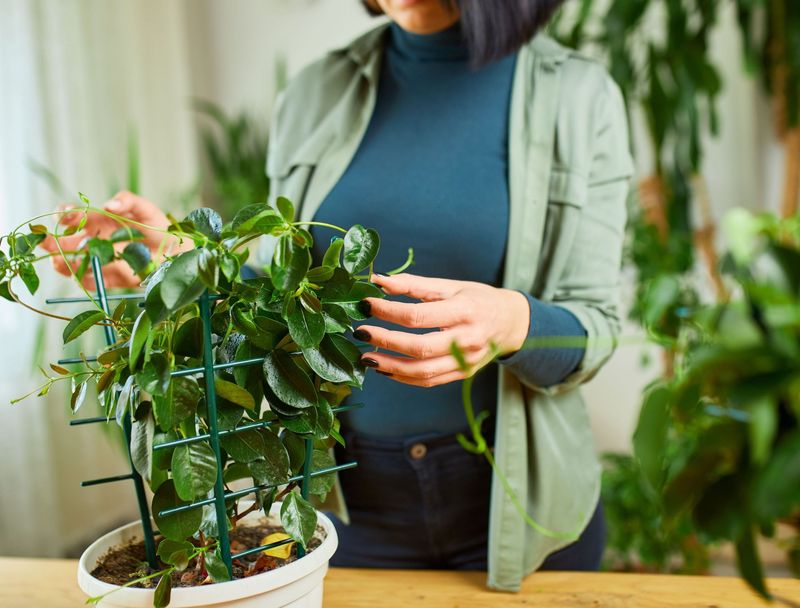
Picture dragging a ten-foot vine through your front door while it snags on every hinge. A quick trim beforehand saves your sanity and your door frame.
Late September or early October is the sweet spot for pruning in Virginia. Cutting then gives the plant time to recover before it moves inside.
Most growers cut the vine back by about half. Anyone planning a dormant winter can go shorter, down to roughly ten or twelve inches.
Sharp, clean shears make smooth cuts that heal quickly. Wipe the blades with rubbing alcohol first to avoid spreading disease between plants.
Snip just above a leaf node, the little bump where leaves join the stem. New shoots will sprout from those spots when spring rolls around.
Expect a bit of milky white sap to ooze from each cut. Wear gloves, since the sap can irritate skin and stain clothing.
Remove any weak, tangled, or crossing stems while you are at it. Better airflow inside the plant helps keep pests and mildew away indoors.
Pruning also lightens the load on the roots during darker months. Fewer leaves mean less water loss and less shock from the big move.
Pull the vine gently off its trellis rather than yanking it free. A smaller support stake in the pot works well for winter.
Fun fact: some gardeners root their cuttings in water as backup plants. Healthy tips about six inches long often form roots within a few weeks.
Pests Are Checked For And Removed Before The Plant Enters The House
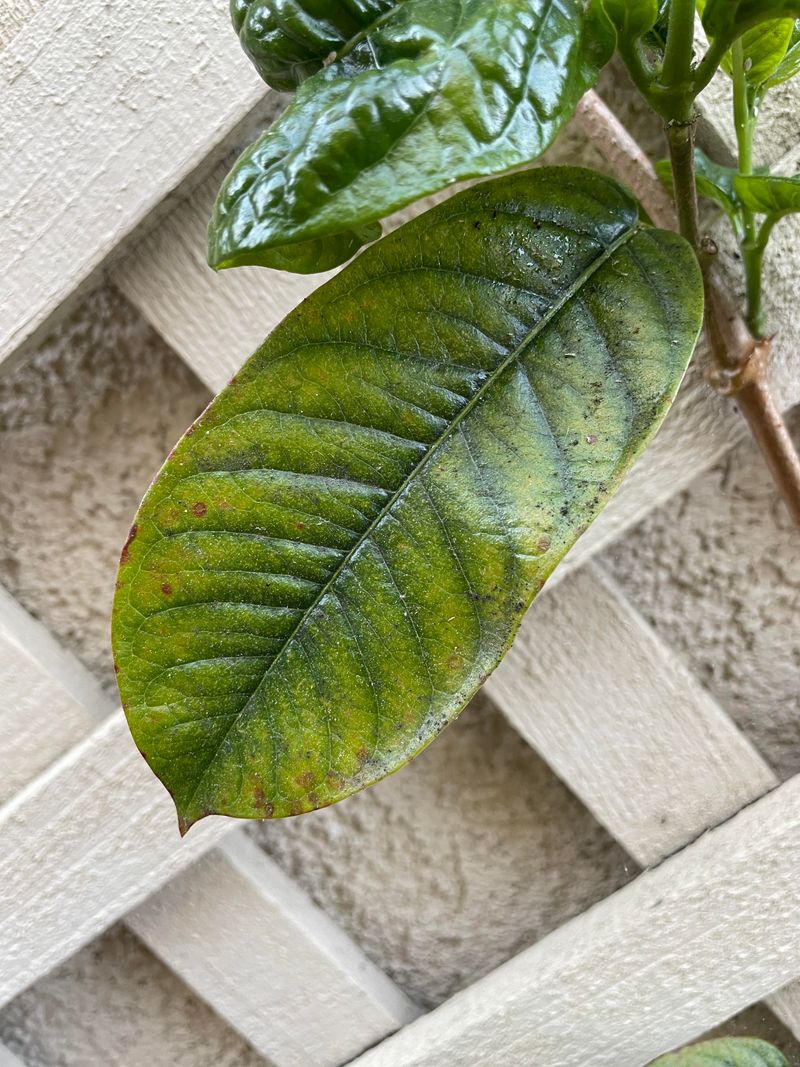
Nobody wants to bring home uninvited guests along with their favorite plant. Tiny bugs hiding on a Mandevilla can spread to every houseplant you own.
Spider mites, mealybugs, and scale insects are the usual troublemakers. Aphids and whiteflies sometimes join the party too, especially on fresh growth.
Grab a flashlight and flip over several leaves on every stem. Look closely where leaves meet the stem, since pests love those hidden corners.
Fine webbing points to spider mites, while white cottony clumps usually mean mealybugs. Small brown bumps that scrape off with a fingernail are likely scale.
A strong blast from the garden hose knocks many pests loose right away. Aim at the undersides of leaves, where most critters prefer to hang out.
After the plant dries, spray it with insecticidal soap or neem oil. Repeat the treatment in about a week to catch any newly hatched bugs.
Badly infested leaves or stems are better off in the trash than inside. Cutting them away shrinks the pest population fast.
Soil can shelter critters as well, including ants and fungus gnats. Soak the pot thoroughly outdoors, and many of them will crawl out looking for drier ground.
Humid late summers in the Mid-Atlantic give insects plenty of time to multiply. A careful check now prevents a major headache in January.
Keep the vine apart from other houseplants for about two weeks after moving in. Quick weekly peeks during that time help you spot any stragglers early.
Winter Watering Drops As Mandevilla Growth Naturally Slows
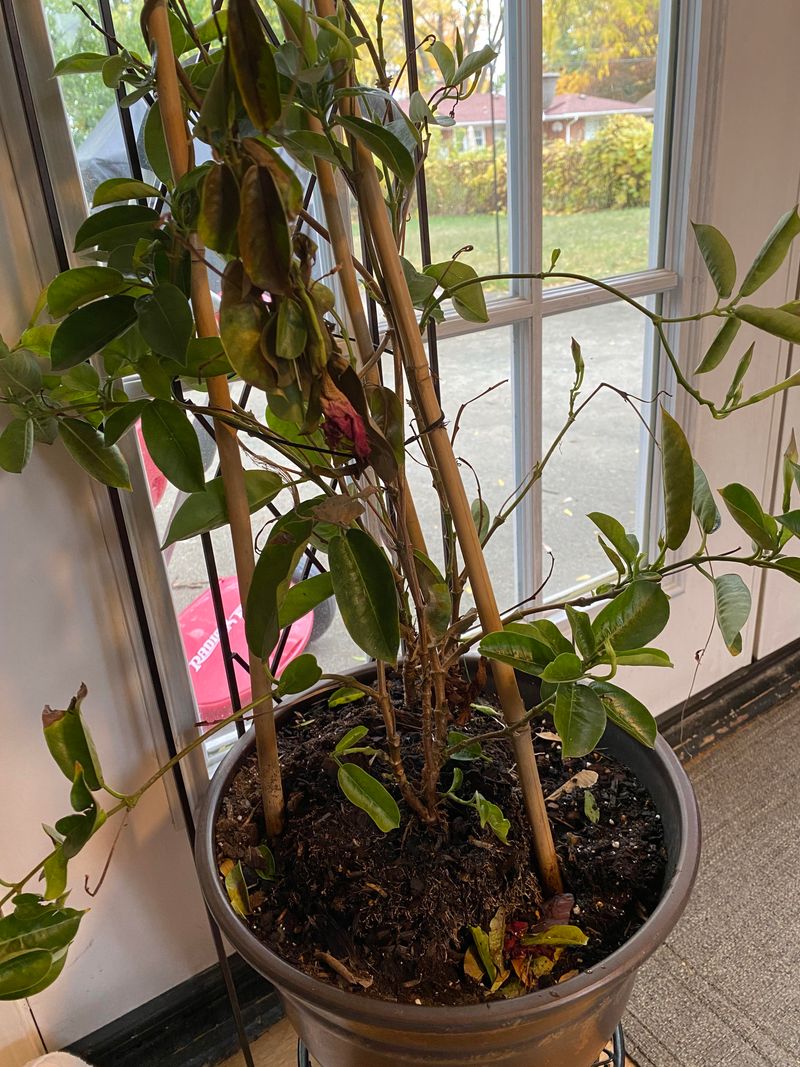
Here is a surprise for many new growers: loving your Mandevilla too much can hurt it. Extra water in winter is the most common way these vines run into trouble.
Growth slows way down once the days get shorter and cooler. A resting plant simply cannot drink as much as it did in July.
Push a finger into the soil before reaching for the watering can. Wait until the top one to two inches feel dry to the touch.
For many Virginia homes, that means watering every ten to fourteen days. Heated rooms dry out faster, so your schedule may differ a bit.
Water slowly until a little drains from the bottom holes. Dump any extra from the saucer so roots do not sit in a puddle.
Room-temperature water is much kinder than cold water straight from the tap. Chilly water can shock tropical roots that are already feeling sluggish.
Dormant plants stored in a cool garage need even less attention. A light drink once a month keeps the roots from drying out entirely.
Yellowing lower leaves and soggy soil often point to overwatering. Crispy brown edges with bone-dry soil suggest the plant needs more.
Skip the fertilizer too, since a resting vine has little use for it. Feeding can resume in spring once fresh green shoots appear.
A cheap moisture meter takes the guesswork out if finger tests feel tricky. Many gardeners keep one next to their watering can all winter.
Cold Drafts Are Kept Away From The Tropical Vine
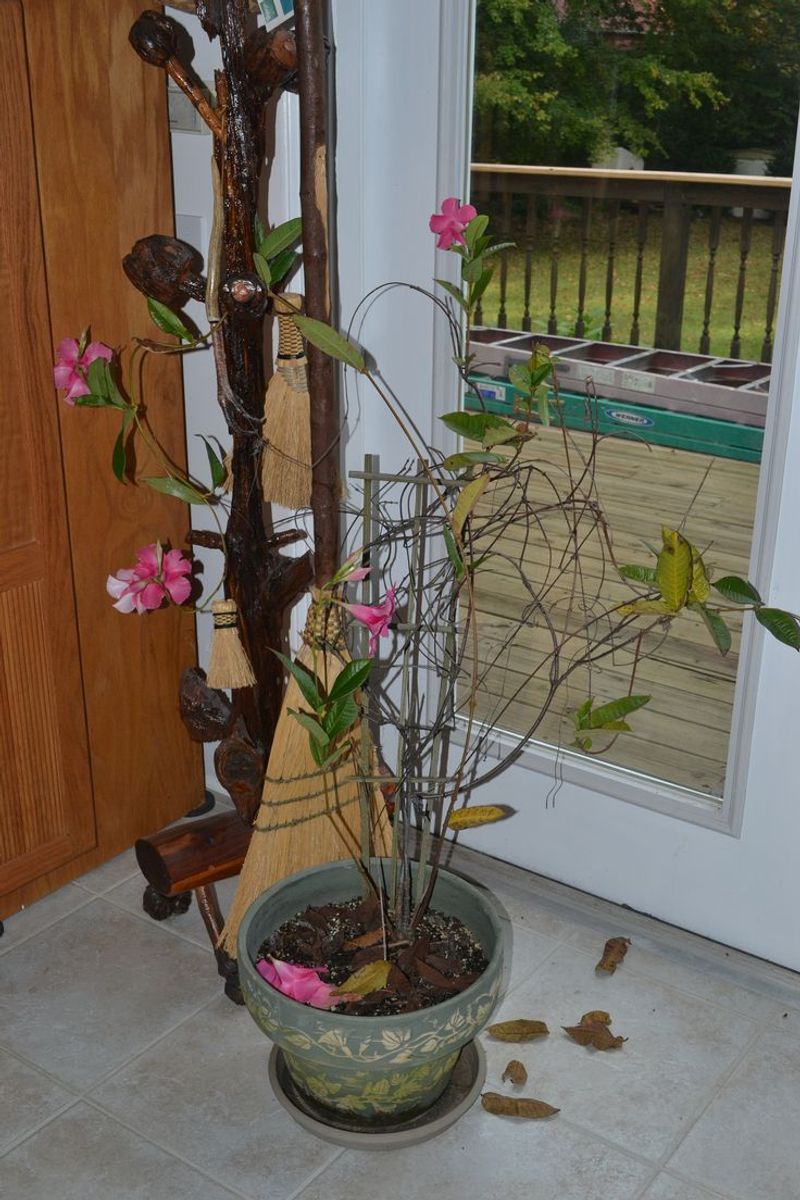
Think of your Mandevilla as a houseguest from the tropics who hates a chilly breeze. Even a few hours near a drafty spot can leave leaves curled and spotted.
Front doors, leaky windows, and unheated sunrooms are the biggest offenders. Every time the door swings open in January, a blast of icy air rushes in.
Heating vents cause trouble in the opposite way. Hot, dry air blowing straight on the foliage dries it out and invites spider mites.
Try this simple test on a windy day. Hold a lit candle or a strip of tissue near the window and watch for flickering.
Keep the pot a foot or so away from cold glass at night. Leaves touching a frosty windowpane can get damaged surprisingly fast.
Humidity helps too, because winter air indoors can feel as dry as a desert. Mandevilla feels happiest around 50 to 60 percent humidity.
Set the pot on a tray of pebbles with water just below the pot’s base. Grouping plants together also raises moisture in the air around them.
A small room humidifier is a great upgrade for serious growers. Your skin and sinuses will thank you as well during those dry months.
Virginia winters swing from mild to bitter, sometimes within a single week. Drafts that felt harmless in December can turn harsh during a February cold snap.
Weather stripping around nearby windows is cheap and quick to install. It blocks drafts for your vine and trims your heating bill too.
Well Drained Soil Helps Prevent Winter Root Problems
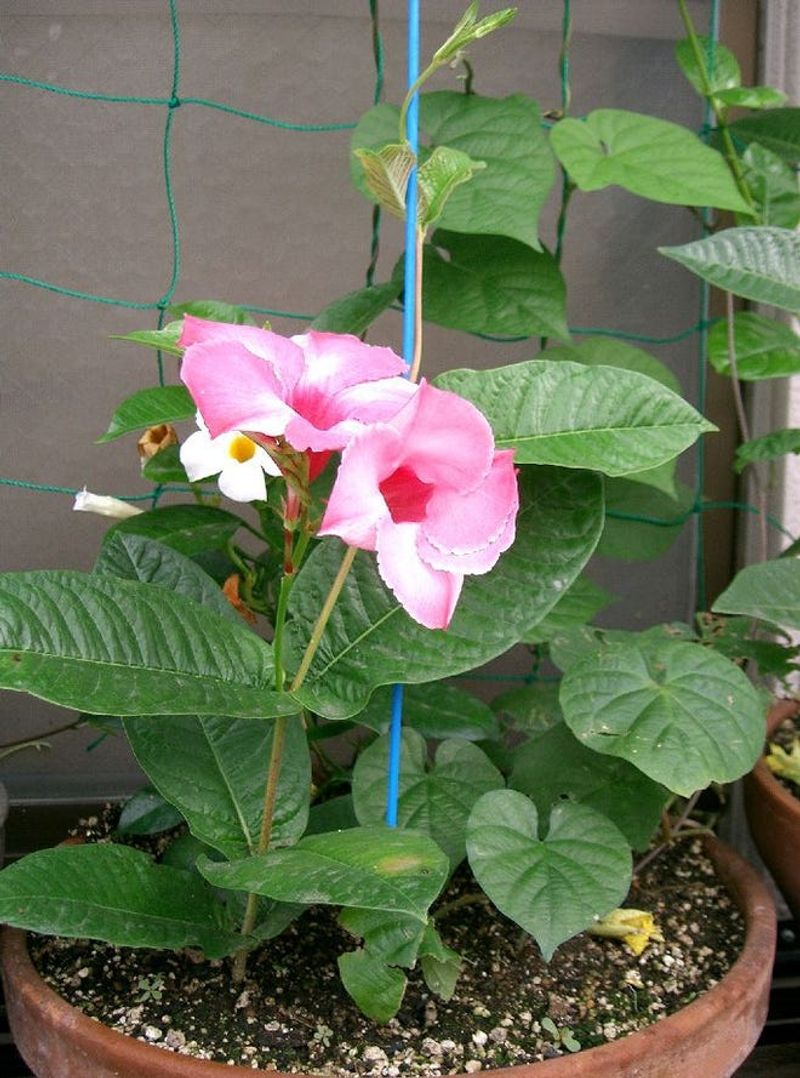
Roots need air just as much as they need water. Soggy soil squeezes out that air, and roots start to rot in the dark.
Winter makes the problem worse, since cool soil stays wet much longer. A pot that dried in two days during summer might stay damp for a week now.
Start with a container that has at least one good drainage hole. Decorative pots without holes look lovely but trap water at the bottom.
A quality potting mix made for flowering plants is a solid base. Stir in a few handfuls of perlite or coarse sand for extra drainage.
Many growers use roughly three parts potting mix to one part perlite. The blend stays light and fluffy instead of packing down into mud.
Skip regular garden soil from your yard for container plants. Heavy red clay, common across much of the region, holds water far too long.
Choose a pot only an inch or two wider than the root ball. Too much extra soil stays wet and invites root trouble.
Clay and terracotta pots breathe better than most plastic ones do. Moisture escapes through their walls, helping the soil dry evenly.
Lift the pot now and then to check its weight. A heavy pot still holds plenty of water, while a light one is ready for a drink.
Mushy brown roots and a sour smell signal rot has already started. Trim the damaged roots and repot in fresh, dry mix right away.
Outdoor Life Resumes Only After The Risk Of Freezing Has Passed
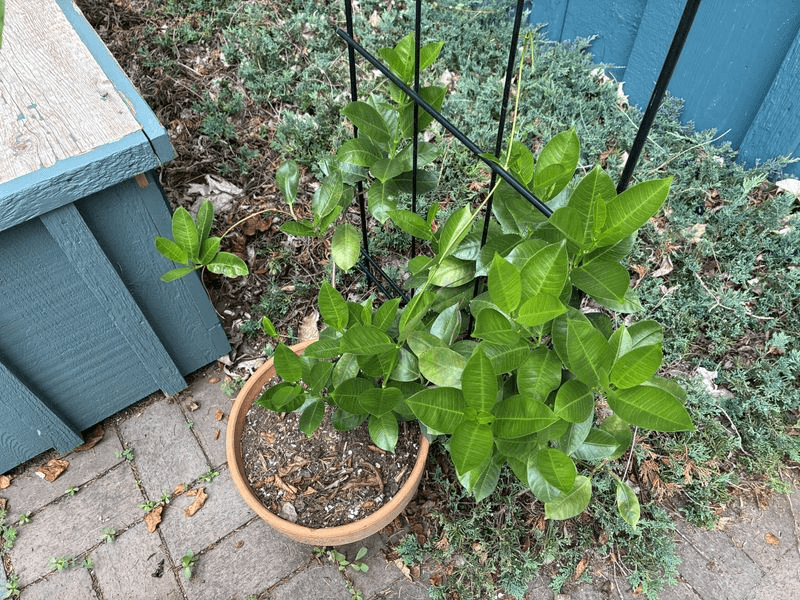
Spring fever hits hard around March, and the urge to carry plants outside is real. Hold that thought, because a surprise frost can undo months of careful work.
Across much of Virginia, the last frost usually passes between early April and early May. Mountain areas may need to wait until mid-May or later.
Wait until nights stay above 55 degrees, with 60 being even better. Warm soil and mild evenings help the vine settle in without shock.
Dormant plants need a wake-up call a few weeks earlier. Move them to a brighter, warmer room in late winter to coax out new shoots.
Hardening off is the next big step, and skipping it can scorch tender leaves. Start with an hour or two of shade outside, then bring the plant back in.
Add a little more time and sunlight every few days. After about two weeks, the vine can handle full days outdoors.
Spring is also a great time to repot with fresh, well-draining mix. Move up one pot size if roots are circling the bottom.
Resume regular watering as growth picks up and temperatures climb. A balanced fertilizer every two weeks fuels those famous trumpet-shaped flowers.
Keep an old sheet handy for chilly nights in late spring. Tossing it over the vine can protect new growth during an unexpected cold dip.
Before long, your saved Mandevilla will be climbing its trellis again. Watching those first pink blooms open makes every winter chore feel worth it.