These Are The Plants Virginia Gardeners Should Divide Now, And The Ones Better Left Alone
Walk through any Virginia garden in late September and something quiet is happening beneath the surface. A few plants are outgrowing their space, gently asking for room to breathe again.
It’s easy to miss if you’re not looking closely, but experienced gardeners know the feeling well. Division isn’t just a chore on the calendar.
It’s how one healthy plant becomes several, how a tired clump finds new energy, and how a neighbor ends up with a piece of your garden without you spending a dime.
But not every plant on this list wants that kind of attention. Some perennials settle in for good, developing root systems that resent being cut into or moved.
Knowing which ones welcome the shovel, and which ones are better admired from a distance, makes the difference between a garden that thrives and one that’s constantly recovering.
Bearded Iris
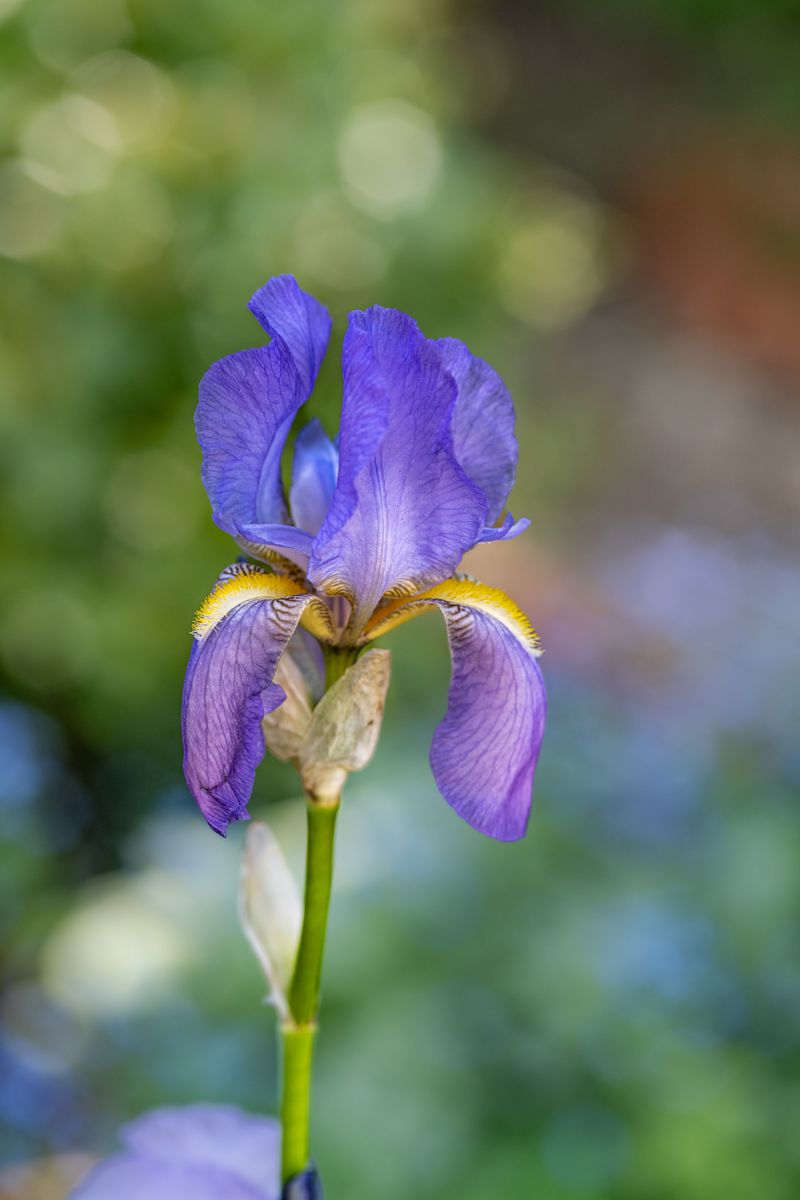
Pull back the soil around an old bearded iris clump and you will find a dense, overcrowded mass of rhizomes.
That crowding is exactly why bearded iris tops the list of plants Virginia gardeners should divide. When rhizomes get too packed, blooms slow down and the center of the clump starts to look bare and sad.
Late summer, right after blooming season wraps up, is the sweet spot for division. August through September works best in most parts of the state.
The plant has finished flowering but still has enough warm weeks to settle into its new spot before winter arrives.
Dig up the entire clump with a garden fork. Shake off the loose soil so you can see what you are working with.
Toss out any soft, mushy, or hollow rhizomes right away. Keep only the firm, healthy outer sections that show strong growth.
Each division should have at least one healthy fan of leaves attached. Trim the leaves down to about four inches to reduce moisture loss.
Replant the divisions so the top of the rhizome sits just at or slightly above the soil surface. Bearded iris need sunlight on their rhizomes to bloom well.
Burying them too deep is one of the most common mistakes gardeners make with this plant.
Water them in gently and give them a few weeks to settle. Expect a strong bloom show the following spring as a reward for your effort.
Daylilies
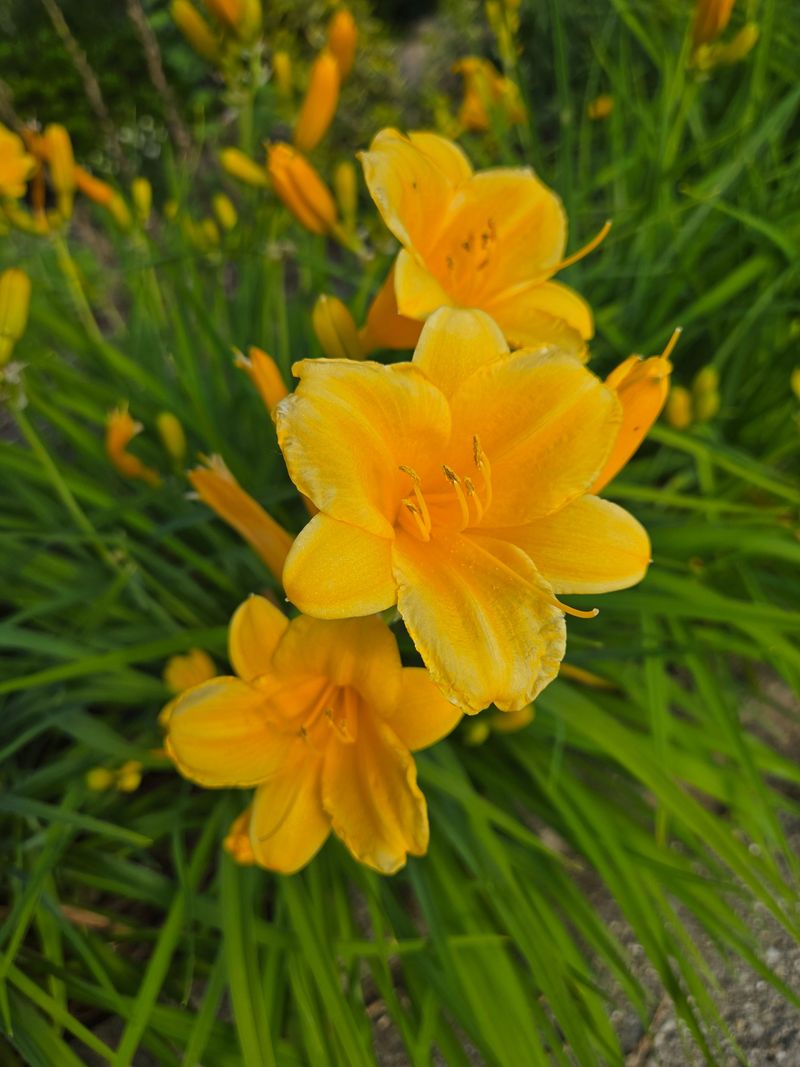
Few plants spread as eagerly as daylilies, and that enthusiasm is both their charm and their challenge. A single plant can multiply quickly, often outgrowing its space within just a few seasons.
Before long, a once-tidy garden edge turns into a dense, overgrown clump that blooms less and less each year.
Daylilies are among the easiest plants for Virginia gardeners to divide, which makes them a great starting point for beginners. Spring and early fall are both solid windows for the job.
Either season gives roots enough time to establish before extreme temperatures hit. Use a sharp spade to slice straight through the clump. You do not need to be delicate here. Daylilies are tough and bounce back quickly from rough handling.
Your Virginia Garden Changes Every Week. Your Plan Should Too.
Gardening in Virginia changes quickly throughout the season. Every Friday you’ll receive a simple weekly plan showing exactly what to plant, prune, fertilize, harvest, and protect so you never miss the right timing.
Pull sections apart by hand or use two garden forks placed back to back for extra leverage. Each division should have several fans of foliage and a healthy root system attached. Aim for sections that are roughly the size of your fist or larger.
Replant at the same depth the original clump was growing. Water thoroughly right after planting and keep the soil consistently moist for the first two weeks.
A light layer of mulch helps hold that moisture in and keeps weeds from moving in fast. Divided daylilies often reward you with a burst of fresh blooms the very next season.
Sharing extras with friends is one of the quiet joys of gardening. These plants practically beg to be passed along.
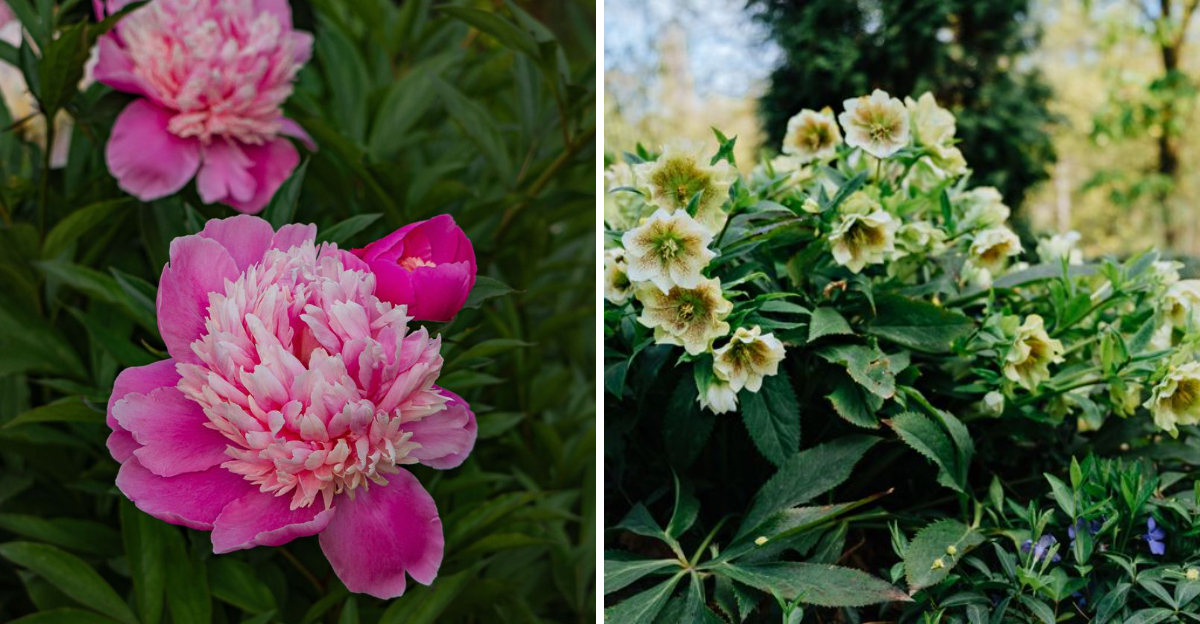
Peonies
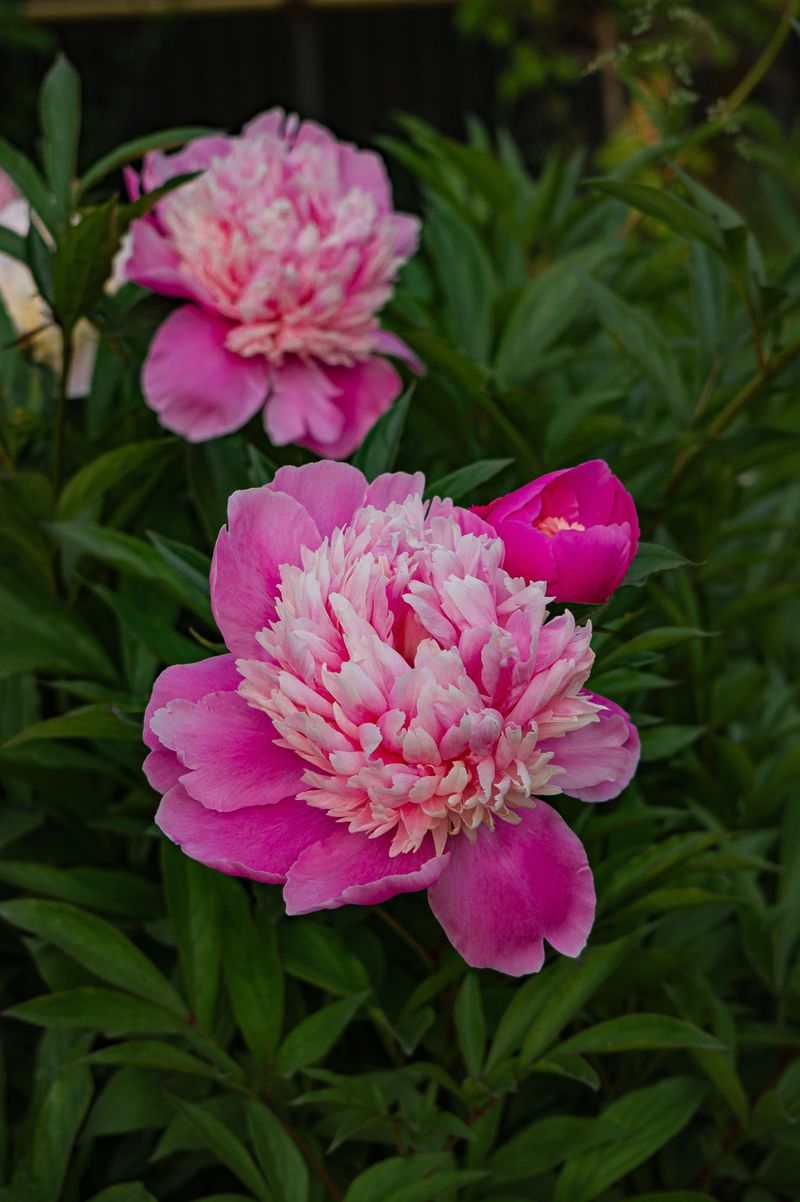
Peonies have a reputation for being fussy about division, and that reputation is mostly earned. These are plants that prefer to be left alone for years at a time.
Many gardeners in Virginia can go a decade or more without needing to divide them at all. That said, division becomes necessary when a peony clump gets too large, blooms decline, or you simply want to move the plant to a better spot.
Early fall, from late September through October, is the only recommended time to attempt this in the state. Dividing at any other time risks serious setback.
Dig up the entire root mass carefully and rinse it clean with water. You need to see the buds, called eyes, clearly before making any cuts.
Each division must have at least three to five eyes to have a good chance of blooming within a year or two.
Peonies planted in Virginia’s warmest coastal zones may bloom somewhat less reliably, since some cultivars need a longer cold period than milder winters provide.
Use a clean, sharp knife to cut through the roots. Make confident, deliberate cuts rather than sawing back and forth.
Smooth cuts heal faster and reduce the risk of disease entering the wound. Replant divisions so the eyes sit no more than one to two inches below the soil surface.
Planting too deep is the number one reason peonies fail to bloom after division. This is a rule worth repeating to every gardener who touches a peony.
Water well and mulch lightly for winter protection. Peonies are worth the extra care they demand. Few flowers in a Virginia garden offer as notable a spring display.
Hostas
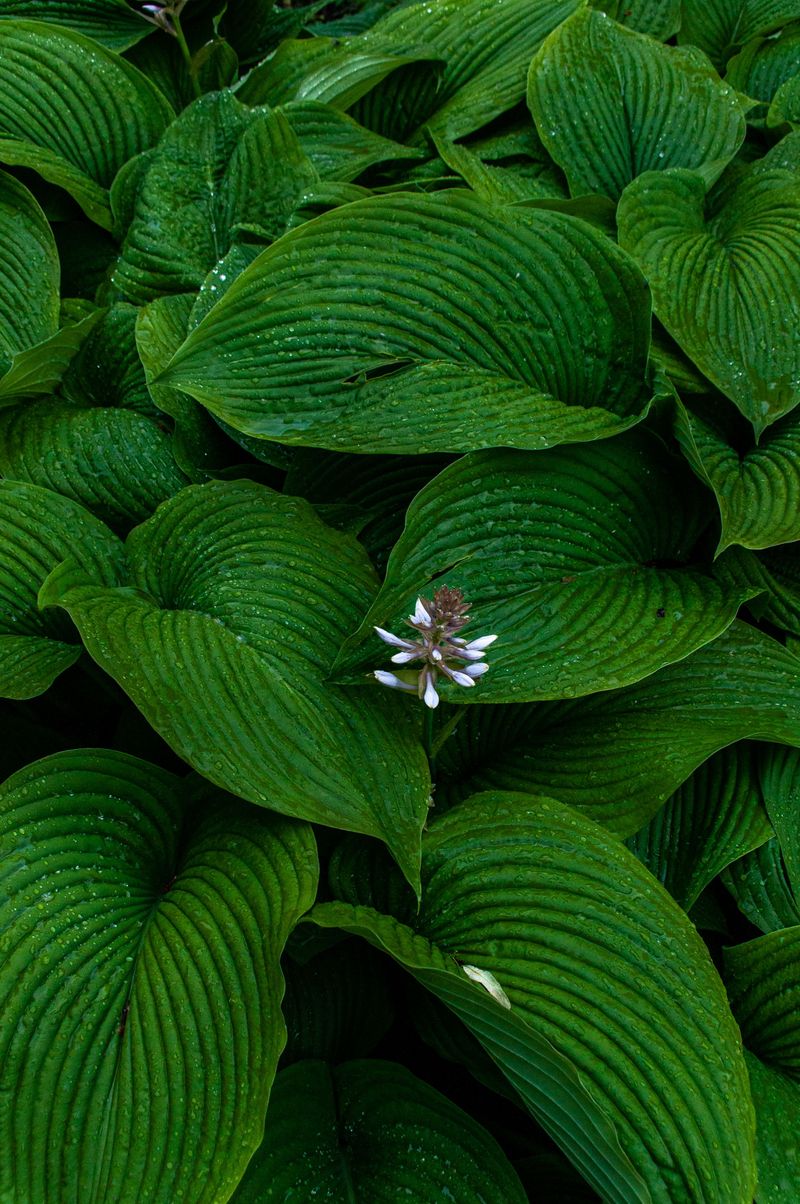
Hostas are the workhorses of the shade garden, and they multiply like they know it. A single plant purchased years ago can expand into a clump the size of a small car.
Fortunately, hostas are also among the most forgiving plants to divide in the entire garden. Spring is the ideal time to divide hostas in Virginia, right as the tightly rolled shoots are just emerging from the ground.
Those emerging tips make it easy to see exactly where each division begins and ends. Fall division is also possible but gives less recovery time before cold weather settles in.
Dig up the whole clump and shake or wash away loose soil. You will see that the clump naturally separates into sections with their own root systems. A sharp spade or a serrated knife works well for cutting through tougher spots.
Each division should have at least two or three shoots and a healthy root system. Smaller divisions take longer to fill in but are perfectly viable.
Larger divisions bounce back faster and look established almost immediately after replanting.
Replant at the same depth and water deeply. Hostas prefer consistently moist, well-drained soil and appreciate a generous layer of compost at planting time.
Mulch helps keep roots cool and moist through Virginia summers, which can get quite hot and humid even in shade beds.
Divided hostas rarely skip a beat. Most fill back in beautifully within a single growing season. Sharing divisions with neighbors is one of the easiest ways to spread garden generosity.
Baptisia
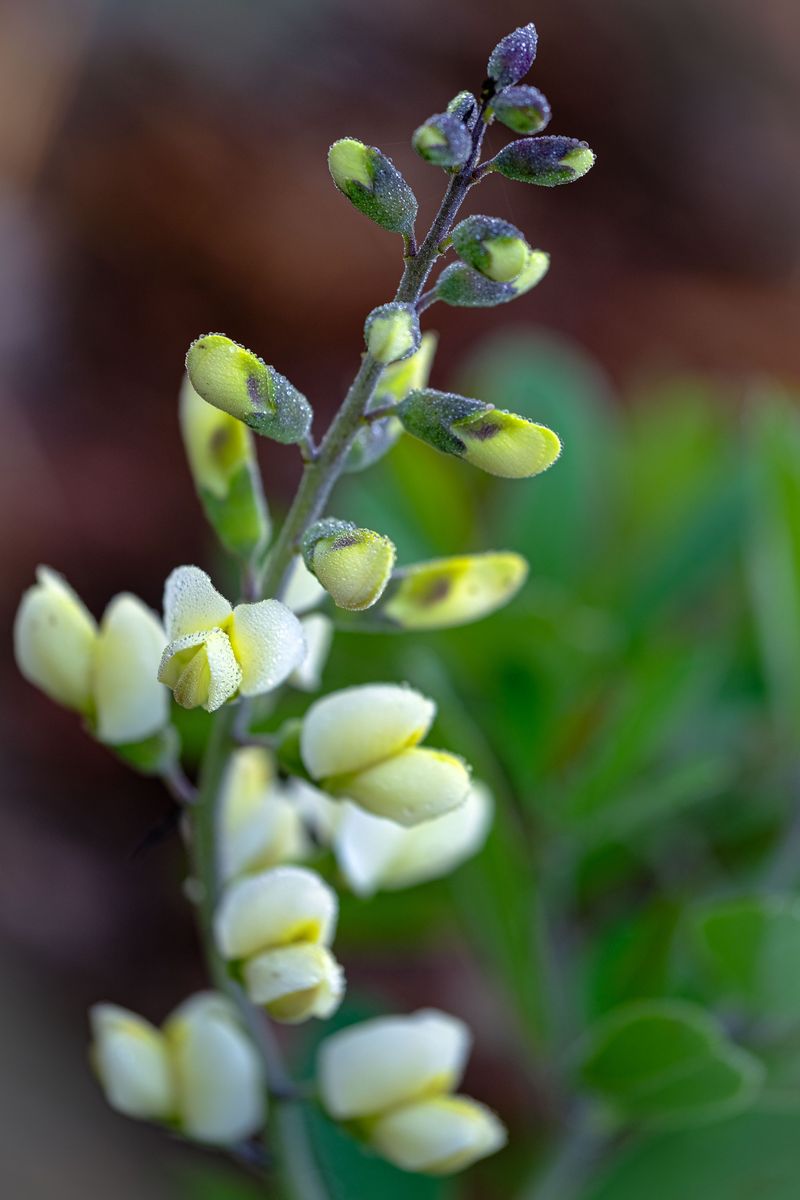
Baptisia settles into a spot with a long, woody taproot that reaches deep into the soil almost from its first season.
That root system is part of what makes the plant so tough and long lived, but it also means digging it up for division tends to cause more stress than benefit.
Many gardeners who try end up with a plant that struggles for a year or two, rather than the burst of new growth they were hoping for.
If a baptisia clump seems to be outgrowing its space, the better approach is usually to work around it rather than through it.
The plant can be shaped with light pruning in early spring, and its naturally rounded, shrub like form often fills a bed nicely without needing to be split at all.
For gardeners who do want more baptisia in the garden, taking softwood cuttings in late spring is a gentler option.
It takes a bit more patience than division, but it avoids disturbing the taproot and gives the original plant a chance to keep thriving undisturbed.
Baptisia can live for decades in the same spot once established, often outlasting many of the more frequently divided perennials nearby.
In Virginia gardens, where summers can be long and taxing on root systems, that kind of stability is worth protecting.
Leaving an established clump alone, aside from occasional light shaping, tends to be the simplest way to keep it healthy and full for years to come.
Hellerbores
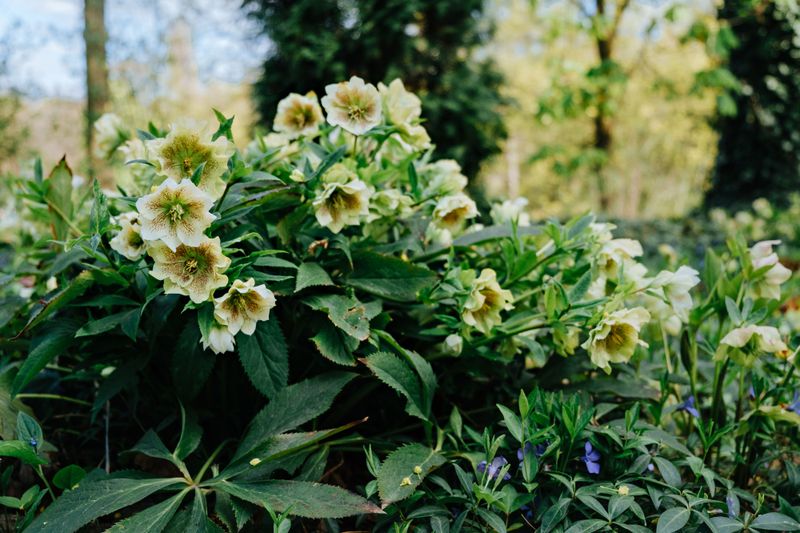
Hellebores are known for their quiet, early blooms that appear in late winter when little else in the garden is stirring.
What makes them so reliable in that role is a root system that prefers to be left undisturbed once it settles in.
Unlike hostas or daylilies, hellebores take their time establishing, and digging into that root mass can set the plant back noticeably.
Gardeners who divide an established hellebore clump often notice fewer blooms the following season, sometimes for a year or two afterward.
The plant isn’t harmed permanently in most cases, but it does need time to recover its energy before flowering returns to its usual show. For a plant valued mainly for its blooms, that kind of pause can feel like a real loss.
Rather than dividing, most Virginia gardeners find it easier to simply give hellebores room to grow undisturbed.
A light trim of old, tattered foliage in late winter, just before new growth appears, is usually all the maintenance these plants need.
This keeps the clump looking tidy without touching the roots underneath. If more hellebores are the goal, many varieties self-seed gently around the base of the parent plant.
Small seedlings can be carefully transplanted while young, which tends to be far more successful than attempting to divide a mature clump. Patience, in this case, pays off better than a shovel.
Butterfly Weed
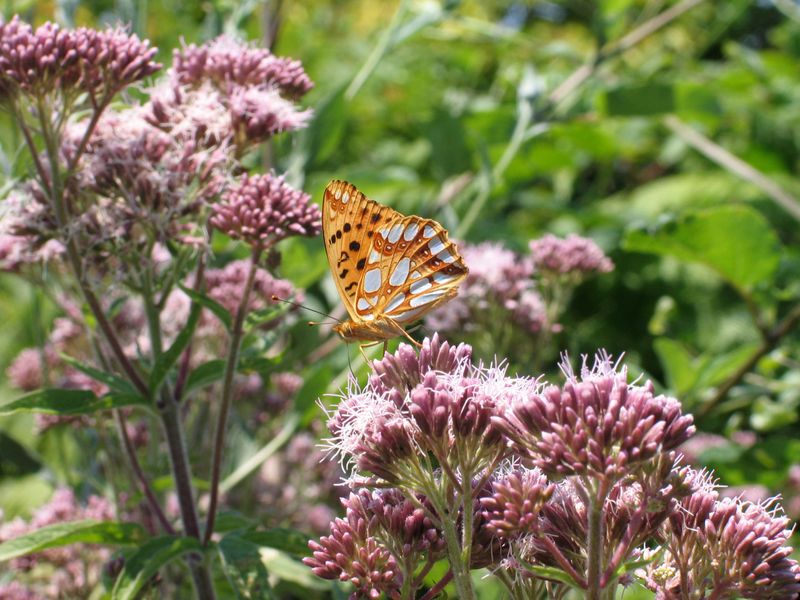
Butterfly weed shares a trait with baptisia that makes both plants poor candidates for division: a deep taproot that anchors the plant firmly and doesn’t respond well to being disturbed.
This root is part of what allows butterfly weed to handle Virginia’s hot, dry summer stretches so well, but it also makes transplanting or splitting the plant a risky move.
Gardeners who attempt to divide butterfly weed often find that the plant struggles afterward, sometimes failing to bounce back at all.
The taproot simply isn’t built to be cut into sections and replanted the way a fibrous rooted perennial can be.
Once established, butterfly weed is best appreciated right where it is. The good news is that this plant rarely needs dividing in the first place.
It tends to grow in a fairly contained clump for years, slowly expanding without becoming unruly or overcrowded the way daylilies or asters might.
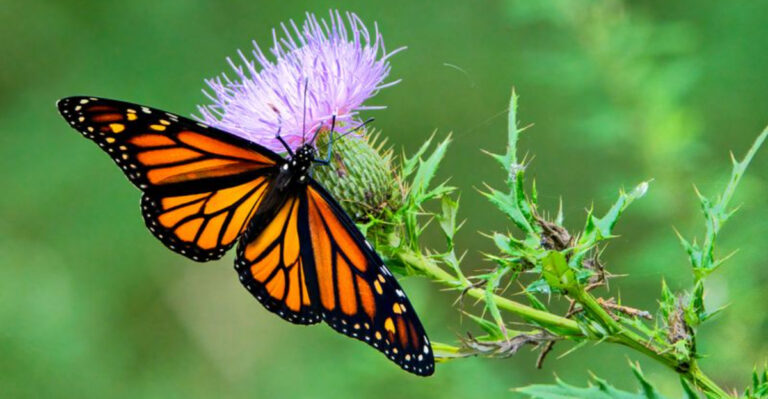
Its bright orange blooms, so attractive to butterflies and other pollinators, keep coming reliably each summer with little more than occasional trimming.
For gardeners hoping to add more butterfly weed to their beds, letting the seed pods mature and split open naturally in fall is a much gentler path.
The seeds that scatter nearby often germinate on their own, giving new plants a chance to establish without any digging required.
Lavender
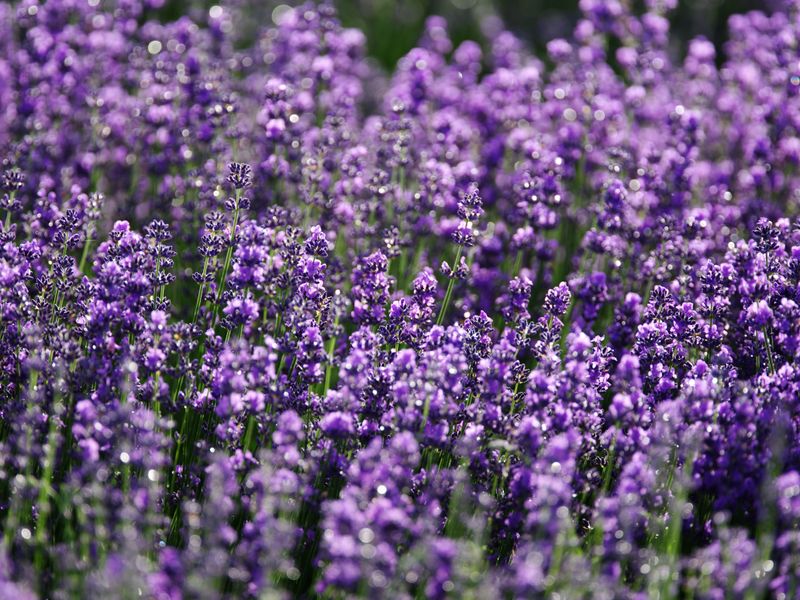
Lavender behaves differently from most perennials in the garden, and that includes how it responds to division.
Rather than growing from a clump of shoots that can be pulled apart, lavender develops a single woody base that doesn’t regenerate well once it’s been cut into sections.
Attempts at division tend to leave both halves struggling, and often neither one survives the process. This is a plant that prefers to be left as a whole shrub, growing slowly wider and fuller over several years.
In Virginia’s humid summers, lavender already faces some challenges with excess moisture around its roots, so any added stress from cutting or transplanting can tip the balance the wrong way.
Good drainage and full sun tend to matter far more to lavender’s health than any division schedule.
If a lavender plant starts to look woody or sparse in the center after several years, light pruning in spring can encourage fresh growth without touching the root system.
Cutting back by about a third, just above where new green growth appears, often revives an aging plant more effectively than trying to split it.
For gardeners wanting additional lavender plants, taking softwood cuttings in late spring or early summer is the more reliable route.
It takes a little longer than division would, but it gives the new plant a much better chance of thriving on its own.