Your Potted Hibiscus Needs This Before Virginia Nights Get Cold
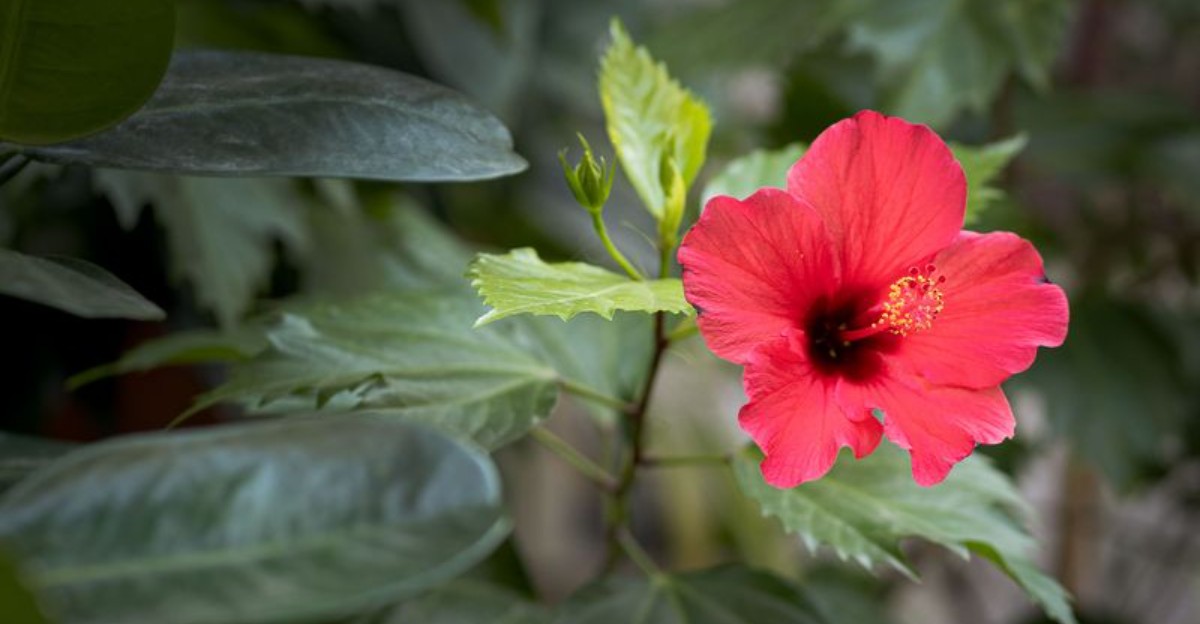
Each hibiscus flower lasts only a day or two, yet the plant behind it can keep blooming for years. The catch is getting it through a Virginia winter in one piece.
Tropical hibiscus starts to struggle once nights slip toward 50 degrees. One chilly spell can undo a whole summer of flowers, and fall temperatures often plunge fast after sunset.
Luckily, you don’t need a greenhouse or fancy gear to keep it happy until spring. Good timing, a sharp eye, and a sunny corner indoors handle nearly everything.
Think of it as moving a houseguest in for the winter, with a quick bug check at the door. Aphids, whiteflies, and spider mites love to hitch a ride inside.
Some steps below are simple, while a few surprise even seasoned gardeners. Follow them now, and your hibiscus will be ready for a strong comeback next summer.
1. Bring Tropical Hibiscus Indoors Before Freezing Temperatures Arrive
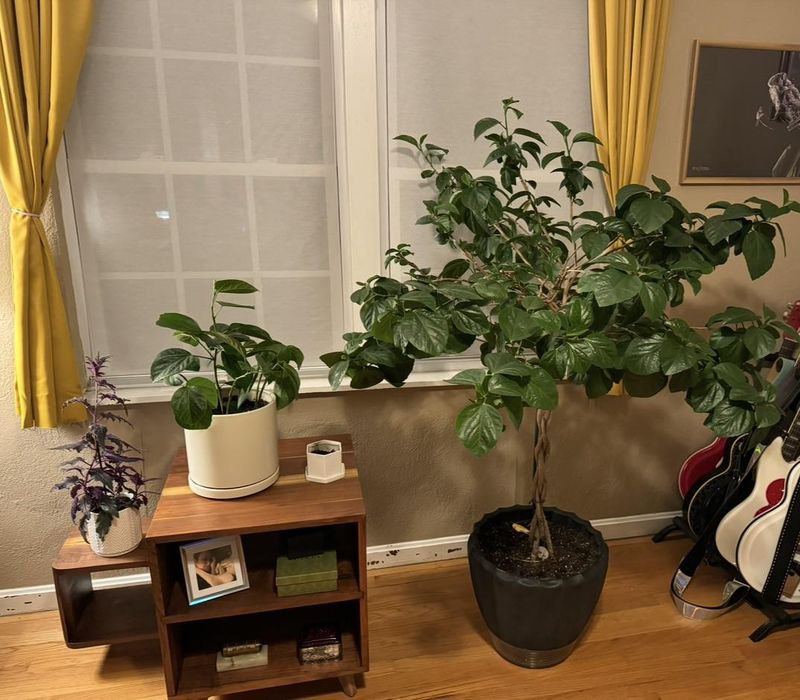
Picture a plant that grew up in island breezes, then wakes to frost on the porch rail. Tropical hibiscus simply was not built for that kind of surprise.
Frost can scorch leaves overnight, and a hard freeze can ruin the roots in the pot. Even temperatures around 35°F can make the plant look stressed and droopy.
Most experts suggest moving your hibiscus inside once nights stay below 50°F. Waiting for the first frost warning is cutting things far too close.
Virginia makes timing a little tricky because fall arrives on different schedules. Mountain towns near Blacksburg may see frost weeks before gardens in Virginia Beach.
A simple habit helps a lot here. Check your local ten-day forecast each morning once September winds down.
Plan the move on a mild, dry day if you can. Carrying a soggy pot is heavy work, and wet leaves attract fungus indoors.
Before lifting, take a close look at the container itself. Cracked plastic or loose saucers can leak water all over your floors later.
Heavy pots are easier to move with a plant dolly or a sturdy wagon. Your back will thank you, and the branches will stay unbroken.
Some gardeners bring plants in at night and set them out on warm days for a week. That short back-and-forth eases the plant into its new routine.
Once cold nights settle in for good, keep the hibiscus inside for the season. Your tropical friend will stay safe until spring warms things up again.
2. Check Every Plant Carefully For Pests Before It Enters The House
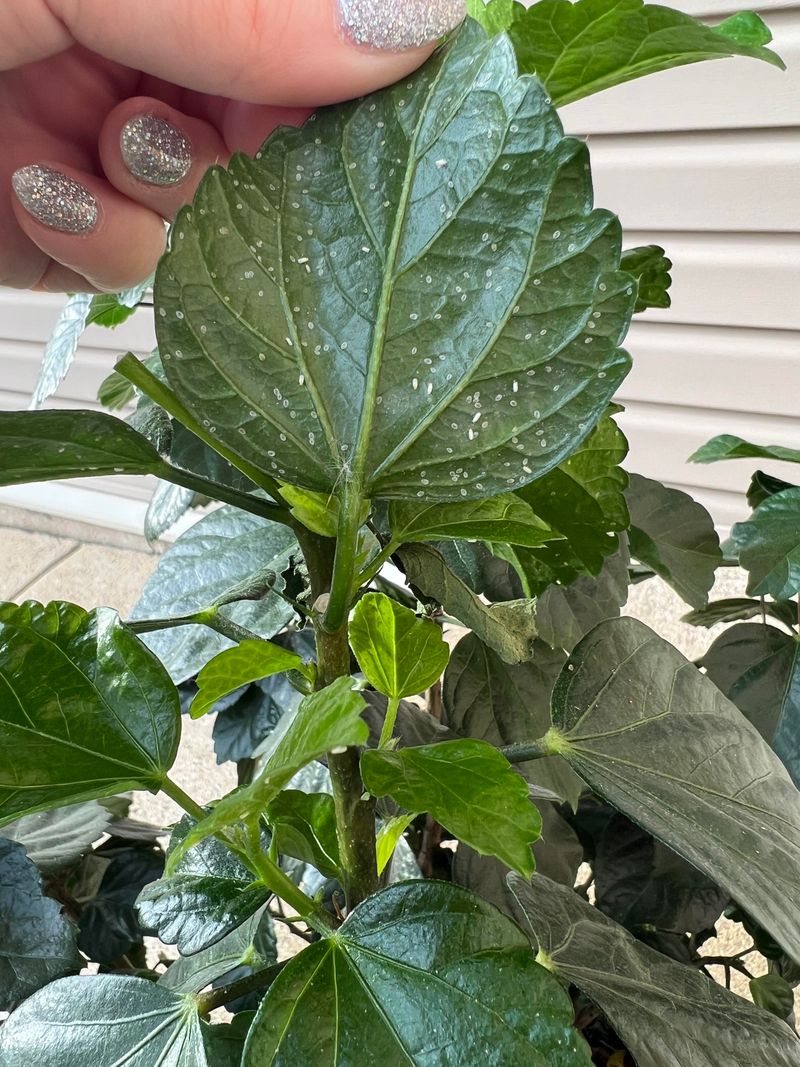
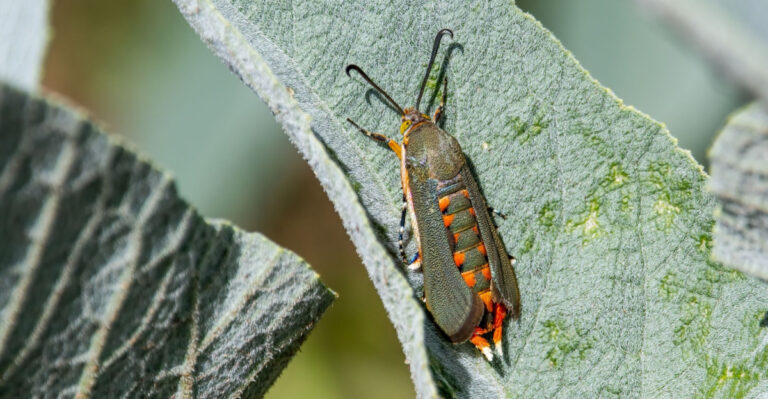
Nobody wants uninvited guests for the holidays, and bugs are the sneakiest ones around. Hibiscus plants are famous for carrying hitchhikers indoors each fall.
Start your inspection a few weeks before moving day. Extra time lets you treat problems outdoors, where messes are easier to handle.
Flip over leaves and study both sides in good light. Look closely at buds, stems, and the bottom of the pot too.
Common troublemakers include aphids, whiteflies, spider mites, thrips, scale, and mealybugs. Each one feeds on sap and can weaken the plant over time.
Your Virginia Garden Changes Every Week. Your Plan Should Too.
Gardening in Virginia changes quickly throughout the season. Every Friday you’ll receive a simple weekly plan showing exactly what to plant, prune, fertilize, harvest, and protect so you never miss the right timing.
Watch for sticky leaves, twisted new growth, or fine webbing between stems. White cottony clumps usually point to mealybugs hiding in leaf joints.
A magnifying glass makes tiny spider mites much easier to spot. Tapping a branch over white paper can reveal moving specks, too.
For light problems, a strong spray from the garden hose knocks many insects loose. Repeat every few days for about two weeks to catch new hatchlings.
Stubborn pests may need insecticidal soap or horticultural oil. Follow label directions and spray in the cool evening to protect the leaves.
Some gardeners also rinse the soil surface or swap out the top inch of potting mix. Fungus gnats and other critters often lay eggs right there.
Indoors, pests multiply fast with no birds or ladybugs to control them. A careful check now can save your other houseplants from a winter outbreak.
Keep peeking at the leaves every week or so after the move. Catching trouble early makes treatment quicker and far less frustrating.
3. Prune Oversized Growth If The Plant Needs To Fit A Bright Indoor Space
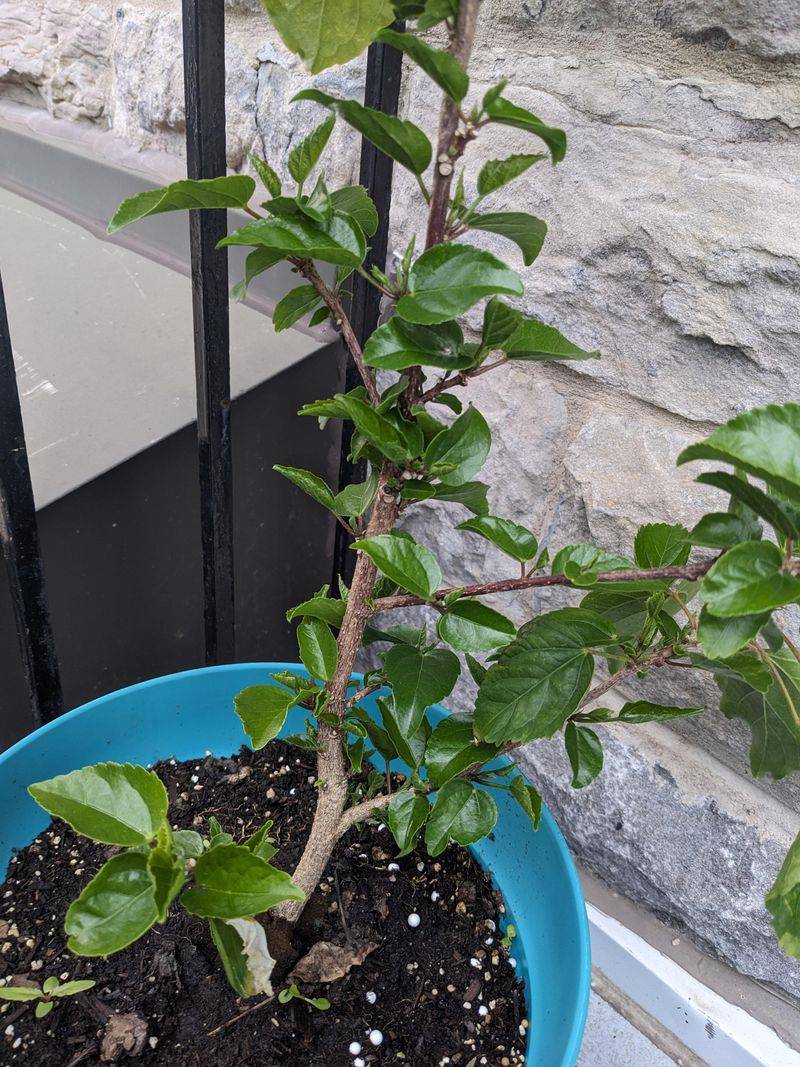
Summer can turn a tidy little hibiscus into a leafy giant. Squeezing that sprawling shrub through a doorway feels a bit like moving a couch.
Pruning before the move solves the size problem neatly. It also encourages bushier growth and more flowers when the next season rolls around.
Most gardeners trim about one third of the plant. You can safely remove up to half if space is truly tight.
Clean, sharp shears matter more than you might think. Dull blades crush stems, and dirty ones can spread disease from plant to plant.
Wipe your blades with rubbing alcohol before you begin. A quick wipe between plants is a smart habit as well.
Make each cut just above a bud that faces outward. Angle the cut at roughly 45 degrees so water slides off easily.
Outward buds send new branches away from the center of the plant. Airflow improves, and the shape stays open and attractive.
Leave some fresh growth and a few older leaves in place. Those leaves keep making food while the plant adjusts to indoor life.
Measure your sunny window spot before grabbing the shears. Knowing the height and width you need keeps you from cutting too much.
Here is a fun bonus for curious growers. Healthy stem cuttings can often root in water or moist potting mix, giving you extra plants.
Share the new starts with friends or keep them as backups. Swapping cuttings in fall is a fun habit for plenty of gardeners.
Afterward, expect a short pause in growth. Fresh shoots usually appear within a few weeks under decent light.
4. A Sunny Window Provides The Strongest Indoor Growing Conditions
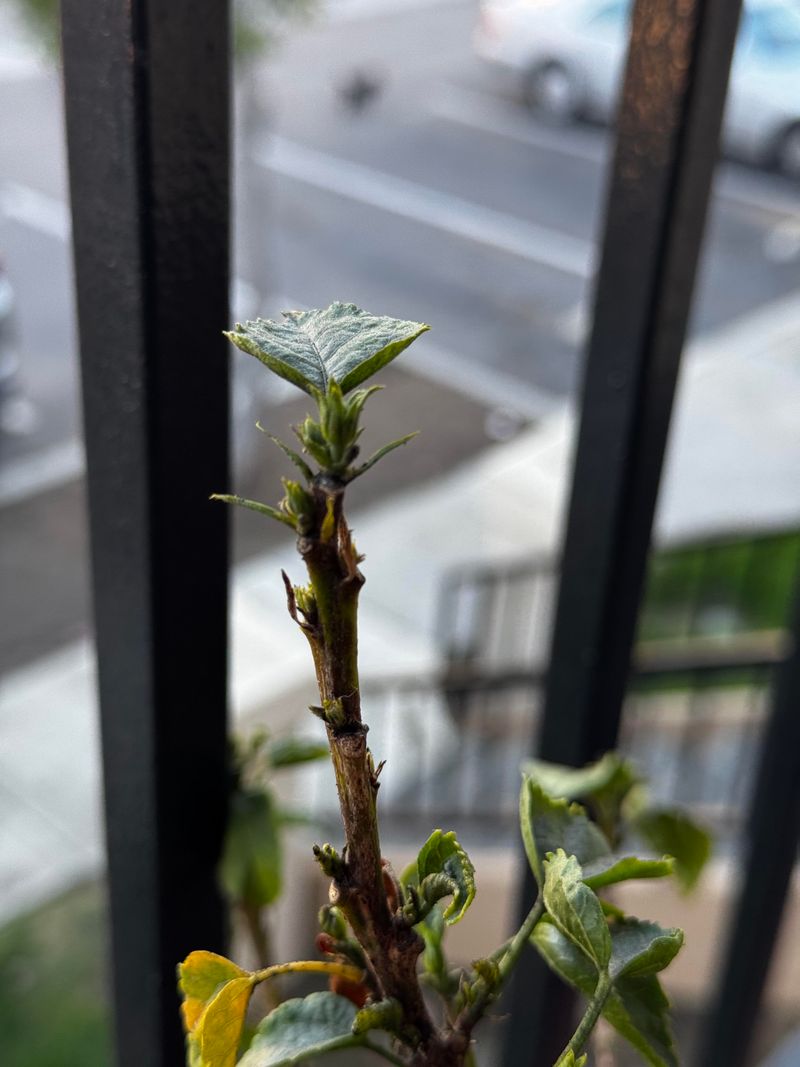
Ask any hibiscus where it wants to spend winter, and it would point straight at the brightest window. Light is fuel for this sun-loving shrub.
South-facing windows usually deliver the most light in a Virginia home during winter. West-facing glass works well too, offering four or five hours of sun.
East windows provide softer morning light that still keeps the plant going. North windows, sadly, rarely offer enough brightness on their own.
Place the pot close to the glass but not touching it. Cold panes can chill leaves on frosty nights.
Sheer curtains can soften harsh afternoon rays if leaves start looking bleached. Most indoor light is gentle enough, though, that scorching is rare.
For continuous blooms, hibiscus needs about 12 to 14 hours of bright light daily. Winter days offer far less, which is where grow lights come in.
Full-spectrum LED grow lights are affordable and use little electricity. Hang them about a foot above the plant and set a simple timer.
Rotate the pot a quarter turn every week or so. Otherwise, branches stretch toward the window and the plant grows lopsided.
Keep the glass clean, since dust and grime block more light than people realize. A monthly wipe helps.
Light matters a lot, yet warmth still ranks even higher for hibiscus in winter. A bright spot next to a drafty frame is not a great trade.
Choose a window that feels cozy when you stand beside it. If you would want a sweater there, your plant probably would too.
5. Water Less Frequently As Indoor Growth Decreases
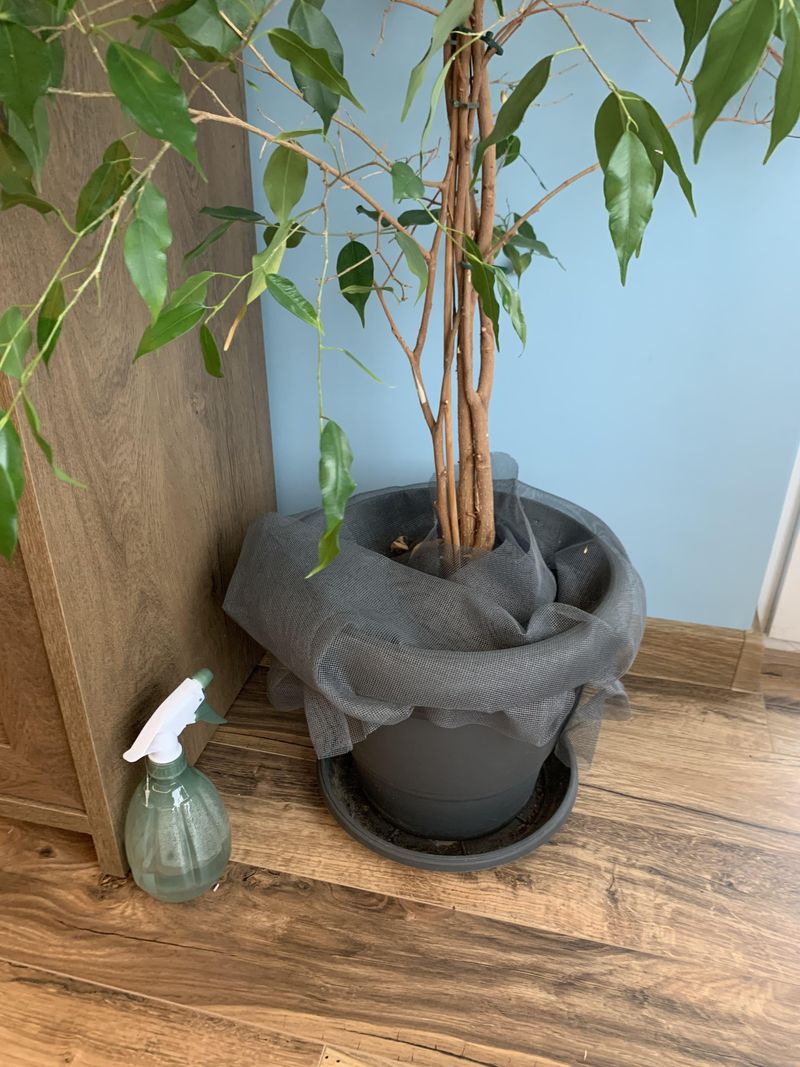
Overwatering is the quiet troublemaker of indoor winter care. More hibiscus struggle from soggy soil than from thirst during the cold months.
Slower growth means the roots drink far less than they did in July. Water that sits too long can lead to root rot and yellowing leaves.
Before watering, push your finger into the soil up to the second knuckle. If the top inch or two feels dry, go ahead and water.
Damp soil at that depth means you should wait a few more days. Checking first beats following a strict calendar every time.
Pour slowly until water runs from the drainage holes. Empty the saucer afterward so the roots are not sitting in a puddle.
Room-temperature water is kinder than cold tap water straight from the faucet. Chilly water can shock tropical roots, especially in a cool room.
Drainage holes are essential, so skip decorative pots without them. Placing a plastic nursery pot inside a pretty cover pot works nicely.
Still, bone-dry soil causes its own trouble. Wilting, crispy edges, and dropped buds suggest the plant waited a bit too long.
Lifting the pot offers another handy clue. A light pot usually needs water, while a heavy one still holds plenty of moisture.
Indoor heating dries the air, and a pebble tray can add gentle humidity. Just keep the pot bottom above the water line.
Many homes run furnaces from November into March, so dry air is common. Grouping plants together also helps raise moisture around the leaves.
6. Leaf Drop Can Follow The Sudden Change From Outdoor To Indoor Conditions
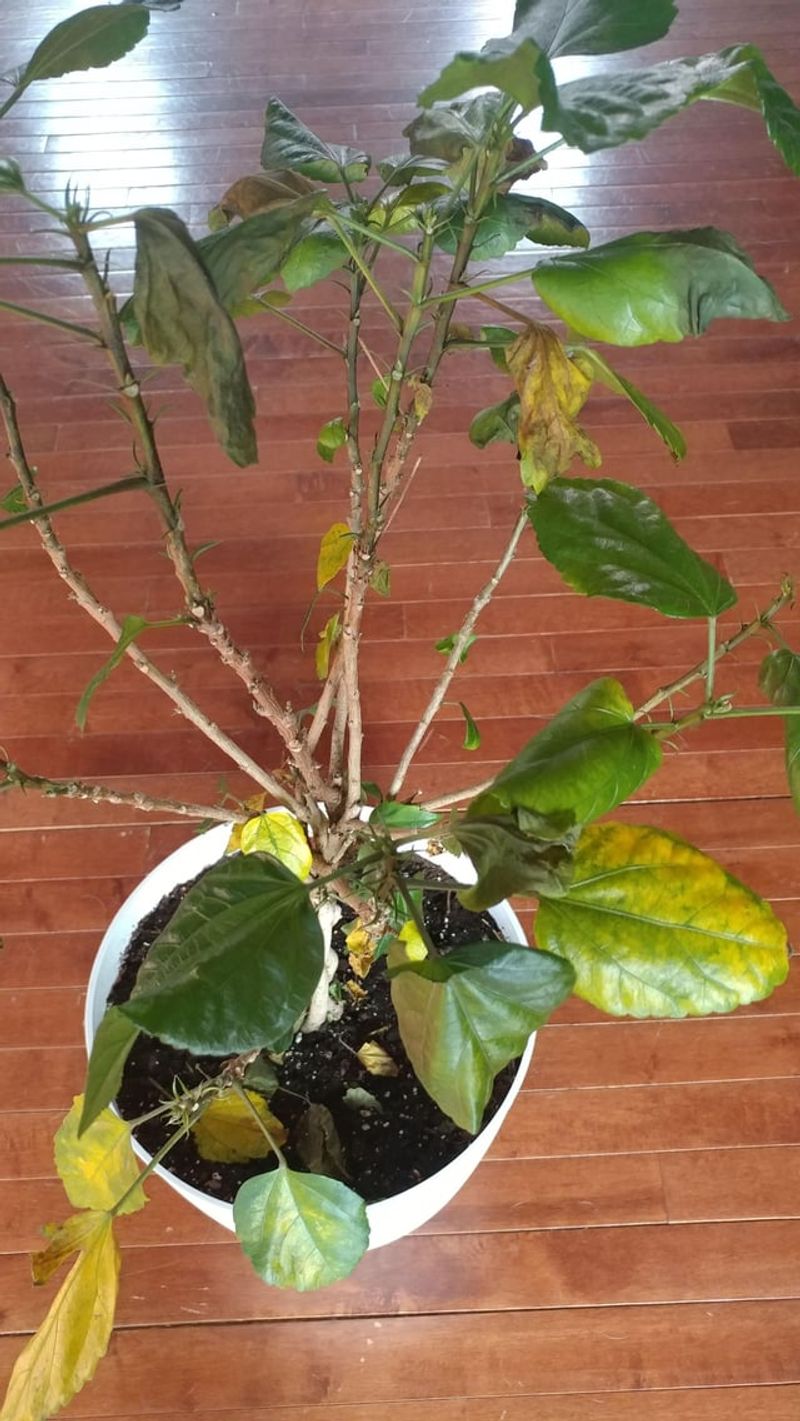
Few things alarm a gardener like a pile of green leaves on the living room floor. Relax, because your hibiscus is likely just throwing a small tantrum.
Leaf drop is a common reaction to moving indoors. The plant suddenly faces less light, different temperatures, and much drier air.
Humid outdoor air feels nothing like a heated house in December. To cope, the hibiscus sheds leaves it can no longer support.
The color of falling leaves offers helpful clues. Green leaves dropping quickly usually point to shock from light, cold, or movement.
Yellow leaves tell a slightly different story. They often hint at watering problems or a nutrient imbalance worth checking soon.
Some plants lose just a handful of leaves, while others end up nearly bare. Either way, the loss is usually temporary and nothing to panic about.
Avoid moving the pot around constantly in search of a better spot. Each new location adds more stress and can extend the leaf drop.
Scratch a stem gently with your fingernail to check its health. Green tissue underneath means the plant is resting, not failing.
Hold off on big fixes like repotting or heavy feeding right now. Steady care helps the plant settle faster than dramatic changes.
A bit of plant trivia eases the worry. Many tropical shrubs shed leaves during dry seasons to save water and energy.
Sweep up fallen leaves promptly so pests do not hide in them. Fresh growth typically returns by late winter or early spring.
7. Warm, Stable Temperatures Are More Important Than Keeping The Plant Actively Growing
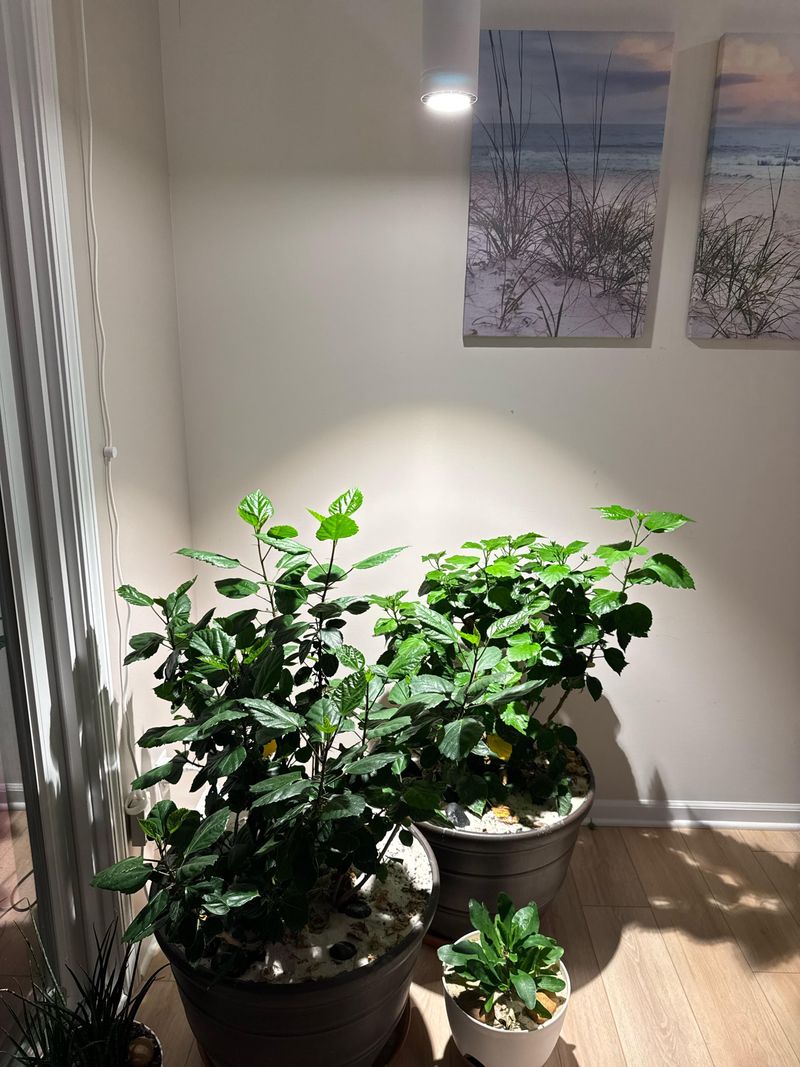
Think of winter as a waiting game where comfort matters more than performance. A warm, steady hibiscus will outshine a pushed, stressed one come spring.
Daytime temperatures between 65°F and 75°F suit tropical hibiscus nicely. Slightly cooler nights are fine, as long as they stay reasonable.
Trouble starts when the air around the plant falls below 50°F. Leaves may curl, buds drop, and growth stalls for weeks.
Drafts are the sneaky culprit in many homes. Doors that open often, leaky windows, and chilly entryways can send cold blasts across leaves.
Heat sources cause problems too, just from the other direction. Keep the pot away from radiators, space heaters, and blowing vents.
Sudden swings between hot and cold stress the plant more than a steady, cool room. Consistency is the real goal here.
An inexpensive digital thermometer near the pot takes out the guesswork. Some models even record overnight lows, which is surprisingly helpful.
Sunrooms and enclosed porches can get colder than expected after dark. Many Virginia sunrooms dip into the 40s on clear January nights.
If your only bright spot runs cool, move the plant a few feet inward at night. Bubble wrap on the window glass can also block some chill.
Forcing growth with extra fertilizer or constant light will not replace warmth. A cozy plant can rest safely, even if it barely changes all winter.
Your hibiscus simply needs to reach spring in good shape. Keep it warm and steady, and the flowers will return when the season turns.
8. Gradual Spring Acclimation Helps Prevent Shock When Hibiscus Returns Outside
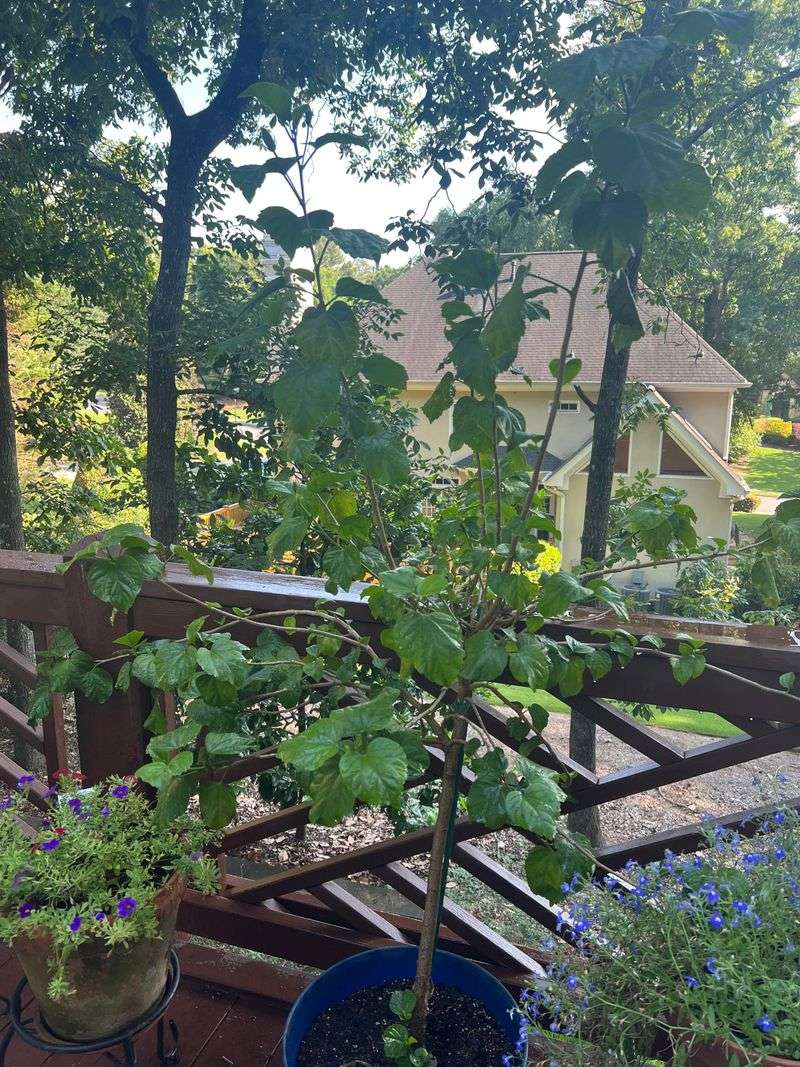
After months on a windowsill, your hibiscus is basically a houseplant with a sunburn waiting to happen. Rushing it outdoors can undo all your winter care.
Gardeners call the slow transition hardening off. It gives leaves time to toughen up against stronger sun, wind, and cooler air.
Wait until frost danger has passed and nights stay above 50°F. In much of Virginia, that often means mid-May, though mountain areas run later.
Start with a sheltered, shady spot like a covered porch or a place under a tree. Leave the plant there for about seven to ten days.
Next, offer about one hour of gentle morning sun each day. Slowly add more time over two to three weeks.
Morning light is softer and cooler than harsh afternoon rays. Leaves adjust more easily when the early exposure stays mild.
Pale or white patches on leaves suggest sunscald from too much sun too soon. Pull the pot back into shade for a few days if you spot them.
Windy days can dry out tender new growth quickly. Tuck the container near a wall or fence for extra protection.
Keep an eye on the forecast, since spring weather loves surprises. A sudden cold snap means bringing the plant back inside overnight.
Outdoor pots dry faster than indoor ones, so check soil moisture more often. Resume regular feeding once steady new growth appears.
By early summer, your hibiscus should be soaking up full sun happily. Those big, bright blooms will feel like a well-earned reward.