Virginia’s Natural Tick Control Might Be This Common Farm Bird
Tick activity in Virginia is closer to you than you probably realize. Virginia lawns carry more tick risk than they appear to. Chemical sprays promise safety but quietly harm you, your pets, and the soil.
A mysterious ally already exists, hiding in plain sight on old farms. Farmers trusted this creature long before pesticides ever existed. Loud, alert, and fiercely territorial, it patrols land like a living alarm.
Nothing about its natural hunting instinct feels calm or hesitant. It moves fast once it starts working through grass and brush. Pets roam freely outside while you skip the chemicals entirely.
Gardens thrive as danger quietly disappears around you. Families everywhere are quietly rediscovering this secret weapon right now. Curiosity alone won’t protect you or your pets forever.
Understanding this creature could change how you see your land completely. Only uncovering its identity will keep you and your Virginia property safe.
The Common Farm Bird Keeping Ticks Away In Virginia
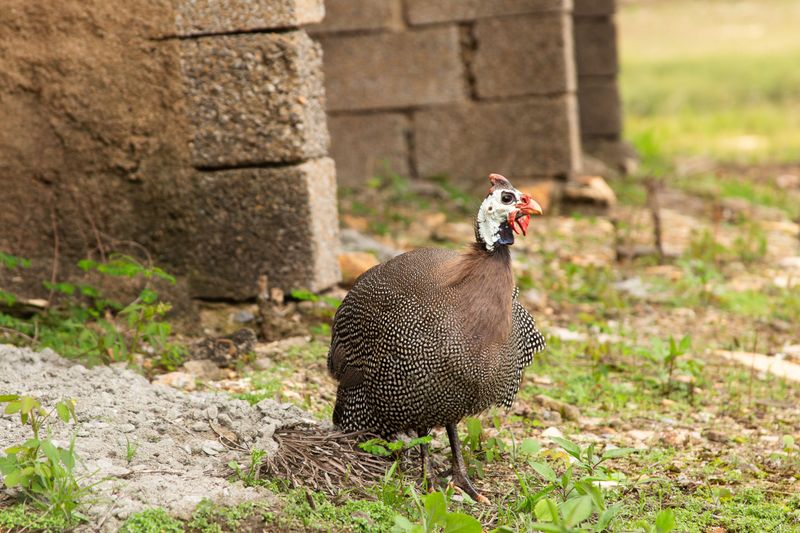
Picture this: you walk through your backyard without tucking your socks into your pants. That small freedom is exactly what guinea fowl can offer Virginia homeowners and farmers.
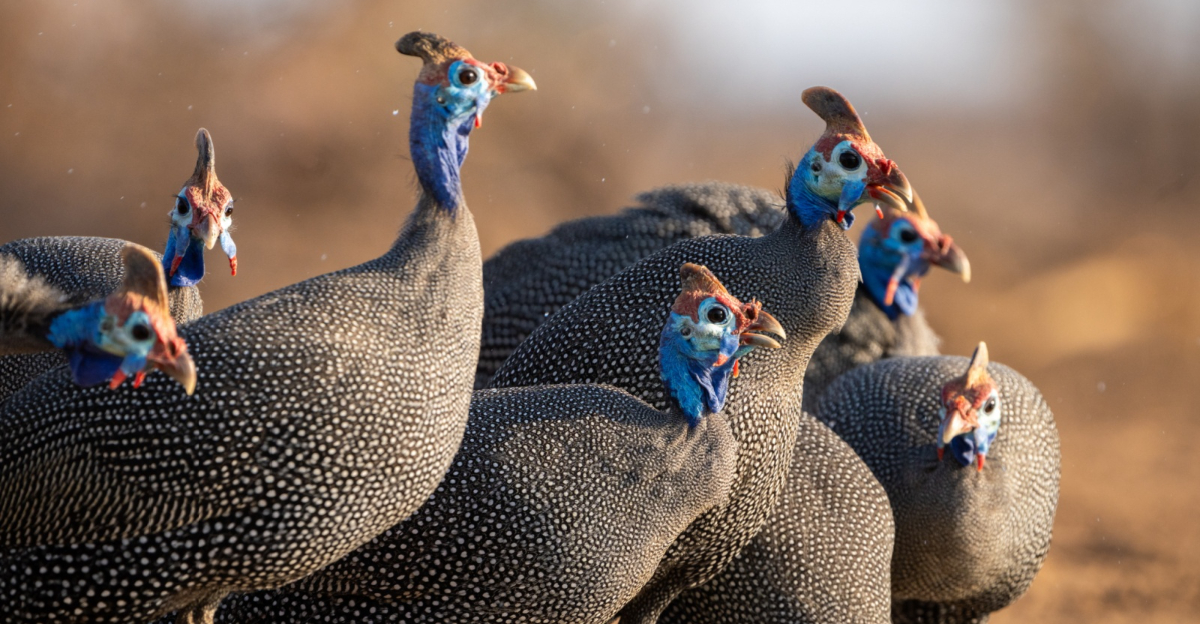
These spotted, helmet-headed birds are natural tick hunters. They spend their days walking slowly through grass, scanning the ground, and snapping up every insect in their path.
Guinea fowl are originally from West Africa, but they have thrived on American farms for hundreds of years. Farmers noticed long ago that properties with guinea fowl had noticeably fewer ticks.
Some research suggests that guinea fowl can help reduce tick populations compared to untreated land nearby, though results vary by study and property.
Virginia’s natural tick control might be this common farm bird, and early research offers some support for that claim. They are not just decorative animals with wild spotted feathers.
They are working birds with a job, and they take that job seriously every single day. If you have struggled with ticks on your land, guinea fowl deserve a serious look.
Controlling Ticks The Natural Way
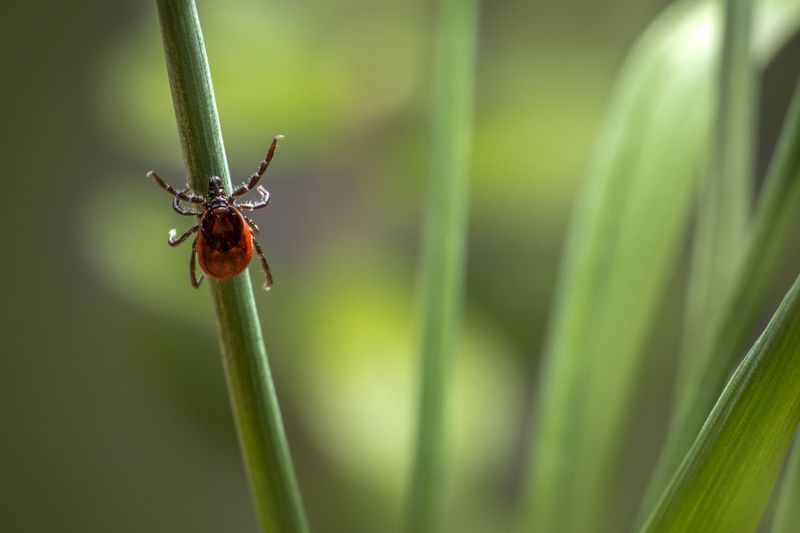
Chemical tick sprays work, but they come with real trade-offs. They can harm pollinators, contaminate soil, and leave residue on plants you might actually eat.
Natural tick control through guinea fowl skips all of that. These birds eat ticks directly, removing them from the environment without any chemical side effects whatsoever.
A single guinea fowl may eat a large number of ticks in a day during peak foraging hours, though exact figures vary. Multiply that across a small flock, and you have a meaningful layer of pest management.
They also eat other nuisance insects like grasshoppers and beetles, and they may occasionally prey on small snakes. Their appetite is broad, and their patrol range covers a lot of ground daily.
Unlike spray treatments that need reapplication every few weeks, guinea fowl work every day on their own schedule. Rain does not wash away their effectiveness like it does with topical pesticides.
They are also low-cost to maintain once they are settled on your property. Feed costs are minimal because they supplement their diet heavily through natural foraging in your yard or pasture.
Your Virginia Garden Changes Every Week. Your Plan Should Too.
Gardening in Virginia changes quickly throughout the season. Every Friday you’ll receive a simple weekly plan showing exactly what to plant, prune, fertilize, harvest, and protect so you never miss the right timing.
Choosing this natural approach also means your kids and dogs can roam freely without worry. That peace of mind alone makes guinea fowl worth considering seriously.
Why It Works Better Than Chickens Alone
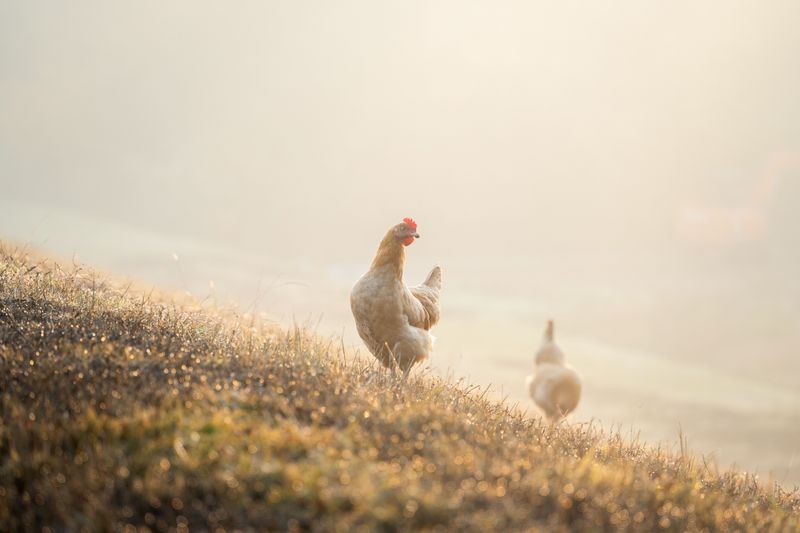
Chickens get a lot of credit for pest control, and they do eat insects. But guinea fowl operate on a completely different level when it comes to hunting ticks specifically.
Chickens tend to scratch and dig, which disturbs the soil and can actually scatter ticks around. Guinea fowl walk more carefully and pick insects directly off grass blades and leaf litter.
That targeted foraging style makes them far more effective at catching ticks before those pests climb onto a passing host. They essentially intercept the tick at the source.
Guinea fowl also cover more ground per day than chickens typically do. Their roaming range is wider, which means they patrol more of your property without you directing them anywhere.
They are also more alert birds in general. Their sharp eyesight and constant movement make them excellent at spotting tiny insects that a chicken might simply walk past.
That said, combining both species can actually improve results. Chickens handle the soil-level insects while guinea fowl sweep the grass and shrub zones above ground.
Think of it as a two-layer defense system working together across your entire yard. Guinea fowl handle what chickens miss, and that gap is exactly where ticks tend to hide.
Understanding What Makes Guinea Fowl Ideal For Virginia
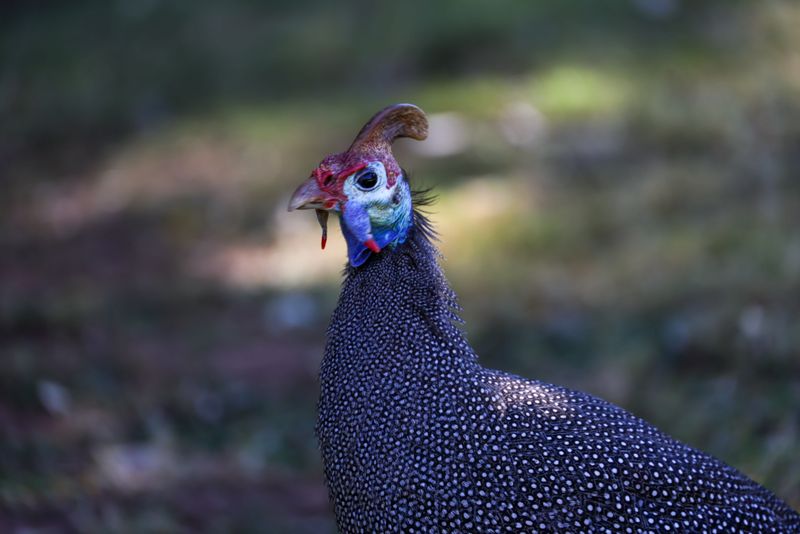
Virginia’s climate is honestly a sweet spot for guinea fowl. The warm, humid summers and mild winters in most of the state suit these birds quite well.
They handle heat better than many other poultry breeds, and they adapt to Virginia’s varied terrain from mountain edges to coastal plains with surprising ease.
Tick populations in Virginia are dense, especially in wooded suburban areas and rural properties near forests. Those are exactly the environments where guinea fowl thrive and forage most aggressively.
The state’s mix of open pasture and tree cover gives guinea fowl the range they need to stay active and engaged throughout the day. Bored birds are less effective foragers.
Virginia also has a strong farming community with existing infrastructure for poultry. Feed stores, local breeders, and agricultural extension offices make getting started with guinea fowl relatively straightforward here.
Virginia Cooperative Extension resources may offer guidance on using poultry for integrated pest management, though this should be verified directly with them. That kind of local support makes the learning curve much less steep for new owners.
When you match the right bird to the right environment, results come faster and last longer. Virginia checks nearly every box for guinea fowl success.
Introducing Them To Your Property
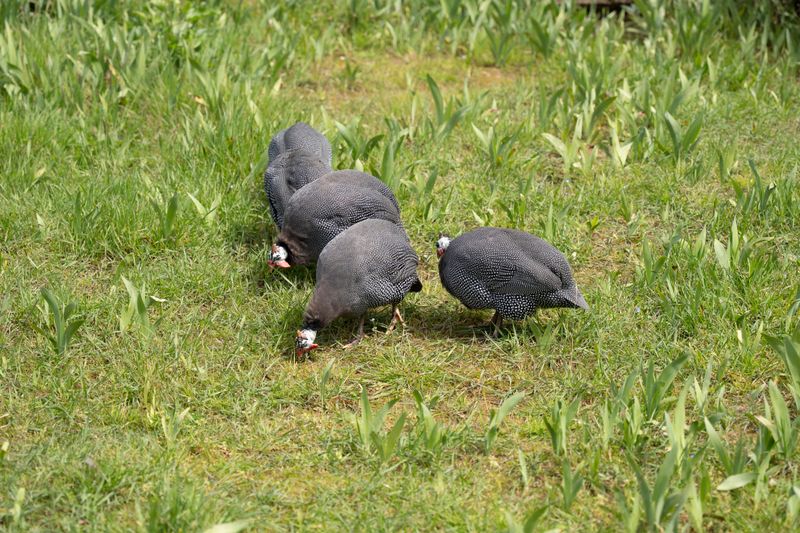
Starting with keets, which are baby guinea fowl, gives you the best chance of birds that bond to your property. Adults purchased elsewhere tend to wander off quickly.
Keets raised in your space learn that your land is home base. That early imprinting is crucial for keeping them from straying into neighboring yards permanently.
You will need a brooder setup for the first several weeks, similar to what you would use for baby chicks. Warmth, clean water, and high-protein starter feed are the essentials early on.
As a general guideline, you can begin transitioning them to outdoor spaces gradually after about eight weeks. A secure pen or run helps them adjust before you allow full free-range access.
As a general guideline, plan to keep them in a closed space for at least four to six weeks after moving outside. This extended adjustment period teaches them where home is before nightfall each day.
Guinea fowl instinctively return to roost at dusk if they feel safe and familiar with their space. Building that habit early prevents most of the wandering problems new owners worry about.
As a starting point, many owners begin with six to twelve birds and see how their property handles them. Scaling up is easy once you understand their routines and needs firsthand.
Exploring Other Benefits Beyond Tick Control
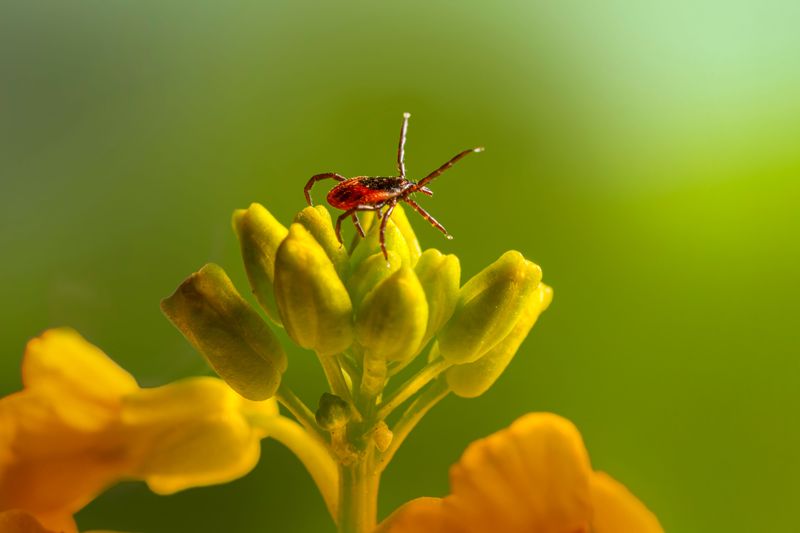
Tick patrol is the headline act, but guinea fowl bring a surprising collection of side benefits along with them. Most owners discover these perks after just a few weeks.
Their loud, distinctive calls work as a natural alarm system for your property. They sound off immediately when anything unfamiliar enters their space, including predators, strangers, or even deer.
That alarm behavior has made them popular as living security systems on rural properties across the country. You will know the moment something is out of place on your land.
Guinea fowl also eat other nuisance insects like grasshoppers and beetles, and they may occasionally prey on small snakes. Their foraging style is gentler on planted areas.
Their droppings are high in nitrogen and make excellent natural fertilizer for pastures and garden spaces. Over time, their presence actually improves soil health across the areas they roam regularly.
Some owners sell guinea eggs, which are smaller than chicken eggs but rich in flavor. That adds a small income stream to an already practical bird.
Every property is different, but most owners find guinea fowl deliver far more value than they expected. The tick control alone pays off quickly, and everything else is a bonus.
Tips For Keeping Them Happy And Effective
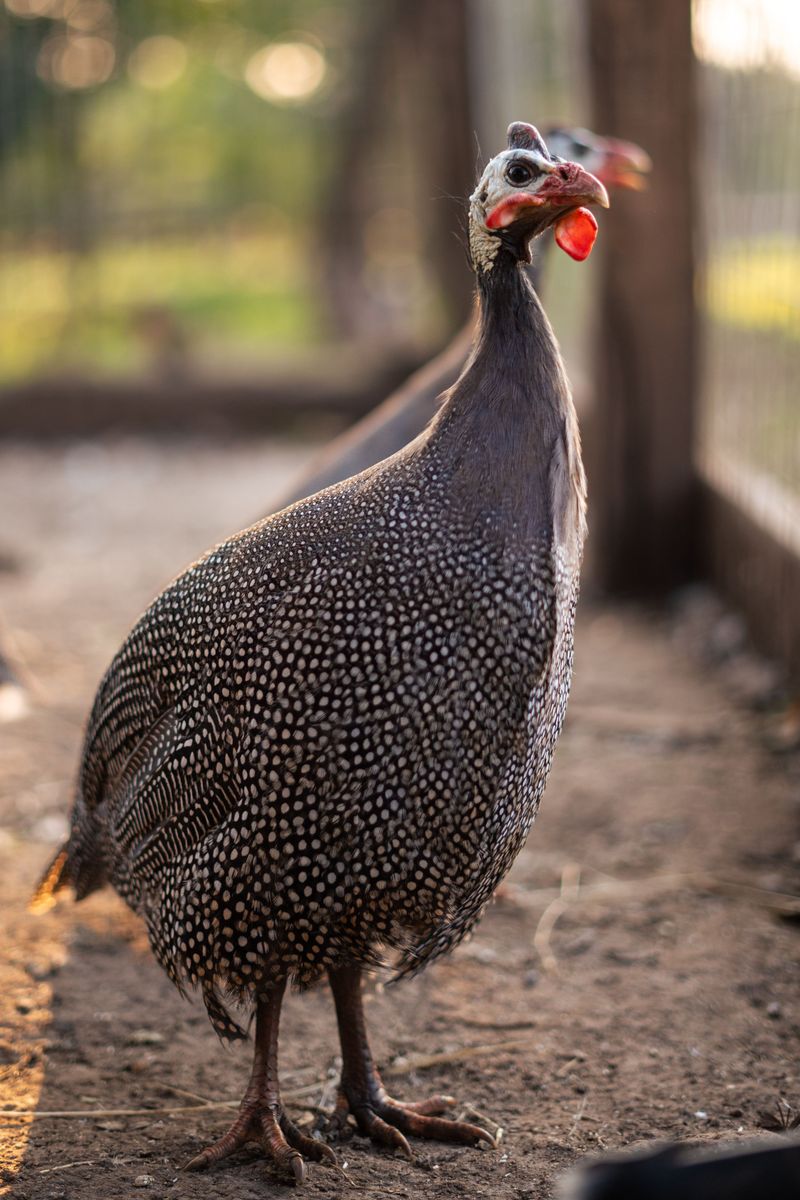
Happy guinea fowl are productive guinea fowl, and keeping them content takes just a few consistent habits. Neglected birds wander, stress out, and stop foraging effectively over time.
Provide a secure coop where they can roost safely at night. Predators like foxes, raccoons, and hawks are real threats, and a solid shelter prevents significant losses to your flock.
Guinea fowl prefer to roost high off the ground, so install sturdy perches inside their coop at a comfortable height. Low perches make them anxious and less likely to return at night.
Fresh water is non-negotiable, especially during Virginia’s hot summers. Dehydrated birds slow down quickly and become far less active in their daily foraging routines.
Supplement their diet with a quality poultry feed, especially during winter when insects are scarce. A grain mix keeps them healthy and energized even when natural food sources dry up seasonally.
Avoid confining them too tightly once they are established on your land. Guinea fowl need space to roam, and restricted birds lose the motivation to forage widely and consistently.
Virginia’s natural tick control might be this common farm bird, but only when they are cared for properly. Treat them well, and they will patrol your property reliably for years to come.