The Fall Pest Ohio Gardeners Notice On The House Before They Notice It In The Yard
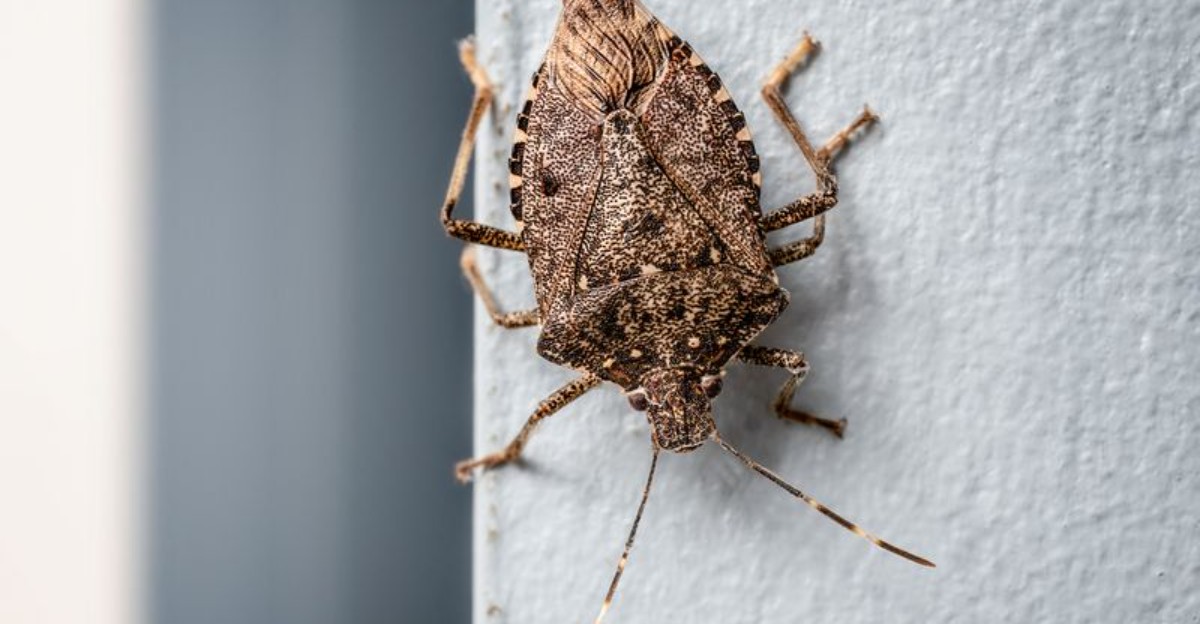
A soft tick against the window screen might be the first sign something’s off this September. Not rain, not a moth, but something with more legs and less rhythm, tapping the mesh again and again after dark.
By morning, the porch light fixture looks like a tiny convention center. Rows of flat, shield-backed visitors cling to the glass, unbothered by the early chill.
Nudge the screen door and a few drop straight into your coffee mug. The smell that follows sits somewhere between crushed herbs and an old sneaker left out in the sun.
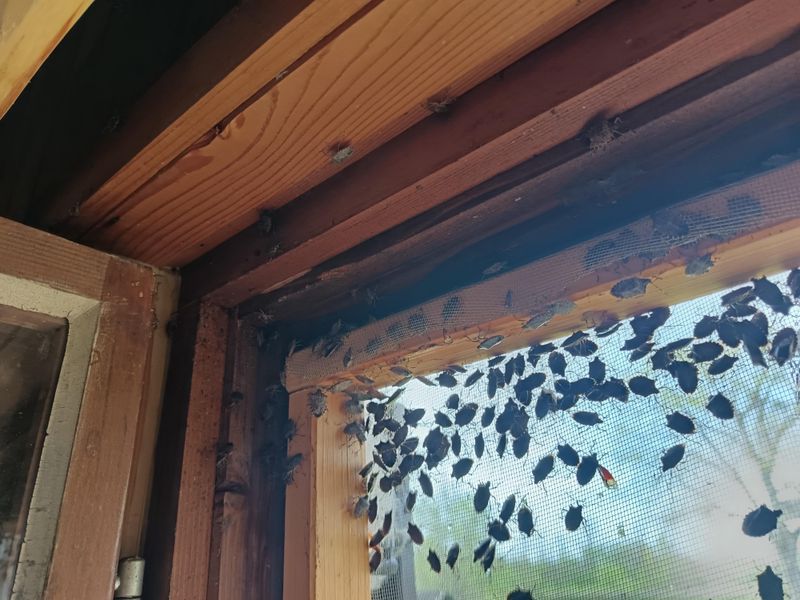
Your neighbor two doors down swears he counted forty of them on his chimney alone. At this point, the real question isn’t why they showed up. It’s how many more are still on the way.
The Brown Marmorated Stink Bug On Your Siding
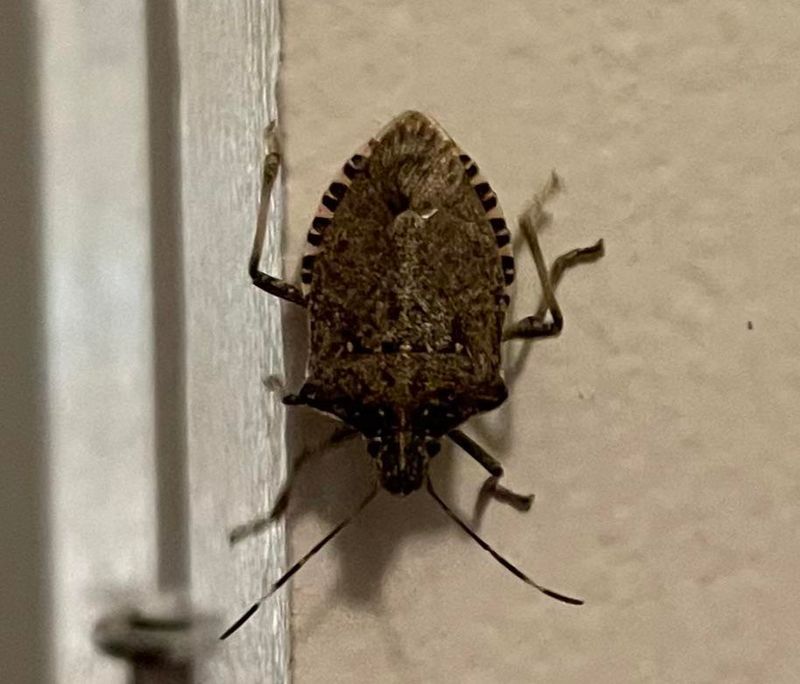
Those brownish, shield-shaped bugs crawling across your sunny siding have a name, and it’s a mouthful. Say hello to the brown marmorated stink bug, a traveler that originally came from East Asia.
Scientists believe it hitched a ride to Pennsylvania inside shipping crates sometime during the mid-1990s. By the early 2010s, it had spread across much of Ohio and settled right in.
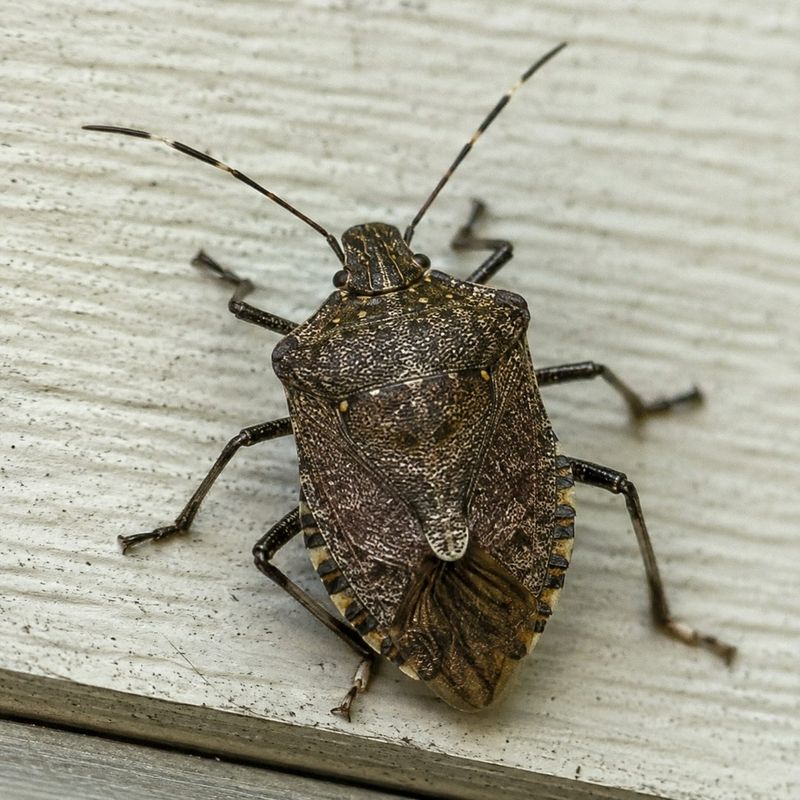
Adults are about the size of a dime, with a mottled brown back shaped like a tiny shield. Look for light bands on the antennae, which help separate them from native look-alikes.
Their outer edges also show alternating dark and light stripes, a bit like piano keys. Native stink bugs usually lack those pale antenna bands, so take a close look before deciding.
In summer, these bugs quietly feed in gardens, orchards, and soybean fields, so most people barely notice them. Fall changes the game, because the bugs suddenly want a warm place to spend winter.
That’s why your house becomes the first clue, long before you connect them to scarred tomatoes. Sunny walls put them on display like a giant billboard you simply can’t ignore.
They don’t bite people, sting pets, chew through wood, or harm anything inside your home. Their biggest crimes are a nasty smell and the fruit damage they cause each summer.
Knowing exactly what you’re looking at solves most of the puzzle with any garden pest. Once you can name the culprit, you can plan a smarter response before spring arrives.
Warm South-Facing Walls As Winter Magnets
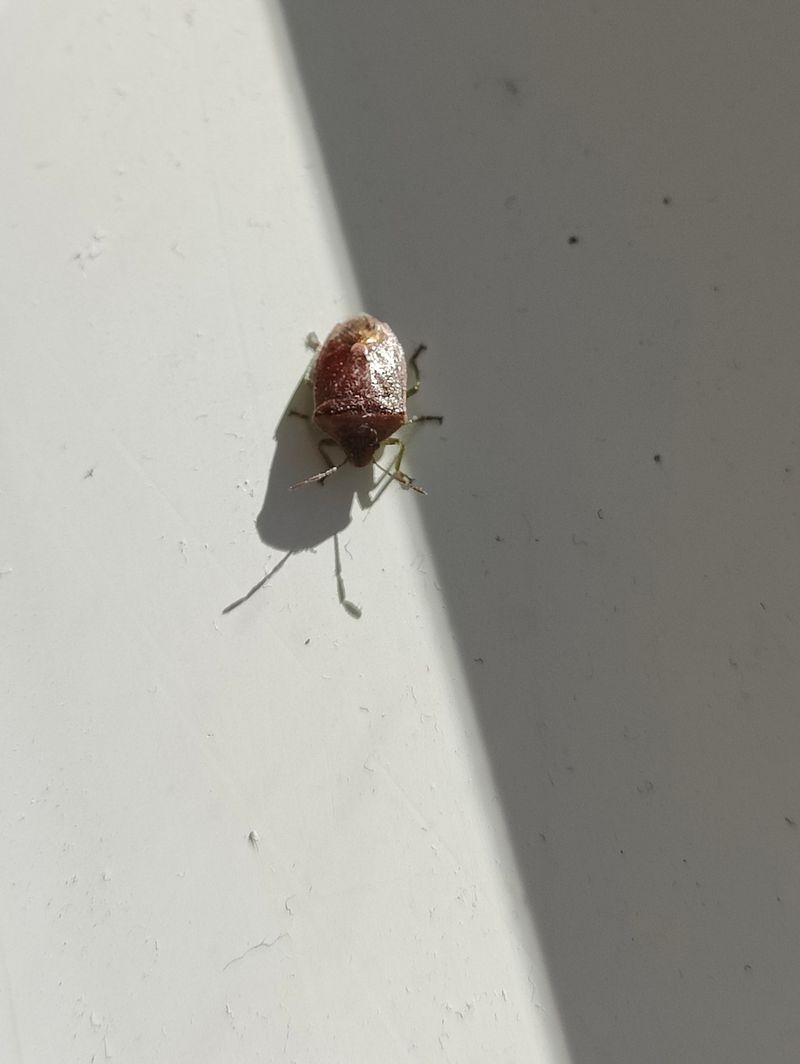
Think of your house as a giant space heater that happens to have windows. On cool September days, south and west walls soak up sunshine and stay toasty for hours.
Stink bugs notice that warmth the way kids notice a cookie jar. As nights dip into the 50s, their bodies send a clear message to find shelter soon.
Shorter days act like a built-in alarm clock for them too. Once daylight shrinks below about 13 hours, many adults stop feeding and begin searching for hideouts.
In the wild, they would squeeze under loose tree bark or into cracks in rocky cliffs. Your siding, window frames, and attic vents look like a five-star upgrade by comparison.
Your Ohio Garden Changes Every Week. Your Plan Should Too.
Gardening in Ohio changes quickly throughout the season. Every Friday you’ll receive a simple weekly plan showing exactly what to plant, prune, fertilize, harvest, and protect so you never miss the right timing.
There’s another twist that helps explain the sudden crowds on certain houses. Scientists think the bugs also follow scent cues, so a few early arrivals can attract many more.
Houses near woods, orchards, or soybean fields often see the biggest gatherings. Harvest time pushes bugs out of those fields and straight toward the nearest warm building.
In Ohio, the peak usually runs from mid-September through October. Warm, sunny afternoons that follow a chilly night tend to bring the largest waves onto your walls.
So if your south wall looks busy this month, it’s no coincidence. Your house just happens to be the coziest hotel in the neighborhood.
Knowing this timing gives you a useful head start each fall. Check those sunny walls on the first warm afternoon after a cold snap.
A Crunchy Mistake Most Homeowners Make
Every Ohio neighborhood has someone like Dave, fed up after finding his fifth stink bug indoors. He grabs a tissue, squeezes hard, and instantly regrets that decision.
Squashing a stink bug releases its famous odor right onto your hands and into your home. That smell can linger for hours and may even leave stains on curtains or walls.
Plenty of folks think the vacuum cleaner is a clever workaround. Sadly, the stink can soak into the bag, filter, or canister and stick around for weeks.
If you do vacuum, use an old shop vac that you won’t miss later. Empty it outside right away instead of letting bugs sit in the canister overnight.
Another common slip is blasting the outside walls with strong bug spray. Sprays rarely stop new arrivals, and they can harm helpful insects like bees and ladybugs.
Flushing bugs down the toilet works, but it wastes plenty of water during a busy season. Dozens of flushes a week can add up quickly on your water bill.
The biggest mistake might be shrugging off the crowd on your walls as harmless. Those same visitors will wake up next spring and head straight for your garden.
One female can lay a few hundred eggs in a single summer. They appear in neat little clusters of about 28 on the undersides of leaves.
Dave learned his lesson the smelly way with one very regrettable tissue. You can skip that step and jump straight to a calmer, cleaner plan.
One Humble Bucket Of Soapy Water
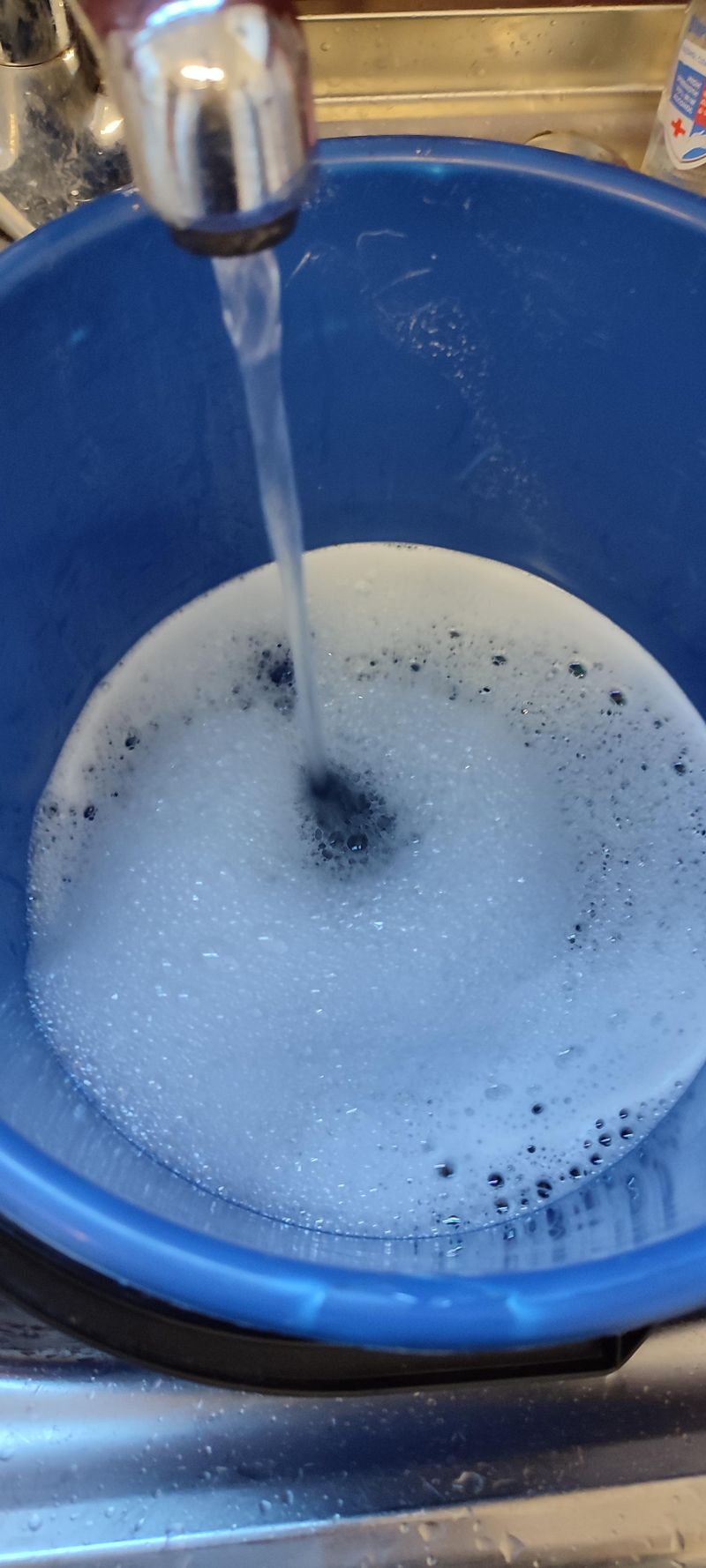
Sometimes the best pest tool costs less than a cup of coffee. A plastic container, warm water, and a squirt of dish soap handle most indoor stink bugs.
Hold the container just below a bug on a wall, window, or curtain. Stink bugs tend to drop when bothered, so a light nudge sends them into the suds.
Soap breaks the water’s surface tension, so they sink instead of climbing back out. Best of all, this method rarely triggers that awful smell in your kitchen.
Some Ohio gardeners keep a soapy jar near every sunny window from September through November. Others cut the top off a plastic bottle and flip it upside down as a funnel.
Outdoors, a spray bottle of soapy water can help with small clusters on siding. Try it early in the morning, while the bugs are chilly, slow, and easier to reach.
A simple light trap can also help in dim attics or spare rooms. Set a small lamp over a pan of soapy water, and curious bugs tumble in overnight.
Empty your containers outdoors, well away from the vegetable beds. Pour the mix into a trash bag, then refill with fresh soapy water for tomorrow.
Kids often love helping with this chore, especially when it turns into a contest. Keep a tally on the fridge and see who catches the most by Halloween.
It won’t win any decorating awards sitting on your windowsill. Still, a humble soapy jar beats a smelly, squished bug by a country mile.
Blotchy Garden Harvests Next Summer
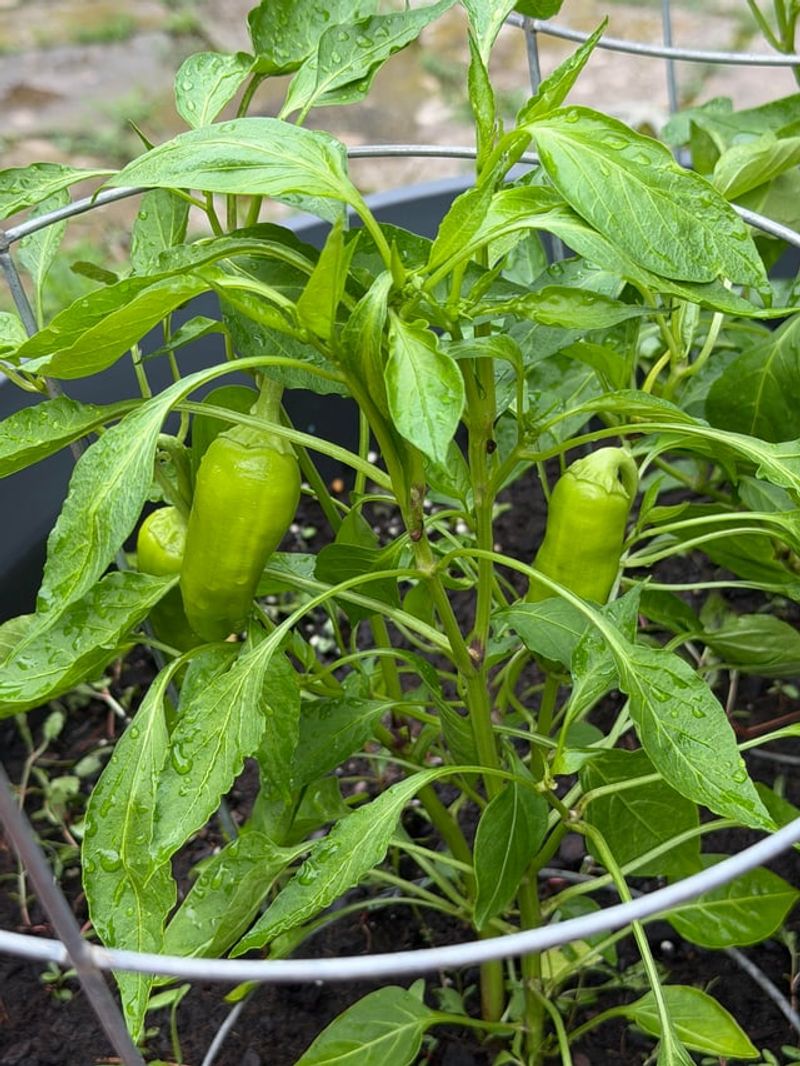
Last August, a Dayton gardener sliced into a gorgeous tomato and found pale, spongy patches inside. She blamed the weather, but the real culprit had spent winter in her attic.
Stink bugs feed by poking a needle-like mouth into fruit and sipping the juices. Each puncture leaves behind a cloudy blotch that turns hard or corky underneath.
Tomatoes and peppers develop whitish or yellow speckles that look a bit like freckles. The fruit is still safe to eat, but the texture turns mealy in those spots.
Apples and peaches get sunken dimples with brown, spongy flesh just beneath the peel. Some Ohio orchards have reported painful losses during heavy stink bug years.
Sweet corn, green beans, okra, and even raspberries can suffer as well. Corn kernels may shrivel, while bean pods sometimes twist or grow tiny bumps.
Damage usually peaks in late summer, right when fruit is ripening on the vine. Those hungry feeders are the very same bugs that crowd your siding in September.
Here’s the link most people miss between the house and the garden. Every bug sheltering in your walls this fall could become a parent in your garden next June.
Keep an eye out for the young bugs, called nymphs, on leaves during July. Early ones look like tiny orange-and-black beads huddled around their empty egg cases.
A few blemished tomatoes might not bother you much. A whole basket of speckled peppers and dimpled apples tells a much sadder story.
A Tightly Sealed Home Before Frost
A tube of caulk might be the most underrated gardening tool in Ohio. Sealing gaps in early September keeps stink bugs outside, where cold weather can thin their numbers.
Walk around your house on a sunny afternoon and hunt for tiny gaps or cracks. Check window frames, door edges, dryer vents, and spots where pipes or cables enter.
Silicone caulk works nicely on thin cracks, while expanding foam fills larger holes. Patch torn window screens too, because these bugs squeeze through surprisingly small openings.
Door sweeps and fresh weather stripping block the sneaky gaps under exterior doors. Fine mesh over attic vents stops intruders while still letting your roof breathe.
Timing matters more than most people realize with this weekend project. Aim to finish as early in September as possible, before the main rush arrives.
Out in the garden, pick up fallen fruit and clear weedy edges where bugs linger. Next spring, lightweight row covers can shield young peppers and tomatoes from hungry visitors.
Nature is lending a helpful hand in this effort as well. A tiny samurai wasp that targets stink bug eggs has been spotted in parts of Ohio.
Birds, spiders, and praying mantises also snack on stink bugs when they get the chance. Skipping harsh sprays keeps these hungry helpers hanging around your yard.
Seal up the house now, and next summer’s tomatoes will thank you. Your siding might even look a little lonely by the end of October.