The Best Native Texas Hedges That Stay Full Through Winter
Winter in Texas is not as forgiving as most people assume when they’re choosing privacy plantings.
Shrubs that looked full and dense through the growing season can thin out dramatically once temperatures drop.
For homeowners who planted deciduous species without fully thinking through the winter picture, January tends to be a very clarifying month.
Native Texas evergreen shrubs solve this problem better than most of the alternatives available at a standard garden center.
They hold their foliage through winter and provide the kind of genuine year round presence that privacy planting is supposed to deliver.
Here are the best native Texas hedges that stay full through winter and why each one earns a permanent place in the landscape.
1. Yaupon Holly
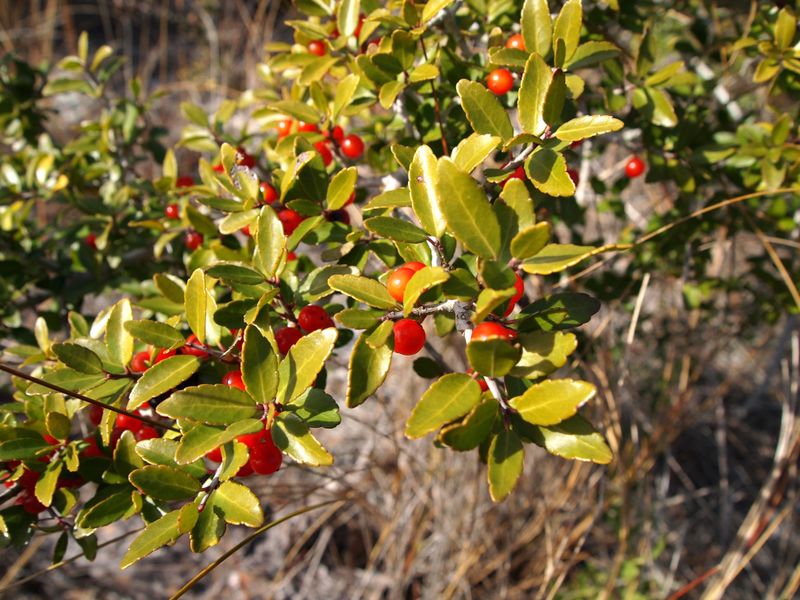
Ask any Texas nursery worker for a winter hedge, and yaupon holly will likely be the first name you hear.
Folks have trusted it for generations. Its small, shiny leaves stay green from January to December.
Yaupon grows naturally across East and Central Texas. It handles clay, sand, and even soggy spots better than most shrubs. Once it settles in, it can get by on very little water.
The female plants put on a bright show of red berries in fall and winter. Birds like cedar waxwings and mockingbirds flock to them. If you want berries, make sure you buy a female plant with a male nearby.
For hedges, many people choose dwarf types like Nana or Schillings. They stay short, around three to four feet, and need little trimming. Taller types can reach 15 feet and make a great privacy screen.
Plant yaupon in fall so the roots can grow during the cool months. Space the shrubs about three feet apart for a thick wall. Water them deeply once a week for the first summer.
Here is a fun fact. Yaupon is the only plant native to North America that has caffeine in its leaves. Native people brewed it into a tea long before coffee arrived.
Pests rarely bother it, and deer usually leave it alone. You can shape it into a formal box or let it grow wild and natural. Either way, yaupon keeps your yard looking lively when everything else goes quiet for the season.
2. Texas Mountain Laurel
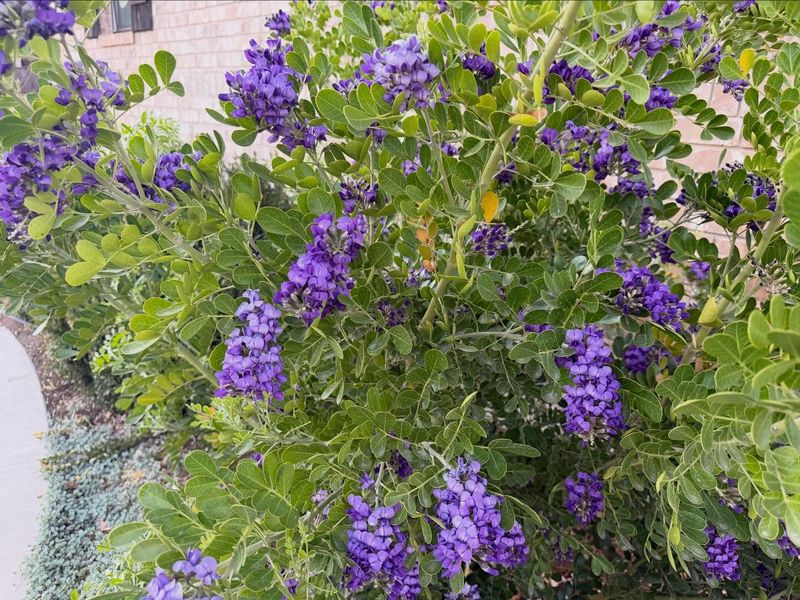
Smell it once, and you will never forget it. Texas mountain laurel blooms in early spring with purple flowers that smell just like grape soda. Kids and grown-ups alike love sniffing the blossoms.
The real star, though, is the leaves. They are thick, dark green, and shiny like they were polished. They hang on all winter, giving your yard a rich color when other plants fade.
Mountain laurel is right at home in the Hill Country and West Texas. It loves rocky, well-drained soil and full sun. Heavy clay that stays wet is its biggest enemy, so plant it on a slope or in a raised bed.
Patience is key with this one. It grows slowly, sometimes only a few inches a year. The payoff is a sturdy shrub that can live for decades with very little care.
Your Texas Garden Changes Every Week. Your Plan Should Too.
Gardening in Texas changes quickly throughout the season. Every Friday you’ll receive a simple weekly plan showing exactly what to plant, prune, fertilize, harvest, and protect so you never miss the right timing.
For a hedge, plant them about four to six feet apart. They can reach 10 to 15 feet tall over time. You can trim the lower branches to make small trees or leave them bushy for more privacy.
Keep an eye out for small green caterpillars in spring. These genista moths can chew the leaves. Picking them off by hand or using a gentle spray usually solves the problem.
One warning is worth sharing. The bright red seeds inside the pods are poisonous, so keep them away from pets and small children.
Otherwise, mountain laurel is a beautiful, drought-proof choice that deer mostly ignore.
3. Wax Myrtle
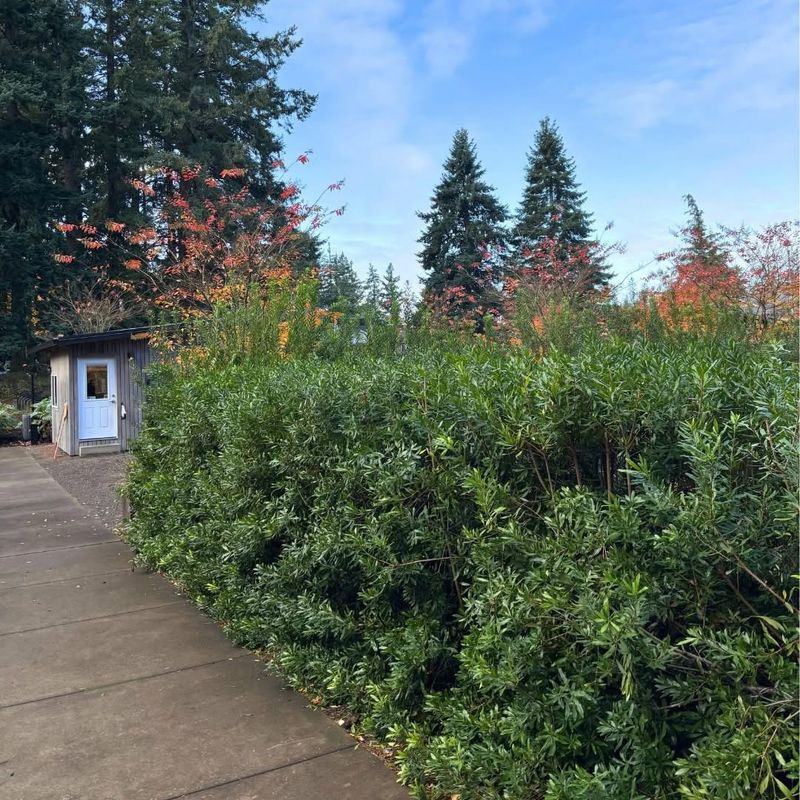
Need privacy fast? Wax myrtle might be your new best friend. It can grow three to five feet in a single year once it gets going.
You will find this shrub growing wild along creeks and coastal areas in East and South Texas.
It loves moisture but can handle short dry spells too. It even puts up with salty sea breezes, which makes it great for Gulf Coast homes.
The narrow leaves are olive green and stay on all winter. Crush one in your hand, and you will notice a spicy, clean scent. Some people say it helps keep mosquitoes and fleas away.
Back in colonial days, settlers boiled the waxy berries to make candles. That is how it earned the nickname candleberry. Today, the berries feed bluebirds, warblers, and many other winter visitors.
A wax myrtle hedge can reach 10 to 20 feet tall if left alone. For a thick screen, plant them about five feet apart. Trim them in late winter to keep the bottom from getting thin.
A dwarf version is also sold. It stays around four feet tall and works well near patios or under windows. It gives you the same green color without the size.
There is one catch to know about. Wax myrtle can struggle in very hard freezes or in dry West Texas heat. If you live in the eastern half of the state, though, few hedges will fill in as quickly or look as tidy.
4. Cenizo
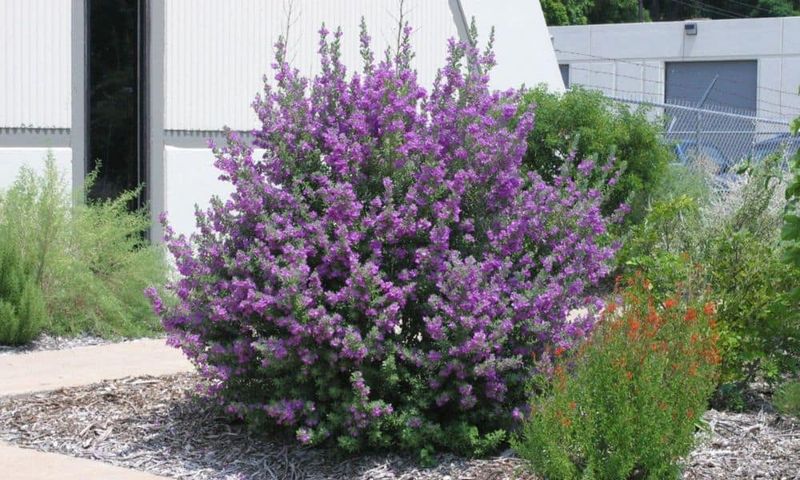
Some plants sulk in the heat. Cenizo seems to laugh at it. This silvery shrub, also called Texas sage or barometer bush, thrives where other hedges give up.
Its soft, fuzzy leaves have a silver-gray color that glows in the sun. They stay on through most winters, adding a cool, calm tone to your yard. Next to green plants, the color really pops.
Now for the fun part. Cenizo often bursts into purple or pink blooms right after a rain. Old-timers used it to predict storms, which is how it got the barometer nickname.
You will see cenizo growing wild in South and West Texas. It needs full sun and soil that drains fast. Too much water or shade will make it leggy and weak.
For a low hedge, space plants about three to four feet apart. Most kinds grow four to six feet tall. Varieties like Compacta and Green Cloud give you different sizes and leaf colors.
Resist the urge to shear it into tight boxes. Heavy trimming cuts off the flower buds and makes the shrub look stiff. A light shaping in late winter keeps it neat and natural.
Cenizo is a dream for water-wise yards. After the first year, it rarely needs extra watering at all. Bees and butterflies adore the flowers, and deer tend to walk right past.
If your yard bakes in the afternoon sun, this silver charmer could be the perfect fit.
5. Agarita
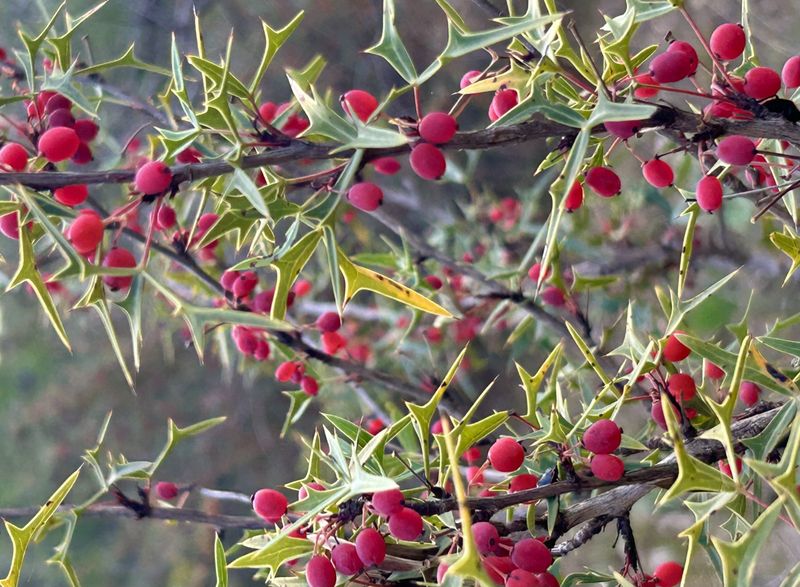
Picture a hedge that says keep out without saying a word. Well, agarita does exactly that. Its stiff, spiky leaves make it one of the best natural security fences you can grow.
The leaves are blue-green and shaped a bit like holly. They stay on all year, even through freezing nights. Few animals or people want to push through it.
In late winter, agarita covers itself in tiny yellow flowers that smell sweet. These early blooms are a big help to bees waking up from winter. By late spring, bright red berries appear.
Texans have picked these berries for a long time. They make a tasty jelly with a tart, cherry-like flavor. Pioneers would spread a sheet under the bush and beat the branches to shake the fruit loose.
Agarita grows wild across Central and West Texas. It loves rocky, dry soil and full sun or light shade. Once it is settled, it barely needs any water at all.
The shrub usually reaches three to six feet tall. Plant them about four feet apart for a thick barrier. Wear thick gloves when you plant and trim, because those spines are sharp.
Growth is slow, so buy the biggest plants you can afford. The wait is worth it. Deer will not touch it, birds nest safely inside it, and your property line gets a tough, handsome border that keeps its color when everything around it turns brown.
6. Cherry Laurel
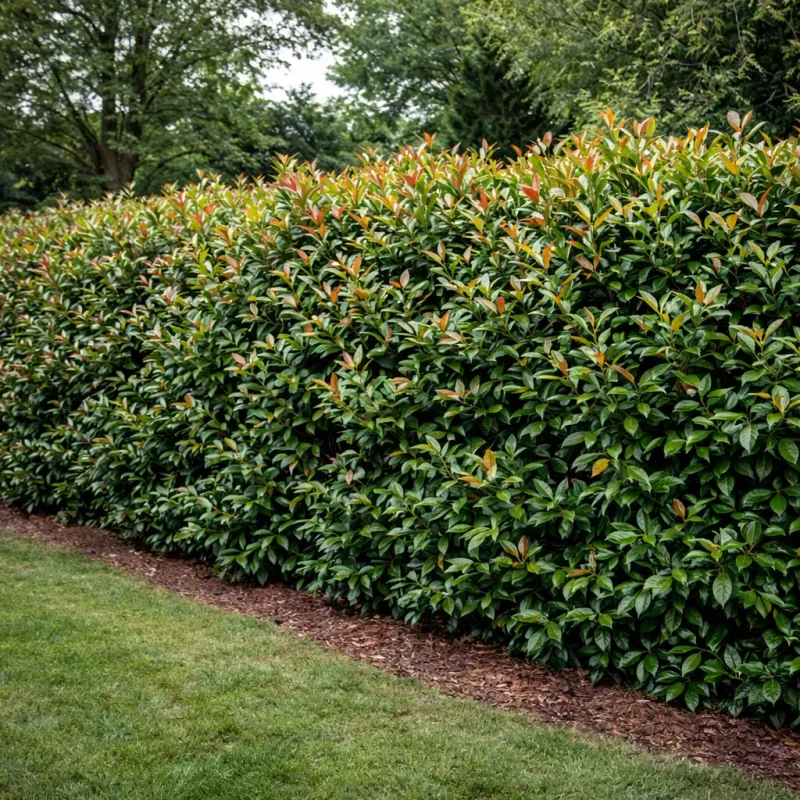
When you want a tall green wall, Carolina cherry laurel has been a Texas go-to for decades. You have probably seen it lining old neighborhoods in Dallas and Austin. Its glossy leaves look fresh even in the winter.
This native grows wild in the eastern part of the state. It can reach 20 to 30 feet tall if you let it. With regular trimming, it makes a thick hedge at any height you like.
Crush a leaf and sniff it. You will catch a scent like almonds or maraschino cherries. That smell comes from natural compounds in the leaves.
Tiny white flowers show up in early spring and attract lots of bees. Later, shiny black fruits form. Birds gobble them up, though the fruit is not safe for people or pets to eat.
For a privacy hedge, plant cherry laurels about five to eight feet apart. They grow fairly fast, about two feet a year. Give them sun or partial shade and soil that drains well.
A compact variety called Bright N Tight is popular for smaller yards. It stays narrow and has a tidier shape. It still gives you that same deep green color.
Watch out for one small problem. Cherry laurel can drop seeds that sprout all over your yard. Pull the little seedlings while they are small, and you will stay ahead of them.
Aside from that, it is a reliable, handsome screen that blocks noise and nosy neighbors all year.
7. Dwarf Palmetto
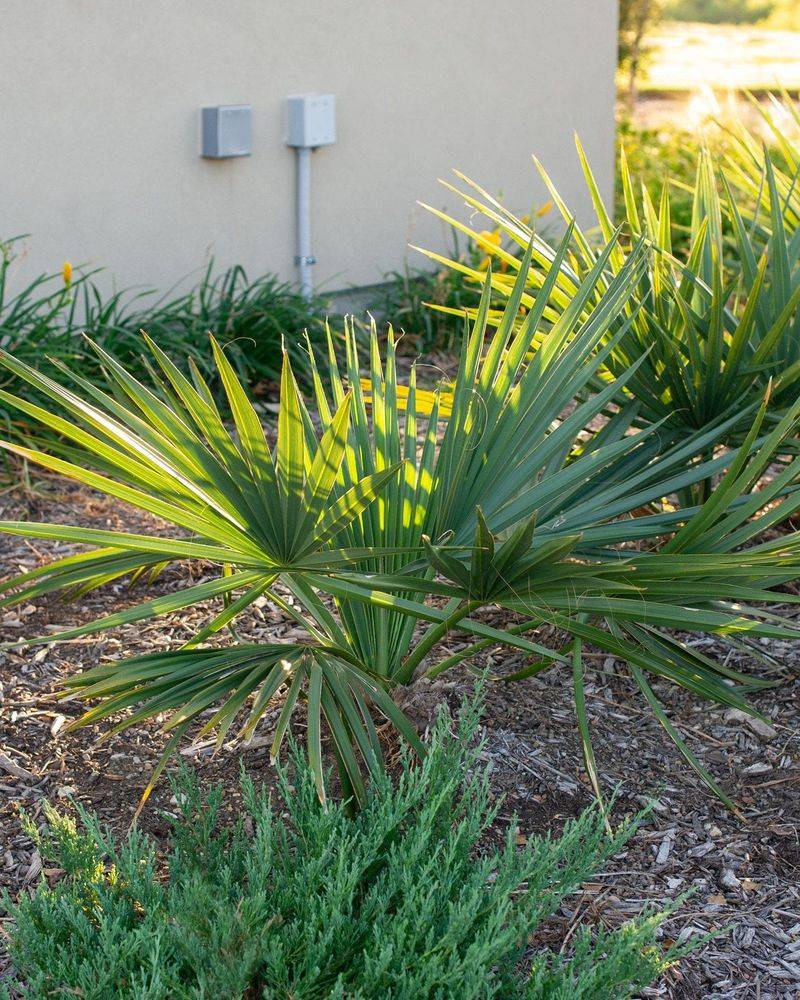
Most people are surprised to learn that Texas has its own native palm. Dwarf palmetto grows wild along rivers and in bottomland forests. It brings a tropical look that can take a surprising amount of cold.
Its big, fan-shaped leaves stay green all winter. It can handle temperatures down into the single digits. That makes it tougher than many palms sold at big box stores.
Unlike most palms, this one does not form a tall trunk. The trunk usually stays underground. The leaves rise straight from the soil, reaching about four to six feet tall and wide.
Dwarf palmetto is a great pick for spots where other hedges struggle. It grows well in shade and loves wet, heavy clay. Yet once settled, it also puts up with dry spells.
Use it as a loose, informal hedge rather than a clipped one. Plant them about four to five feet apart for a full look. Mixing them with yaupon or wax myrtle creates a layered, natural border.
Care is simple. Just snip off any brown leaves at the base once a year. There is no need to shape or shear it at all.
Wildlife loves it too. Birds eat the small black fruits, and critters hide beneath the wide leaves. Did you know?
A famous patch of these palms grows in Palmetto State Park near Gonzales. If you want something different that still stays lush through the cold months, this little palm is a fun, easygoing choice.