The One Thing You Must Do To Ohio Lilacs Before September Ends

Your lilacs are sitting on a secret, and the next two weeks decide whether next spring rewards you or punishes you.
Ohio gardeners walk past their lilac bushes every day without realizing something quietly shifts inside them each September.
It’s a small move, barely takes five minutes, and yet it separates a bush loaded with blooms from one that limps through spring looking half-asleep.
Most homeowners never learn about it until a neighbor’s lilac steals the show year after year while theirs sits there, stubborn and sparse.
The catch? Timing matters more than effort here.
Miss this narrow window and no amount of fussing come April will fix it. Garden centers won’t tell you this trick because it costs nothing and takes no products off their shelves.
Stick around, because what you do this week could be the difference between a lilac that turns heads and one that just takes up space in the yard.
1. Stop Pruning Lilacs Before Fall Buds Form
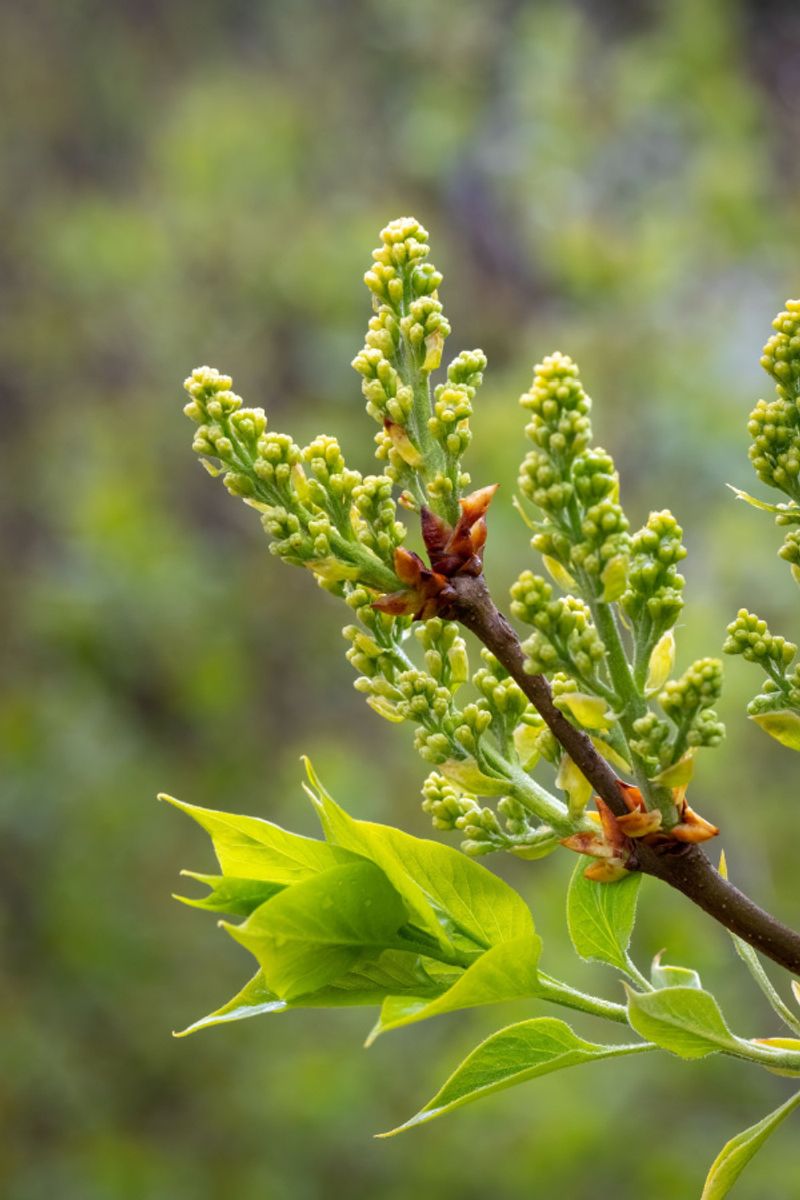
Here is the twist that surprises most homeowners: your lilac already decided what next May looks like. Flower buds form right after the spring bloom fades, usually by late June or early July.
That means every snip you make in September removes a piece of next year’s show. The plant is not going to grow those buds back before winter arrives.
Gardeners often reach for the shears in fall out of habit, since so many shrubs get tidied then. Lilacs simply play by different rules than hydrangeas or roses.
For most lilacs, the best pruning window has already passed by late summer, so fall is usually a time to leave flowering wood alone. After that point, put the pruners away and let the shrub coast into dormancy with its buds intact.
If a branch is broken, cracked, or rubbing badly against another, go ahead and remove just that piece. Damage repair is different from shaping, and one cut will not ruin your spring.
Mark your calendar for the real pruning season instead. Wait until the blossoms fade next year, then shape the shrub within a few weeks of that bloom.
A little patience now means fuller, heavier flower clusters when the neighborhood finally warms up. Think of September restraint as a deposit you collect in May with interest.
2. Remove Suckers Around The Base Carefully
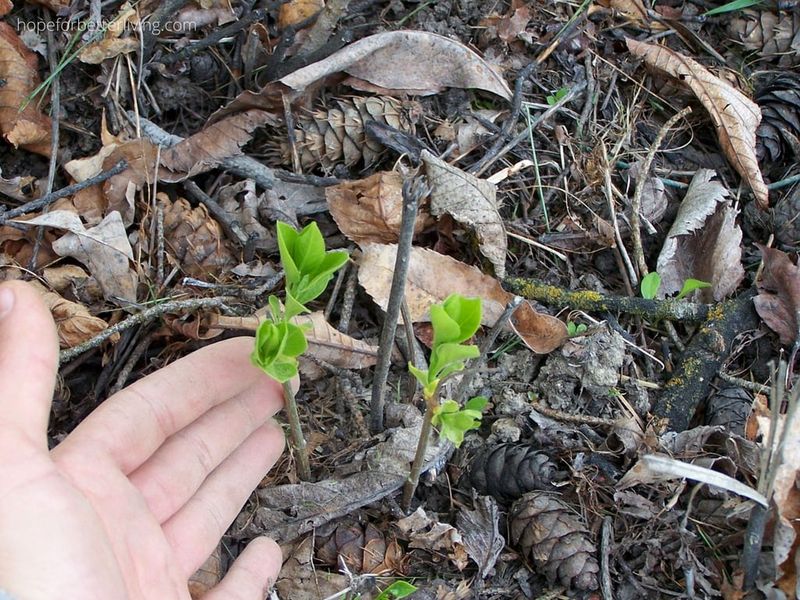
Those skinny shoots popping up around the trunk are not free lilacs. They are energy thieves, pulling water and nutrients away from the branches you actually want blooming.
On grafted plants the problem gets sneakier. Suckers rising from the rootstock can slowly take over and replace your fancy named variety with something plain.
Timing matters here. The best window is fall, after leaves drop but before the ground hardens, though September cleanup gets you ahead of the rush.
Start by brushing soil away from the base so you can see exactly where each shoot begins. Cutting at the soil line leaves a stub that sprouts right back.
Your Ohio Garden Changes Every Week. Your Plan Should Too.
Gardening in Ohio changes quickly throughout the season. Every Friday you’ll receive a simple weekly plan showing exactly what to plant, prune, fertilize, harvest, and protect so you never miss the right timing.
Small, pencil-thin suckers often pull free by hand with a firm tug and a twist. Thicker ones need pruners or a sharp spade to slice them at the point of origin.
For shrubs with persistent sucker problems, repeated removal and proper pruning practices are usually the first steps. Larger problems may require a more specific management approach.
Doing this annually keeps the job quick. Skip a few seasons and you will be wrestling a thicket instead of trimming a shrub.
3. Check Branches For Signs Of Stress
Walk the shrub slowly with a cup of coffee and actually look at it. September reveals problems that hid behind lush June foliage.
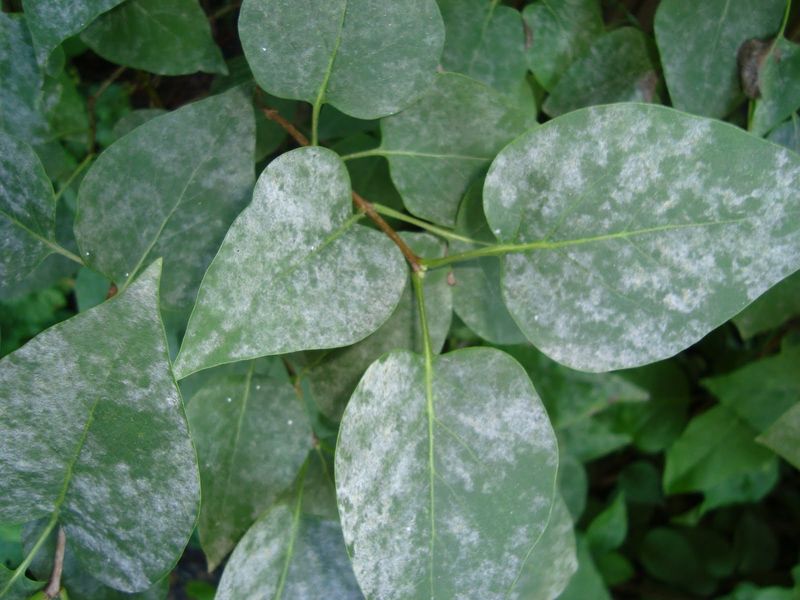
White, dusty film across the leaves is powdery mildew, and it shows up nearly every late summer in humid Ohio yards. Ugly?
Yes. Harmful to an established shrub? Rarely.
Brown spots with ragged edges point to fungal leaf spot, which often triggers early leaf drop. Blackened shoots, twisted new leaves, and olive-green spots turning brown with yellow halos suggest bacterial blight.
Wood problems deserve closer attention than leaf problems. Small round holes in the trunk, sawdust-like material, or wilting foliage on one limb can mean clearwing moth larvae or ash borers are tunneling inside.
Chewed, irregular holes in leaves usually trace back to caterpillars, which are more nuisance than emergency this late in the season.
Yellowing foliage, weak twiggy growth, wilting, and branch decline all say the same thing. Something is stressing the plant, and stressed lilacs attract more trouble.
Jot notes or snap photos on your phone so you remember which limbs looked rough. Come pruning season next summer, that record tells you exactly where to cut first.
4. Clear Crowded Growth For Better Airflow

Stuffy air is a fungus party invitation. When stems crowd together so tightly that a breeze cannot slip through, moisture lingers on leaves and mildew moves in.
Take a look into the middle of your shrub. If you cannot see daylight through the center, that thicket is working against you.
Now for the tricky part. Heavy thinning belongs to early summer, right after flowering, because major cuts now would take next year’s buds with them.
September is your assessment month. Identify the thickest, oldest, grayest stems crowding the interior and tie a bit of colored ribbon around each one.
You can still safely remove anything already broken, crossing and rubbing, or clearly declining. Those pieces contribute nothing and only trap humidity.
Clearing weeds, tall grass, and volunteer seedlings pressing against the base helps too. Airflow at ground level matters just as much as up in the canopy.
When pruning season arrives, plan to open the center by taking out roughly a third of the oldest stems. Spread that work across two or three years so the shrub keeps blooming while it rebuilds.
Better circulation means drier leaves, fewer spots, and a shrub that looks sharp all summer.
5. Water During Dry September Weather

Ohio Septembers have a reputation for going bone dry right when everyone stops paying attention. Rain barrels sit empty, lawns crunch, and shrubs quietly struggle.
Established lilacs handle drought better than most flowering shrubs, which is exactly why they get neglected. Handling it and thriving through it are two different things.
If September turns dry and the soil around the root zone begins drying out, give the shrub a deep soak rather than frequent shallow watering.
Test before you drag out the hose. Push a finger or trowel two to four inches into the soil near the root zone, and water only if it feels dry down there.
Set a hose to a slow trickle at the base for twenty or thirty minutes. Slow and deep beats fast and shallow every time.
Young lilacs planted this year need more consistent attention, roughly one good soaking weekly through their first season until the leaves drop.
Keep this habit going into late fall. A deep drink before the ground freezes helps buds and stems resist drying winter winds, which is a real problem during those windy, snow-free cold snaps Ohio loves to serve up.
6. Refresh Mulch Without Covering The Crown
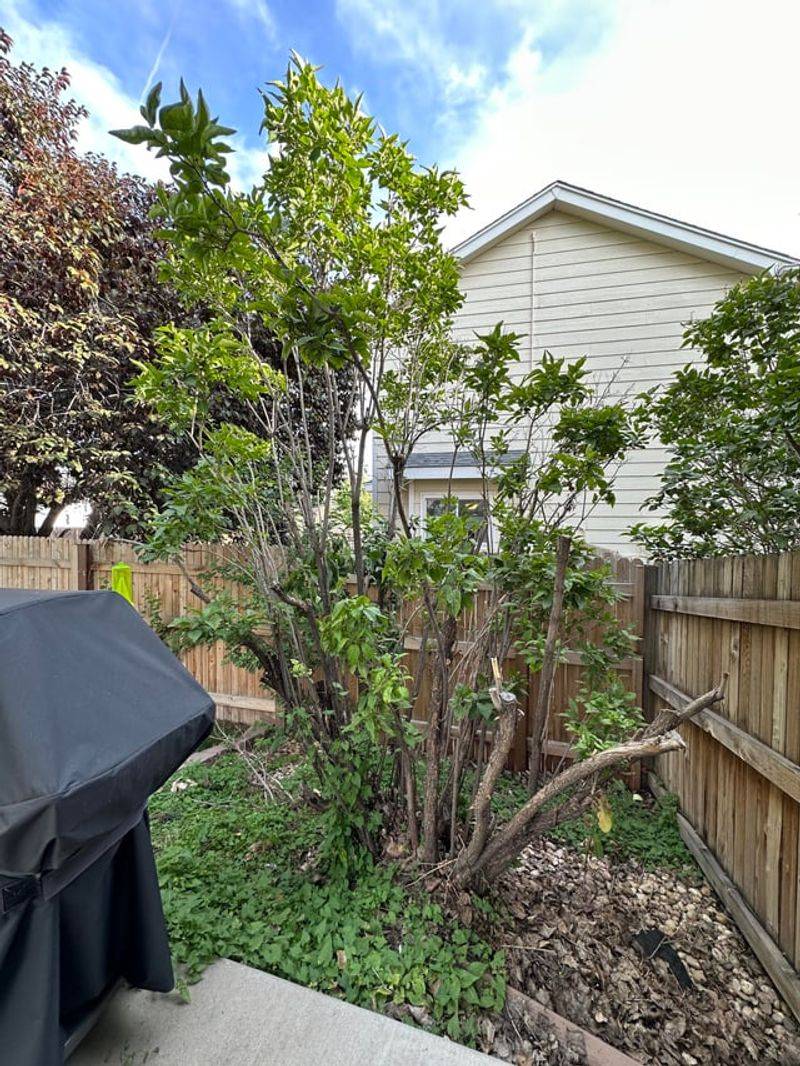
Mulch piled against the trunk like a volcano is one of the most common yard mistakes out there. It traps moisture against bark and invites stem rot.
Lilacs want the opposite arrangement: a generous ring with breathing room in the middle. Leave one to two inches of bare soil between the mulch and the stems.
Three to four inches deep is the sweet spot across the root zone. Thinner than that and weeds push through; thicker and water struggles to reach the roots.
Organic materials work best. Shredded bark, wood chips, chopped leaves, or finished compost all break down over time and feed the soil as they go.
The payoff during an Ohio winter is real. Mulch buffers wild temperature swings and reduces frost heave, that freeze-thaw cycle that shoves roots up out of the ground.
Rake out last year’s matted, compacted layer before adding new material. Old mulch that has turned into a dense mat sheds water instead of soaking it in.
While you are down there, clear away fallen leaves and debris from around the base. Those scraps shelter overwintering pests and fungal spores you would rather not host.
Fifteen minutes of work buys months of protection.
7. Avoid Late Fertilizer That Sparks New Growth
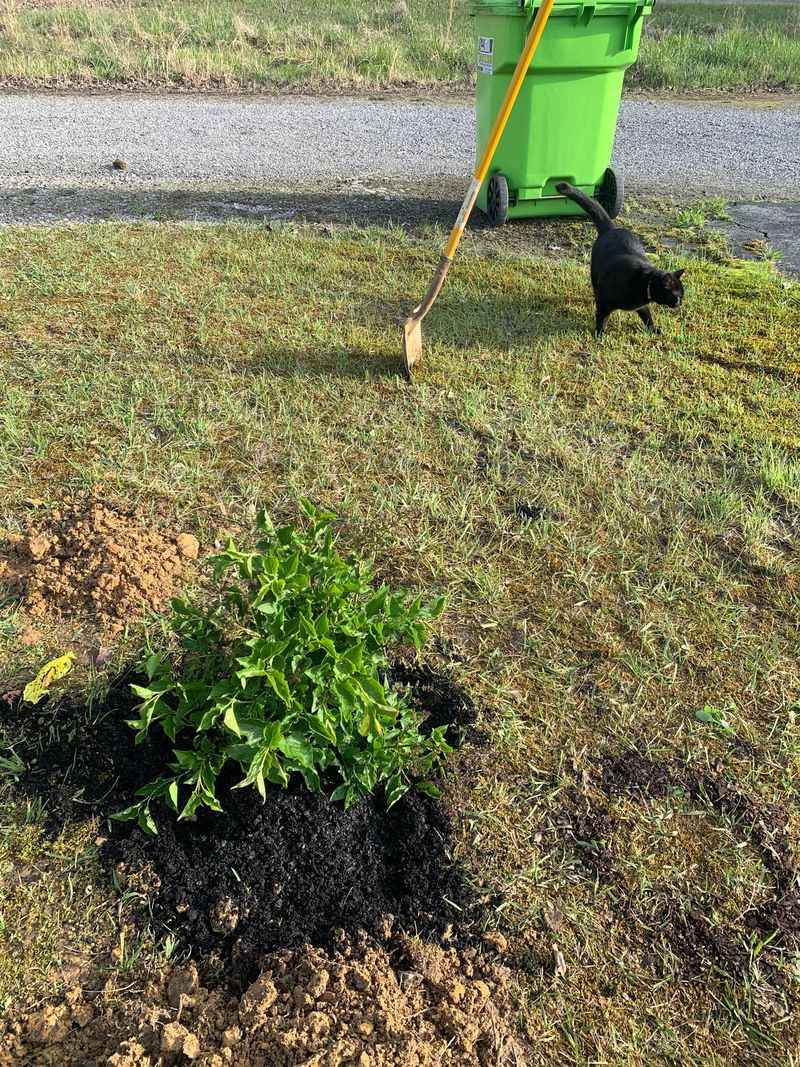
Resist the urge to give your lilac a fall snack. Feeding now tells the plant to push soft new shoots at the worst possible moment.
Those tender stems have no time to harden before the first hard frost rolls across Ohio. Frost damage on fresh growth weakens the whole shrub heading into winter.
There is a second problem. Energy spent making new leaves is energy not stored in roots, and stored energy is what fuels a big spring bloom.
Lilacs are light eaters anyway. Overfeeding a lilac often produces a leafy green shrub with disappointingly few flower clusters, which is the opposite of the goal.
If a lilac needs fertilizer, spring is usually the better time to evaluate and feed it. A soil test can help determine whether nutrients are actually needed.
Before you buy anything, consider a soil test through your county extension office. Ohio soils vary a lot, and many gardens already have plenty of what lilacs need.
Lilacs also prefer soil that leans slightly alkaline. If a test shows high acidity, fall is a reasonable time to work in lime, which acts slowly and differs from feeding.
Put the fertilizer bag on the shelf and revisit it in April.
8. Plan Major Lilac Renewal After Spring Bloom
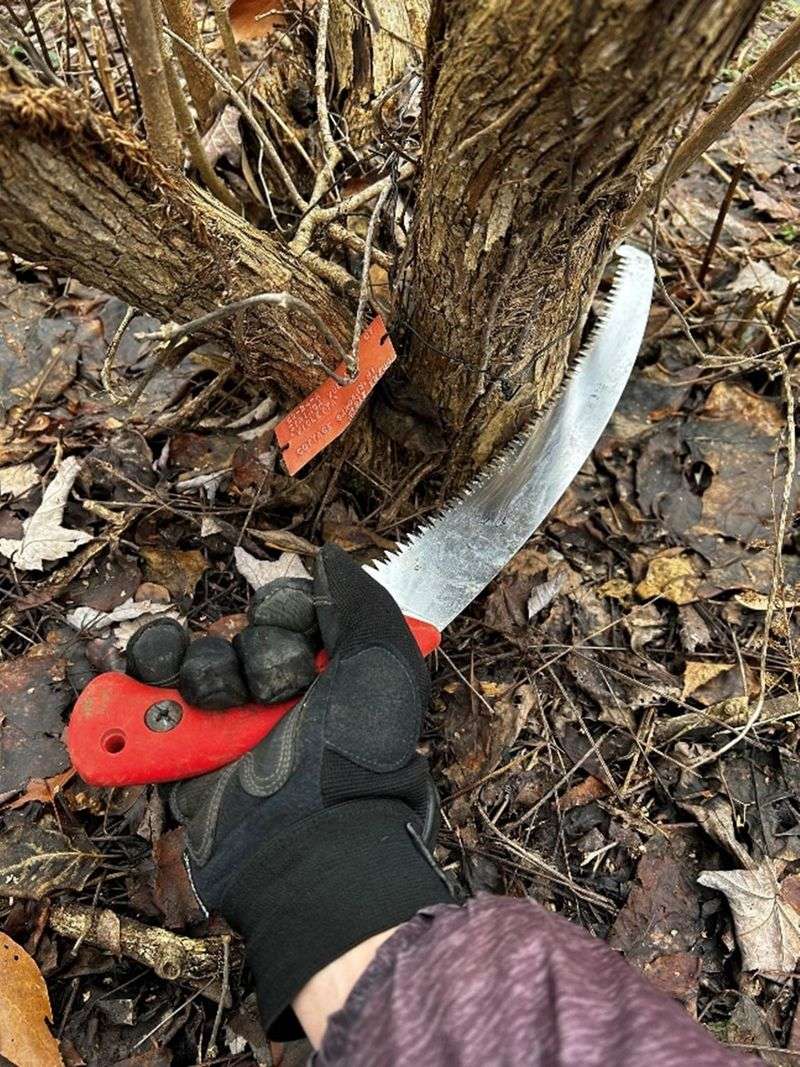
Grandma’s lilac, the one taller than the garage with flowers only at the very top, needs more than a trim. It needs a full reset.
Renewal pruning, sometimes called rejuvenation, removes ancient woody stems so young vigorous shoots can take over. The results are dramatic, but the timing has to be right.
September is for planning, not cutting. Sketch the shrub, count the big stems, and decide which third gets removed first.
The gradual approach works beautifully. Take out about a third of the oldest, thickest canes each year for three years, right after the spring flowers fade.
Doing it that way keeps some blooms every single season while the shrub rebuilds itself from the bottom up. Nobody has to go flowerless.
For truly wild, hopeless specimens, there is the hard reset: cutting everything back to six or eight inches from the ground. That drastic version belongs in late winter or very early spring while the plant sits dormant.
Winter timing puts less strain on the shrub and lets you see the structure clearly without leaves in the way. Expect to skip blooms for a couple of years afterward.
Either route, the plan you write this month makes next summer’s work simple.
9. Prepare Older Shrubs For A Stronger Spring

Older lilacs have earned their keep, and a bit of extra attention this month keeps them productive. Think of it as a tune-up rather than a rescue.
Start with water. A deep soaking before the ground freezes leaves roots hydrated and far better equipped to handle drying winter winds.
Follow with that three to four inch mulch ring, gap around the stems included. Insulated roots skip the stress of repeated freezing and thawing.
Cleanliness counts more than people expect. Raking out fallen leaves, spent mulch, and twigs removes hiding spots where insects and fungal spores wait out the cold.
Good news for Ohio gardeners: lilacs genuinely appreciate our winters. They require a stretch of cold weather to set quality flower buds, which is why they thrive here and sulk in the Deep South.
The risk is not cold itself but wild swings. A warm February followed by a sharp freeze can damage swelling buds on exposed shrubs.
In especially windy or open sites, loose burlap wrapping or frost fabric in late winter offers real protection. Keep it loose so air still moves around the branches.
Handle these steps before October and your veteran shrub will reward you with a heavier, sweeter-smelling show come May.