What It Really Means When An Owl Shows Up In Your Virginia Yard
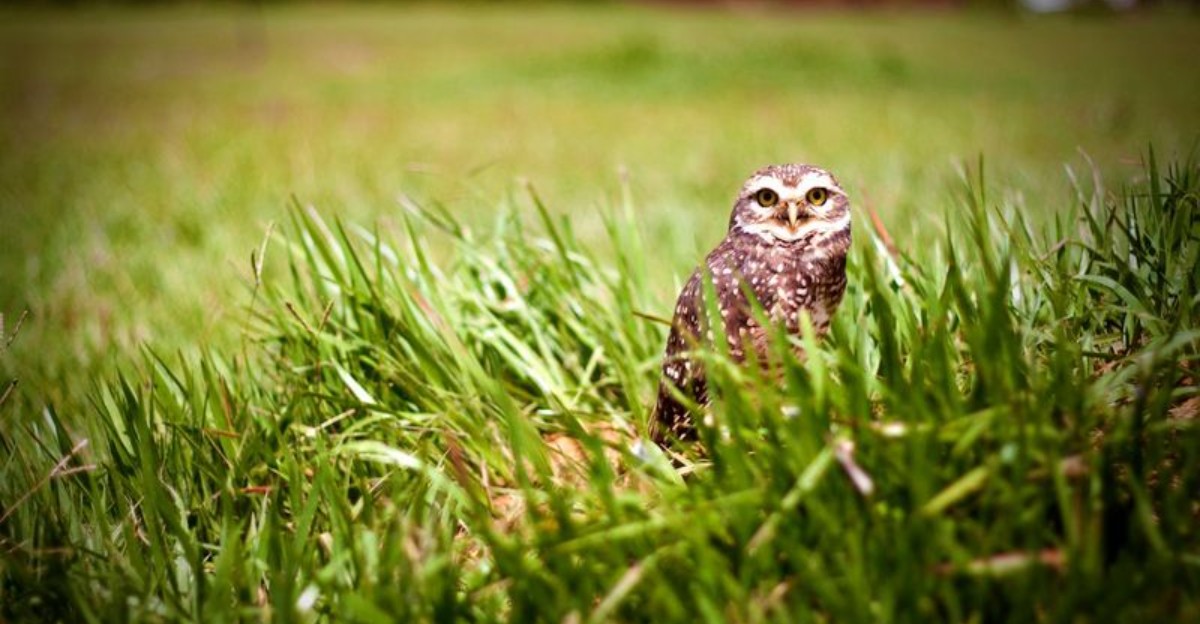
Whoever hooted at you from the maple tonight already knows exactly where you stand. You probably heard a Barred Owl asking, in its lazy drawl, “Who cooks for you?”
Or maybe you caught an Eastern Screech-Owl’s eerie, descending horse-like whinny instead. September shoves young owls from home and toward you across Virginia.
Those restless juveniles scout fresh turf, and plump suburban mice keep them lingering. By October, tiny Northern Saw-whet Owls quietly slip south past you.
Researchers band them on Virginia ridgetops, where each could fit in your palm. Now picture that stare from the maple again. Owl eyes are tubes, not spheres, so they cannot roll to follow you.
Instead, the bird swivels its whole head to track you. Feathers with comb-like edges hush its wings, so you hear no warning. Here is what that stare was telling you.
A Yard Full Of Food And Good Hiding Spots
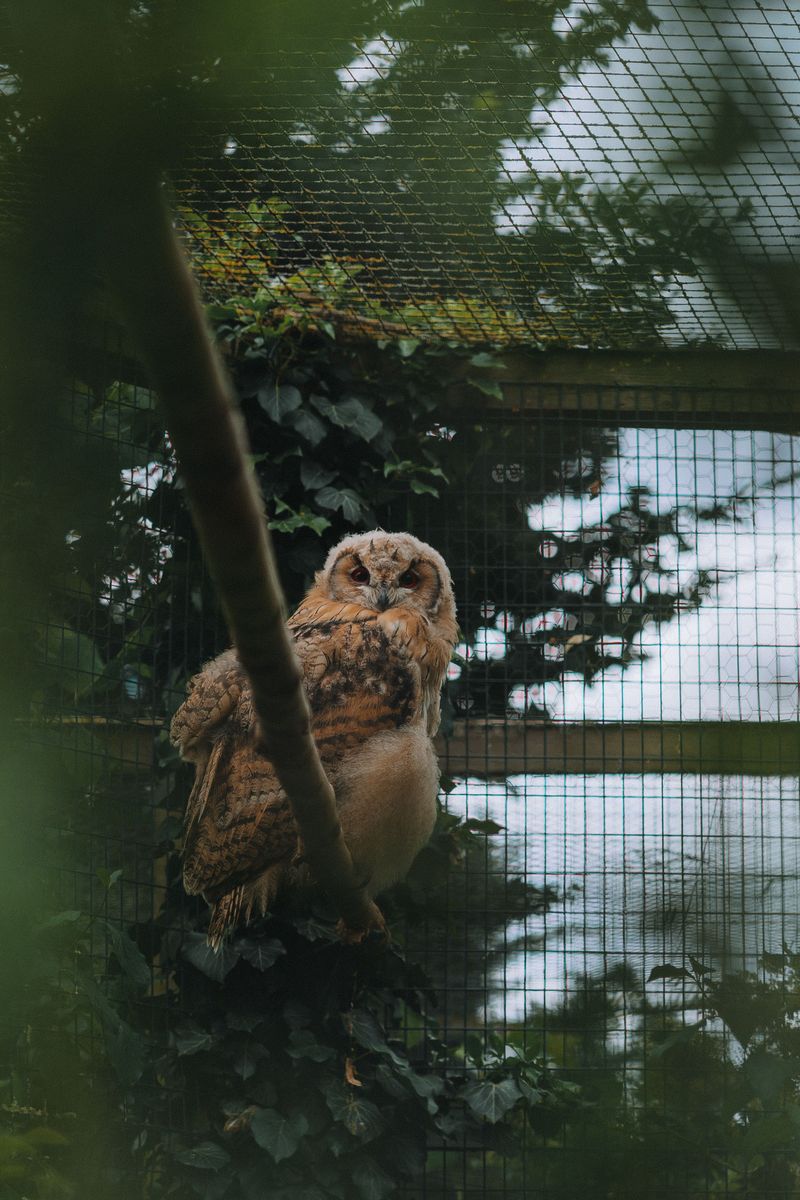
Picture a restaurant with no sign, yet the locals keep showing up every night. Your backyard might be exactly that kind of spot for a hungry nighttime hunter.
An owl visit usually means your property offers plenty of mice, voles, insects, or even small snakes. Owls go where the food is, much like people follow the smell of fresh pizza.
Cover matters just as much as the menu. Tall oaks, thick evergreens, and old hollow trees give these birds safe places to rest during the day.
In Virginia, the eastern screech-owl, barred owl, and great horned owl are the most common backyard guests. Each one has slightly different tastes, but all of them love a quiet, wooded edge.
The small screech-owl, roughly the size of a robin, often nests in tree cavities near homes. Barred owls prefer creeks and damp woods, so homes near streams hear them more often.
So what does it really mean for you? Your yard is part of a healthy food web, and that is a pretty great compliment.
Owls do not stick around places with nothing to eat or nowhere to hide. If one keeps coming back, your little patch of land is likely offering steady food and shelter.
Want to check for yourself? Look under big trees for pellets, the gray bundles of fur and bone that owls cough up.
Finding a few is like discovering the receipt from last night’s dinner. It shows you what the owl has been eating in your yard.
Autumn Restlessness Among Young Virginia Owls
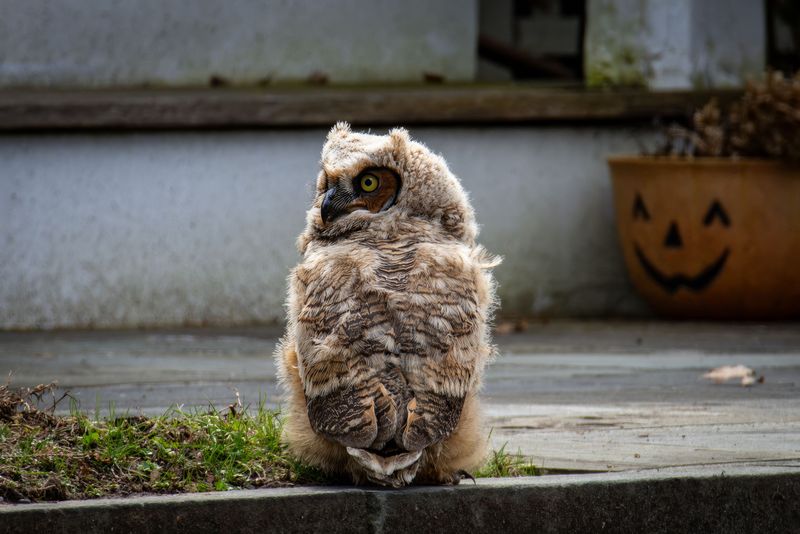
Think of September as moving season for teenagers with feathers. Owls born last spring are now full-sized, and their parents are ready for some peace and quiet.
Across Virginia, young owls leave home in late summer and fall to find territories of their own. Many of them wander through neighborhoods they have not seen before, which explains a sudden visitor.
These newcomers can act a little clumsy or bold. You might spot one sitting on a fence post in daylight, looking confused about where it landed.
Your Virginia Garden Changes Every Week. Your Plan Should Too.
Gardening in Virginia changes quickly throughout the season. Every Friday you’ll receive a simple weekly plan showing exactly what to plant, prune, fertilize, harvest, and protect so you never miss the right timing.
Fall also brings more calling at night. Screech-owls whinny to guard their turf, and barred owls ask their famous question, who cooks for you?
Great horned owls start hooting more as the weather cools, too. They are getting ready for a very early nesting season that begins in the middle of winter.
Here is a fun bonus for the sharp-eyed neighbors on your street. Tiny northern saw-whet owls start drifting into Virginia from the north in October.
Most of them hide in thick pines, cedars, and hollies during the daytime hours. Spotting one feels a bit like winning a very small, very fluffy lottery.
So if an owl suddenly shows up this month, timing is likely the biggest reason. It may be a young bird scouting real estate or a local adult getting louder about its borders.
Some of these wanderers move on within days. Others like what they find and settle in, turning a one-night guest into a year-round neighbor.
Old Superstitions And The Mistake Of Chasing Owls Away
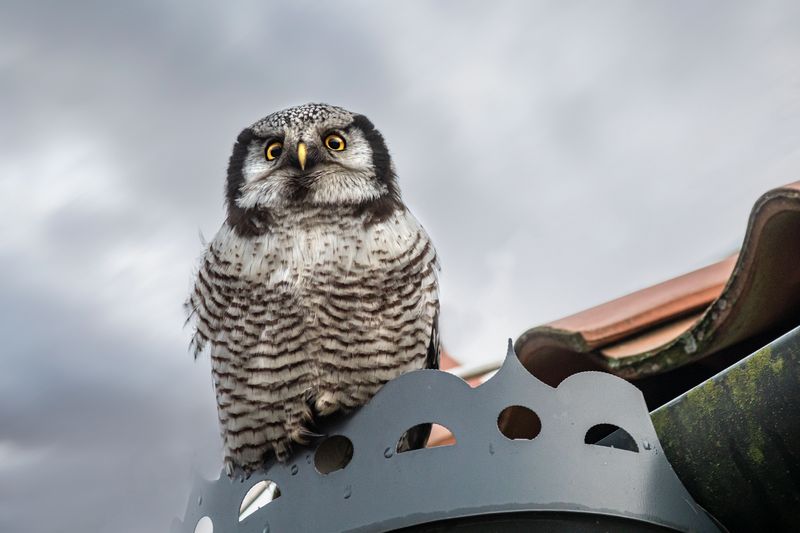
For centuries, people have treated owls as spooky messengers of bad news. Some old Appalachian tales warned that an owl hooting near the house meant trouble was on its way.
Here is the truth, plain and simple, without any spooky music. An owl cannot predict the future, and it has no interest in your family business.
Sadly, fear of these myths leads some folks to make a big mistake. They bang pots, shine bright lights, or try to shoo the bird away.
Chasing an owl stresses it out and wastes energy it needs for hunting. Repeated disturbance, especially in late winter and spring, can also push owls away from a favorite nest site.
Feeding is the other big blunder, even when it comes from a kind heart. Leftover meat or pet food can make owls sick and teach them to linger near people.
Owls are protected by federal law, too. Under the Migratory Bird Treaty Act, harming, trapping, or keeping one without a permit is illegal.
The smarter move is simply to enjoy the show from a respectful distance. Turn off the porch light, grab a chair, and listen for a while.
Many cultures actually saw owls as symbols of wisdom and protection. The ancient Greeks linked them to Athena, their goddess of wisdom, and put owls on their coins.
So if you want a meaning, pick the friendlier one. A visiting owl often signals good habitat, not bad luck for your home.
A Grounded Or Injured Owl And The Right Response
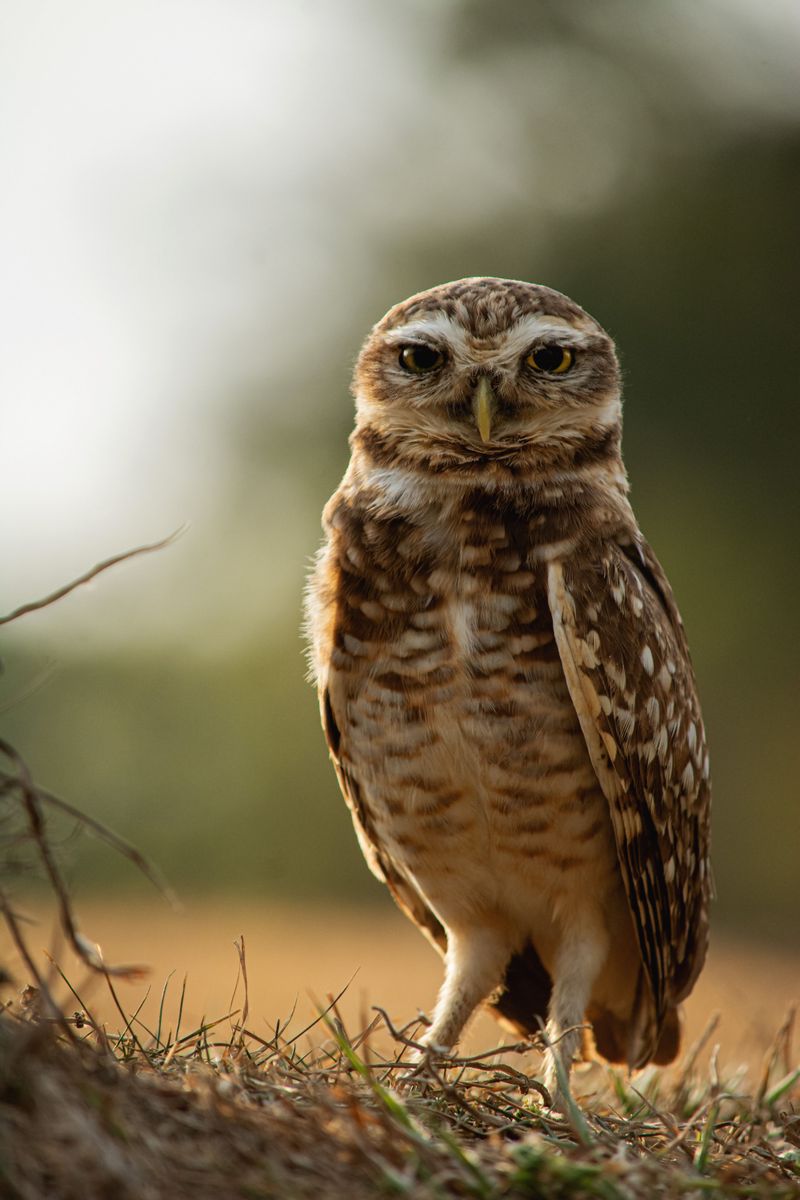
Imagine walking to your car in the morning and finding an owl sitting on the driveway. It does not fly away, and it just blinks at you with huge, tired eyes.
Owls hunt close to the ground, so they sometimes get hit by cars or tangled in netting. Fall sees more of these accidents because young birds are still learning their way around.
First, keep kids and pets inside and give the bird plenty of space. An adult owl that stays on the ground as you approach is likely hurt or sick.
Next, call an expert before you touch anything. The Virginia Department of Wildlife Resources offers a wildlife helpline and an online directory of licensed wildlife rehabilitators.
The Wildlife Center of Virginia in Waynesboro treats thousands of animals each year, including many owls. Staff there can tell you if the bird needs a rescue or just a little time.
If an expert asks you to contain the owl, wear thick gloves and use a towel. Gently place the bird in a ventilated cardboard box and keep it somewhere dark and quiet.
Watch out for those feet, because the talons are the real weapons. Even a small screech-owl can grip hard enough to make a grown adult yelp.
Skip the food and water, no matter how pitiful the bird looks. The wrong meal can cause serious harm, and rehabbers prefer to handle feeding themselves.
Quick action from a calm neighbor gives an injured owl its best shot at recovery. Many of them heal and return to the wild, though recovery can take anywhere from days to months.
Fewer Mice And Voles In The Garden
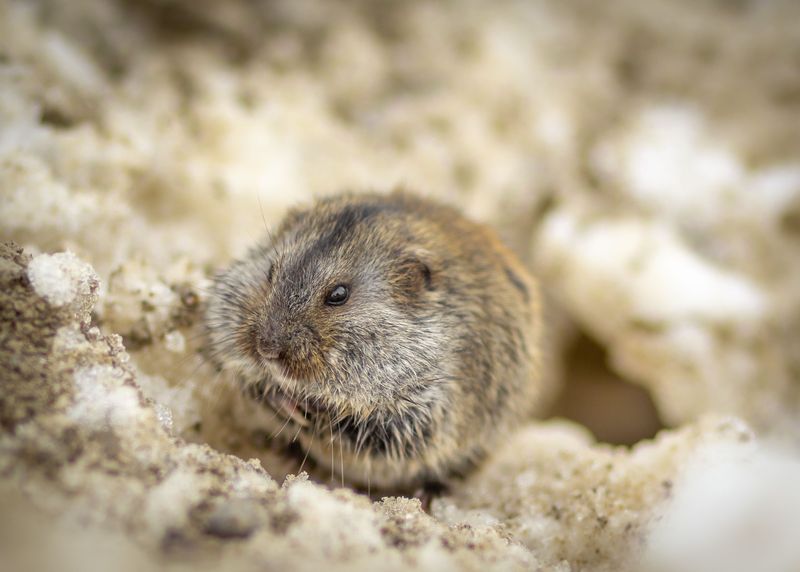
Nobody sends a thank-you card to an owl, but gardeners probably should. A single barn owl can eat around a thousand rodents in one year.
Barn owls favor open farmland, though, while backyard screech-owls and barred owls eat fewer but still help.
That is a lot of pests that will not be chewing on your tomatoes, bulbs, or sweet potatoes. Voles, in particular, love to tunnel under Virginia gardens and nibble roots from below.
Owls help keep these pests in check for free, though they rarely solve a rodent problem on their own. They work the night shift, while hawks cover the daytime hours.
Fall is a great time to notice the difference. Mice hunt for warm spots near houses as nights cool, and owls are waiting for them.
Great horned owls go even further and will snack on rabbits, rats, and the occasional skunk. They are one of the few animals that seem unbothered by that famous smell.
Here comes the catch with rat poison, though. A poisoned mouse can pass its toxin straight to the owl that eats it.
Wildlife rehab centers in Virginia see owls sickened by rodent poison every year. Snap traps placed inside, or simply sealing gaps around your foundation, are much safer choices.
Some families even install a barn owl box on farms or large lots to invite more help. Screech-owl boxes work well in ordinary suburban yards with a few mature trees.
Late fall and winter are ideal times to hang one before nesting begins. With a little luck, you could host a pest-control crew that works for nothing but a good home.
Small Pets And Smart Nighttime Precautions
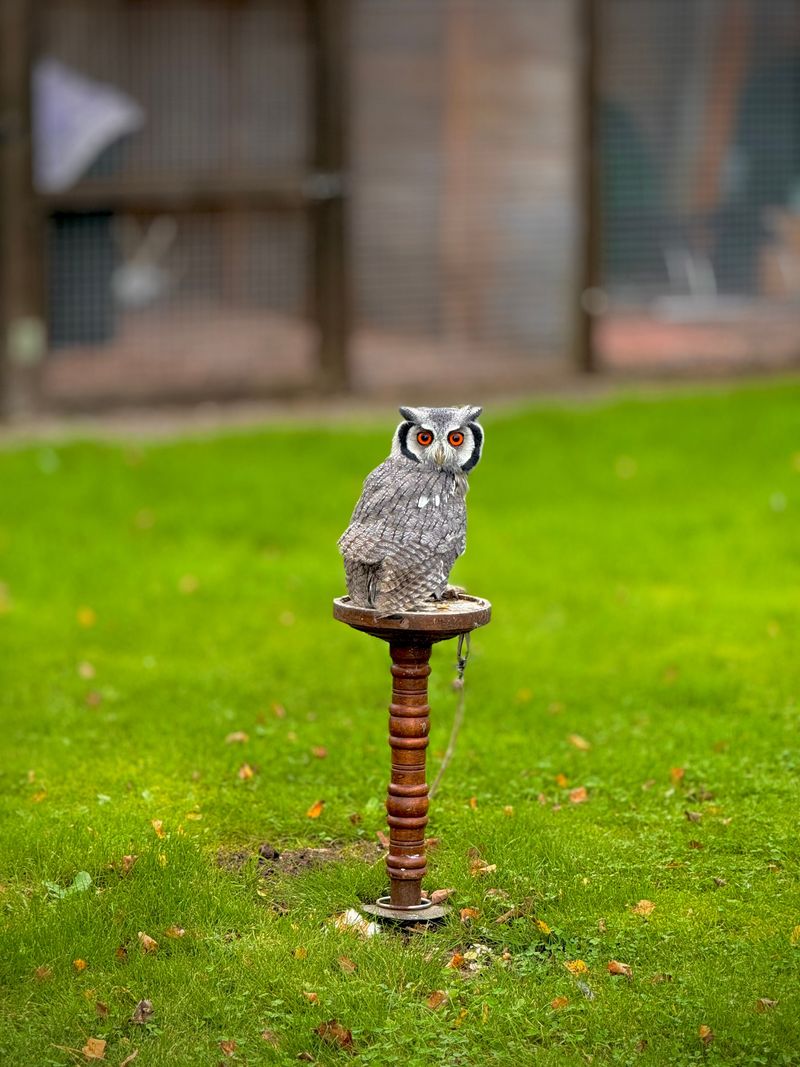
Let’s be honest, the first worry for many pet owners is their tiny dog or cat. It is a fair question, especially if your pup weighs less than a bag of flour.
Most owls in Virginia pose little risk to pets. Screech-owls are far too small, and barred owls mostly stick to mice, frogs, and crayfish.
The great horned owl is the one to respect. It is powerful enough to grab small animals, and backyard chickens are a known target.
Owl encounters with pets are rare, but they do happen with very small breeds left alone at night. The smallest pets, such as toy breeds and kittens, face the highest risk, so a little caution goes a long way.
Stay outside with small dogs during evening potty breaks, especially around dusk and dawn. A leash and a flashlight make you look big and busy, which owls prefer to avoid.
Cats are safest indoors after dark for many reasons, including cars, foxes, and coyotes. Keeping cats indoors more often protects your local songbirds too.
Chicken keepers should lock the flock in a covered coop every single evening. Sturdy hardware cloth works better than chicken wire, and a roof keeps owls out from above.
Autumn is a smart time for these habits, since shorter days mean more hours of owl activity. By late September, the sun sets around dinnertime across much of the state.
With a few easy routines, you and the neighborhood owl can share the yard peacefully. It keeps the mice in check, and your pets stay cozy on the couch.