How To Prepare California Citrus Trees For Cooler Fall Nights
September in California is a sneaky month that simply cannot make up its mind about anything. You sweat through lunch, then shiver on the porch after dinner wrapped in a borrowed, slightly stinky hoodie.
The air starts to smell like damp leaves and wood smoke drifting from somewhere down the block. Those crisp evenings feel wonderful to us humans, but the leafy friends in your backyard notice them too.
Glossy leaves and sweet, sunny fruit grew up soaking in long, lazy summer days and warm breezes. A sudden chilly night hits them the same way a cold swimming pool hits your toes in June.
Luckily, a little care right now keeps the whole backyard happy, and nobody needs a fancy degree in garden science.
Unlike you, your trees cannot swipe a spare hoodie off the porch chair, no matter how hard they shiver.
1. Ease Off The Watering As Nights Turn Crisp
Picture wearing damp socks around a chilly campfire, and you will understand how roots feel in soggy fall soil. Wet ground holds cold longer, and that chill creeps right up into the tree.
Across most of California, summer watering schedules run much too heavy once September rolls around each year. Days get shorter, the sun feels softer, and your trees simply drink less than they did in July.
A good rule is to stretch the time between deep soaks by a few extra days. Mature trees in the ground often do fine with water every ten to fourteen days.
Before you turn on the hose, poke a finger or a cheap moisture meter a few inches into the soil. If it still feels damp, wait another day or two.
Clay soils hold water for a long time, so they need even fewer drinks. Sandy soils drain fast and may need a quick check every week.
Here is the twist that surprises many gardeners. Slightly moist soil actually holds heat better than bone-dry dirt, so you still want some water before a cold night.
The goal is steady balance, not turning your backyard into a dusty desert overnight. Aim for soil that feels like a wrung-out sponge rather than a muddy puddle or a crusty cracker.
Check your sprinkler or drip timer this week and adjust it for fall. Your trees will thank you with healthier roots, fewer yellow leaves, and sweeter fruit come winter.
2. Pause The Nitrogen And Let Leaves Toughen Up
Fresh, bright green leaves look lovely in spring, but in fall they are a problem waiting to happen. Tender new growth is the first thing frost bites, and it bruises easily.
Nitrogen is the nutrient that pushes citrus trees to grow those soft, floppy shoots. Feeding it late in the season is like handing a toddler candy right before bedtime stories.
University of California experts suggest giving the final fertilizer dose by the end of June or early July. After that, let your tree settle down, slow its pace, and toughen up its leaves.
Hardened leaves grow thicker and waxier, which helps them shrug off chilly night air. Gardeners call this process cold acclimation, and it happens naturally when you stop the extra feeding.
Your California Garden Changes Every Week. Your Plan Should Too.
Gardening in California changes quickly throughout the season. Every Friday you’ll receive a simple weekly plan showing exactly what to plant, prune, fertilize, harvest, and protect so you never miss the right timing.
Does that mean your tree goes hungry all winter long, poor thing? Not at all, since roots keep sipping stored nutrients from the soil you fed earlier this year.
Watch out for sneaky nitrogen coming from nearby lawn feed, too. Fertilizer spread on grass can wash toward tree roots and trigger the very same unwanted growth spurt.
If leaves look pale, a light dose of micronutrients like zinc, iron, or manganese is usually safe. Look for a foliar spray labeled for citrus trees and follow the label directions closely.
Put that big bag of high-nitrogen fertilizer up on a high garage shelf until February. Mark your calendar so you remember to start feeding again when spring warms things up.
3. Rake Back The Mulch And Let Soil Soak Up Sun
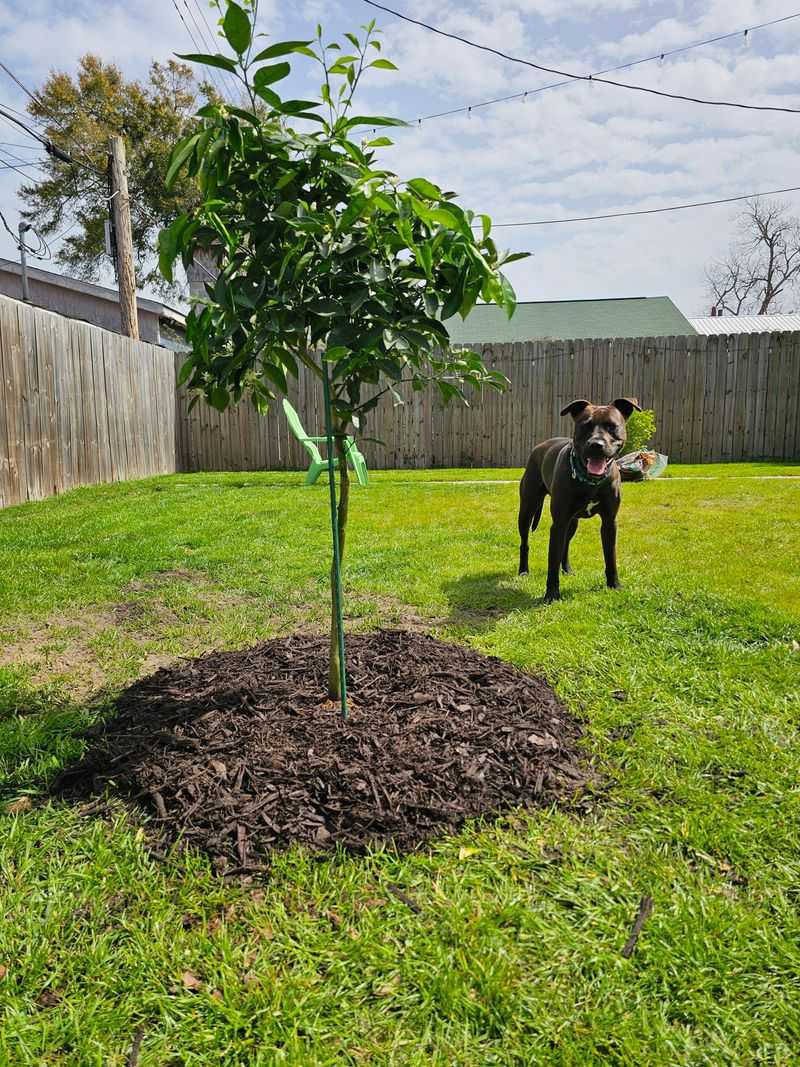
Grandma loved her heavy quilts, but bare soil might be your tree’s best winter blanket. It sounds a little backward at first, yet science backs up this surprising, low-cost trick.
During sunny fall days, clean, firm, slightly damp soil soaks up warmth like a solar battery. At night, it slowly releases that stored heat back up into the lower branches.
Thick mulch blocks that process by shading the ground and trapping heat below the surface. Researchers have found bare soil can keep the air nearby a degree or two warmer.
That tiny difference can matter a whole lot on a borderline frosty night in the valley. One or two degrees might decide whether leaves stay glossy green or turn brown and crispy.
In late September or October, grab a rake and gently pull mulch away from under the canopy. Pile it just outside the drip line so you can spread it back in spring.
Keep the trunk area clear, too, since damp mulch against bark invites rot and hungry bugs. A clear ring of about one foot works nicely for most backyard trees.
Live in a mild coastal area where frost almost skips town? You can leave a thin mulch layer in place and simply keep it off the trunk.
Inland valley growers, where nights dip lower, should treat this step as a must-do each fall. Your tree basically gets a free night heater powered by nothing but bright California sunshine.
4. Clean Up Fallen Fruit And Soggy Leaf Litter
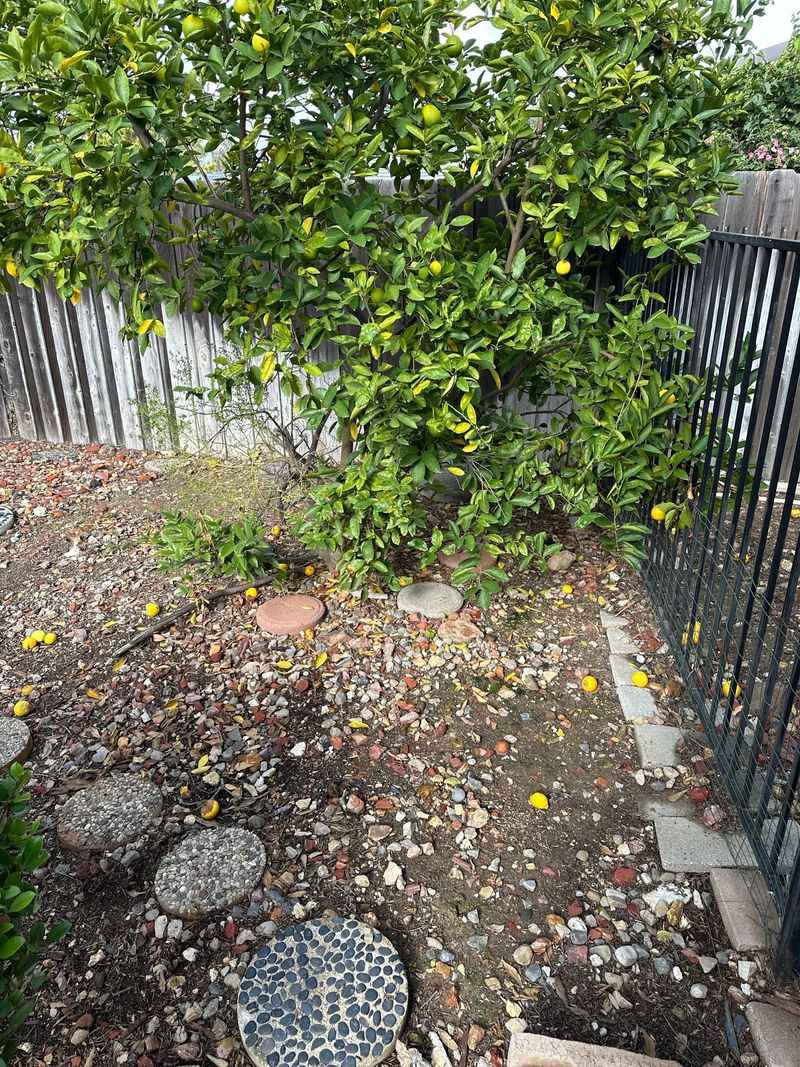
Think of fallen fruit as an open-invitation party flyer for every pest in the neighborhood. Rats, ants, and fruit flies RSVP fast, and they rarely leave politely.
Roof rats especially love citrus, and cooler nights push them to hunt for easy snacks. A pile of rotting oranges under your tree is basically a free buffet.
Grab a bucket and do a quick sweep every few days this month. Toss mushy fruit in the green waste bin rather than your compost pile.
Why skip the compost pile for this particular job? Home piles often do not get hot enough to wipe out fungus spores and fly larvae hiding inside.
Fallen leaves and twigs deserve attention, too, since damp litter can breed brown rot and other fungal troubles. Fall rains splash spores from the ground right onto low-hanging fruit.
While you are down there, pull weeds and grass creeping under the canopy. Clear ground lets the soil catch daytime warmth and gives snails fewer hiding spots.
Here is a fun bit of trivia to share with the kids. Brown rot spores travel mostly by rain splashing up from the dirt, like tiny muddy trampolines.
Check the fruit still hanging on the tree, too, and pick any that look split or moldy. Leaving them up there spreads trouble to healthy neighbors on the same branch.
A tidy tree floor takes maybe ten minutes a week. That small effort keeps pests hungry and your harvest cleaner all winter long.
5. Hold Off On Big Pruning Until Spring Returns
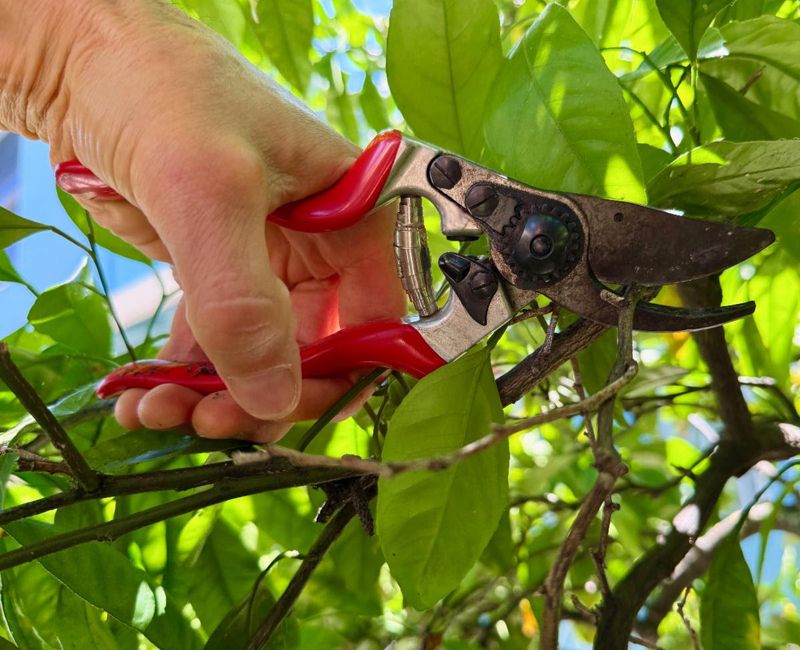
Every gardener knows the itch to grab the shears when a tree looks shaggy. In fall, though, that itch is one worth ignoring for a few months.
Pruning wakes a tree up and tells it to push out fresh shoots. Those baby leaves would then face their first cold snap with almost zero natural protection.
Heavy cuts also open up the canopy and let chilly air sneak inside. A full, leafy crown works like a cozy umbrella, trapping heat near the trunk.
Bark exposed by pruning can also sunburn once leaves no longer shade it. That may sound odd for autumn, but California sun stays strong well into October.
So what trimming is okay right now? Snipping off broken twigs, suckers from below the graft, or branches dragging on the ground is perfectly fine.
Suckers are sneaky shoots that grow from the rootstock, often with extra thorns and odd leaves. Left alone, they steal energy and can take over the whole tree.
The real haircut belongs in late winter or early spring, once frost danger passes. By then, you can see exactly which branches got nipped by cold and need to go.
Wait until new growth appears before cutting frost-bitten wood, since damage can look worse than it really is. Some branches that seem crispy in January leaf out just fine by April.
Patience pays off here more than almost anywhere else in the garden. Put the loppers away, pour a warm drink, and let your tree rest.
6. Wrap Young Trunks Before The First Cold Snap
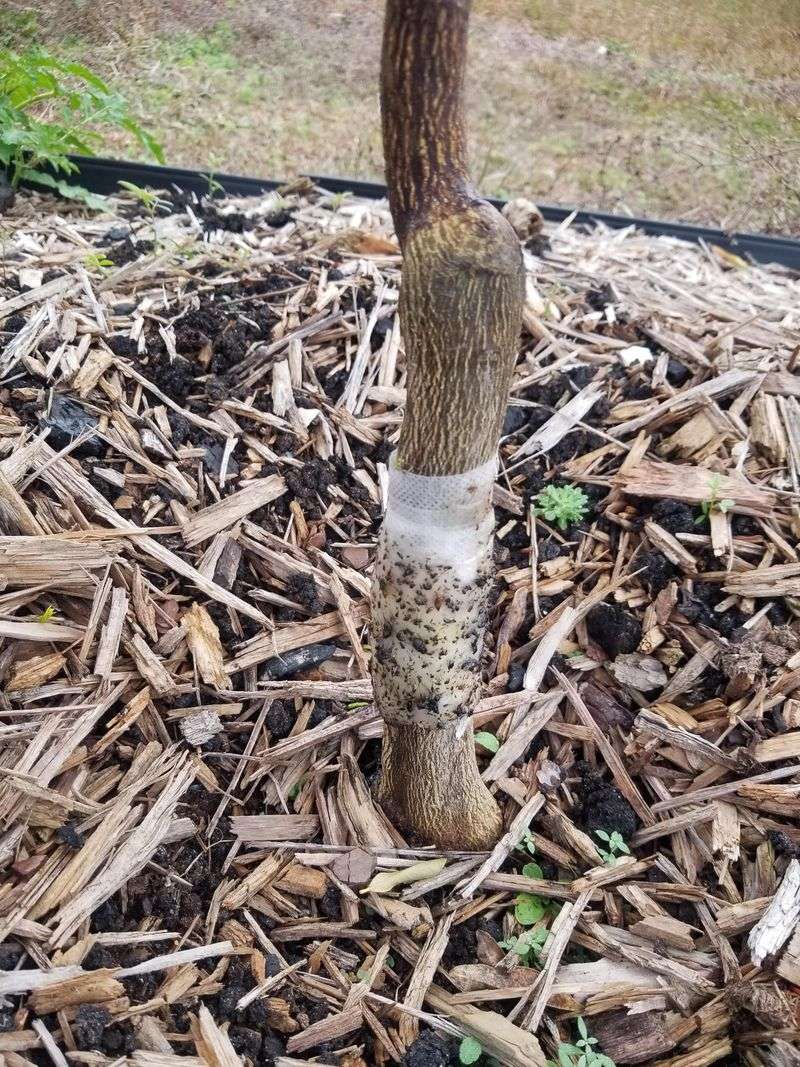
Trees under about three years old are the babies of the orchard, and they feel cold the most. Their thin bark and small canopies simply cannot hold much heat on their own.
Wrapping the trunk gives these youngsters a real fighting chance when temperatures drop near freezing. Even if leaves get singed, a protected trunk can regrow a healthy top next spring.
Good materials include foam pipe insulation, corrugated cardboard, or commercial tree wrap from the garden center. Wrap from the soil line all the way up to the first main branches.
Secure everything with soft ties or garden tape, not wire that could cut into growing bark. Snug is great, but wrapping tight enough to pinch the bark is a no-go.
Some old-school growers paint trunks with white latex paint mixed half and half with water. The pale color reflects harsh sun and helps prevent bark from cracking during wild temperature swings.
Fun fact: Florida growers once piled soil around young trunks each winter, a trick known as banking. Modern wraps do the same job without the mess of shoveling dirt every fall.
Get wraps on by late October so you are ready before the first surprise chilly night. Remove them in spring to keep moisture and insects from hiding underneath.
Think of it as tucking a warm scarf around your little one before a chilly walk to school. A few minutes of effort this fall protects many years of future harvests.
7. Stock Up On Frost Cloth And Warm Holiday Lights
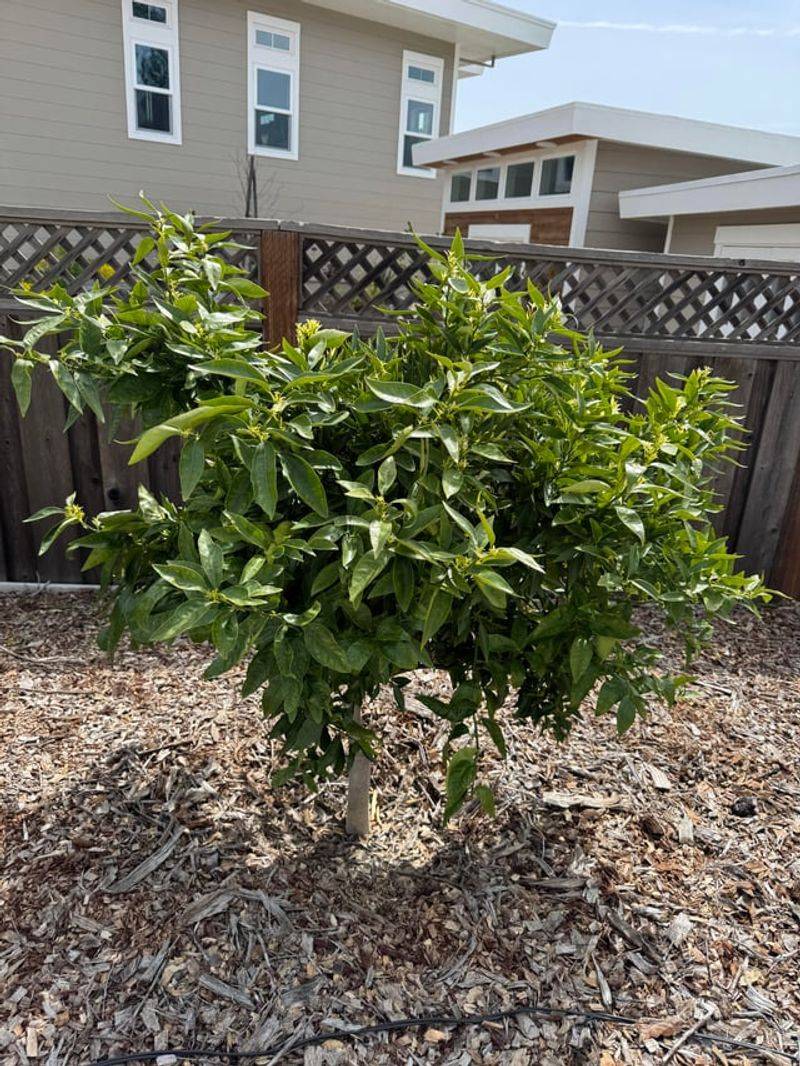
Nothing beats that smug feeling of being ready when the weather app flashes a frost warning. Scrambling to find a sheet at midnight in your pajamas is far less fun.
September is the perfect time to shop, since stores run low once the first cold front hits. Frost cloth, also called row cover, is light, breathable, and reusable for years.
Choose a size big enough to drape over the whole canopy and reach the ground. Heat rises from the soil, so the cover needs to trap it like a snug camping tent.
Skip plastic sheeting touching leaves, because it conducts cold straight through and can burn foliage. If you must use plastic, prop it up with stakes so it stays off branches.
Old-fashioned incandescent Christmas lights make a clever, gentle heat source under the cover. Modern LED strings look pretty but give off almost no warmth, so they will not help.
Wrap the bulbs loosely around the inner branches, keeping each one away from the fabric. Use an outdoor-rated extension cord and a timer so lights switch on after sunset.
Remember to pull covers off in the morning once temperatures climb back above freezing. Trees need sunlight during the day, and trapped heat can build up surprisingly fast under fabric.
Keep all your frost gear together in one labeled bin near the back door. Clothespins, stakes, bulbs, and cloth in one spot turn a frantic night into a calm five-minute job.
8. Roll Potted Trees Into Sheltered Winter Spots
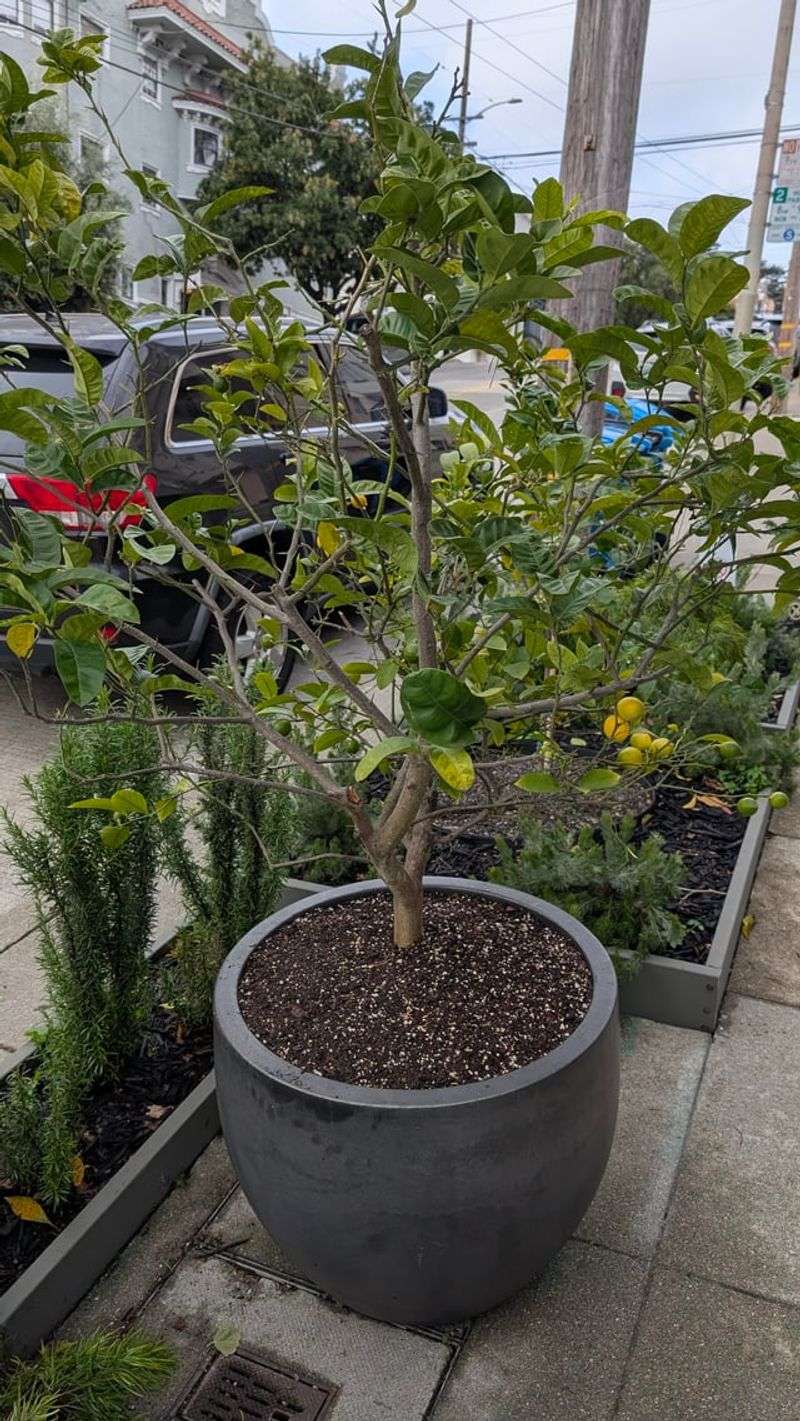
Container citrus has one big advantage over trees in the ground, and it is wheels. Okay, maybe not wheels yet, but that is where a plant caddy comes in handy.
Potted roots sit above ground, so they chill much faster than roots tucked deep in garden soil. A single frosty night can harm them before the leaves show any warning sign.
Scout your yard this month for the warmest little microclimate you can possibly find. South-facing walls, covered patios, and spots under wide eaves hold heat long after sunset.
Brick and stucco walls soak up sun all afternoon and give it back after dark. Parking a pot right beside them can add several precious degrees during a long night.
Heavy pots can strain your back, so set them on rolling caddies before the cold arrives. Moving a fifty-pound tree is much easier with four little wheels doing the work.
On truly frigid nights, a garage or unheated sunroom works as a short-term hotel. Just bring the tree back outside the next morning so it can soak up light.
Wrapping the pot itself in thick burlap or bubble wrap adds another layer of root protection. Grouping several pots together also helps, since they share warmth like penguins in a huddle.
Water potted trees a day before a cold snap, since moist soil in a container resists freezing better. Then sit back and enjoy knowing your tree got a relaxing winter vacation.