How To Stop California Citrus Leaves From Curling In September Heat
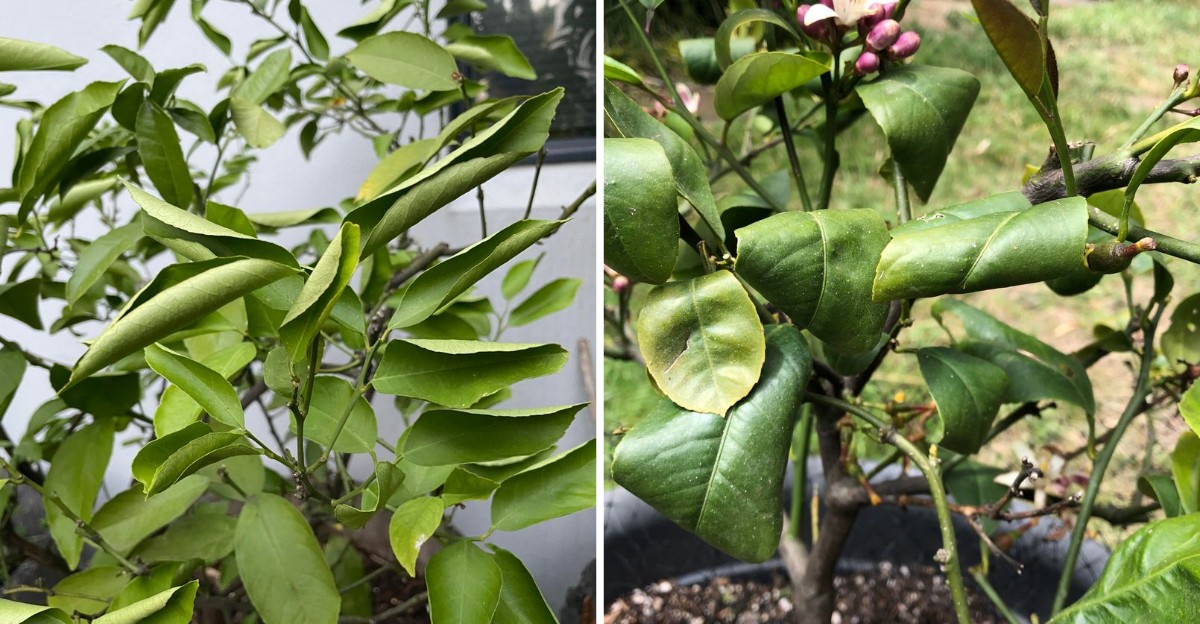
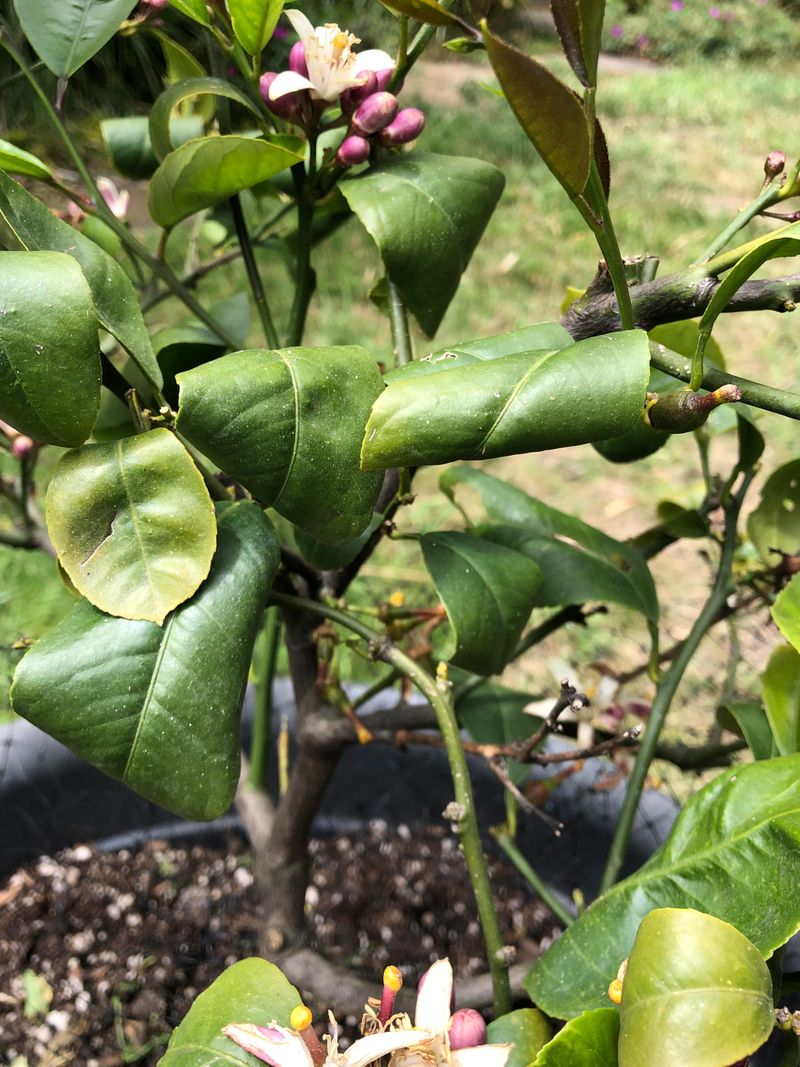
Your citrus leaves are curling inward like tiny fists, and the culprit isn’t the sun blazing overhead. September heat in California turns ordinary leaf stress into something far stranger than a simple case of thirst.
Groves across the state show the same pattern, curled edges, dull color, and leaves that won’t lie flat no matter how much you water them. Gardeners often blame the wrong thing first, reaching for more water when the real trigger sits elsewhere.
Look closely at the underside of a curling leaf and you’ll notice details most people walk right past. Those details tell a story with little to do with the calendar and everything to do with what’s happening inside the leaf.
Spend an afternoon really looking at your tree and it can change how you treat every citrus problem from here on out. Answers exist, and the moment you spot them, you’ll wonder how you missed something staring you right in the face.
1. Soak The Root Zone Deeply Before Each Heat Wave
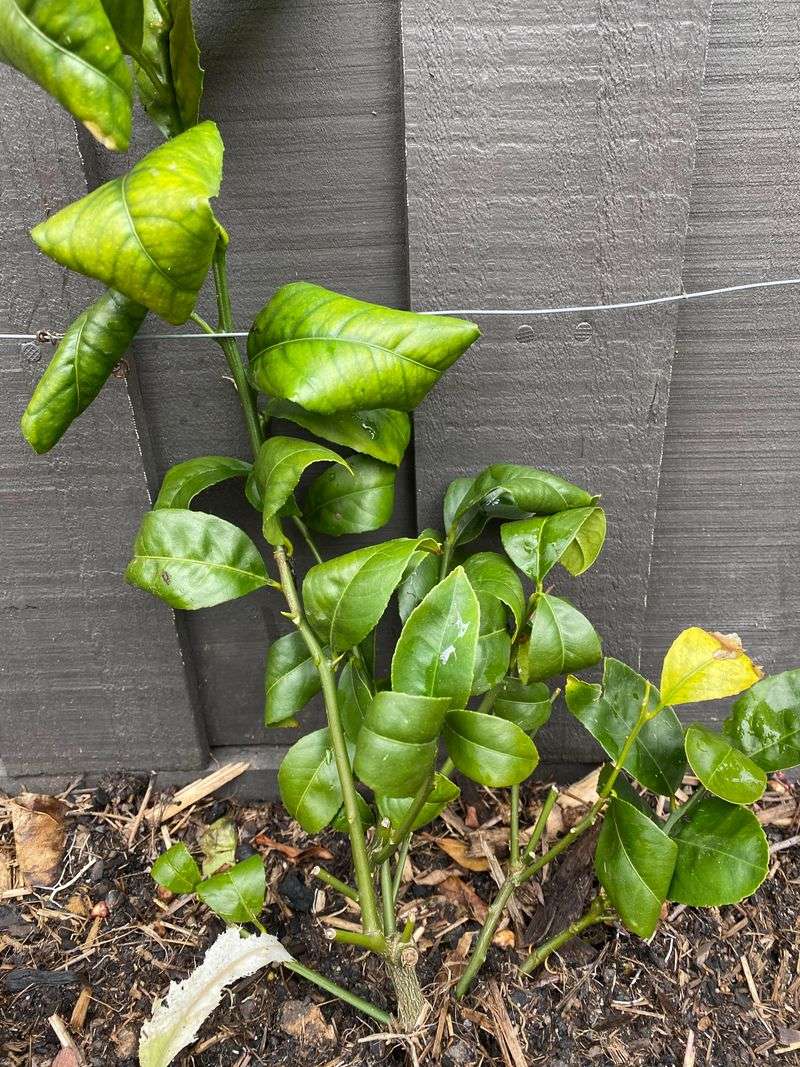
Shallow sprinkles are the top reason leaves fold inward when an afternoon turns brutal, wetting only the top inch of soil while roots sit eight to twenty-four inches down. When those deeper roots run dry, leaves curl to shrink water loss.
Aim for a slow soak that pushes moisture at least two feet down. Sandy soil may take an hour of drip, while heavy clay does better with short cycles and rest breaks so water sinks instead of running off.
Timing counts more than most gardeners expect, and watering the day before a forecasted spike gives the tree a full tank heading into the worst hours. Watering at two in the afternoon mostly feeds evaporation instead.
Test moisture with a long screwdriver or wooden dowel. Push it into the soil under the canopy, where easy sliding for six inches means you are in decent shape, and a hard stop means soak time.
Wet the whole area under the branches instead of a small ring near the trunk. Feeder roots reach out to the drip line and a bit past it, so that circle is where moisture needs to land.
Growers in the Central Valley swear by an early soak finished before nine in the morning, since a sunrise-topped tree coasts through a triple digit afternoon with calm leaves. Consistency beats volume, so pick a schedule and hold to it.
2. Spread Thick Mulch Around The Trunk And Drip Line
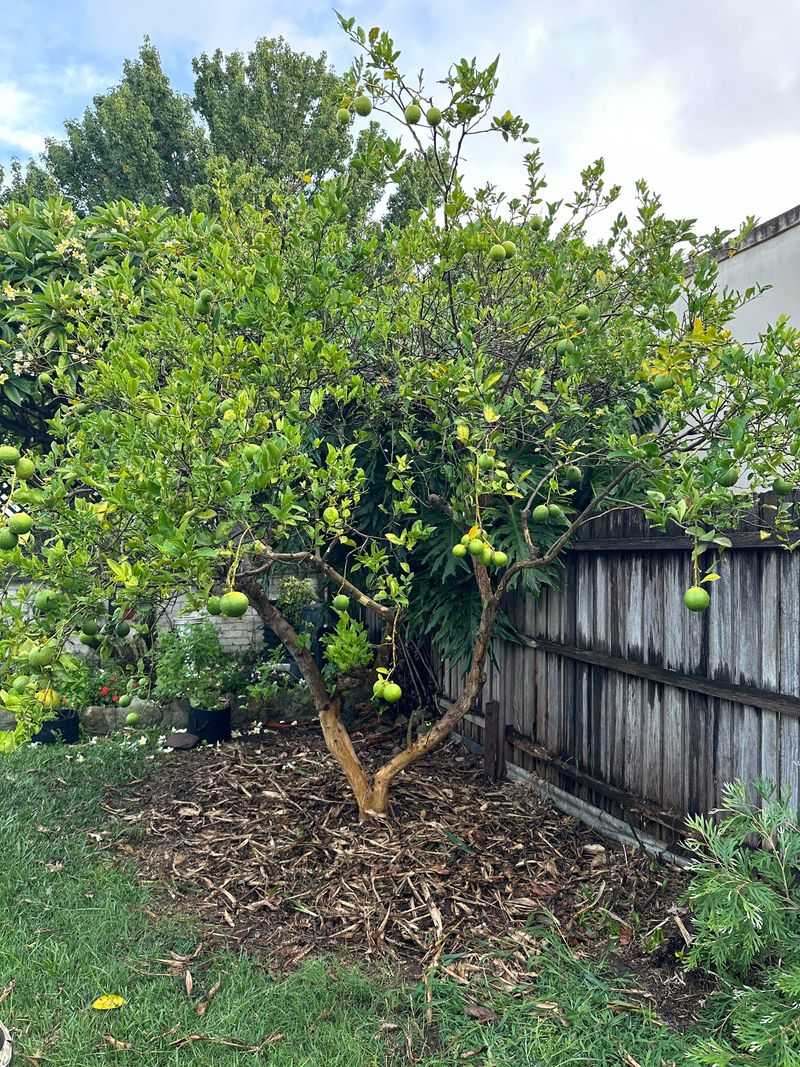
Bare dirt around a trunk bakes like a skillet in September, and soil temperatures near the surface can push past 100 degrees while roots in that heat pull back on water delivery. Leaves respond by curling, even when the irrigation ran that morning.
A three to four inch blanket of coarse wood chips changes the whole picture. Mulch keeps the root zone ten to fifteen degrees cooler and slows evaporation, so each watering stretches further.
Leave a clear gap of six inches around the trunk itself. Mulch piled against bark traps humidity and invites collar rot, which is a different headache you do not want to trade for.
Your California Garden Changes Every Week. Your Plan Should Too.
Gardening in California changes quickly throughout the season. Every Friday you’ll receive a simple weekly plan showing exactly what to plant, prune, fertilize, harvest, and protect so you never miss the right timing.
Spread the rest out to the drip line in a wide, even circle. Chipped tree trimmings, shredded bark, or arborist chips all work well, and many California tree services drop loads for free.
Skip landscape fabric underneath. Fabric blocks the slow trickle of nutrients that breaking-down mulch feeds back into the soil, and it tends to clog the surface over time.
Top the layer off once it thins to an inch or two. Mulch breaks down faster in warm inland areas like Riverside or Fresno than along the coast, so inland gardeners refresh more often.
Long before anyone sold mulch in bags, growers laid straw under their rows for the same reason, and the idea has not changed much beyond the packaging. Your tree gets the benefit either way, and the weeds get the message.
3. Shade Young Trees With Breathable Cloth During Peak Sun
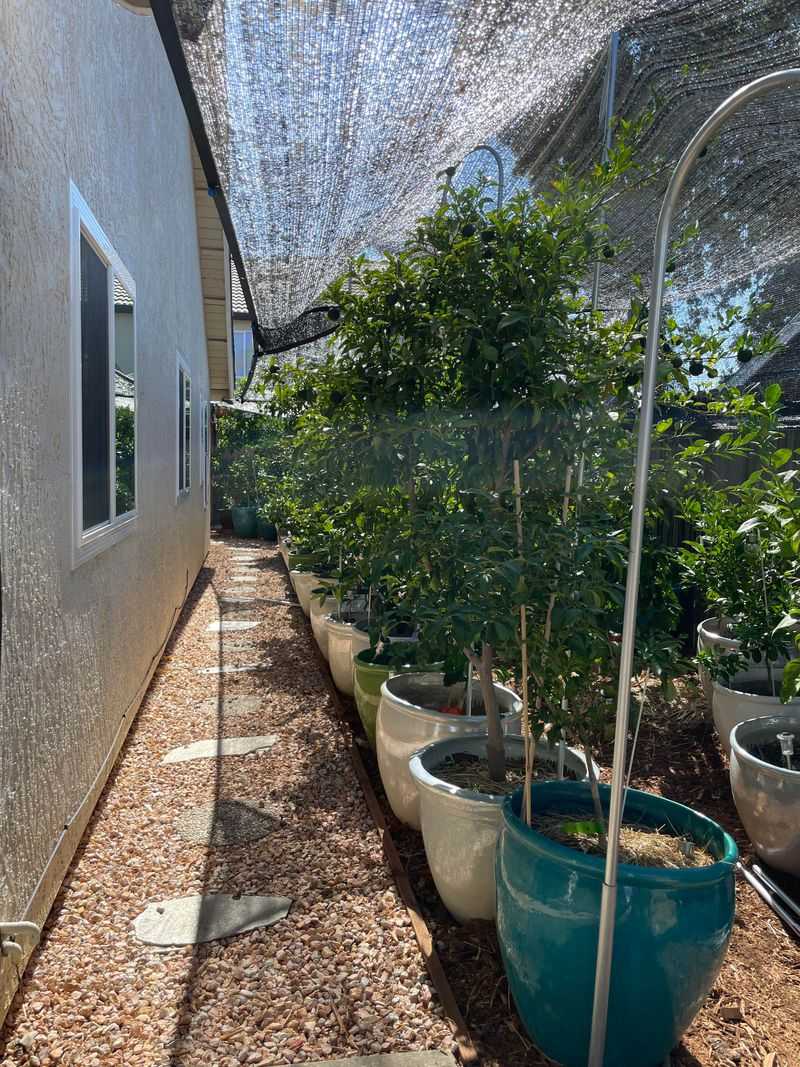
Picture standing in a parking lot at noon with no hat, that is the day a young tree has when September sun hits 100 plus with no protection overhead. Thin bark and small canopies make young trees far more likely to fold their leaves.
Shade cloth rated between 30 and 50 percent gives relief without starving the tree of light. Anything denser cuts too much sun and slows growth, which nobody wants heading into fall.
Set the fabric on stakes or a simple PVC frame so it floats above the canopy. Air needs to move through, and cloth draped directly on leaves traps heat instead of blocking it.
Focus coverage on the west and south sides. Afternoon western sun does the heaviest damage in California, especially between two and six in the evening.
Old patio umbrellas, beach umbrellas, and even a propped sheet of shade netting work for a weekend heat spike. Nobody is judging your setup while the tree stays comfortable.
Take the cloth down once temperatures settle back into the eighties. Leaving shade up all season makes a tree soft and less ready for the next round of hot weather.
Container trees get an easier fix. Roll the pot into afternoon shade near a wall or fence, and the curling usually eases within a day or two.
Black nursery pots soak up heat like asphalt, so a light colored sleeve or a second pot around the first drops root temperature noticeably. Small change, big comfort for the roots.
4. Check Undersides Of Leaves For Aphids And Mites
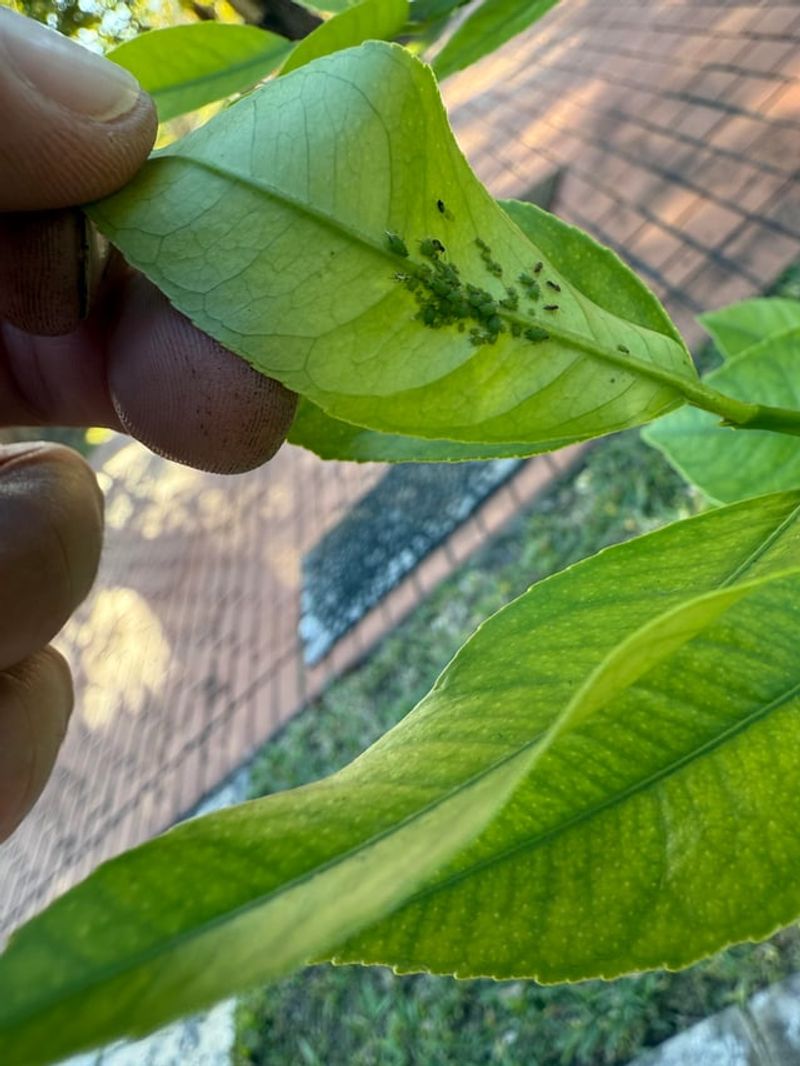
Flip a curled leaf over and you might find the culprit staring back, aphids clustering on tender new growth and sucking sap until leaves twist and cup. Spider mites leave fine speckling and dusty webbing along the veins instead.
Citrus leafminer is the other September regular. Squiggly silver trails inside the leaf, paired with edges rolled tightly under, point straight to that tiny moth larva.
A strong spray of water knocks aphids and mites off fast. Hit the undersides in the morning, repeat every three days for a week or two, and populations drop sharply.
Insecticidal soap or horticultural oil helps for stubborn cases. Apply during cool morning hours, since oils and 100 degree sun together scorch foliage.
Leafminer rarely needs treatment on a mature tree. Trimming off the damaged leaves actually backfires, because it pushes fresh flushes that the moths love even more.
Ants deserve a look too. They farm aphids for honeydew and chase off the ladybugs that would otherwise handle the problem for you.
A sticky barrier band around the trunk cuts that partnership off. Within a week or so, natural predators usually move in and clean house.
Leaves curling with yellow blotchy patterns and misshapen fruit deserve a call to your county agricultural office. Asian citrus psyllid monitoring is a real program here, and reports matter.
Most curling turns out to be thirst. A two minute inspection with a hand lens rules out the rest.
5. Hold Off On Heavy Nitrogen Feeding Until Fall Cools
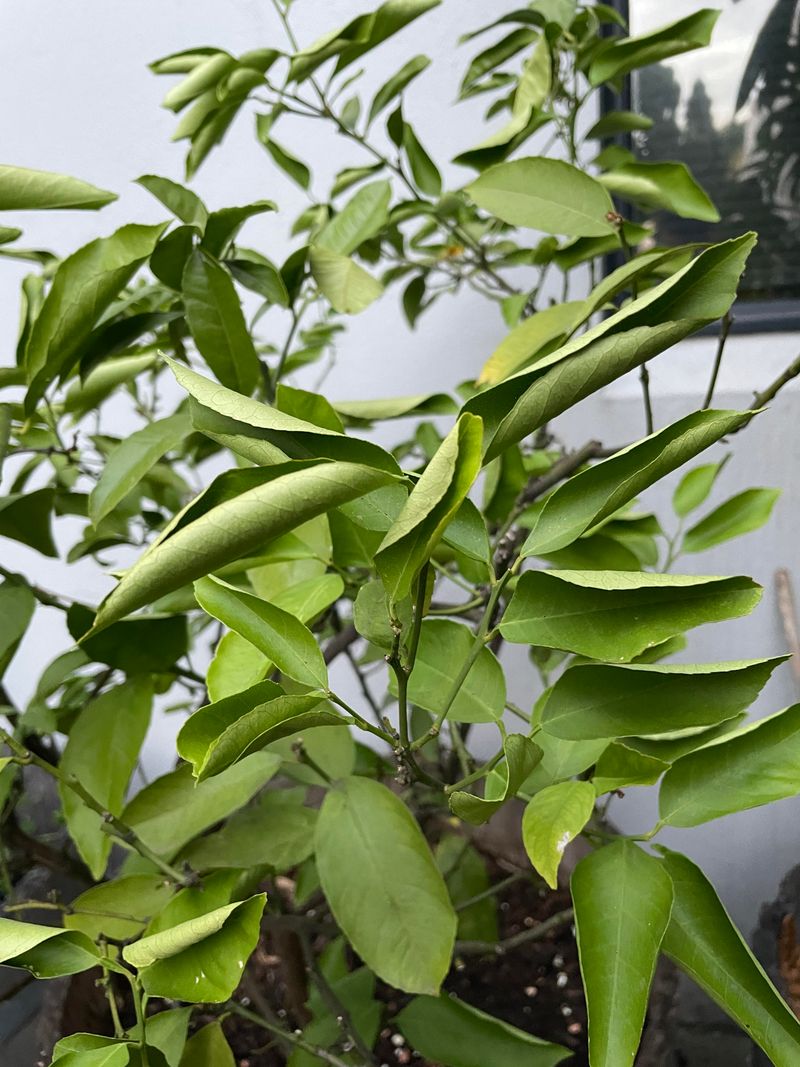
Reaching for fertilizer when a tree looks stressed feels natural, but a heavy dose of nitrogen in September heat pushes soft new growth right when the tree can least support it. Those tender leaves curl almost immediately.
Salts in granular fertilizer add a second problem. Concentrated salt around the roots pulls moisture out of them, which produces the exact curling you were trying to fix.
University of California guidelines suggest splitting citrus feeding across late winter, spring, and early summer. September sits outside that window for good reason.
Hold the bag until night temperatures drop into the sixties and daytime highs settle under ninety. Around mid October in most of the state, a light feeding lands safely.
If leaves look pale and hungry right now, a diluted seaweed or fish emulsion drench is gentler. Mild organic feeds release slowly and carry far less salt punch.
Water deeply before and after any application, no matter what you use. Fertilizer landing on dry soil concentrates near the roots and stings them.
Foliar sprays of zinc or iron are the exception worth considering. Micronutrient deficiencies show up as pale bands and puckered leaves, and a light foliar mist corrects that without stirring up root growth.
Patience pays here, since skipping one feeding costs you nothing while forcing tender growth during a heat wave gives you a month of curled, crispy leaves to look at. Your fertilizer bag will still be there in October, and so will the tree.
6. Rinse Salt Buildup From Soil With A Long Leaching Soak
Much of California irrigates with mineral heavy water, and every irrigation leaves a little salt behind that concentrates in the root zone by late summer. Leaves respond with curled, tan crispy edges that look sunburned.
A white crust on the soil surface or along pot rims confirms it. Salty soil makes roots work harder to pull in water, so the tree acts thirsty even in damp ground.
The fix is a leaching soak. Run water slowly under the canopy for an extended stretch, roughly double a normal session, so the salts wash below the root zone.
Do it on a mild morning, not during a 105 degree stretch. Once or twice in early fall handles most yards in the Inland Empire and the Valley.
Potted trees need this even more. Water until a good amount runs out the drainage holes, then dump the saucer instead of letting the pot sit in salty runoff.
Softened water is a hidden troublemaker. Water softeners swap minerals for sodium, and sodium is rough on citrus roots, so run outdoor lines off the untreated supply.
Gypsum can help on heavy clay soils where sodium locks up the structure. Spread it, then water deeply so it moves down where it can do some good.
A quick tell between salt burn and simple thirst: salt damage starts at leaf tips and margins and stays there, while thirst curls the entire leaf inward at once. Knowing which one you have saves a lot of guessing.
7. Paint Exposed Bark With Diluted White Latex For Sunburn
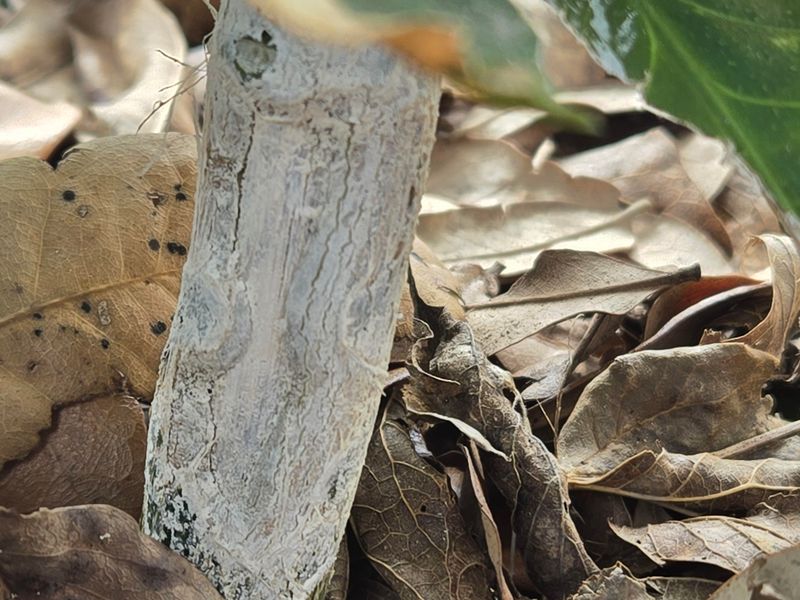
Ever notice orchard trees with chalky white trunks along Highway 99? Growers paint them because exposed bark cooks in direct sun, and a damaged trunk means less water reaching the leaves above.
Mix flat white interior latex paint with an equal part water. Brush it on the trunk and any bare branches from the soil line up to the lower canopy.
White reflects heat and keeps bark temperature down by a noticeable margin. Trees that were pruned hard, or young ones with thin canopies, benefit the most.
Skip oil based paint and stick with water based latex. Oil products seal bark and cause harm rather than help.
Cardboard trunk wraps and burlap sleeves do a similar job for anyone who dislikes the painted look. Just keep them loose so air moves and insects do not set up camp.
Resist the urge to prune during a September heat stretch. Every branch you remove opens a new patch of bark to the sun, and stressed trees respond by curling the leaves that remain.
Save pruning for late winter or early spring once the risk passes. Interior leaves that look scruffy are doing valuable shade duty right now.
Sunburned bark shows as cracked, tan, papery patches on the south and west sides. Paint over those areas too, since protection helps the tissue recover through fall and winter.
One gallon of paint covers a whole backyard grove. That makes it the cheapest insurance in the shed.
8. Adjust Irrigation Timing And Emitters For September Conditions
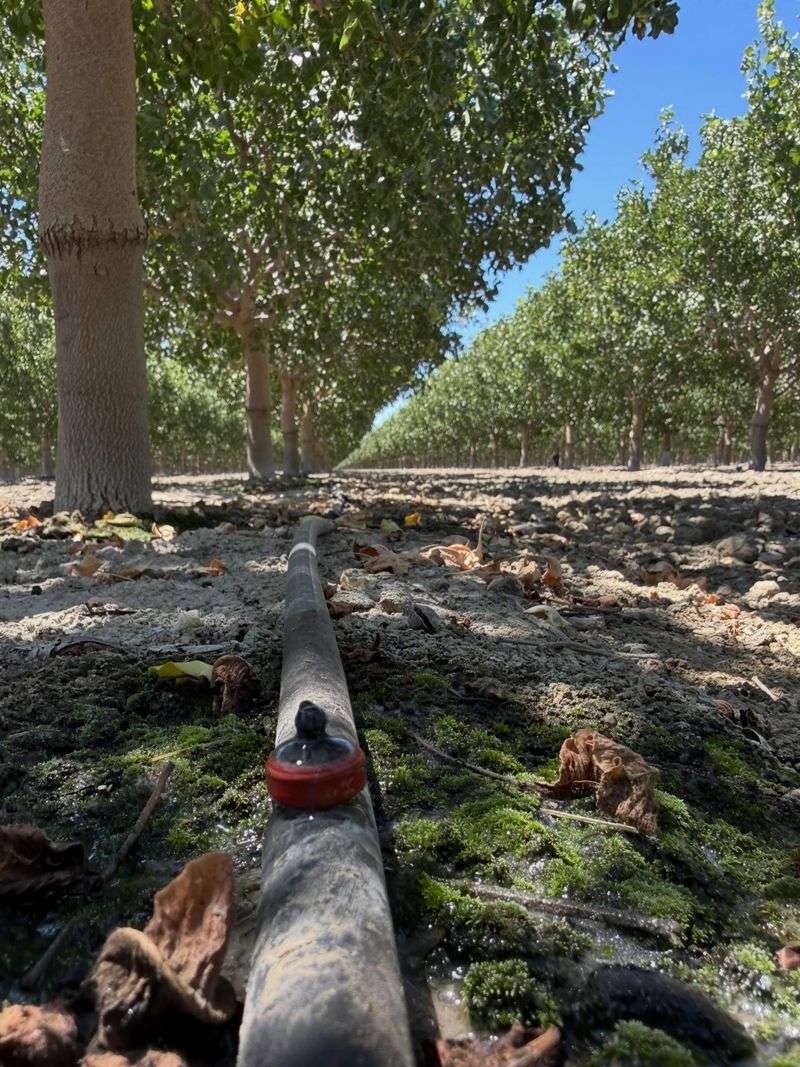
Sprinkler timers set back in May quietly work against you by September, as day length and evaporation shift enough to run a spring schedule short. Curled leaves are often just a timer problem wearing a costume.
Walk the drip line with the system running. Clogged emitters, cracked tubing, and lines chewed by squirrels show up fast once you actually look.
A mature tree needs emitters spread across the whole root area, not two lonely drippers by the trunk. Six to twelve emitters arranged in a ring at the drip line delivers water where roots feed.
Move the emitters outward each year as the canopy grows. Roots follow water, and drippers stuck in the same spot for a decade build a lopsided, shallow root system.
Run times matter more than frequency. Two or three long soaks a week beat daily short bursts, since brief cycles keep roots parked near the surface where heat hits hardest.
A cheap soil moisture meter takes the guesswork out. Stick it in at eight inches a day after watering and you learn exactly how your soil behaves.
Watch out for overwatering, which looks confusingly similar. Soggy soil suffocates roots, they stop moving water upward, and the leaves curl exactly like a thirsty tree would.
Dig down a few inches before adding more water, since damp, cool soil means the problem sits somewhere else and mud means it’s time to back off the timer. Your shovel gives better advice than the forecast.