8 Signs Voles Are Tunneling Under Your Lawn Before Winter
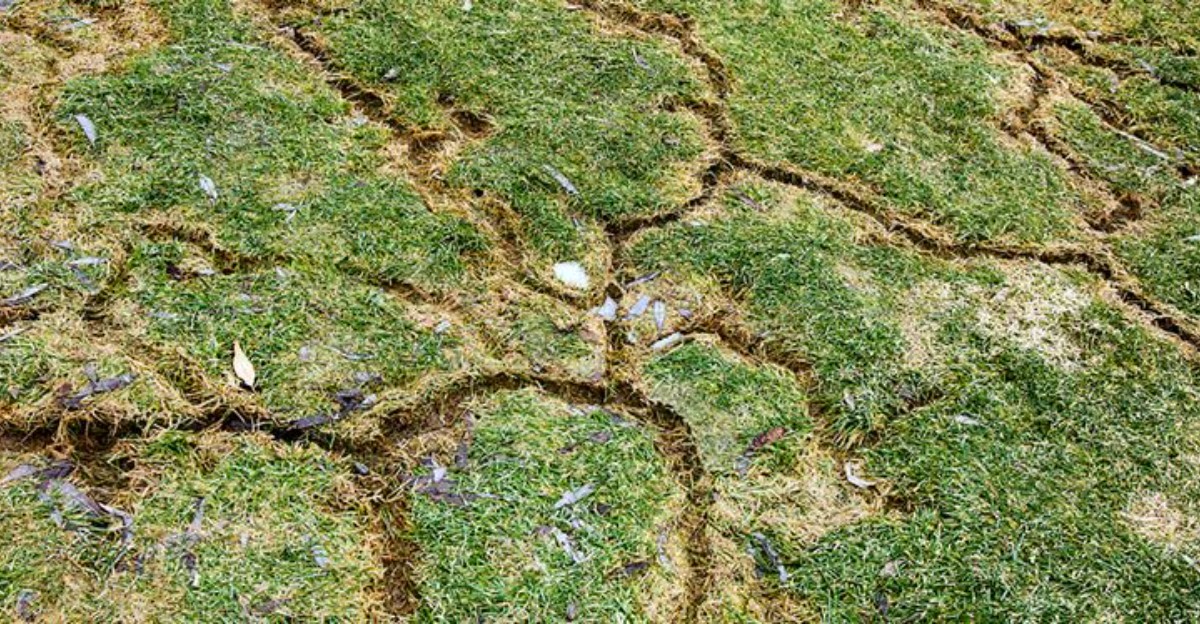
Your lawn looked perfect in August, green and soft like a fresh carpet. Now, strange little lines are showing up across it like a toddler got loose with a pencil.
You kneel down, and the grass feels squishy in spots that were firm last week. Something small is clearly busy down there, and it did not ask permission.
September brings cool mornings, crunchy leaves, and pumpkin everything. It also brings tiny garden guests scrambling to stock up before the frost arrives.
They munch roots, carve paths, and throw secret parties under the snow while you sip cocoa inside. By spring, the damage can look like a map of a tiny subway system.
These sneaky diggers leave plenty of clues behind, though. Your lawn has turned into a mystery novel, and sadly, the suspects are shorter than your grass.
1. Narrow Surface Runways
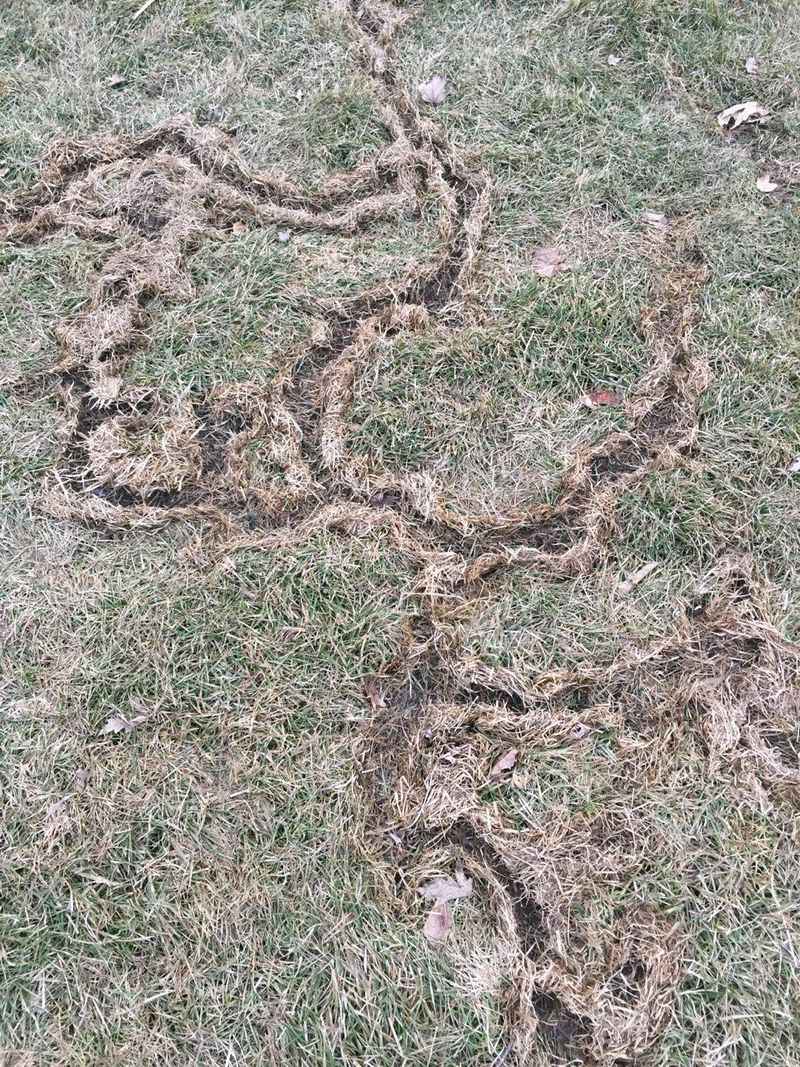
Picture a tiny highway system running right across your yard, only the drivers have fur and whiskers. Voles build surface runways about one to two inches wide, and they use them over and over.
Unlike moles, voles rarely dig deep tunnels with big dirt mounds. They prefer shallow paths right at the soil surface, neatly tucked beneath the grass blades for cover.
In September, these runways often start showing up as voles get busy gathering food for winter. You might spot them first along fences, garden beds, or the edges of your patio.
Try this quick test on a sunny afternoon. Gently part the grass where you see a faint line, and look for a smooth, packed trail underneath.
A real vole runway feels firm, like a tiny sidewalk pressed flat by hundreds of little feet. Loose soil or random dips usually point to something else, like worms or uneven ground.
Once you find a runway, mark it with a small flag or stick. Check it again in a few days to see if the grass looks freshly pushed aside.
Active paths mean voles are living nearby and planning to stay. Mowing a bit shorter this fall can expose these trails and make your yard feel less cozy to them.
Birds of prey, like hawks and owls, also spot open runways more easily. That gives nature a helpful hand in keeping the population under control.
2. Clipped Grass Trails
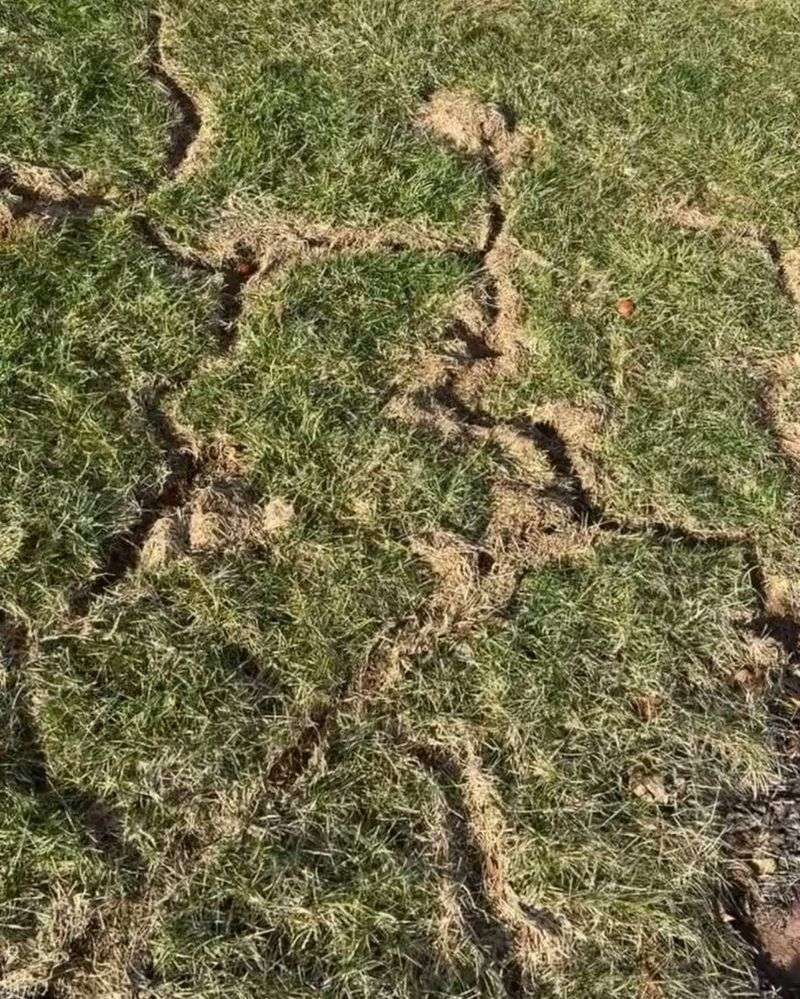
Somebody has been giving your lawn a very bad haircut, and it was not the neighbor kid. Voles chew grass blades down to the base, leaving strips that look buzzed short.
These clipped trails often follow the same paths as their runways. The grass along the edges may stand tall, while the middle looks trimmed with tiny scissors.
Voles are plant eaters with big appetites for their size. One vole can eat close to its own body weight in plants every single day.
That hunger kicks into high gear in early fall. They snack on fresh grass now and store extra food in underground chambers for the cold months ahead.
Look closely at the cut blades if you want proof. Vole bites leave angled, slightly ragged ends instead of the clean, flat edge a mower makes.
Pay attention to the color of the clipped areas too. Fresh bites look bright green, while older ones turn tan or brown as the stubble dries out.
If you spot these trails, rake the area lightly and keep an eye on it. New clipping within a week means your furry lawn crew is still on the job.
Catching the problem now gives your grass time to recover before the first frost. A little attention in September saves a lot of patching in April.
Overseeding thin spots with a cool season grass mix also helps this time of year. Thick, healthy turf bounces back faster from hungry nibblers.
3. Ground Level Holes
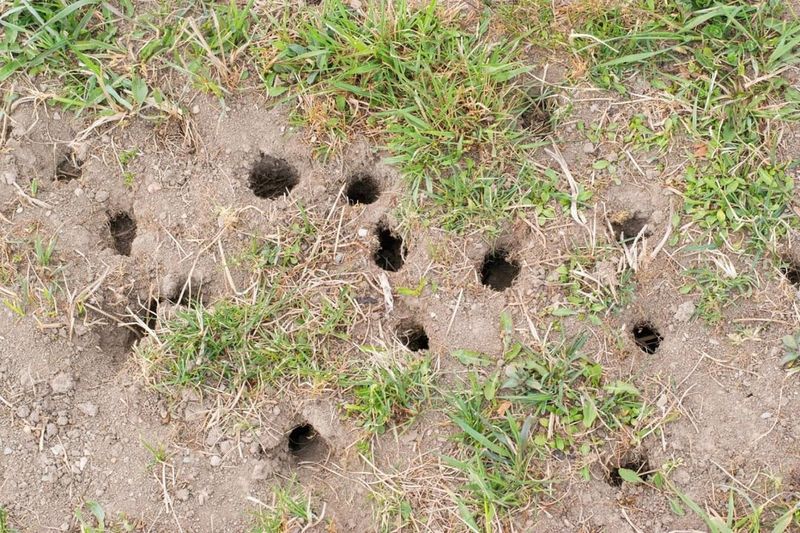
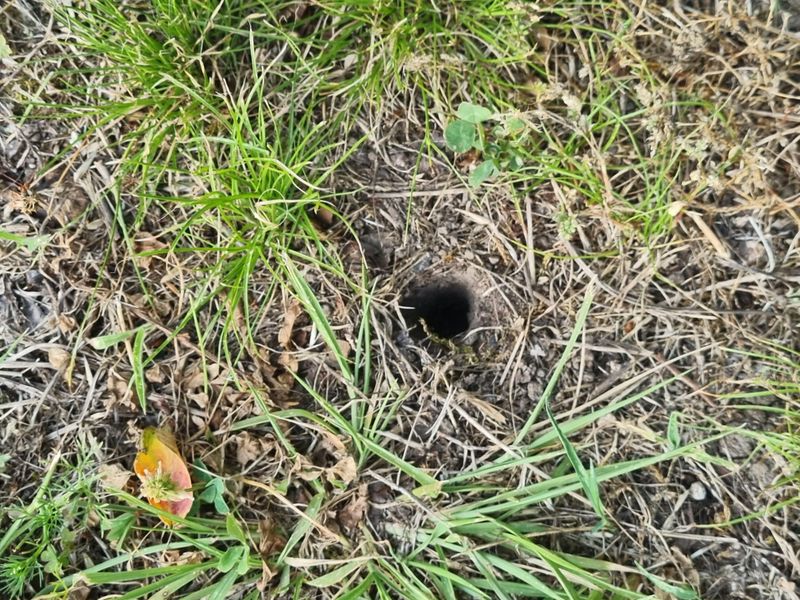
Vole holes are small, round, and surprisingly neat, usually about one to two inches across. They sit right at ground level, with no big pile of dirt beside them.
That missing dirt pile is a big clue. Gophers and moles push up big mounds of soil, but voles keep things tidy and simple.
You will often find these openings where runways begin or end. Look near shrubs, tree bases, garden walls, and thick patches of ground cover.
Voles like to have several escape routes close by. A single colony may have dozens of holes spread across one section of your yard.
Want to know if a hole is still in use? Cover it loosely with a handful of grass clippings or a crumpled leaf, then check back tomorrow.
If the cover has been pushed aside, someone is home. Old, unused holes tend to collect cobwebs, fallen leaves, or bits of soil around the rim.
Early fall is a smart time to run this check. Voles are settling into winter homes now, so active holes tell you where the busiest spots are.
Snakes and weasels sometimes use these same holes to hunt voles underground. Seeing a garter snake slip into one is actually a pretty good sign.
Place traps or deterrents right near the most active openings for the best results. Wearing gloves keeps your scent off the setup, which makes wary voles less suspicious.
4. Rice Grain Droppings
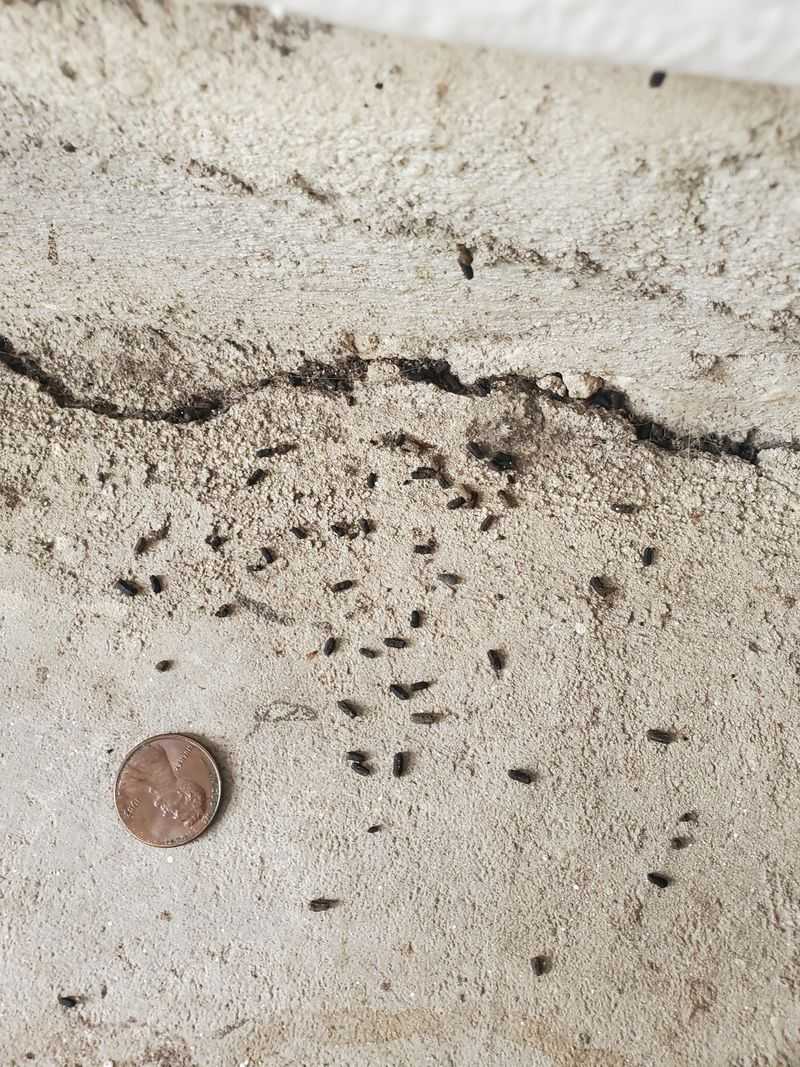
Nobody enjoys poop patrol, but this clue is too useful to skip. Vole droppings look a lot like grains of brown or green rice scattered along the ground.
Each pellet is about a quarter inch long, with rounded ends. Fresh ones look greenish and soft, while older ones turn dark brown and dry.
You will usually find them in small clusters along runways or near hole entrances. Voles tend to use certain spots as bathrooms, so piles can build up quickly.
Mouse droppings look similar but are smaller and pointier at the ends. Rat droppings are much larger, so size helps you narrow down the suspect.
Here is a fun fact to share at dinner, or maybe not. Scientists sometimes count vole droppings to estimate how many voles live in a field.
In September, droppings often show up in greater numbers as voles eat more. Their busy fall feeding means more trips along the same paths each day.
Safety comes first when you handle any rodent waste. Wear sturdy gloves, avoid sweeping dry droppings into the air, and wash your hands well afterward.
Spraying the area lightly with water first helps keep dust down. Then scoop the droppings into a sealed bag and toss it in the trash.
Keep pets and kids away from spots where droppings appear. A clean yard also makes it easier to notice if new pellets show up later.
5. Gnawed Bark Damage
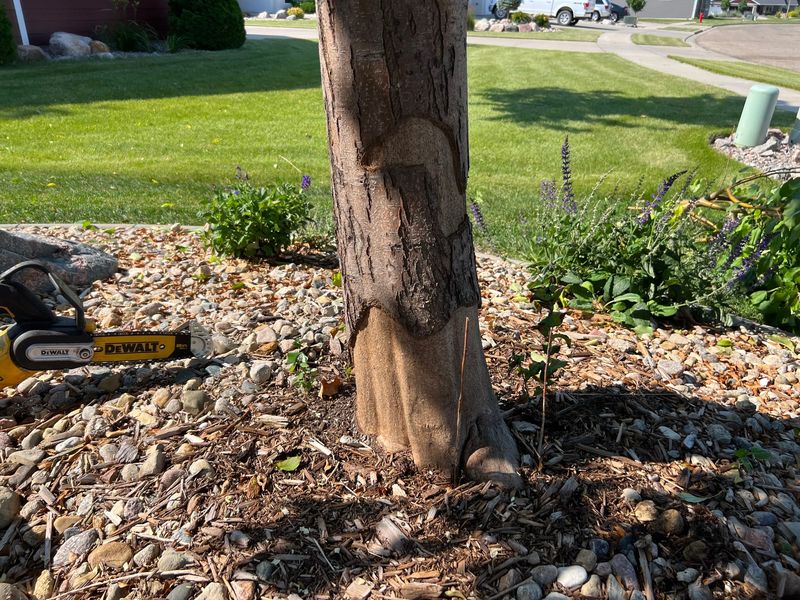
Your favorite young apple tree was not meant to be a chew toy. Voles love to gnaw bark near the base of trees and shrubs, especially when food runs low.
Look for tiny tooth marks about an eighth of an inch wide. The chewing usually sits within a few inches of the ground, right where grass or mulch touches the trunk.
Some damage shows up as uneven patches of missing bark. Other times, voles chew all the way around the trunk, which experts call girdling.
Girdling is serious because it cuts off the flow of water and nutrients. A tree chewed all the way around may struggle badly and fail to leaf out next spring.
Most bark damage happens in late fall and winter under snow cover. That is why September is the perfect month to protect your trees ahead of time.
Wrap the lower trunk with hardware cloth, a stiff wire mesh with small openings. Push it a couple of inches into the soil and leave some space around the bark.
Pull mulch back three or four inches from each trunk too. Mulch piled against wood gives voles a hidden spot to snack without being seen.
Check your roses, blueberries, and young fruit trees first. Thin, tender bark is much easier for voles to chew than thick, rough bark on older trees.
Caught some damage early? Small wounds often heal on their own if you keep the area protected through winter.
6. Woodpile Tunnel Openings
That neat stack of firewood by the shed might be the fanciest vole apartment on the block. Woodpiles offer shelter, shade, and protection from hawks, which voles find hard to resist.
Check the ground around the bottom logs for small, round openings. These holes often lead into tunnels that run under the pile and out into your lawn.
You might also see worn paths leading from the woodpile to nearby garden beds. Voles use the stack as a safe base, then sneak out to eat.
Fall makes this problem worse because many people stack fresh firewood right now. A new pile in September is like a welcome sign for winter guests.
One easy fix makes a real difference. Raise your firewood at least a foot off the ground using a metal rack or sturdy pallets.
Moving the stack away from your house and garden helps too. Aim for at least twenty feet of open space between the woodpile and anything you want to protect.
Keep the ground under and around the pile clear of weeds and tall grass. Bare soil or gravel leaves voles with nowhere to hide on their way in.
Brush piles, old boards, and stacks of flower pots can cause the same trouble. Tidy up these hideouts now, and your yard becomes a lot less inviting.
Wear gloves when you move old logs, since spiders and snakes may share the space. Lift each piece slowly and watch for any small, furry surprises darting out.
7. Fresh Cut Debris
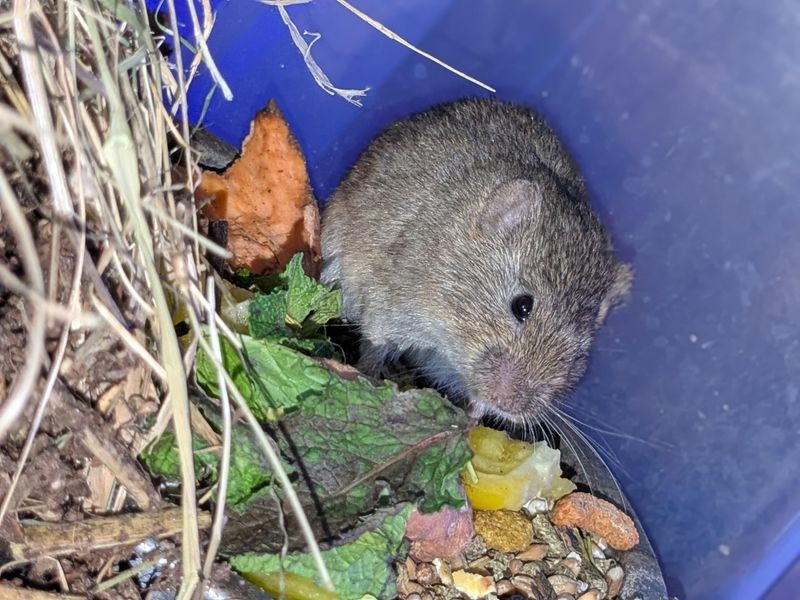
Think of it as crumbs left behind at a midnight snack party. Voles are messy eaters, and they leave piles of fresh cut plant bits near their feeding spots.
You might find short pieces of grass, chopped stems, or chewed flower bulbs scattered nearby. Most pieces are about an inch long and look like they were snipped on purpose.
Fresh debris is green and moist, which means the voles were there recently. Brown, crispy bits are older and suggest they may have moved to another area.
Vegetable gardens often show this sign first in early fall. Voles nibble on carrots, potatoes, beets, and other root crops still sitting in the soil.
Flower lovers should watch their tulip and crocus beds too. Bulbs planted in September can become a free buffet if voles are already living nearby.
A smart trick is to plant bulbs inside small wire cages or with sharp gravel mixed into the hole. Daffodils are another good choice, since voles dislike their bitter taste.
Rake up piles of debris when you find them, then check the spot again in a day. New scraps showing up means your hungry visitors are still making the rounds.
Harvest root vegetables a little early if you notice heavy feeding. A slightly smaller carrot is much better than one with bite marks all over it.
Fun fact: voles often cut more plant material than they eat. Scientists think they stash the extra pieces in underground pantries for the long, chilly months.
8. Mulch Covered Trails
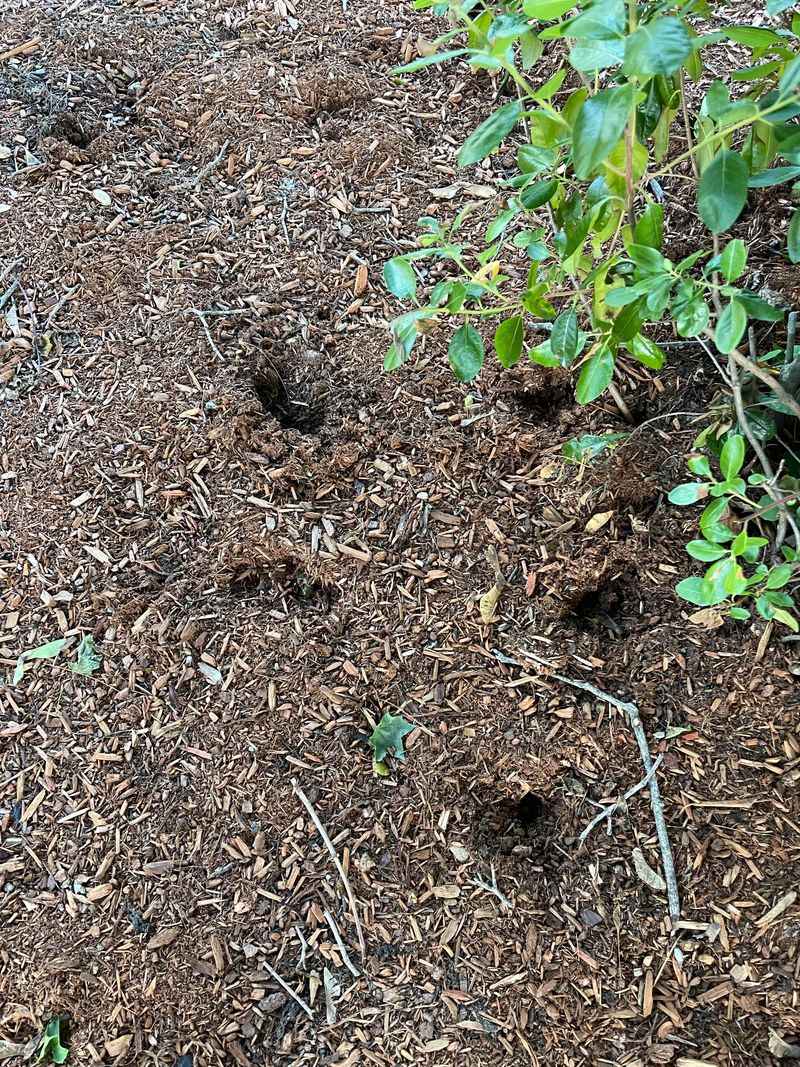
Mulch makes garden beds look tidy, but it also makes a perfect hiding blanket for voles. Under that layer of wood chips, they can tunnel without hawks or cats spotting them.
Look for mulch that seems raised in thin lines or pushed aside in narrow paths. Brush it back with your hand, and you may uncover a hidden runway below.
Small holes peeking through the mulch are another giveaway. They often sit near plant stems, where voles pop up to nibble roots and lower leaves.
Many gardeners add a fresh layer of mulch in fall to protect plants over winter. Thick piles, though, can turn your flower beds into a snug vole hotel.
Keep mulch no deeper than two or three inches this season. Wait to spread winter mulch until after the ground freezes, when voles have already picked their homes.
Switching to coarse materials can help too. Crushed stone, pea gravel, or chunky bark is harder for voles to push through than soft, shredded mulch.
Leaf piles and thick ground covers like ivy work the same way as mulch. Trimming them back this fall removes the shady shelter voles count on.
Poke around your beds with a stick every week or two this autumn. Catching hidden trails early makes it much easier to protect your plants before snow falls.
Spring cleanup can reveal the full story if you miss the signs now. Winding tunnels of flattened mulch and chewed stems tell you exactly where they partied all winter.