Tiny Jumping Bugs Small Enough To Slip Through Screens Are Showing Up On Iowa Windows This Fall
You wipe the windowsill clean, and by noon the black specks are back. Those specks are alive, and they jump. Beneath each tiny belly hides a folded lever, cocked and waiting.
When it snaps down, the bug rockets away before your eyes can track it. Across Iowa, you and your neighbors are spotting them on sills, bathtubs, and houseplant soil.
Window screens fail to stop them. Technically, these acrobats are not even insects. They breathe through their skin, so they chase moisture like it owes them money.
Fall rains soak the mulch around your foundation, and they march inside hunting damp corners. Mold, fungus, and damp organic debris make up their menu.
Relax about bites, stings, or chewed wood; these hoppers threaten neither pets nor your house. Unmask this intruder, and you expose the moisture trap inside your Iowa home.
Springtails, The Tiny Hoppers Behind The Window Swarm
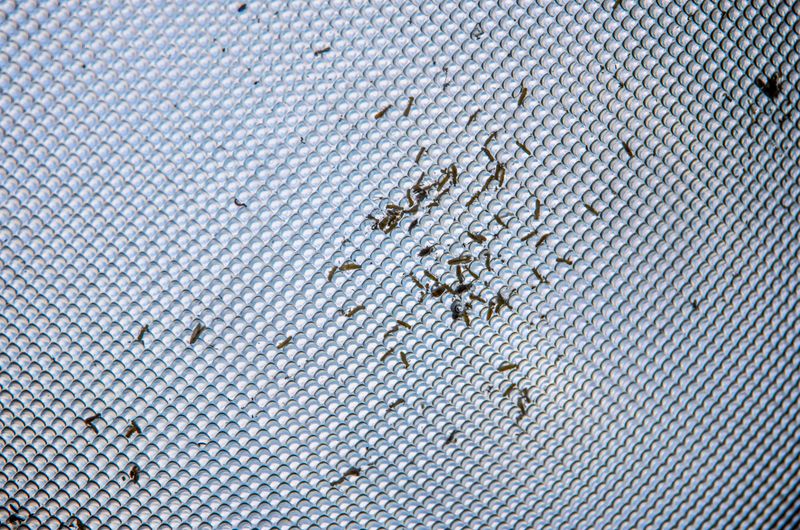
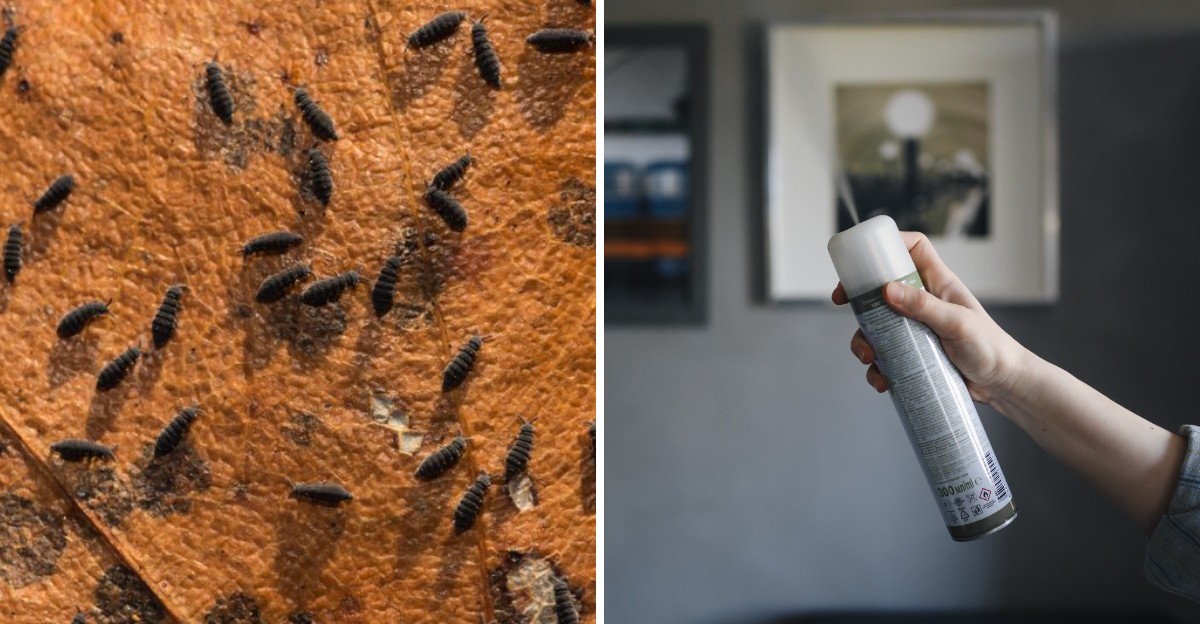
Those jumping specks on your window have a real name, and it is springtails. Most are smaller than a grain of rice, only one to two millimeters long.
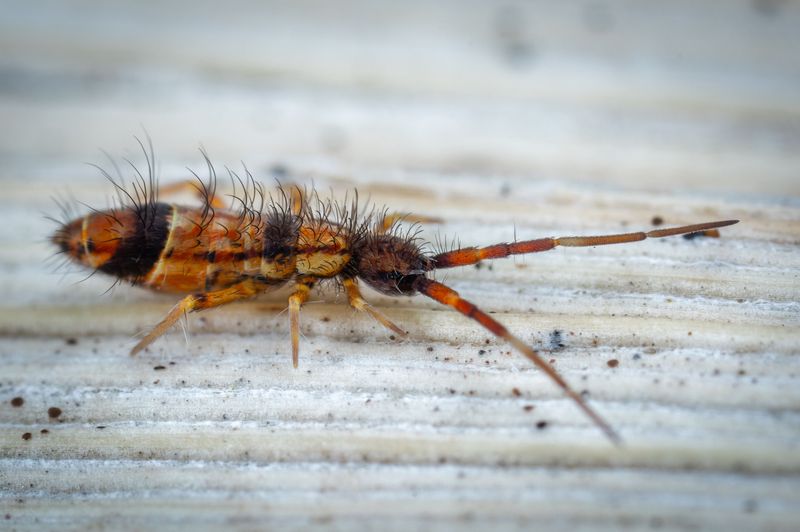
Their secret weapon is a forked tail called a furcula, tucked under the belly like a folded spring. When danger shows up, the furcula snaps down and flings the bug several inches.
For a creature that small, that jump is like a person clearing dozens of times their own height. No wings are needed, which is why they seem to pop in and out of sight.
Here is a fun twist for anyone who loves weird science facts. Springtails have six legs, but many scientists no longer group them with true insects.
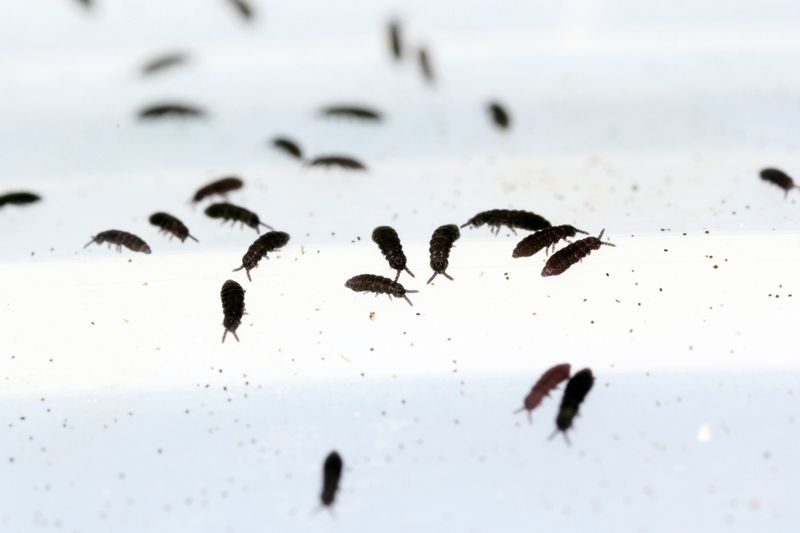
Their bodies come in gray, black, white, or even purple, depending on the kind. Up close, some look fuzzy, while others are smooth and round like tiny beads.
Screens do not stop them because standard window mesh has openings wider than their bodies. They simply crawl through the gaps, drawn by the damp condensation on cool glass.
Outdoors, springtails are hard workers that munch on mold, fungi, and rotting plant bits. They help turn old leaves into rich soil, so gardeners actually owe them a thank-you.
Best of all, they do not bite, sting, spread disease, or chew on wood and fabric. Think of them as uninvited guests with bad timing rather than true troublemakers.
Spotting them is the first step. Once you know the culprit, the rest of the puzzle gets much easier to solve.
Soggy Soil And Soaked Leaf Litter As The Root Cause
Picture a wet sponge left in the sink for a week, and you have a springtail paradise. These bugs live where moisture sticks around, and they cannot handle dry air for long.
Their bodies lose water quickly, so damp places are a matter of survival. Mulch beds, leaf piles, and soggy lawns give them the humid hideouts they crave.
Numbers can get wild in rich, moist ground. Researchers have counted tens of thousands of springtails in a single square yard of healthy topsoil.
Your Iowa Garden Changes Every Week. Your Plan Should Too.
Gardening in Iowa changes quickly throughout the season. Every Friday you’ll receive a simple weekly plan showing exactly what to plant, prune, fertilize, harvest, and protect so you never miss the right timing.
Thick mulch piled against your foundation acts like a welcome mat. It holds water, grows mold, and sits just inches from gaps around windows and doors.
Clogged gutters and short downspouts make the problem worse by dumping rain right next to the house. That soggy strip of soil becomes a busy springtail nursery in no time.
Inside, the same rule applies on a smaller scale. Leaky pipes, sweaty basement walls, and overwatered houseplants can all support a hidden colony.
Window sills are a special hot spot because cool nights create beads of condensation on the glass. Add a little mold in the window track, and you have a snack bar with a view.
Iowa’s rich farm soil and humid climate make the state an easy place for springtails to thrive. When heavy rain soaks that ground, they go looking for higher and drier real estate.
Put simply, where you find extra water, you will usually find these hoppers. Tracking down that moisture is the smartest clue you can follow.
A September Surge Tied To Cool Nights And Fall Rain
Just as Iowa corn turns gold and school buses rumble again, the tiny hoppers arrive. Their timing is no accident, and it follows the weather closely.
Late summer storms and early fall showers soak the ground across much of the state. Springtail numbers climb fast in that moist soil, and the crowd keeps growing.
Then comes a sudden shift in the weather. When the soil gets too soggy or starts to dry out, or cool September nights change conditions, springtails start to wander.
Many crawl up foundations and siding in search of a better spot. Warm, humid houses with sweaty windows look like the perfect place to wait out the change.
You might notice them most after a rainy stretch followed by a few sunny days. Morning is often a good time to spot them, since overnight condensation leaves the glass extra damp.
Spring can bring a smaller wave too, especially after snowmelt and April rain. Still, the fall surge tends to grab more attention because people spend more time indoors.
Freshly spread mulch in late summer can also trigger a bump in numbers. Some homeowners refresh their flower beds in August, not realizing they just laid out a buffet.
The good part is that the invasion usually fades on its own. Once the first hard frost arrives and the ground dries a bit, sightings drop off sharply.
In most parts of Iowa, that often happens sometime in October. Mark it on your calendar as the unofficial end of hopper season each year.
The Bug Spray Mistake That Wastes Time And Money
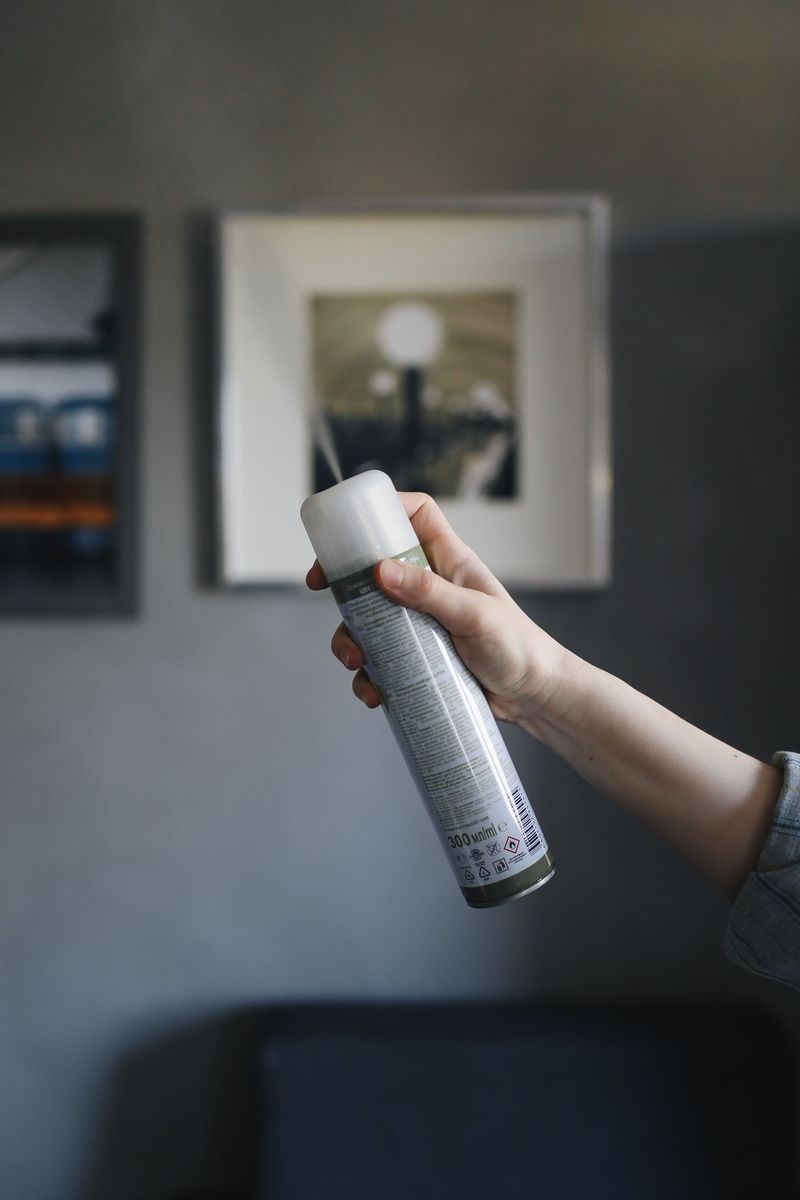
Grabbing a can of bug spray feels like the natural move when your window is crawling with specks. Unfortunately, spraying alone does little to solve the problem.
Spraying the glass may knock down the bugs you see today. Tomorrow, a fresh wave will march in from the same damp source, ready to take their place.
The real issue is moisture, not the hoppers themselves. Chemicals do nothing to dry out soggy mulch, fix a leaky pipe, or stop window condensation.
Indoor spraying also adds fumes to the air your family and pets breathe. That is a lot of risk for a pest that cannot bite or damage anything.
Another common slip is panicking and assuming the house has fleas. Fleas are flattened side to side, reddish brown, and hang out on pets, while springtails gather near water.
Some folks also hire a pricey exterminator before checking for simple leaks or clogged gutters. A quick look around the house could save a big bill.
Overwatering houseplants to keep them happy is a sneaky mistake too. Constantly wet potting soil can quietly raise a whole colony right on your kitchen counter.
Iowa State University Extension recommends moisture control as the best way to manage springtails. Outdoor treatments are sometimes used for heavy invasions, but they only buy a little time.
So put the spray can back on the shelf for now. A towel, a vacuum, and a little detective work will do far more good.
A Drier Home As The Real Fix For Indoor Hoppers
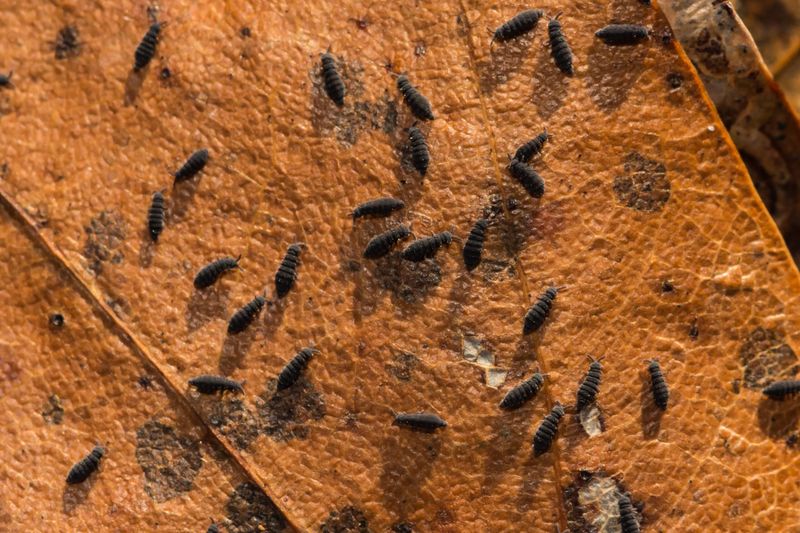
Think of springtails as tiny moisture meters that hop. Take away the dampness, and they lose their reason to stick around.
Start with the easy part and vacuum up any hoppers you see on sills, floors, and tubs. Empty the canister or toss the bag outside so stragglers do not crawl back out.
Next, wipe window glass and tracks dry each morning while the condensation problem lasts. A quick scrub with soapy water also clears away the mold they love to nibble.
A dehumidifier can be a game changer, especially in basements and laundry rooms. Aim to keep indoor humidity below about 50 percent for the best results.
Running bathroom fans during and after showers helps too. So does turning on the kitchen vent while cooking pasta or boiling soup.
Check under sinks, around the water heater, and behind the toilet for slow drips. Even a small leak can keep a hidden patch of wood or drywall damp enough for a colony.
Houseplants deserve a quick inspection as well. Let the top inch of soil dry between waterings, and dump any water sitting in saucers.
Now for the happy ending most people do not expect. Springtails that wander indoors usually dry up within a few days once the air turns dry.
They cannot last long without moisture, so dry rooms won’t hold them; damp spots like soggy potting soil are the exception. Stick with the drying plan for a week or two, and the window pepper should fade away.
Yard Upkeep And Tight Seals For A Calmer Next Fall
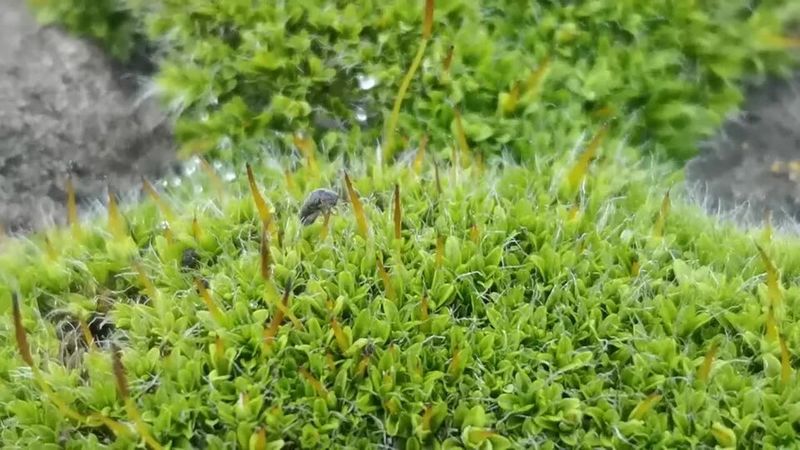
An ounce of prevention is worth a pound of cure, as the old saying goes. With springtails, that ounce mostly means keeping the soil near your house on the dry side.
Begin by pulling mulch back six to twelve inches from your foundation. A strip of bare soil or gravel gives water a chance to dry before it reaches the walls.
Keep mulch layers thin, around two to three inches at most. Thick piles trap moisture underneath and turn into a soggy springtail hotel.
Clean your gutters after the leaves drop, and add downspout extensions that carry rain several feet away. Soil should slope away from the house so puddles do not form along the foundation.
Rake up leaf piles near windows and doors instead of letting them rot in place. Your compost pile can live happily at the back of the yard, far from the house.
Sealing up small entry points helps a lot too. Caulk cracks around window frames, and replace worn weatherstripping on doors before the September rains roll in.
Screens alone will not keep them out, but finer mesh can cut down on the parade. Pairing it with tight seals makes your windows far less inviting.
Water the lawn and flower beds in the morning rather than the evening. That way, the sun has all day to dry things out before cool nights arrive.
Most of these chores fit into a weekend. Next September, you might sip your coffee by the window and see nothing but a clear Iowa sky.