Your Iowa Pepper Plants Keep Dropping Flowers, And Here Is What Is Going Wrong
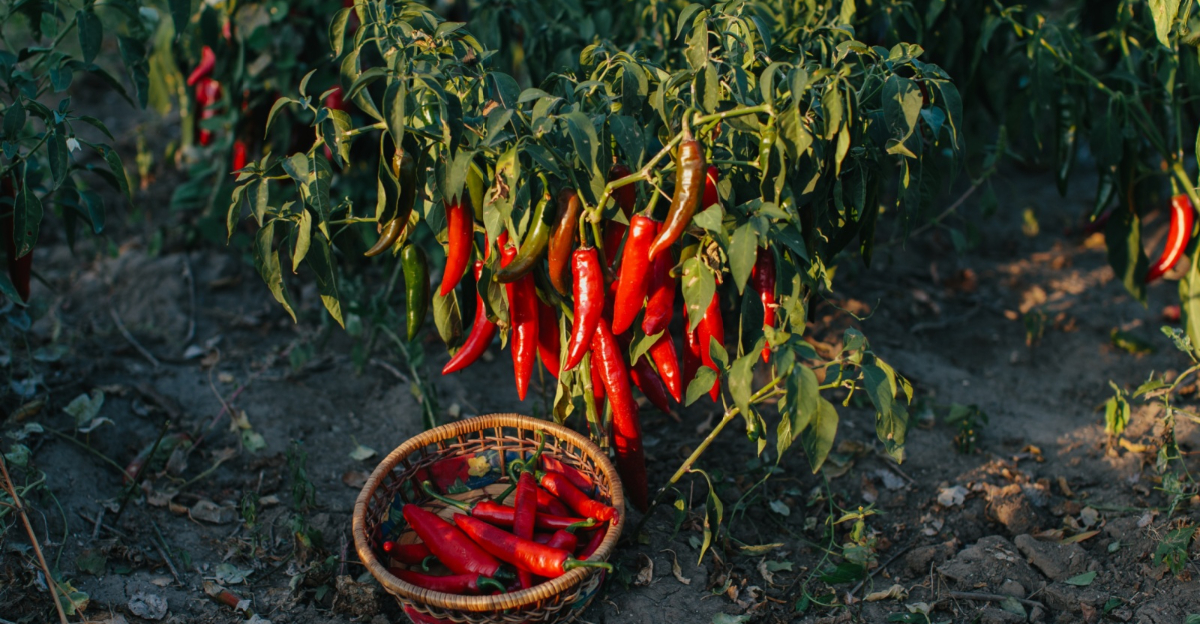
Your peppers were supposed to be thriving. Instead, you’re watching tiny flowers drop to the ground before a single fruit forms.
I remember standing in my own Iowa garden one July, completely baffled. My plants looked healthy and full, yet every flower was abandoning ship.
It felt like failure, but it was actually just feedback. Flower drop is one of the most common frustrations for Iowa gardeners, and it happens to experienced growers too.
The tricky part is that peppers are quietly picky. They drop flowers when something feels off, whether that is heat, humidity, water, or stress.
The good news? Most causes are easy to identify once you know what to look for.
Nothing here requires expensive fixes or starting over. A few adjustments at the right time can turn a disappointing Iowa season into a productive one.
Let’s figure out what your peppers are trying to tell you.
1. Temperatures Are Too High Or Too Low
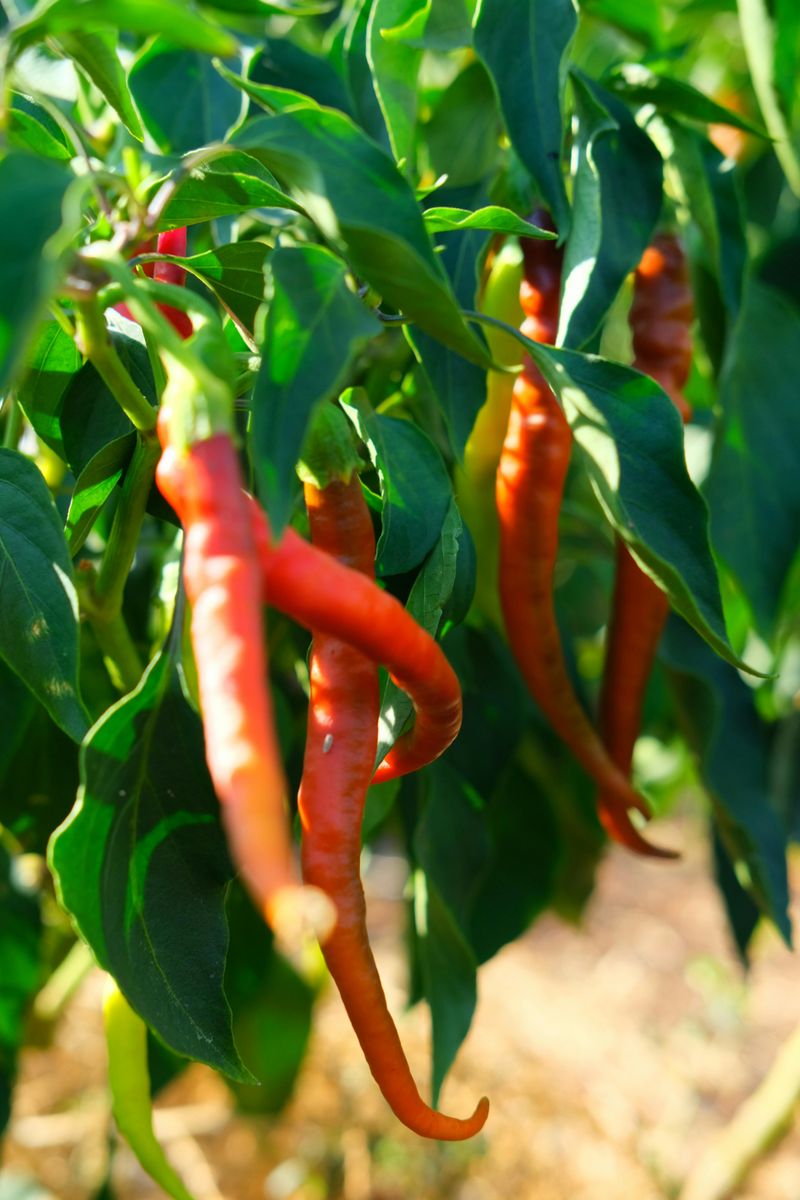
Peppers are picky about temperature, and Iowa summers can be brutally unforgiving. When daytime temps climb above 90 degrees Fahrenheit, pepper blossoms simply give up and fall off.
The plant is not being dramatic. It is protecting itself from the stress of trying to set fruit in conditions that would make survival nearly impossible.
In central Iowa, planting peppers after cool nights below 55 degrees Fahrenheit is safest from mid-May onward. Southern Iowa gardeners can typically plant about a week earlier, and northern Iowa about a week later.
Iowa weather swings between these extremes more often than gardeners expect, which makes timing everything.
The sweet spot for pepper blossoms is daytime temps between 70 and 85 degrees. Nighttime temps between 60 and 70 degrees keep things humming along perfectly.
Planting too early or too late in the season puts your plants right in the danger zone.
One practical fix is to use shade cloth during peak heat. A 30 to 40 percent shade cloth draped over your plants during the hottest part of the afternoon can drop leaf temperature noticeably.
Row covers work well for protecting against unexpected cold nights in spring or fall.
Watch your local forecast closely. Monitoring your local forecast closely in July and August gives you time to act before flowers drop
2. Watering Mistakes That Cost You Peppers
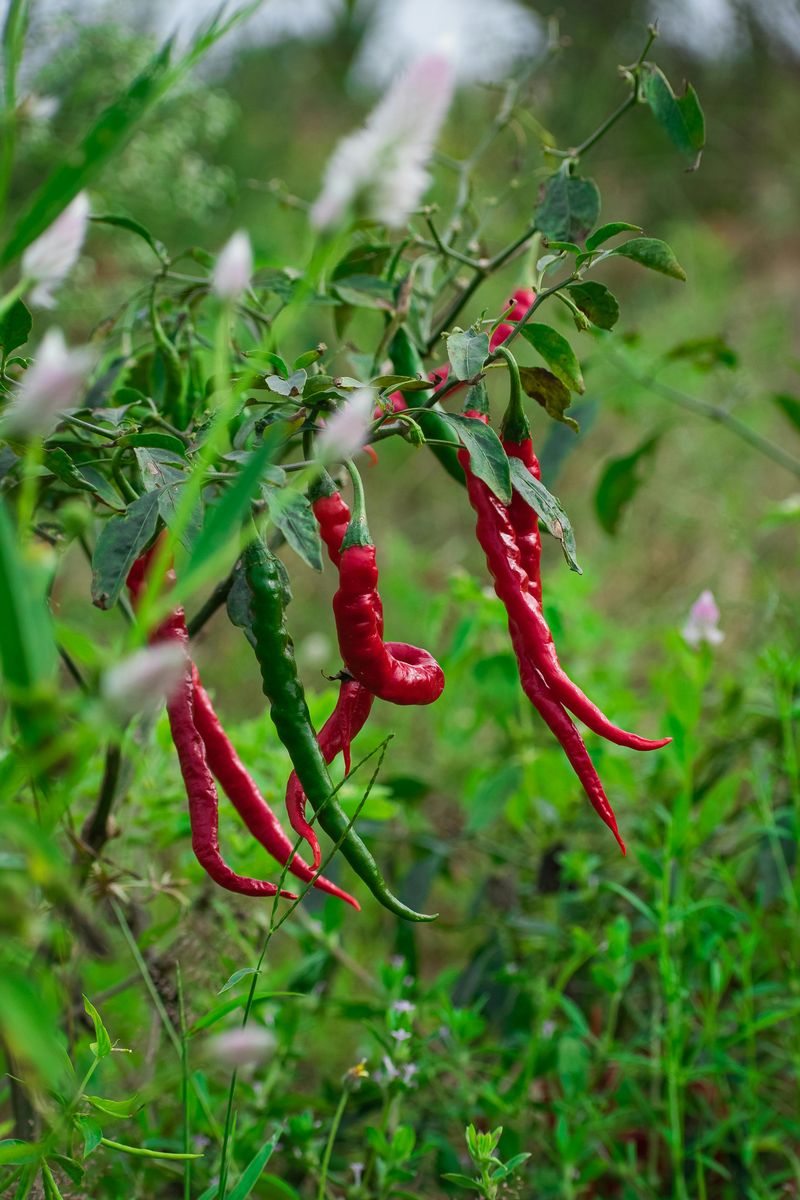
Wrong watering habits are one of the fastest ways to lose pepper flowers. Peppers need steady, consistent moisture, not a flood one day and a drought for the next four.
When the soil swings between bone dry and soaking wet, the plant responds to stress by shedding its flowers.
Iowa summers can be unpredictable. One week brings heavy rain, and the next is scorching and dry.
Without a consistent watering schedule, your plants experience stress that shows up first in the flowers. Those tiny blossoms are the most sensitive part of the plant, and they are the first to go when resources get tight.
Aim for about one to two inches of water per week. Deep, slow watering encourages roots to grow downward, making the plant more resilient during dry spells.
Your Iowa Garden Changes Every Week. Your Plan Should Too.
Gardening in Iowa changes quickly throughout the season. Every Friday you’ll receive a simple weekly plan showing exactly what to plant, prune, fertilize, harvest, and protect so you never miss the right timing.
Shallow, frequent watering keeps roots near the surface where they dry out faster.
A layer of mulch around the base of each plant is a game changer. Two to three inches of straw or wood chips holds moisture in the soil, keeps roots cooler, and reduces how often you need to water.
It also cuts down on weeds competing for that precious water.
Drip irrigation is the gold standard for pepper gardens. Even a simple soaker hose on a timer takes the guesswork out of watering and keeps your plants consistently happy.
Steady water means steady flowers, and steady flowers mean peppers on your plate.
3. Low Humidity Levels
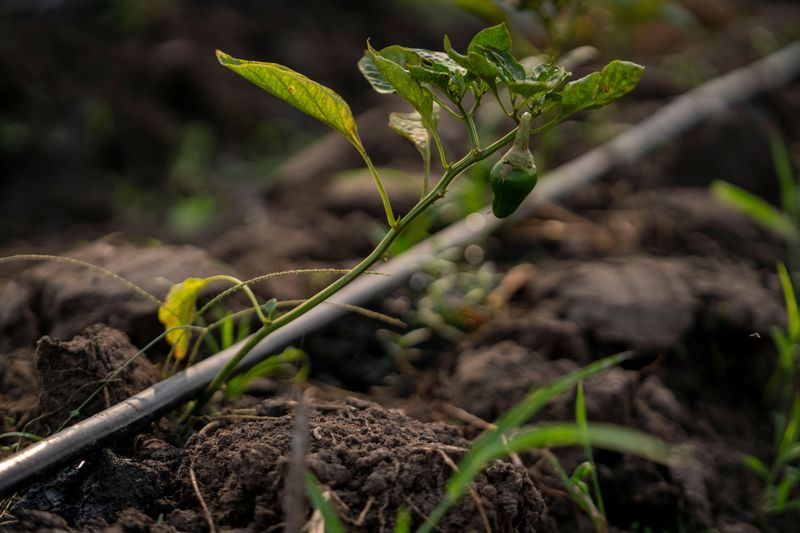
Don’t overlook humidity when your pepper flowers start falling. Peppers evolved in tropical and subtropical climates where the air holds steady moisture.
When humidity drops too low, pollen dries out and pollination fails, which sends flowers tumbling to the ground.
Iowa summers can actually swing to both extremes. Some stretches bring thick, muggy air that feels like a sauna.
Other weeks, especially during drought conditions, the air turns dry and harsh. That dry air is rough on pepper blossoms, causing them to shrivel before they even get a chance to set fruit.
Ideal humidity for pepper plants sits between 50 and 70 percent. Below 40 percent, you start seeing stress.
A simple weather app or an inexpensive outdoor hygrometer can tell you what your garden air is actually doing on any given day.
Plant at recommended spacing and use windbreaks or mulch to reduce drying stress. Surrounding plants also help.
Tall companion plants like basil or marigolds can act as windbreaks that reduce moisture loss from drying breezes.
Misting your plants lightly in the early morning is another low-cost trick. Just avoid misting late in the day because wet leaves overnight can invite fungal problems.
A little attention to air moisture now pays off in a fuller pepper harvest later, and that is a trade worth making.
4. Over-Fertilizing With Too Much Nitrogen
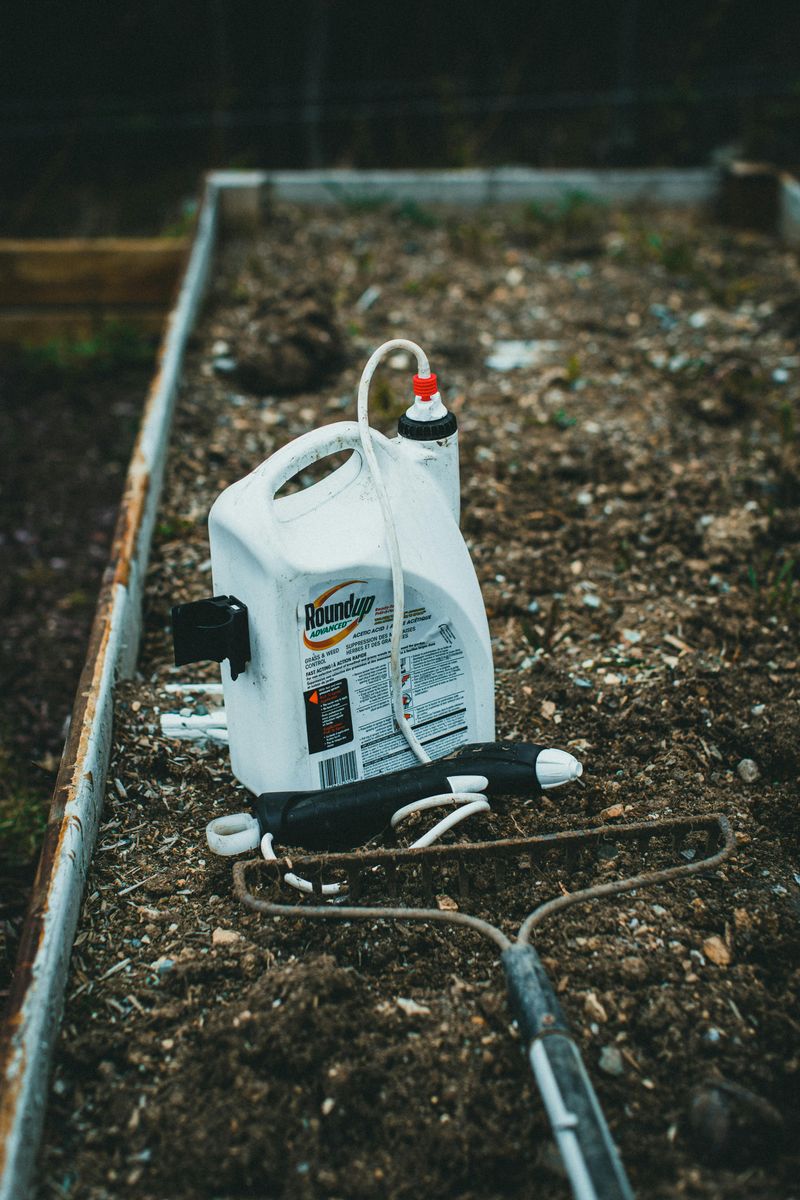
Feeding your peppers feels generous until it starts working against you. Nitrogen is the nutrient responsible for leafy, lush green growth, and when you overdo it, your plant puts all its energy into growing big leaves instead of producing flowers and fruit.
The plant shifts its energy toward leaf production instead of fruit development.
Gardeners who use a general-purpose fertilizer too often or in too high a dose are the most likely to run into this problem. It is easy to assume that more feeding equals more production, but pepper plants do not work that way.
Once they start flowering, they need less nitrogen and more phosphorus and potassium to support blossom development.
Signs of nitrogen overload include extremely dark green leaves, thick stems, and little to no flowering even on a mature plant. The plant looks healthy on the outside but is essentially stuck in a vegetative rut.
Flowers either never form or drop quickly after they appear.
Switch to a low-nitrogen fertilizer once your plants reach about 12 inches tall. Look for formulas labeled as bloom boosters or fruit-set fertilizers.
Something with an NPK ratio like 5-10-10 encourages flowering without pushing excessive leaf growth.
Ease off feeding altogether for a week or two if you suspect nitrogen overload. Let the plant work through what is already in the soil.
Balanced feeding at the right growth stage is the secret to a pepper plant that actually delivers at harvest time.
5. Lack Of Pollination
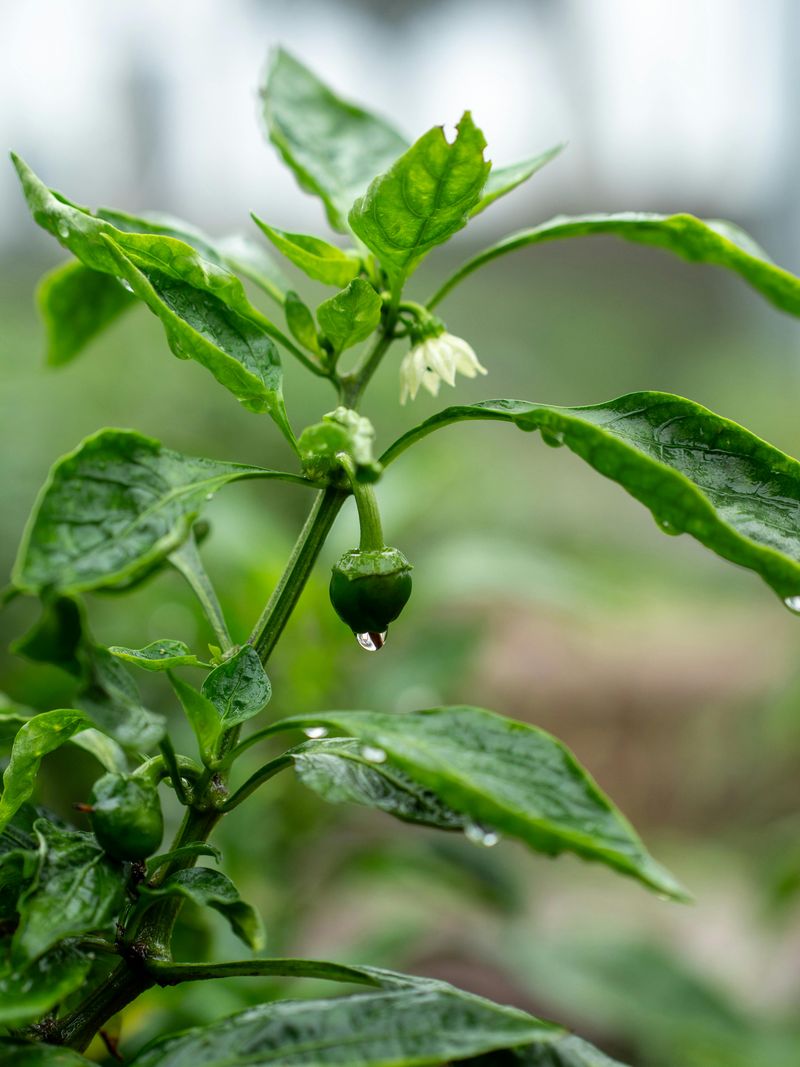
Pepper plants can pollinate themselves, but they still need a little help to get the job done. Wind and insects are the usual helpers, and without them, flowers can open, wait around, and then drop off without ever setting fruit.
In calm weather or gardens with low insect activity, this happens more than you might expect.
Iowa gardens surrounded by grass lawns or with few flowering companion plants tend to attract fewer pollinators. If you have been spraying insecticides nearby, that could be keeping bees away too.
Even beneficial insects need a reason to visit, and a pepper flower alone does not always draw a crowd.
The fix can be surprisingly simple. Plant pollinator-friendly flowers like zinnias, lavender, or borage near your pepper bed.
These attract bees and other helpful insects that will drift over to your peppers while they are at it. More visitors mean more successful pollination.
You can also pollinate by hand using a small, soft paintbrush or even a battery-powered toothbrush. Gently touch the inside of each open flower to move pollen around.
It sounds fussy, but it takes only a few minutes and can make a real difference when natural pollinators are scarce.
Giving your plants a gentle shake on calm days also helps. Pepper flowers release pollen in response to vibration, which is why wind-pollinated plants do so well on breezy days.
A little daily shake mimics that natural process and keeps those flowers doing their job.
6. Pest Damage To Flowers And Buds
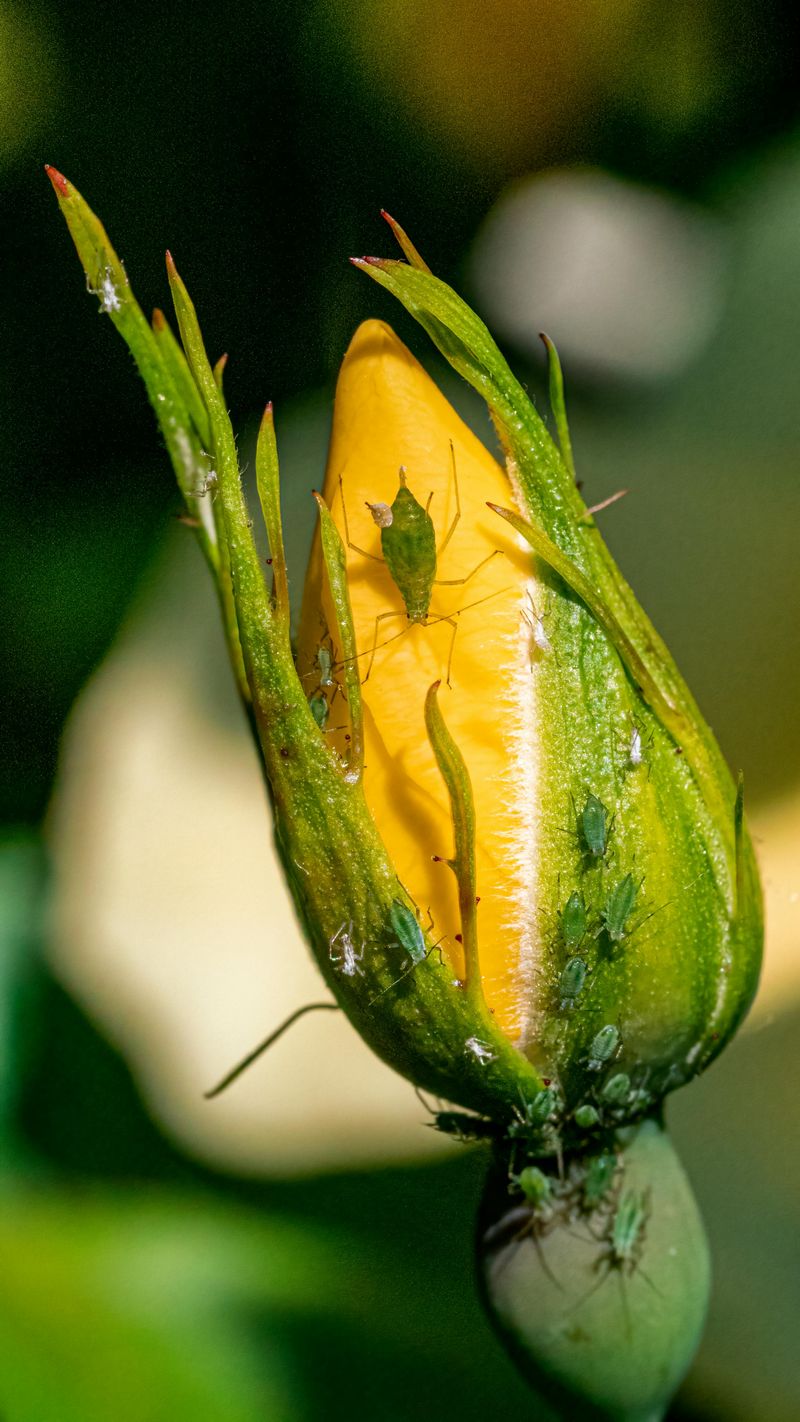
Tiny bugs can cause enormous frustration in a pepper garden. These pests feed on tender plant tissue, and flower buds are among the most vulnerable spots on any pepper plant.
Once they move in, the damage happens fast.
Thrips are especially sneaky. They are so small you can barely see them without a magnifying glass, but their feeding inside flower buds disrupts development and causes blossoms to abort before they open.
By the time you notice the dropped flowers, the infestation may already be well established.
Check the undersides of leaves and inside flower buds regularly. Aphids cluster in groups and leave a sticky residue behind.
Spider mites create tiny webs on stems and leaves. Catching these pests early makes treatment much easier and saves more of your flowers in the process.
Insecticidal soap spray is a safe and effective first response for soft-bodied pests like aphids and mites. Spray in the early morning or evening to avoid burning leaves in strong sunlight.
Neem oil is another solid option that disrupts pest life cycles without harsh chemical effects on your soil or nearby beneficial insects.
Introducing beneficial insects like ladybugs or lacewings can help keep pest populations under control naturally. A healthy garden ecosystem is the best long-term defense.
Keeping plants well-watered and not overcrowded also reduces the stress that makes them more attractive to pests in the first place.
7. When Peppers Struggle After Moving
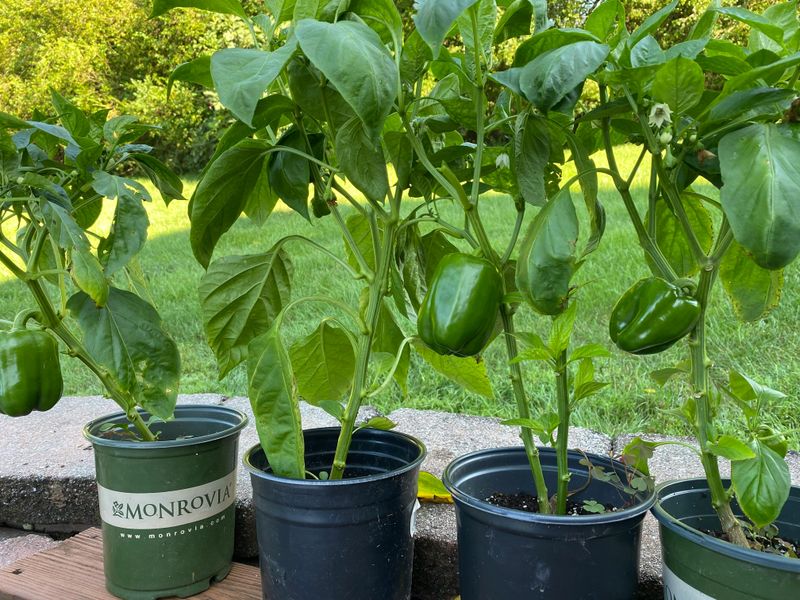
That move from indoor pot to open garden is a bigger shock than your pepper shows. Transplant shock is a real phenomenon, and it often shows up as sudden flower drop within the first week or two after planting.
The plant is not failing. It is redirecting energy from reproduction to survival while it settles into its new environment.
Roots that were used to a controlled indoor climate suddenly face different soil temperature, moisture levels, and exposure to wind and direct sun. That adjustment period can be hard on a plant that was already starting to flower.
Blossoms are energy-expensive, and a stressed plant will drop them to focus on establishing its root system first.
Hardening off your seedlings before transplanting makes a big difference. Spend seven to ten days gradually introducing them to outdoor conditions.
Start with an hour of outdoor time in a shaded spot and slowly increase exposure each day until they can handle a full day outside without wilting.
When transplanting, water deeply right after planting and keep the soil consistently moist for the first two weeks. Avoid fertilizing immediately after transplanting.
The roots need time to settle before they can handle additional nutrients, and pushing growth too fast adds more stress to an already taxed plant.
A little wilting in the first few days is normal and not a reason to panic. Give your transplants steady water, some partial shade if the sun is intense, and a bit of patience.
Most plants recover steadily and resume flowering once conditions stabilize.
8. Too Much Or Too Little Sunlight
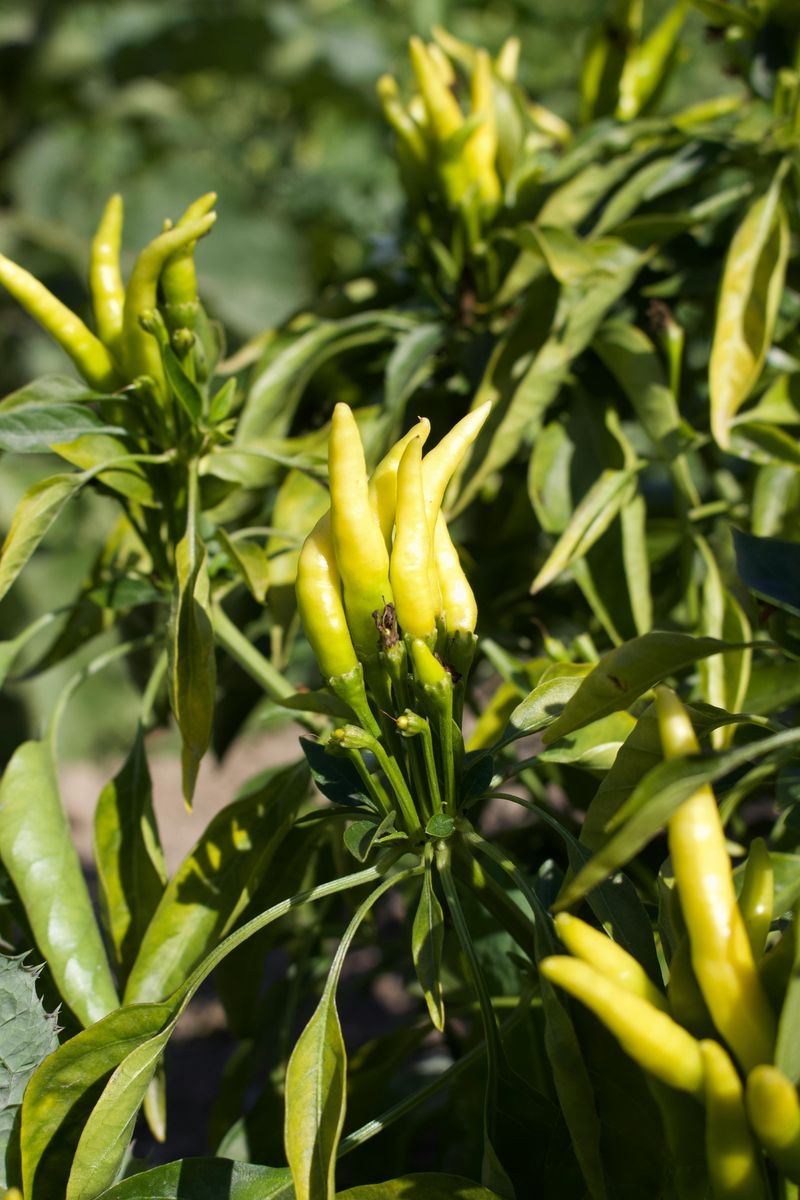
Peppers run on sunlight, and the wrong amount breaks everything. Peppers need six to eight hours of direct sun each day to grow, flower, and set fruit properly.
Too little light and the plant simply does not have enough energy to support blossoms. They form, then drop, because the plant cannot afford to keep them.
Planting in a spot that seemed sunny in spring can turn shadier as summer trees fill out with leaves. A garden bed that gets full sun in May might be significantly shaded by July.
Walk your garden at different times of day and track where shadows fall as the season progresses. That information is gold for planning your pepper placement.
Too much intense, unfiltered sun can also cause flower drop, especially during Iowa heat waves. When the sun combines with high temperatures, the stress on flowers doubles.
The plant sheds blossoms as a survival response, not as a sign of poor gardening on your part.
For low-light situations, trim back any overhanging branches that block afternoon sun. Reflective mulch, the silver-colored kind, can bounce additional light onto lower leaves and help maximize what sunlight is available.
Repositioning container-grown peppers to sunnier spots is also an easy adjustment worth making.
Pepper plants dropping flowers due to sunlight issues are one of the most correctable problems in the garden. The right timing and temperature make all the difference.
Give your peppers the conditions they need and they will reward you with a strong, productive season.