Why Boxelder Bugs Cluster On Sunny North Carolina Walls Every Fall
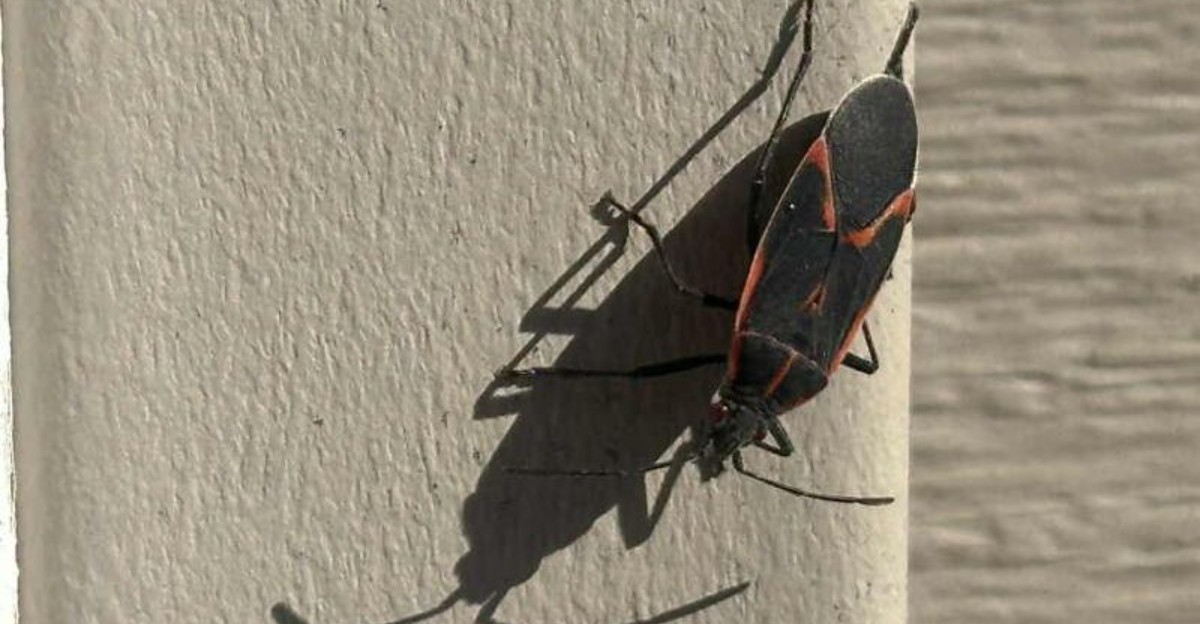
A sudden swarm of black-and-red bugs congregating on the sunniest side of a North Carolina house each fall isn’t a coincidence, it’s a deliberate survival strategy playing out in real time.
Boxelder bugs are drawn to warm, south- or west-facing surfaces because that heat mimics the kind of protected crevices they’d naturally seek out to survive winter in the wild.
Once a few bugs settle on a promising warm spot, they release a pheromone that attracts others nearby, which explains how a wall can go from bug-free to covered in what feels like an instant.
These insects primarily feed on boxelder and maple seeds, so properties near these trees tend to see noticeably larger gatherings than yards without them close by.
While mostly a nuisance rather than a genuine threat, understanding this seasonal clustering behavior makes it easier to seal up entry points before boxelder bugs find their way indoors.
1. They Are Searching For A Winter Shelter
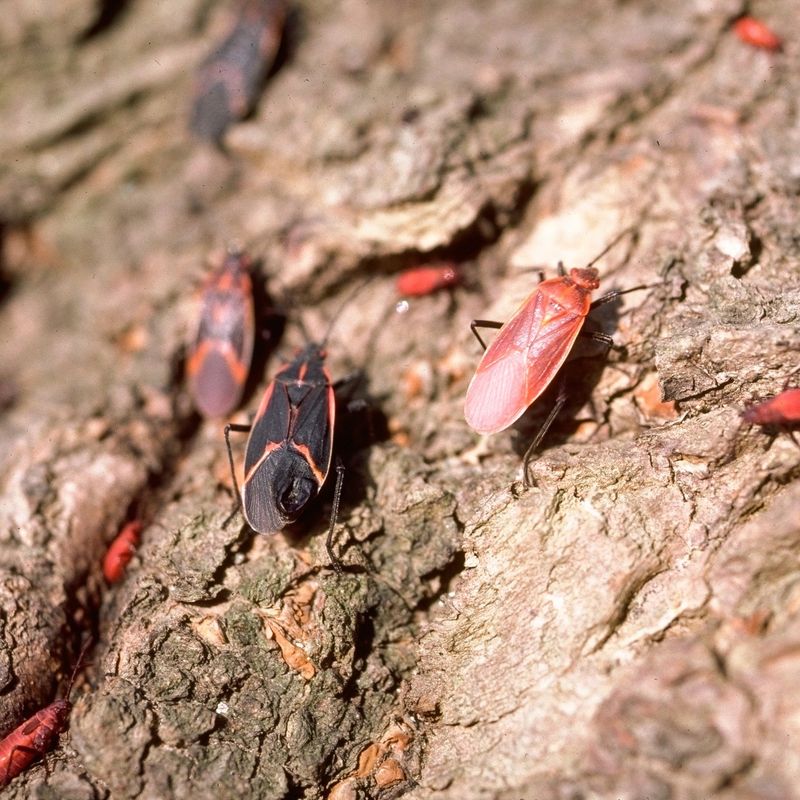
Cold weather is coming, and boxelder bugs know it long before we pull out our jackets. These insects, known to scientists as Boisea trivittata, are about half an inch long with black bodies and red or orange lines along their backs.
When fall arrives, they have one big goal, and that goal is finding a safe place to wait out winter.
Shorter days and cooler nights send a clear signal to the adults. They stop feeding and leave the trees where they spent the summer. Then they head for the nearest buildings, which often means your house.
Homes offer everything a bug needs for a long winter rest. Tiny cracks, gaps behind siding, and hollow spaces inside walls act like cozy hideouts that block cold winds and freezing temperatures.
To a boxelder bug, your home looks like a five-star hotel with free rooms. Most people notice clusters from September into October.
The bugs often arrive in large groups, sometimes hundreds at a time, and they tend to pile up on the same parts of the house each day. You might see them crawling around window corners, under eaves, or along the edges of your roof.
North Carolina homeowners see this pattern every year. Boxelder bugs are most noticeable here in fall because that is when they move from trees to nearby homes in search of shelter.
Knowing their schedule gives you a head start, so you can watch for early arrivals and act before the crowds build up on your walls.
2. Sunny South And West Walls Hold The Most Warmth
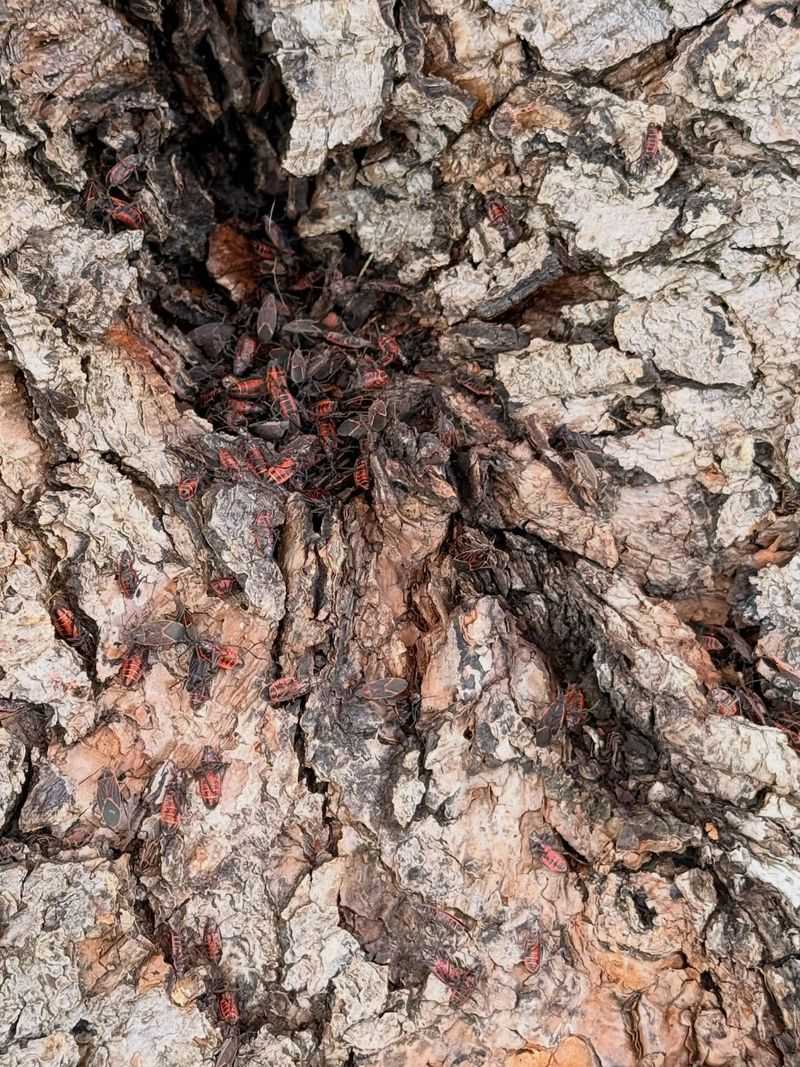
Walk around your house on a bright October afternoon, and you will likely spot a pattern. One or two walls seem to have all the bugs, while the others stay nearly empty. That is no accident at all.
Boxelder bugs are cold-blooded, so they rely on outside heat to stay warm and active. South and west-facing walls soak up the most afternoon sunshine, turning into giant heating pads.
The bugs gather there to warm their bodies, and that extra heat gives them the energy to keep crawling around in search of cracks and hiding spots.
Your North Carolina Garden Changes Every Week. Your Plan Should Too.
Gardening in North Carolina changes quickly throughout the season. Every Friday you’ll receive a simple weekly plan showing exactly what to plant, prune, fertilize, harvest, and protect so you never miss the right timing.
So where should you look first? Start with your sunniest walls, then check the window frames, door frames, and foundation edges on those same sides.
Clusters and entry points show up most often in these areas, which makes them the best places to focus your time.
A simple trick helps a lot. Take a slow walk around your home between 2 and 5 p.m. on a clear day, when the sun is strongest on the west side.
Make notes or snap photos of every spot where bugs are crowding together, since those are likely the places where they are slipping inside.
North Carolina fall weather makes this behavior even stronger. Mornings can feel crisp and chilly, yet sunny afternoons often warm exposed walls well above the temperature of the air around them.
For a small bug, that warm siding feels like a welcome campfire on a cool night, and it keeps them coming back day after day.
3. Boxelder Trees Nearby Feed Them All Summer
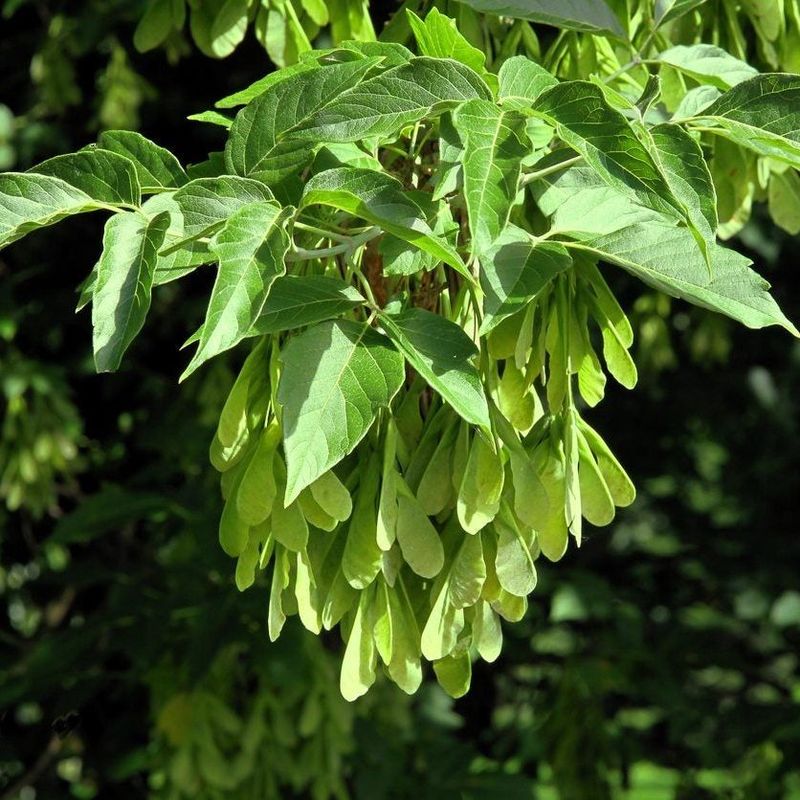
Their name gives away their favorite snack. Boxelder bugs feed mainly on the seeds of boxelder trees, also called Acer negundo, which is a type of maple native to North Carolina.
They will sometimes feed on red and silver maples too, but boxelder trees are their top choice.
Here is a twist many people do not know. Boxelder trees come in male and female forms, and only the female trees produce seeds. Because the bugs depend on those seeds, homes near seed-bearing female trees often see the biggest crowds when fall arrives.
Spotting a boxelder tree is easier than you might think. Look for leaves split into three to five leaflets, a bit like poison ivy but on a tree, along with clusters of winged seeds that hang down in summer. Green or purple-tinged young twigs are another helpful clue.
Once you find one nearby, keep an eye on it in late summer. Check the trunk and lower branches for gathering bugs, including the bright red young ones. Seeing large groups there is a sign your house may get visitors soon.
Take comfort in one detail, though. The bugs cause very little harm to the trees themselves, so there is no need to worry about losing a shade tree.
Boxelder trees grow naturally across North Carolina, especially along streams, floodplains, and disturbed areas like roadsides and empty lots. If you live near water or open land, chances are good that a few of these trees are close by.
4. They Gather Where Others Already Are
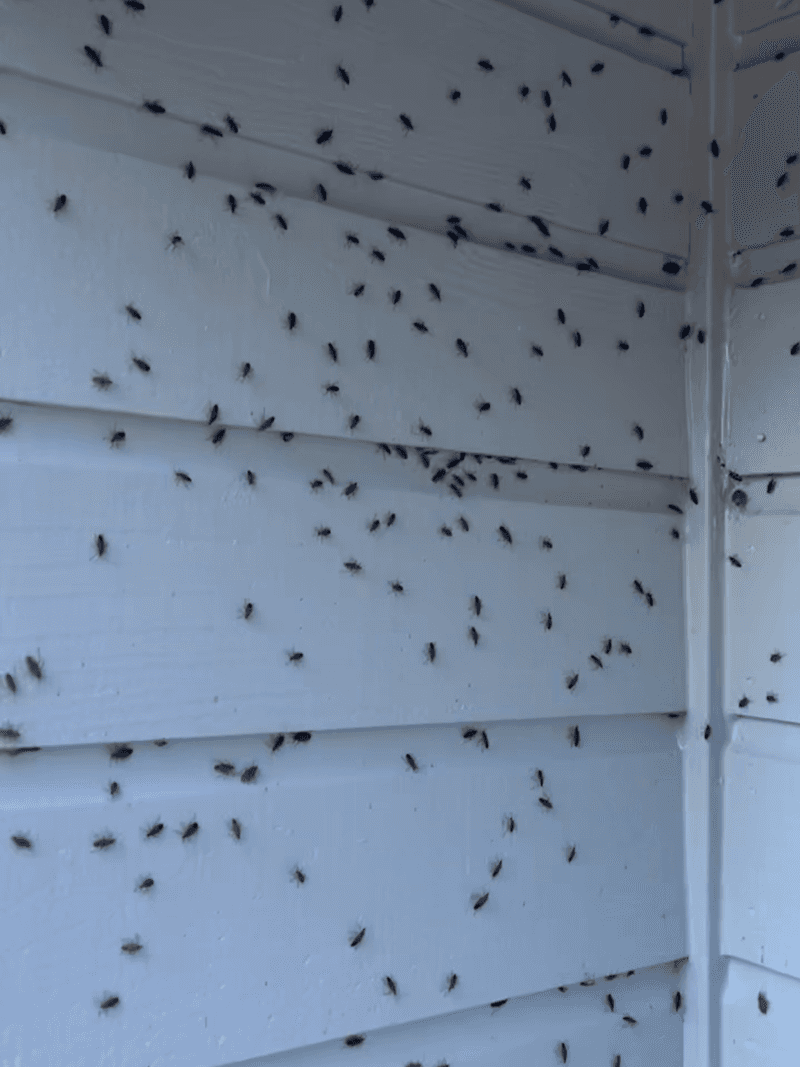
Some bugs travel alone, but boxelder bugs love a crowd. When one group settles on a wall, more tend to follow, and soon a few bugs turn into a big gathering. Think of it as a popular hangout spot that everyone wants to visit.
Clustering together is a survival behavior for these insects. Being part of a group may help them hold warmth and find good shelter more easily. It also explains why homes that attracted them in past years often see them return to the very same walls.
You can use this habit to your advantage. Each fall, write down where the clusters appear, whether it is a sunny corner, a porch railing, or the space around an attic vent. Over time, you will have a clear map of the problem spots on your house.
With that map in hand, focus your sealing and cleanup work right where it counts. There is no need to caulk every inch of your home when the bugs keep choosing the same few areas. Spending your effort wisely saves both time and money.
Timing matters too. Wash away clusters with a strong spray from a hose as soon as they start forming, because a small group is far easier to handle than a large one. Breaking up early gatherings means fewer bugs get the signal to join in.
Across North Carolina neighborhoods, the same houses often deal with boxelder bugs year after year. If yours is one of them, staying consistent each fall can slowly shrink those crowds.
5. Warm, Dry Summers Bring Bigger Fall Swarms
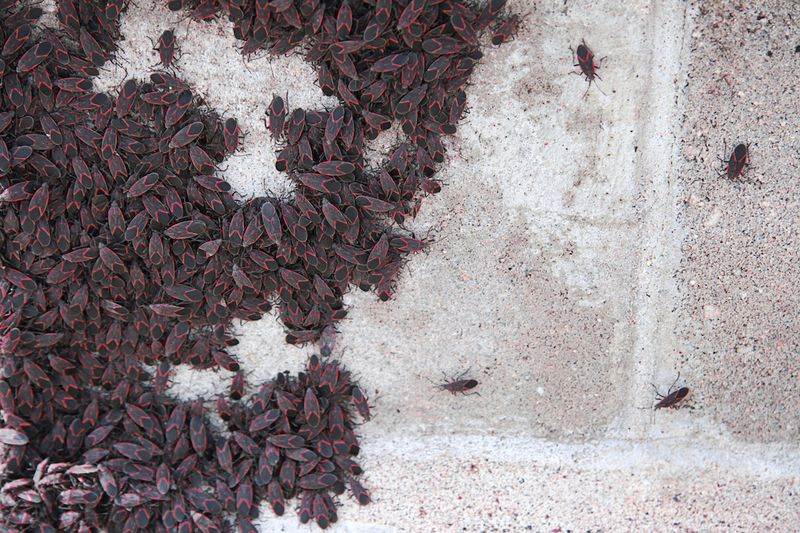
Ever notice that some autumns bring just a handful of bugs while others bring a full-blown invasion? The weather earlier in the year plays a big role. Boxelder bugs thrive when conditions line up in their favor.
Warm, dry weather in spring and summer helps these insects grow and develop more successfully. Young bugs, called nymphs, mature faster when the heat is steady and rain stays away.
As a result, a hot and dry year often means many more adults looking for shelter when fall rolls in.
Wet, cool summers tend to have the opposite effect. Heavy rain and cooler temperatures can slow their growth, which often leads to smaller groups later on. Paying attention to the summer weather can help you guess what fall might bring.
So how do you get ahead of a big year? After a particularly hot and dry summer, start preparing early. Late August is a smart time to walk around your home, look for gaps, and seal openings before the first clusters appear in September.
Being early really pays off. Once bugs have already crawled into wall spaces, sealing the outside will not remove the ones hiding inside. Prevention works best when it happens before the crowds show up.
North Carolina summers can change a lot from one year to the next. Some seasons bring steady thunderstorms, while others bring long dry stretches and even drought in parts of the state.
Keeping an eye on those patterns gives you a helpful clue about how busy your walls might get.
6. Cracks And Gaps Invite Them Inside
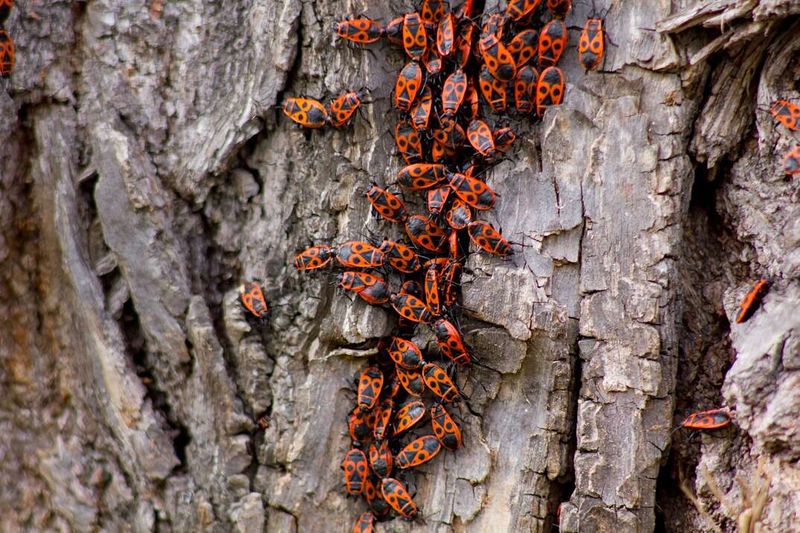
A gap no wider than a pencil lead is big enough for a boxelder bug to squeeze through. That small detail explains how so many end up inside walls, attics, and even living rooms. They are skilled at finding the tiniest openings.
Once on your walls, the bugs crawl into spaces around windows, doors, siding, utility lines, and vents. They are simply looking for a sheltered place to rest. Blocking those openings is one of the best ways to keep them outdoors where they belong.
Grab a tube of caulk and start with the frames around windows and doors, since these are common trouble spots.
Next, repair any torn window screens and install door sweeps on exterior doors to close the gap at the bottom. Small steps like these add up quickly.
Do not forget the places where pipes, cables, and wires enter your house. Those openings are often left rough and uneven, which makes them perfect doorways for bugs. Fill them with caulk, expanding foam, or copper mesh for a snug fit.
Vents need special care, because they must stay open for airflow. Cover them with fine mesh screening instead of sealing them shut. That way air can move freely while bugs stay outside.
For the best results, finish this work in late summer. In North Carolina, boxelder bugs can begin searching for shelter as early as September, so an August weekend spent sealing gaps can save you months of dealing with unwanted houseguests.
7. Warm Winter Days Bring Them Back Out
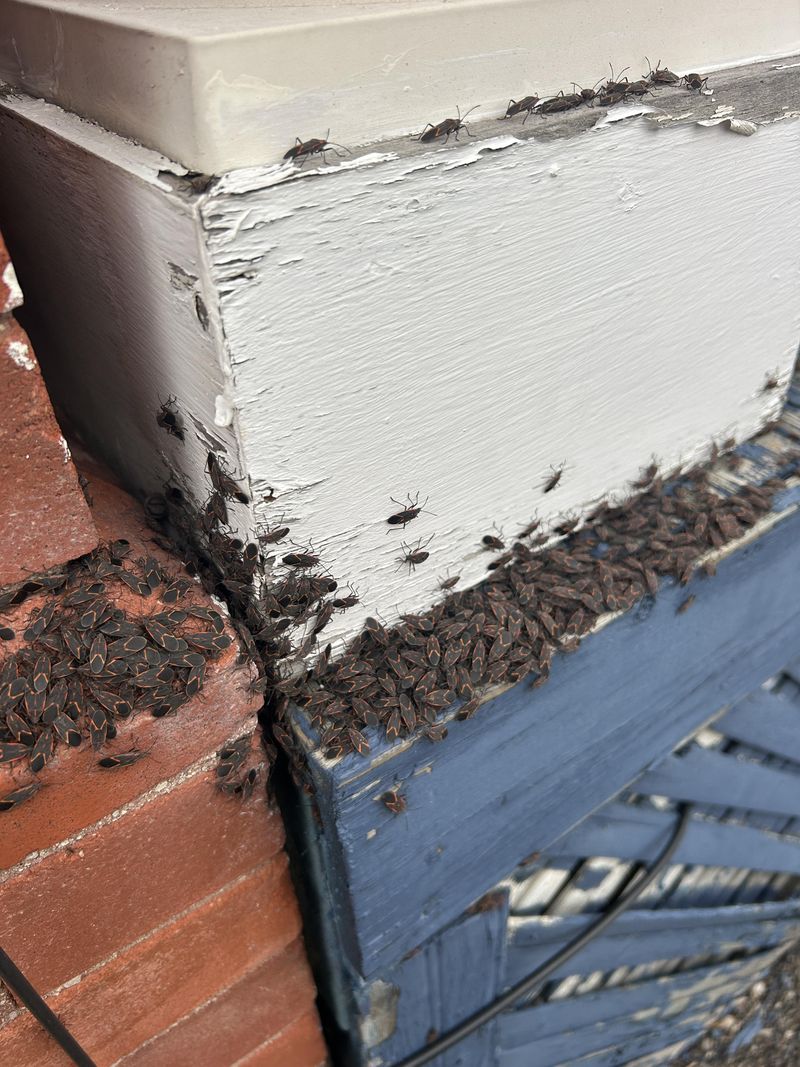
January rolls around, the heater is humming, and suddenly a boxelder bug strolls across your kitchen window. Where did it come from? Chances are, it has been hiding inside your walls since fall.
Bugs that slipped into wall spaces or attics spend most of winter resting quietly. When a mild day comes along, sunshine warms the walls and attic, and that warmth wakes them up. Confused by the heat, they often wander toward light and end up in your living areas.
Here is some reassuring news. Boxelder bugs do not breed or feed inside your home, so the number will not grow over the winter. The ones you see are simply leftovers from the fall rush.
A vacuum is your best tool for indoor bugs. Suck them up gently, then empty the bag or canister outside right away so they cannot crawl back out. Using a handheld vacuum makes quick work of a few strays on windowsills.
Pay attention to where they keep showing up. If bugs pop out near a certain light fixture, outlet, or window, there is likely a gap nearby. Sealing those spots from inside helps stop the steady trickle.
North Carolina winters often include stretches of mild, sunny weather, especially in the Piedmont and Coastal Plain.
Those warm spells can bring several waves of bug sightings between December and March. Staying patient and keeping that vacuum handy will make the season much easier to handle.
8. How To Manage Them Safely
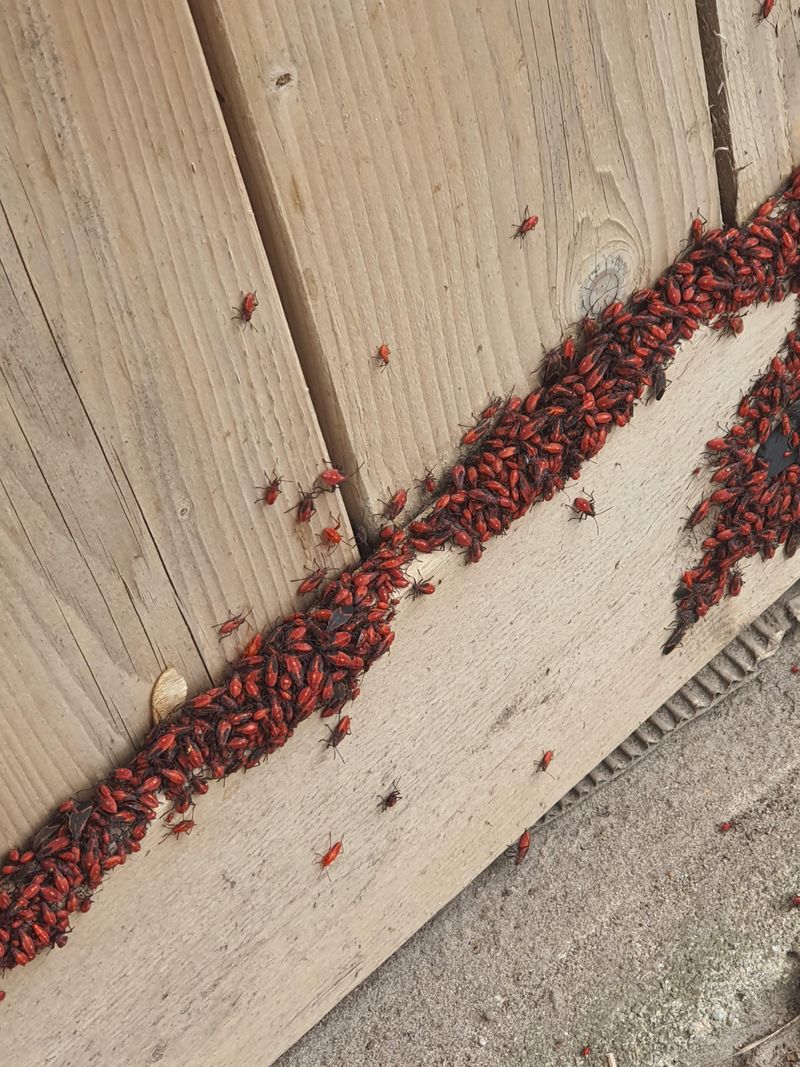
Take a deep breath, because boxelder bugs are more of an annoyance than a real threat. They do not chew through wood, harm furniture, or damage most garden plants. They also rarely bite, and when they do, it feels like a tiny pinch.
They do have a couple of messy habits, though. Their droppings can leave reddish-orange stains on curtains, walls, and light fabrics. When crushed, they also give off an unpleasant smell that nobody wants in the house.
A simple homemade spray works well outdoors. Mix about one to two tablespoons of dish soap into a quart of water, pour it into a spray bottle, and coat the clusters on your outside walls.
Store-bought insecticidal soap is another good choice, and both work best when they touch the bugs directly.
After spraying, sweep up the bugs or use a shop vacuum to clear them away. Try not to squish them, especially on light-colored siding, carpets, or furniture, since that is how most stains happen. Gentle removal keeps your surfaces clean.
You can skip heavy insecticides in most cases. Chemical sprays often do little to stop new bugs from arriving, and they can harm helpful insects like bees and ladybugs. Sealing gaps and removing clusters are far more effective over the long run.
Boxelder bugs return to North Carolina homes every fall, yet they are easy to manage without harsh treatments. With a little planning, some soapy water, and a well-sealed house, you can enjoy crisp autumn days in peace.