The Worms Thrashing Wildly In Missouri Mulch This Fall Are The Kind Gardeners Should Worry About
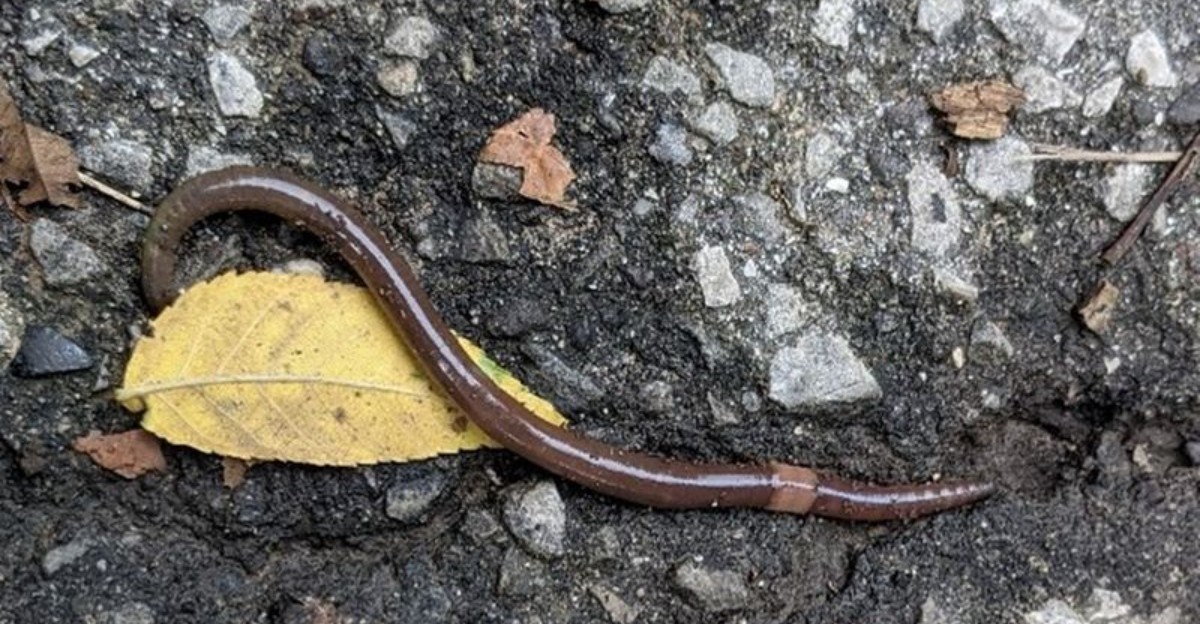
You lift a corner of mulch to check your tulip bed, expecting a lazy wiggle or two. Instead, something flips and flails like it just touched a hot stove.
The mulch smells earthy and damp, the way fall beds usually do in Missouri. Yet the soil underneath feels loose and crumbly, almost like a spilled bag of breakfast cereal.
Most of us grew up thinking every garden wiggler was a friend. Kids dug them up for fishing, and grandparents praised them as free soil helpers.
This time, the story has a twist that many gardeners have not heard yet. The creatures look familiar, but their behavior is anything but polite.
So if your mulch has started acting like a tiny trampoline, pay attention. Your garden may have guests who skipped the invitation and brought their own dance moves.
An Invasive Species That Wriggles Like A Snake When Disturbed
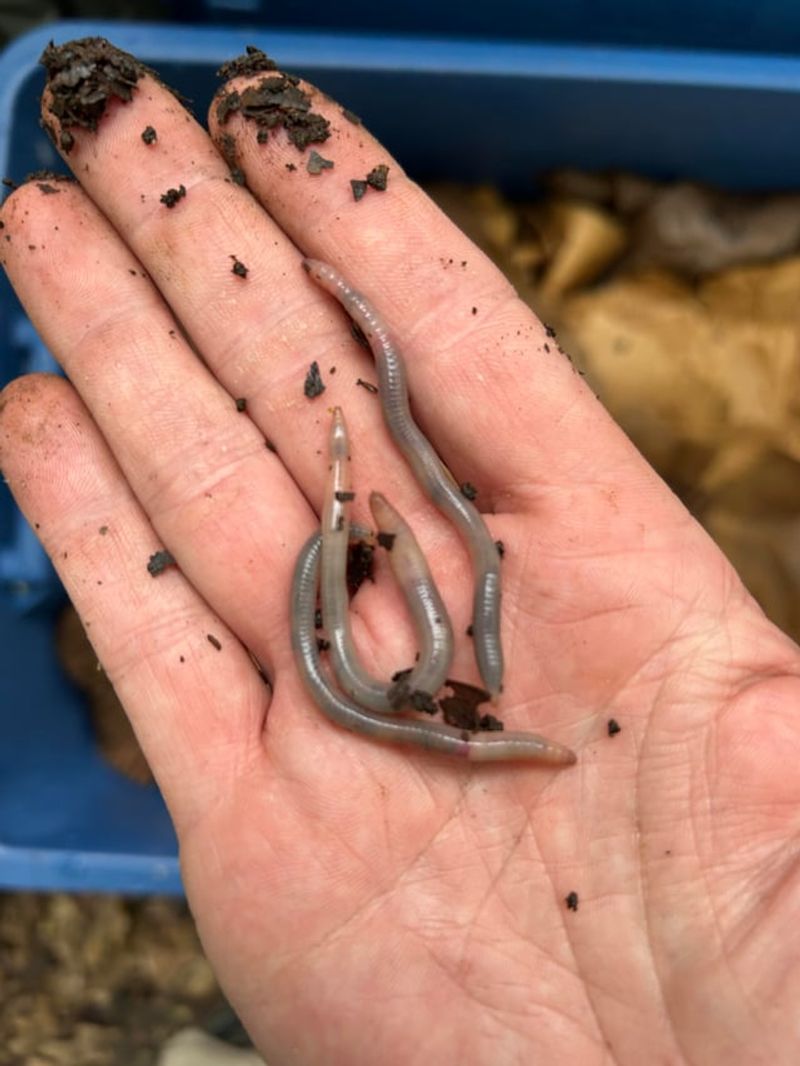
Picture a worm that acts like it drank three cups of coffee. Asian jumping worms, also called crazy worms or snake worms, thrash and leap when you touch them.
Some even flip into the air or shed their tails to escape. A regular nightcrawler just stretches slowly, so the difference is easy to spot.
These worms came from East Asia, likely hitching rides in potted plants and soil. Missouri gardeners have reported them more often in recent years, especially in mulched beds.
They belong to a group called Amynthas, which includes several similar species. All of them share that wild, snakelike wiggle that makes people jump back in surprise.
Why should you care about a lively worm? Their energy comes with a huge appetite that changes soil in harmful ways.
Unlike helpful earthworms, jumping worms stay near the surface and gobble up leaf litter fast. That top layer normally feeds plants, insects, and tiny soil creatures all season.
A simple test can help you know what you have. Gently poke a worm with a stick and watch how it reacts.
A slow stretch usually means a common earthworm, and that is good news. A wild snapping motion likely means jumping worms have moved into your yard.
Fall is a smart time to check because the adults are large and active now. Grab a trowel, peel back your mulch in a few spots, and take a careful look.
Snap a photo if you find one, since local extension offices appreciate reports. Your sighting helps experts track how far these worms have spread across Missouri.
The Smooth Milky Band Near The Head
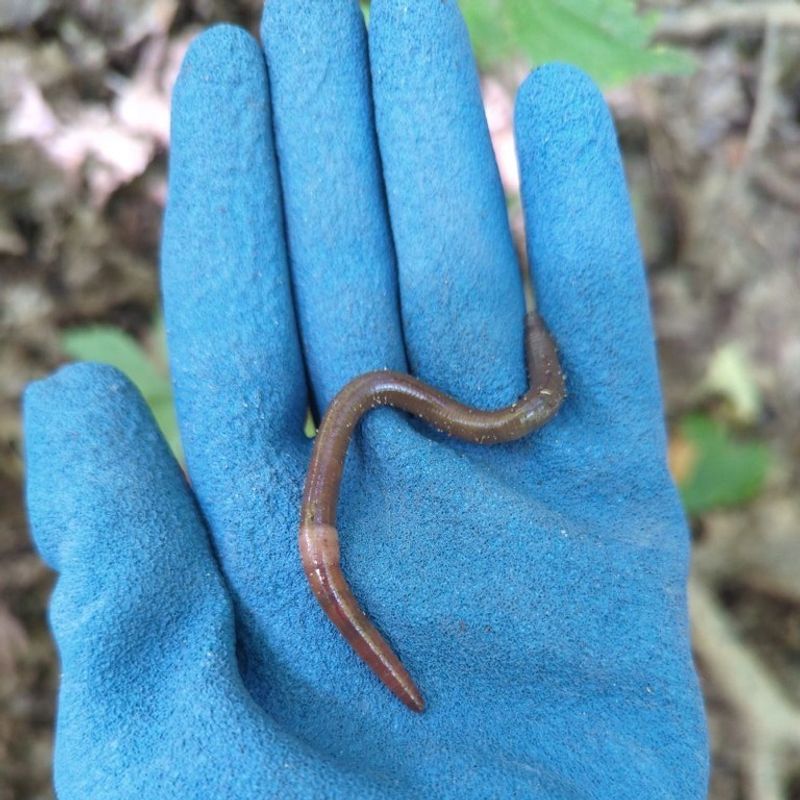
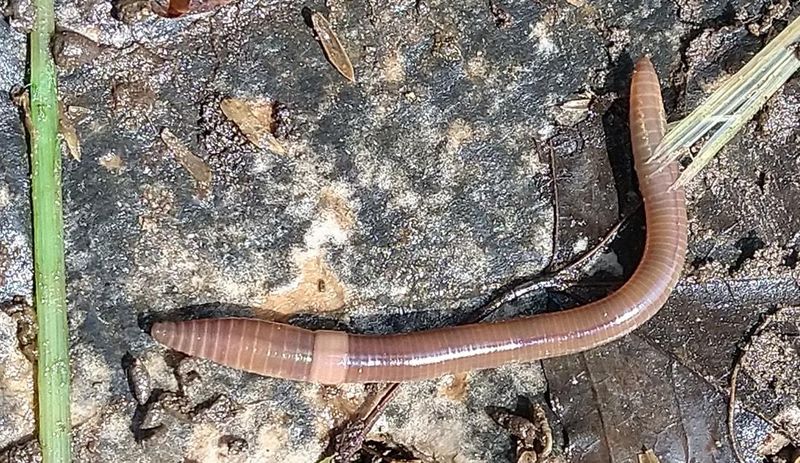
Every worm wears a kind of belt, and it tells you a lot. That band is called the clitellum, and it helps the worm make cocoons.
On a jumping worm, the band looks smooth, flat, and milky white or light gray. It wraps fully around the body, like a snug little collar.
Now compare that to a common nightcrawler you might find after rain. Its band is usually reddish or pinkish and looks raised, like a puffy saddle.
The nightcrawler band also sits farther back on the body. On jumping worms, the collar sits closer to the head, only a short distance from the front tip.
Your Missouri Garden Changes Every Week. Your Plan Should Too.
Gardening in Missouri changes quickly throughout the season. Every Friday you’ll receive a simple weekly plan showing exactly what to plant, prune, fertilize, harvest, and protect so you never miss the right timing.
Color and shine offer extra clues too. Jumping worms often look glossy, with a gray or brownish tone and a firm, rubbery feel.
Bring out a magnifying glass if your eyes need help. Kids especially enjoy playing garden detective, and it turns a chore into a fun science lesson.
Here is a quirky fact worth sharing at the dinner table. Jumping worms can reproduce without a mate, so one worm can start a whole new group.
That trick explains why they spread so quickly from yard to yard. One hitchhiker in a pot of mums can grow into hundreds by next fall.
Wear gloves while checking, since handling any worm can leave slime on your fingers. Once you spot that milky band, you will recognize it every time afterward.
Soil That Looks Like Coffee Grounds
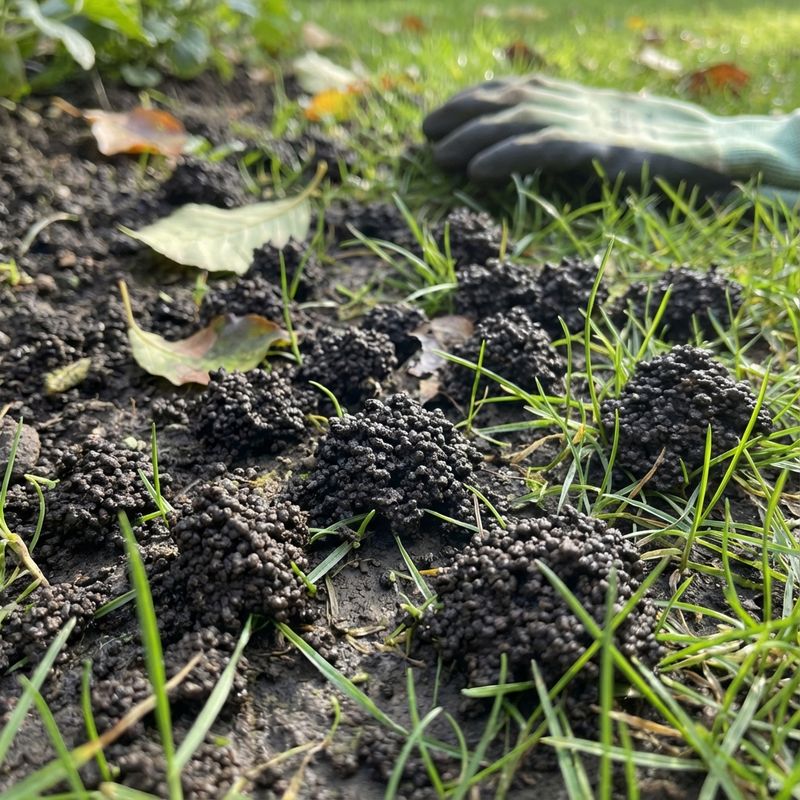
Ever brewed coffee and dumped the grounds in the garden? Now imagine your whole flower bed looking like that without a single mug involved.
Jumping worms leave behind a signature mess of loose, grainy soil. Gardeners often describe it as coffee grounds, ground beef, or even tiny dark pellets.
The texture comes from worm castings, which is a polite word for worm poop. Jumping worms produce so much of it that the top few inches change.
That grainy layer might look rich and healthy at first glance. Sadly, it lacks the sticky structure that helps healthy soil hold water and nutrients.
When rain falls, this loose soil can wash away easily. Seeds struggle to settle in, and roots find little to grip.
You might also notice your mulch vanishing faster than usual. Jumping worms devour wood chips and leaves, turning a thick layer thin within weeks.
Try this easy check on a dry afternoon. Scoop a handful of topsoil and rub it between your fingers.
Healthy soil feels slightly crumbly yet clumps together a bit. Jumping worm soil feels like loose granules that pour through your fingers like sand.
Walk around shady spots too, since the worms love moist areas under trees and shrubs. Once you know the look, you can scan beds in seconds.
Finding that coffee-ground texture is a strong warning sign. Mark the spot, then keep reading to learn what comes next.
Harm To Plant Roots Over Time
My neighbor swore her hostas were just tired from summer heat. By spring, half of them had shrunk, and the soil around them looked like loose gravel.
Stories like hers are becoming common where jumping worms settle in. The damage creeps along slowly, so many gardeners blame weather first.
Plants need a steady top layer of organic matter to stay strong. Jumping worms eat that layer quickly, leaving roots exposed to heat, cold, and drying winds.
The loose castings also shift around, so roots cannot anchor well. Young plants and seedlings suffer the most because their roots are shallow.
Nutrients become a problem as well. Worms release food for plants in one fast burst instead of feeding them slowly through the season.
Much of that burst washes away before roots can use it. Over time, plants look pale, stunted, and weak even with regular watering.
Woodland areas take a hit too. Native wildflowers, ferns, and tree seedlings in Missouri forests rely on thick leaf litter that jumping worms strip away.
Ground-nesting birds and salamanders lose shelter when that litter disappears. One small worm can ripple through an entire backyard ecosystem.
Watch for plants that seem to lift or wobble in the soil. Also notice beds where weeds suddenly thrive while favorite flowers fade.
Catching problems early gives your plants a better chance. Add fresh compost from trusted sources and keep an eye on stressed spots this fall.
Cocoons Hidden In Mulch Over Winter
Here is the sneaky part of the story. Adult jumping worms usually disappear once hard freezes hit Missouri, but their babies wait patiently.
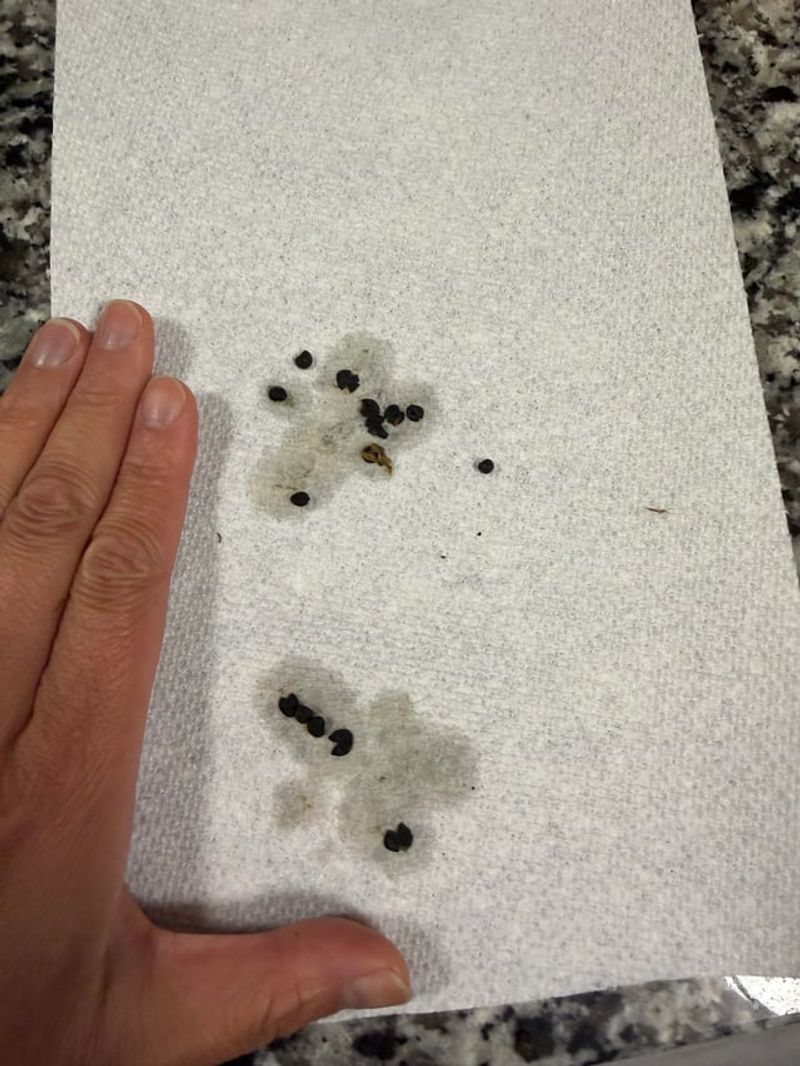
Before winter, adults leave behind tiny cocoons in the soil and mulch. Each one is about the size of a mustard seed and colored brown or tan.
Spotting them feels like searching for sprinkles in dirt. They blend right in, which is why they travel so easily in bags of mulch or compost.
Those cocoons can survive freezing temperatures all winter long. When spring warms the ground, new worms hatch and start the cycle again.
Think about all the ways soil moves around a yard. Shovels, boots, wheelbarrow tires, and shared plants can carry cocoons to fresh beds without anyone noticing.
Plant swaps are a big risk, even with the best intentions. Rinsing roots and checking soil before sharing helps protect friends and neighbors.
Buying mulch? Ask the seller if their material was heated properly during processing.
Mulch and compost heated to about 105 degrees Fahrenheit for several days can destroy cocoons. Reputable suppliers often know their process and will happily explain it.
Clean your tools and shoes before moving between garden areas. A quick scrub with a stiff brush and water removes clinging soil and hidden cocoons.
These tiny steps may seem fussy, but they matter a lot. Stopping cocoons now means fewer thrashing worms greeting you next spring.
Control Steps That Help Before The Cold Arrives
You are not powerless against these wiggly pests. September gives Missouri gardeners a handy window to take action before winter.
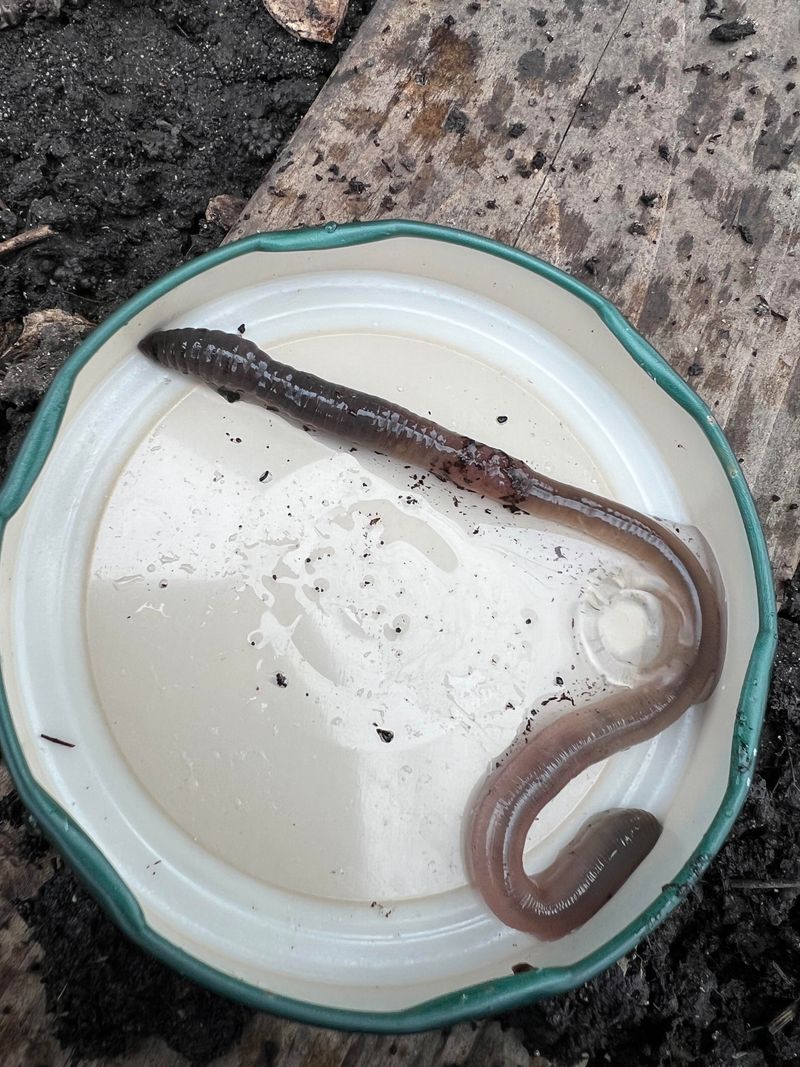
Start by hand-picking any jumping worms you find. Drop them into a sealed plastic bag and leave it in the sun for a few hours.
After that, toss the bag in the trash, not the compost pile. Avoid releasing them elsewhere, since they will simply start new trouble.
A mustard pour can help bring worms to the surface. Mix about one-third cup of ground yellow mustard into a gallon of water and pour it slowly.
The mixture irritates worms without harming plants, so they crawl up quickly. Collect them fast, because jumping worms move like tiny gymnasts.
Solarizing works well for small, empty beds. Cover moist soil with clear plastic on sunny days, letting heat build underneath.
Temperatures above 105 degrees can destroy both worms and cocoons. Early fall sunshine in Missouri is often warm enough for this trick.
Be choosy about new soil, mulch, and plants. Buy from trusted sellers and inspect potted plants by gently sliding out the root ball.
Consider using less mulch in heavily affected areas for a while. Fewer leaves and wood chips mean less food for hungry worms.
Finally, report sightings to the Missouri Department of Conservation or your local extension office. Teamwork between neighbors makes the biggest difference in slowing the spread.