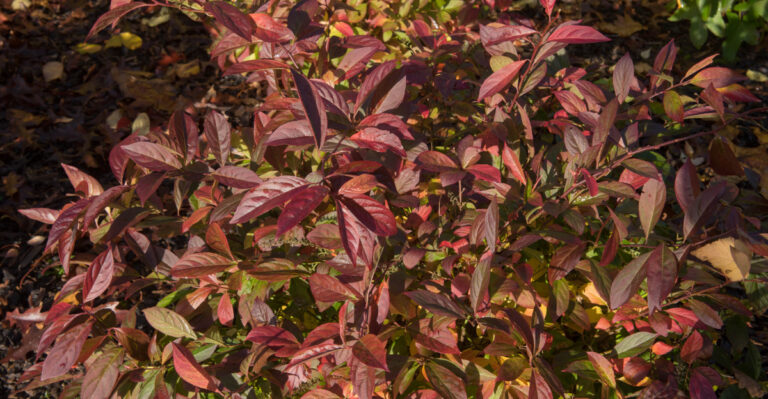
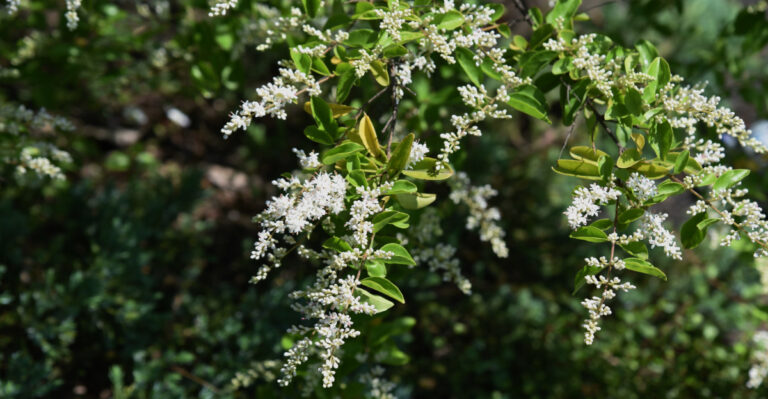
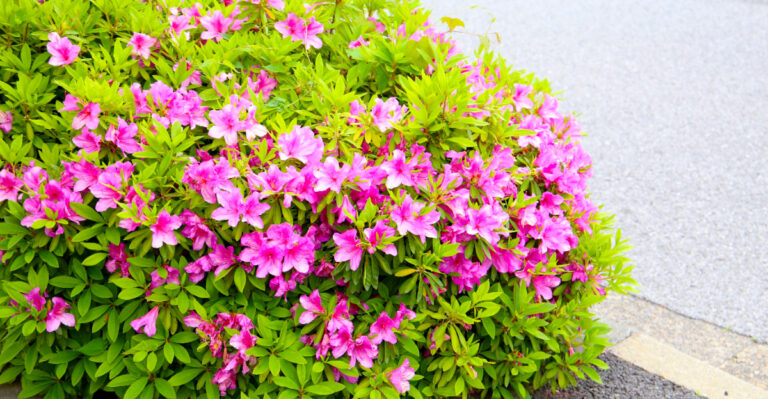
What Georgia Abelia Shrubs Need This Month For Fall Blooms
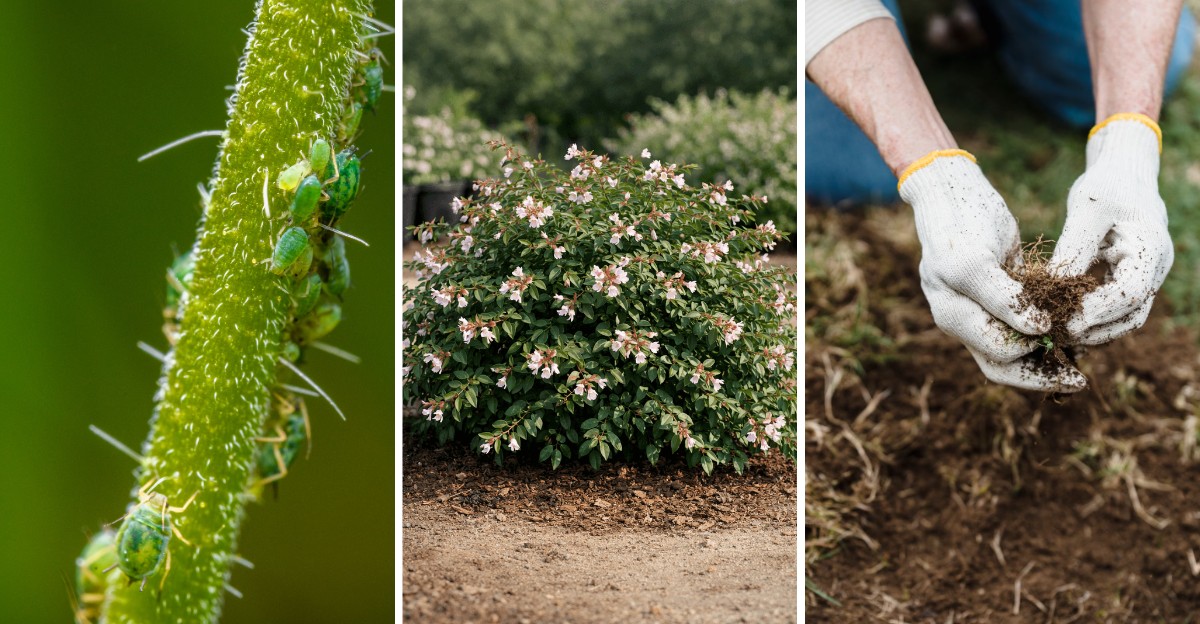
Your pruners could be holding back autumn blooms on your abelia. September in Georgia tempts you into tasks that disappoint. Abelia sets its final flower buds on fresh growth, so trimming now removes them.
Save major pruning for late winter, when shaping costs you no blooms. Rich nitrogen feeding pushes leaves while flowers wait. You want the opposite.
Smart late care keeps those tiny trumpets opening until frost arrives. Deep watering matters more than fertilizer when heat lingers into October.
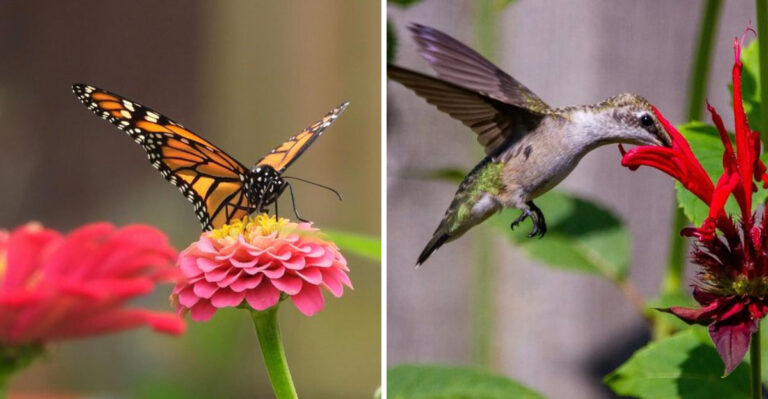
Mulch holds moisture those roots crave while Georgia afternoons stay pleasantly steamy. Pollinators depend on these late blooms as they fuel up before winter.
Butterflies and bumblebees crowd abelia when little else flowers. Timing separates a tired shrub from a buzzing showpiece. Choose your moves carefully now. Here is how you win the final lap and claim that autumn encore.
1. Water Deeply During Dry Fall Spells
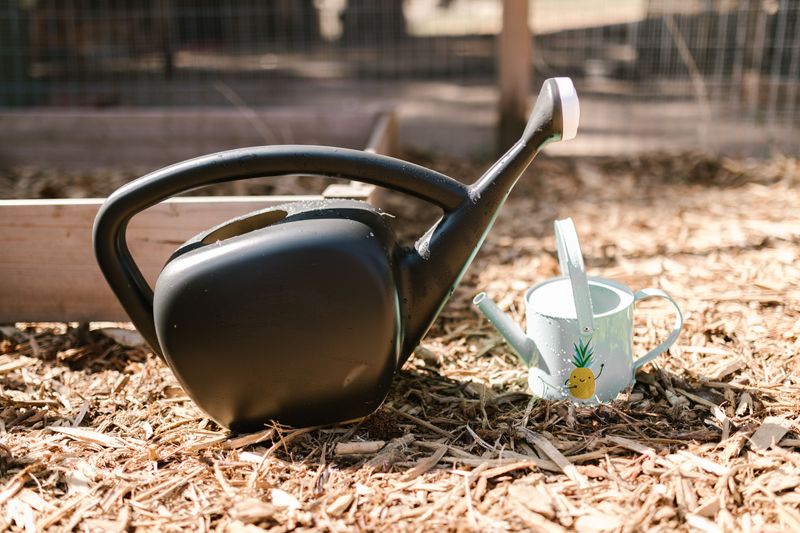
Picture a Georgia fall afternoon with cracked red clay and a sky that refuses to rain. Your shrub is thirsty, even if it looks tough and leafy from the street.
Abelia handles heat well, but flower buds form best when roots stay evenly moist. Dry roots in early fall often mean fewer blooms and pale, droopy clusters.
Aim for about one inch of water each week, counting any rain that falls. A cheap rain gauge stuck in the mulch makes tracking this super easy.
Slow, deep soaking beats a quick sprinkle every single time. Let a hose trickle at the base for twenty to thirty minutes so water reaches deep roots.
Morning is the best time to water in the South. Leaves dry quickly in the sun, which helps keep fungus and mildew from moving in. Not sure if it is time? Push a finger two inches into the soil, and water if it feels dry.
Soaker hoses and drip lines are handy helpers for busy families. They save water, skip the leaves, and send moisture right where the roots can use it.
Newer shrubs planted this year need extra attention because their roots are still short. Check them twice a week until cooler weather settles over the yard.
Older, established shrubs are more forgiving, yet they still appreciate a drink during long dry streaks. Treat them kindly now, and they will repay you with fragrant blossoms.
2. Skip The Pruning Shears Until Late Winter
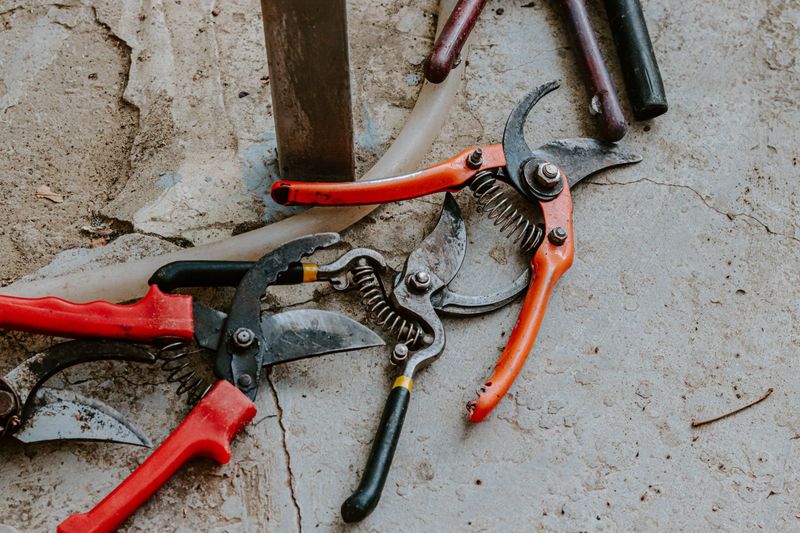
Here is a surprise that saves you work: put the shears away for now. Abelia blooms on new growth, and those fresh stems are busy making flowers right now.
Cutting them back now snips off buds before they ever open. Worse, heavy pruning pushes out tender shoots that cold weather can easily damage.
Georgia can see its first frost anywhere from mid October in the mountains to late November near the coast. Soft new growth has no time to toughen up before chilly nights arrive.
So when should you prune? Late winter, around February or early March, is the sweet spot for most Georgia yards.
Your Georgia Garden Changes Every Week. Your Plan Should Too.
Gardening in Georgia changes quickly throughout the season. Every Friday you’ll receive a simple weekly plan showing exactly what to plant, prune, fertilize, harvest, and protect so you never miss the right timing.
At that point, the shrub is resting and ready to push out strong spring stems. You can shape it, thin crowded branches, and remove any tired old wood.
A few light snips are fine this month if something is truly in the way. Trim a branch scraping the sidewalk or poking a window, but keep it minimal.
Broken or damaged stems can also go anytime you spot them. Cut just above a healthy leaf or bud using clean, sharp pruners from your shed.
Fun fact: glossy abelia is a hybrid first created in Italy back in the 1880s. Gardeners have loved its long bloom season for well over a century.
Let it grow a little shaggy this fall, and trust the plan. Those loose arching stems are exactly where the flowers show up in big, cheerful clusters.
3. Hold Off On Heavy Nitrogen Fertilizer
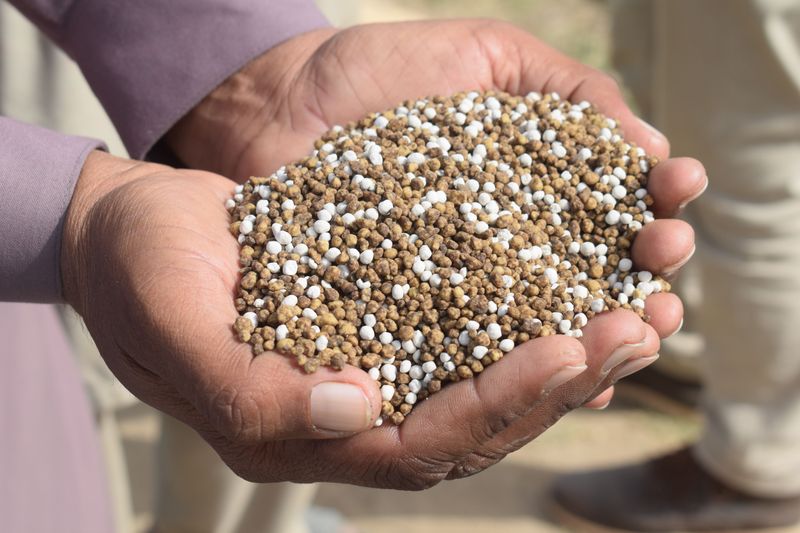
Feeding a plant sounds kind, but timing matters more than good intentions. A big dose of nitrogen this time of year can cause more harm than help.
Nitrogen tells shrubs to grow leaves and stems fast. That leafy growth steals energy the plant should be spending on fall flowers.
It also creates soft shoots that can get zapped by an early cold snap. In Georgia, that first chill can sneak in faster than you expect.
The best feeding window for abelia is early spring, just as new leaves appear. A slow-release shrub fertilizer then carries the plant through summer beautifully.
If your shrub looks a bit hungry now, reach for something gentle instead. A thin layer of compost around the base feeds the soil without a growth rush.
Some gardeners like a bloom booster with more phosphorus, the middle number on the bag, but check a soil test first since many soils already have enough. Use it lightly, and follow the label so you do not overdo it.
Pale yellow leaves may look like hunger, but they can also signal soggy soil. Check drainage and watering habits before blaming a lack of food.
Abelia is honestly a low-maintenance shrub that does fine without much fuss. Established abelias in Georgia landscapes often thrive with just compost and mulch.
Think of it like a snack instead of a buffet. A light touch now keeps the shrub focused on flowers rather than leaves.
Save the fertilizer bag for spring, and store it somewhere dry. Your shrub will be ready for it when March rolls around.
4. Refresh The Mulch Around The Root Zone
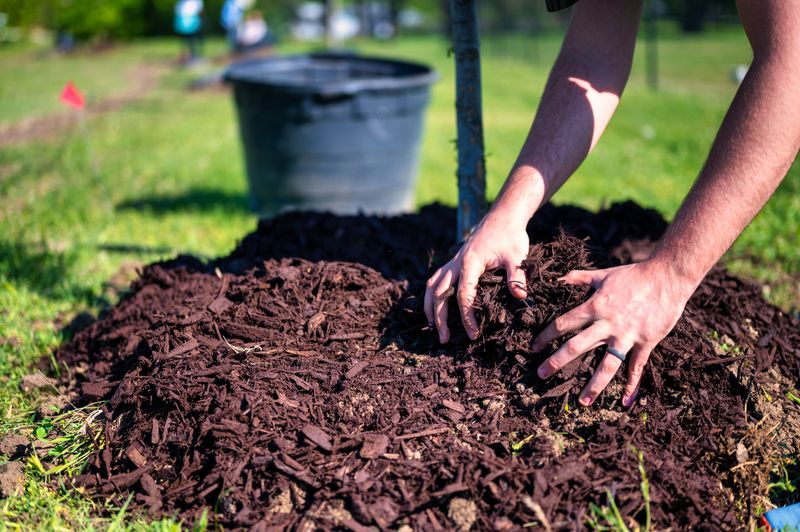
Mulch is like a cozy blanket and a sun hat rolled into one. It keeps roots cool on hot afternoons and holds moisture in the ground longer.
By early fall, the mulch you spread in spring has probably thinned out. Rain, heat, and hungry soil critters break it down faster than most folks realize.
Aim for a layer about two to three inches deep around the shrub. Pine straw, shredded bark, or pine bark nuggets all work well in Georgia gardens.
Pine straw is a Southern favorite because it is cheap, light, and easy to spread. It also lets water pass through without forming a hard crust.
Keep the mulch pulled back a few inches from the main stems. Piling it against the trunk traps moisture and invites rot and pesky insects.
Picture a donut, not a volcano, when you spread it out. The ring should reach toward the outer edge of the branches where feeder roots live.
Fresh mulch also smothers young weeds before they get a chance to grow. Fewer weeds means less competition for the water your shrub needs for blooms.
As fall moves toward winter, that same layer will guard roots against sudden temperature drops. It is one simple chore that pays off across several seasons.
Grab a bag or two on your next hardware store trip. Twenty minutes of spreading this weekend can give your shrub a real comfort boost.
Your knees might grumble a little afterward. The shrub, however, will say thanks with plenty of sweet-smelling flowers.
5. Keep A Close Eye On Aphids And Whiteflies
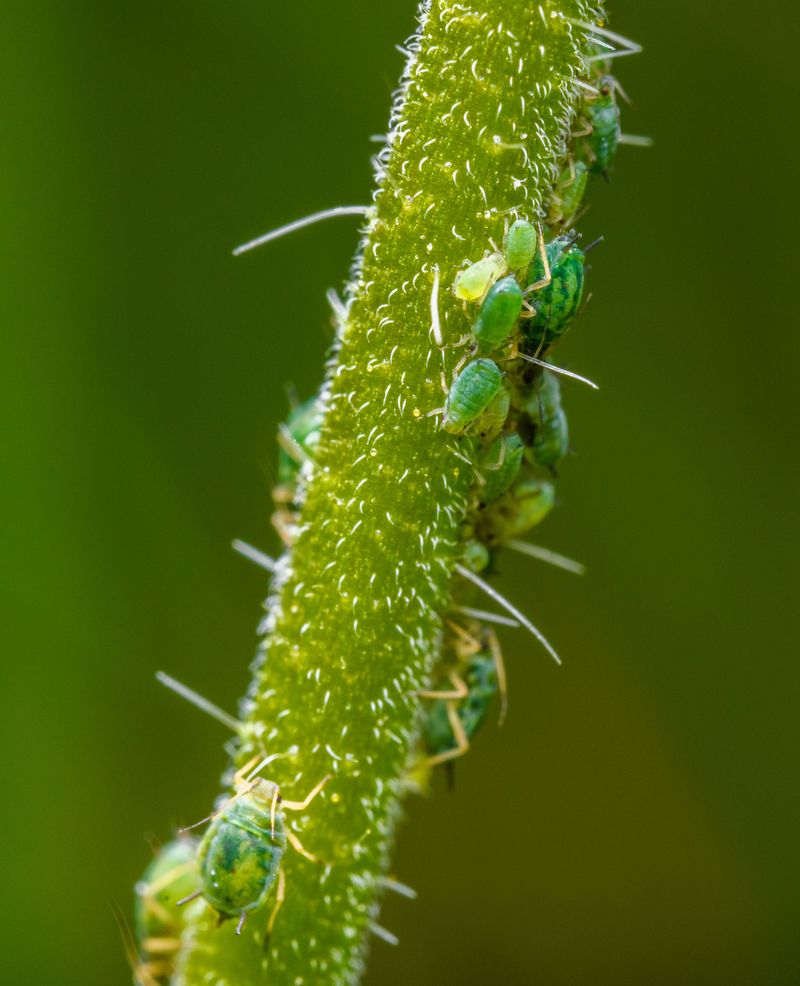
Abelia is known as a tough shrub that shrugs off most bugs. Still, early fall in Georgia brings a few sneaky visitors worth watching for.
Aphids are tiny, soft insects that cluster on tender new tips. They suck plant juices and leave behind sticky honeydew that can turn leaves black.
That black coating is called sooty mold, and it grows on the sticky residue. It blocks sunlight from leaves, which weakens the plant before bloom time.
Whiteflies are another late-season pest that loves warm, humid weather. Brush a branch, and a little cloud of white specks may flutter up.
Once a week, flip over a few leaves and take a close look. Catching trouble early makes it much easier to handle without harsh sprays.
A strong spray of water from the hose knocks many aphids right off. Do it in the morning so leaves dry before evening.
For bigger problems, insecticidal soap or neem oil are gentle choices for home gardens. Spray in the cool morning or evening to protect visiting bees and butterflies.
Speaking of bees, abelia is a pollinator magnet in the fall months. Bumblebees, butterflies, and even hummingbirds visit those tubular flowers for a late snack.
That is why broad chemical sprays are a poor idea right now. Ladybugs and lacewings also help by eating aphids for free.
Let the good bugs do some of the work for you. A little patience keeps the garden buzzing and the blooms coming.
6. Clear Out Weeds And Fallen Debris
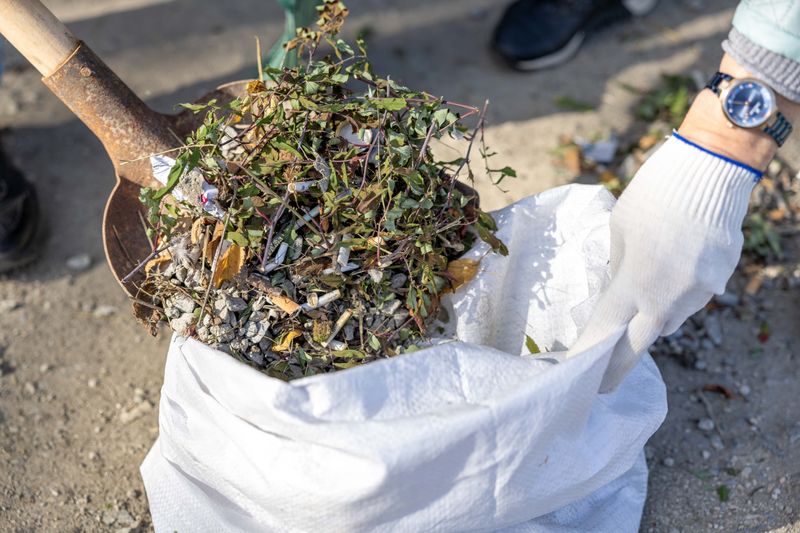
Weeds are like party crashers who eat all the snacks and refuse to leave. Around your shrub, they grab water and nutrients meant for fall flowers.
Early fall weeds in Georgia grow fast thanks to lingering heat and passing storms. Nutsedge spreads fast, crabgrass drops seed, and chickweed seedlings sprout as nights cool.
Pulling weeds by hand is easiest right after a good rain. The soil is soft, and roots slide out without much tugging.
Try to grab the whole root instead of just snapping off the top. Nutsedge regrows from small underground tubers, so dig deep enough to lift them out.
Fallen leaves and twigs under the shrub deserve attention too. Damp piles can hide slugs, snails, and fungus spores that cause leaf spots.
Rake out old debris gently so you do not scrape the shallow roots. Toss healthy material in the compost, but bag anything that looks spotted or moldy.
Good airflow around the base helps leaves dry faster after humid nights. Drier leaves mean fewer fungal problems as the weather slowly cools down.
Here is a trick for busy weekends: set a timer for fifteen minutes. Weeding a little at a time feels much less like a chore.
Kids can help too, and many think pulling weeds is oddly satisfying. Give them a small bucket and let them race to fill it.
After weeding, top off the mulch to keep new weeds from returning. A clean, tidy base lets your shrub put its energy into blooming.
7. Check For Full Sun Exposure
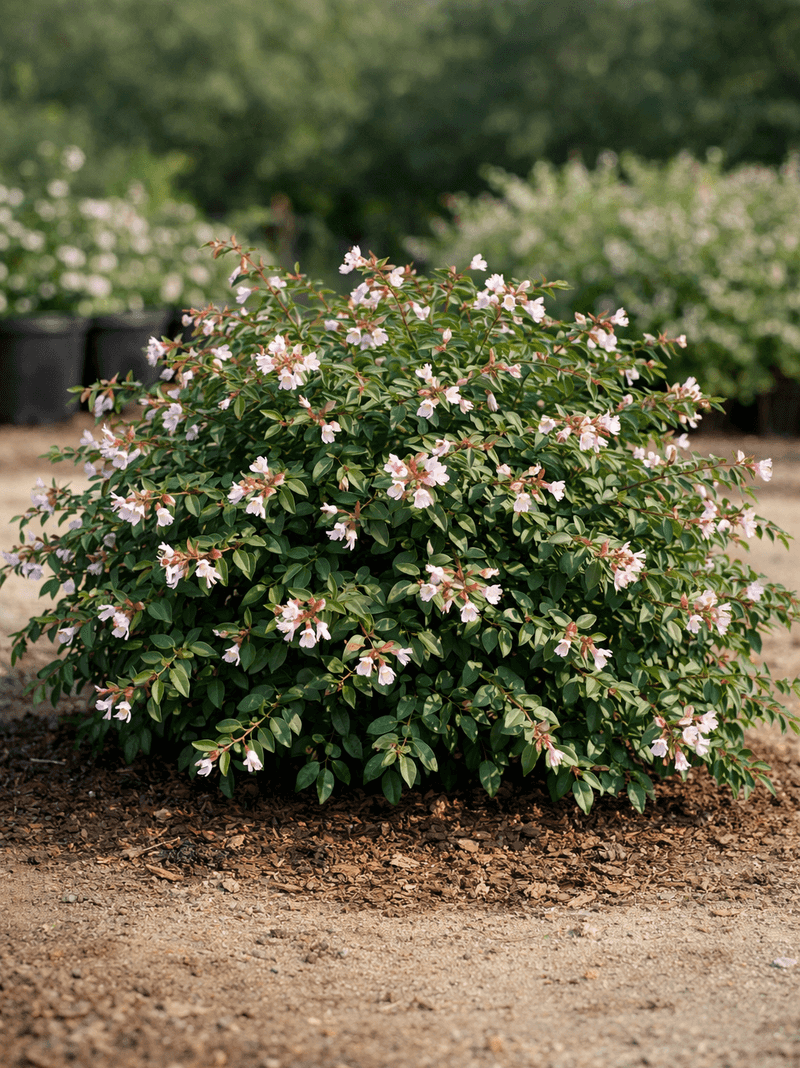
Sunshine is the fuel that powers every abelia flower. Without enough of it, even the healthiest shrub will give you leaves and not much else.
Abelia blooms best with at least six hours of direct sun each day. It can handle some shade, but flowering drops off noticeably in darker spots.
Sun patterns change as seasons shift, and early fall is a great time to notice. The sun sits lower in the sky, so shadows stretch longer across the yard.
Walk around your shrub at breakfast, lunch, and late afternoon. Note when direct light hits it and when nearby trees or buildings block it.
Overgrown neighbors are a common culprit in older Georgia yards. A crepe myrtle or oak that doubled in size can slowly steal your shrub’s sunshine.
You may be able to trim a few low tree limbs to open things up. Hire a pro for big branches, since safety matters more than flowers.
If your shrub sits in deep shade, consider moving it later this fall. Mid to late fall is actually a great planting and transplanting season in Georgia.
Cooler air and warm soil help roots settle in before winter. Dig a wide root ball and water it well after the move.
Fun fact: some newer varieties, like Kaleidoscope, show off bright gold and orange leaves in full sun. Their colors look dull and greenish in heavy shade.
Give your shrub a sunny seat, and it will thank you. Bright light turns an ordinary bush into a flowering showpiece.
8. Test Your Soil Before Cool Weather Arrives
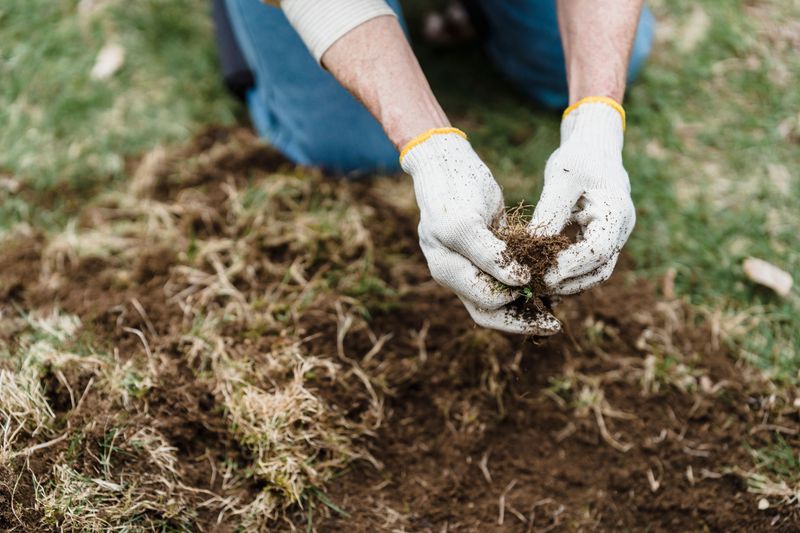
Guessing what your soil needs is a bit like guessing a friend’s shoe size. A simple soil test takes the mystery out and saves money too.
In Georgia, the UGA Cooperative Extension offers affordable soil testing in every county. You drop off a sample, and they mail back easy-to-read results.
Fall is a smart time to test because labs are less busy than in spring. You also get answers early enough to plan your next feeding.
Abelia likes slightly acidic soil, with a pH around 5.5 to 6.5. Much of Georgia’s red clay leans acidic, but results can vary yard to yard.
To collect a sample, dig small scoops from several spots around the shrub. Go about four to six inches deep and mix them in a clean bucket.
Let the soil air dry on newspaper before bagging it up. Wet samples can clump and give less accurate readings.
Your results will show pH plus levels of nutrients like phosphorus and potassium. They also suggest how much lime or fertilizer to add, if any.
Lime takes months to work, which is why fall is perfect for adding it. Spread it now, and the soil will be ready by spring.
Heavy clay can also hold water and squeeze out air around roots. Mixing compost into the planting area over time improves drainage and texture.
Think of a soil test as a report card for your garden. It tells you exactly where to help, so your shrub can earn straight A blooms.