Don’t Make This Mistake When A Wolf Spider Shows Up In Your Georgia Garden
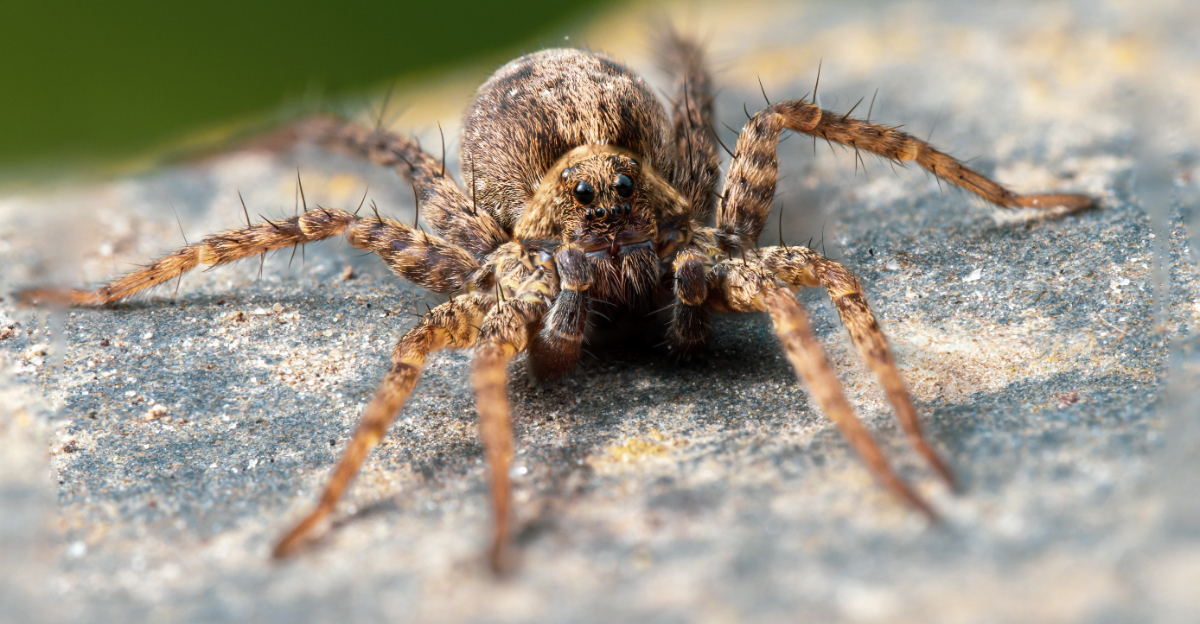
Finding a wolf spider in the garden can make you reach for something to remove it. Resist that first reaction, because this hunter may be useful.
Wolf spiders look intimidating when one races across mulch or slips between plants. Their speed and size can make a harmless encounter feel much worse.
In Georgia gardens, these spiders spend of their time hunting on the ground. They do not build webs to catch meals.
Give the spider space and avoid handling it with your hands. It usually has more interest in hunting than bothering you.
That makes one reaction especially unnecessary when you spot one near your plants.
Knowing what not to do can turn an uncomfortable surprise into something easier to handle. Your garden may benefit from leaving this hunter alone.
1. Don’t Reach Down And Try To Handle The Spider
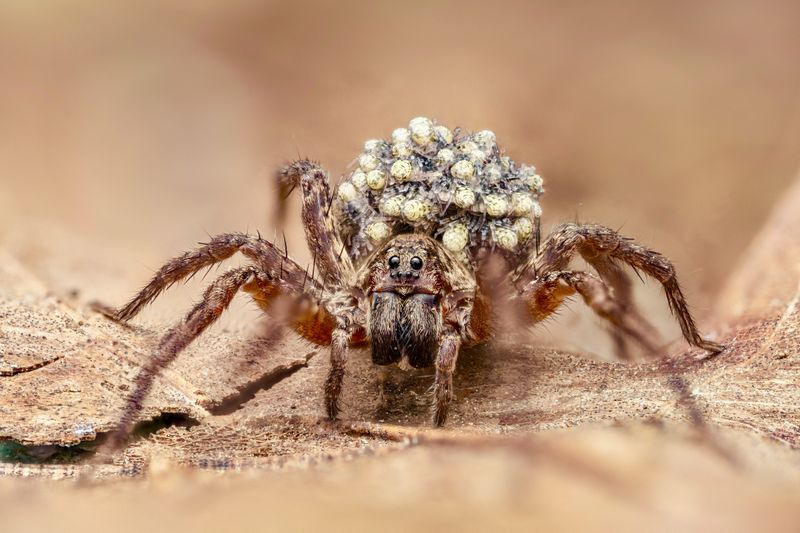
Reaching for a wolf spider with your bare hands is one of the fastest ways to get bitten. Wolf spiders are not aggressive by nature, but they will bite when they feel cornered or threatened.
A bite from one is rarely serious, but it can cause redness, swelling, and sharp pain that lingers for a day or two.
Wolf spiders move fast. Faster than most people expect.
You reach down, it bolts, and your instinct is to grab it. That chain reaction is exactly how most bites happen.
Staying calm and keeping your hands back is the smarter move every single time.
Bare skin gives the spider no warning and no escape route. If you are close enough to touch it, you are already in its defensive zone.
Even experienced gardeners get caught off guard by how quickly a wolf spider reacts.
Watching from a short distance is perfectly fine. You do not need to remove it or hold it to get a good look.
Respecting its space keeps both you and the spider out of a stressful situation that neither of you wanted in the first place.
2. Give It Space Instead Of Disturbing Its Hiding Spot
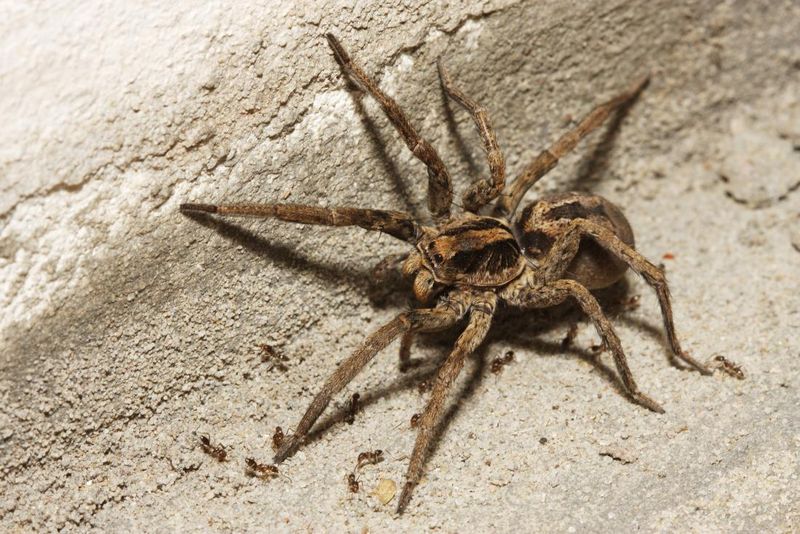
Flipping rocks, pulling back mulch, or moving debris where a wolf spider is resting almost guarantees a startled reaction. Wolf spiders build burrows or tuck themselves under objects to stay cool and hidden during the day.
Disturbing that spot puts both of you in an uncomfortable position.
Gardeners in the Southeast often uncover wolf spiders while pulling weeds or turning compost. It surprises them every time.
A startled spider under a rock has nowhere to go except toward your hands, which is not what anyone wants.
Leaving the hiding spot alone is the easiest solution. If you need to move that specific rock or piece of wood, give the spider a moment to feel the vibrations and relocate on its own.
Tapping the object lightly before lifting it often gives the spider enough warning to move.
Wolf spiders are not territorial toward humans. They are simply trying to rest.
Giving them a few seconds to respond before you lift or shift something nearby can prevent a lot of unnecessary stress. Patience costs nothing and keeps the interaction calm for everyone involved.
Your Georgia Garden Changes Every Week. Your Plan Should Too.
Gardening in Georgia changes quickly throughout the season. Every Friday you’ll receive a simple weekly plan showing exactly what to plant, prune, fertilize, harvest, and protect so you never miss the right timing.
3. Skip Spraying When It Is Simply Passing Through
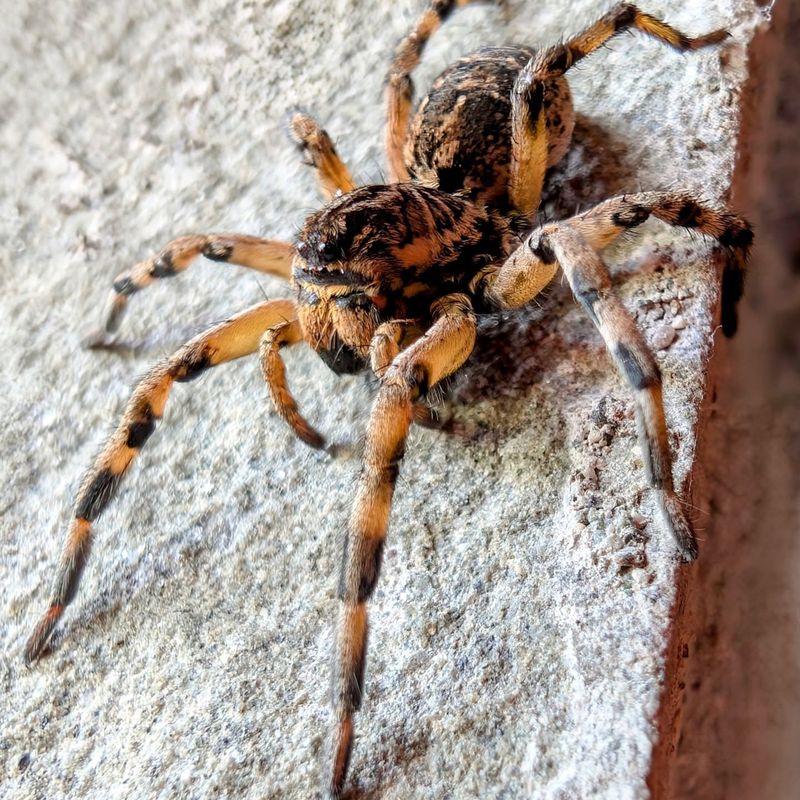
Grabbing a spray bottle the moment you spot a wolf spider is a common overreaction. A spider moving through your garden bed is not a sign of an infestation.
Wolf spiders are solitary hunters. Seeing one usually means just that, one spider passing through.
Spraying pesticides on a single wolf spider causes more harm to your garden than the spider ever would. Broad-spectrum sprays can affect beneficial insects like ground beetles and pollinators.
One impulsive spray can disrupt an entire section of your garden’s natural balance.
Wolf spiders do not spin webs to catch prey. They chase insects down on foot, which means they are actively patrolling your garden and reducing pest populations as they go.
Spraying one removes a free, working pest control agent from your yard.
If a wolf spider is moving through your space, the most practical response is to simply let it continue. It is not nesting in your vegetable bed or building a colony near your door.
A spider in motion is a spider on the hunt, and your garden benefits from that behavior far more than you might expect.
4. Let It Hunt Insects Around The Garden
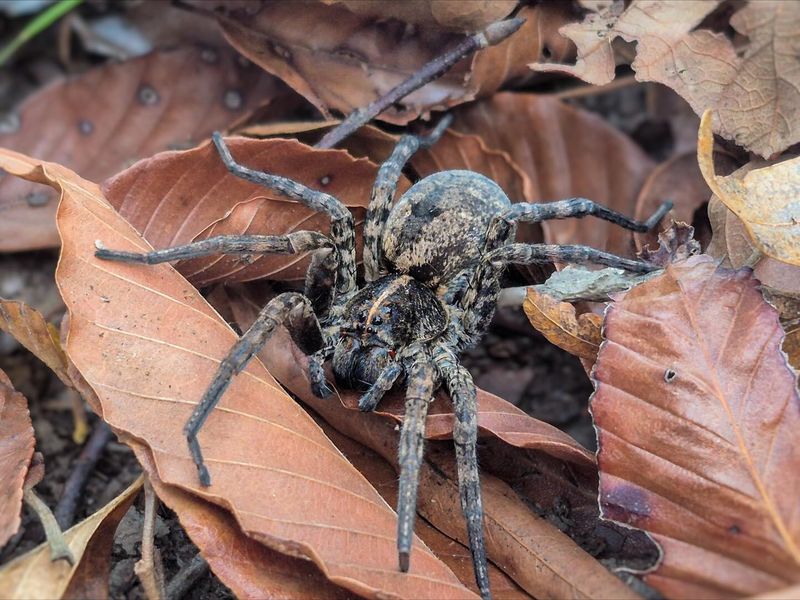
Wolf spiders are natural hunters, and they are good at it. Crickets, grasshoppers, beetles, and other garden pests make up a large part of their diet.
Letting one roam your garden beds means you have a patrol running day and night without any effort from you.
Pest pressure in warm-climate gardens can get intense from late spring through fall. Wolf spiders stay active through much of that period, which lines up well with when garden insects are at their peak.
Their presence during those months can make a noticeable difference in certain pest populations.
No chemical is needed when natural predators are already doing the work. Wolf spiders are not selective.
They will chase down whatever moves and fits in their range. That includes many of the soft-bodied insects that do real damage to garden plants.
Gardeners who learn to tolerate wolf spiders often report fewer issues with certain crawling pests over time. That is not a guarantee, and results can vary depending on your specific garden setup.
But removing a wolf spider that is actively hunting means losing a predator that costs you nothing and asks for nothing in return.
5. Wear Gloves When Moving Pots Or Yard Materials
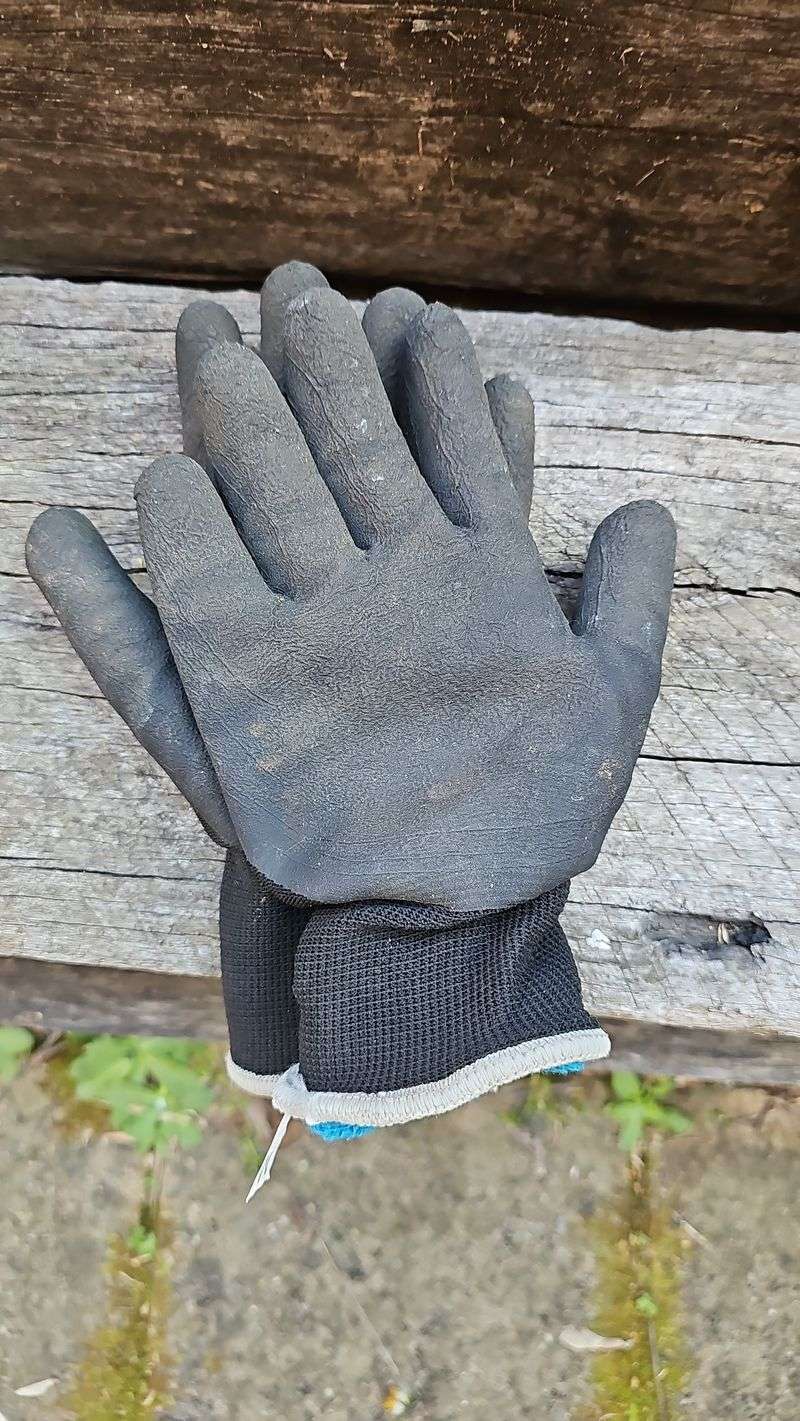
Thick gloves are one of the simplest tools you can keep near your garden, and wolf spiders are one of the best reasons to use them. When you move pots, stack firewood, or shift yard debris, you are entering spaces where spiders like to rest.
Gloves create a barrier that protects you if one is startled.
Wolf spiders tend to hide in dark, sheltered spots during the day. The underside of a pot, the gap between stacked bricks, or the space beneath a tarp are all prime locations.
You would not know one is there until you pick the object up and the spider appears suddenly.
Leather or thick canvas gloves work well for this kind of yard work. Thin rubber gloves offer less protection if a spider presses against the material.
Choosing gloves with some grip and coverage gives you more confidence when moving things around.
Making gloves a habit before any lifting or shifting in the garden takes about three seconds. Over a full gardening season, that small routine can prevent several unpleasant surprises.
Wolf spiders are not out to find you, but they will react if your bare hand lands right next to them without warning.
6. Shake Out Gardening Gear Before Bringing It Indoors
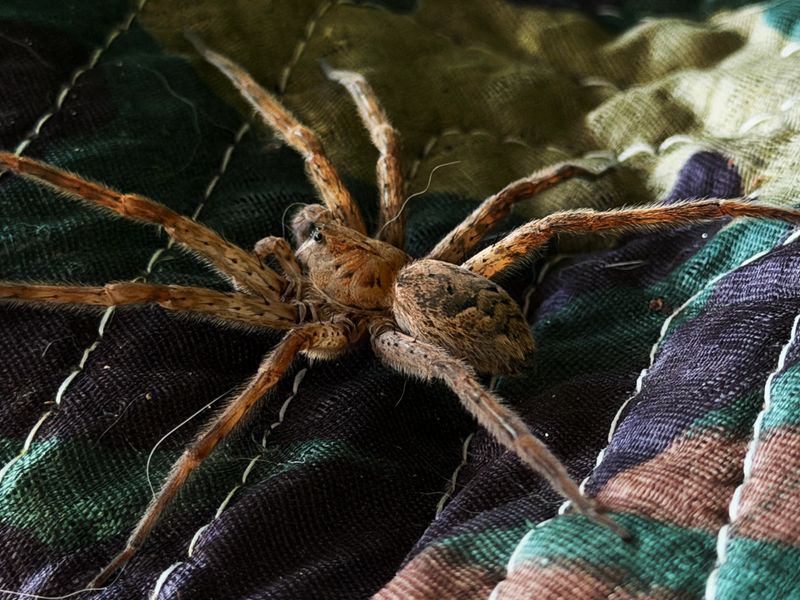
Wolf spiders are hitchhikers without meaning to be. Boots left outside overnight, gloves resting near a planter, hats hanging on a fence post.
Any of these can become a temporary hiding spot. Bringing them inside without checking first is how wolf spiders end up in your home.
Shaking out gear before walking through the door takes only a moment. Hold boots upside down and tap them together.
Give gloves a firm shake. Check the inside of hats.
These quick checks catch far more than just spiders, including beetles, earwigs, and other hitchhiking insects.
Gear left near the house overnight is especially worth checking in warmer months. Spiders are more active from late spring through early fall in this region.
That overlap with prime gardening season means your tools and clothing are being used more often during the exact time spiders are most on the move.
Storing gear in sealed bins or a closed shed also helps reduce these encounters. Spiders move toward shelter when temperatures shift.
An open storage area near the house can attract them without you realizing it. A little organization in how you store your tools goes a long way toward keeping unexpected visitors where they belong, outside.
7. Clear Clutter Near The House If Sightings Become Frequent
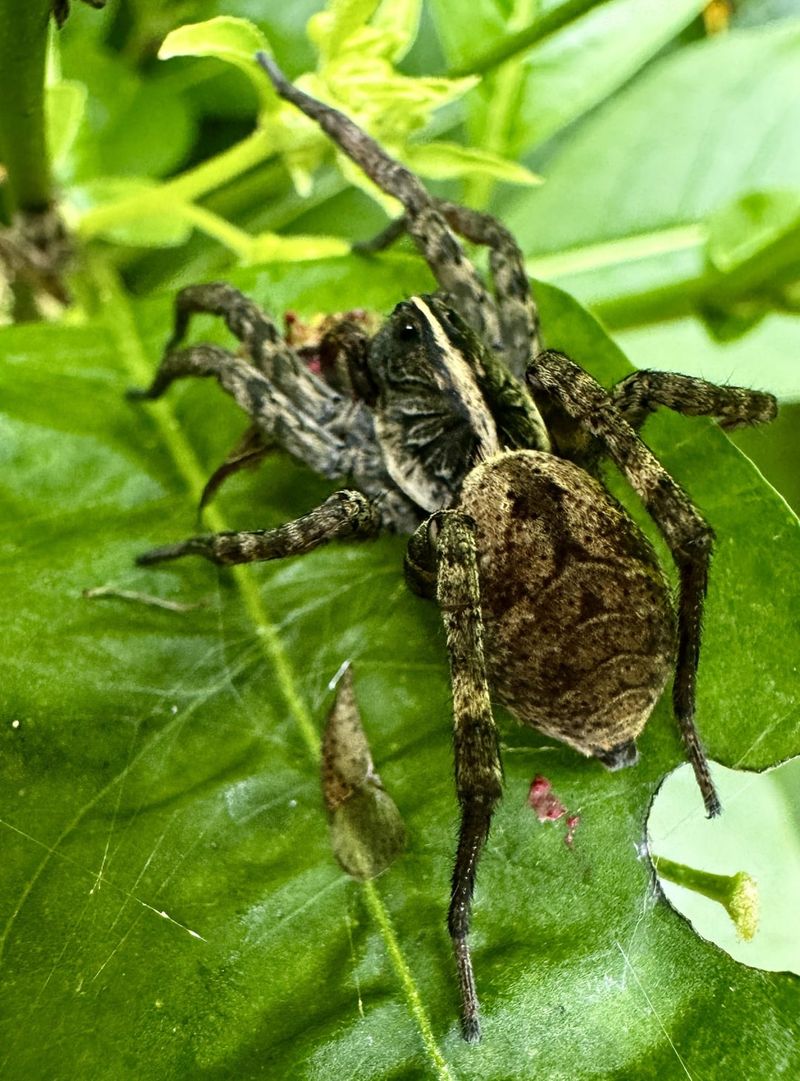
Frequent wolf spider sightings near your back door are usually a sign that the area around your house is giving them what they need. Stacked wood, piles of leaves, old pots, and cluttered garden beds all create ideal shelter.
Reducing that clutter removes the conditions that attract them.
Wolf spiders do not move indoors because they prefer it. They usually end up inside by accident, often through gaps near doors, vents, or foundation cracks.
But keeping attractive habitat right next to the house increases the chance of that happening.
Moving firewood away from exterior walls is a practical first step. Clearing leaf litter from foundation edges and trimming back dense ground cover near entry points also helps reduce spider activity close to the house.
None of these changes need to be drastic to make a difference.
Clutter reduction is not about making your yard unwelcoming to wildlife. Wolf spiders belong in gardens and natural spaces.
The goal is simply to push their preferred habitat a little further from your entryways. A tidy border around the house gives spiders less reason to wander close, and gives you more peace of mind when you step outside on a summer evening in Georgia.