What To Plant In Your Virginia Yard Right Now Before The Fall Window Closes
You are wasting the best planting season you will get all year. Fall soil holds summer heat long after the air turns crisp. Your roots keep growing in warm soil while leaves above slow down.
That gap gives your plants a head start before spring arrives. Virginia gardeners who plant now see stronger shrubs, thicker lawns, and bigger blooms.
Tall fescue you seed this month grows thick enough to help hold back crabgrass in spring. Garlic cloves you plant in October swell into fat bulbs by early summer.
Tulips and daffodils demand a long winter chill before they flower. Frost reaches the Blue Ridge weeks before it touches Tidewater Virginia.
Miss your window, and you pay with patchy grass and empty beds. Gloves and a sharp spade are all you need. Here is exactly what to plant, when to plant it, and why timing matters.
1. Tall Fescue Seed Fills In A Thin Lawn
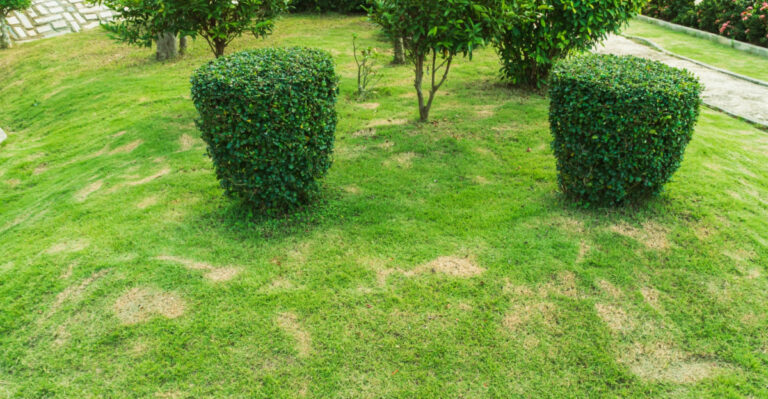
Walk through any Virginia neighborhood in September and you will spot a few patchy, sunburned lawns. Summer heat is rough on grass, and many yards look like a worn-out doormat by now.
The good news is that early fall is prime time for tall fescue seed. Most of Virginia sits in a transition zone, and cool-season grasses thrive here.
Soil stays warm from summer, which helps seeds sprout in about one to two weeks. Meanwhile, cooler air keeps the young blades from wilting under harsh sunshine.
Aim to seed between late August and mid-October for the best results. Northern and mountain areas should finish earlier, while Tidewater yards can push a little later.
Start by raking out thatch and loosening bare spots with a garden rake or core aerator. Seeds need good contact with soil, not a mat of old, crunchy grass.
Spread seed evenly, then cover it lightly with a thin layer of compost or straw. Birds love a free buffet, so a light covering helps protect your investment.
Water is the real secret here. Keep the top inch of soil damp with short daily sprinklings until the new grass reaches mowing height.
Hold off on weed treatments for now, since they can harm tender seedlings. By spring, you will have a thick, green carpet your neighbors might quietly envy.
Fun fact: tall fescue roots can reach two to three feet deep. Those long roots help your lawn handle Virginia’s dry August spells much better next year.
2. Garlic Cloves Now Mean A June Harvest
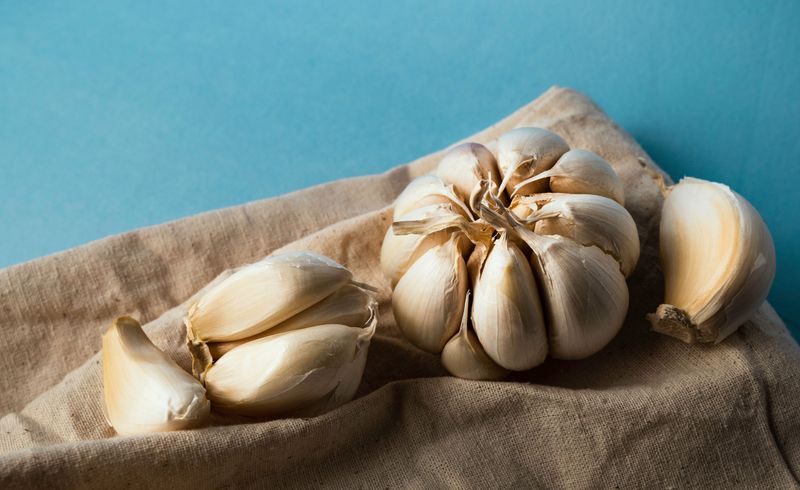
Vampires beware, because Virginia gardeners have a secret weapon that goes in the ground this fall. Garlic needs a long, chilly nap before it forms those plump, flavorful bulbs.
Mid-October through early November is the sweet spot in most of the state. Late September is your last good chance to grab seed garlic before suppliers sell out, so order now and prep the bed.
Grocery store garlic often sprouts poorly because it may be treated to stop growth. Instead, buy seed garlic from a local nursery or a trusted online grower.
Your Virginia Garden Changes Every Week. Your Plan Should Too.
Gardening in Virginia changes quickly throughout the season. Every Friday you’ll receive a simple weekly plan showing exactly what to plant, prune, fertilize, harvest, and protect so you never miss the right timing.
Hardneck types like Music and German Extra Hardy handle Virginia winters well. Softneck varieties, such as Inchelium Red, store longer and suit milder coastal areas.
Pick a sunny spot with loose, well-drained soil mixed with a few inches of compost. Soggy ground can rot the cloves long before spring arrives.
Break the bulb into single cloves right before planting day. Push each one pointy end up, about two inches deep and six inches apart.
Once the ground cools, cover the bed with four to six inches of shredded leaves or straw. That fluffy blanket keeps soil temperatures steady and weeds down.
Green shoots may pop up in late fall, and that is perfectly normal. They will pause through winter and grow quickly once spring warms up.
Come June, you will dig up bulbs that taste far bolder than anything from a store. Your pasta sauce will thank you, and so will your breath mints supplier.
3. Daffodil Bulbs Bring Early Spring Color
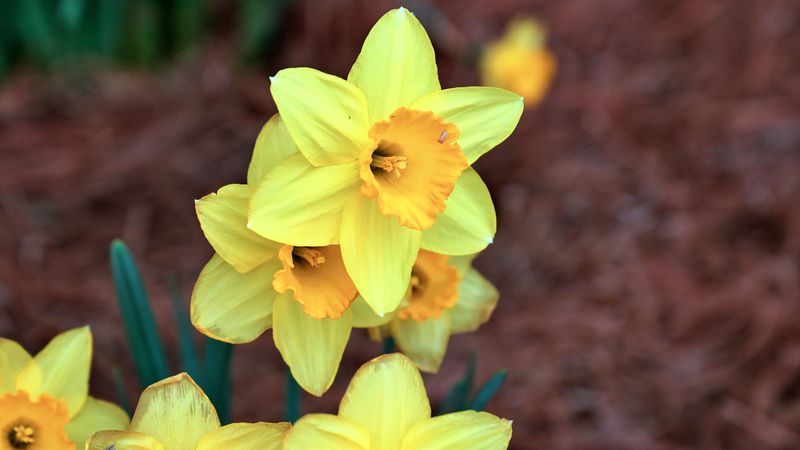
Picture a gray February morning when a cheerful yellow bloom suddenly waves at you from the yard. That little moment of joy starts with a bulb you plant this fall.
Daffodils are a smart pick for Virginia because deer and squirrels mostly leave them alone. The bulbs contain a bitter compound that hungry critters find very unpleasant to chew.
Bulbs need several weeks of cold soil to trigger spring flowers. Planting from late September through November gives them that chill without any extra effort.
Choose firm bulbs that feel heavy, like a good onion. Skip any that look moldy, soft, or shriveled at the bottom.
A simple rule helps with depth: plant each bulb about three times as deep as it is tall. For most daffodils, that means six to eight inches down.
Set them pointy side up in a sunny spot with decent drainage. Groups of seven to ten look more natural than neat little soldier rows.
A handful planted near a mailbox can spread into a golden ribbon within a few years. Few bulbs give back so much for so little effort.
Daffodils come back year after year and slowly multiply on their own. Varieties like Ice Follies, Tete-a-Tete, and Carlton do especially well across Virginia.
After planting, water once and add a light layer of mulch. Then simply forget about them until spring delivers the sweetest surprise in your yard.
Here is a bonus tip for mixed beds. Many gardeners tuck daffodils around tulips, hoping their bitter taste will discourage digging pests.
4. Pansies Add Color Through Cool Weather
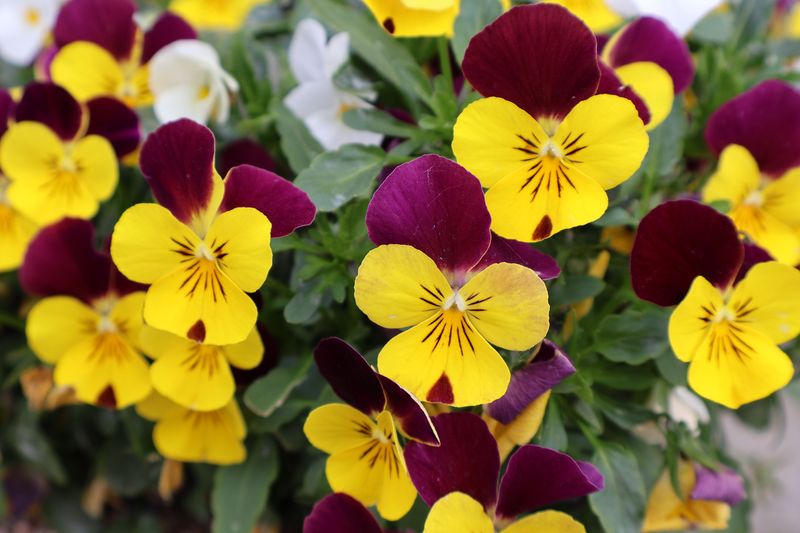
Few flowers shrug off frost with as much attitude as the humble pansy. Those cheerful little faces keep smiling even when your car windshield is covered in ice.
In Virginia, pansies planted in fall often bloom off and on right through winter. They put on an even bigger show when spring rolls around.
Timing is key, so aim for mid-September through October. Soil should cool to about 65 degrees or lower, which helps roots settle in before the first hard freeze.
Look for compact plants with healthy green leaves instead of the tallest ones in bloom. Short, sturdy transplants usually adjust faster and flower longer.
Pansies love sunshine, so pick a spot with at least six hours of light. Front walkways, window boxes, and porch containers all make great homes.
Mix some compost into the soil and space plants about six to ten inches apart. Water well after planting, then add a thin layer of mulch.
Feeding helps too, especially during chilly months when nutrients move slowly. A fertilizer made for cool weather gives them a steady boost.
Pinch off faded blooms every week or so to keep new flowers coming. Kids often enjoy this job, and it turns into a fun little garden treasure hunt.
Did you know pansy petals are edible? They make a pretty garnish for salads or cupcakes, as long as you skip chemical sprays.
Try pairing them with ornamental kale for texture. Together, they turn a sleepy winter yard into something that looks wide awake.
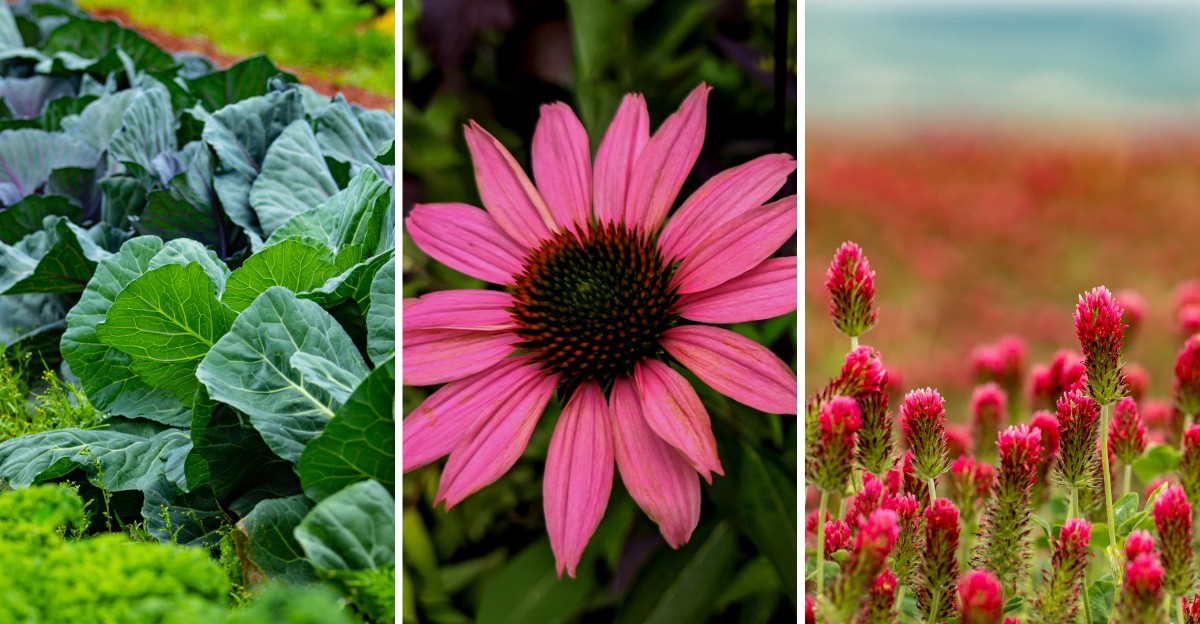
5. Kale And Collards Taste Sweeter After Frost
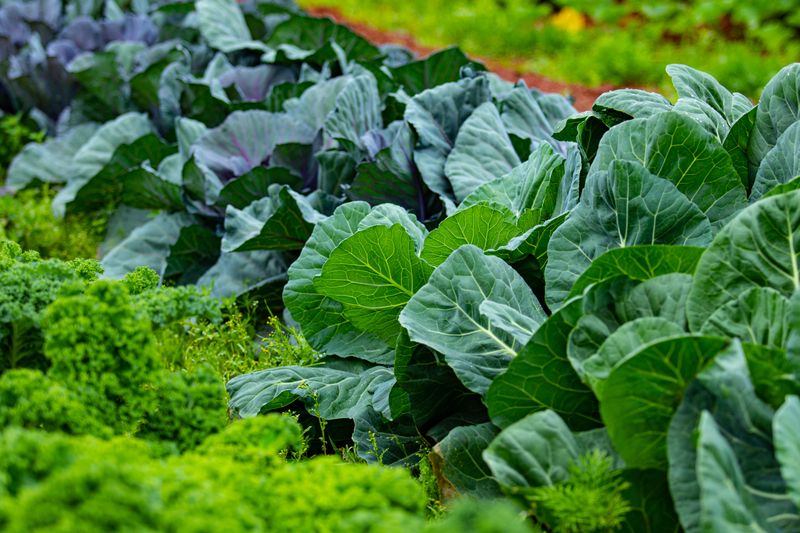
Ask any Southern grandma, and she will tell you collards taste best after a frost. She is right, because cold weather turns their starches into natural sugars.
Kale works the same magic, which makes both greens perfect partners for a Virginia fall garden. Setting out transplants in September gives them time to grow before winter.
Seeds can work too, but they need a head start of about eight weeks. Transplants from a local garden center are the faster, easier route right now.
Give them full sun and rich soil with plenty of compost worked in. Space kale about 18 inches apart, while collards appreciate closer to two feet.
Cabbage worms can munch holes in leaves early in the season. Lightweight row covers keep those hungry green caterpillars off without any sprays.
Water deeply once or twice a week if rain is scarce. Even moisture keeps the leaves tender instead of tough and bitter.
Harvest by picking the lower, outer leaves first. The plant keeps growing from the center, so one planting can feed you for months.
Collards are tough cookies that can handle temperatures down into the teens. Varieties like Georgia Southern and Vates are local favorites for good reason.
Kale is even tougher, and Winterbor and Red Russian shrug off hard freezes. Still, a sheet over the bed on the coldest nights keeps leaves looking their best.
Fresh greens in January feel like a small victory. Simmer them with onions and a splash of vinegar, and winter suddenly tastes a lot better.
6. Native Trees Build Stronger Roots In Fall
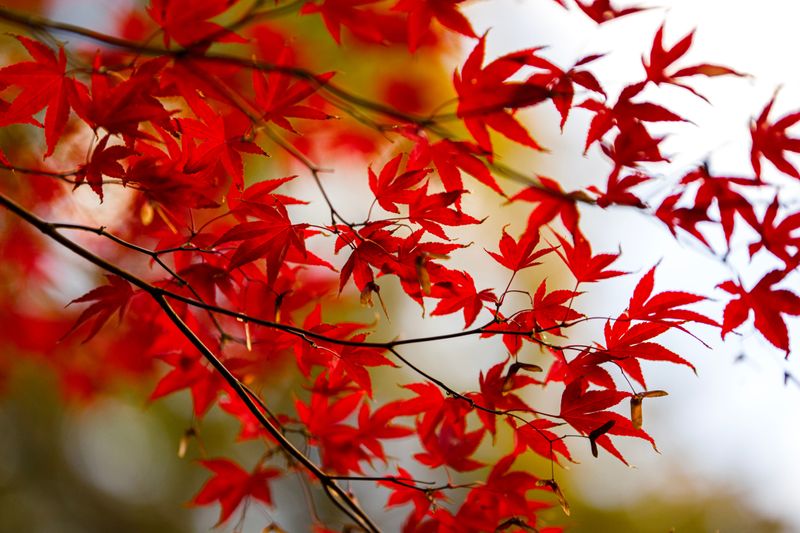
An old saying claims the best time to plant a tree was twenty years ago. The second best time, at least in Virginia, is this fall.
Autumn gives young trees a huge advantage over spring planting. Roots keep growing in warm soil long after the leaves have dropped.
Cooler air means less stress on the branches and less need for constant watering. By next summer, your tree will have a sturdy root system ready for heat.
Native species are the smartest choice because they already fit our climate and soil. Eastern redbud, flowering dogwood, and serviceberry are beautiful options for smaller yards.
Need shade instead? Red maple, willow oak, and blackgum grow tall, and red maple and blackgum put on stunning fall color.
Dig a hole two to three times wider than the root ball but no deeper. The spot where the trunk flares out should sit right at ground level.
Loosen circling roots gently with your fingers before setting the tree in place. Backfill with the same native soil, since fancy amendments can keep roots from spreading.
Spread two to three inches of mulch in a wide ring around the base. Keep it a few inches away from the trunk, like a donut, not a volcano.
Water deeply once a week until the ground freezes. Native trees also feed local birds, bees, and butterflies far better than many imported species.
Fun fact: the flowering dogwood is Virginia’s official state tree and state flower. Planting one is like adding a little piece of state pride to your yard.
7. Perennials Set Now Bloom Bigger Next Year
Garden centers in September are full of perennials wearing clearance tags. Smart shoppers know this is one of the best deals of the whole gardening year.
Perennials planted now spend the cool months growing roots instead of flowers. When spring arrives, they wake up stronger and bloom bigger than spring-planted plants.
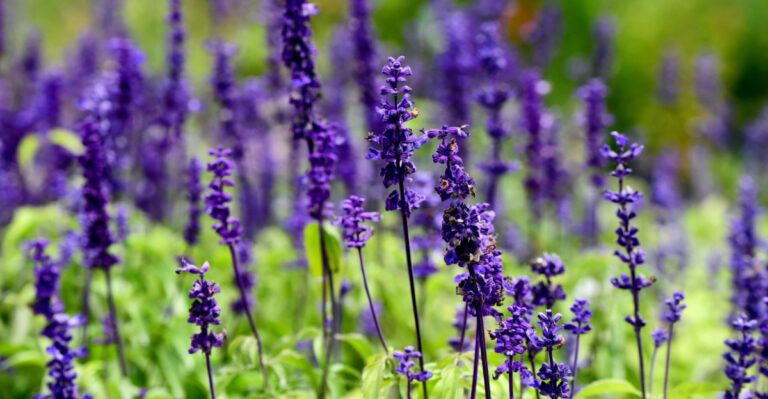
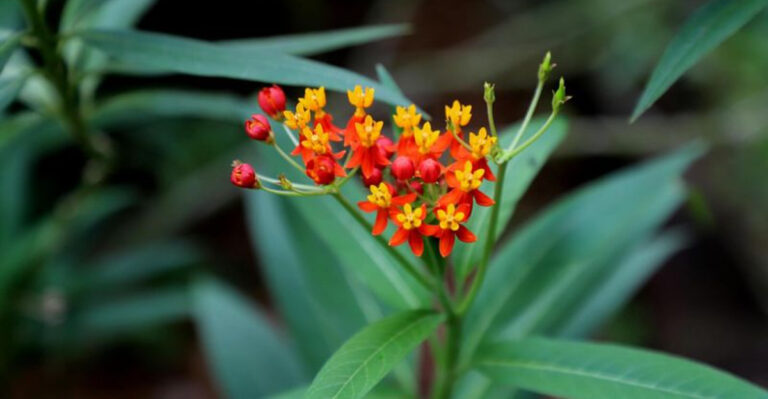
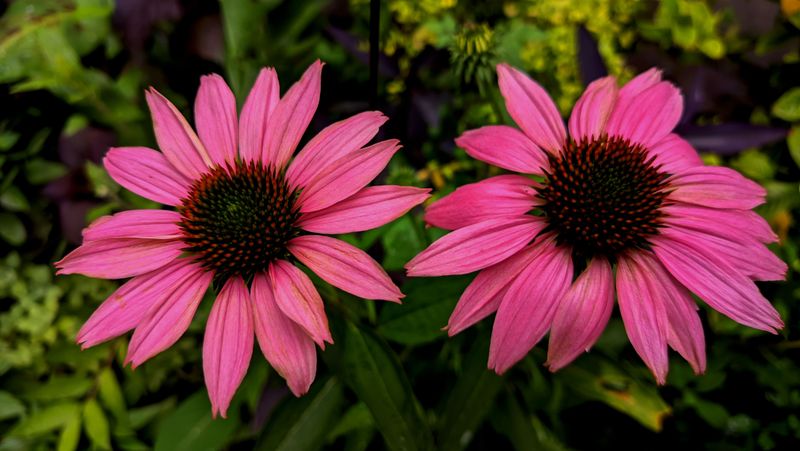
Virginia natives are especially easy to grow. Purple coneflower and black-eyed Susan handle our hot summers and clay soil well, while butterfly weed prefers a sunny spot with sandy, well-drained soil.
Pollinators adore these plants, so your yard becomes a busy stop for bees and butterflies. Goldfinches also snack on coneflower seeds in late fall and winter.
Try to finish planting about six weeks before your first hard freeze. For much of Virginia, that means wrapping up by early to mid October.
Dig a hole slightly wider than the pot and set the plant at the same depth. Gently tease apart any tangled roots so they spread into new soil.
Water thoroughly after planting, then check the soil every few days. Fall rains often help, but dry spells still happen.
Top the bed with a layer of shredded bark or leaves. Mulch protects roots from freeze and thaw cycles that can push plants out of the ground.
Fall is also a great time to divide crowded perennials you already own. Split daylilies and hostas now, and share the extras with friends. Bearded irises do best when divided in late summer.
Those leftover clumps make wonderful neighborly gifts. Some gardeners joke that perennials are the only presents that multiply after you give them away.
8. Crimson Clover Feeds Your Soil Over Winter
Bare soil over winter is like leaving your front door wide open during a storm. Rain washes away nutrients, and weeds happily move right in.
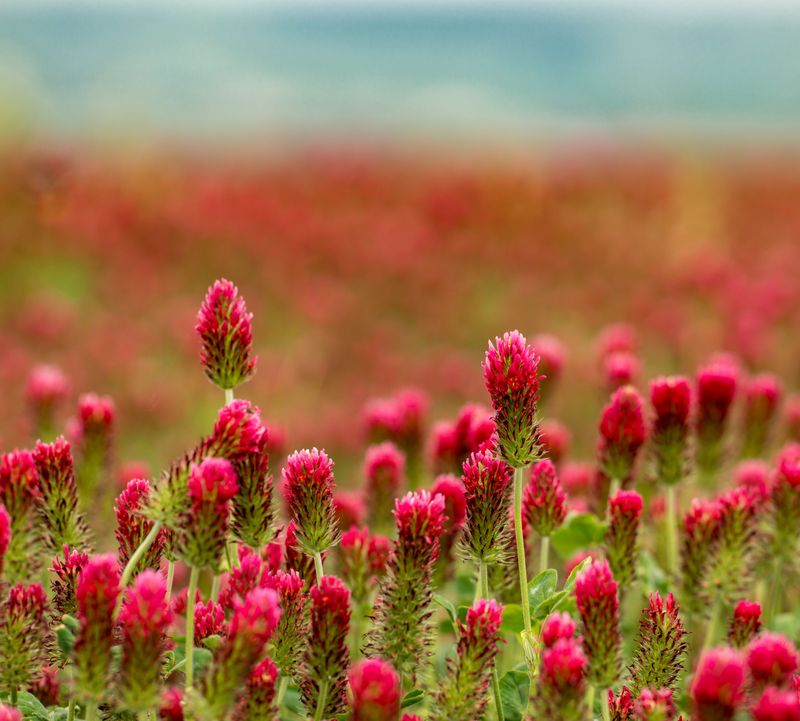
Crimson clover solves both problems while making your empty beds look gorgeous. Farmers across Virginia have used it for generations as a winter cover crop.
Here is the clever part. Clover teams up with soil bacteria that pull nitrogen from the air and store it in little bumps on its roots.
When you turn the plants into the soil next spring, that nitrogen feeds your vegetables. It works like free fertilizer that grew itself.
Sow seeds from early September to mid-October so roots can settle in before cold weather. Rake the soil lightly, scatter seeds, and gently press them in.
About half a pound of seed covers 1,000 square feet of garden space. Water lightly, and sprouts usually pop up within a week.
The plants stay low and leafy through winter, keeping soil covered and protected. By April, they burst into tall, bright red blooms shaped like strawberries.
Bees go wild for those flowers early in the season when food is scarce. You might even spot a few curious neighbors stopping to snap photos.
Cut the clover down before it sets seed, usually in late April. Chop it up and mix it into the soil two to three weeks before planting.
Your summer tomatoes will enjoy a richer, looser bed. Not bad for a plant that basically did all the work while you binged cozy movies.