Sunny Indiana Walls Are About To Turn Orange, And Swatting Isn’t The Answer
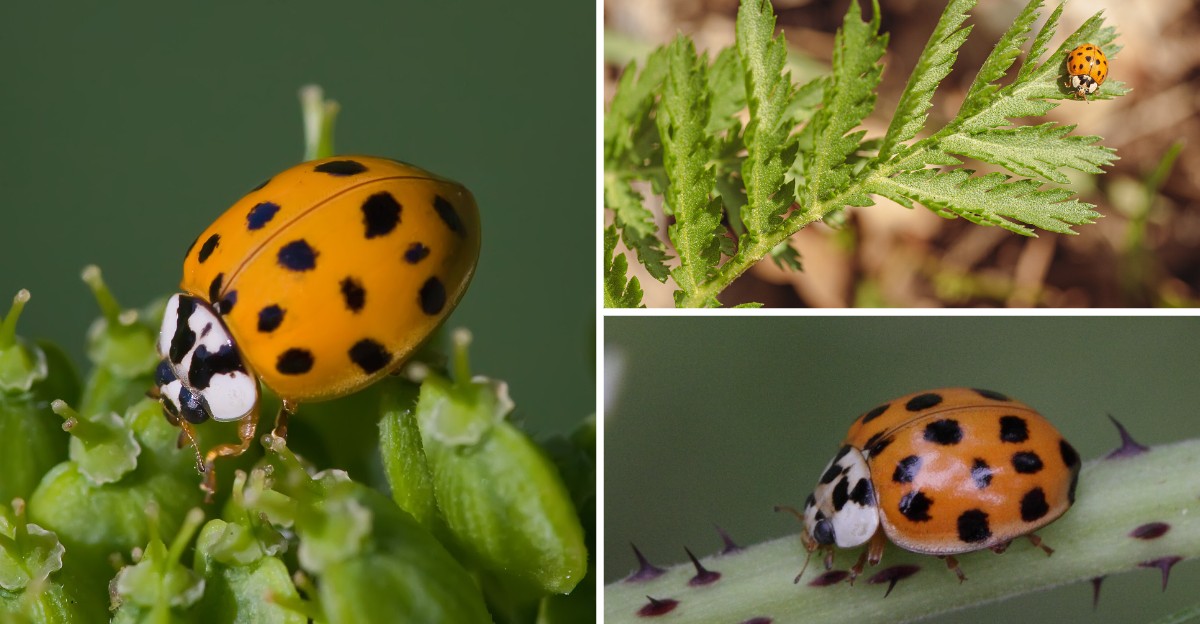
Picture a warm September afternoon, with sunlight soaking into the side of your house. Suddenly the siding looks freckled, like someone tossed a handful of orange candy at it.
Look closer, and the freckles start crawling. Dozens become hundreds, and a few bold ones march straight toward your window screen.
Your first instinct is probably a quick slap with a rolled-up magazine. Hold that thought, because your hand might come away smelling like old gym socks.
Worse, the wall could end up with little yellow smudges that refuse to scrub off. Every fall, plenty of Indiana homeowners learn this lesson the hard way.
These tiny visitors, at least, mean no real harm to people. They just have terrible manners and even worse cologne.
An Imported Beetle Seeking Warm Winter Shelter
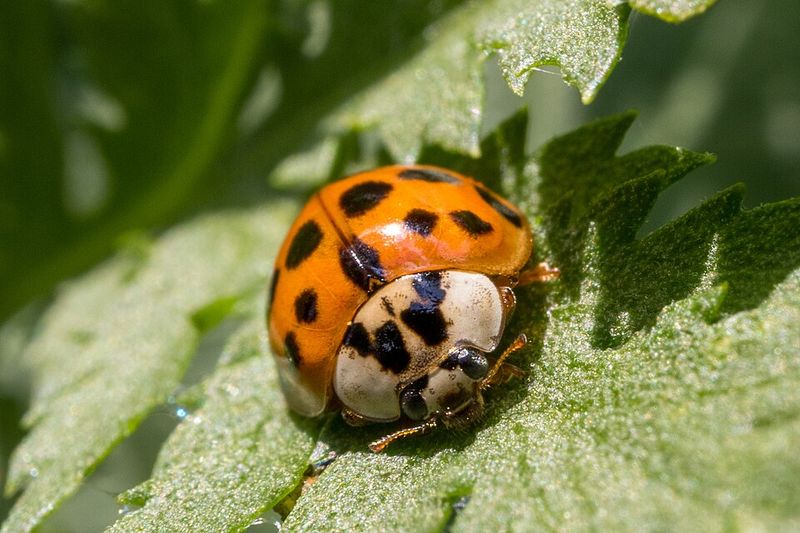
In the 1970s and 80s, scientists released a helpful beetle across parts of the United States. Their goal was simple, letting the beetles eat aphids that chewed up crops and trees.
The plan worked, maybe a little too well. The multicolored Asian lady beetle, native to China, Japan, and Korea, spread quickly and settled in Indiana.
Adult beetles can live for two or three years, which is unusually long for an insect this size. That lifespan lets a single generation return to the same house year after year.
Out in fields and gardens, these orange bugs are genuine heroes. One beetle can gobble dozens of aphids in a single day, which farmers love.
Trouble starts when the days get shorter and cooler. Back home in Asia, the beetles spend winter tucked inside rocky cliffs and mountain cracks.
Indiana does not have many cliffs, so the beetles pick the next best thing. Your house, with its tall walls and cozy gaps, looks like a perfect rock face.
Most flights happen on sunny afternoons in late September and October, right after a chilly spell. A warm day following cool nights is their signal to move.
Once inside a wall or attic, they sit quietly until spring warms things up. Then they wander out, confused and sleepy, heading toward windows and lights.
Scientists sometimes call this pattern aggregation, since the beetles gather using scent trails left by earlier visitors. A house that hosted a swarm one autumn tends to see another the next.
The Yellow Fluid Released Under Pressure
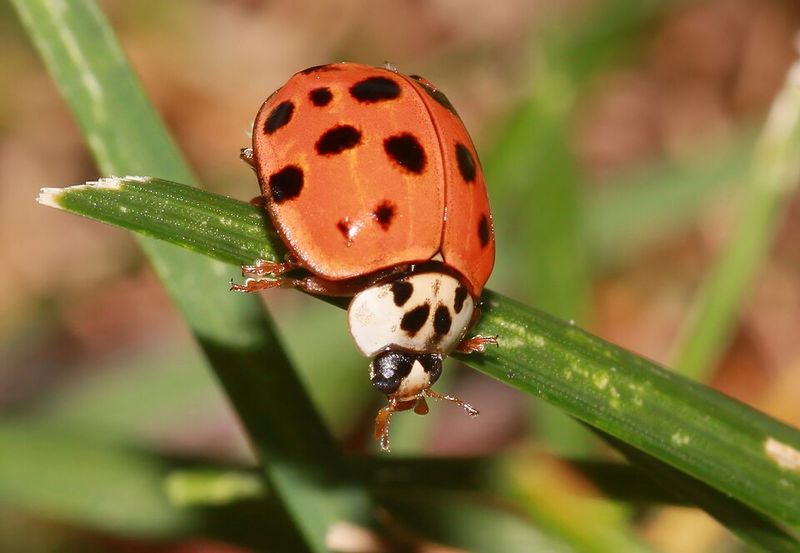
Go ahead and press one gently, and you will find out why swatting is a bad idea. A tiny drop of yellow-orange liquid oozes from its leg joints.
Scientists call this trick reflex bleeding. The beetle squeezes out some of its own blood, called hemolymph, whenever it feels squished or threatened.
This defense mechanism isn’t unique to Asian lady beetles, since many ladybug species use similar fluid when startled. The color and odor intensity can vary slightly between individual beetles, depending on how alarmed they feel.
That fluid packs a serious stink, often compared to rotten peanuts or wet leaves. The smell comes from chemicals called methoxypyrazines, which warn birds to back off.
Your Indiana Garden Changes Every Week. Your Plan Should Too.
Gardening in Indiana changes quickly throughout the season. Every Friday you’ll receive a simple weekly plan showing exactly what to plant, prune, fertilize, harvest, and protect so you never miss the right timing.
Birds and spiders usually get the message fast. One bitter taste teaches them that orange beetles are not worth a second try.
For homeowners, the bigger problem is the color. The yellow liquid can leave stubborn stains on light walls, curtains, carpet, and fabric furniture.
Some experts believe smashed beetles leave scents that draw even more beetles to that spot. You could accidentally be sending out a party invitation to the whole neighborhood.
If a stain does appear, a mix of warm water and mild dish soap usually lifts it before it sets. Acting quickly matters more than scrubbing hard, since the stain becomes harder to remove once it dries.
The fluid is not poisonous to people, though some folks get itchy skin or allergy symptoms. Washing your hands after touching one is a smart habit for everyone.
South-Facing Walls That Draw The Biggest Crowds
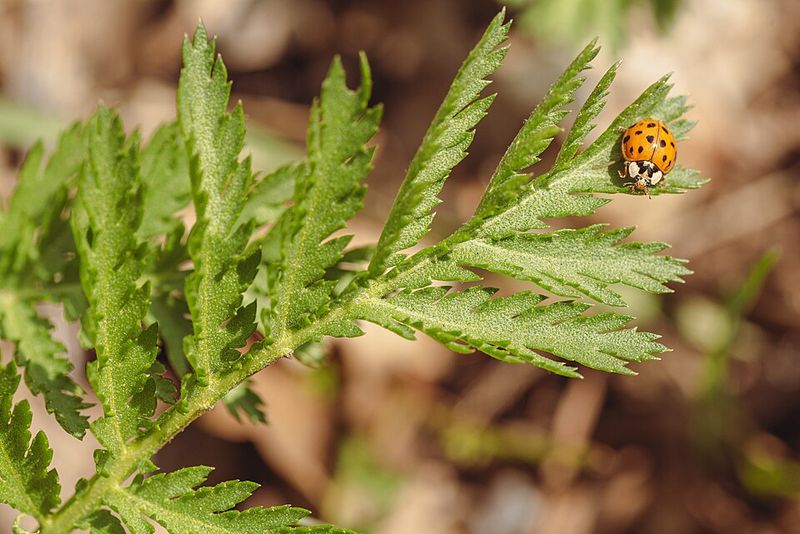
Ask any Indiana neighbor which side of their house gets swarmed, and most will point south or west. Those walls soak up the most afternoon sunshine in fall.
Beetles are cold-blooded, so warmth feels like a welcome sign. A sunny wall can be several degrees warmer than the shady side of the same house.
A simple test is to rest your palm against the siding in the afternoon sun. If that spot feels noticeably warmer than the rest of the house, expect beetles to notice it too.
Color matters too, surprisingly. Light-colored siding and walls that contrast with their surroundings seem to attract larger groups.
Homeowners with white or pale gray siding often report bigger swarms than those with darker brick or siding colors. Repainting is not practical for beetle control, but it helps explain why one house draws more visitors than its neighbor.
Researchers think the beetles spot bright, standout shapes from a distance, much like we notice a lighthouse. Once a few land, others follow the crowd.
Homes near woods, soybean fields, or orchards often see the heaviest action. Those areas feed huge beetle populations all summer long.
You can use this pattern to your advantage. Check your sunniest walls first when looking for cracks, gaps, and openings that need attention.
Porches, window frames, and door trim on the sunny side deserve extra focus. Those spots give beetles easy corners to squeeze behind.
Watch those walls on the first warm afternoon that follows a chilly stretch. Seeing where beetles cluster tells you exactly where your sealing efforts should start.
The M-Shaped Marking That Sets Them Apart
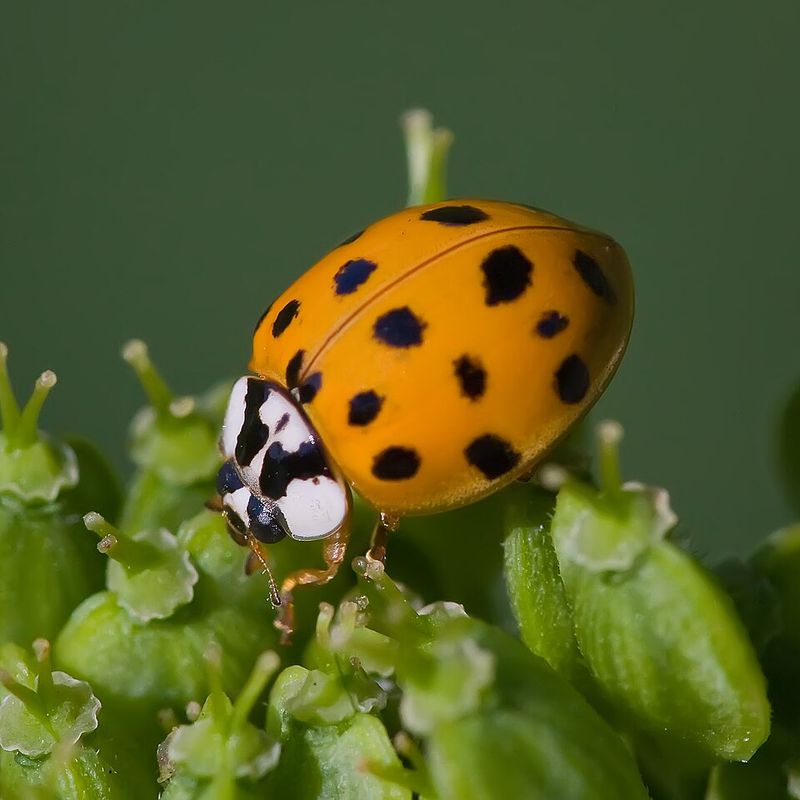
Not every orange beetle on your wall is the same bug. The quickest way to tell is to look right behind its head.
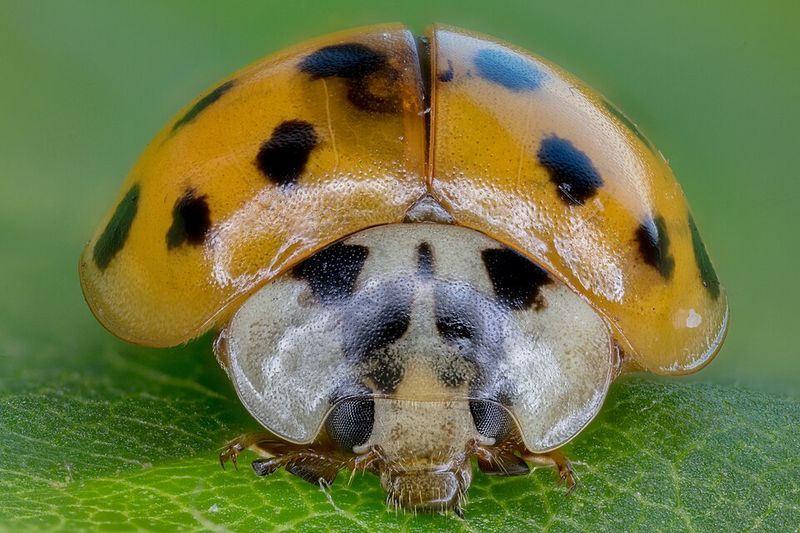
Asian lady beetles have a white area there with a black mark shaped like the letter M. Some people see it as a W, depending on which way it faces.
If the M mark is hard to spot, a local extension office can usually confirm identification from a clear photo of the beetle. Many offices track yearly beetle activity in the area.
Native ladybugs, like the convergent lady beetle, usually lack that clear M. They also tend to be smaller and prefer staying outdoors in winter.
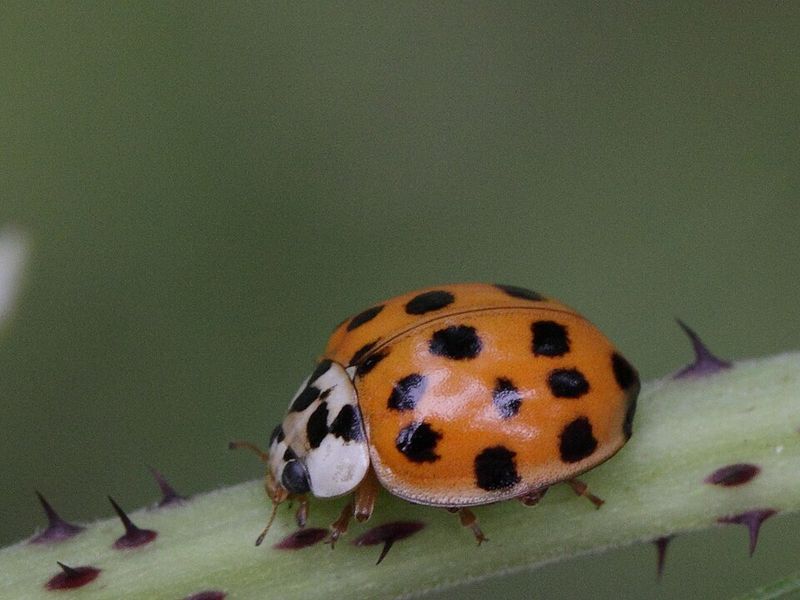
Color is less helpful than you might think. Asian lady beetles range from pale yellow to deep red, with anywhere from zero to twenty spots.
Size is another clue, since they are about a quarter inch long and shaped like a rounded dome. They look like a tiny split pea painted orange.
Young beetles look pale and soft right after emerging, then darken within a day or two. That explains why some beetles on a wall look almost colorless compared to their neighbors.
Here is a fun fact for your next dinner conversation. Asian lady beetles can pinch or nibble skin, which regular ladybugs rarely do.
The bite feels like a light prick and rarely breaks skin. Still, knowing the M mark helps you figure out which visitors are the uninvited ones.
Try snapping a close-up photo with your phone and zooming in. The marking pops out clearly, even on the smallest beetles.
Sealing Gaps Before The First Cold Snap
Think of September as your home’s last chance to lock the doors. Once cold weather arrives, beetles already inside will stay put until spring.
Start by walking around the house with a flashlight and a notepad. Look closely at window frames, door edges, siding seams, and places where pipes enter.
Cable lines, dryer vents, and gas meter openings are easy to overlook but offer beetles an easy path inside. A dab of caulk or a vent cover closes these gaps quickly.
Gaps smaller than a pencil eraser can still let beetles squeeze through. Clear or paintable silicone caulk works well for small cracks around trim.
Larger openings need expanding foam or copper mesh stuffed inside first. Weatherstripping along doors and a sweep on the bottom close off common entry spots.
Check window screens and repair any tiny tears with a patch kit. Attic vents and soffit vents should have fine screening that stays in good shape.
Timing matters a lot here. Finish this work before the first cold snap, usually in late September or early October across Indiana.
Pick a calm, dry day above 50 degrees so caulk sets properly. A weekend afternoon is often enough for a typical home.
A second walk-through after the first hard freeze can catch anything missed the first time. Beetles that found a gap earlier in fall will still be using it once temperatures drop further.
Bonus: sealing gaps also keeps out stink bugs, cluster flies, and chilly drafts. Your heating bill may even thank you this winter.
A Vacuum Trick That Avoids Stains
Here is the gentlest way to evict a crowd of beetles without a single smear. Grab your vacuum cleaner and a knee-high nylon stocking.
Push the stocking into the hose and fold its open end back over the outside. Wrap a rubber band around it, and you have a tiny catch bag.
Early morning works best for this method, since cooler temperatures make the beetles slower and easier to suction. Waiting until afternoon sun warms them up gives them more energy to scatter and fly off.
Now suction the beetles gently off walls, ceilings, and window sills. Because nobody squishes them, they release less yellow fluid and far less smell.
When you finish, pull the stocking out carefully and tie it closed. Release the beetles outdoors far from the house, or seal the stocking in a trash bag.
A shop vac with a clean canister works well too, as long as you empty it quickly. Leftover beetles can make the whole vacuum smell funky for weeks.
Skip indoor bug sprays, since beetles hidden in walls can attract carpet beetles later. Vacuuming is cleaner, cheaper, and safer for kids and pets.
One vacuuming session rarely clears every beetle for the season, since new arrivals keep landing through October. Checking the same walls every few days keeps the population from building back up indoors.
Light traps sold online can catch stragglers that sneak into dark attics. Pair one with the stocking trick, and your house stays mostly beetle-free until spring.