12 Arizona Native Wildflowers That Self-Seed Across a Yard Once You Plant Them
Picture scattering one packet of seeds in November and seeing flowers pop up in new spots year after year without spending another dime. Some Arizona native wildflowers do exactly that, dropping their own seeds and spreading across a yard with almost no help from you.
They handle blazing heat, rocky soil, and very little water, and they feed bees, butterflies, hummingbirds, and birds along the way. Here are 12 tough desert bloomers that can turn a bare patch into a living, buzzing habitat that keeps coming back.
1. Desert Marigold
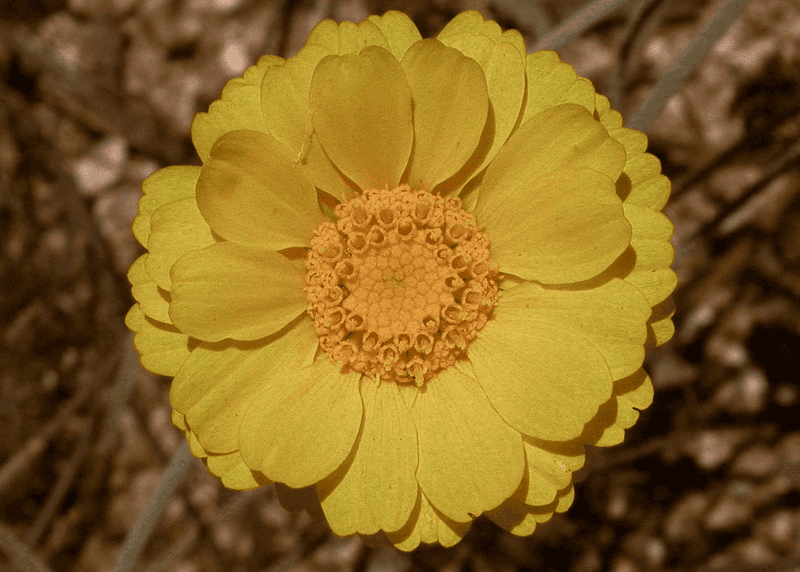
Ask any longtime Phoenix gardener which flower refuses to quit, and desert marigold usually tops the list. Baileya multiradiata blooms in sunny yellow almost all year, with its biggest flush in spring and again after monsoon rains.
The magic happens when the papery old flowers dry out on the stems. Each one drops seeds that land in gravel, along driveways, and in cracks near walkways, where new plants sprout the following cool season.
You get a loose, natural spread that looks like the desert planted it, not you.
Silvery, fuzzy leaves help the plant reflect harsh sun and hold onto moisture, so it shrugs off 110-degree afternoons. Once established, it may need only an occasional deep drink during long dry spells.
Too much water or rich soil can actually shorten its life.
Bees and butterflies visit the blooms constantly, and seed-eating birds like finches pick at the dried heads in fall. Sow seed from October to November on bare, lightly raked soil, press it in, and water lightly until sprouts appear.
Leave some faded flowers on the plant instead of trimming everything, since those are your future volunteers. One small patch can easily become a golden ribbon across the yard within a couple of seasons.
2. Mexican Gold Poppy
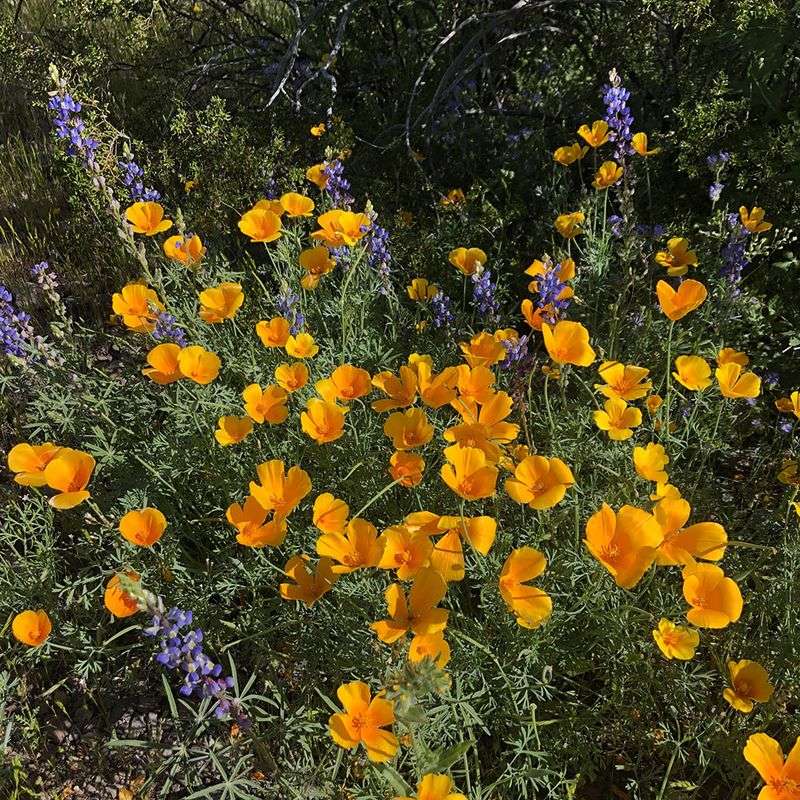
Late February in the Sonoran Desert can look like someone spilled orange paint across the hills. Much of that glow comes from Mexican gold poppy, a cousin of the California poppy that grows wild right here in Arizona.
Plants are winter annuals, which means they sprout with fall and winter rains, bloom from February to April, then set seed and fade before summer heat arrives. That short life cycle is a smart survival trick.
Instead of struggling through June, the poppies leave behind thousands of tiny seeds that wait in the soil for the next cool, wet season.
Once you scatter seed in October or November, expect repeat shows for years. Good winter rain years bring huge carpets, while dry years may bring just a few flowers, so a little supplemental water in December and January can help.
Native bees love the open, cup-shaped blooms, which close at night and on cloudy days. Plant them in full sun on bare, well-drained soil, and skip the fertilizer entirely.
When the plants turn brown in May, let them sit a few weeks so pods can split open. After that, simply rake lightly and let the yard rest until the next wildflower season.
Your Arizona Garden Changes Every Week. Your Plan Should Too.
Gardening in Arizona changes quickly throughout the season. Every Friday you’ll receive a simple weekly plan showing exactly what to plant, prune, fertilize, harvest, and protect so you never miss the right timing.
3. Blackfoot Daisy
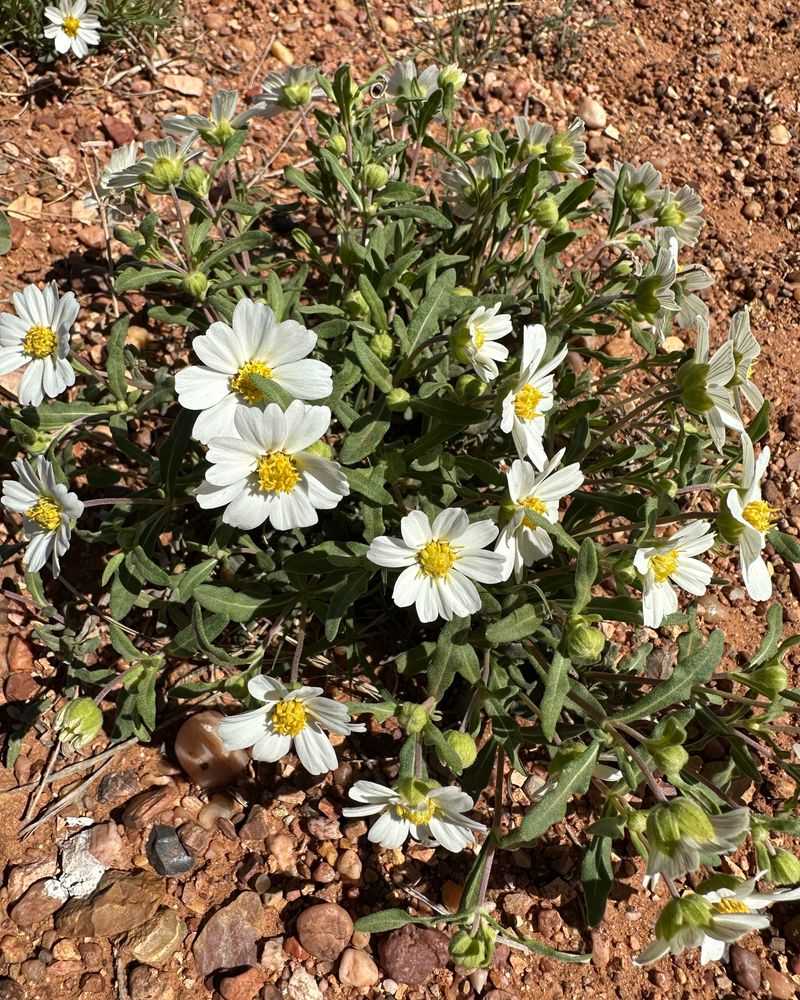
Small but mighty, blackfoot daisy forms neat, rounded mounds covered in white petals with cheerful yellow centers. It rarely grows taller than a foot, which makes it a perfect edging plant along paths, patios, and rock borders.
Why the odd name? The black, spiky bracts hiding under each flower head give it away if you flip one over.
Those same bracts hold the seeds, and when they drop, new seedlings pop up nearby, slowly filling gaps in the planting bed.
Melampodium leucanthum blooms from spring into fall and carries a light honey scent on warm days. Native bees and small butterflies visit steadily, making it a quiet little pollinator station near your door.
Soggy soil is its biggest enemy. Plant it in gritty, fast-draining ground with reflected heat from rocks or walls, and it will thrive where many flowers would struggle.
Water deeply every week or two in summer, then back off in winter.
Fall planting gives roots time to settle before heat hits. If plants get woody after a few years, trim them back by about a third in late winter, and let the young volunteers step in as replacements.
It is a self-renewing border that nearly runs itself.
4. Blue Flax
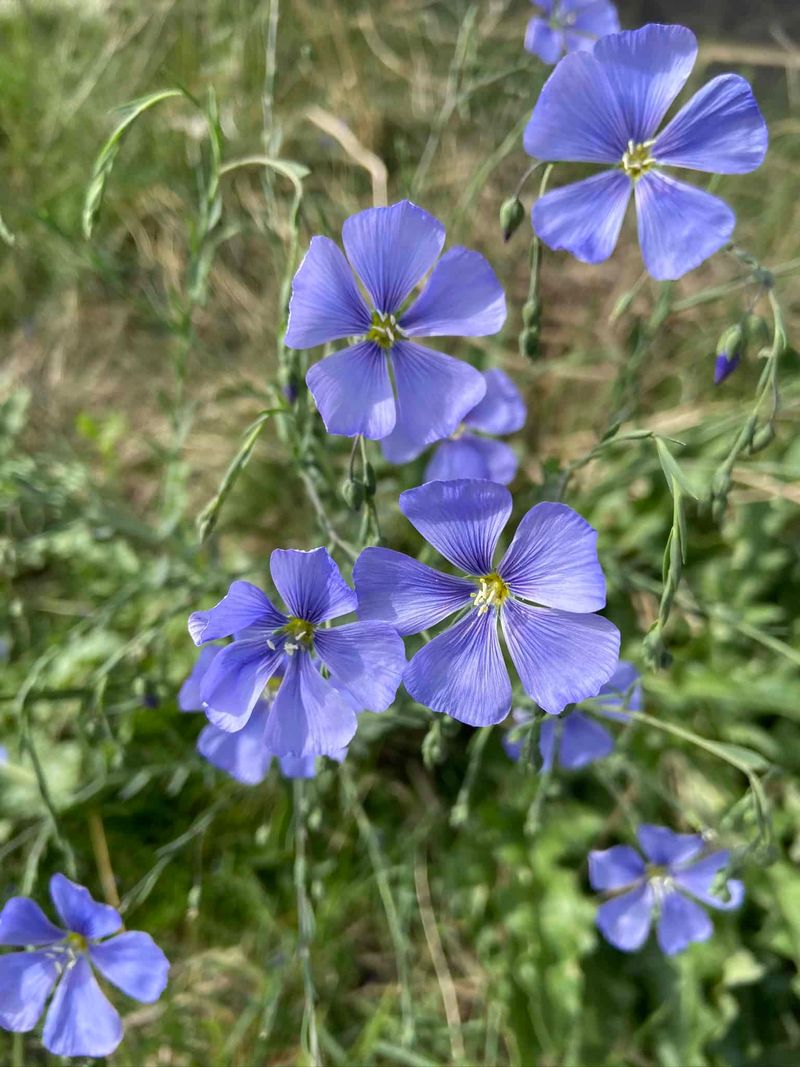
Few flowers feel as airy as blue flax. Thin stems sway with the lightest breeze, and each morning they open fresh, sky blue blooms that drop their petals by afternoon.
Linum lewisii is native across much of the West, including parts of Arizona, and it earns its spot by reseeding reliably. Round seed capsules form after blooming, split open, and scatter seeds around the base of the plant.
Within a year or two, you may notice soft blue clusters appearing in new corners of the bed.
In the low desert, blue flax performs best with a touch of afternoon shade, such as under the filtered canopy of a mesquite or palo verde. Full western sun in July can stress it, so give it a spot with a little relief.
Water every week or so in the hottest months once it settles in.
Here is a fun bit of history. Lewis Flax is named after Meriwether Lewis, who collected it during his famous expedition in 1806.
Bees and small pollinators work the flowers early in the day. Sow seed in fall on the soil surface, since it needs a bit of light to sprout.
Pair it with yellow desert marigold for a striking color combo.
5. Globemallow
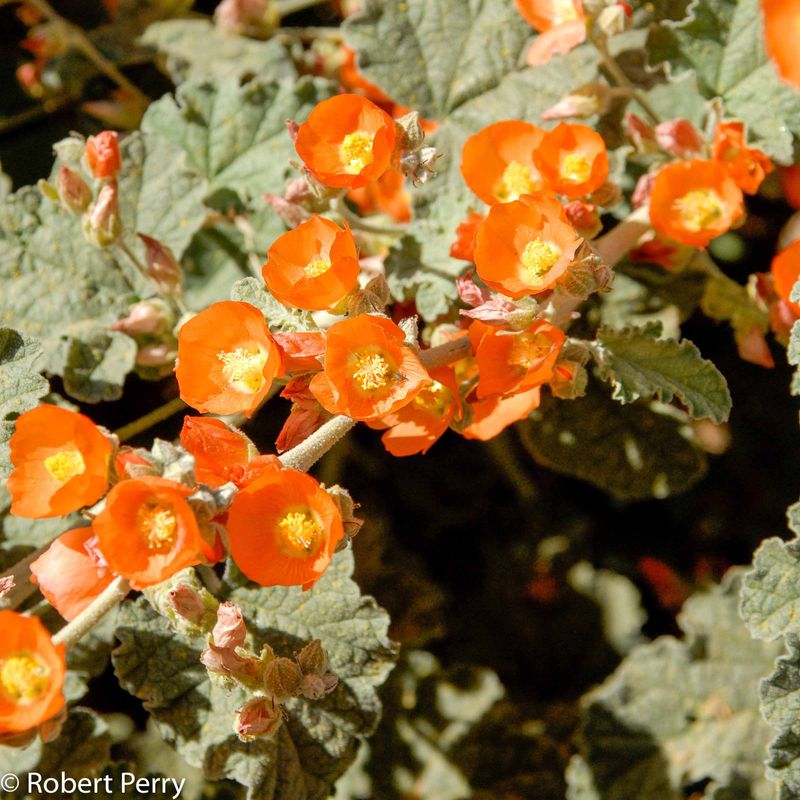
Hummingbirds seem to have a radar for globemallow. The moment those apricot, pink, or red cup-shaped flowers open in spring, you will likely spot tiny wings zipping around the plant.
Sphaeralcea ambigua is a shrubby perennial that grows about three feet tall and wide. It handles brutal sun, reflected heat from block walls, and poor caliche soil without complaint.
Many Arizona yards have globemallow that started from one plant and now shows up in three or four spots thanks to its generous seed drop.
Native bees are big fans too, especially the specialist bees that depend on mallows for pollen. That makes it a valuable piece of a habitat-focused yard, not just a pretty face.
A quick heads-up for planting near patios. The fuzzy leaves have tiny hairs that can irritate skin and eyes, which earned it the nickname sore-eye poppy, so place it a few feet back from seating areas.
Plant in fall, water every week or two the first summer, then barely at all once established. After spring bloom slows, cut it back by half to keep it tidy.
Leave a few seed heads, and new plants will quietly fill in open ground.
6. Desert Bluebells
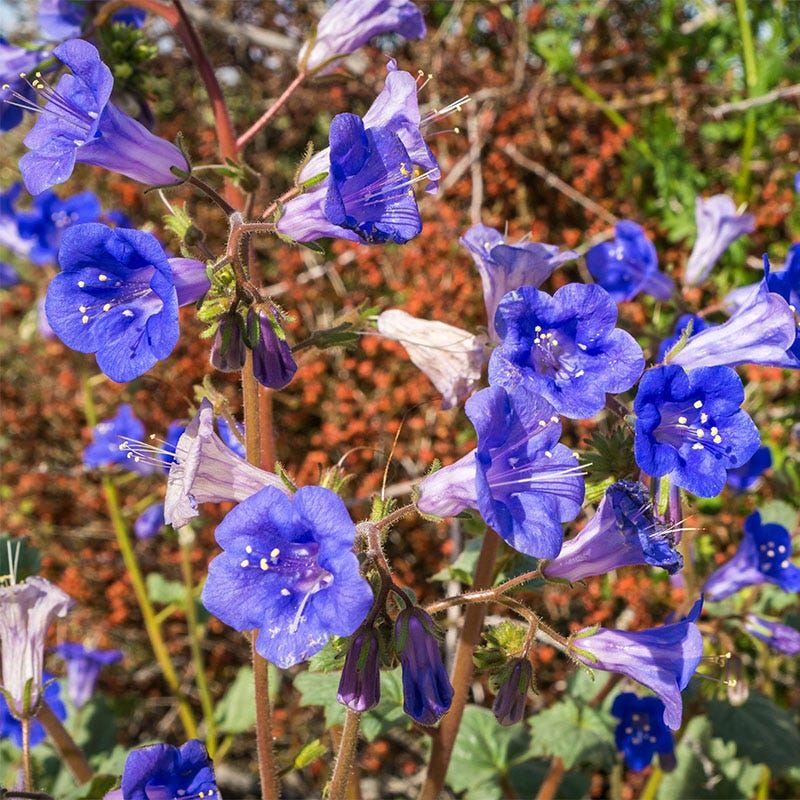
Blue is a rare color in the desert, and desert bluebells deliver one of the richest shades you will ever see. The bell-shaped flowers glow a deep, true cobalt that almost looks unreal against tan gravel.
Phacelia campanularia is a winter annual native to the low desert. Seeds sprout with fall rains, plants grow through winter, and flowers open from February into April.
By May, the plants dry out, leaving seed behind for next year.
Once you establish a patch, it tends to return on its own each spring, often wandering a few feet each season. Sandy or gravelly soil suits it best, along with full sun and good drainage.
Native bees, including bumblebees, visit the blooms often, and the flowers help support early-season pollinators when little else is open. That makes them a smart choice for anyone building a wildlife-friendly yard.
A small warning helps here. Touching the sticky leaves can cause an itchy rash for some people, similar to a mild plant allergy, so wear gloves when weeding nearby.
Scatter seed in October or November, rake it in lightly, and water occasionally during dry winter stretches. After that, simply let nature take the wheel.
7. Arizona Lupine
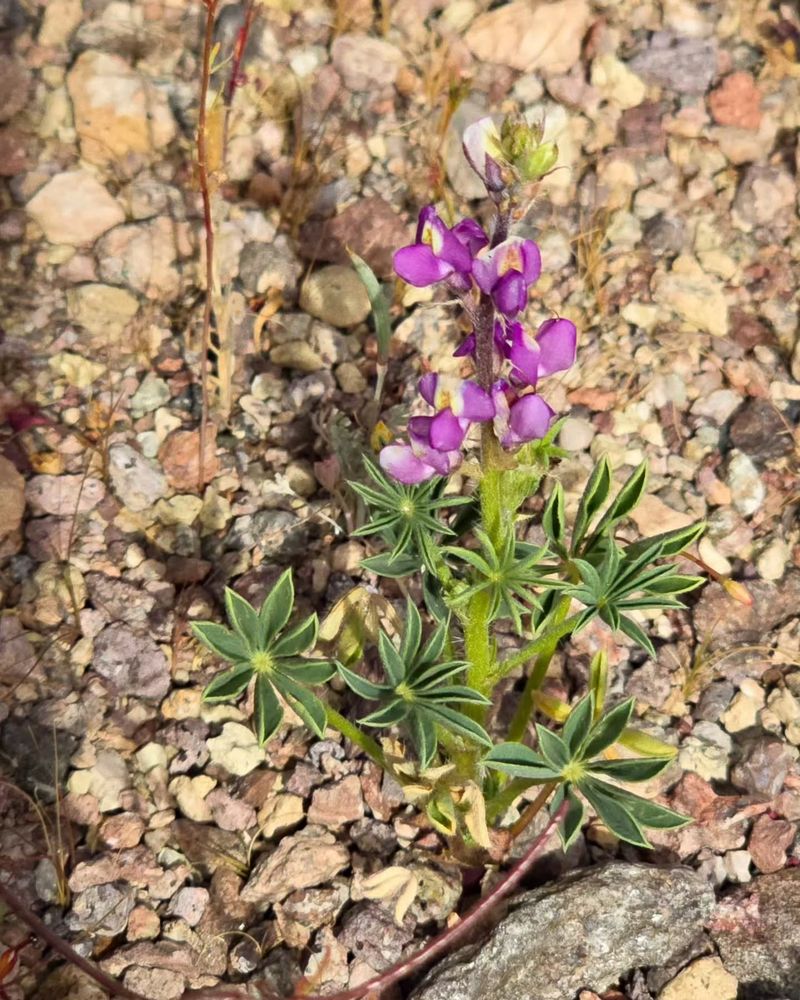
Walk through a desert wash in March and you may catch a sweet grape-like scent drifting from purple spikes. That is Arizona lupine, and it pulls double duty as both a wildflower and a quiet soil helper.
Like other lupines, Lupinus arizonicus belongs to the pea family. Its roots partner with helpful soil bacteria to capture nitrogen from the air, which can slowly improve poor desert ground for neighboring plants.
It is a small, natural boost with zero fertilizer bags involved.
Plants sprout after fall rains, flower from February to April, then form fuzzy pods. When those pods dry, they pop open and can fling seeds several feet, spreading the patch farther each year.
Bumblebees and other native bees love the flowers. The pea-shaped blooms need a strong bee to push them open, so you get a front-row seat to some impressive pollinator work.
Seeds have a tough coat, so soak them overnight in warm water or nick them lightly before sowing in fall. Plant in full sun in sandy or gravelly soil.
Mix them with Mexican gold poppies for the classic purple and orange spring show that desert hikers love.
8. Parry’s Penstemon
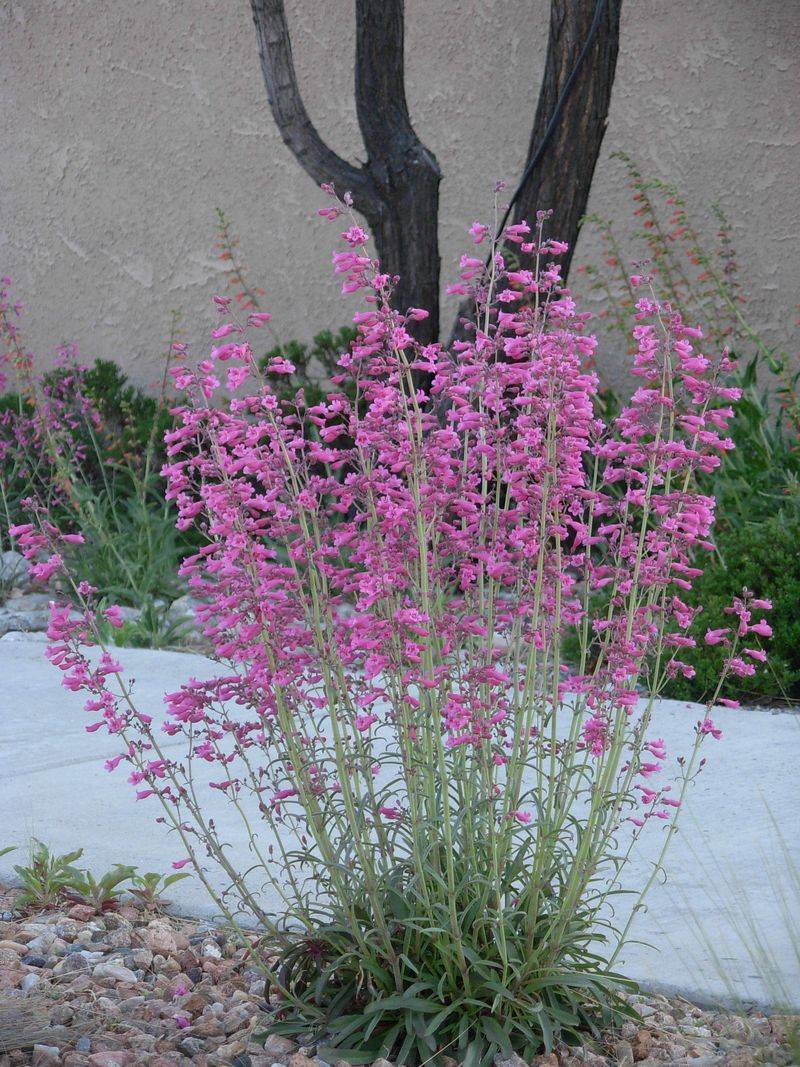
If you want hummingbirds lining up in your yard every spring, Parry’s penstemon is hard to beat. Tall stems shoot up two to four feet and load up with rosy pink tubular flowers that fit a hummingbird beak perfectly.
Penstemon parryi is native to southern Arizona and grows in rocky canyons and washes. It is a short-lived perennial, usually lasting only a few years, but that barely matters.
Plants reseed so freely that fresh seedlings take over before the older ones fade.
Gardeners often find baby penstemons popping up in gravel paths and along walls, far from where the first plant grew. Pull any that land in the wrong spot, and let the rest grow into new clumps.
Bloom time runs from February to April, just when migrating hummingbirds need energy. Native bees also visit, crawling right into the flower tubes.
Plant in fall in full sun or light shade with excellent drainage. Water about every two weeks during the first summer, then back off.
Once flowers finish, wait until seed capsules turn brown before trimming stalks. Shake those stalks over bare ground if you want to guide where the next generation grows.
9. Firewheel (Blanket Flower)
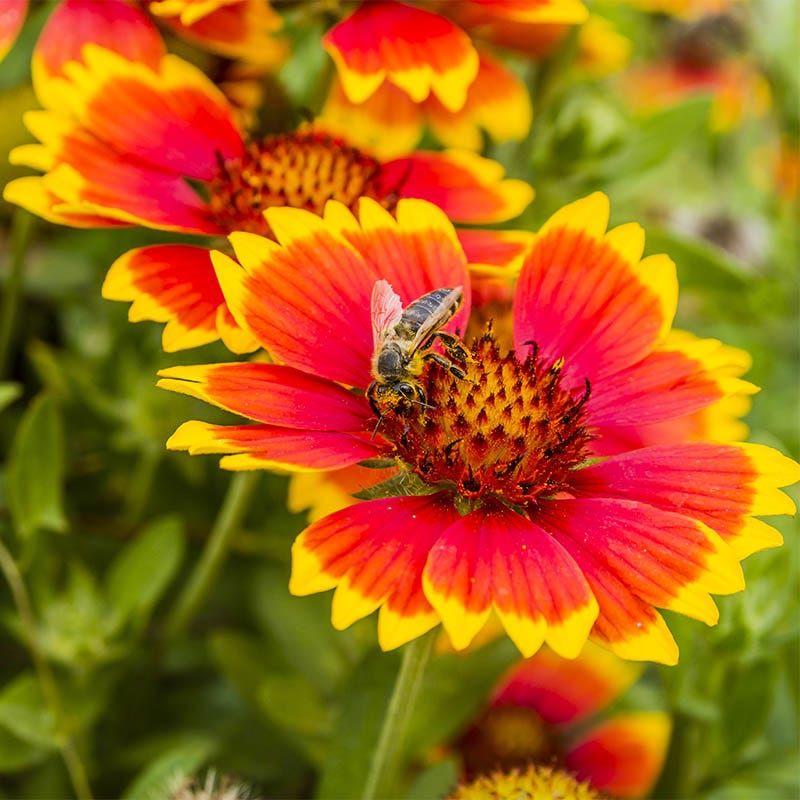
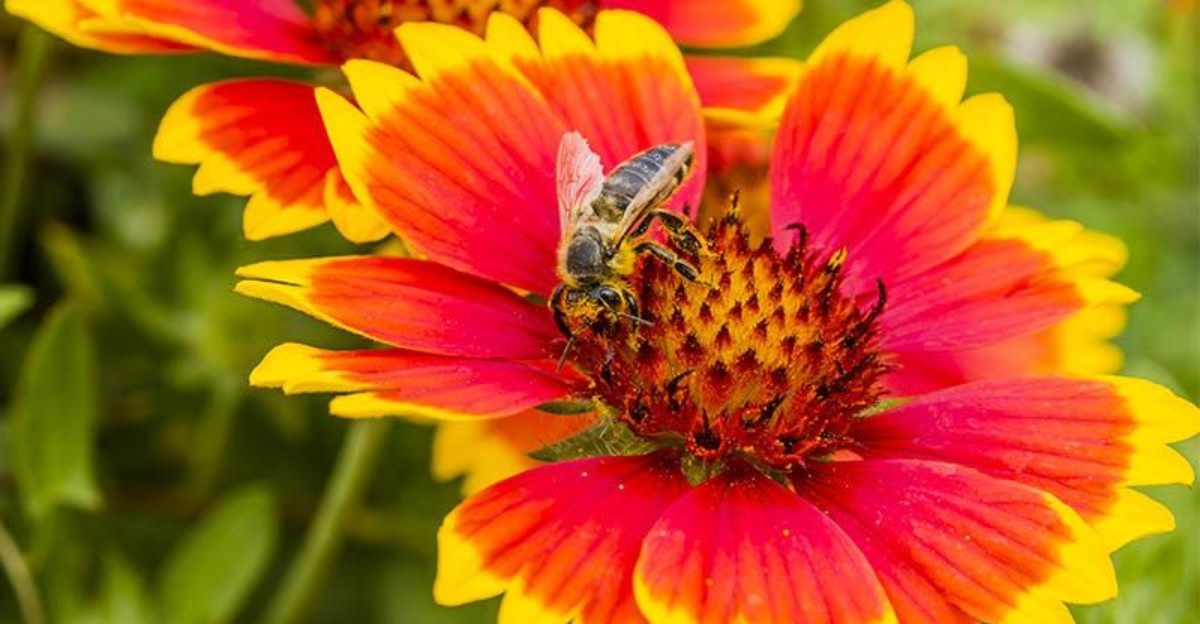
Bold, fiery, and a little bit wild, firewheel looks like a tiny sunset on a stem. Each bloom has red petals tipped in bright yellow, circling a domed center that turns into a round seed head.
Gaillardia pulchella, also called Indian blanket or blanket flower, grows naturally in parts of Arizona and does well in the low desert. It is an annual or short-lived perennial, but it reseeds enthusiastically.
One summer of blooms usually means a crowd of seedlings the next year.
Butterflies, native bees, and even small beetles visit the flowers. When the seed heads dry, goldfinches and sparrows often perch on the stems to snack, adding even more life to your yard.
Firewheel tolerates heat, poor soil, and dry spells, though it blooms longest with a deep watering every week or so in summer. Avoid rich soil or heavy fertilizer, which makes the plants floppy and short-lived.
Sow seed in fall or late winter in full sun, and barely cover it. Deadheading extends the bloom season, but leave some flowers to ripen if you want volunteers.
It is a fun, forgiving choice for kids or first-time wildflower growers.
10. Desert Sand Verbena
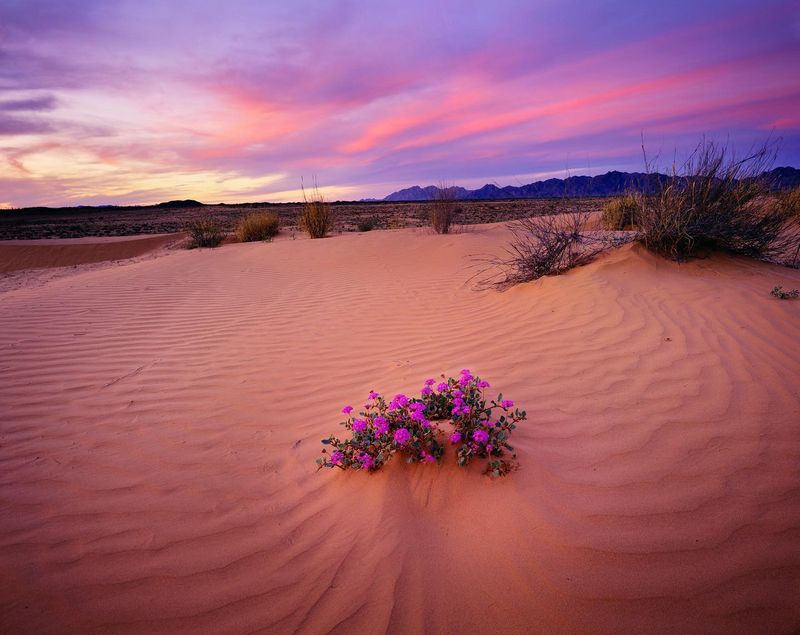
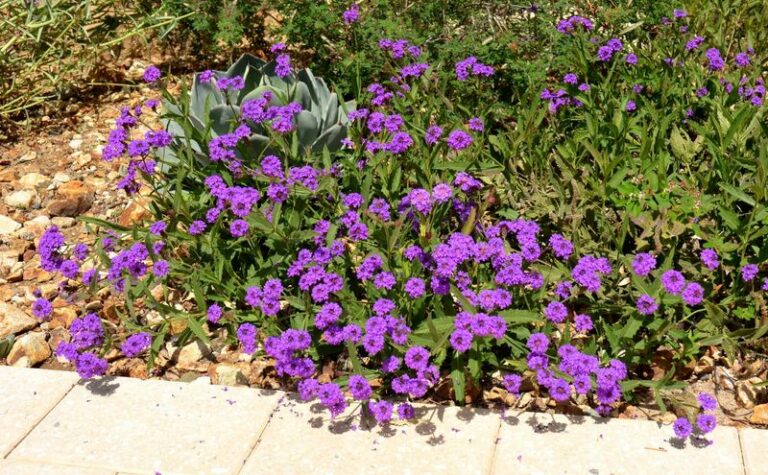
Step outside on a spring evening and you might smell desert sand verbena before you see it. Its rounded clusters of magenta-purple flowers release a sweet fragrance that gets stronger as the sun goes down.
Abronia villosa is a low, sprawling annual that hugs the ground, making it a lovely natural groundcover for sandy spots. Native to the low deserts of Arizona, it often pairs with evening primrose in the wild, painting dunes purple and white after good winter rains.
Nighttime scent is no accident. Sphinx moths and other evening pollinators follow that perfume, so planting it adds after-dark activity to a habitat yard.
Butterflies and bees visit during the day too.
Loose, sandy, fast-draining soil is a must. Heavy clay or caliche usually disappoints, so try it in raised beds, sandy washes, or along a gravel path.
Seeds can be slow to sprout, so sow generously in fall and water lightly during dry winter weeks. Once plants flower and set seed, the papery winged seeds tumble across the ground and settle in new places.
Over a few seasons, the patch wanders to wherever the soil suits it best.
11. Owl’s Clover
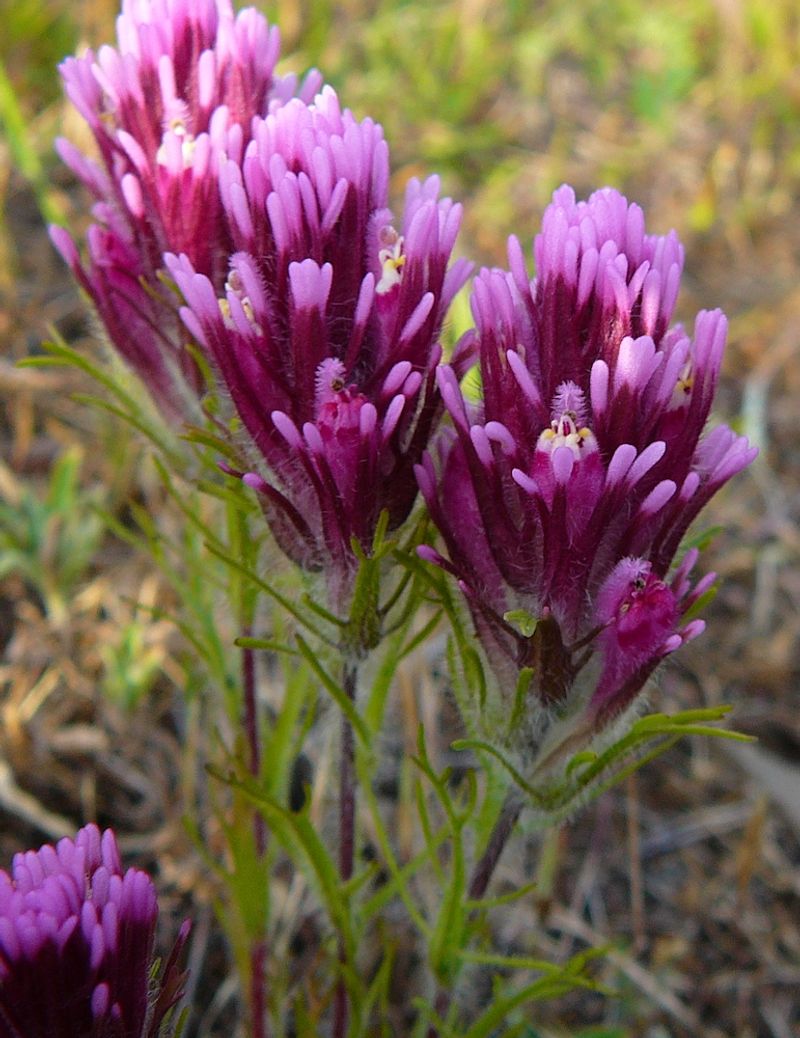
Look closely at owl’s clover and you may see where the name comes from. The small flowers have little markings that some people say resemble tiny owl faces peeking out from a fuzzy pink spike.
Castilleja exserta is a native winter annual found all over Arizona’s lower deserts. Despite the name, it is not a clover at all but a relative of Indian paintbrush.
It blooms in March and April, often mixed in with poppies and lupines.
Here is a quirky fact. Owl’s clover can partly tap into the roots of nearby plants for extra water and nutrients, so it tends to grow best when planted with other wildflowers or native grasses rather than alone.
That neighborly habit makes it a great addition to a wildflower mix. Scatter its seed together with Mexican gold poppy, lupine, and bluebells in fall for a full spring meadow effect.
Bees and butterflies visit the soft spikes, and seed-eating birds help themselves later. After blooming, the plants dry and drop tiny seeds that wait for next year’s rains.
Water lightly during dry winters for better displays, and resist the urge to clear the area until seeds have fallen.
12. Desert Chia
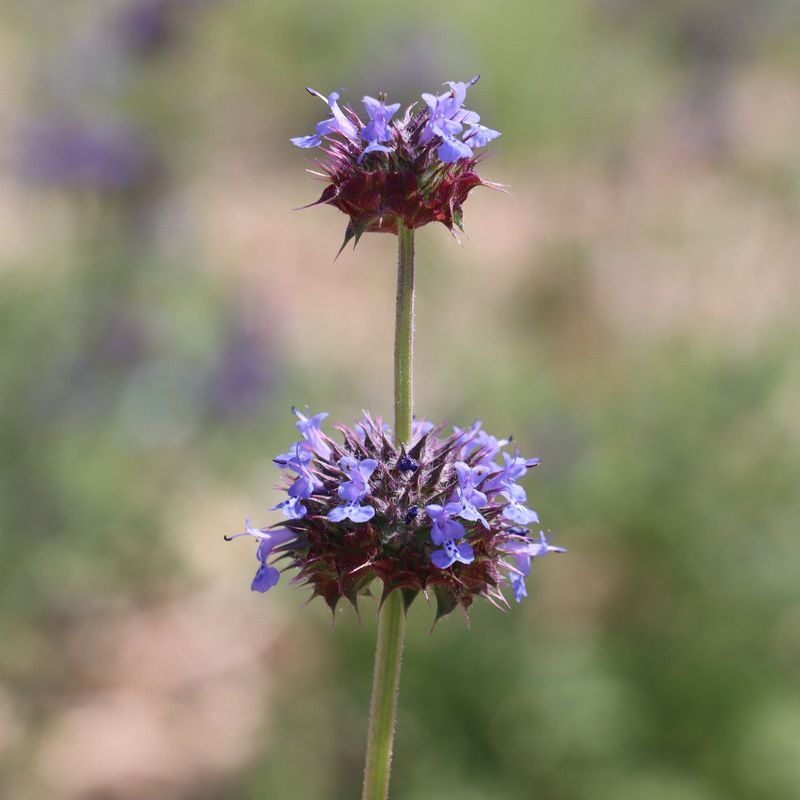
Long before chia seeds showed up in smoothies, desert peoples gathered them from a humble wildflower growing right here in Arizona. Desert chia, Salvia columbariae, is a native sage with a rich history as a trail food.
Plants stay small, usually under a foot and a half tall. Round, stacked clusters of blue-purple flowers circle the stems like beads, blooming from March through May.
Chia is a winter annual that sprouts after fall rains and sets loads of tiny seeds by late spring. Those seeds fall right around the parent plant, and a patch can grow thicker each year with no extra effort from you.
Wildlife love it too. Native bees work the flowers, while quail, doves, and other ground birds scratch for the fallen seeds, turning your yard into a small buffet.
Having quail around adds charm and a lively morning soundtrack.
Plant in full sun in rocky, well-drained soil, the leaner the better. Sow seed in October or November and keep it lightly moist until sprouts appear.
After that, winter rain usually handles the rest. It is a small plant with a big story and an easy, self-renewing habit.