What To Do When Your Newly Planted Pansies Wilt Every Afternoon In North Carolina
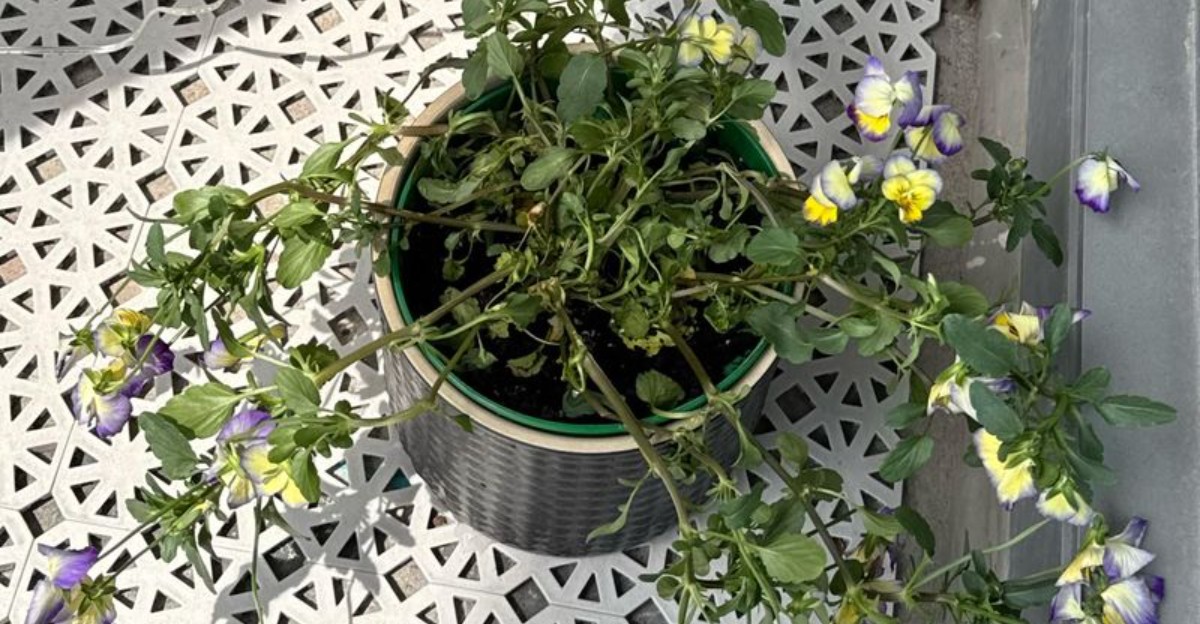
Pansies drooping dramatically in the afternoon sun, only to look perfectly recovered by the next morning, is a pattern that confuses a lot of North Carolina gardeners into thinking something is seriously wrong.
This daily wilt is often just a temporary response to heat stress rather than a sign of disease or root damage, especially in plants that haven’t yet built up the root system needed to keep pace with midday moisture demands.
Newly transplanted pansies are particularly prone to this cycle until their roots spread out and establish more fully in the surrounding soil.
Watering deeply in the morning, rather than trying to rescue wilted plants in the heat of the afternoon, tends to help far more effectively over time.
Recognizing this normal adjustment period saves gardeners from unnecessary worry while pansies work through the first few weeks after planting.
1. Check Whether They Recover By Evening
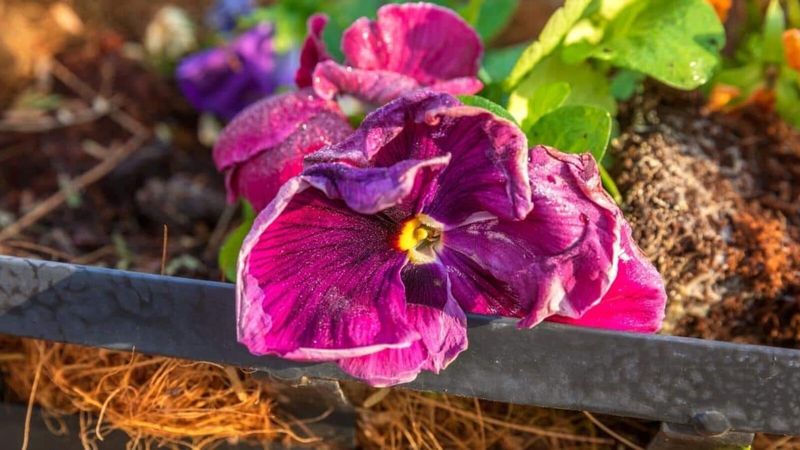
Your pansies are giving you clues, and the best ones show up after sunset. Before you change anything, spend a few days simply watching how your plants act from morning to evening.
Timing tells the story here. Pansies that droop during the warmest part of the day but stand tall again by evening or the next morning are usually reacting to heat and water loss.
Their leaves lose moisture faster than their young roots can replace it, so they sag for a while and then recover once the air cools.
Plants that stay limp even in cool evening air are a different case. When wilting sticks around overnight, the roots themselves may be in trouble, and that calls for a closer look.
A simple routine makes the pattern clear. Check your bed in the early morning and again in late afternoon for three or four days in a row. Each time, press a finger into the soil right around the root ball and notice whether it feels dry, damp, or soggy.
Jot down a quick note on your phone or a scrap of paper. Are the plants recovering faster each day, or getting weaker? That small record helps you pick the right fix instead of guessing.
North Carolina makes this step extra useful. Early fall nights often turn crisp while afternoons still climb into the 80s, so pansies can look rough at 4 p.m. and perfectly fine by breakfast.
Knowing that rhythm keeps you from panicking over plants that are actually doing okay.
2. Warm Soil Stresses Newly Planted Pansies
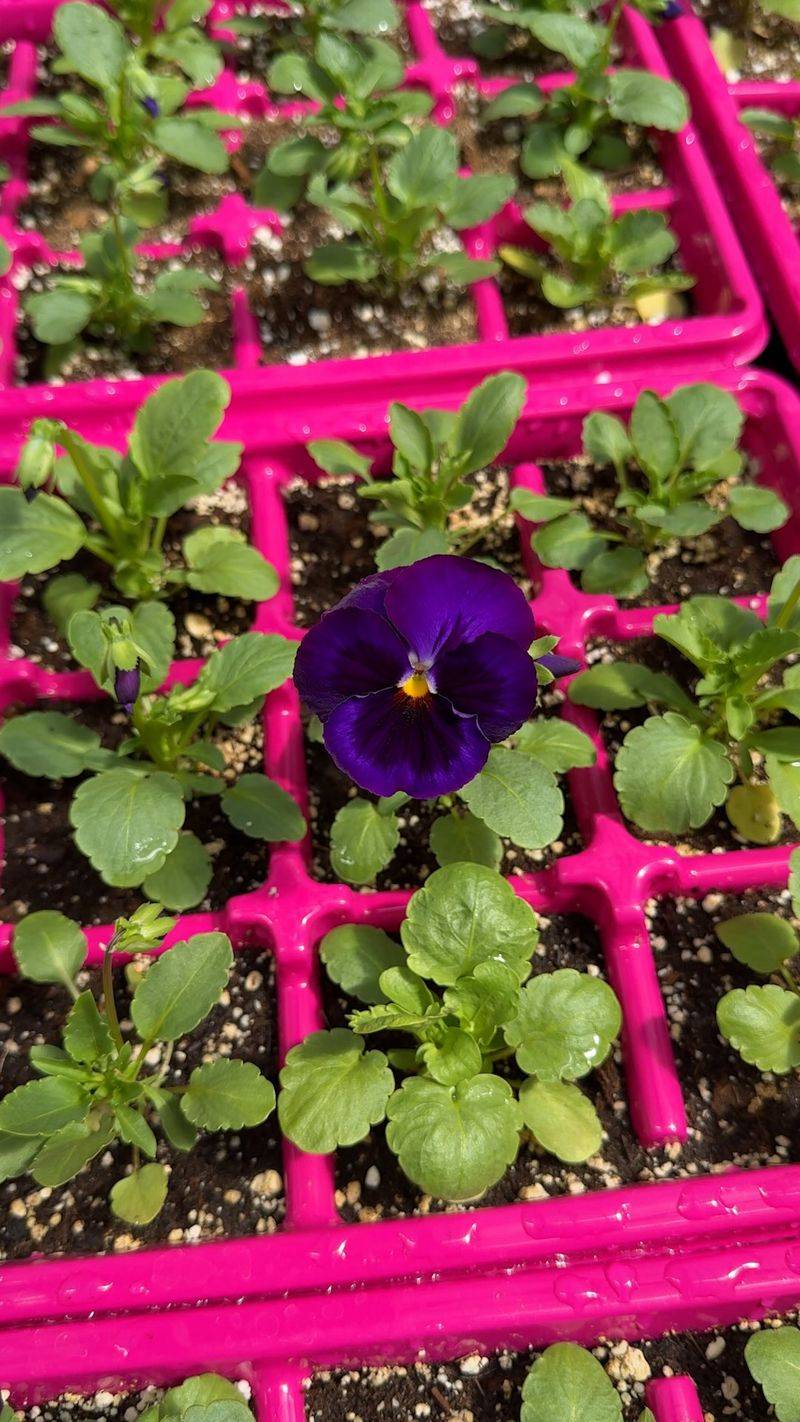
Pansies love sweater weather. They are cool season plants, so dropping them into soil that still holds summer’s heat is a bit like asking a polar bear to jog in July.
Warm soil slows root growth, and it also speeds up water loss from the ground. New plants end up with small, lazy roots that cannot pull in water fast enough to keep up with a warm afternoon. The result is that familiar daily droop.
For your next planting, watch the nights instead of the calendar alone. Wait until evenings are regularly cool before you plant. In the Mountains, that usually means September.
Your North Carolina Garden Changes Every Week. Your Plan Should Too.
Gardening in North Carolina changes quickly throughout the season. Every Friday you’ll receive a simple weekly plan showing exactly what to plant, prune, fertilize, harvest, and protect so you never miss the right timing.
The Piedmont hits its sweet spot from late September through October, while the Coastal Plain does best from October into November.
Already planted? No problem, because mulch can help right now. Spread a 1 to 2 inch layer of pine straw or fine shredded bark around your current pansies.
That blanket shades the soil, keeps it cooler, and slows evaporation, which gives roots a calmer place to grow.
Keep the layer light and even so water still soaks through easily. Pine straw is a favorite across the state because it is cheap, easy to find, and looks tidy in beds.
Here in North Carolina, garden centers often fill their shelves with pansies while warm weather is still hanging around.
Those bright colors are tempting, and buying early is fine. Just know that early plantings need a little extra care until the soil finally cools down.
3. Root Balls Dry Faster Than The Surrounding Soil
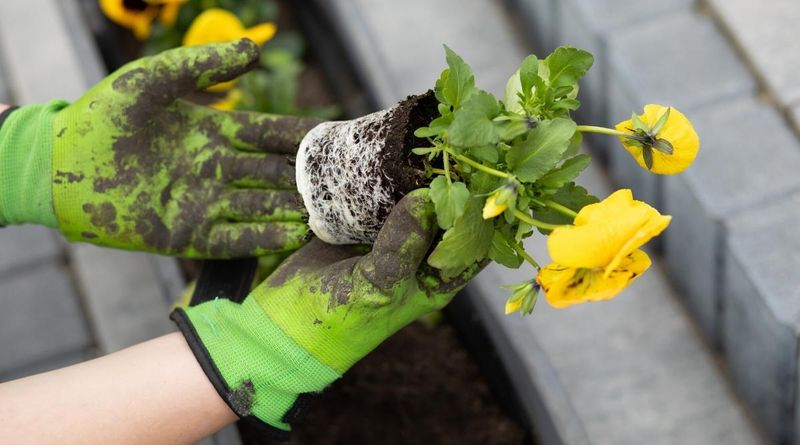
Here is a sneaky problem that fools plenty of gardeners. The soil in your bed might feel nicely moist, yet the small clump of roots in the middle can be bone dry.
Why does that happen? Nursery potting mix is fluffy and drains much faster than garden soil. Until the roots grow out into the bed, your pansy depends almost entirely on the water held in that tiny root ball, which can empty out quickly.
Aim your watering right where it counts. Instead of sprinkling the whole bed, point the hose or watering can directly over each plant’s root ball. A slow, steady stream soaks in better than a quick splash.
Your finger is the best tool for checking. Push it gently into the potting mix right next to the stem, not just the garden soil a few inches away. If the root ball feels dry, it needs a drink, even if the surrounding dirt seems fine.
Planting day offers another chance to help. When you slide a pansy out of its pack, look for roots wrapped in circles around the bottom. Tease them apart gently with your fingers so they point outward.
Loosened roots spread into the bed faster, which means the plant stops relying on that small, thirsty clump.
North Carolina fall days can be warm and breezy at the same time, and that combo pulls moisture out fast. A small root ball can go from damp to dry in a single day, so checking often during the first couple of weeks really pays off.
4. Water Deeply In The Morning
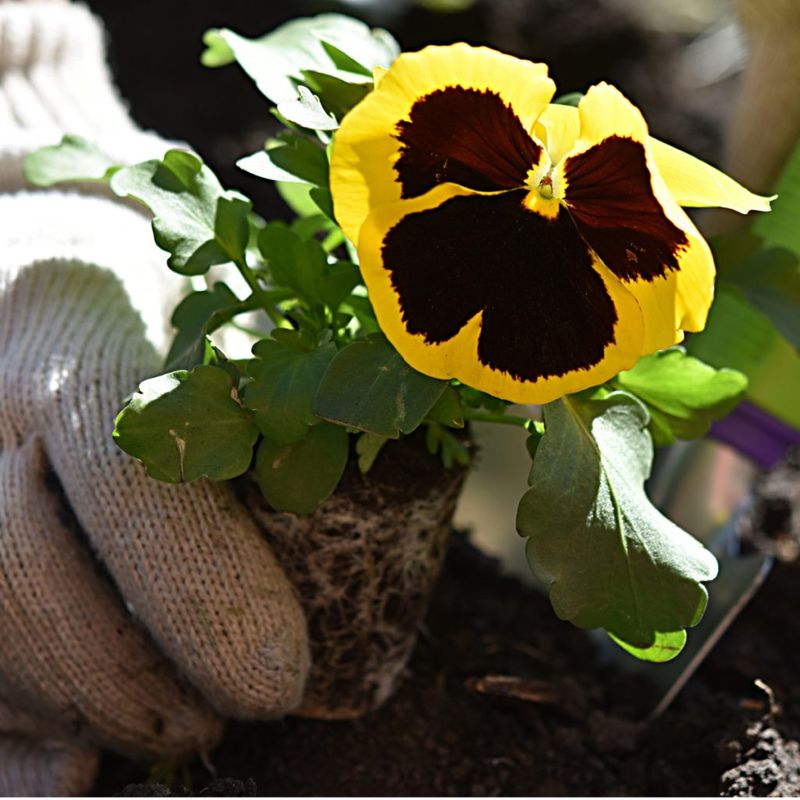
Morning coffee for you, morning water for your pansies. A good soak early in the day sets your plants up to handle whatever the afternoon throws at them.
Water given in the morning has time to move into the root zone before the heat arrives. Plants can draw on that moisture when the sun is strongest. Leaves also dry off during the day, and dry leaves are less likely to pick up fungal diseases.
New plantings need the most attention at first. For the first week or two, water deeply every day or two as needed, letting the water sink well into the root ball.
As roots reach out into the bed, you can slowly stretch the time between waterings. Always check before you pour. Stick a finger an inch or two into the soil. If it feels moist, skip watering and check again tomorrow.
If it feels dry, go ahead and give a slow, thorough soak. Now for the tricky part. When pansies droop at 4 p.m., the urge to grab the hose is strong. Resist it if the soil is already moist, because extra water will not fix heat stress.
It only crowds the roots and invites rot. That temptation is especially common in North Carolina, where daily afternoon wilting can last for weeks during a warm fall.
Many gardeners end up drowning plants that just needed patience. Trust your finger test, stick to morning watering, and let cooler evenings do the rest.
5. Soggy Soil Can Lead To Root Rot
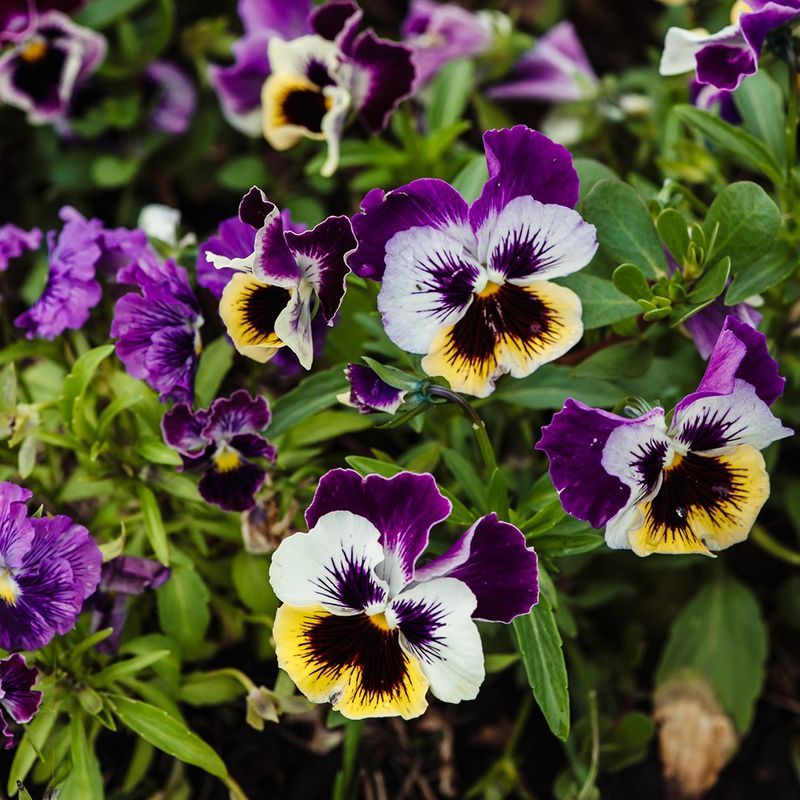
Wet soil and wilted leaves seem like a strange pair. Yet when pansies flop even though the ground is soaked, the roots may be in real trouble.
Pansies are prone to root diseases such as black root rot and Pythium, especially in beds that drain poorly. These diseases damage the roots so badly that they cannot take up water.
So the plant wilts while sitting in moist soil, almost like someone thirsty with a glass of water just out of reach.
Play detective with one plant. Gently pull up a wilting pansy and look at the roots. Healthy roots are white and firm. Rotting roots look dark, feel soft or mushy, or are few and far between.
If you find rot, remove the affected plants so the problem does not spread. Then work on drainage. Raised beds are a great choice, and mixing compost into the planting area helps water move through the soil instead of pooling.
Crop rotation matters for flowers too. If root rot has shown up in a bed before, avoid planting pansies in that same spot year after year. Disease organisms can linger in the soil and attack the next batch.
Try snapdragons, ornamental kale, or another cool season option there instead. Piedmont gardeners know all about stubborn red clay.
That heavy soil holds water like a sponge, and steady fall rains can keep beds soggy for days. Good drainage is often the single biggest step toward healthy pansies in this part of the state.
6. Plant At The Right Depth
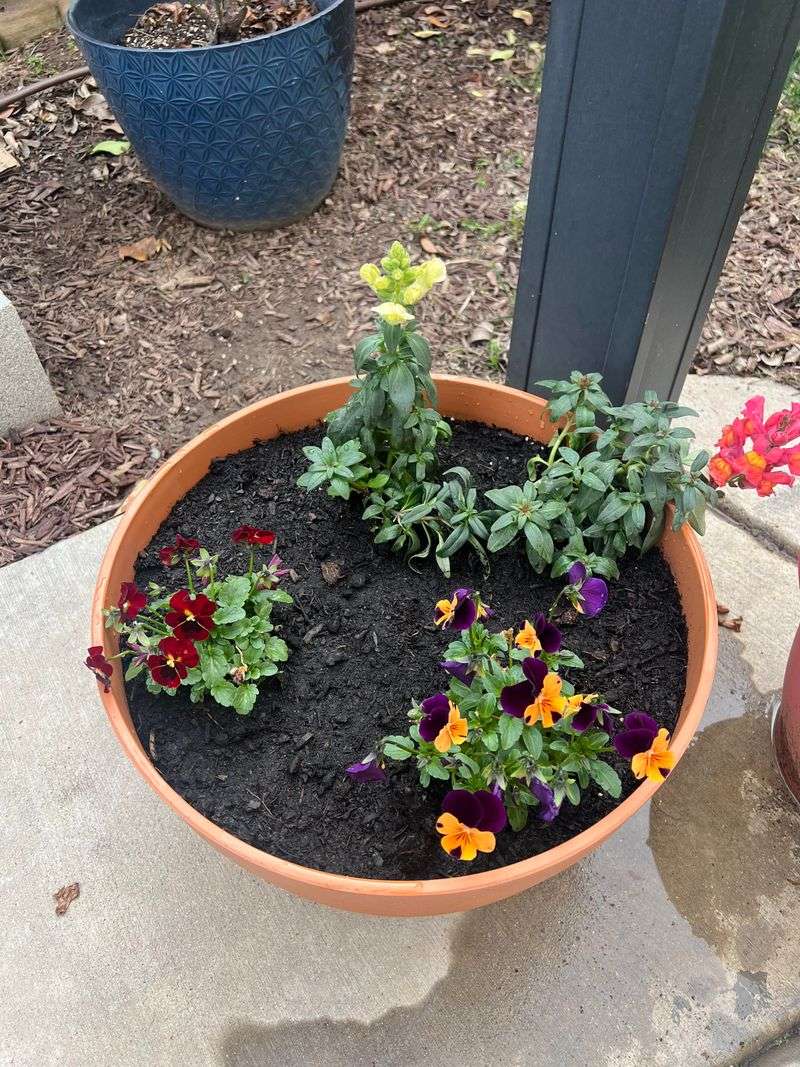
A single inch can make a surprising difference. Set a pansy too low or too high, and it may struggle all season long. Planting too deep causes one set of problems.
When soil piles up around the stem, moisture stays trapped against it, and pansies can develop stem and crown rot. The plant weakens right where the stems meet the roots, which leads to steady wilting.
Planting too high brings the opposite trouble. If the top of the root ball pokes above the soil, that exposed potting mix acts like a wick and dries out quickly. Sun and wind pull the moisture right out, leaving the roots parched.
Getting it right is easy. Dig a hole just deep enough so the top of the root ball sits level with the surrounding soil. Place the plant, fill in around the sides, and firm the soil gently with your hands.
You want good contact between roots and soil, not a packed brick. Mulch needs a little attention too.
Spread it around the plants, but keep it from piling up against the stems. Leave a small gap so air can move and the crown stays dry. North Carolina has a wide mix of soils, and that makes depth extra important.
Heavy clay in the Piedmont holds water around buried stems, while fast-draining sand near the coast dries out exposed root balls in a hurry. Planting level works well in both, giving your pansies a steady start.
7. Give Temporary Afternoon Shade During Warm Spells
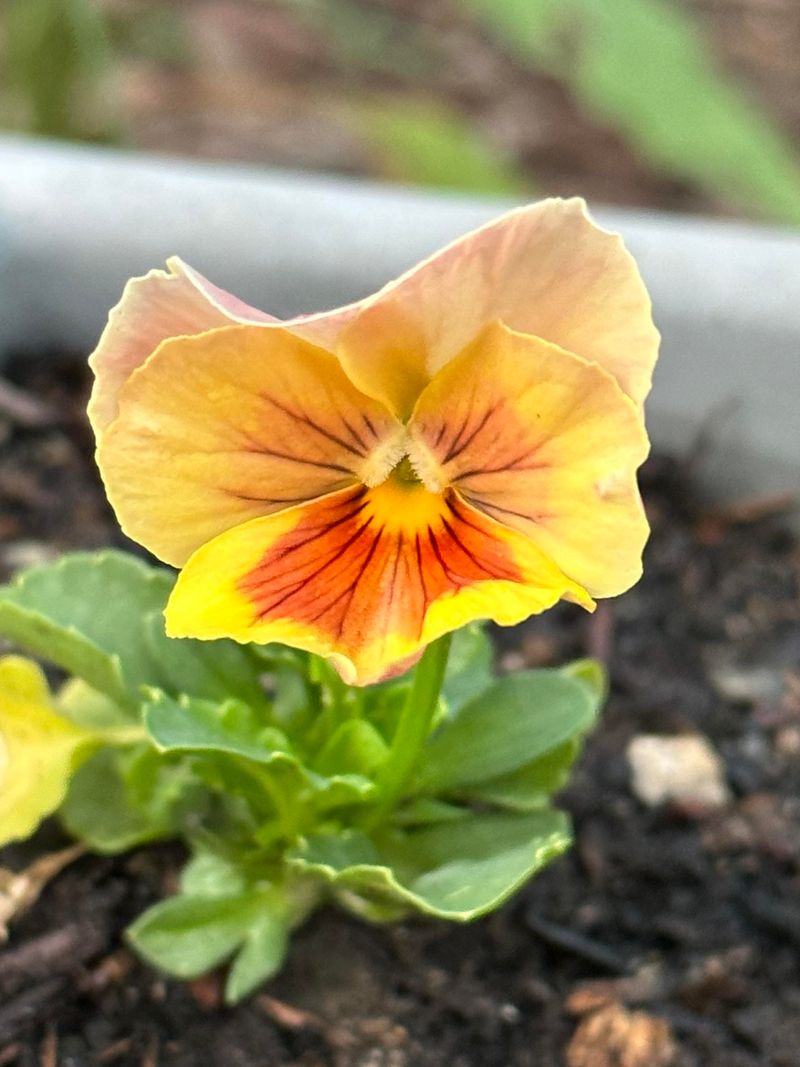
Think of it as a beach umbrella for your flowers. A little afternoon shade during a heat wave can turn a droopy bed into a happy one.
Shade works in two ways. It lowers the temperature of the leaves, and it cuts down on how much water the plant loses through them. That breathing room gives young roots a chance to catch up and grow deeper. You do not need anything fancy.
A piece of shade cloth, a light row cover draped over stakes, or even a board propped up on the west side of the bed can block the harshest sun. Set it up during unusually warm spells, when afternoons feel more like August than October.
Once temperatures cool back down, take the shade away. Pansies need plenty of sun to bloom well, so the cover is only a short-term helper, not a permanent fixture.
Location matters for future plantings too. Pavement, driveways, sidewalks, and west-facing walls soak up heat and bounce it back onto nearby plants. A bed tucked beside a sunny brick wall can feel several degrees hotter than an open spot in the yard.
When you plan next year’s display, choose places away from those heat traps. North Carolina falls are famous for surprise warm spells.
September and October can deliver several days of summer-like heat, even after cool nights have started. Keeping a roll of shade cloth in the garage means you are ready whenever the thermometer jumps.
8. Hold Off On Heavy Fertilizer
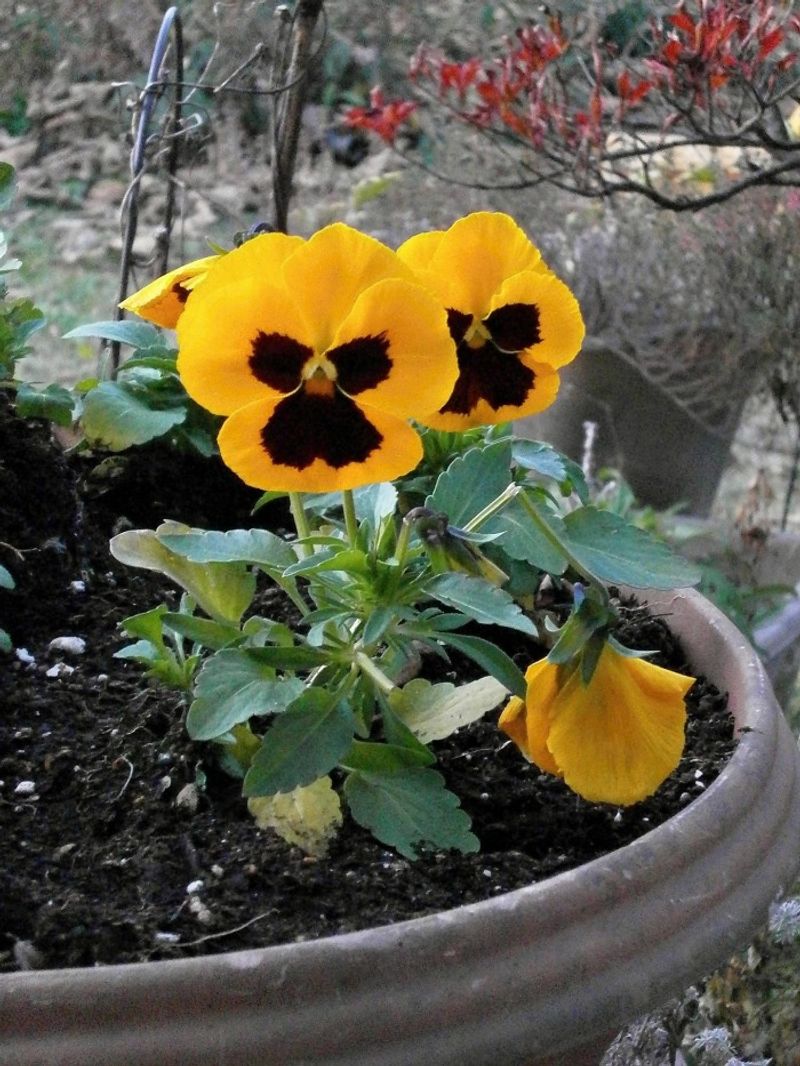
More food sounds like more help, right? With newly planted pansies, a heavy hand with fertilizer can actually make wilting worse.
Fertilizer contains salts, and too much of it builds up in the soil. Those extra salts make it harder for roots to take up water. For a young pansy already fighting warm afternoons, that added stress can push it from mildly droopy to seriously limp.
Start small and steady. At planting time, use only a light application of slow-release fertilizer, and follow the rates on the label exactly. Slow-release granules feed plants a little at a time, which suits pansies far better than a big blast of nutrients.
Patience pays off with struggling plants. If your pansies are wilting, skip feeding until they recover and show fresh growth. Fertilizer will not cure heat stress or root problems, and it may add to the strain.
Mistakes happen, and this one is fixable. If you think you used too much, water the bed deeply a few times. Slow, heavy soaking helps flush excess salts down and away from the root zone.
North Carolina gives pansies a long season. They grow through fall, keep going in winter, and put on a big show in spring. Plants with such a long run benefit more from light, steady feeding over time than one heavy dose at the start.
Feed gently, watch closely, and your pansies can reward you with color for months to come.