Why Northern Flickers Keep Returning To Your New York Yard
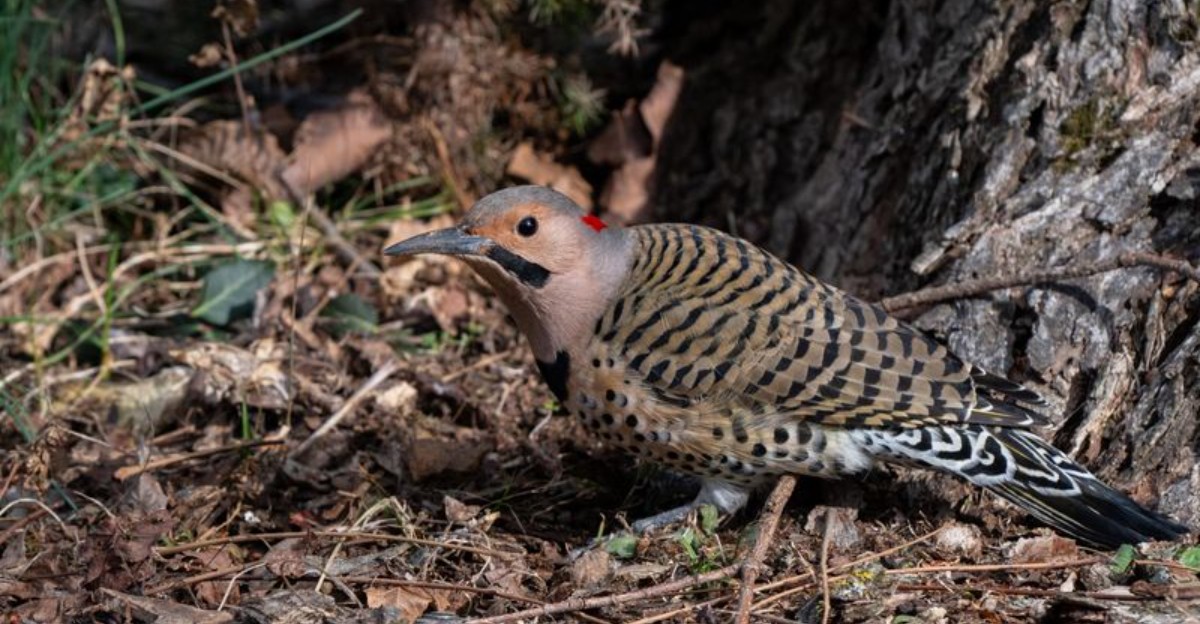
A flash of gold under the wings and a loud wick-wick-wick call can stop you in your tracks. Across New York, that noisy visitor is usually a Northern Flicker.
Unlike most woodpeckers, this bird loves strolling across lawns and poking at the dirt like a tiny archaeologist. Look for its spotted belly, black bib, and bright white rump patch as it flies off.
Many homeowners notice the same flickers showing up again and again, sometimes for weeks. That steady attention usually means your yard is offering something they want.
The answers involve hungry bellies, changing seasons, and a few truly odd habits. Some may surprise you, and a couple could even help you protect your siding.
Your Lawn Is Full Of Ants
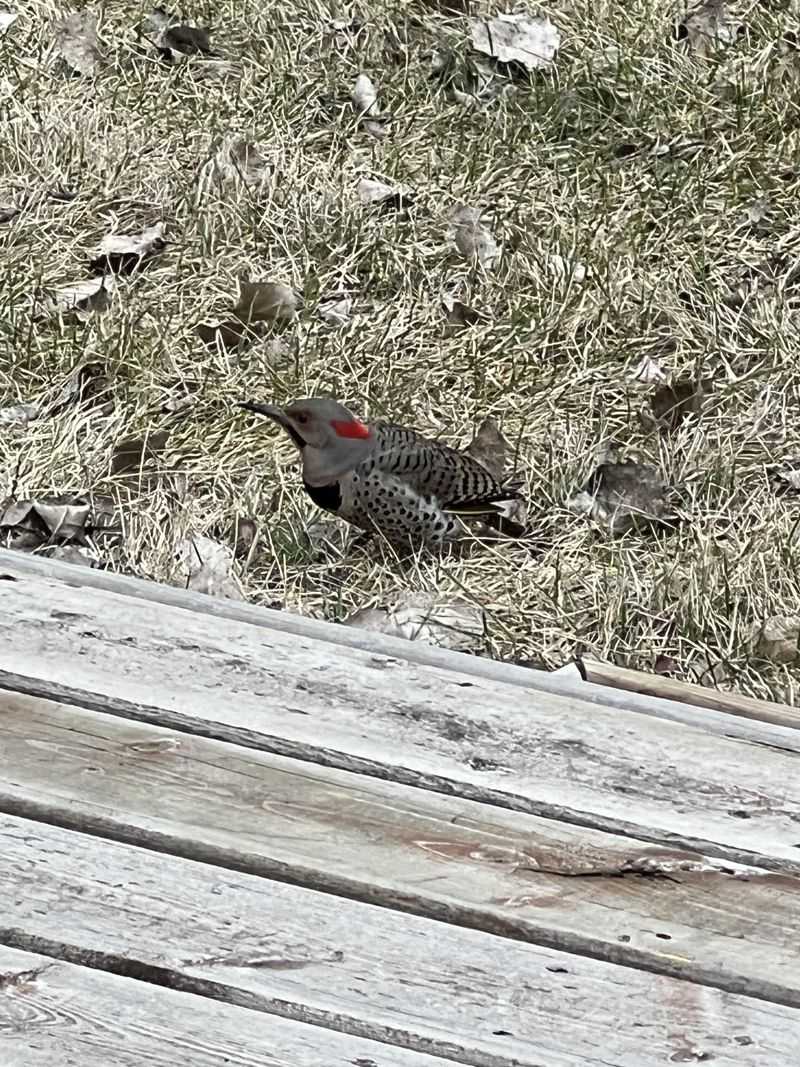
Picture a bird eating like a kid at an all-you-can-eat buffet. For a Northern Flicker, your ant-filled lawn is that buffet.
Ants make up about 45 percent or more of a flicker’s diet. Few North American birds rely on ants quite that heavily.
Flickers hop across the grass and stab their strong bills into the soil. Then they flick out a long, sticky tongue that reaches deep into ant tunnels.
Their tongue can stretch up to two inches past the tip of the bill. It works like a sticky fishing line dropped right into an underground colony.
Adult ants are only part of the prize. Flickers also slurp up ant larvae and pupae, which are soft, juicy, and packed with protein.
Many New York lawns host several ant species at once. Pavement ants, cornfield ants, and small black ants all build nests under turf and sidewalks.
Once a flicker finds a busy colony, it tends to remember the spot. Coming back day after day just makes good sense for a bird that eats this way.
You can check for ant activity yourself on a warm afternoon. Look for tiny dirt mounds along walkways, driveway edges, and sunny patches of grass.
Resist the urge to wipe out every ant hill you find. Leaving a few colonies alone keeps your flicker fed and gives you front-row bird watching.
Here is a fun bonus fact to share at dinner. A single flicker was once found with over 5,000 ants in its stomach.
Fall Migration Is Underway
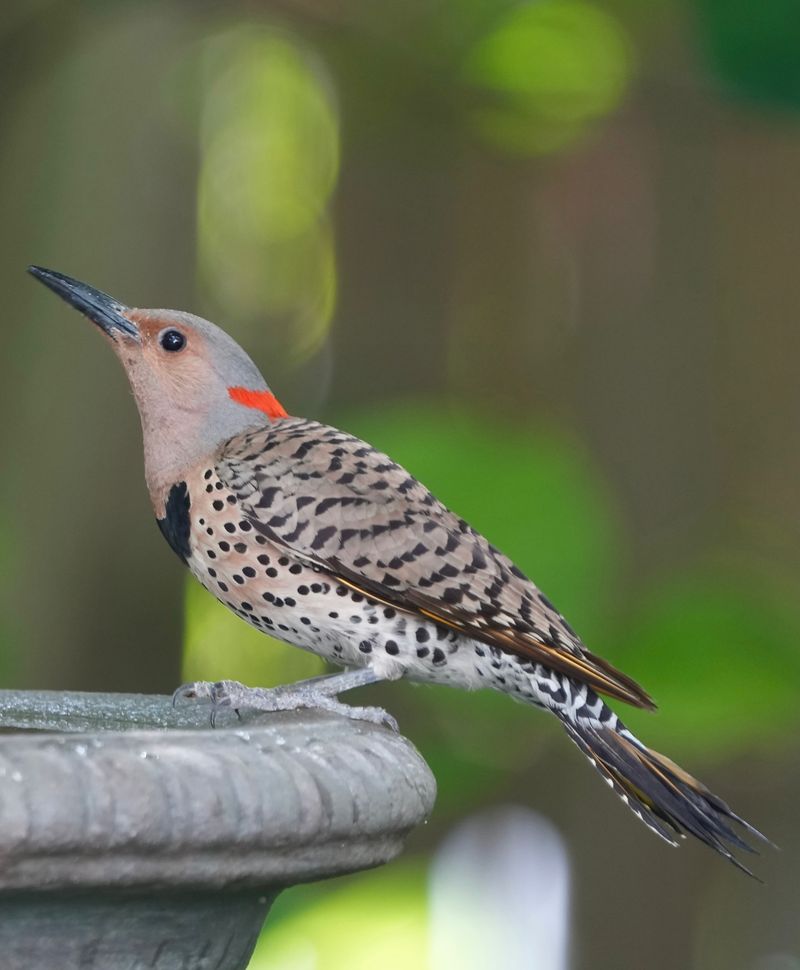
Late September feels different in the backyard. Suddenly you might count three or four flickers where you usually saw one.
Northern Flickers rank among the few woodpeckers in North America that migrate. Many birds from Canada and northern forests head south when the weather cools.
New York sits right along their travel route. From late September through October, waves of flickers pass through towns, parks, and neighborhoods.
Migrating birds need to refuel often. A yard with food, water, and cover works like a highway rest stop for tired travelers.
Some flickers stay for only a day or two. Others linger for a week or more if food is easy to find.
Not every flicker leaves for the season, though. Some stay in New York all year, especially in milder areas near the coast.
Your New York Garden Changes Every Week. Your Plan Should Too.
Gardening in New York changes quickly throughout the season. Every Friday you’ll receive a simple weekly plan showing exactly what to plant, prune, fertilize, harvest, and protect so you never miss the right timing.
Watch for loose groups feeding together on lawns during fall. Spotting several flickers at once is a strong clue that migration is happening.
You can make the pit stop even better with a shallow birdbath. Fresh water becomes harder to find as nights grow cold and frosty.
Keep a simple notebook to record dates when flickers show up. Over a few years, you may notice a clear pattern tied to the calendar.
Birders love tracking arrivals this way. Your notes could even help researchers if you share sightings on apps like eBird.
Berries In Your Yard Are On The Winter Menu
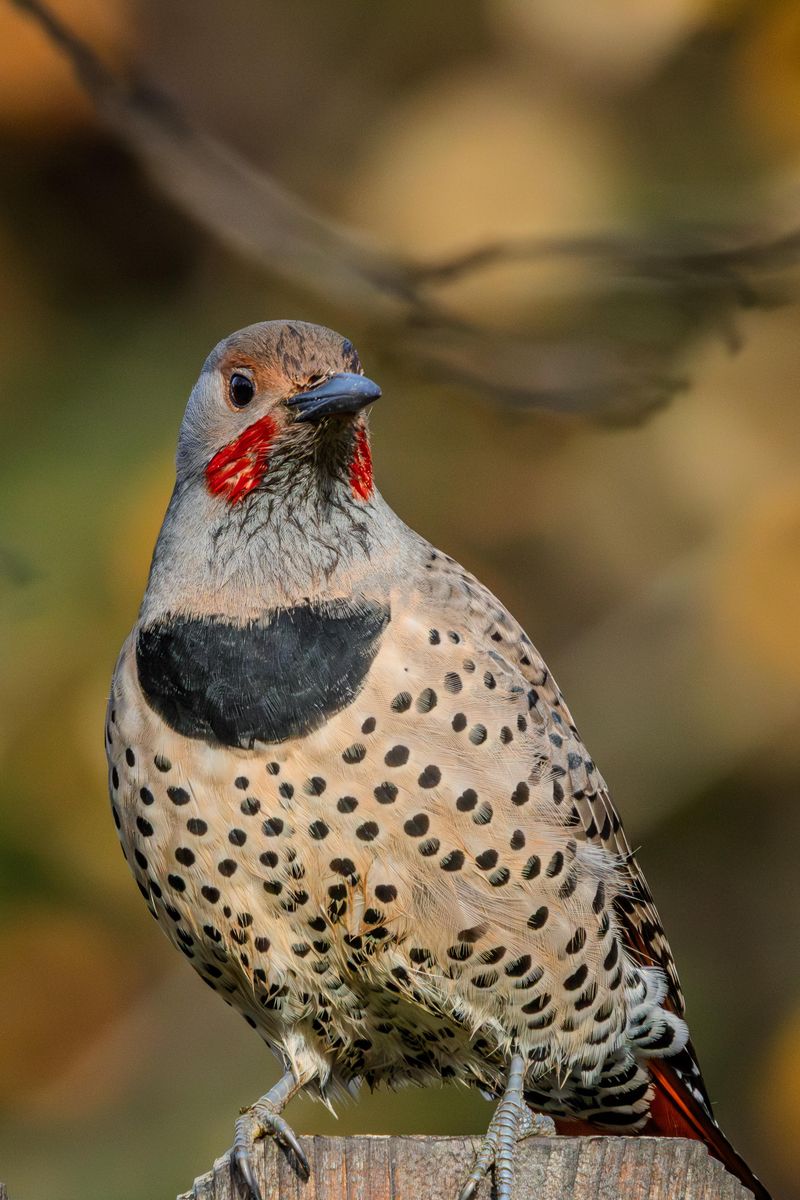
Ants hide deep underground once the ground freezes. So what does a hungry flicker eat when snow covers the lawn?
The answer is fruit, and lots of it. Flickers switch to berries and seeds when insects become scarce in cold months.
Many common plants offer just what they crave. Wild black cherry, dogwood, sumac, and wild grape rank high on their list.
Bayberry, hackberry, and elderberry are favorites too. You can find these growing wild across New York or buy them at native plant nurseries.
Poison ivy berries also get eaten, oddly enough. Flickers handle them just fine, though you should admire that snack from a distance.
Planting a berry shrub or two is an easy weekend project. Fall is a great time to plant, since roots settle in before winter.
Try gray dogwood or winterberry holly for bright fruit. Both are native, tough, and look lovely against a snowy backdrop.
Staghorn sumac deserves a mention as well. Its fuzzy red clusters hang on through winter and feed birds when little else remains.
Skip the urge to trim berry bushes in autumn. Pruning too early removes the very fruit your flicker would come back for.
A yard with fruit through winter becomes a reliable pantry. Birds learn quickly where the snacks are, and they return often.
Fewer Lawn Chemicals Mean More Food For Them
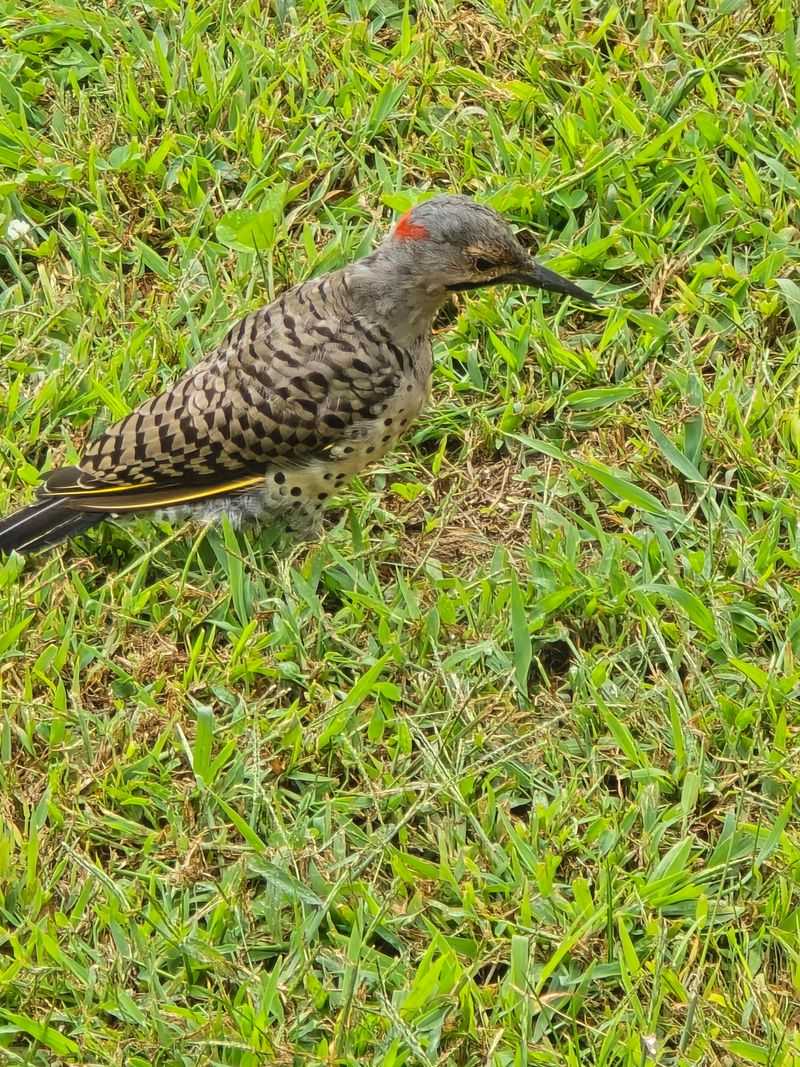
My neighbor stopped spraying his lawn two summers ago. Within a year, flickers were visiting his yard almost every morning.
His story is not unusual. Pesticides and grub treatments reduce the insects flickers depend on for food.
Fewer bugs mean fewer reasons for a bird to stop by. A treated lawn may look neat, but it can feel empty to a flicker.
Chemicals can also harm birds that eat poisoned insects. Cutting back protects your flickers along with robins, bluebirds, and other lawn visitors.
Going chemical-free does not mean your yard will look messy. Clover, violets, and a few dandelions add color and feed pollinators too.
Start small if the idea feels scary. Try skipping treatments on one section of lawn and see what shows up.
Hand-pulling weeds works well for small problem spots. Corn gluten meal is a natural option some gardeners use to slow weed seeds.
Mowing a bit higher helps grass crowd out weeds naturally. Leaving grass clippings on the lawn also returns nutrients to the soil for free.
Many New York towns now encourage fewer lawn chemicals. Some communities even have programs promoting pollinator-friendly yards.
Your reward will be a lawn buzzing with life. Flickers notice that living buffet, and they tend to come back again and again.
Short Grass And Bare Soil Make Foraging Easy
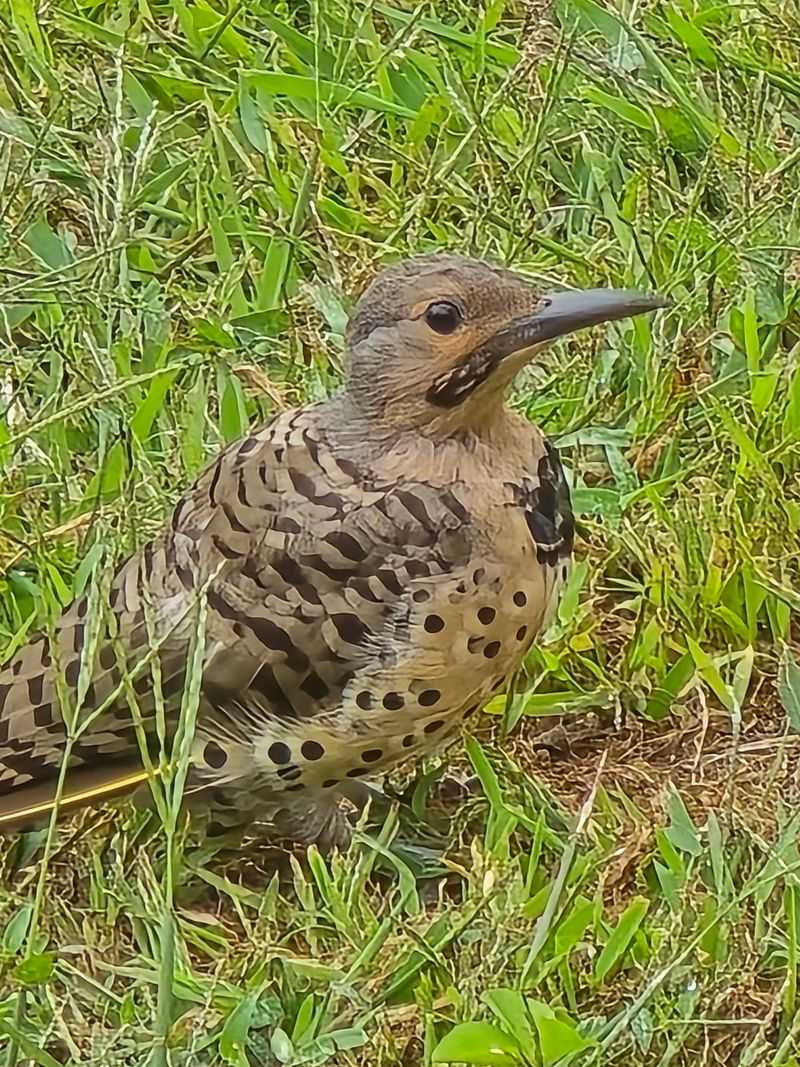
Most woodpeckers cling to tree trunks. Flickers break the rules and spend much of their time hopping on the ground.
Ground feeding works best where the bird can see and reach its prey. Short grass and patches of bare soil make that job simple.
Tall, thick grass hides ant trails and slows a flicker down. It also blocks the bird’s view of hawks and prowling cats.
Open ground gives flickers a clear line of sight. They can feed while keeping one eye out for danger.
Think of bare dirt as a kitchen counter for birds. Worn spots near paths, garden edges, and play areas often attract hungry flickers.
Sunny patches warm up faster in spring too. Ants become active there first, so flickers often start their day in those spots.
You do not need a golf course lawn to help. A mix of mowed areas and wilder corners works nicely for many birds.
Consider leaving one small bare patch near a garden bed. Ants and beetles will move in, and flickers will soon follow.
Watch how a flicker moves across open ground. It hops, pauses, tilts its head, and then drills quickly into the soil.
That head tilt helps it spot tiny movements below. Seeing it happen outside your window is a real treat.
Nearby Trees Offer Roosting Cavities
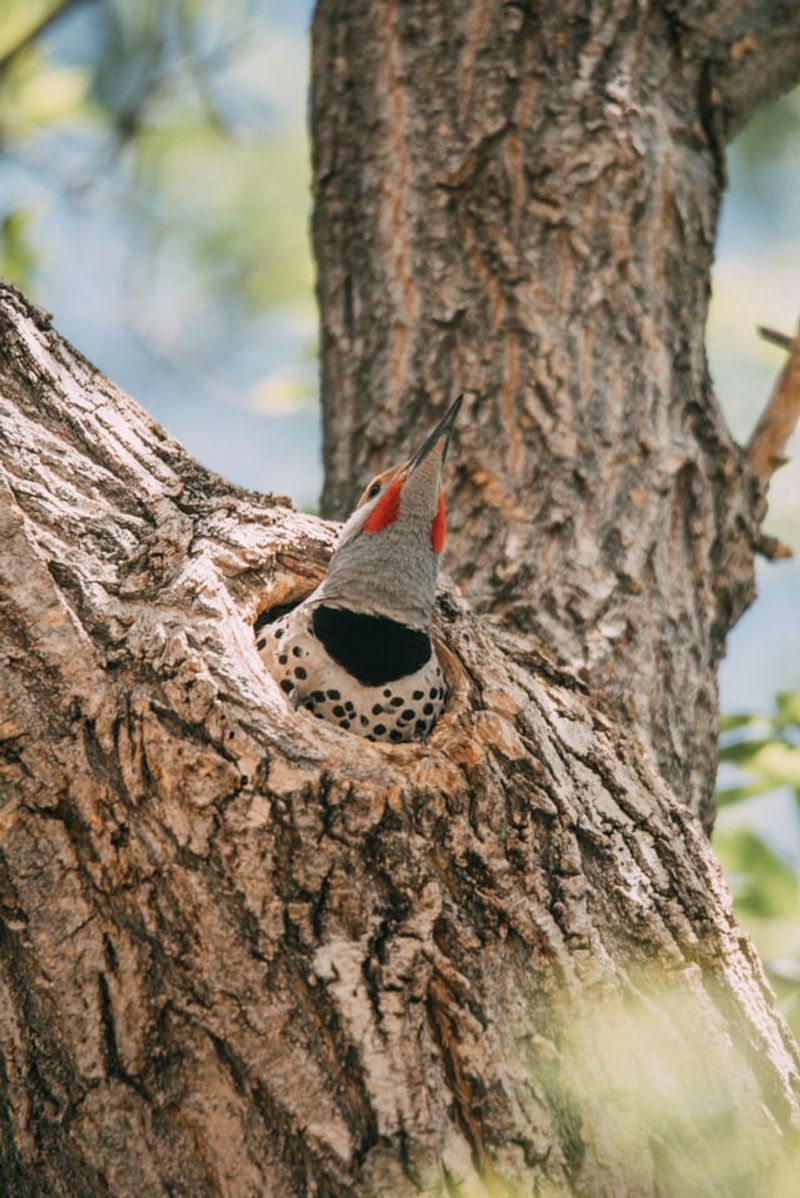
Old trees may look tired, but to a flicker they look like real estate. A soft, decaying trunk is perfect for carving a cozy hole.
Flickers are cavity nesters. They chisel holes in weakened trees, snags, and large branches for nesting and sleeping.
Softer woods like aspen and poplar are top choices. Flickers also use oak and pine snags when the wood has softened with age.
Most cavities sit about 6 to 15 feet off the ground. That height keeps the bird safer from many predators.
Flickers often reuse a good hole year after year. If your yard has one, the same birds may keep checking on it.
Abandoned flicker holes help other animals too. Bluebirds, owls, squirrels, and wood ducks may move in later.
Consider keeping a standing snag if it is safe. Trimming it down to a sturdy trunk away from buildings can reduce risk.
Ask a certified arborist before deciding. They can tell you whether a weakened tree could fall on a roof or walkway.
No old trees around? A flicker nest box mounted high on a pole can work.
Fill it with wood shavings so the bird can dig inside.
Mature trees are common in older New York neighborhoods. Those leafy streets often host plenty of flickers for this very reason.
Your Siding Might Look Like A Future Roost Hole
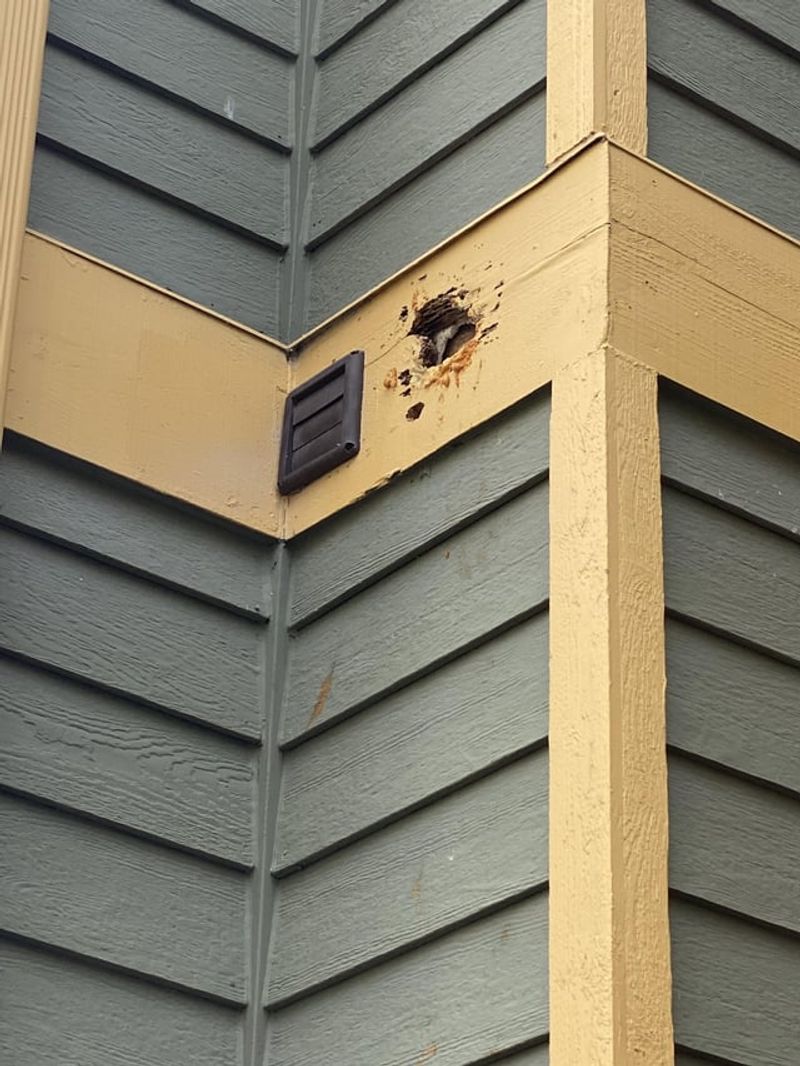
Tap, tap, bang! Few sounds are as startling as a flicker hammering on your house at sunrise.
Wooden siding can look a lot like a soft tree to a flicker. Cedar shingles and older wood trim are common targets.
Pay attention to the size and shape of the holes. Small, dime-sized holes in a line usually mean the bird is hunting insects.
Larger, rough holes suggest something bigger. The flicker may be carving a place to roost or nest.
Loud drumming on gutters or chimney caps is different. That noise often announces territory or attracts a mate, not excavation.
Check your siding for insect problems first. Carpenter bees or wood-boring beetles could be the real attraction.
Patch holes quickly with wood filler or caulk. Leaving them open invites the bird to keep working.
Hang shiny tape, pinwheels, or netting near the damaged spot. Motion and flashing light can make flickers uneasy.
Offering a flicker nest box nearby often helps a lot. Many birds happily switch to a proper home once one is available.
Remember that flickers are protected by federal law. Gentle deterrents are the way to go for any New York homeowner.
Your Suet Feeder Could Keep It Around Longer
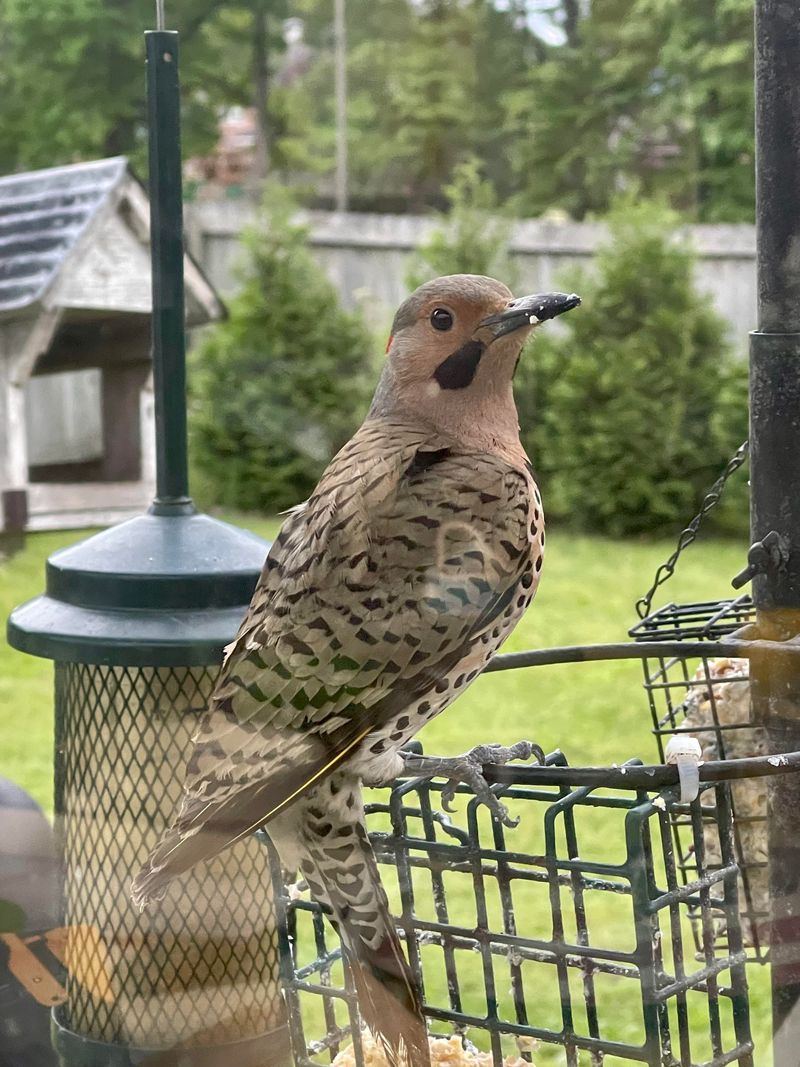
Suet is basically birdie comfort food. On a frosty January morning, a flicker may gladly grab a bite.
Flickers are not regular feeder birds like chickadees or cardinals. Still, they do visit when natural food runs low.
Suet packs a lot of fat and energy into each bite. That fuel helps birds stay warm through long, cold nights.
Flickers also eat sunflower seeds and peanuts at times. Shelled peanuts are easier for them to handle.
Choose a suet cage with a tail prop if possible. Flickers are large birds and like to brace their tails while eating.
Hang the feeder near a tree trunk rather than out in the open. The bird feels safer with cover close by.
Bark butter is another great option. Spread it right onto tree bark, where flickers naturally search for food.
Replace suet often during warmer spells. Soft or spoiled suet can turn rancid and cause problems.
No-melt suet doughs work well in spring and fall. They hold their shape better when temperatures climb.
Set a feeder near a window you use often. You might enjoy close views of that beautiful spotted chest all winter long.
It Might Be Using Ants To Clean Its Feathers
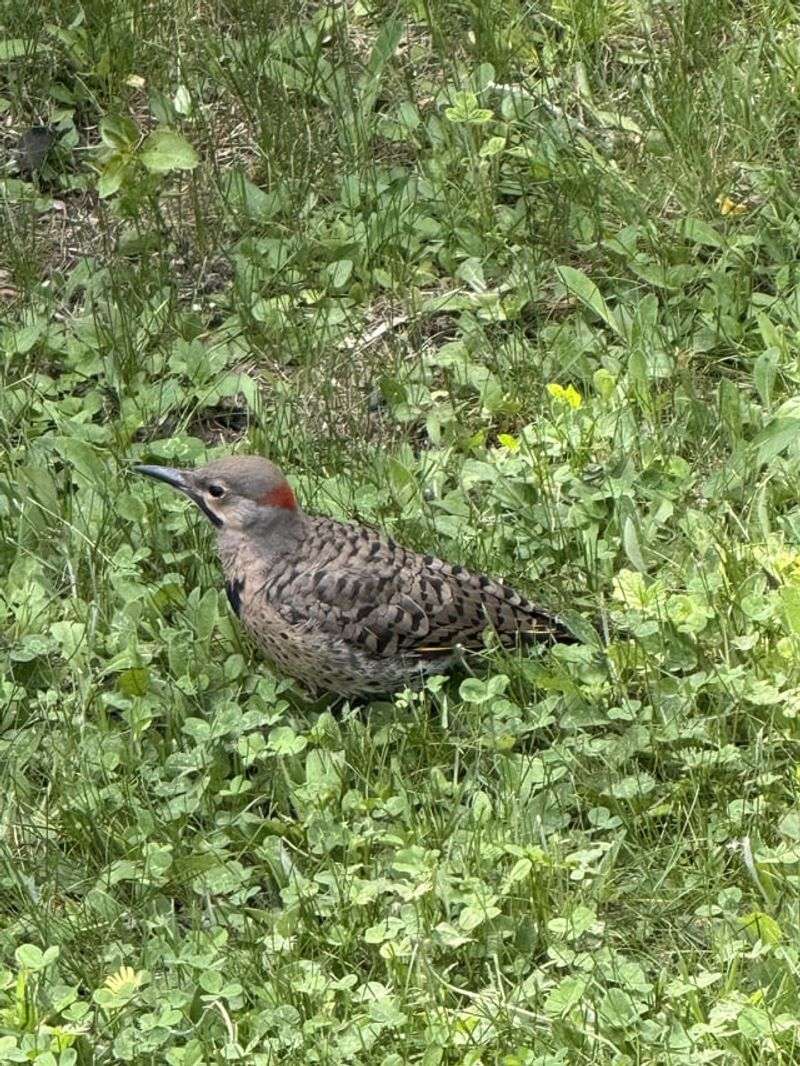
Here is one of the strangest bird habits you could ever witness. Some flickers take a spa day using ants.
The behavior is called anting. A flicker may lie on an ant hill or rub ants directly into its feathers.
Ants release a chemical called formic acid. Scientists think it helps control feather pests like mites and lice.
The acid may also slow bacteria and fungi that damage feathers. Some experts believe it soothes itchy skin during molting too.
Watching anting can feel a bit alarming at first. The bird may spread its wings, tilt sideways, and look almost dazed.
Relax, because nothing is wrong. The flicker is simply giving itself a natural cleaning treatment.
Anting often happens on warm, sunny days in summer. Look near busy ant hills on sidewalks or dry patches of lawn.
Keep your distance and use binoculars if you have them. Moving closer may scare the bird away mid-treatment.
Crows, jays, and robins do this too. Flickers are among the most frequent performers, which makes sense given their ant diet.
So an ant-rich yard offers more than meals. For flickers across New York, it doubles as a grooming station worth revisiting.