Why Small Snakes Love The Damp Mulch Florida Gardeners Use Around Plants
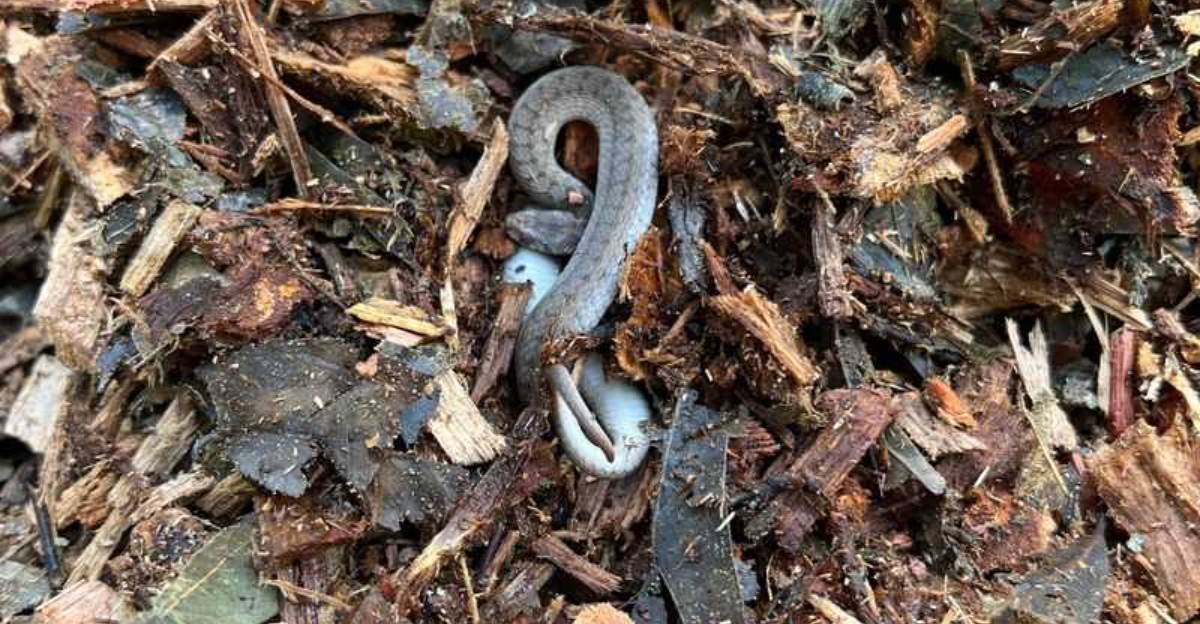
Slide your hand into that damp mulch bed, and you might come face to face with a resident nobody sent you a welcome notice about.
Florida gardeners load up on mulch for the moisture it holds and the weeds it blocks, and small snakes read those same conditions as prime real estate.
Cool, damp cover keeps them hidden from predators and the sun at once, and mulch beds deliver exactly that without a single tree canopy required.
Food shows up right alongside the shelter too. Snakes doing this well in your garden usually means something else is thriving down there as well, and it’s not just about the mulch alone.
Take a closer look before you reach into that bed again. What’s living under your mulch might be doing more for your garden than you’d expect.
1. Damp Mulch Gives Small Snakes Cool, Hidden Cover
Imagine wearing a heavy coat on a hot Florida afternoon. Snakes cannot sweat or shed layers, so they look for cool places to rest instead.
Cold-blooded animals depend on their surroundings to control body heat. When the sun bakes the lawn, a snake can overheat fast if it stays out in the open.
Mulch solves that problem in a clever way. The layer holds water in the soil and blocks harsh sunlight, so the ground below stays cooler and steadier than bare dirt.
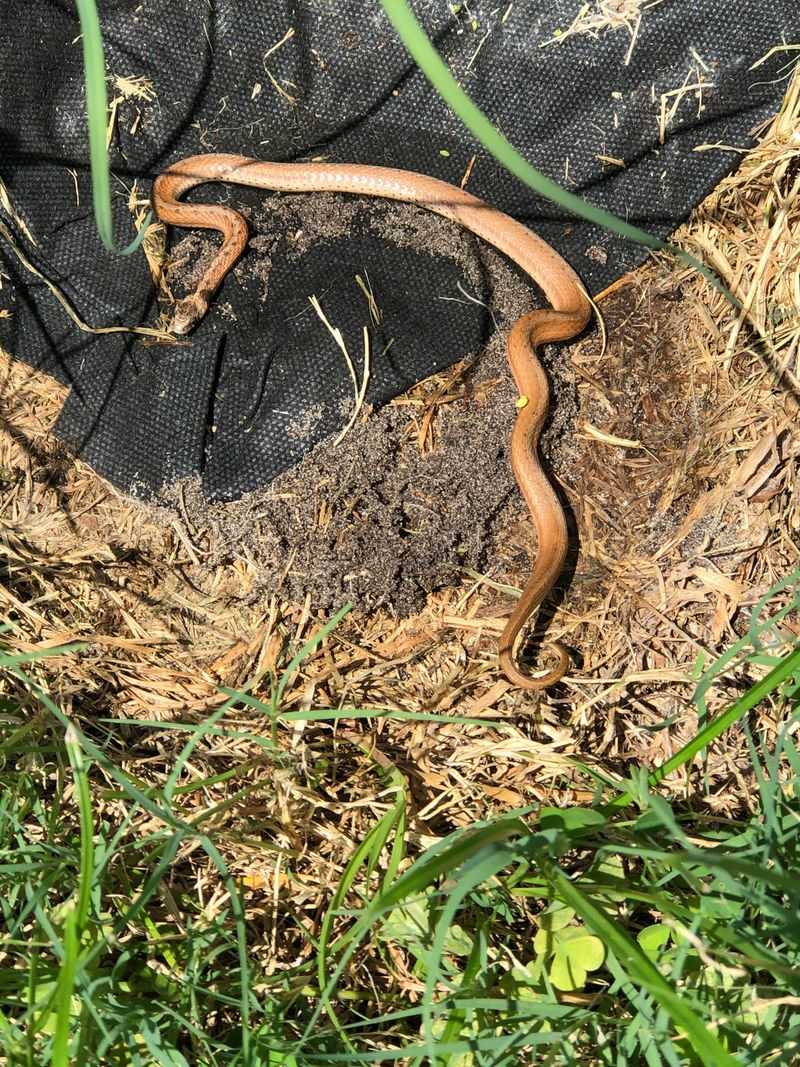
For tiny species like the Florida brownsnake, that shady spot feels like a private cabin. Leaf litter, logs, stones, and even flowerpots work the same way, which is why people often find small snakes tucked beneath them.
Here is a fun fact to share with friends. The Florida brownsnake usually grows less than a foot long, and many people mistake it for a worm at first glance.
Most of these small snakes are harmless and shy. They would much rather hide than meet you face to face.
If you want to peek under mulch, use a rake or garden tool rather than bare hands. Wearing gloves and sturdy shoes is a smart habit anyway.
Knowing why snakes pick these spots helps you stay calm. It also shows you exactly where to look before you start digging.
2. Frogs And Lizards Turn Wet Beds Into Hunting Grounds
Every good restaurant needs a full menu. Your moist garden bed may be serving one without you knowing it.
Wet mulch draws in slugs, snails, earthworms, and insects. Those critters then attract frogs, toads, and lizards looking for a snack.
Snakes follow the food, just like people follow the smell of fresh pizza. A bed packed with prey becomes a buffet with a great view.
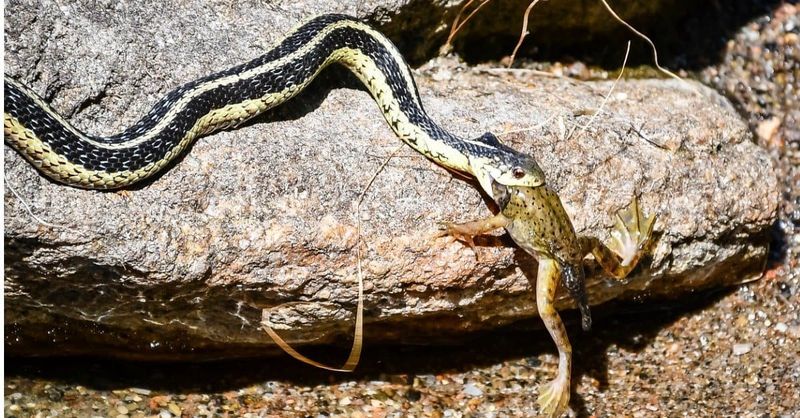
Different snakes order different dishes. Florida brownsnakes mostly eat slugs, snails, and earthworms, with a tiny frog now and then.
Southern ringneck snakes enjoy small lizards, salamanders, worms, and slugs. Garter snakes are less picky, munching on frogs, toads, worms, and even small rodents.
Believe it or not, these hungry visitors can help your plants. Slugs and snails chew holes in leaves, and small snakes keep their numbers in check.
Your Florida Garden Changes Every Week. Your Plan Should Too.
Gardening in Florida changes quickly throughout the season. Every Friday you’ll receive a simple weekly plan showing exactly what to plant, prune, fertilize, harvest, and protect so you never miss the right timing.
Still, you may prefer fewer surprise guests near your patio. Cutting back on extra moisture lowers the slug and frog crowd, which means less reason for snakes to linger.
Try watching your beds at dusk for a week. If you spot lots of frogs and slugs, you have found the hot spot on the local food map.
Once you know where the diners gather, you can decide how welcoming you want to be.
3. Thick Mulch Creates Easy Places To Stay Concealed
Hide and seek champions know one rule. The best hiding spot is the one nobody bothers to check.
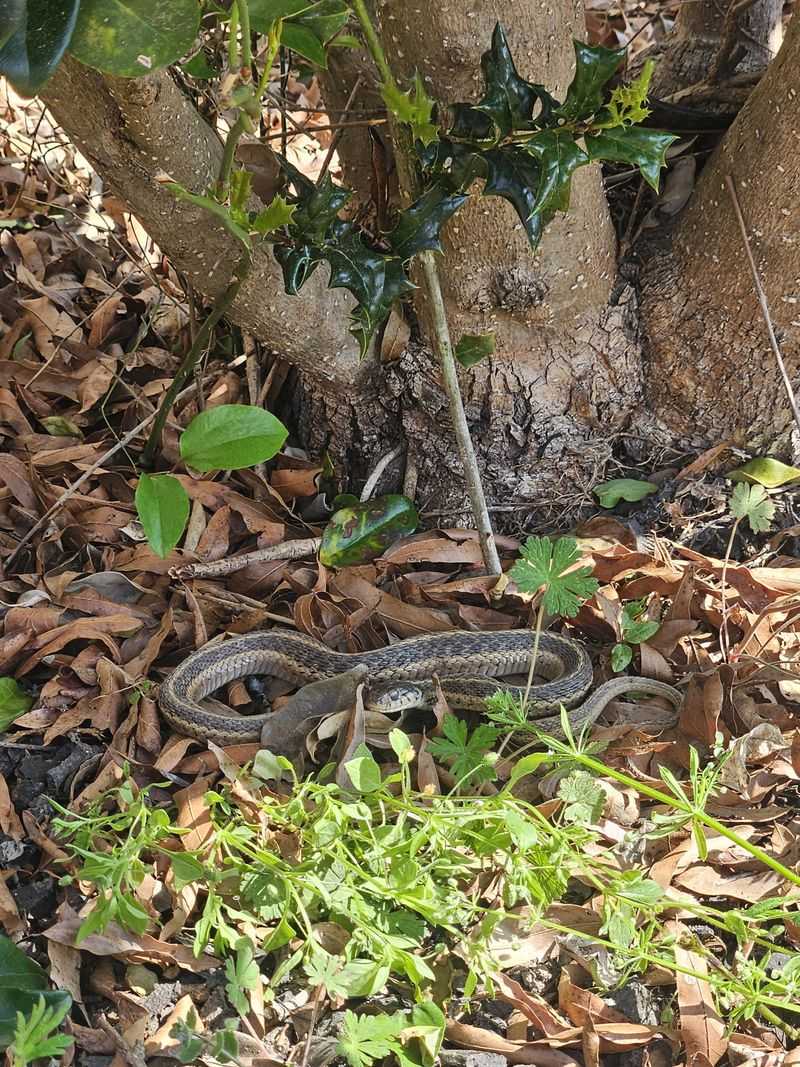
Deep mulch gives small snakes exactly that kind of spot. A thick, loose layer creates little tunnels and pockets where a slender body can slip out of sight.
Snakes like places that stay undisturbed. When mulch sits for months without raking, it turns into a quiet neighborhood with plenty of guest rooms.
Hiding also keeps them safe. Hawks, raccoons, and even neighborhood cats hunt small snakes, so good cover can mean the difference between a calm day and a scary one.
You might be surprised how little space a snake needs. Many can squeeze through gaps about the width of a pencil, so even small openings in ground cover work for travel.
Many experts suggest keeping mulch around two to three inches deep. That depth still protects roots and holds moisture without building a snake apartment complex.
If your beds have piled up over the years, rake out the extra. Spread the leftover mulch into thinner areas or add it to your compost pile.
Fluffing the mulch now and then also helps. A little stirring reminds any sleepy visitor that this spot is not so private after all.
4. Irrigation Keeps Snake-Friendly Cover Moist Longer
Sprinklers are the unsung heroes of many Florida yards. They also happen to be the favorite rain cloud of every slug in the neighborhood.
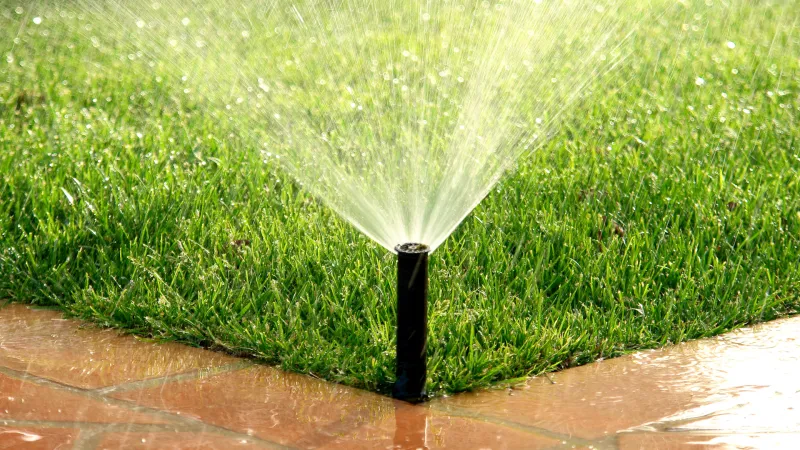
Automatic irrigation keeps beds damp day after day. That steady moisture means mulch rarely dries out, even during hot, sunny spells.
Worms, slugs, and frogs love this reliable water supply. More prey moves in, and snakes soon discover the easy meals waiting under the wet cover.
Overwatering makes the effect even stronger. Many lawns and beds get far more water than plants need, especially during the rainy summer months.
Take a look at your controller settings. Watering early in the morning, two times a week or less, is a common goal for many Florida lawns.
A rain sensor is a smart add-on too. It pauses the system after a good storm, so your garden does not get a double soaking.
Good drainage matters as well. If puddles hang around for hours, try adding compost to heavy soil or reshaping low spots so water can flow away.
Your plants will likely grow stronger roots with less water. Your water bill may shrink, and the small snakes may decide your beds are not so special after all.
5. Wood Piles Can Add Even More Hiding Spots
Grandpa’s old firewood stack might look cozy and rustic. To a snake, it looks like a hotel with a free breakfast.
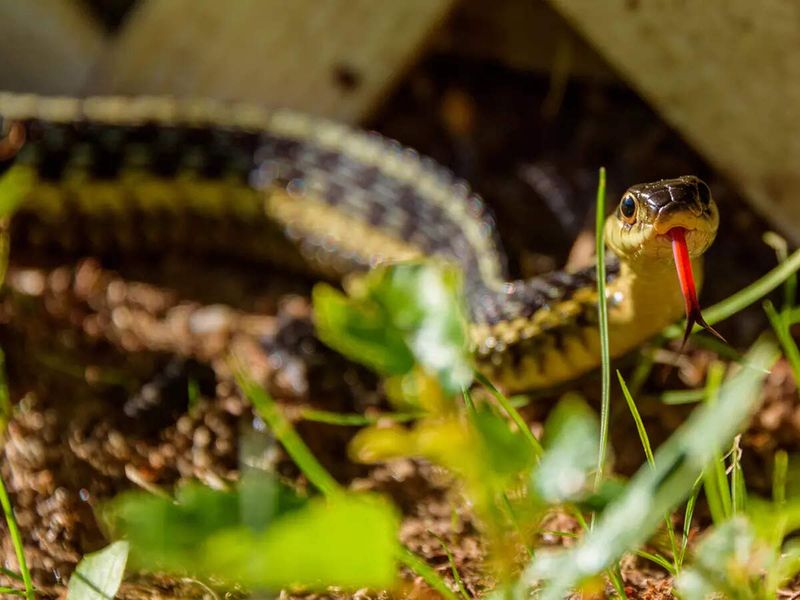
Woodpiles, brush piles, and heaps of yard trimmings offer tons of cracks and gaps. Each opening becomes a shady room where a small snake can relax.
These piles hold warmth when evenings cool down. That makes them handy on chilly Florida winter nights, when some snakes settle into rotting wood for shelter.
Food shows up too. Mice and rats love woodpiles, and many snake species follow those rodents right into the stack.
When a woodpile sits next to damp mulch, the two work as a team. Snakes can slide from one hiding spot to the next without ever crossing open ground.
Moving firewood is a simple fix. Store it on a raised rack at least a foot off the ground and far from your home and garden beds.
Brush piles deserve attention too. Bag up clippings, haul them away, or chip them into mulch you spread in a thin layer.
Whenever you grab a log, wear thick gloves. Lift pieces toward you so the log shields you if anything scoots out from underneath.
6. Pull Mulch Back From Doors And Walkways
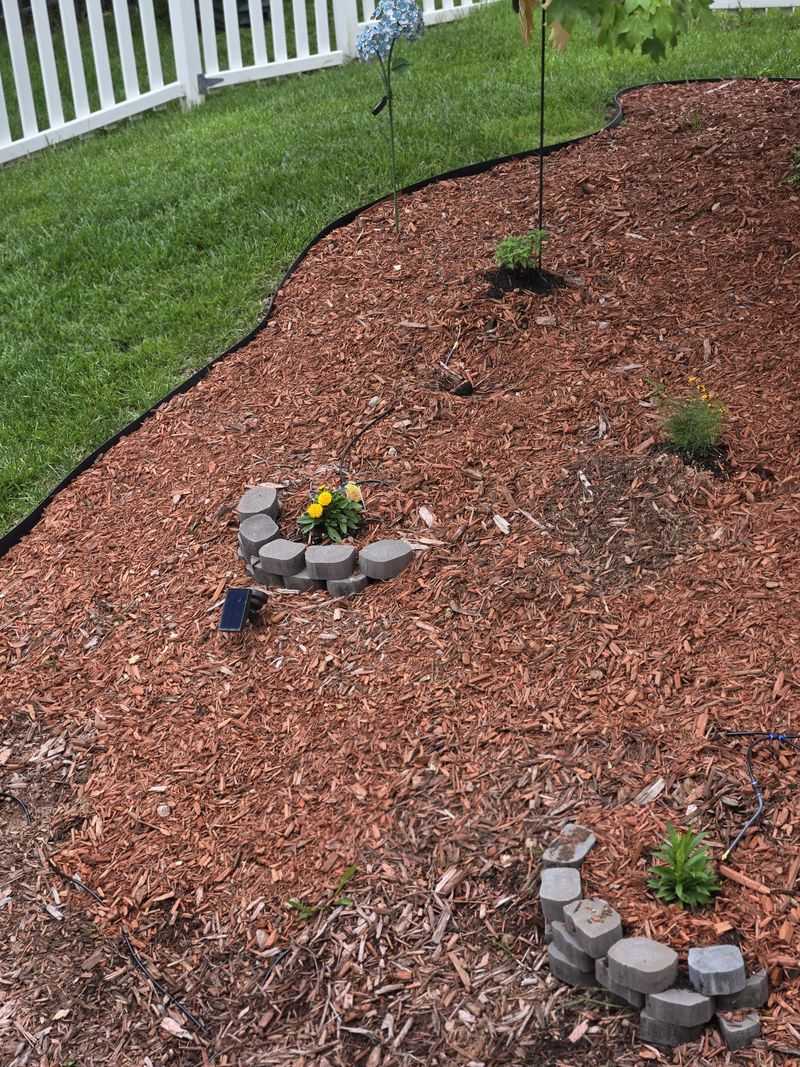
Nobody wants a surprise guest on the welcome mat. A few feet of open space can keep your entryways from feeling like snake territory.
Snakes sometimes wander toward houses looking for shelter, food, or steady temperatures. Thick beds pressed against the foundation give them a sneaky path right up to your walls.
Many experts suggest a clear buffer of 24 to 36 inches around your home. Fill that strip with gravel, crushed stone, or bare ground instead of soft mulch.
Gravel is not comfy for small snakes to hide in. It also dries quickly after rain, so it does not hold the dampness they enjoy.
Walkways deserve the same care. Keep mulch from spilling onto paths, and sweep edges now and then so you can see what is moving along them.
While you are near the house, check for gaps. Seal cracks in the foundation, fill spaces around pipes, and fix worn door sweeps.
A bonus perk of this buffer is fewer termites and ants near your walls. Damp mulch against siding can invite those pests too.
Your plants can still enjoy mulch a little farther out. You simply move the cozy stuff away from the places your family walks every day.
7. Fix Leaky Sprinklers That Keep Garden Beds Soaked
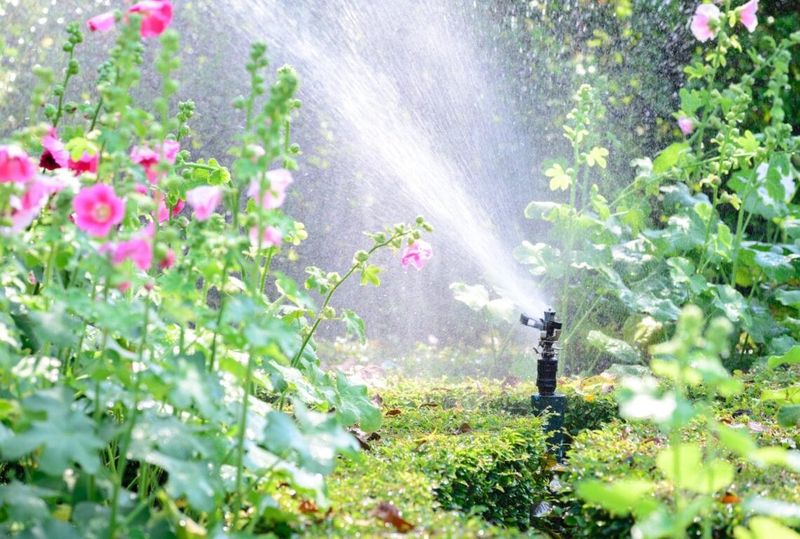
Drip, drip, drip. That tiny leak by the hibiscus could be running a spa for the whole slug family.
Leaky sprinkler heads, cracked pipes, and dripping faucets create soggy patches that never dry out. Those wet spots attract worms, frogs, and slugs, and snakes arrive soon after.
The good news is that most fixes are cheap and quick. A cracked sprinkler head often costs only a few dollars at a hardware store.
Start with a walk-through test. Run each zone for a few minutes and watch for bubbling, geysers, or heads that spray onto walls instead of plants.
Next, check outdoor faucets and hose connections. A new washer can stop a steady drip in about five minutes.
Look for low spots where water puddles too. Adding soil or creating a small channel can help rain drain away instead of pooling under mulch.
Consider switching some beds to drip irrigation. It delivers water right to plant roots, leaving the top layer of mulch drier and less inviting.
Here is a helpful tip from many Florida homeowners. Mark your calendar to check sprinklers every few months, because lawn mowers and roots can knock heads out of line.
A drier yard means fewer soggy hideouts and a lower water bill too.
8. Trim Dense Growth Where Snakes Can Disappear
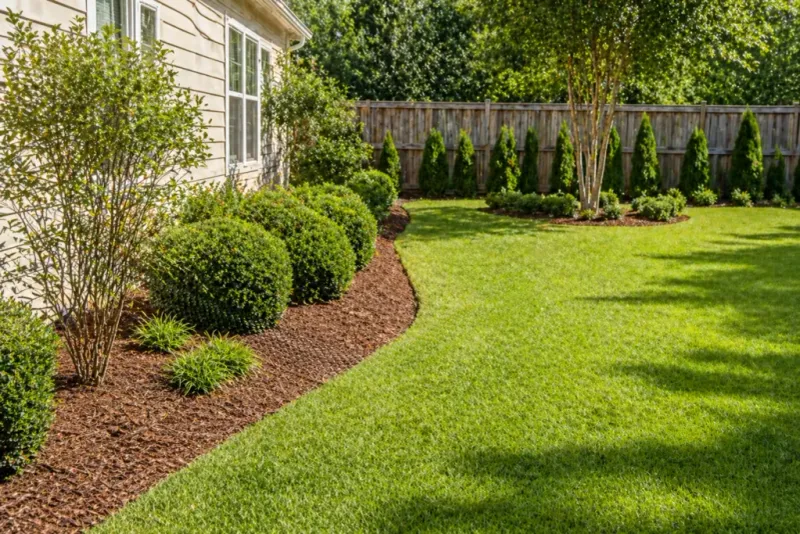
Ever lost a ball in a jungle of shrubs? A snake can vanish in there just as easily.
Tall grass, bushy plants, and tangled ground covers give snakes shade, safety, and plenty of places to hunt. When growth is dense, you often cannot see them at all.
A quick trim changes the whole picture. Mowing your lawn on a regular schedule keeps grass short enough that a passing snake is easy to spot.
Shrubs benefit from a haircut too. Try limbing up bushes so there is a few inches of open space between the lowest branches and the ground.
This trick is sometimes called raising the canopy. It lets sunlight and air reach the soil, which helps the area dry out faster after rain.
Keep tree branches and vines away from your roof and walls. Some snakes are good climbers and can use them like bridges.
Pruning also helps your plants stay healthy. Better airflow can lower the chance of fungus and mildew, a common headache in humid Florida.
Make it a family project on a cool Saturday morning. Put on long pants and gloves, then work slowly so you can see anything that decides to slither off.
You will end up with a tidier yard and clearer views.
9. Keep Mulch For Plants Without Creating A Snake Highway
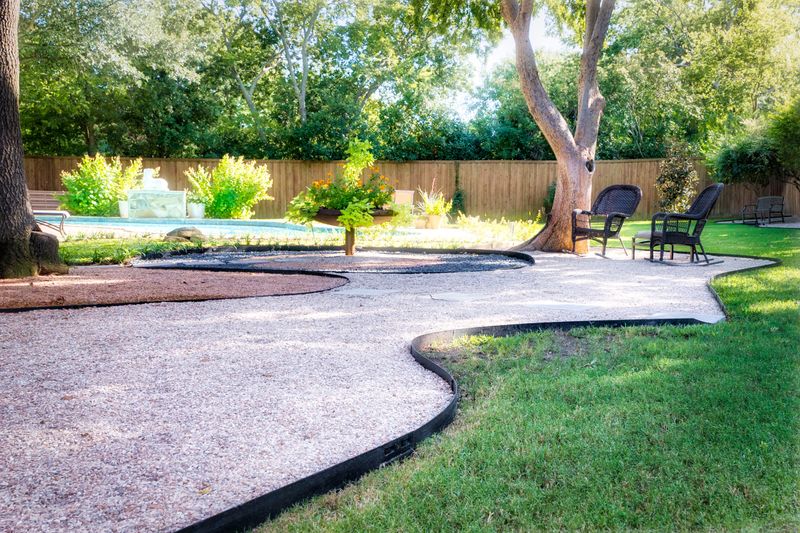
Good news for mulch fans. You can keep the benefits without rolling out a red carpet for snakes.
Mulch still does wonderful work in Florida gardens. It holds moisture, cools roots, and blocks weeds that would otherwise take over.
The trick is choosing the right type and using it wisely. Loose, soft mulch offers easy hiding, while gravel, decomposed granite, or larger bark chunks feel less welcoming.
Cedar mulch is another option many gardeners like for its scent and slow breakdown. Just don’t expect it to keep snakes away on its own.
Think about how your beds connect. Long, unbroken strips of mulch can act like a highway, so break them up with stepping stones or open lawn.
Some gardeners plant marigolds, lemongrass, or garlic along borders for color and flavor. Just don’t count on them to keep snakes away, since no plant has been shown to repel them.
Tidy habits tie it all together. Keep rodents in check, clear clutter, fix leaks, and store firewood on raised racks.
Remember that most small snakes in your beds are helpful neighbors eating slugs and pests. The goal is balance, not war.
With a few smart changes, your plants stay happy and your visits to the garden feel a lot more relaxed.