What California Gardeners Should Do With Fallen Fruit Before Rainy Weather Arrives
Your backyard might be running a restaurant. No sign out front. No reservations. No health inspector.
The guest list, though, keeps growing. Some diners arrive at night. Others buzz in during the afternoon. A few seem to bring their entire extended family.
And the menu? It showed up on its own, right under your trees.
Most California yards hit this stage every fall. The weather shifts, the sky turns gray, and one small chore starts to feel very urgent. Skip it, and the first real storm turns a minor mess into a much louder problem. Your nose will notice first. Your neighbors may notice next.
So when did you last take a slow walk under your trees?
The fix is simpler than most people expect. It takes a bucket, some gloves, and a few minutes of attention. A few of the clues may even end up on your kitchen counter.
Ready to close the kitchen before the rainy season crowd arrives? Go grab those gloves. Last call is closer than you think.
1. Pick Up Fallen Fruit Every Few Days
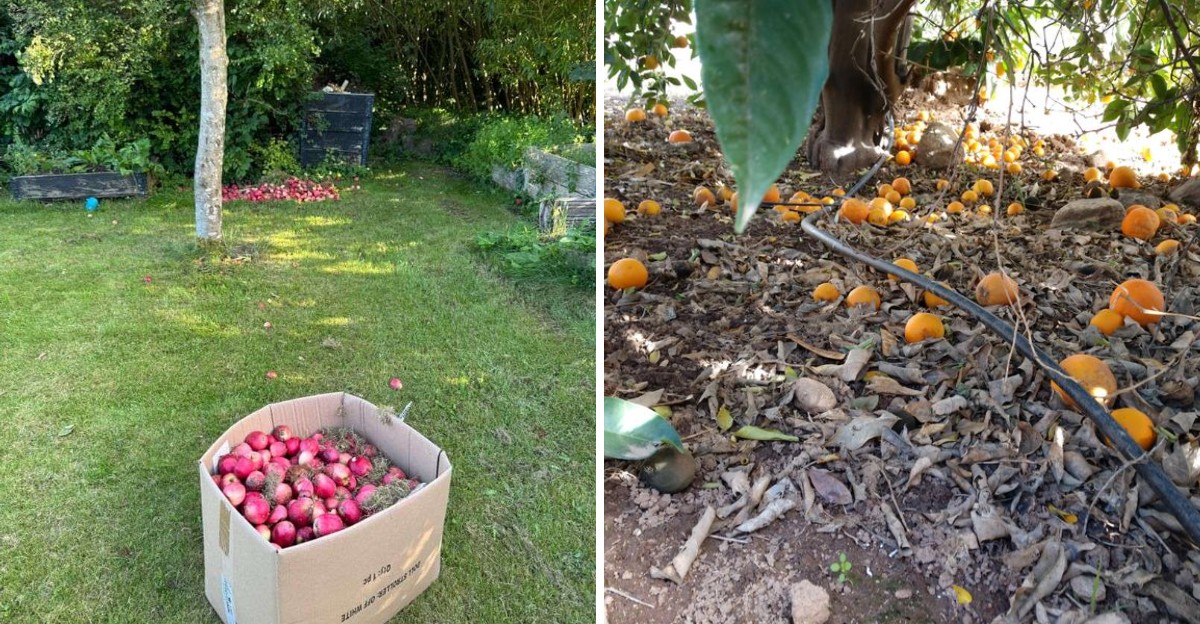
Fallen fruit behaves a lot like dirty dishes in the sink. One plate is no big deal. A week’s worth turns into a smelly chore nobody wants.
A regular cleanup ranks among the easiest pest tools a home gardener has. Dropped apples, plums, oranges, and figs offer pests food and places to hide. Remove the fruit, and you remove the welcome mat.
Apples and pears deserve extra attention. Codling moth worms inside dropped fruit can crawl out and keep their life cycle going. Frequent pickups break that chain.
Every two or three days makes a good rhythm through heavy drop season. At the peak of late summer and fall, a very productive tree may need a daily walk-around. A quick morning check takes only minutes and keeps the job small.
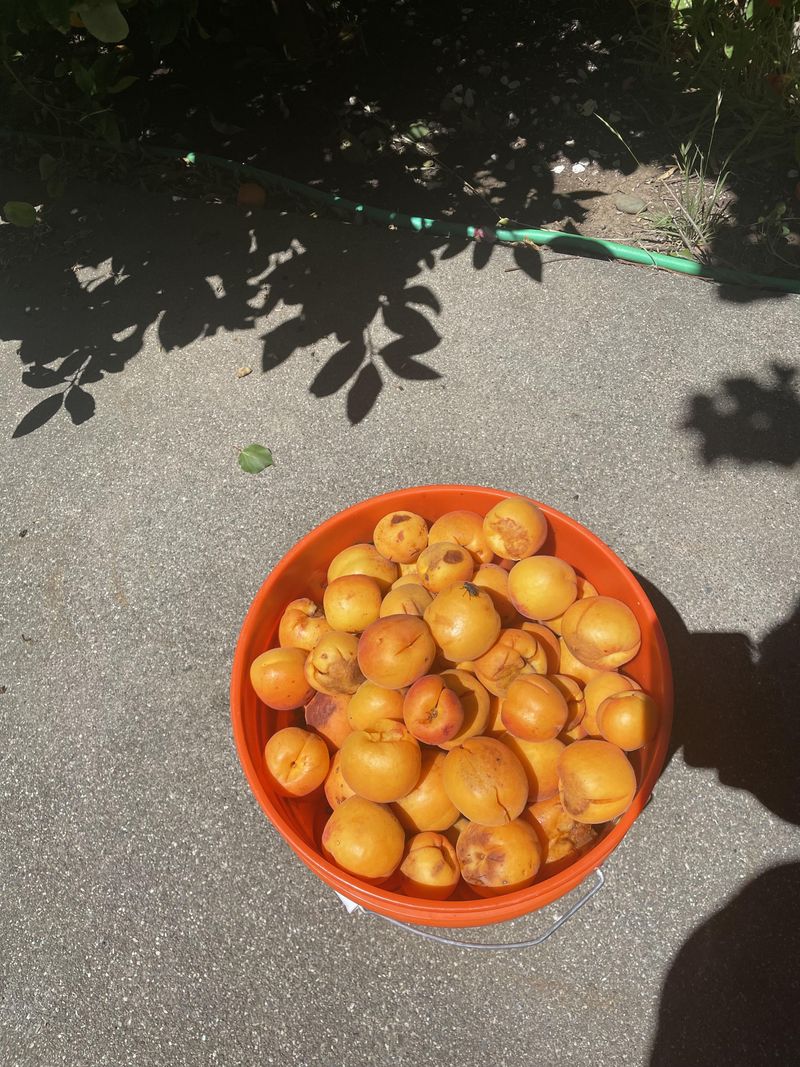
Now gear up, because this job comes with a fun gadget option. Grab a bucket and gloves. A rake or a rolling fruit picker saves your back from a hundred bends.
Check under the whole canopy, not just the easy spots. Fruit loves to roll into ivy, mulch, or behind pots. Peek along fences too, where it can hide for days.
Keep one eye on the forecast. With rain on the way, move cleanup day up so the ground is clear before storms roll in.
That tiny shift turns a regular habit into a strong defense. It also turns you into the fastest fruit collector on the block, minus the medal ceremony.
2. Rain Speeds Up Rot And Odor Fast
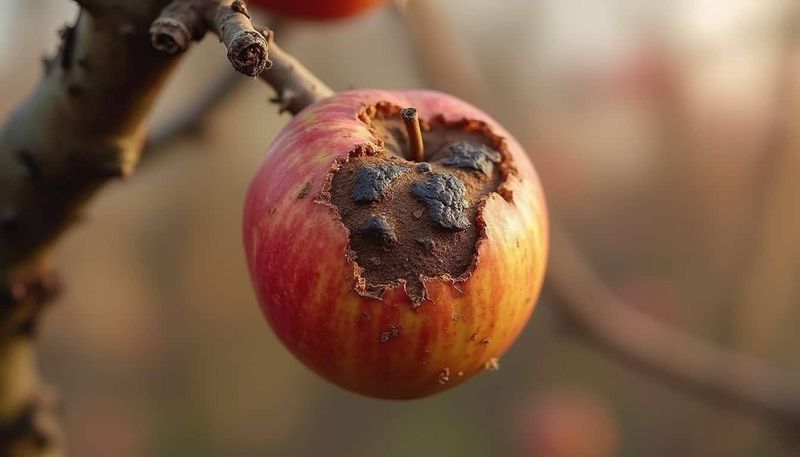
Your backyard hides a little science lesson. A dry apple on the ground can sit for a while before it turns to mush. Add a good soaking rain, and that same apple can slump into a brown, smelly puddle much sooner.
Water is the key ingredient for the tiny organisms that break fruit down. Fungi and bacteria thrive on wet, warm surfaces. Fallen fruit already carries bruises and cracks from the drop. Rain seeps into those openings and softens the skin even more. Decay organisms then have everything they need to multiply.
Your California Garden Changes Every Week. Your Plan Should Too.
Gardening in California changes quickly throughout the season. Every Friday you’ll receive a simple weekly plan showing exactly what to plant, prune, fertilize, harvest, and protect so you never miss the right timing.
Brown rot on stone fruit spreads more easily in wet weather. Spores can splash from rotten fruit to healthy fruit and blossoms nearby. So a soggy pile is not just ugly. It can seed trouble for next year too.
Now take a deep breath, or maybe hold it, because this next part involves your nose. Decaying fruit ferments and gives off sour, vinegary, sometimes boozy smells. Moisture helps those odors travel and grow stronger. A faint sweet scent on a sunny day can turn into a yard-wide broadcast after a storm.
The calendar matters a lot in California. The first fall rains often land right when trees drop the most fruit. Clear ground before the storm stops that fast breakdown early.
Less rot means less stink and fewer problems later. Your yard should smell like a garden, not like a brewery that lost its lease.
3. Rotting Fruit Draws Rats And Flies
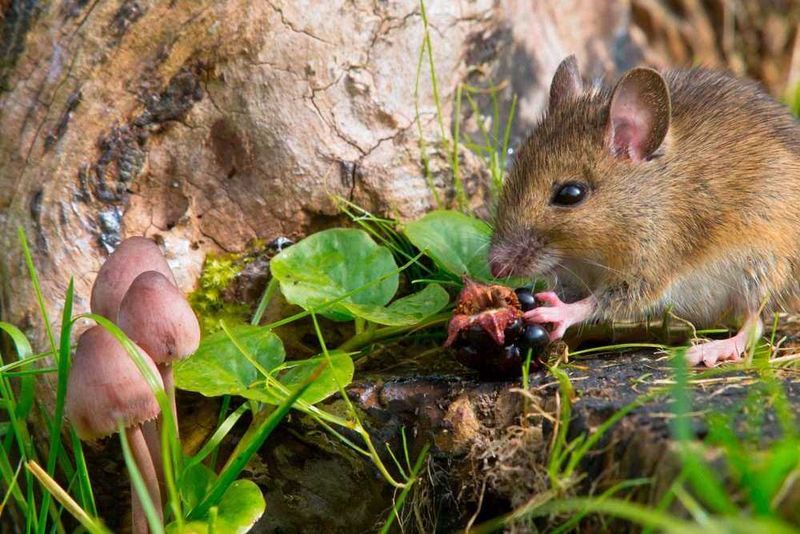
Rats would give fallen fruit a five-star review. It is soft, sweet, and served right at ground level. In many California neighborhoods, that is not a joke at all.
Roof rats are common across much of the state, and they adore fruit. Citrus, avocados, figs, and stone fruit top their list. Fruit on the ground makes dinner easy. Rats that find a steady food source tend to stick around, nest nearby, and raise bigger families.
Flies make up the other half of the problem. Small vinegar flies, often called fruit flies, lay eggs in fermenting fruit. Their young feed on the mush. In warm weather, one forgotten pile can raise a surprising crowd in about a week or two.
Now bring rain into the story, and things get a lot louder. Wet fruit rots faster and smells stronger. That sends a bigger invitation to every pest in the area. The soft, fermenting mess suits fly eggs perfectly. The stronger scent also helps rats track down the buffet at night.
In short, rain does not invent a new pest problem. It takes the problem rotten fruit already causes and makes it bigger and quicker.
A cleanup before a storm cuts off the food supply at its most tempting moment. That ranks among the smartest moves a gardener can make. The rats may leave a bad review, but honestly, nobody asked for their opinion.
4. Compost Only If The Fruit Looks Clean
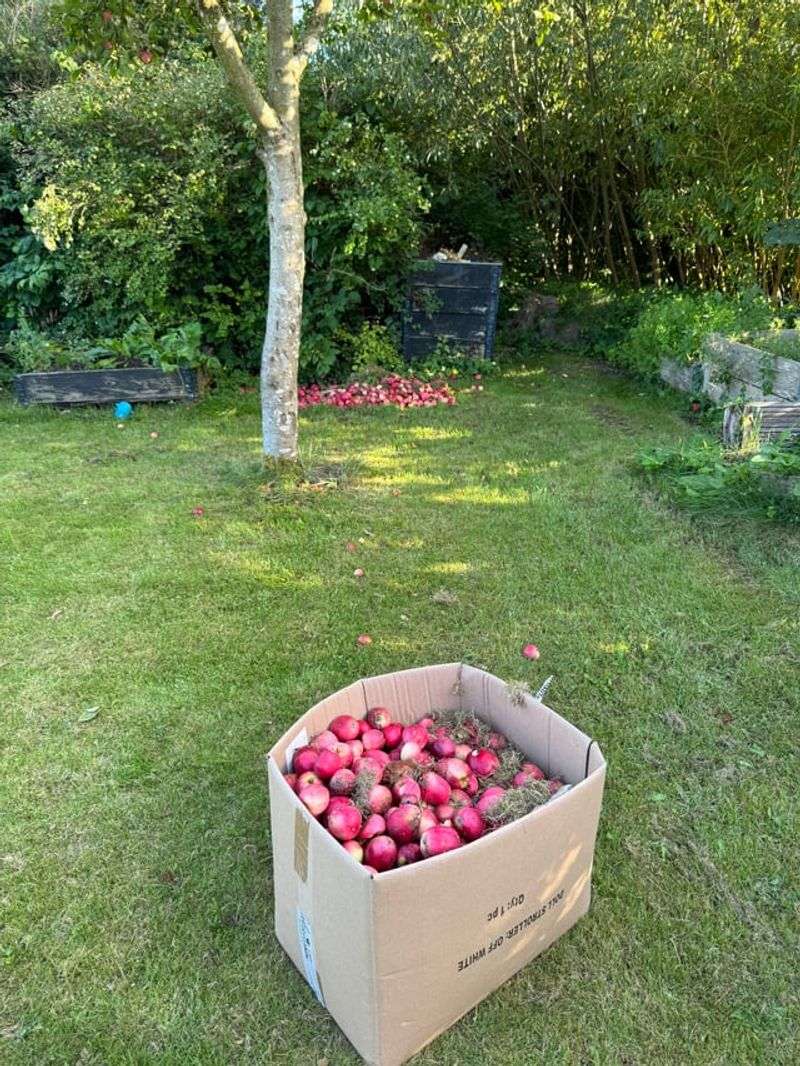
Good news for anyone who hates to waste food. Not every fallen fruit needs a trip to the trash. Plenty of it can become rich compost for next spring.
The trick is to stay picky. Firm fruit with no holes, no oozing spots, no fuzzy mold, and no worms makes a solid compost candidate.
How you add it matters just as much as what you add. Chop fruit into smaller chunks so it breaks down faster. Mix it with plenty of dry brown material like leaves, straw, or shredded paper. Bury it in the center of the pile instead of on top, where flies and curious critters can find it.
Now for the part that makes compost nerds cheer. A hot, active pile often reaches around 130 to 160 degrees Fahrenheit. That heat breaks material down quickly and can wipe out many pests and weed seeds.
Turn the pile regularly. Keep it about as damp as a wrung-out sponge so it heats up well. A closed bin with a lid and a solid bottom helps keep rats out.
Before rain arrives, cover an open pile with a tarp. Too much water cools the pile and slows it down, and it can get soggy and smelly.
With a little care, clean fallen fruit turns from a pest magnet into free garden food. That is the kind of glow-up every compost pile dreams about.
5. Diseased Fruit Belongs In The Trash
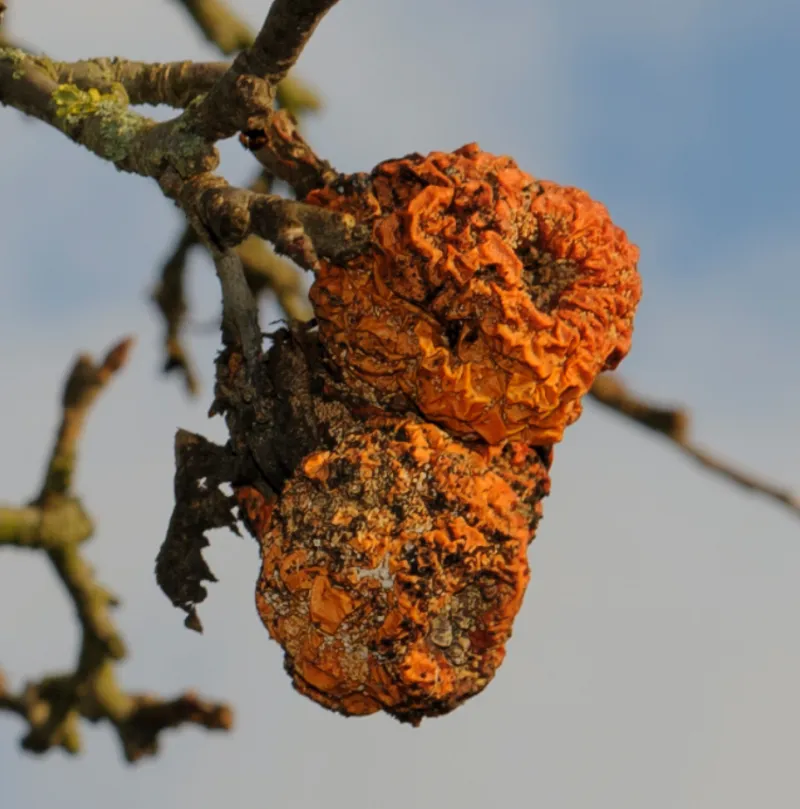
Some fruit is simply past saving, and that is okay. The right bin protects your trees and your yard. When in doubt, throw it out.
Watch for a few warning signs. Fuzzy gray or tan mold is one. Sunken brown spots and small holes with crumbly frass are others. Fruit that shriveled and dried like a raisin deserves suspicion too.
Those shriveled fruits have a spooky nickname: mummies. They often carry brown rot spores on stone fruit. Wormy apples and pears can hide codling moth larvae. Walnut husk fly or fruit fly larvae may lurk inside damaged fruit as well.
Most backyard compost piles do not stay hot enough, long enough, to wipe out every spore or insect. Sick fruit in a cool pile can spread trouble right back into the garden later. That is why infested or diseased fruit belongs in the trash, not the home compost.
Bag the bad fruit, tie it tight, and set it out with the trash. Many California cities also collect food scraps in green bins. Those scraps head to large commercial compost sites that run much hotter than home piles. Check local rules to see what goes where.
Now tilt your head back, because some of the troublemakers are still up high. Mummies that still hang in the tree should come down before winter storms spread spores around.
Halloween may be close, but mummies belong in movies, not in your fruit trees.
6. Harvest Ripe Fruit Before It Drops
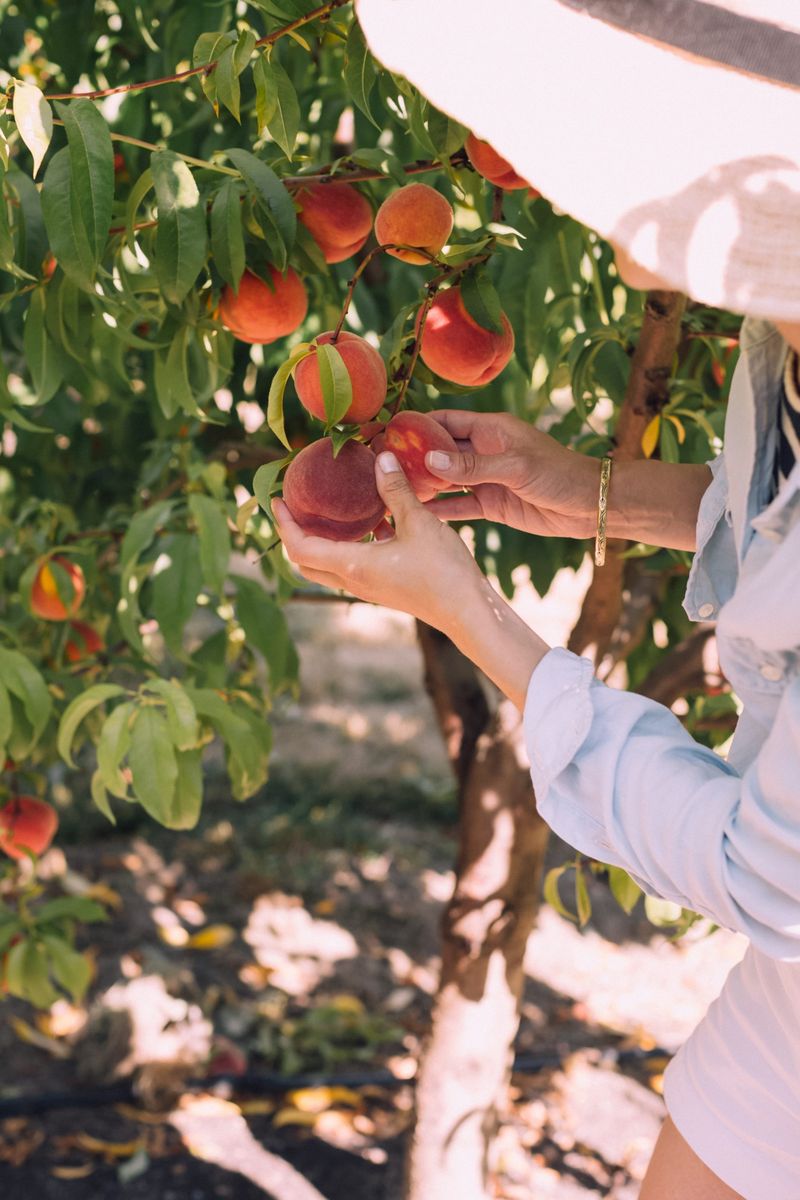
One grandmother had a saying about her fig tree. Pick it today, or the birds and bugs will pick it tomorrow. She had a point, and it applies to almost every fruit tree in California. The best fallen-fruit strategy is simply less fruit on the ground.
Get to know each tree’s schedule. Stone fruits like peaches and plums tend to ripen fast and drop soon after. Check them every day or two in season. Apples, pears, persimmons, and figs also tend to let go once ripe.
Citrus plays by different rules. Many kinds can hang on the tree for weeks. Still, roof rats happily feed on citrus left hanging, so steady harvests pay off. Fruit that stays too long also tends to drop once wind and storms arrive.
Before a big rain, do a quick harvest sweep. Pick anything ripe or nearly ripe. Wind and heavy rain can knock down a lot of fruit in one night.
Now comes the fun part, because a big harvest makes you very popular. Share extras with neighbors. Freeze some, bake some, or turn a batch into jam.
Some areas also have volunteer groups that collect extra backyard fruit for food banks. A quick search might connect your tree with families who need it.
Your fruit ends up in pies and lunchboxes instead of the lawn. Grandma would be proud, and the rats will be very confused.
7. A Quick Cleanup Avoids A Bigger Mess
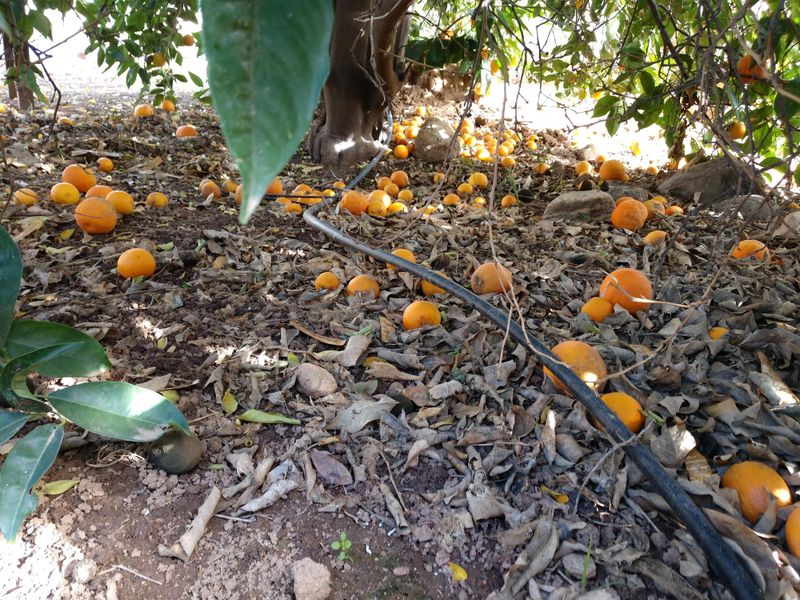
Ten minutes now or two hours later. That is the real choice every fruit grower faces with rain on the way. The short job wins nearly every time.
Everything on this list connects. Rain speeds up rot. Rot boosts the smell. The smell brings more rats and flies to a food source that already looked tempting. Each step makes the next one worse, so a stop at the start is the easiest fix.
A small habit goes a long way. Walk under your trees every few days. Collect what dropped. Check the forecast. With storms on the way, add an extra pass and pick ripe fruit still on the branches.
Sort as you go so the work stays simple. Firm, healthy fruit can head to a covered compost bin or your kitchen. Moldy, wormy, or shriveled fruit goes straight into a sealed bag. From there, it heads to the trash or green bin, based on your city’s rules.
Here comes a fun fact to share over a slice of plum cake. Many backyard fruit trees in California produce far more than one family can eat. A steady cleanup keeps that bounty a gift instead of a headache.
Your nose, your neighbors, and your trees will all appreciate the effort once rain starts to fall. The rats, meanwhile, will have to find a new favorite restaurant. Sorry, kitchen is closed.
8. Keep Curious Pets Away From Fallen Fruit
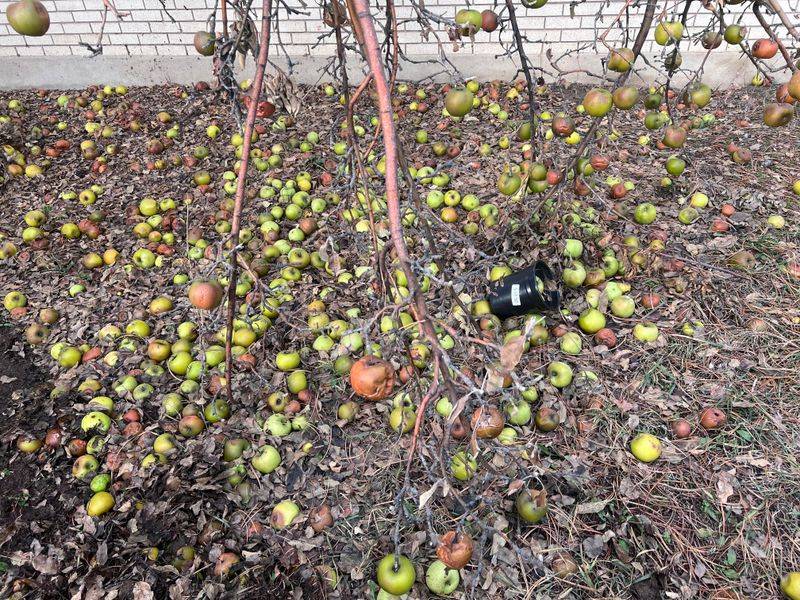
Dogs treat the yard like an all-you-can-eat buffet. Fallen fruit smells sweet, rolls around like a toy, and sits right at nose level. That combination can spell trouble.
Fermented fruit ranks high on the worry list. Soft fruit that sits in warm, wet weather can start to produce alcohol. A dog that snacks on enough of it may walk wobbly, throw up, or seem unusually sleepy.
Pits add another concern. Peach, plum, apricot, and cherry pits can get stuck in the throat or block the gut.
These fruits’ seeds, stems, and leaves also contain compounds that can harm pets in larger amounts. Avocado pits create a similar blockage risk.
Grapes and raisins deserve a special warning. Even small amounts can be toxic to dogs.
Now take a peek at your own fur crew, because they may know that fruit tree better than you do. Some dogs make a daily patrol under the branches. Chickens and other backyard animals may nibble too.
A quick pickup routine protects them. Rain makes it even more important, since wet fruit ferments faster and smells more tempting. A short fence or garden gate can block access in peak drop season.
Watch for an upset stomach, extra drool, belly pain, or low energy after a yard visit. Call a veterinarian right away with any concerns.
Your dog may argue that fallen plums are a free lunch. You, however, are the one who has to clean the carpet.