Silky Seed Pods Splitting Open In Missouri Yards Are Worth Saving
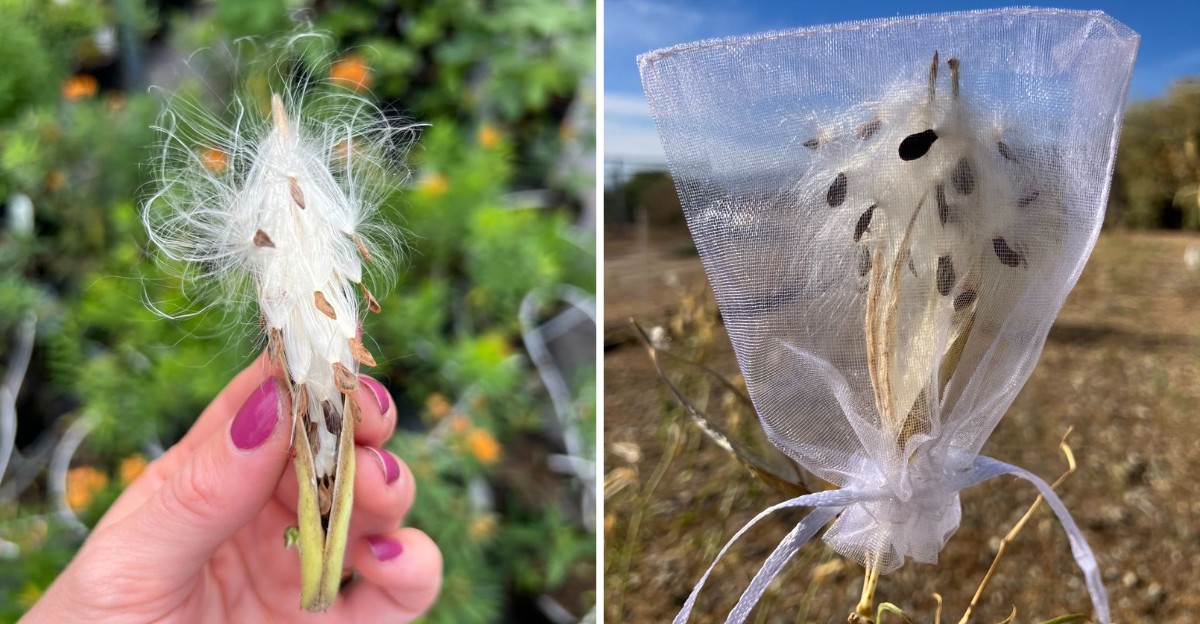
Something strange is happening along Missouri fence lines this month. Fat green pods are cracking open like tiny treasure chests, gently spilling pale silky fluff into the breeze.
Walk past on a warm sunny afternoon and you might catch a single puff drifting lazily right by your nose. It feels soft as a kitten’s whisker and floats like it has somewhere important to be.
Most folks simply shrug and keep mowing, thinking it is just harmless yard clutter. Yet those puffs hold something that truly matters to butterflies all across the country.
Some Missouri gardeners carefully collect them in paper bags each fall. Others swap them with fellow gardeners over the fence.
So the next time a puff of fluff lands in your lemonade, do not grumble too loudly. It may be the most well-traveled visitor on your patio all day long.
These Silky Seeds Feed The Next Butterfly Generation
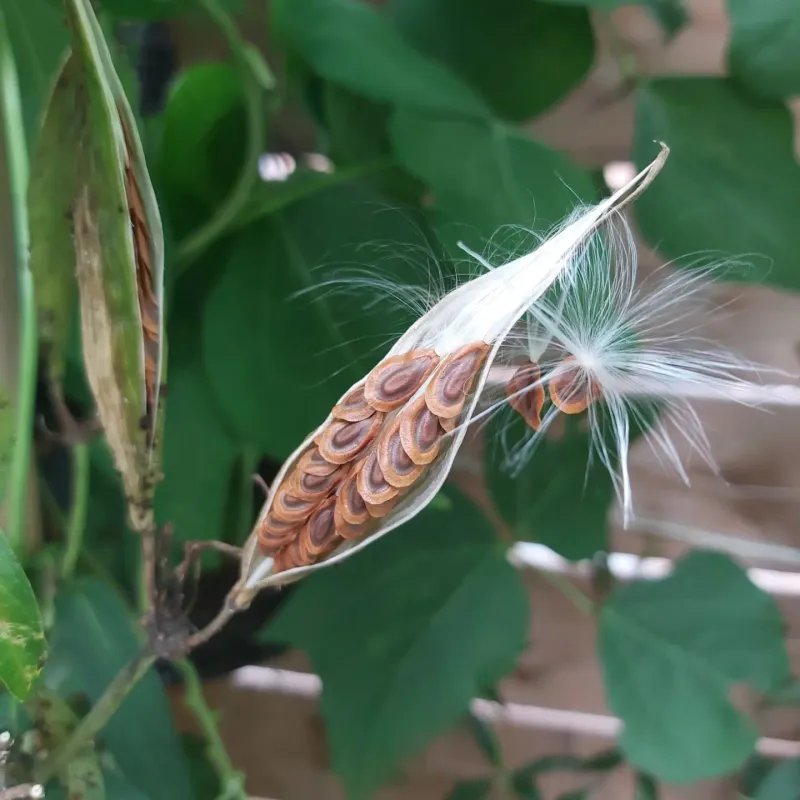
Picture a monarch caterpillar that feeds almost entirely on one kind of plant. Milkweed leaves are what these striped babies need to grow.
When pods split open in late summer, they are handing you the seeds for next year’s butterfly buffet. Saving them means more plants, and more plants mean more monarchs.
Monarch numbers have dropped a lot over the past few decades. Scientists point to lost milkweed along farm fields, roadsides, and suburban lawns as a big reason.
Missouri lies along the monarch’s main migration route through the central U.S. Monarchs pass through in spring heading north and again in fall, when the last generation flies south to Mexico.
Each pod can hold around 200 seeds or more. One healthy patch in your yard could produce enough seeds to start dozens of new plants.
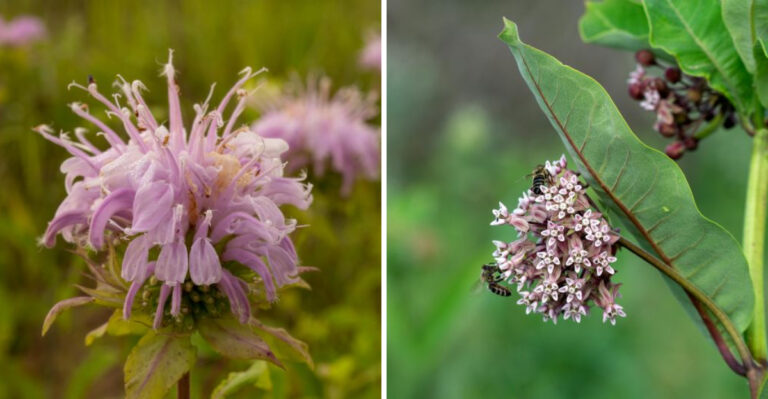
Common milkweed, butterfly weed, and swamp milkweed are all native to Missouri and suit different soils. Each one brings nectar for adult butterflies and leaves for hungry caterpillars.
Bees, beetles, and hummingbird moths also visit milkweed flowers for a sweet snack. Your saved seeds help a whole crowd of helpful critters, not just one famous butterfly.
Here is a fun fact to share at dinner tonight. Many birds avoid monarchs because toxins from milkweed sap make their bodies unpleasant to eat.
So those silky tufts are more than fluff blowing around your porch. They are little parachutes carrying the future of a creature millions of people love to watch.
The Perfect Moment To Gather Pods
Timing is everything, just like pulling cookies from the oven. Grab pods too early and the seeds will be pale and weak.
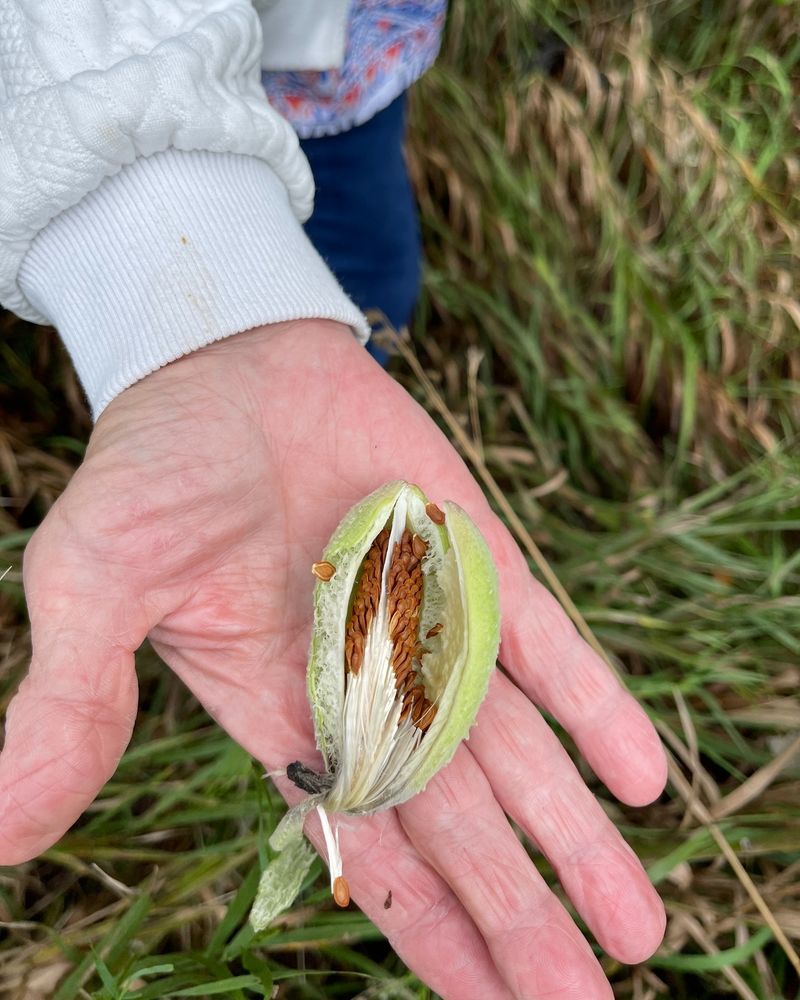
Ripe seeds are brown or dark tan, not white or cream colored. A quick peek inside tells you right away if they are ready.
In Missouri, most pods mature from late summer into October. September is often the sweet spot for common milkweed in many yards.
Watch for pods turning from bright green to grayish or yellow brown. The seam along the side may start showing a thin crack.
Here is a handy test you can try with your thumb. Press gently on the seam, and if it pops open easily, the pod is ready.
Your Missouri Garden Changes Every Week. Your Plan Should Too.
Gardening in Missouri changes quickly throughout the season. Every Friday you’ll receive a simple weekly plan showing exactly what to plant, prune, fertilize, harvest, and protect so you never miss the right timing.
Pods that have fully burst will scatter seeds fast on windy days. Check your plants every few days so you do not miss the show.
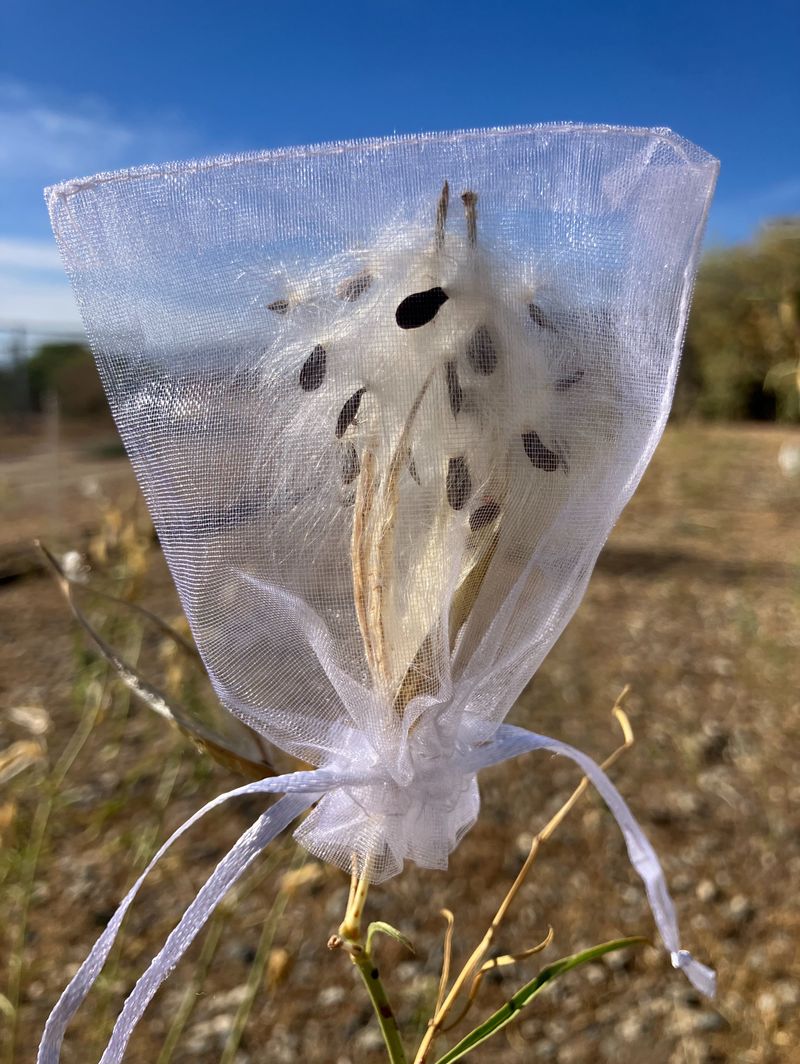
Some gardeners slip a small mesh bag or rubber band over pods ahead of time. This trick keeps seeds from floating off before you get there.
Late morning is a great time to collect because the air is often calmer and the dew has dried. Dry pods matter because damp seeds can grow mold in storage.
Bring a paper bag rather than plastic for your harvest. Paper lets moisture escape, which helps prevent mold from ruining your hard work.
A Common Blunder With Green Pods
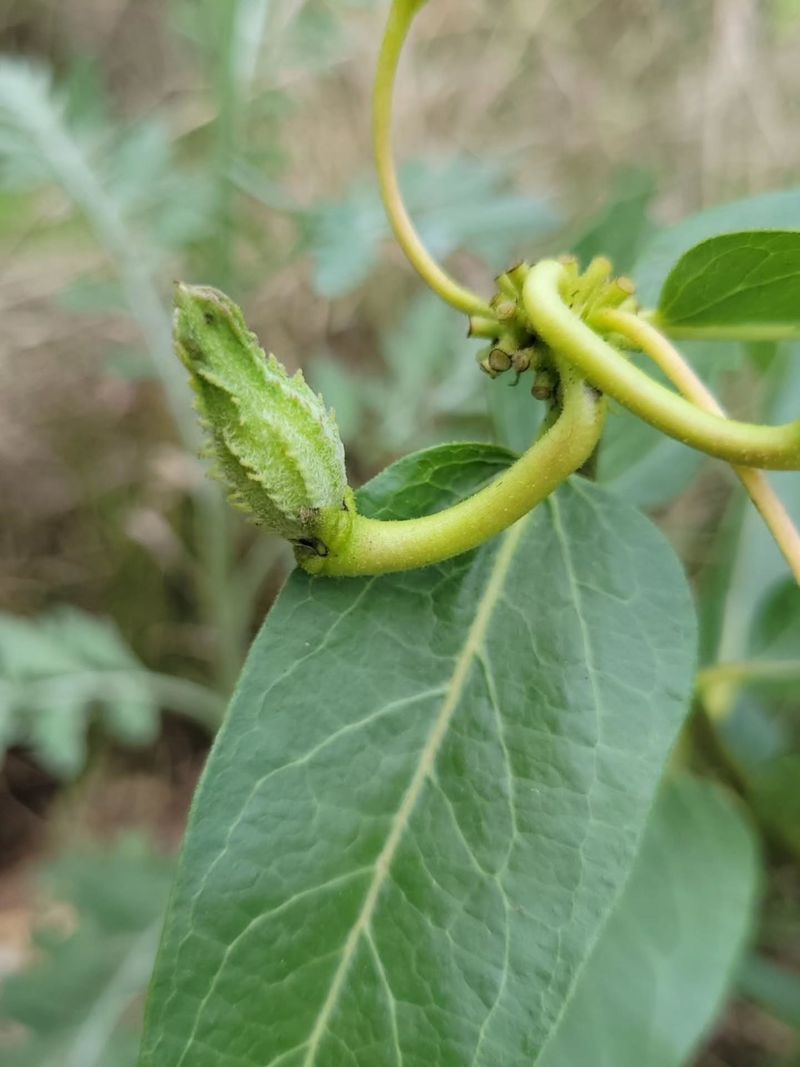
Oops, you cracked open a pod and found wet, white seeds inside. Plenty of eager beginners make this exact mistake every single fall.
Unripe seeds look soft and pale, a bit like tiny fish scales. They have not built up enough stored food to sprout next spring.
Once picked, a green pod often fails to ripen its seeds properly. A sunny windowsill rarely fixes that.
Another slip is storing seeds with the fluff still attached in a sealed jar. Trapped moisture can lead to mold and lower the chance that the seeds sprout.
Some people also toss pods in a hot garage or car trunk. High heat can damage the seeds and lower their chance to grow.
Pulling pods from a plant you do not own can cause trouble too. Ask permission before collecting from a neighbor’s fence line, and check the rules first for parks and other public land.
Leave some pods behind for nature to spread on its own. Wildlife and wild patches benefit when a few seeds drift off freely.
Watch out for milky sap when snapping stems or pods. It can irritate your eyes, so wash your hands before rubbing your face.
Mistakes happen, and that is part of learning any new garden skill. Next time, wait for brown seeds and a crackly seam before you pick.
Separating Fluff From Seed The Easy Way
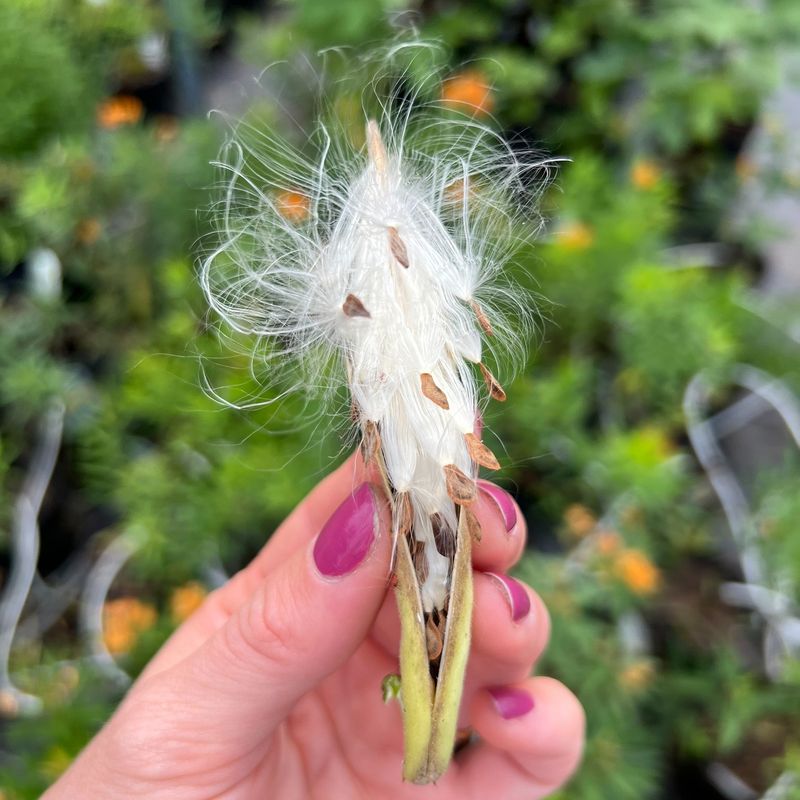
Ever tried tucking a cloud into a paper bag? Cleaning milkweed seeds can feel exactly like that without a smart plan.
Start by holding the pod over a bowl before the fluff expands. Pinch the top of the silky bundle and gently scrape seeds off with your thumb.
Work indoors or in a spot with no breeze at all. Even a tiny draft will send fluff swirling around your kitchen like snow.
If fluff has already puffed out, try the bag and coin method. Drop the fluffy seeds in a paper bag with a few coins.
Shake the bag hard for a minute or two. The coins knock seeds loose, and they settle at the bottom.
Cut a small hole in the bottom corner and let seeds trickle out. The lighter fluff mostly stays behind in the bag.
Some gardeners use a shop vacuum with a mesh screen over the hose. Fluff gets sucked up while heavier seeds stay put.
Once clean, spread seeds on a paper plate for a few days to dry. Then tuck them in an envelope labeled with the plant type and date.
Save the leftover fluff for fun projects. It has long been used to stuff pillows and bedding, and it also served as a light filling for life vests.
A Backyard Buzzing With Butterflies Next Summer
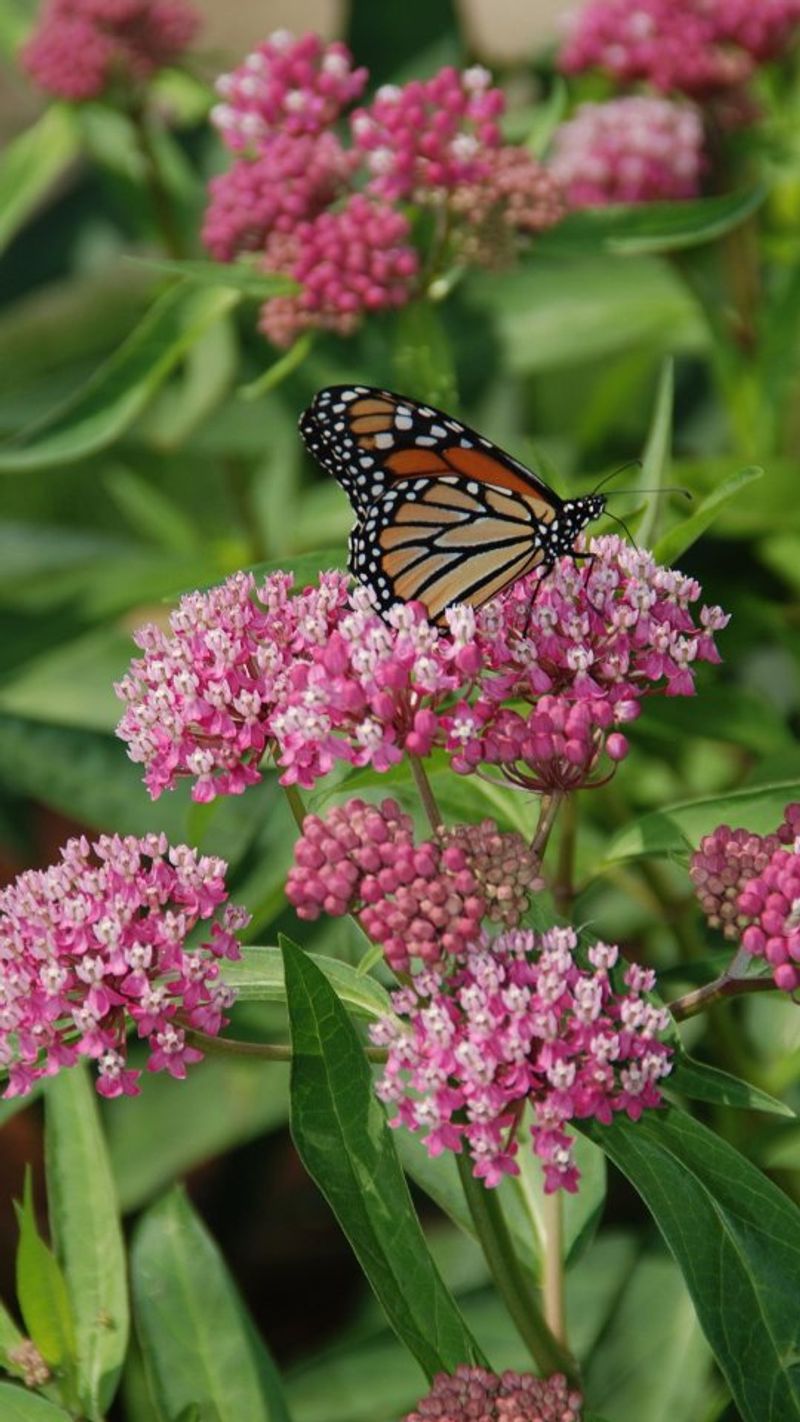
Imagine stepping outside next July to see orange wings flickering over pink blooms. That scene can start with one small envelope of saved seeds.
Many milkweed seeds need a cold winter nap before they sprout well. Scientists call this cold stratification, and Missouri winters handle it for free.
Scatter seeds on bare soil in late fall or early winter. Press them lightly into the soil so they make good contact and are harder for birds to spot.
Rain, snow, and freezing nights can do the rest of the work. By late spring, tiny seedlings should poke up through the ground.
Prefer planting in spring instead? Mix seeds with damp sand in a baggie and chill them in the fridge for about 30 days.
First year plants often look small and plain. Be patient, because many milkweeds bloom best in their second or third season.
Once flowers open, the scent is surprisingly sweet, a bit like honey and vanilla. Passersby may notice the fragrance drifting from the patch.
Soon you might spot tiny white eggs under the leaves. Striped caterpillars will follow, munching away like little lawnmowers.
Watching a chrysalis turn into a butterfly is pure backyard magic. Kids and grownups alike enjoy seeing those wings finally unfold.
Smart Storage For Seeds Through Winter
Grandma knew the secret to keeping garden seeds fresh. Cool, dry, and dark conditions work better than most storage gadgets.
Paper envelopes work great for cleaned milkweed seeds. Write the plant name, collection spot, and date right on the front.
Place the envelopes inside a glass jar or plastic tub with a lid. A small packet of silica gel helps soak up extra moisture.
Your refrigerator is a fine home for seeds over winter. Just keep them away from fruit, which releases gases that can affect seeds.
Avoid freezing seeds that still feel damp. Ice crystals can form inside and damage the tiny plant waiting within.
Stored well, milkweed seeds often stay good for two to three years. Older seeds still sprout sometimes, just at lower rates.
Have more seeds than space? Local nature centers and native plant groups sometimes welcome seed donations, so ask before you drop them off.
Schools and scout troops may welcome seed gifts too. A few envelopes can spark a whole classroom butterfly project next spring.
Consider sharing with neighbors to build a chain of habitat down your street. Monarchs travel far, so connected patches make their long trip much easier.
A little effort this September keeps the cycle rolling for years. Your saved seeds become next season’s gift to gardens and butterflies alike.