Why Parts Of Your Florida Bermudagrass Suddenly Look Scalped Even Though You Didn’t Mow
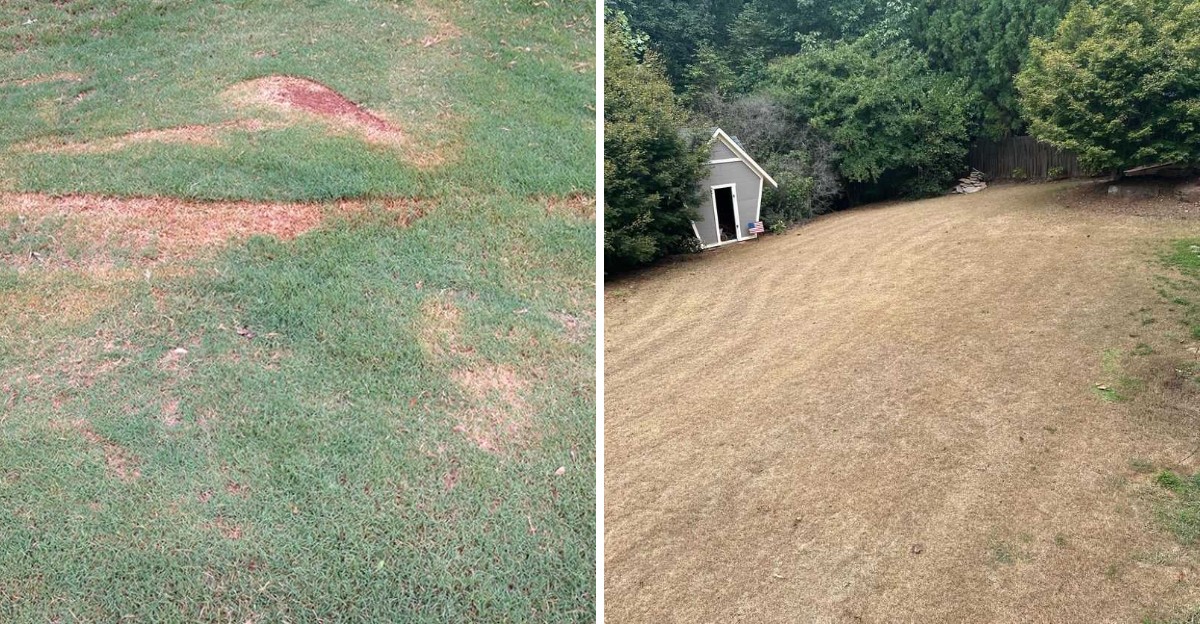
Patches of your Bermudagrass look buzzed down to nothing, and your mower never even touched them.
Florida lawns can end up looking scalped without a single pass from you, and the real cause has nothing to do with cutting height or missed spots.
A hungry caterpillar that feeds mostly at night can chew Bermudagrass down in patches, leaving damaged sections right next to thick, healthy ones.
The fix isn’t about adjusting your mower at all, which trips up plenty of people who spend weeks tweaking a setting that was never the problem in the first place.
Look closer at those bare patches before you touch your mower deck again. The real cause might be something you’ve been overlooking the whole time.
1. Watch Armyworms Strip Bermudagrass Overnight
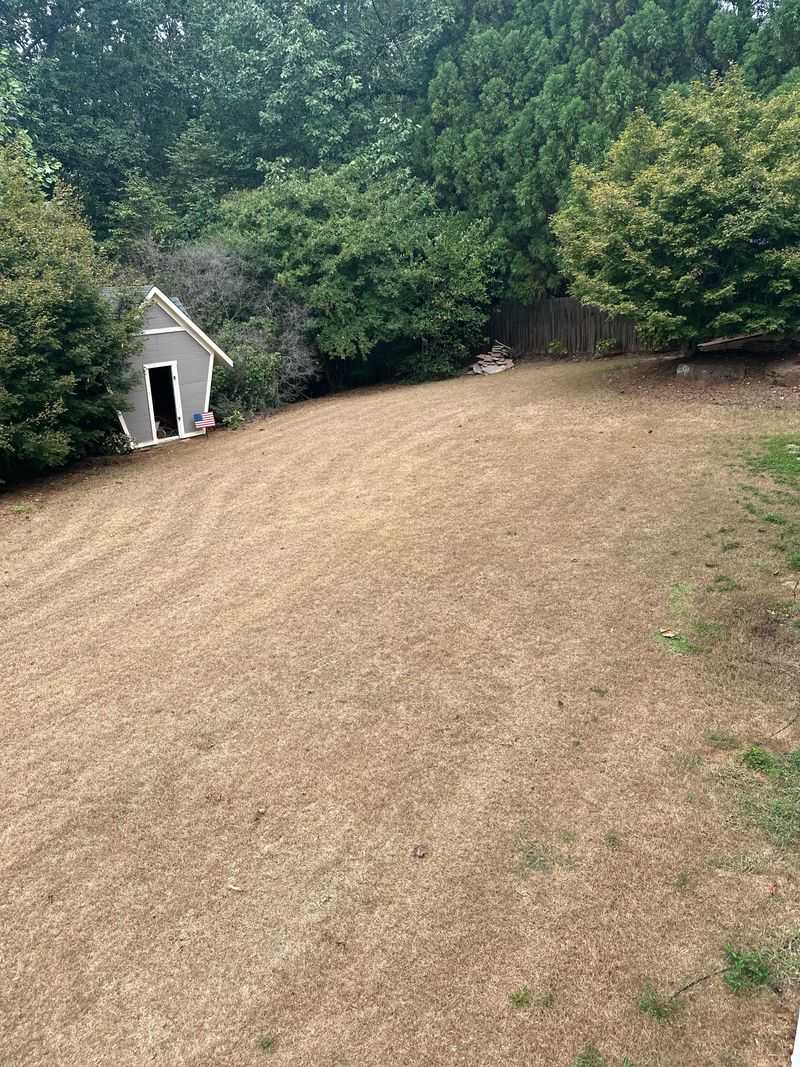
Picture a green lawn on Friday and a patchy brown mess by Monday. Fall armyworms can pull off that trick in just 48 to 72 hours.
These caterpillars go by the scientific name Spodoptera frugiperda. They earned the army nickname because they travel in big groups and eat like a marching crowd at a buffet.
Florida Bermudagrass is one of their favorite meals. The warm weather and soft, fine blades make our lawns an easy target.
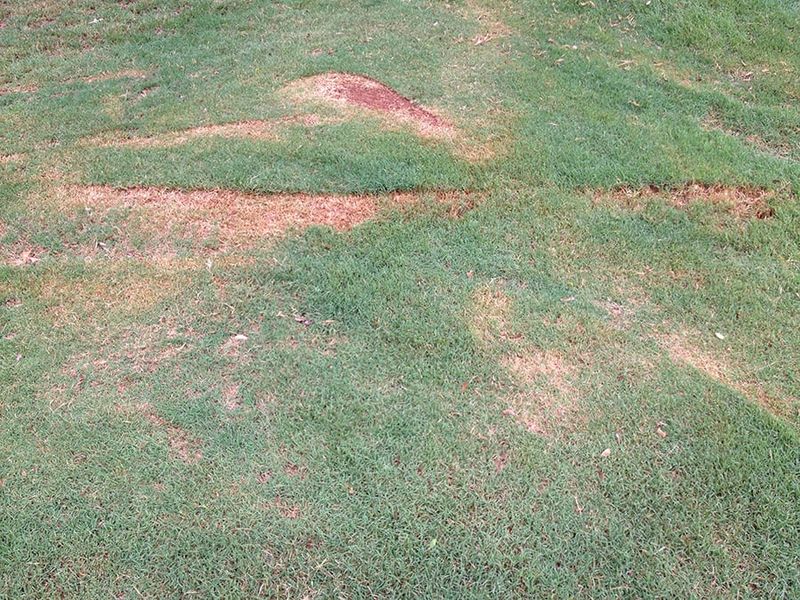
Once a large group settles in, the damage moves fast. Grass can look scorched or chewed down to the soil, almost like someone ran a mower set way too low.
That is why so many homeowners blame the lawn crew first. The scalped look fools almost everyone the first time it happens.
Here is a quick way to tell the difference. Mower scalping usually shows up in lines or on high spots, while armyworm damage spreads in irregular patches that grow bigger each day.
Fun fact: the adult moths can fly long distances on storm winds. A single tropical system can deliver a fresh wave right to your street.
So if brown areas seem to appear out of nowhere, trust your instincts. Something small and hungry may be working the night shift in your yard.
2. Look For Chewed Blades Instead Of Clean Mower Cuts
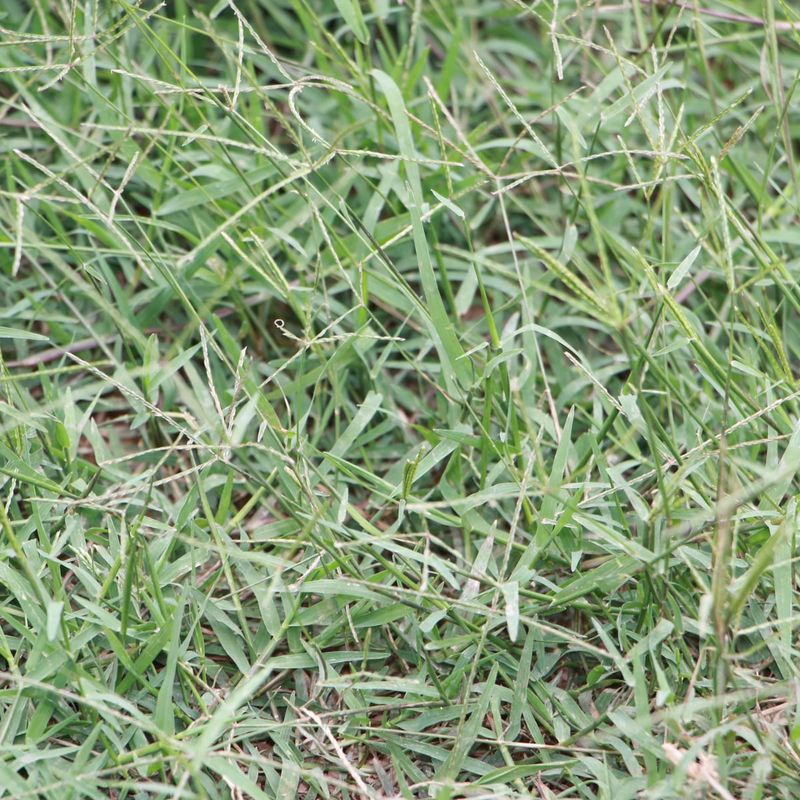
Kneel down and pinch a few blades between your fingers. The tips will tell you a surprising story if you look closely.
A sharp mower blade leaves a clean, straight edge across the grass. A dull one tears the tips a bit, but the cut still runs neatly across the whole lawn.
Armyworms work very differently. They leave ragged, notched edges where they chewed through the sides of each blade.
Some leaves may look like tiny windows. Young caterpillars scrape off the surface layer and leave a thin, see-through skin behind, often called a windowpane or skeletonized look.
You might also spot small pinholes on the blades. Those little holes often point to early feeding before the big damage kicks in.
Try this simple test on a sunny afternoon. Hold a handful of blades up to the light and check for clear patches, uneven edges, and holes.
A cheap magnifying glass makes this job much easier. Kids love helping with it, and it turns lawn care into a mini science project.
Your Florida Garden Changes Every Week. Your Plan Should Too.
Gardening in Florida changes quickly throughout the season. Every Friday you’ll receive a simple weekly plan showing exactly what to plant, prune, fertilize, harvest, and protect so you never miss the right timing.
Compare blades from a brown patch with blades from a healthy area nearby. If the damaged ones look nibbled rather than sliced, you have strong evidence that insects, not your mower, caused the scalped look.
3. Check Grass Crowns For Signs Of Feeding
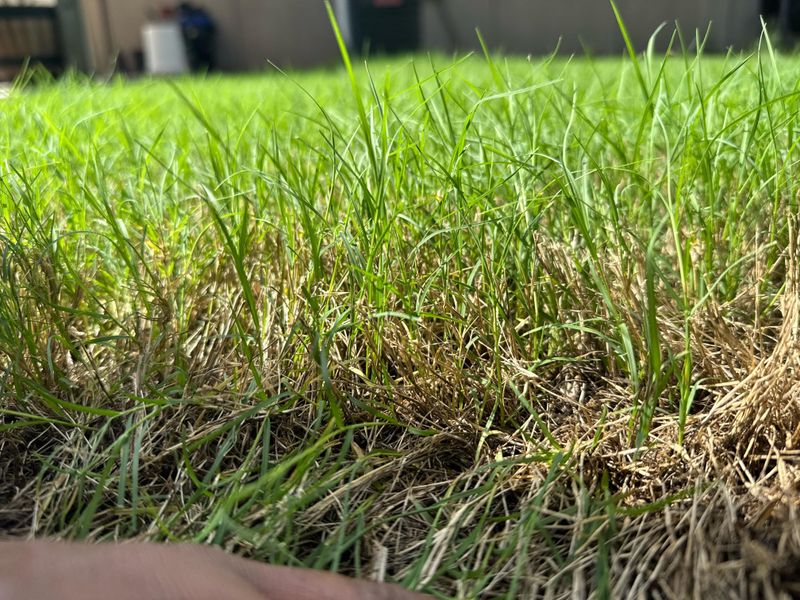
Most people look at the top of the lawn and stop there. The real action often happens down low, right where the grass meets the soil.
That lower zone is called the crown. It is the growing center of each plant, and it helps the grass push out fresh blades.
Armyworm larvae mainly munch on leaf tissue. Still, they like to hide near the base of the turf, and in some cases they feed on the crowns too.
To check, pick a spot along the edge of a brown patch. Use your fingers to part the grass and peek into the thatch layer.
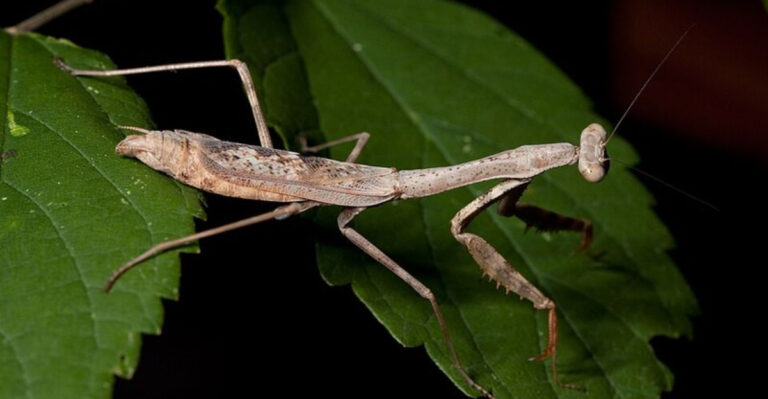
Look for caterpillars curled up in the shade. They are usually greenish to brown with stripes along their sides, and many have a light upside-down Y mark on the head.
Also check if the crowns look firm or chewed. Firm, pale crowns suggest the plant can bounce back, while shredded bases mean the feeding went deeper.
Here is a handy tip from seasoned lawn folks. Work from the edge of the damage toward the green grass, since that border is where active feeders tend to gather.
A few minutes on your knees can save you weeks of guessing. Your lawn will thank you for the close look.
4. Scout At Dusk When Armyworms Become Active
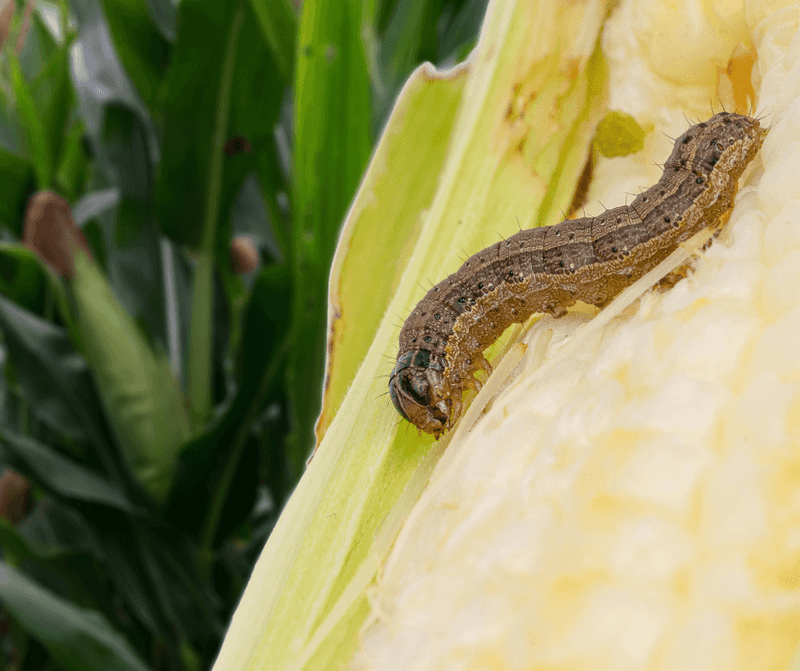
Grab a flashlight and a glass of sweet tea as the sun dips low. Evening is prime time for catching these grass munchers in the act.
Armyworms dislike the hot Florida sun. During the warm part of the day, they tuck themselves deep into the thatch where it stays cool and shady.
Once temperatures drop, they come out to eat. Early morning, late afternoon, and the whole night are their favorite feeding windows.
So a noon walk around the yard might show you nothing. A dusk walk could reveal dozens of caterpillars crawling across the blades.
Start at the edges of brown areas and move slowly. Shine your light low and at an angle, since that helps the caterpillars stand out against the grass.
Bring a small notebook or use your phone. Jot down where you see the most activity so you know which spots need attention first.
Honestly, it can feel a little like a nature documentary. Crickets chirp, frogs sing, and meanwhile tiny eaters march across your lawn like they own the place.
Check again the next morning just after sunrise. Seeing them twice confirms the problem and gives you a clear picture of how big the crowd really is.
5. Look For Tiny Droppings Around Damaged Turf
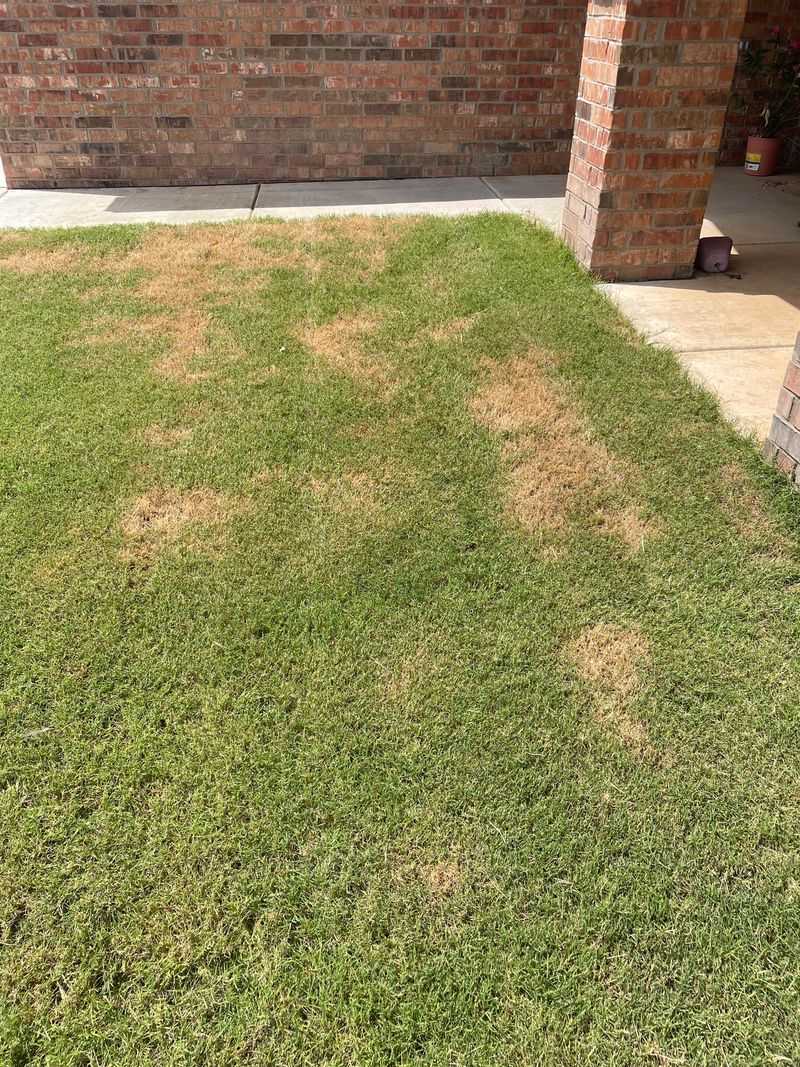
Nobody expects a lawn mystery to be solved by poop. Yet caterpillar droppings are one of the best clues you can find.
Gardeners call these droppings frass. They look like tiny dark pellets, often greenish black, about the size of coarse ground pepper.
You will usually find them near the soil surface. Push the grass aside in a damaged area and check the thatch layer closely.
Frass tells you that something has been eating nearby, and recently too. Fresh pellets look darker and a little moist, while older ones dry out and crumble.
Here is a trick that works well. Lay a white paper plate or sheet of paper at the edge of a brown patch overnight, then check it in the morning for fallen pellets.
A lot of frass in one spot means a busy crowd of feeders. Just a few pellets may point to an early problem you can still get ahead of.
Don’t confuse frass with sand or soil crumbs. Frass pellets have a more even, rounded shape and often show tiny ridges under a magnifier.
It may not be the most glamorous detective work. Still, spotting these little specks can confirm armyworms long before you actually see a caterpillar.
6. Check Stressed Areas Before The Damage Spreads
Ever notice a flock of egrets strutting across one corner of your yard? Those birds are not just sightseeing.
Egrets, blackbirds, and other birds love to snack on armyworm larvae. When they work one area hard and keep coming back, they are often pointing right at a hidden infestation.
Think of them as free lawn inspectors. Their behavior can warn you days before the brown patches become obvious.
Also keep an eye on turf that is already under stress. Grass that was recently mowed short or soaked by heavy rain may show feeding damage more clearly.
Why does speed matter so much? Armyworm groups can spread brown patches across a whole lawn quickly, so early action keeps a small problem small.
Walk your yard every few days during late summer and fall. Pay special attention to sunny spots, lawn edges near fields, and areas close to outdoor lights, since moths are drawn to them.
If you find a trouble spot, mark it with a small flag or stick. That makes it easy to check the same area again and see whether things are getting better or worse.
A quick weekly stroll really pays off. It turns you into the first line of defense instead of the last to know.
7. Skip Extra Water When Insects Are The Problem
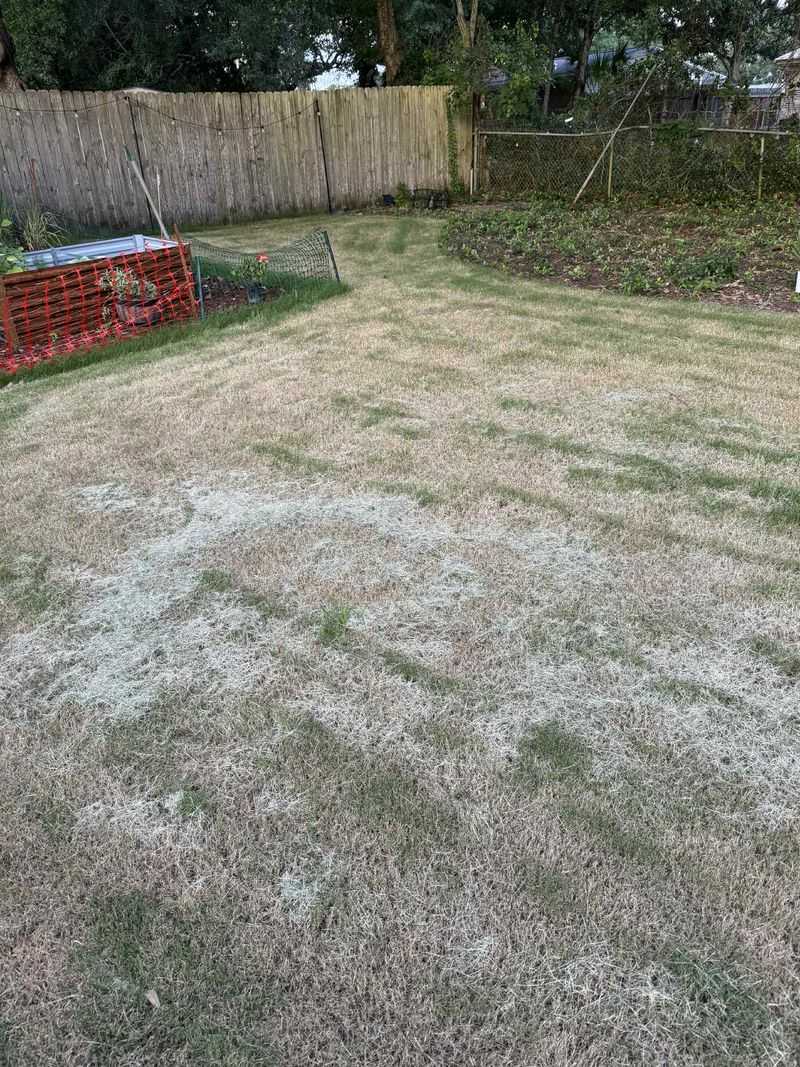
When grass turns brown, the first instinct is to turn on the sprinklers. That move makes sense for drought, but it can backfire when insects are to blame.
Extra water will not fix chewed blades. Brown patches from feeding look a lot like dry spots, so it is easy to guess wrong.
Warm, damp conditions actually help armyworms thrive. Outbreaks often follow heavy rain or tropical storms, because moist grass is a perfect place for moths to lay eggs.
Timing also matters if you use a treatment. Some pros suggest a light watering beforehand to bring caterpillars closer to the surface.
After you apply an insecticide, hold off on heavy watering for about 24 hours. Otherwise, you may rinse the product off the blades before it has a chance to work.
Check your sprinkler timer and pause any scheduled cycles. It is also smart to peek at the forecast so a surprise afternoon storm does not wash away your effort.
Once the insects are under control, you can return to a normal watering routine. Deep, less frequent watering helps Bermudagrass grow strong roots without keeping the surface soggy.
Knowing the real cause saves water, money, and frustration. Your Florida lawn gets exactly what it needs instead of a guess.
8. Treat Armyworms Early Before They Strip More Turf
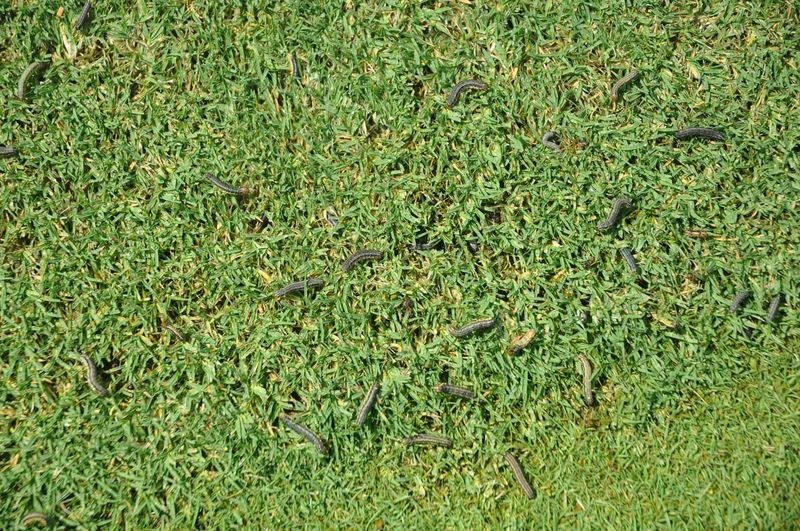
Here is a backyard experiment that feels almost like magic. Mix a couple tablespoons of dish soap into a gallon of water and pour it over one square yard of grass.
Wait a few minutes and watch closely. If caterpillars wiggle to the surface, you have your answer.
Experts use a simple threshold. Two to three caterpillars per square foot, or more than five per square yard, means it is time to treat.
For fast knockdown, many homeowners choose pyrethroids such as bifenthrin, cyfluthrin, or lambda-cyhalothrin. These act quickly on active feeders.
Chlorantraniliprole offers longer-lasting protection. It keeps working for weeks, which helps when new waves of caterpillars hatch.
Prefer a gentler approach? Spinosad and Bacillus thuringiensis, often called Bt, are organic options that work best on small, young caterpillars.
Always read and follow the product label. Wear gloves, keep kids and pets off treated areas until dry, and apply in the late afternoon when armyworms start moving.
Speed is your best friend here. Treating in the first day or two can mean the difference between a few bare spots and a yard that looks like it lost a fight.
9. Help Bermudagrass Rebuild After Heavy Feeding Damage
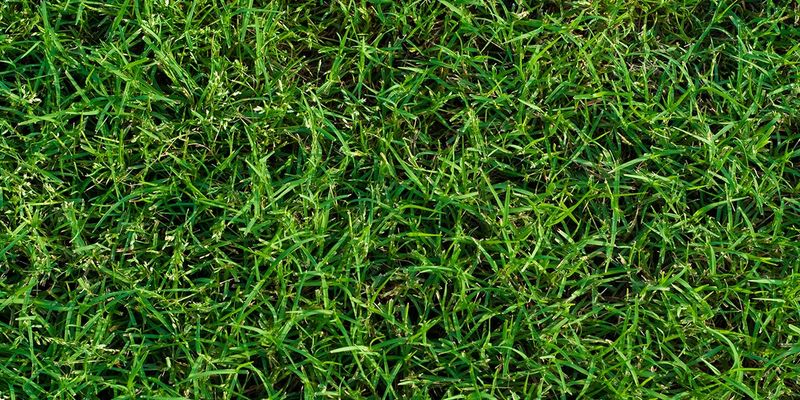
Good news first: Bermudagrass is one tough grass. Its underground rhizomes and above-ground runners help it bounce back after a rough patch.
If the roots and rhizomes stayed healthy, you should see fresh green growth in about three to four weeks. It may look rough at first, but patience pays off.
Give the lawn a gentle boost. A balanced fertilizer and steady, deep watering encourage new blades to fill in the bare areas.
Raise your mower height a notch while the grass recovers. Longer blades capture more sunlight and help the plants rebuild energy faster.
Some spots may not recover if the runners were badly harmed. In that case, sprigging, seeding, or laying fresh sod can patch things up nicely.
Keep scouting through the rest of the season. Armyworms can produce several generations a year, and new moth flights may bring another round of hungry visitors.
A quick weekly check at dusk is an easy habit to build. Pair it with a soap flush test now and then to stay ahead of trouble.
Before long, your Florida yard should look lush again. And next time those strange brown patches show up, you will know exactly where to start.