12 Arizona Vegetables That Come Back Every Fall Without Replanting
Picture a garden that shows up for work every fall, even when you skipped the seed packets. In the low desert, a handful of tough vegetables can push through summer heat and bounce back when the weather cools.
Growing them means less digging, less water wasted on new seedlings, and more food from the same patch of ground. Many of them also feed bees, butterflies, and birds, so your yard works harder for you and for local wildlife.
1. Globe Artichoke
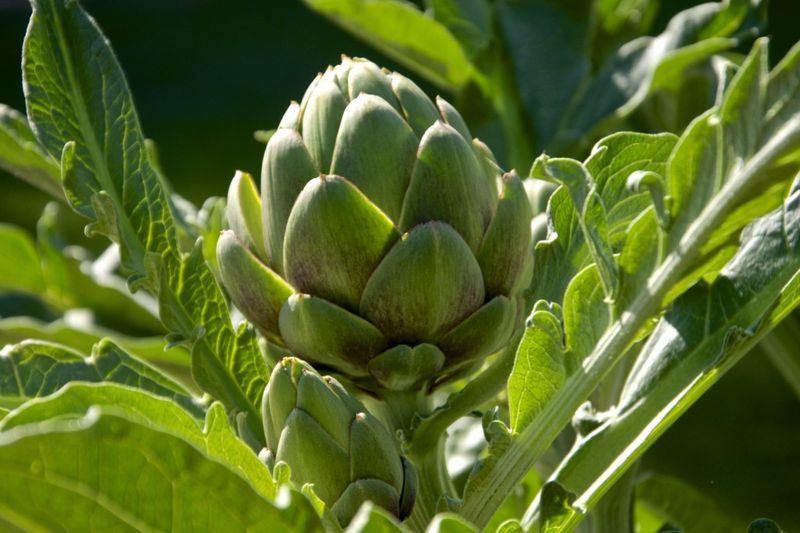
Silver leaves that look like giant thistles are usually the first thing neighbors ask about. Globe artichokes wake up when fall temperatures drop, sending fresh growth from roots that rested through the hottest months.
One planting can keep producing for four to seven years in a Phoenix or Tucson yard.
Plants grow steadily through the mild winter and deliver fat, edible buds in spring. After harvest, the leaves may brown and slump in summer, which is normal.
Cut them back, water lightly, and wait for cooler nights to bring the plant roaring back.
Placement matters in the desert. Pick a spot with morning sun and afternoon shade, perhaps on the east side of a wall or under the filtered canopy of a palo verde.
Mix compost into alkaline or caliche soil so roots can spread and drain well.
Any bud you skip eating turns into a stunning purple bloom. Bees crowd those flowers, which can help pollinate nearby fruit trees and squash.
Songbirds may also pick at the seeds later. It is a vegetable, a pollinator magnet, and a garden sculpture all rolled into one sturdy plant.
2. Asparagus
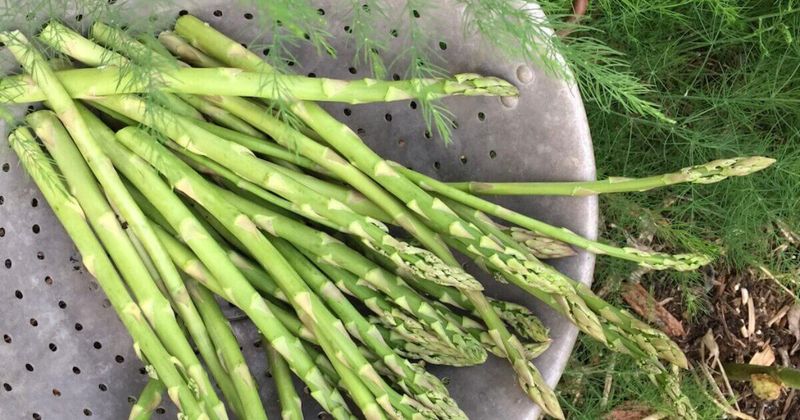
Patience pays off in a big way with asparagus. Plant the crowns once, and an established bed may keep feeding your family for 15 years or longer.
Few crops in the desert offer that kind of long-term return on a single weekend of work.
Most gardeners enjoy spears in early spring. Here is a desert trick worth knowing: cut the ferns down in late July, keep watering, and you can often coax a second round of spears in late summer or early fall.
Arizona’s long warm season makes that bonus harvest possible.
Asparagus likes loose, well-drained soil, so a raised bed filled with compost and sand is a smart move if your yard sits on hard caliche. Deep watering every week or so encourages roots to dig down where soil stays cooler.
Once settled, the plants handle dry air better than many leafy crops.
After harvest, tall feathery ferns fill the bed with soft green texture. They shade the soil, cutting down on evaporation, and give lizards and small beneficial insects a cool hiding place.
In late fall the fronds turn golden before resting, a nice seasonal show.
3. Arizona Grape
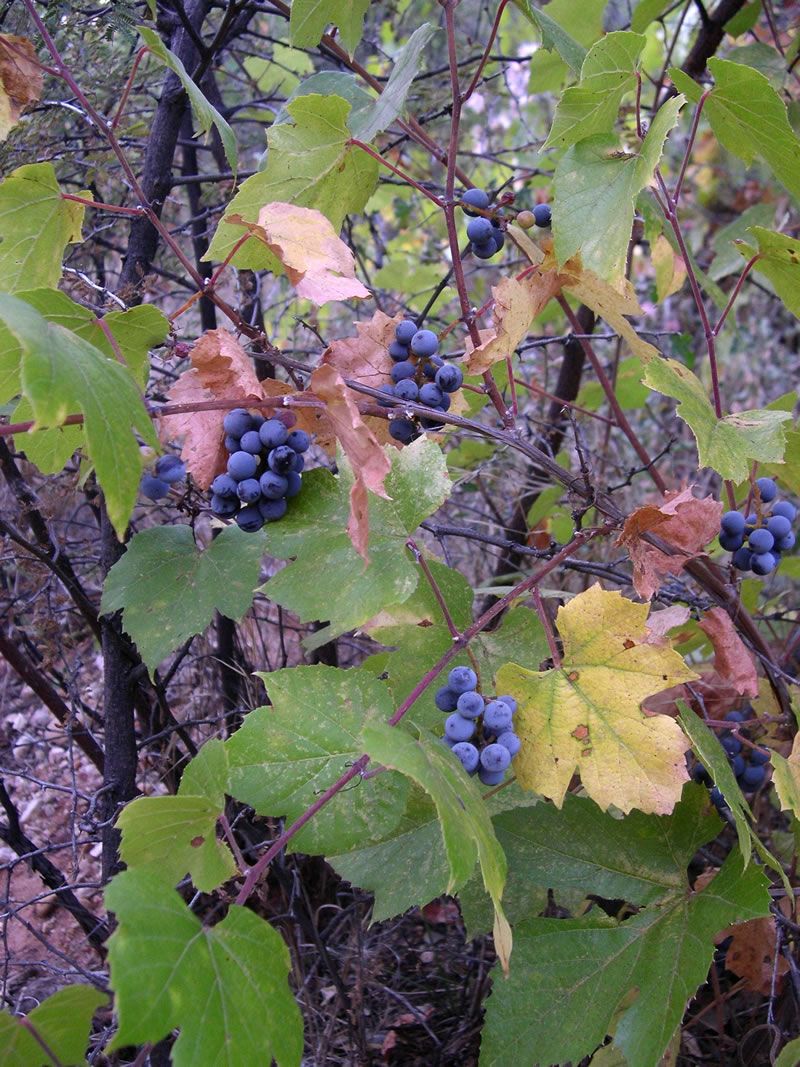
Long before anyone planted vineyards, wild grapes were climbing along desert washes and canyon streams. Vitis arizonica is a true native, and once its roots settle in, it shrugs off drought in a way imported grapes rarely can.
Your Arizona Garden Changes Every Week. Your Plan Should Too.
Gardening in Arizona changes quickly throughout the season. Every Friday you’ll receive a simple weekly plan showing exactly what to plant, prune, fertilize, harvest, and protect so you never miss the right timing.
Small dark berries ripen from August into October. They are tart and seedy, great for jelly or juice, but you will need to share.
Birds, quail, and small mammals flock to the vine, turning a simple fence line into a busy wildlife snack bar.
Fall brings a second reward. The leaves shift from green to yellow and then orange-red, giving low-desert yards a rare burst of autumn color.
After the leaves drop, the vine rests, then pushes out new growth each spring with zero replanting.
Arizona grape is not picky about soil. Sandy, rocky, or clay ground all work, and its sprawling roots can help hold slopes together during heavy monsoon rain.
Train it over a pergola on the west side of your patio, and summer leaves may help block harsh afternoon sun. For a functional, water-wise edible, this native vine checks a lot of boxes.
4. Jerusalem Artichoke
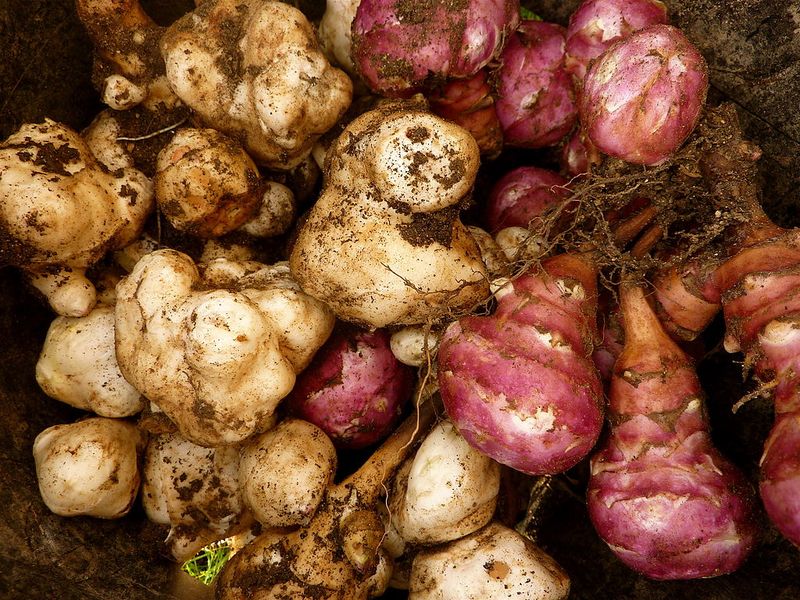
Talk about a plant that refuses to quit. Jerusalem artichokes, also called sunchokes, are a type of sunflower that grows knobby edible tubers underground.
Miss even one small tuber at harvest time, and it will sprout again next season.
Tall stalks shoot up through the long Arizona summer, often reaching six feet or more. Cheerful yellow blooms follow, drawing butterflies, native bees, and other pollinators.
Later, songbirds like finches may perch on the drying heads to snack on seeds.
Fall is harvest season. Once the stalks start to fade, dig around the base and pull up tubers that taste nutty and slightly sweet, a little like water chestnuts.
Roast them, slice them raw into salads, or mash them like potatoes.
Sunchokes tolerate slightly alkaline soil, which is great news for desert gardeners. They do fine with moderate water and do not need rich soil to thrive.
Because they spread eagerly, give them their own corner or a large bottomless container sunk into the ground. A patch along a back wall can also act as a living screen during summer, adding privacy and a little shade.
5. Chaya
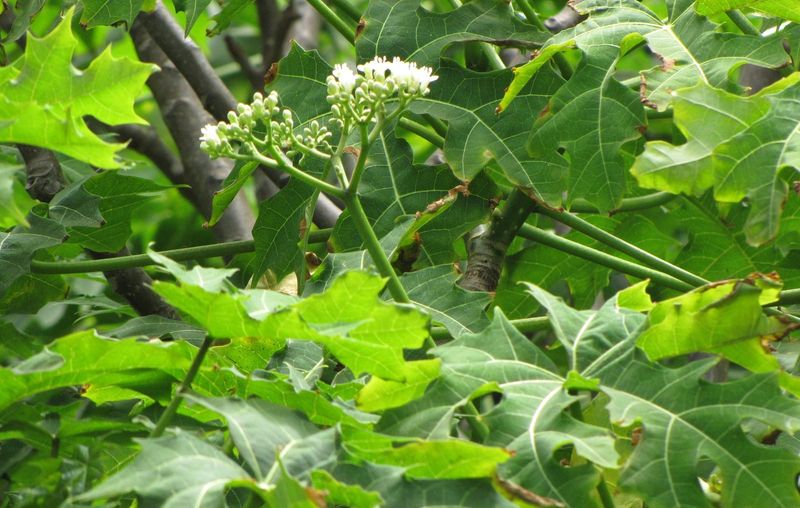
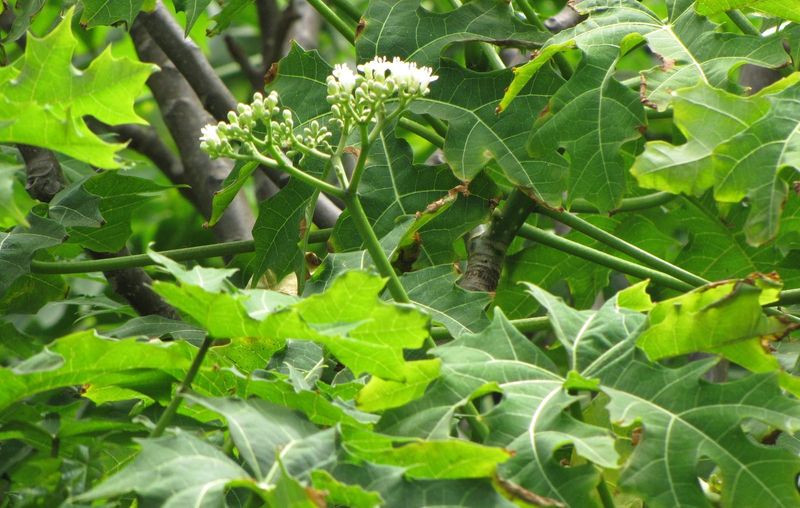
Nicknamed tree spinach, chaya comes from the Yucatan, where it has fed families for centuries. It feels right at home in Phoenix heat, pumping out big, lobed leaves when many greens have long given up.
Here is the key rule: always cook chaya leaves before eating. Boil them for about 15 to 20 minutes, then use them like spinach in soups, eggs, or tamales.
Wear gloves when harvesting, since the sap can irritate skin for some people.
Chaya handles heat, drought, and poor soil with surprising ease. A few deep waterings during the hottest weeks keep it lush.
The shrub can reach six feet or more, so it can double as a leafy screen near a patio.
Frost is its one weak spot. Temperatures in the low 30s may burn the leaves back, but the plant usually recovers quickly once warm days return, and fall often brings a fresh flush of growth.
Covering it on cold nights helps.
Small white flowers appear on mature plants and attract butterflies and hummingbirds. That makes chaya a tidy mix of food, shade, and pollinator support in one tough shrub.
6. Prickly Pear Cactus
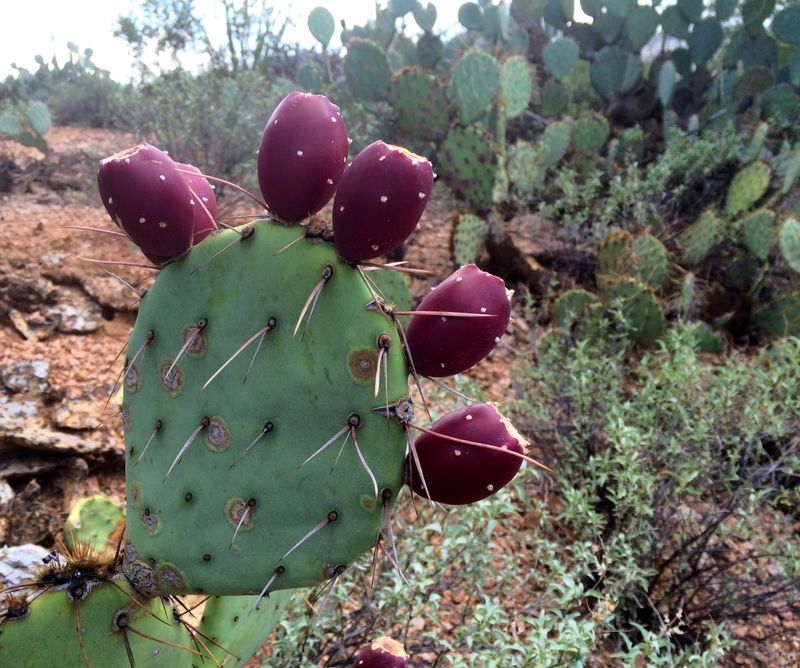
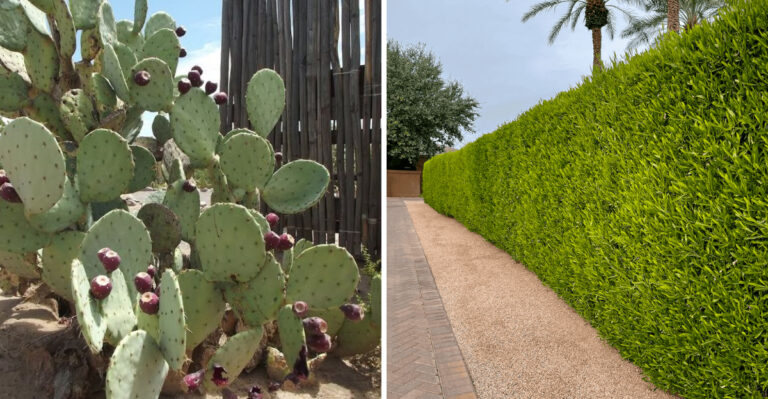
Grandmothers across the Southwest have been cooking nopales for generations, and for good reason. Prickly pear is native, nearly water-free once established, and edible in two ways: tender young pads and sweet ruby fruits called tunas.
Pads are in season from September through December in Arizona, which fits perfectly with a fall harvest. Scrape off the spines with a knife, slice the pads into strips, and grill or saute them.
The flavor lands somewhere between green beans and tart lemon.
Tunas ripen in late summer. Use tongs, roll them in gravel or burn off the tiny glochids, then blend the pulp into juice, syrup, or jam.
The bright magenta color alone makes it fun.
For wildlife, prickly pear is a powerhouse. Spring blooms draw native bees in huge numbers, and fruit feeds birds, javelina, and small mammals.
Cactus wrens and other birds may nest among the protective pads.
Plant a pad directly in fall, let it callus, and it roots with almost no help. Rainfall alone often keeps mature plants going.
It may be the lowest-effort vegetable on this entire list.
7. Sweet Potato
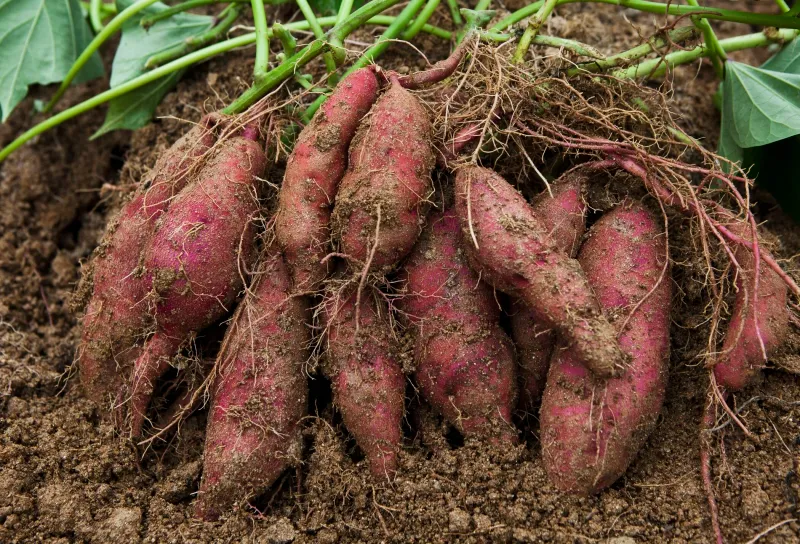
Sweet potatoes secretly love the desert. While tomatoes sulk in July, these heat seekers spread a thick carpet of heart-shaped leaves across the ground.
Most gardeners treat them as a one-time crop. In low-desert Arizona, though, you can keep them going by leaving a small tuber or rooted stem in the soil after digging.
Warm winters in Phoenix and Yuma often let that piece survive, and it sends up fresh vines when the ground warms.
Harvest usually happens in fall, right on schedule for holiday recipes. Gently dig around each plant with a fork to avoid bruising the tubers.
Let them cure in a warm, shaded spot for a week or two to boost sweetness.
The leaves are a bonus crop that many people overlook. Young greens are tender and mild, great in stir fries during summer when lettuce is impossible to grow.
That gives you two harvests from one patch.
Their dense vine cover shades the soil, cutting evaporation and keeping roots cooler. Just protect the bed during rare frosts with a layer of mulch or a cloth cover, since cold is the one thing they cannot handle.
8. Longevity Spinach
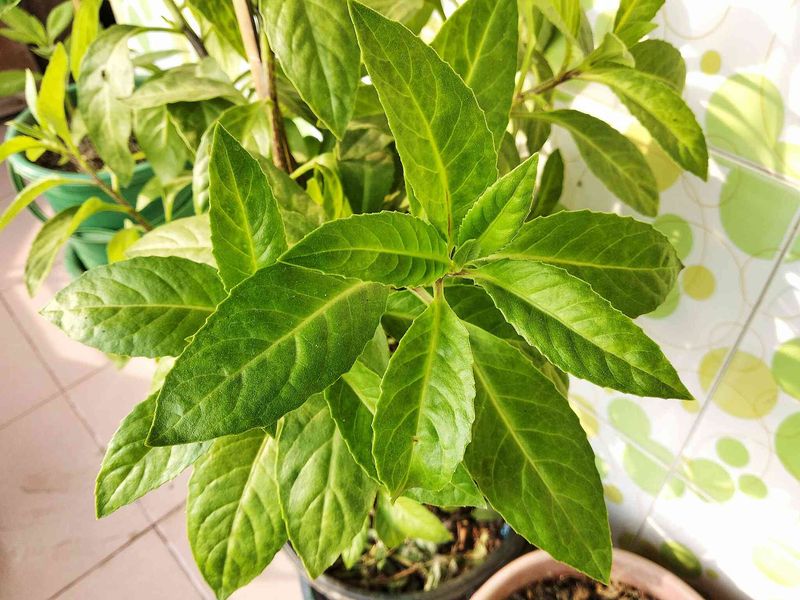
Trying to grow regular spinach in an Arizona summer is a lesson in heartbreak. Longevity spinach, known by the plant name Gynura procumbens, steps in as a far more forgiving substitute.
Its glossy, slightly succulent leaves taste mild and crisp, perfect raw in salads, tucked into sandwiches, or tossed into soup at the last minute. The plant is a perennial, so it keeps pushing out new growth instead of bolting and fading like true spinach.
Shade is the secret. In the low desert, grow it where it gets filtered light, such as under shade cloth, beneath a tree canopy, or on a covered patio.
Full afternoon sun can scorch the leaves, but a protected spot keeps it happy through the hottest months.
Pinch back stems regularly and the plant becomes bushier and more productive. Cuttings root easily in water, so one plant can quickly become several.
Share them with neighbors or start a backup pot indoors for chilly nights.
Bring containers closer to the house if frost threatens. Otherwise, expect a steady supply of fresh greens that seems to pick up speed once fall arrives and the harsh sun softens.
9. Chiltepin Pepper
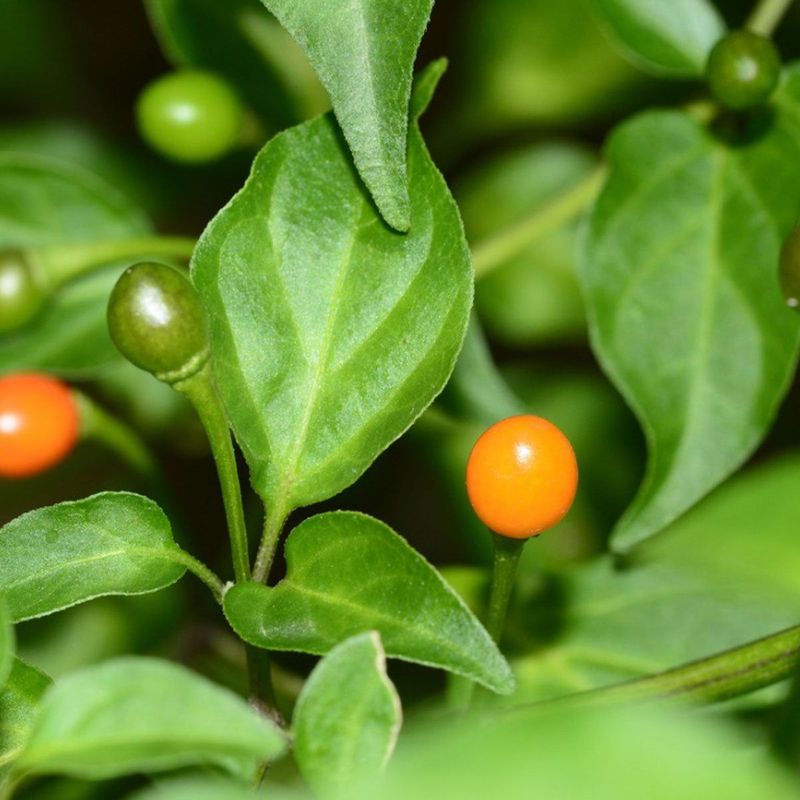
Tiny but fierce, the chiltepin is often called the mother of all peppers. It is native to southern Arizona and northern Mexico, and it is the official state native pepper.
Its pea-sized fruits pack serious heat.
In the wild, chiltepins grow under the canopy of mesquite and hackberry trees. That tells you exactly how to plant one at home: give it dappled shade and protection from the harshest afternoon sun.
A spot under a palo verde or on the east side of your house works well.
Birds are the chiltepin’s best friends. Thrashers and other birds eat the bright red fruit and spread the seeds, while mammals tend to avoid the burn.
Planting one can add a small but welcome food source for local birds.
With a little care, the bush returns year after year. Summer monsoon rains spark growth, and peppers ripen heavily in late summer and fall.
A light frost may knock leaves back, but roots often resprout in spring.
Dry the peppers whole and crush them over eggs, beans, or soups. A few go a long way, so one bush can supply a whole household.
10. Eggplant
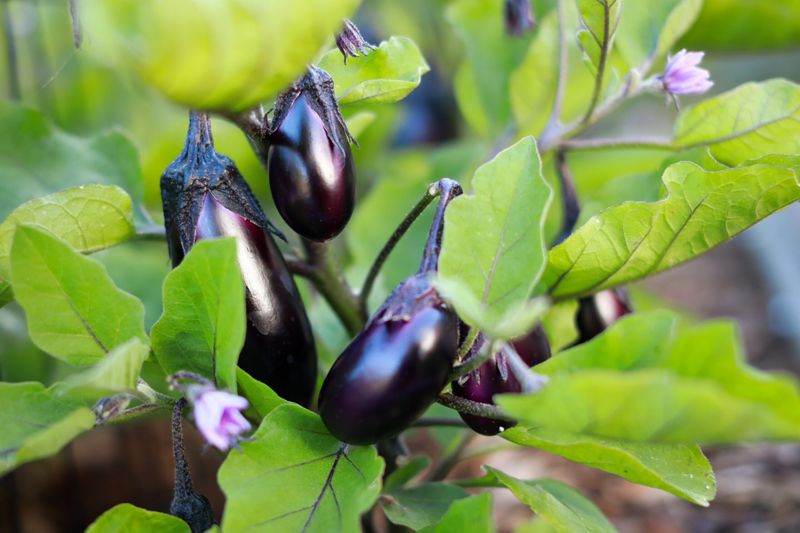
Here is a surprise for many new desert gardeners: eggplant does not have to be a one-season crop. In mild low-desert winters, a healthy plant can survive, rest, and fire back up for another round.
Eggplants thrive on heat and strong sun. They usually produce steadily in late spring, slow down during the worst of July and August, then deliver a big second flush as fall temperatures ease.
That autumn comeback is when many gardeners get their best harvest.
To keep a plant going, prune it back by about a third in late summer. Remove weak stems, add a layer of compost and mulch, and keep watering deeply.
Fresh branches form quickly and set new flowers.
Drip irrigation makes a big difference, sending water right to the roots without wasting a drop on paths. Mulch helps soil stay cooler and holds moisture in alkaline ground.
Purple flowers draw bees, which help with fruit set. Varieties like Japanese or Thai types tend to handle heat especially well.
Cover plants with frost cloth on the few cold nights, and one plant may reward you for two or even three seasons.
11. Moringa
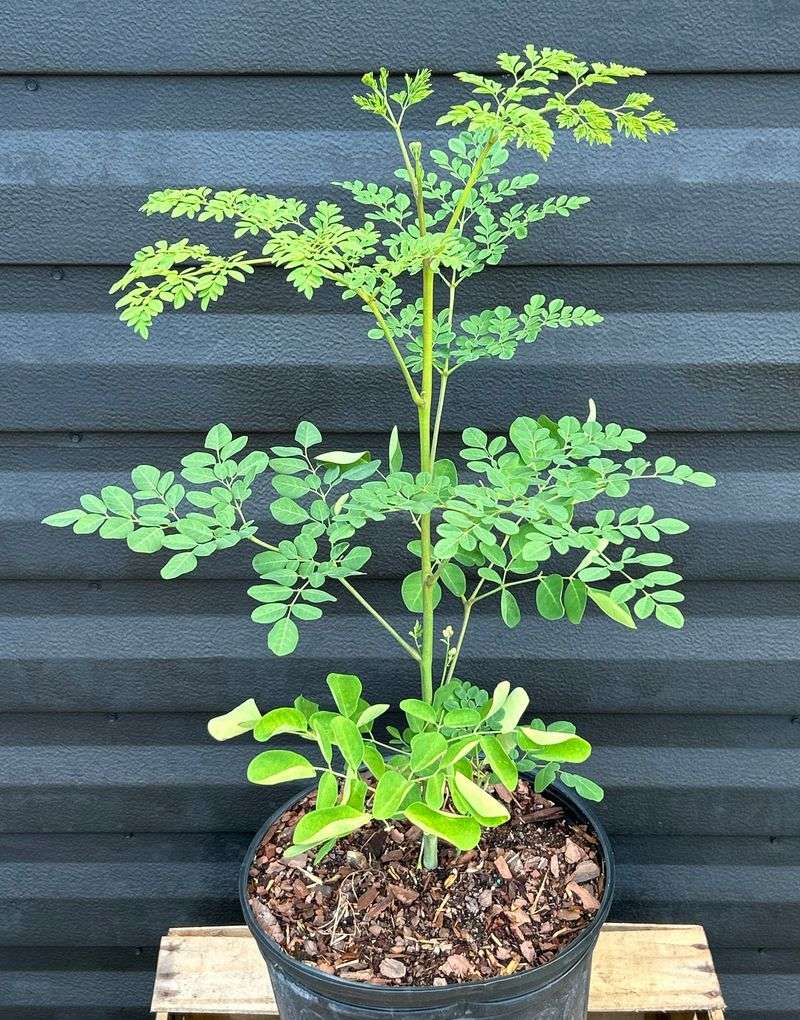
Gardeners sometimes call moringa a wow plant, and after watching it grow, you will see why. A small seedling can shoot up several feet in a single summer, turning into a slim tree with airy, feathery leaves.
Nearly every part is useful in the kitchen. Tiny leaves can be stripped from stems and added to soups, eggs, and smoothies.
Young pods, sometimes called drumsticks, cook up much like green beans.
Moringa loves the desert heat and handles dry spells once established. Its fast growth can provide light shade for tender crops underneath, which is a real help in a Phoenix vegetable bed during summer.
Filtered shade can make lettuce or herbs last a bit longer into the warm season.
Cold is its challenge. Frost may knock moringa back to the ground, but established roots often resprout when warmth returns.
Many gardeners simply cut it back hard each year and enjoy the fresh leafy growth that follows.
Creamy flowers that smell faintly sweet attract bees and other pollinators. Plant it where it will not shade out sun-loving crops, and harvest often to keep it bushy and within reach.
12. I’itoi Onion
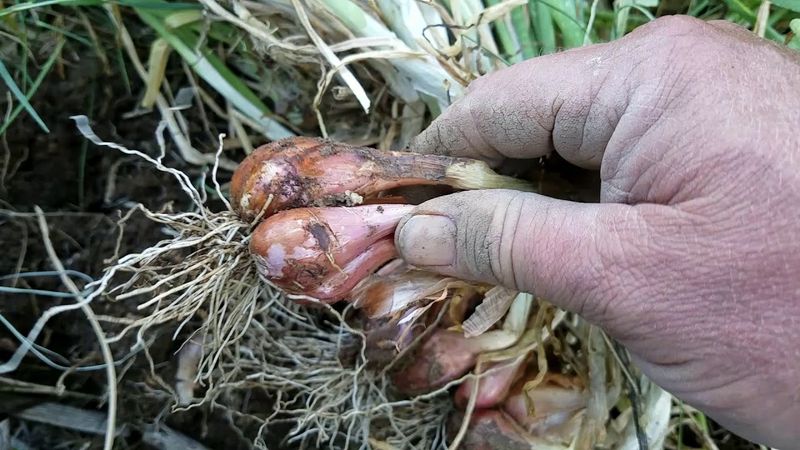
Some vegetables come with a story, and I’itoi onions carry a rich one. Named after I’itoi, an important figure for the Tohono O’odham people, these multiplier onions have grown in southern Arizona for centuries.
Unlike typical onions, they rarely make seeds. Instead, each small bulb divides into a cluster of new ones underground.
Plant a few in fall, and within a season you will have a thick clump ready to split and share.
Flavor sits somewhere between a shallot and a green onion. Snip the green tops for salsas, tacos, and potatoes, or pull the tiny bulbs for a sharper kick.
Frequent snipping encourages even more growth.
These onions are built for desert life. They wake up and grow vigorously once the weather cools, often going dormant during the hottest summer months.
Leave bulbs in the ground or dig and store a few, then replant as fall arrives.
They need little water, handle alkaline soil, and fit nicely along bed edges or in containers. Their pungent scent may make nearby plants a bit less appealing to certain pests.
Few crops feel as rooted in Arizona as this one.