This Arizona Shade Tree Won’t Cover Your Patio In Seed Pods
Shade sounds wonderful during a blazing summer, but constantly sweeping seed pods off the patio can make the wrong tree feel like extra work. Your choice matters more than you might expect.
Some trees create plenty of welcome cover while also dropping messy material around outdoor living spaces. Luckily, you do not have to accept both.
There is a shade tree that works especially well for Arizona yards. It can bring greenery overhead without leaving your patio buried under piles of pods.
Give it enough room to develop properly, and it can become an attractive part of the landscape. Choosing the right planting spot also matters.
You should still expect normal seasonal cleanup from any tree.
But if endless seed pods are what you want to avoid, this option deserves a closer look before your next planting.
1. Art’s Seedless Desert Willow Does Not Produce Seed Pods
Seed pod cleanup is a real chore, and some trees make it a weekly battle. Art’s Seedless Desert Willow sidesteps that problem almost entirely.
Unlike standard Desert Willow varieties, this cultivar was selected specifically because it produces very few to no seed pods under most conditions.
Standard Desert Willows can drop long, bean-like pods that pile up on patios, clog drains, and scatter seeds across garden beds. Art’s version largely skips that cycle.
It still flowers generously, but the seed production is heavily reduced, which keeps your outdoor spaces much cleaner through the season.
Worth knowing: no tree is guaranteed to be completely seedless in every situation. Growing conditions, pollination from nearby trees, and seasonal variation can sometimes trigger limited pod formation.
Under typical landscape conditions though, Art’s Seedless Desert Willow stays notably tidy compared to standard types.
For homeowners who want a low-maintenance patio tree, that difference matters. Less debris means less sweeping, less clogging in gutters, and fewer surprise seedlings popping up in your gravel or flower beds.
It’s a practical advantage that adds up over time, especially in a yard where neatness counts.
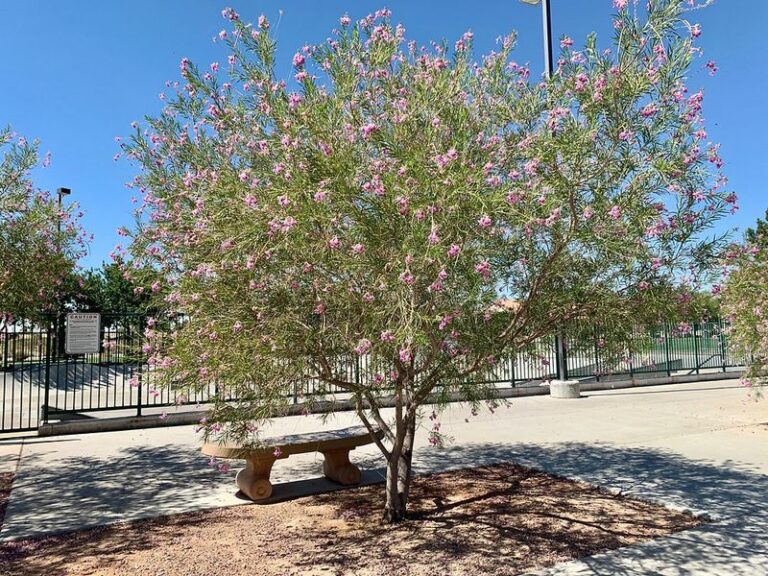
2. Its Wide Canopy Can Add Shade Near Patios
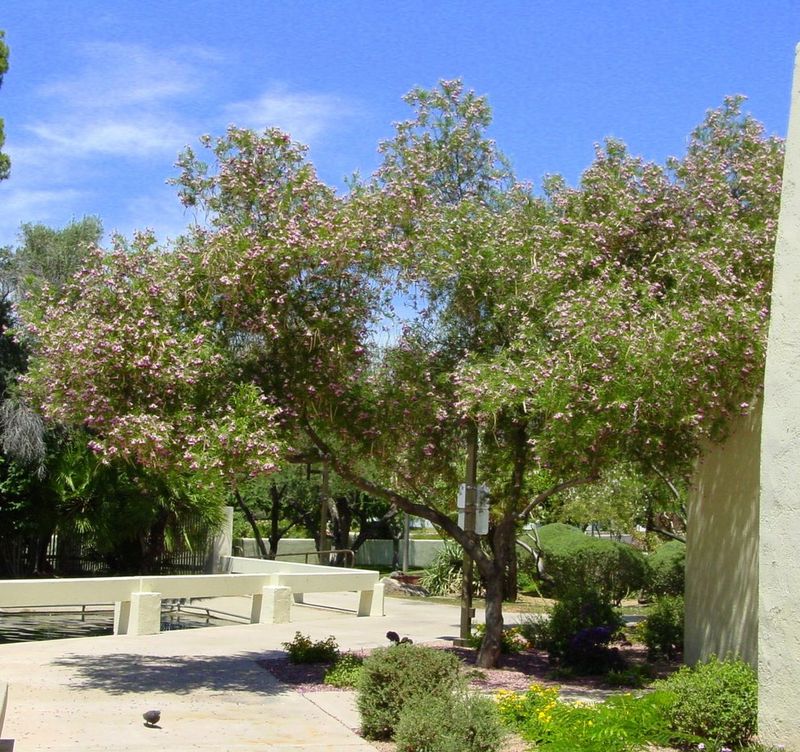
Shade is a serious priority when summer temperatures push past 110 degrees. Art’s Seedless Desert Willow can spread its canopy wide enough to cast meaningful shade over a patio, seating area, or even part of a driveway when planted in the right spot.
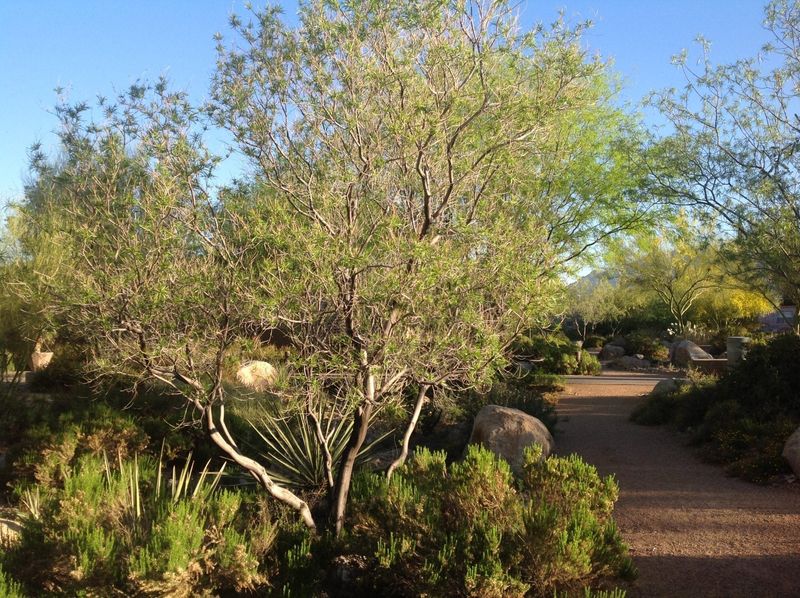
Mature trees typically reach around 15 to 25 feet tall with a spread that can match or exceed that height.
That wide, arching growth habit makes it well-suited for positioning near outdoor living spaces where you want overhead cover without a massive, towering tree taking over your yard.
Placement matters a lot here. Planting it on the west or southwest side of your patio tends to block afternoon sun, which is usually the most intense part of the day in hot desert regions.
A little planning at the start can make a big difference in how comfortable your outdoor space feels by midsummer.
Keep in mind that canopy size depends on water, soil, and how much room the roots have to spread. Trees planted in compacted or rocky soil may grow more slowly and stay smaller.
Your Arizona Garden Changes Every Week. Your Plan Should Too.
Gardening in Arizona changes quickly throughout the season. Every Friday you’ll receive a simple weekly plan showing exactly what to plant, prune, fertilize, harvest, and protect so you never miss the right timing.
Given decent conditions and consistent early watering, though, this tree builds a solid canopy that earns its spot in a desert landscape.
3. Full Sun Supports Strong Summer Growth
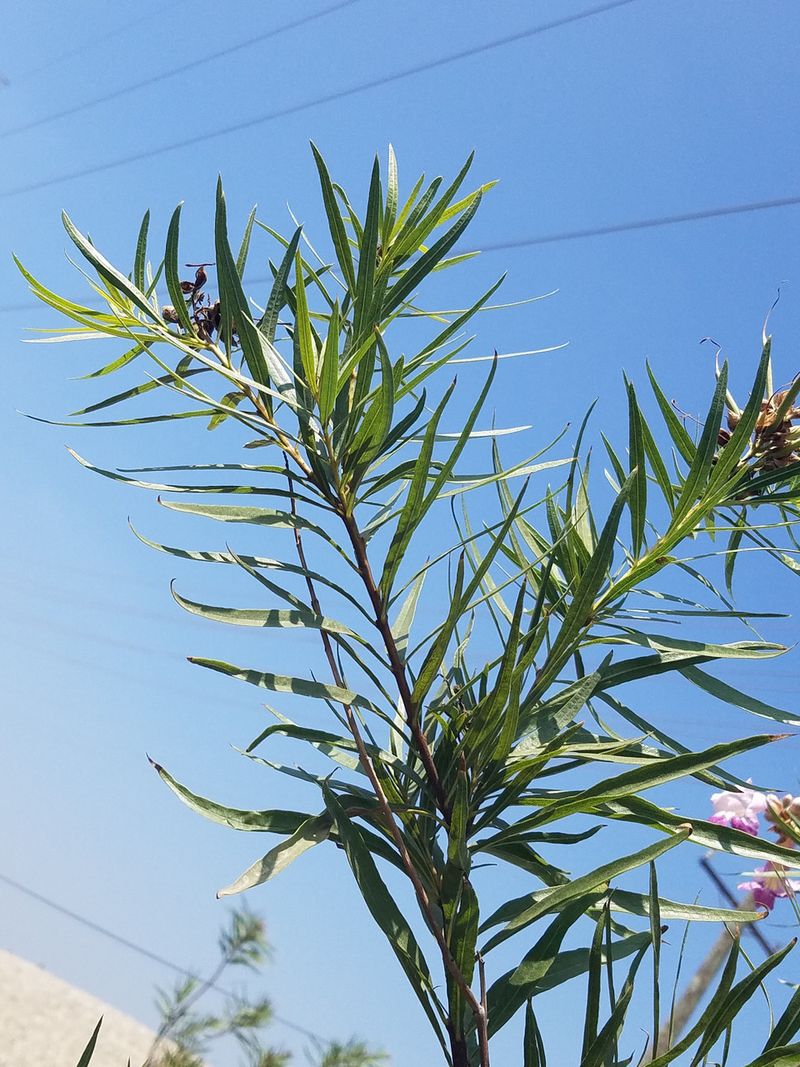
Hot sun doesn’t slow this tree down. Art’s Seedless Desert Willow is built for full sun exposure and actually performs better when it gets at least six to eight hours of direct sunlight per day.
Shaded spots tend to produce weaker growth and fewer flowers.
Arizona summers are intense, but that heat is exactly what this tree was designed for. Its desert origins mean it’s comfortable in conditions that stress out many other landscape trees.
High temperatures, reflected heat from concrete, and low humidity don’t typically cause problems for an established specimen.
Summer is actually when you’ll see the most active growth. New branches extend, the canopy fills in, and blooms appear in waves through the warm months.
Planting in a spot with open sky and no shade from buildings or fences gives the tree room to perform at its best.
One practical note: young trees benefit from a little extra attention during their first summer. Even sun-loving desert trees need consistent moisture while their root systems are getting established.
After the first year or two, the tree becomes much more self-sufficient. Full sun placement from the start sets it up for strong, steady growth through every hot season that follows.
4. Well-Drained Soil Suits Its Desert Roots
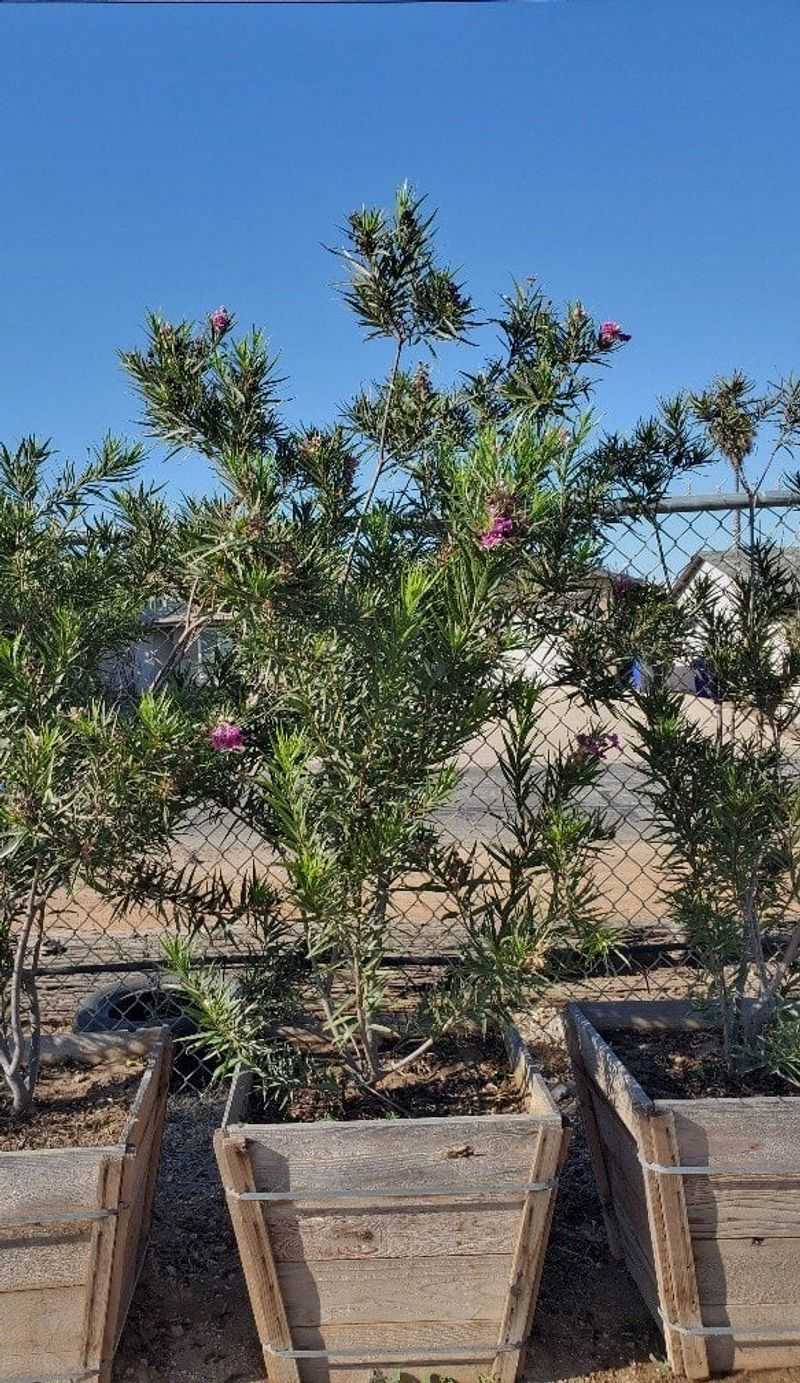
Soggy roots are a real problem for this tree. Art’s Seedless Desert Willow prefers soil that drains quickly after rain or irrigation.
Sandy, gravelly, or loamy soils work well. Heavy clay that holds moisture for long periods can cause root issues over time.
Desert soils in the Southwest tend to drain fast by nature, which works in this tree’s favor. If your yard has clay-heavy soil, amending the planting area with coarse sand or gravel can improve drainage enough to keep the roots healthy.
Raised planting mounds are another option in spots where water tends to pool.
Soil pH is less of a concern with this tree. It tolerates alkaline conditions, which are common in desert regions, without much fuss.
You don’t need to adjust pH or add special amendments just to get it growing. Most native desert soils provide a workable starting point.
Gravel mulch around the base helps regulate soil temperature and reduce moisture loss without trapping excess water near the trunk. Organic mulch can work too, but keep it pulled back a few inches from the base to allow airflow.
Good drainage from the start reduces stress on the tree and supports healthier long-term root development in your landscape.
5. Established Trees Need Less Frequent Watering
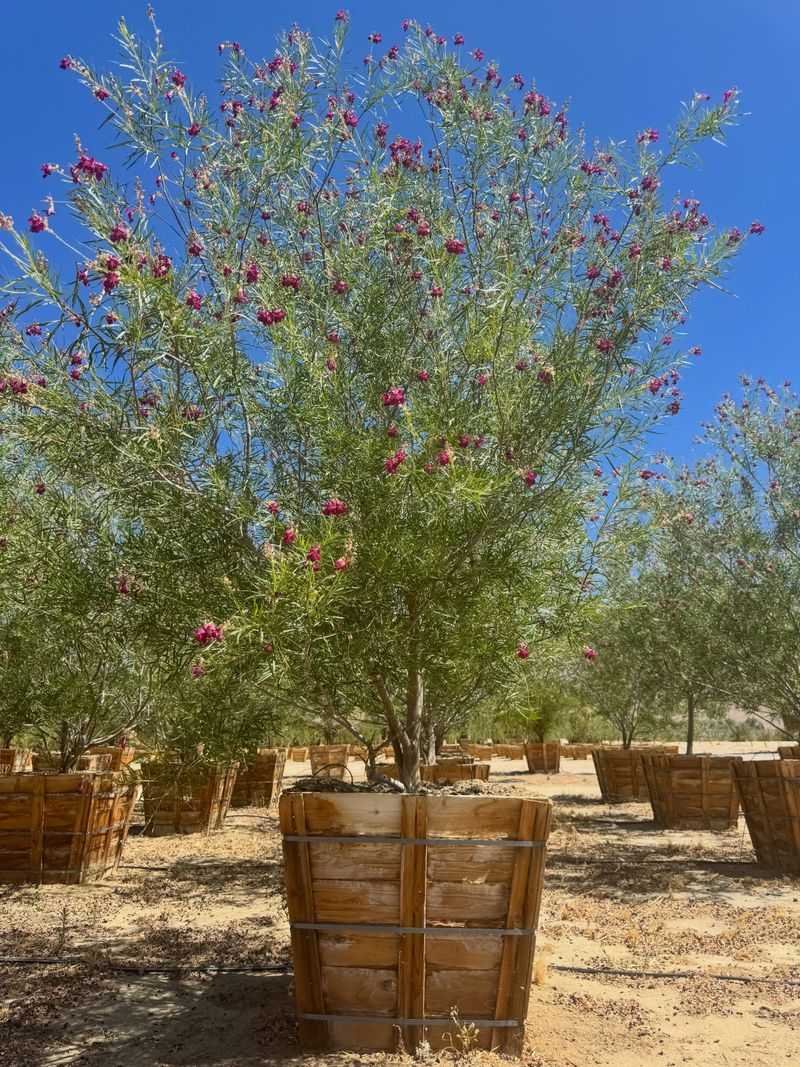
Once it gets settled in, this tree becomes noticeably easier to care for. Established Art’s Seedless Desert Willow trees are drought-tolerant and can get by on less frequent watering than many other landscape trees.
That’s a real advantage in a region where water conservation matters.
During the first year, water deeply and regularly to help the root system expand. Shallow, frequent watering tends to produce shallow roots, which makes the tree more dependent on irrigation long-term.
Deep, less frequent watering encourages roots to grow downward and outward, building resilience over time.
By year two or three, most trees in typical desert conditions can manage on reduced irrigation. Watering every one to two weeks during hot months, and even less in cooler seasons, is often enough to keep a mature tree healthy.
Rainfall during Arizona’s monsoon season can reduce irrigation needs further.
Watch the tree rather than following a rigid schedule. Wilting or leaf drop during heat waves might signal the tree needs a drink.
Yellowing leaves could point to overwatering instead. Adjusting based on what the tree shows you tends to work better than sticking to a fixed routine.
Less water stress overall usually means a stronger, longer-lived tree in your yard.
6. Light Pruning Can Maintain A Neater Shape
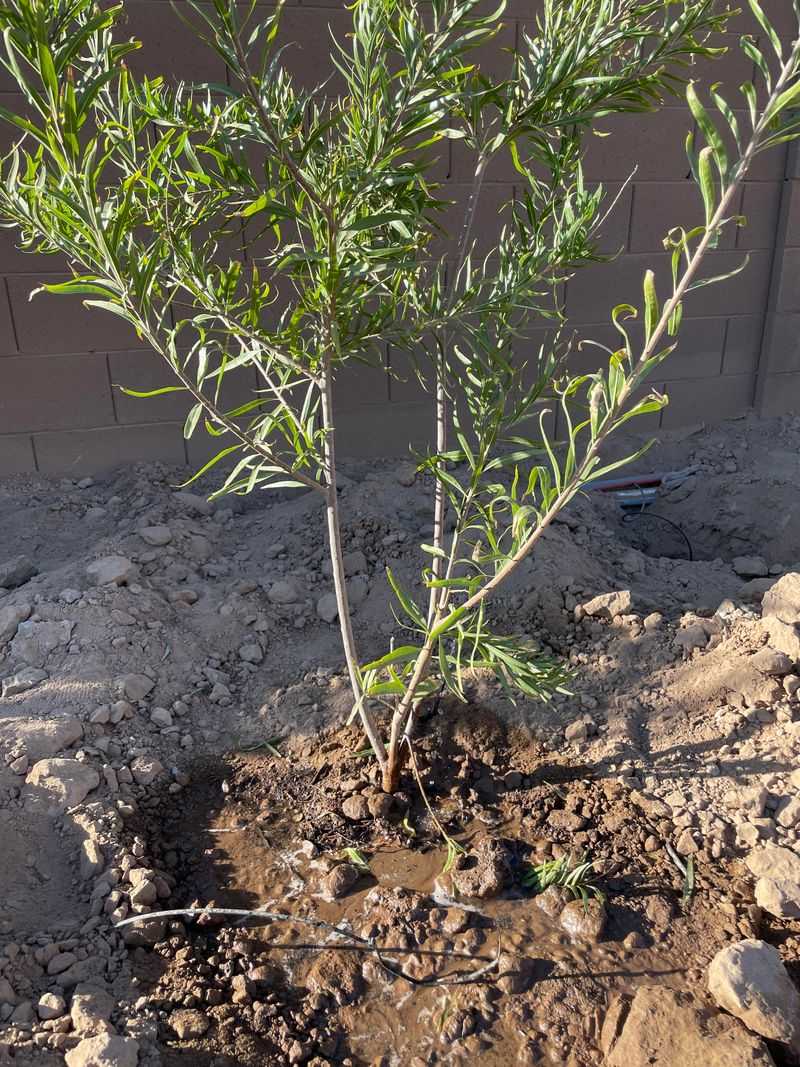
Left completely on its own, Desert Willow tends to grow in a loose, multi-stemmed form that can get a bit wild-looking over time. Light pruning helps keep Art’s Seedless Desert Willow looking tidy without fighting against its natural growth habit.
Late winter or very early spring is usually a good window for pruning, before new growth starts pushing out. Removing crossing branches, weak stems, or growth that crowds the center of the tree improves airflow and gives the canopy a cleaner shape.
Heavy pruning is rarely necessary and can actually reduce flowering.
If you want a more tree-like form with a single trunk, start training early. Selecting one strong central stem and removing competing stems while the tree is young makes shaping much easier than trying to correct an established multi-trunk form later on.
Sharp, clean tools make a real difference. Dull pruners crush stems instead of cutting cleanly, which can slow healing and invite problems.
Wipe blades between cuts if you’re working around any diseased wood. Pruning doesn’t need to be complicated or frequent with this tree.
A light pass once a year, focused on removing problem branches, is typically enough to keep it looking sharp and well-maintained through the season.
7. Pink Flowers Bring Color Through The Warm Season
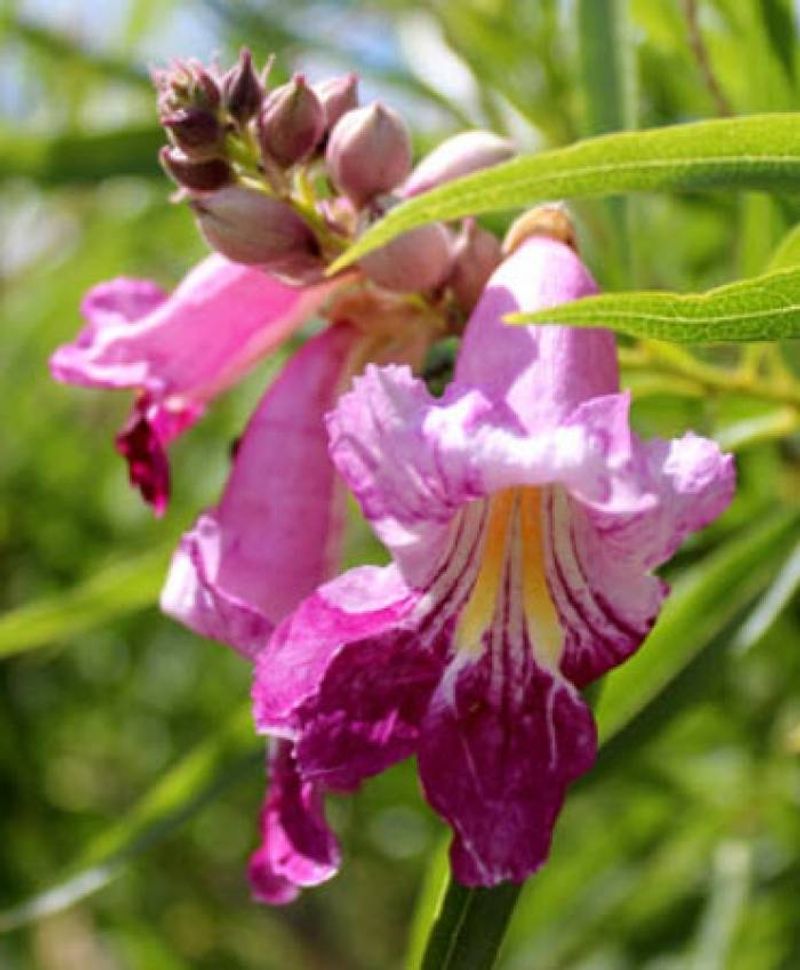
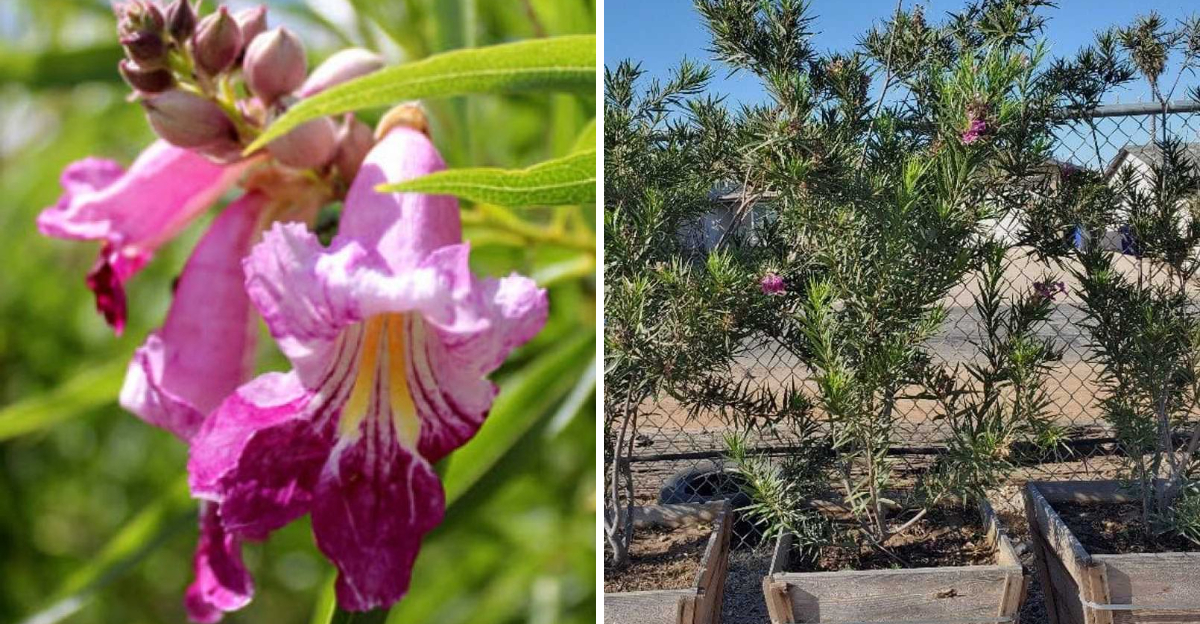
Few desert trees match the floral show that Art’s Seedless Desert Willow puts on. Its trumpet-shaped pink blooms appear in spring and continue cycling through the warm season, often with repeat flushes after monsoon rains arrive.
That’s a long window of color compared to many flowering trees.
Bloom color can vary slightly from tree to tree, ranging from soft lavender-pink to a deeper rose tone.
Most specimens sold under the Art’s name stay on the medium to deep pink side, which stands out beautifully against a backdrop of green foliage or desert gravel.
Pollinators notice the flowers quickly. Hummingbirds in particular are drawn to the tubular blooms, and bees visit regularly as well.
Planting it near a patio means you’ll likely see pollinator activity up close through the season, which adds a layer of life to an outdoor space beyond just the shade and visual appeal.
Flowers form on new growth, so keeping the tree healthy and giving it enough water and sun directly supports bloom production. A tree that’s stressed from poor soil drainage or extreme moisture swings may flower less reliably.
Under solid growing conditions in a warm climate, though, the floral display is one of the most consistent and rewarding features this tree offers.