This Invasive Vine Is Spreading Through Texas Fences Faster Than Kudzu
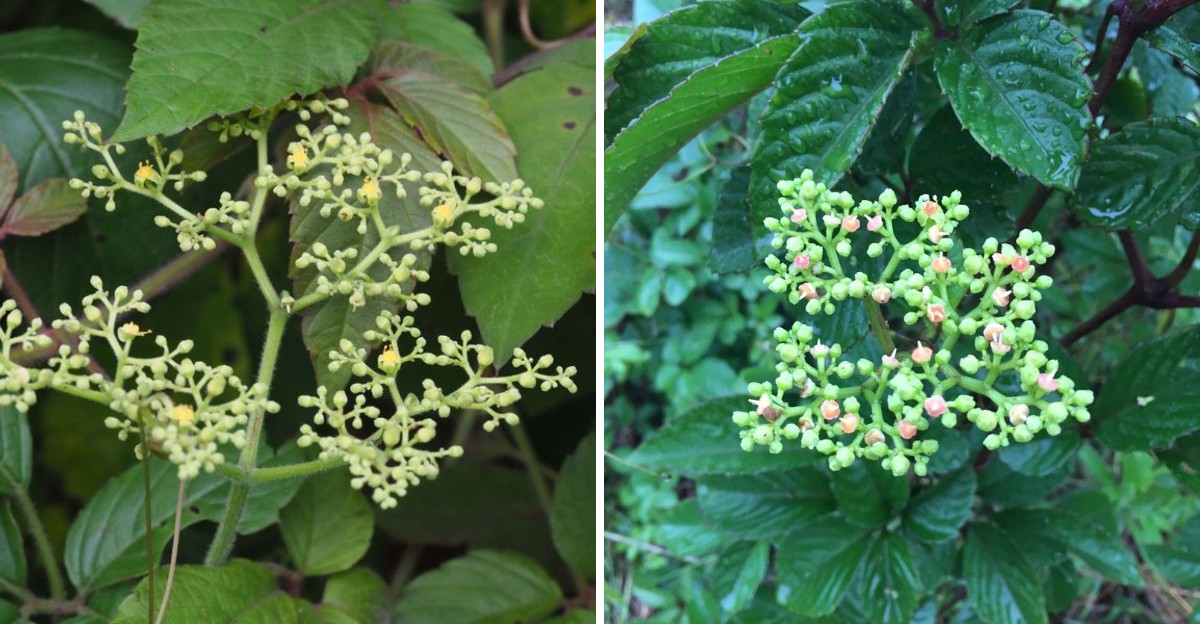
Kudzu has long been known as “the vine that ate the South.” But in Texas, there’s a new green menace, and it might be even worse.
It starts small. A few glossy leaves poke through a chain-link fence. A week later, they’ve crept along the top rail. Before long, the whole fence line is buried, and nearby shrubs are fighting for sunlight.
This fast-growing invader came from Asia and has been quietly spreading through Texas neighborhoods.
It climbs anything it can grab, smothers plants in its path, and bounces back even after you pull it. Its roots run deep, which makes it a real headache to get rid of.
The worst part? Many homeowners have no idea what they’re looking at until it’s everywhere.
Here’s how to spot this aggressive vine, why it’s such a problem, and what you can do to stop it.
The Invasive Vine Taking Over Texas Fences
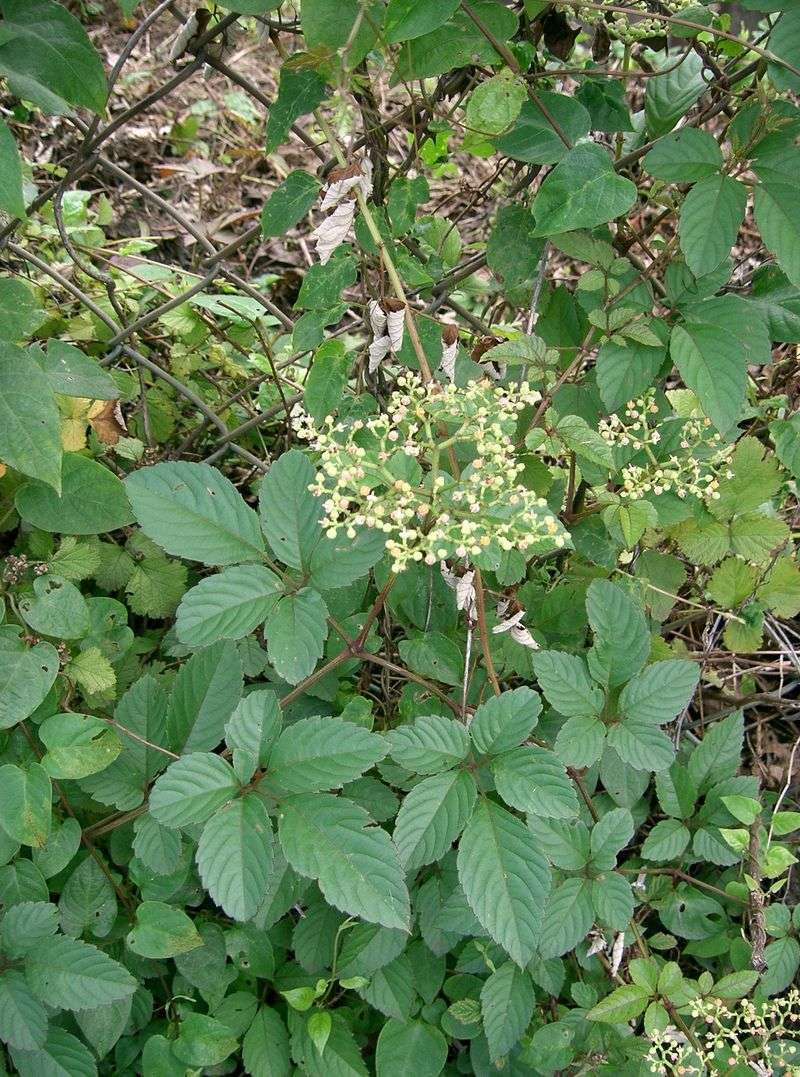
Back in the mid-1900s, someone thought a pretty Asian vine would look nice in an American garden.
Nobody guessed it would one day crawl across Texas fences like a green blanket. That plant is Japanese cayratia, and it has been making itself at home ever since.
The vine is native to parts of Asia, including Japan, China, and nearby regions. It was grown in the United States sometime before 1964. Like many garden plants from far away, it did not stay where it was planted.
Over time, it escaped into yards, woods, and fence lines across the South. Today, Texas is one of the places where it causes the most trouble.
It climbs up anything it can grab, from chain-link fences to rose bushes. Once it reaches the top, it spreads out and covers the plants below. Those plants lose their sunlight and slowly weaken.
It does not attack plants with teeth or thorns. Instead, it simply blocks the light they need to make food. Without sunlight, even strong shrubs start to fade and fall apart.
Here is a helpful tip. Walk along your fence line once a month during spring and summer. Look for fast-growing vines that seem to be piling up on other plants. Early spotting gives you a much better chance of stopping it.
Fun fact: the plant belongs to the grape family. That is why it has curly tendrils like a grapevine. Sadly, it offers none of the tasty fruit that grapes do. It only offers a big headache for anyone trying to keep a healthy yard.
Why It’s Outpacing Kudzu In Texas
Kudzu gets all the fame. Say the word in Georgia or Alabama, and people picture whole forests buried in leaves. Texas tells a different story, though.
Kudzu does grow in Texas, but it never took off here the way it did in other southern states. Most of it stays in small, local patches in the eastern part of the state.
Experts have kept a close eye on those spots for years. So far, it has not raced across the landscape.
Your Texas Garden Changes Every Week. Your Plan Should Too.
Gardening in Texas changes quickly throughout the season. Every Friday you’ll receive a simple weekly plan showing exactly what to plant, prune, fertilize, harvest, and protect so you never miss the right timing.
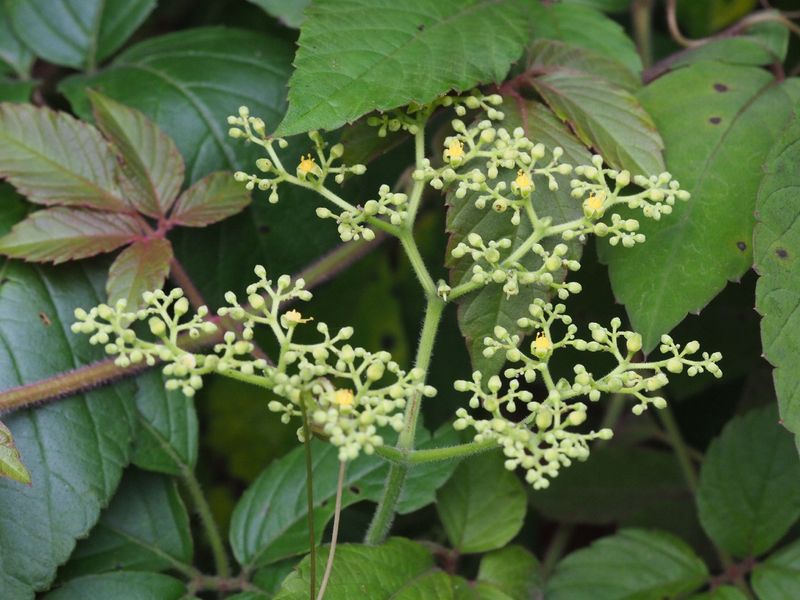
Japanese cayratia is a whole other beast. It is a highly invasive vine that shows up in home landscapes all along the Gulf Coast.
Houston, Beaumont, and nearby towns have seen it pop up in gardens, alleys, and parks. It likes warm, humid weather, and the coast has plenty of that.
Part of the problem is where it lives. Kudzu often grows along roads and open fields. Cayratia moves right into backyards, where people water and care for plants.
That extra care helps it grow even faster. Another reason is timing. Many folks do not know what cayratia is, so they ignore it.
They might even think it is a harmless native plant. By the time they notice, the vine has already spread under the soil.
So what can you do? Share what you learn with neighbors, since vines do not care about property lines. If one yard has it, the next yard might soon have it too.
Working together as a street or neighborhood makes a real difference. A quick chat over the fence could save a lot of gardens.
How To Identify It
Think of yourself as a plant detective for a moment. The suspect wears a clever disguise, and it fools a lot of people. Luckily, it leaves clues you can learn to spot.
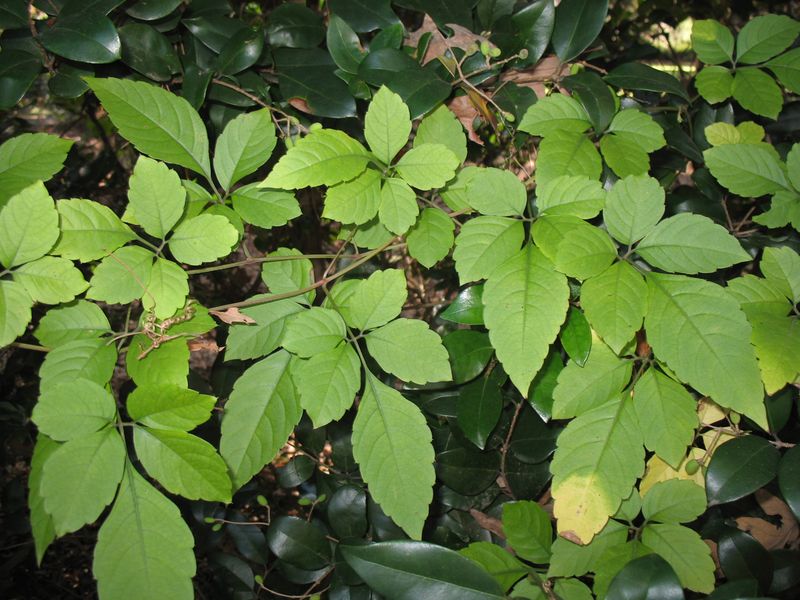
Start with the leaves. Japanese cayratia has compound leaves, which means each leaf is made of smaller parts called leaflets.
It usually has five leaflets arranged a bit like fingers on a hand. The edges are toothed, like a small saw blade.
Next, check for tendrils. These are thin, curly strings the vine uses to grab onto things. On cayratia, a tendril grows on the opposite side of the stem from each leaf.
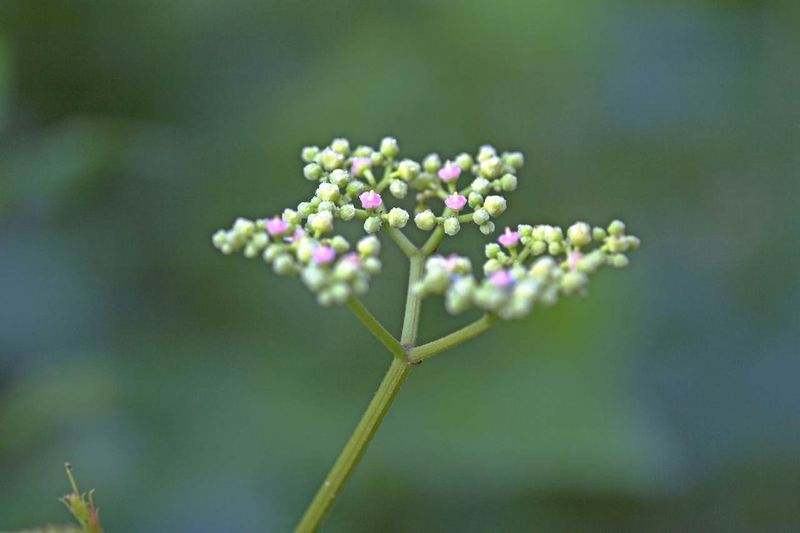
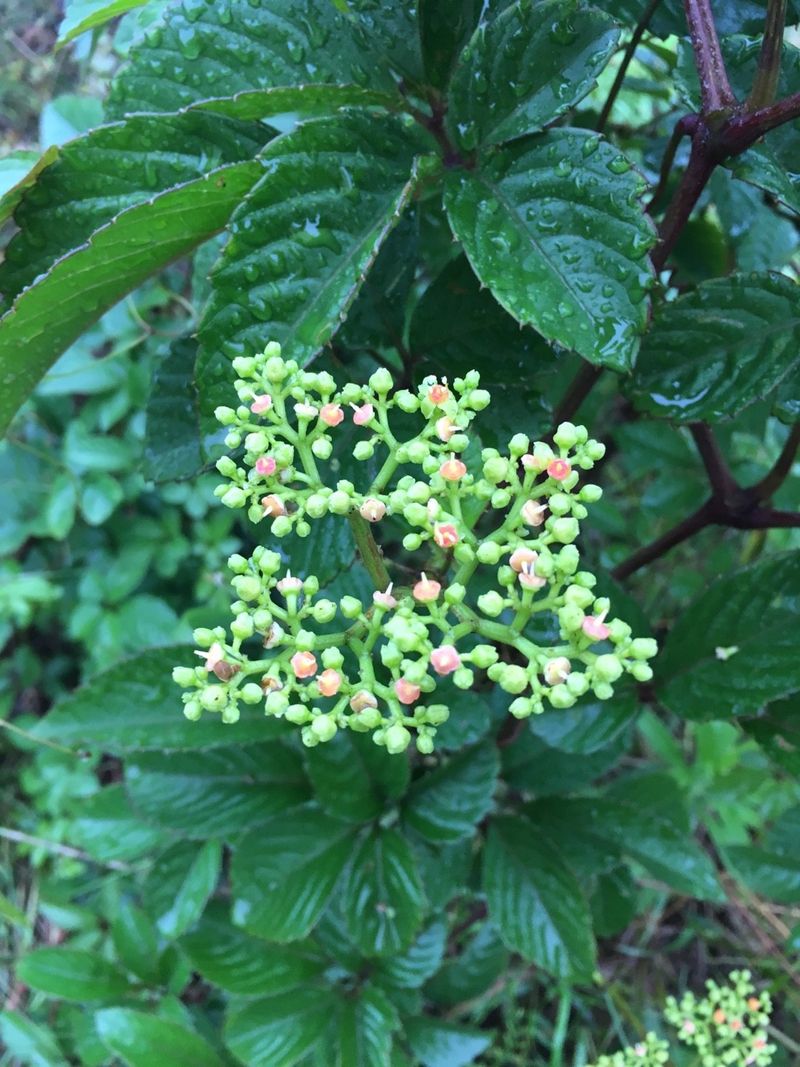
That grape-family trait is a strong hint. Now look at the flowers. In summer, the vine makes small clusters of salmon-colored blooms.
They are pinkish orange and pretty easy to miss if you are not looking. Few other local vines have flowers quite like them.
Here comes the tricky part. Many people confuse it with Virginia creeper, a native vine that also has five leaflets. The secret is in the middle leaflet.
On cayratia, that center leaflet sits on its own little stem, while the side leaflets connect differently.
A simple test helps. Pick one leaf and hold it up to the light. If the middle leaflet has a clear stalk of its own, you may have found the invader.
Snap a photo and compare it to pictures from your county extension office or a trusted plant app.
When in doubt, ask a local expert before acting. Getting the name right means you will treat the right plant and protect the good ones.
How It Spreads So Quickly
Ever pulled a weed and felt proud, only to see three more pop up a week later? That frustrating moment is exactly how many Texans feel about this vine. Its real power is hidden underground.
Japanese cayratia spreads mostly by sprouting from its roots. The roots are thick and fleshy, a little like pale carrots.
They reach out under the soil and send up new shoots in fresh spots. One plant can quietly turn into a whole patch.
Once those shoots break through the ground, they grow fast. They climb up the nearest plant or fence and keep going.
Soon, they form heavy mats that sit right on top of their hosts. Shrubs underneath get buried in green.
Here is the surprising part. Cutting or pulling the vine often makes things worse. When the roots get disturbed, they respond by making even more side shoots.
Chopping it with a shovel can break roots into pieces, and each piece may grow a new plant.
That is why tilling the soil is a bad idea in infested areas. So is moving dirt from one yard to another. Even a small root chunk hiding in a pot of soil can start a new problem somewhere else. A few smart habits help a lot:
Do not share plants or soil from areas where the vine grows. Clean shovels and gloves after working near it. Bag any pieces you remove instead of tossing them in compost.
Patience matters here. Fighting this plant is less about muscle and more about strategy. Knowing how it spreads is your first big advantage.
The Damage It Causes
Nature works like a big team, with every plant playing a part. When one pushy player hogs the spotlight, the whole team suffers. Japanese cayratia is that kind of player.
Its biggest harm comes from blocking light. Native plants and shrubs need sunshine to make their food.
When the vine spreads a thick blanket over them, they slowly starve. Over time, they weaken and fail completely.
Weight is another problem. A mat of vines can get surprisingly heavy, especially after rain. That extra load bends branches and puts stress on the host plant. Small trees may even snap or lean over.
Wildlife feels the loss too. Birds, bees, and butterflies depend on native plants for food and shelter. When those plants vanish, local animals have fewer places to eat and nest. A yard full of cayratia is much less friendly to them.
There is also a fire risk many people never think about. The vine can act like a ladder. It carries flames from dry grass on the ground up into the tops of trees. Fires that reach tree canopies spread faster and cause far more harm.
Texas already faces hot, dry spells that raise wildfire danger. Adding fuel ladders makes a bad situation worse. Clearing vines away from trees near homes is a smart safety step.
Consider this helpful idea. Keep a space of bare ground or short grass around the base of important trees.
Check that no vines are climbing their trunks. A little yard care today can protect both your plants and your home tomorrow.
How To Get It Under Control
Winning against this vine is more like running a marathon than a sprint. Quick fixes rarely work. Steady effort over time is what brings real results.
Once Japanese cayratia settles in, removing it gets very hard. Those deep, fleshy roots keep sending up new growth.
Most experts say control usually takes repeated herbicide treatments over several seasons. One spray is almost never enough.
Before you start, contact your local county extension office. The staff there can suggest the right product for your area. They can also explain how and when to apply it safely.
Always follow the label, wear gloves, and keep kids and pets away from treated spots.
Timing helps a lot. Treating actively growing leaves often gives better results because the plant pulls the product down toward its roots.
Mark each treated area and write down the date. Check back in a few weeks and treat any new sprouts.
Why is early action so important? The vine is not regulated in the United States. That means it can still be sold, shared, or moved without rules stopping it. So it keeps spreading, and homeowners are the first line of defense.
Catching it when it is small makes the job much easier. A single young plant takes far less work than a fence covered in thick mats. Regular yard checks are your best tool.
After the vine is gone, replant with native Texas plants. Healthy, thick plantings leave less open space for invaders.
Your yard will look great, and local wildlife will thank you for it. Every cleared fence is a small victory for Texas nature.