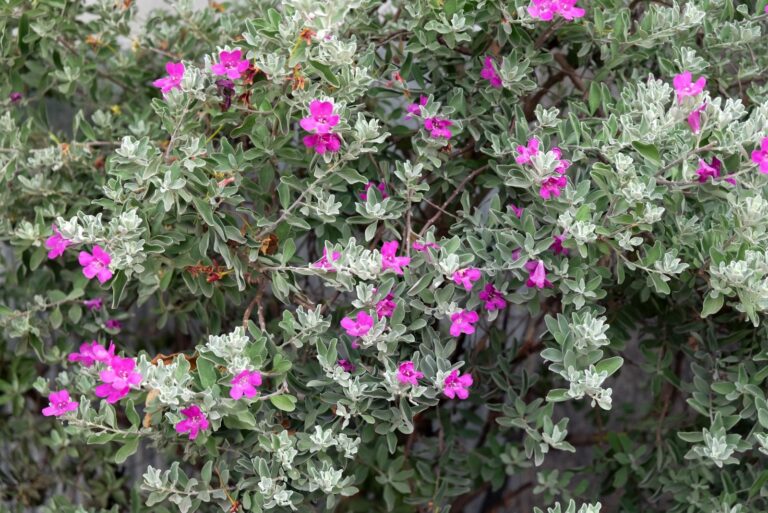
More Dense Plantings In Your Texas Garden Less Tick Habitat (Here’s What To Plant)
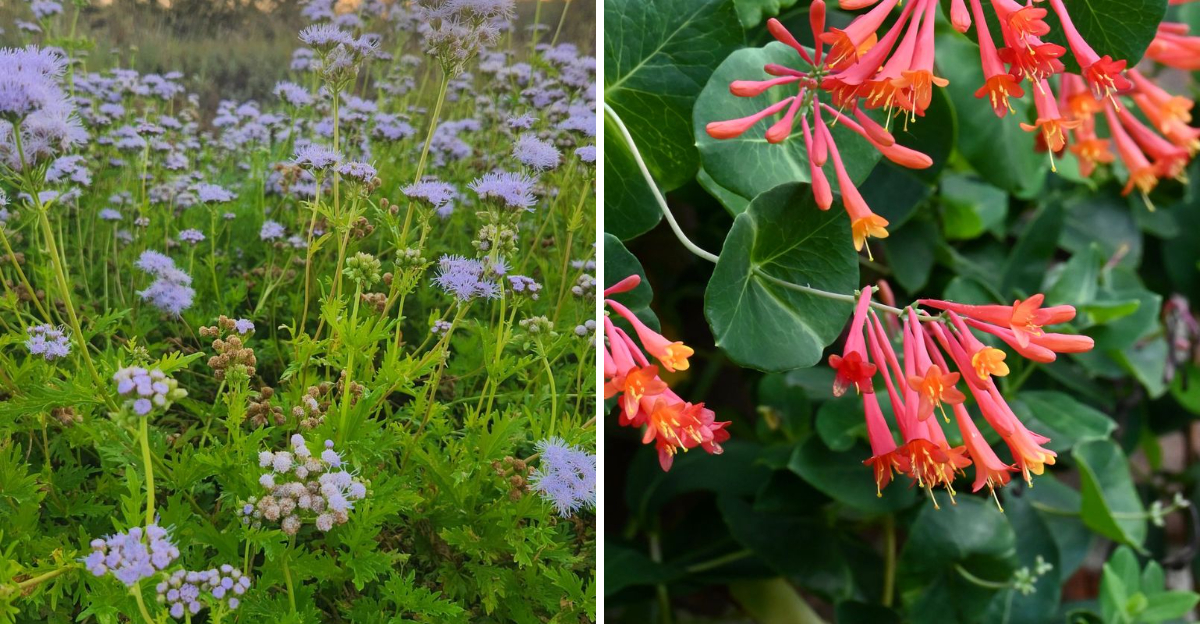
Tick habitat in Texas thrives in the same kinds of spaces that go unaddressed in most yards, sparse ground cover under shrubs, dry leaf-covered edges, and the transitional zones where maintained lawn meets wilder or unmaintained ground.
Dense plantings work against all of that by eliminating the open, sheltered ground-level environment that ticks depend on for movement and host-seeking.
It is not a standalone solution, but as one layer of a broader approach it provides passive tick deterrence that works continuously without any products, reapplication, or seasonal attention from the homeowner.
Texas has a strong selection of plants capable of creating that kind of dense, low coverage, and several of them are natives that handle the heat and dry conditions of a Texas summer with no extra help once established.
Choosing the right ones for the right spots turns a tick management goal into a gardening improvement that makes the yard look better and function better at the same time.
1. Texas Sedge
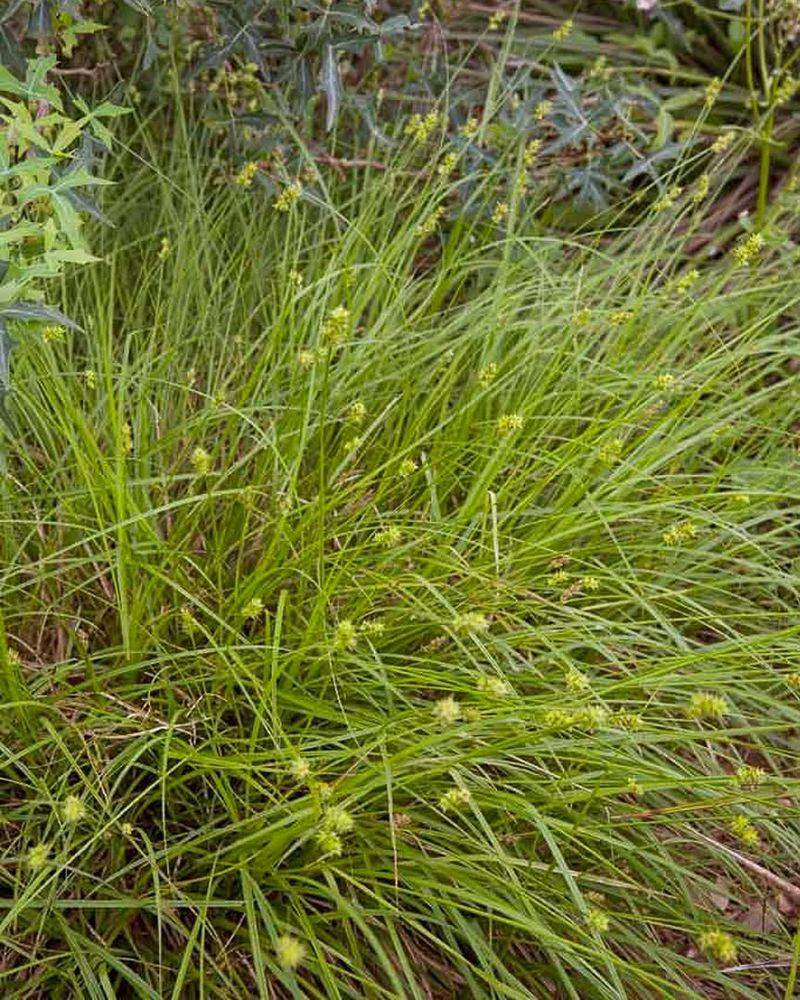
Walk through almost any shaded Texas woodland and you will probably step right over Texas Sedge without even noticing it. That is exactly what makes it so special.
This low-growing, clumping plant forms thick, lush mats that hug the ground and leave almost no room for weeds or bare soil.
Ticks need exposed, moist ground to survive. They hide in leaf litter, tall grass, and open soil while waiting for a host to walk by.
Texas Sedge removes that hiding space by covering the ground so completely that ticks simply have fewer places to set up camp.
Carex texensis grows well in both shady and partly sunny spots, which makes it incredibly versatile. It works beautifully under oak trees, along shaded fence lines, or as a border plant in areas that get only a few hours of direct sun each day.
One of the best things about Texas Sedge is how little attention it needs once it is established. It is drought-tolerant, deer-resistant, and stays green through most of the year. You do not need to mow it, trim it constantly, or water it every day.
Plant it in clusters or as a continuous ground cover for the best tick-reducing results. Spacing plants about eight to twelve inches apart allows them to fill in quickly and form that dense mat that crowds everything else out.
Within one growing season, you will barely see the soil beneath them. If you are looking for a hardworking, no-fuss plant that quietly does a big job, Texas Sedge is the one to start with. It is simple, effective, and perfectly suited for Texas gardens of all sizes.
2. Gregg’s Mistflower
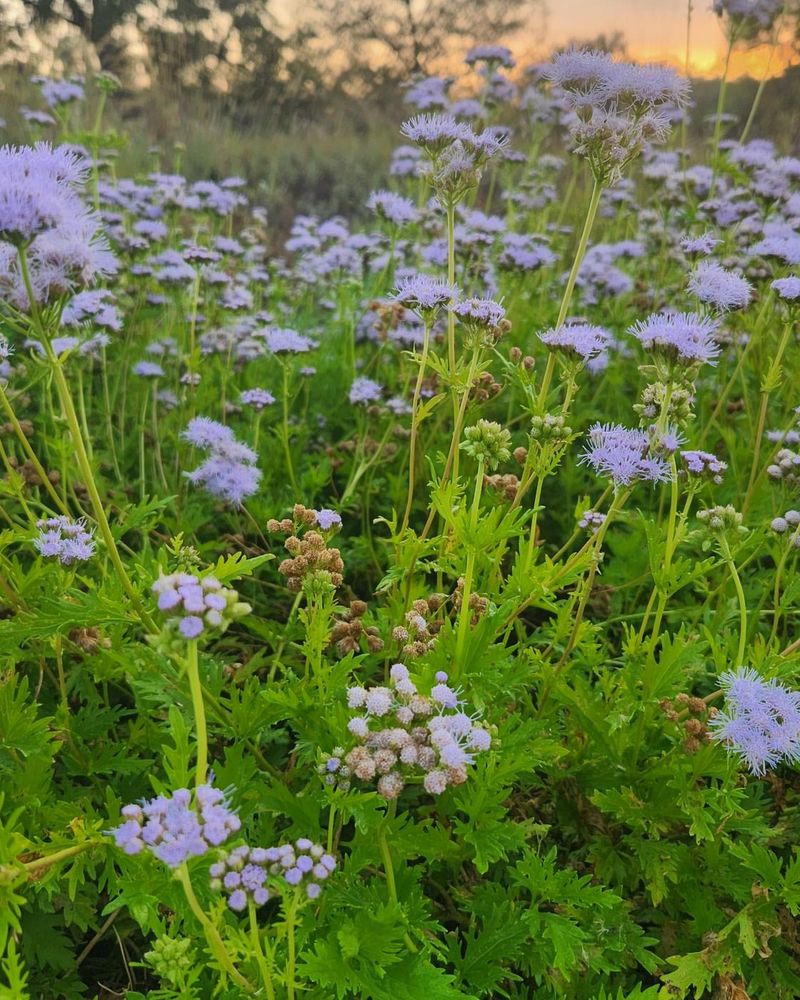
There is something almost magical about watching Gregg’s Mistflower take over a garden bed in late summer.
One season it is a small plant, and the next it has spread into a soft, full cloud of blue-purple blooms that butterflies absolutely cannot resist. That spreading habit is exactly why it earns a spot on this list.
Gregg’s Mistflower blooms from late summer through fall, which is a time when many other plants are winding down. The flowers arrive in clusters and create a dense, full canopy of foliage and color.
Your Texas Garden Changes Every Week. Your Plan Should Too.
Gardening in Texas changes quickly throughout the season. Every Friday you’ll receive a simple weekly plan showing exactly what to plant, prune, fertilize, harvest, and protect so you never miss the right timing.
As the plant spreads naturally through underground rhizomes, it fills in gaps in garden beds and borders, leaving almost no exposed soil behind.
Bare soil is a tick’s best friend. It stays moist longer, offers easy access to leaf litter, and gives ticks a clear path to travel.
Mistflower removes that advantage by spreading low and thick across the ground, essentially blocking ticks from settling in.
Beyond its tick-fighting benefits, this plant is a powerhouse for pollinators. Monarch butterflies, queen butterflies, and countless native bee species flock to the blooms each fall.
Planting it means you are creating a habitat that supports beneficial insects while discouraging harmful pests.
Gregg’s Mistflower thrives in full sun to partial shade and handles Texas heat without much complaint. It does appreciate regular water until established, but after that it becomes fairly drought-tolerant.
Cut it back in late winter to encourage fresh, thick growth the following season. For garden borders, creek edges, or any area where you want quick, natural ground coverage, this plant delivers in a big way every single year.
3. American Beautyberry
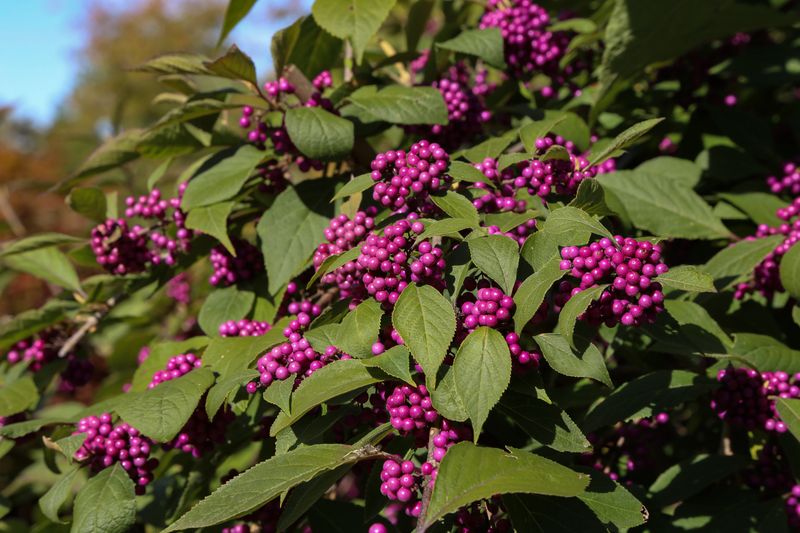
Few plants stop people in their tracks the way American Beautyberry does in the fall. Those clusters of vivid, almost neon-purple berries lining every stem look like something out of a fairy tale.
But beyond its jaw-dropping looks, this native shrub is a serious workhorse when it comes to reducing tick habitat along garden edges.
American Beautyberry is a deciduous shrub, meaning it drops its leaves in winter. But from spring through fall, it grows thick and full with wide, textured leaves that create a dense physical barrier.
Ticks often travel along garden edges, fence lines, and the transition zones between lawn and landscape beds. A healthy row of Beautyberry shrubs can interrupt that path effectively.
The dense branching structure of this plant is part of what makes it so useful. Even without its leaves, the twiggy branches create a natural obstacle.
With full foliage, it becomes a wall of green that ticks struggle to navigate through toward your main yard.
Did you know that American Beautyberry has actually been studied for its tick-repelling properties? Compounds found in the leaves have shown promise as natural insect repellents.
So this plant might be doing double duty in your garden, both physically blocking ticks and chemically discouraging them.
It grows best in partial shade but handles full sun in most Texas climates. It is drought-tolerant once established and needs very little care. Cut it back hard in late winter and it will bounce back fuller than ever by summer.
Plant it along property edges, under trees, or anywhere you want a bold, beautiful barrier that also happens to be a feast for birds all winter long.
4. Flame Acanthus
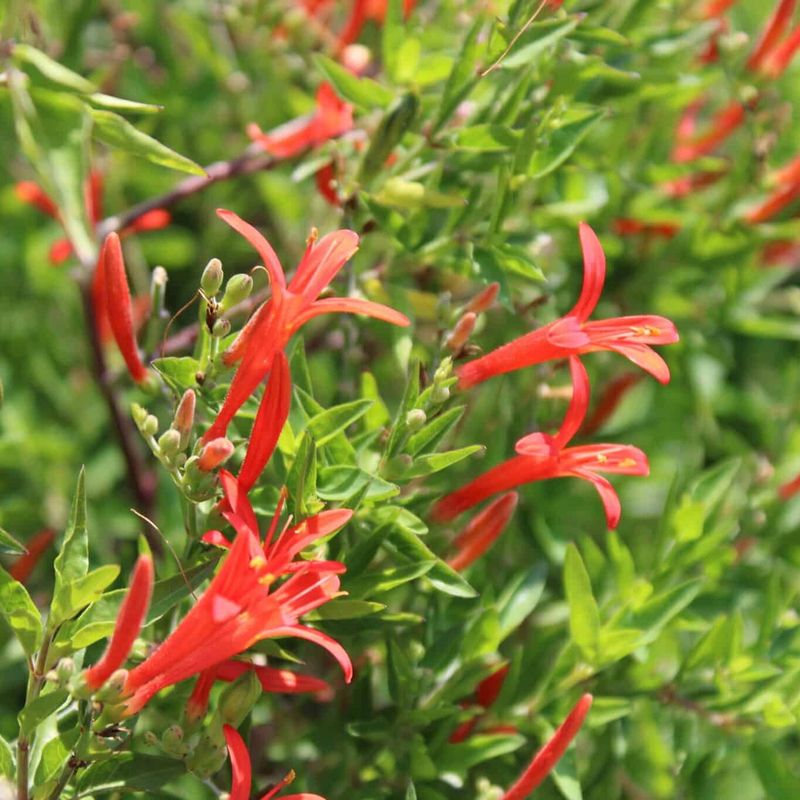
If your garden needs a jolt of energy, Flame Acanthus is ready to deliver. The bright orange-red tubular flowers practically glow in the Texas summer sun, and hummingbirds treat them like a fast-food drive-through.
But behind that fiery personality is a seriously practical plant that earns its place in any tick-reduction strategy.
Flame Acanthus is a dense, multi-branching shrub that fills space naturally and aggressively. Once it gets established, it spreads outward and fills gaps in the landscape without much help from you.
That thick, bushy growth habit is exactly what you want when you are trying to reduce the open, exposed soil that ticks love to inhabit.
Bare patches of ground near garden beds and along borders are prime tick territory. Flame Acanthus covers those spots quickly, growing two to five feet tall and just as wide.
It creates a layered canopy of stems and leaves that leaves little room for ticks to move freely through your landscape.
From a maintenance standpoint, this plant is almost embarrassingly easy to grow. It thrives in full sun, handles Texas drought conditions like a champ, and actually blooms more vigorously when the heat cranks up.
You can cut it back in late winter to keep it tidy, but it will regrow quickly and come back even fuller.
Flame Acanthus is also deer-resistant and attracts not just hummingbirds but also native bees and butterflies. So while it is quietly reducing tick-friendly soil in your garden, it is also making your yard a lively hub for beneficial wildlife.
Plant it in sunny borders, along fences, or in any open area where you want fast, reliable coverage with a spectacular seasonal show.
5. Coral Honeysuckle
Vertical gardening gets a lot of attention for its visual appeal, but not nearly enough credit for its pest-management benefits.
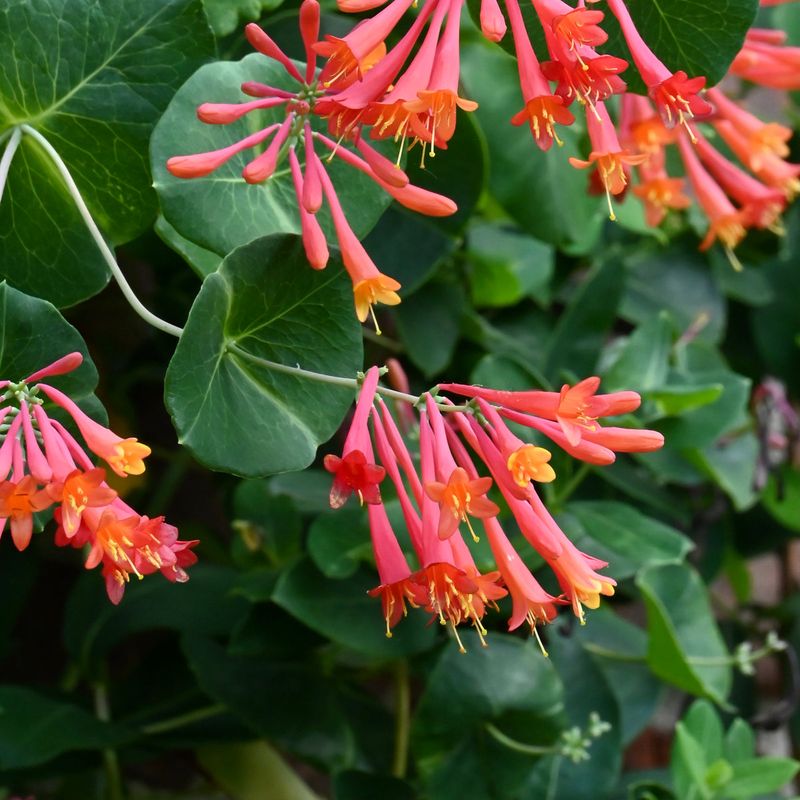
Coral Honeysuckle is a native climbing vine that can transform a bare fence or trellis into a wall of dense, tick-blocking greenery, and it does it with style.
Unlike the invasive Japanese Honeysuckle that many Texans are familiar with, Coral Honeysuckle is a well-behaved native that stays where you put it. It climbs trellises, fences, arbors, and garden structures without taking over everything around it.
The foliage grows thick and full, covering bare surfaces that might otherwise become resting spots for ticks looking for shade and moisture.
Ticks are not strong climbers, but they do cling to low vegetation and fences to reach passing hosts.
A fence covered in dense Coral Honeysuckle foliage disrupts that behavior and makes your garden perimeter far less hospitable. Think of it as putting up a living wall along your property line.
The flowers are absolutely stunning. Bright red-orange tubular blooms appear in spring and often again in fall, drawing ruby-throated hummingbirds from across the neighborhood.
After the flowers fade, small red berries appear that native birds love to eat through the winter months.
Coral Honeysuckle grows well in full sun to partial shade and handles a wide range of Texas soil types. It is drought-tolerant once established and relatively pest-free. Train young vines onto a support structure early in the season and they will take off quickly.
For covering fences, garden walls, or pergolas while reducing tick habitat along your yard’s edges, Coral Honeysuckle is one of the smartest choices a Texas gardener can make.
6. Texas Sage
Ask any experienced Texas gardener which plant they rely on most for tough spots, and Texas Sage will come up almost every time.
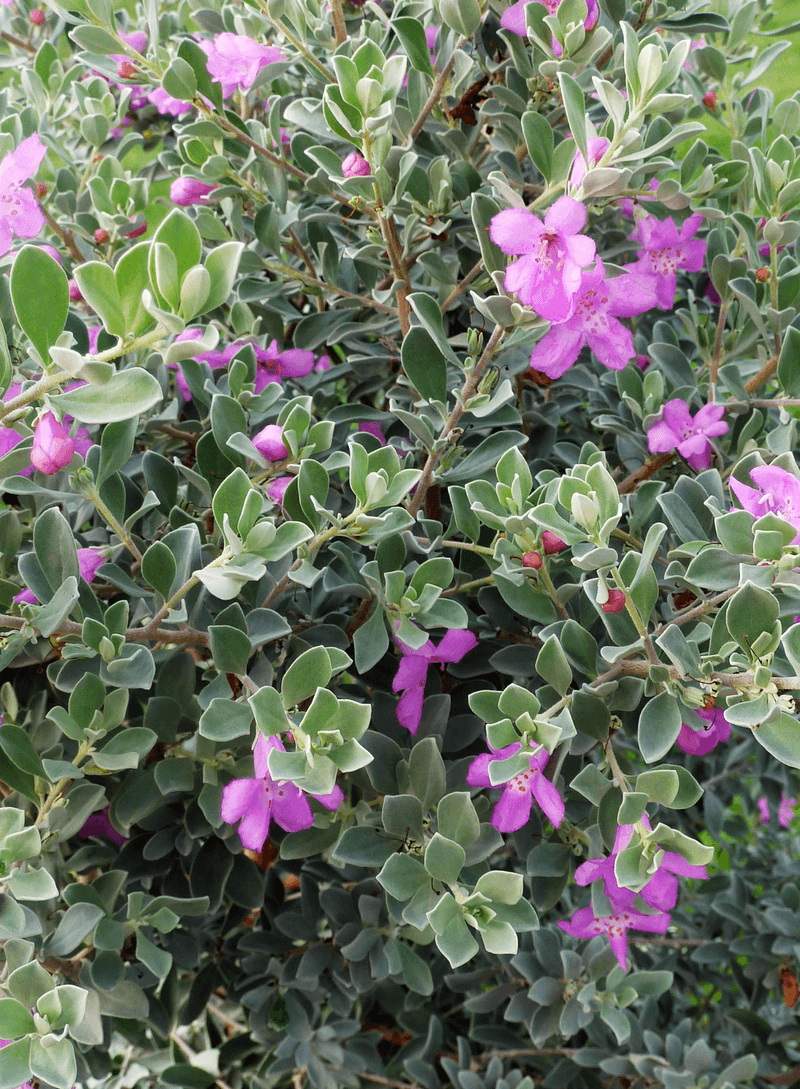
This silvery-leafed evergreen shrub is practically built for the Texas climate, and its dense, rounded growth habit makes it one of the most effective tick-habitat reducers you can plant along a garden border.
Texas Sage, also called Cenizo or Purple Sage, grows into a full, compact shrub that can reach four to eight feet tall and wide depending on the variety.
When planted in a row or grouping, it forms a dense hedge that provides complete coverage along fence lines, property edges, and landscape borders.
Ticks have very little opportunity to find shelter or travel through that kind of solid plant wall.
One of the most charming things about this plant is how it blooms. After summer rains or periods of high humidity, Texas Sage bursts into color almost overnight, covering itself in bright purple flowers.
Gardeners call this phenomenon a bloom storm, and it is one of the most reliable signals that rain is on the way in Texas.
The silvery foliage stays attractive year-round and reflects heat, which actually helps keep the surrounding soil drier. Drier soil means fewer ticks, since ticks depend on moisture to survive. So Texas Sage works against them in more ways than one.
It requires almost no supplemental water once established and thrives in full sun and rocky or sandy soils. Avoid over-watering or planting in poorly drained areas, as that is the one thing this plant truly struggles with.
For a low-effort, high-impact hedge that looks stunning and quietly makes your yard less friendly to ticks, Texas Sage is the plant that keeps on giving all year long.