Small Holes Appearing In Alabama Lawns Overnight Are Often Blamed On The Wrong Animal
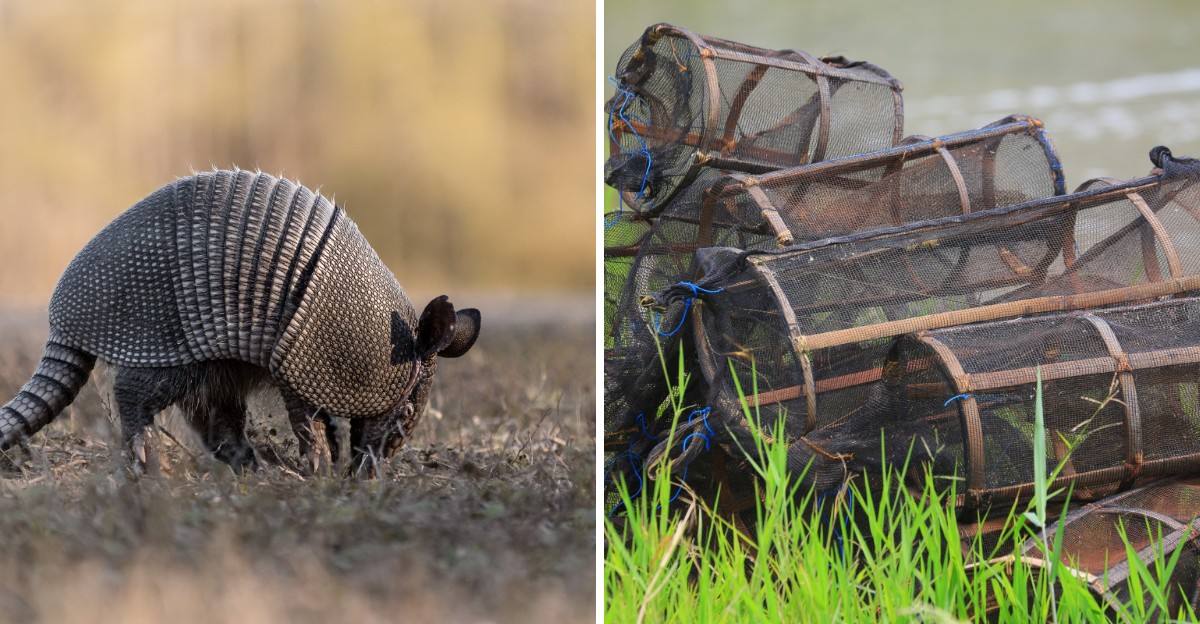
Tiny craters appeared overnight, and the culprit slipped away without a trace. You probably blamed a squirrel or the neighbor’s dog. Wrong suspects. The real digger wears a tough shell and hunts by smell after dark.
Its nose detects grubs hiding inches below the surface. A quick snout probe, a swift claw flick, and a cone-shaped pit remains.
Soft, damp soil turns that excavation into an easy feast. Cooler September nights in Alabama draw beetle larvae toward the roots. Hungry diggers follow them, cluster by cluster.
These shelled visitors are relative newcomers. Spreading from Texas and Florida, they reached Alabama last century and settled in.
Poor eyesight lets them ignore you until you are remarkably close. Surprise this creature, and it leaps straight up like a spring. Still, you hold the advantage. Here is how you outwit tonight’s secret digger.
The Hard-Shelled Night Digger Behind The Pits
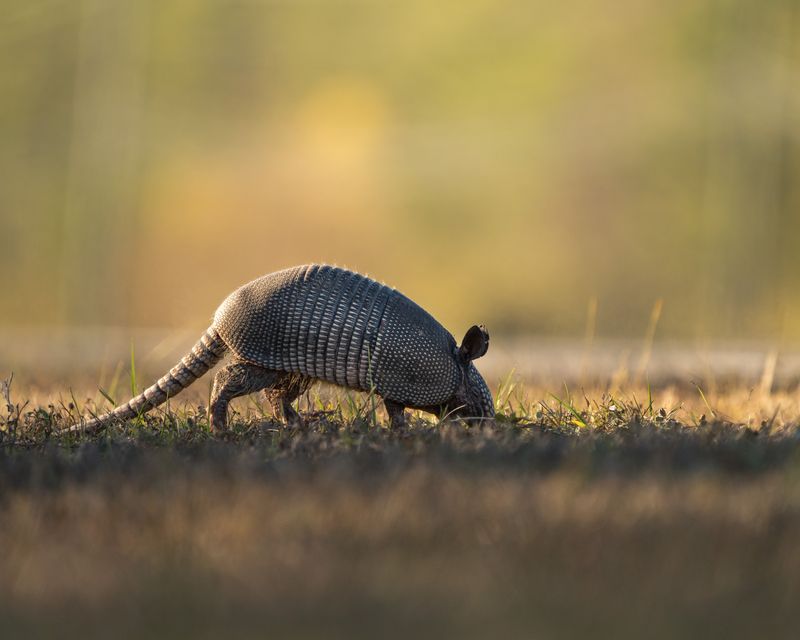
Picture a small tank with a pointy nose and a busy schedule. Meet the true culprit, the nine-banded armadillo, a regular guest in Alabama yards.
Squirrels, moles, and skunks often take the blame for these holes. Yet armadillos leave a pattern that is easy to spot once you know it.
Their holes are shallow, often one to three inches deep. Most are shaped like a cone or a small funnel.
You may also see loose clumps of grass flipped over. It can look like someone peeled back the turf to peek underneath.
Armadillos have poor eyesight, so they follow their noses instead. They can smell insects several inches below the soil.
Their strong front claws work like tiny shovels. A single animal can dig dozens of pits in one busy night.
Moles leave raised tunnels, not open holes. Squirrels dig single small holes, usually to hide or find nuts.
Skunks dig too, but their holes are usually smaller and more scattered. Armadillos leave many neat pits grouped across a wide patch.
Here is a fun fact to share with friends. Nine-banded armadillos almost always give birth to four identical babies at once.
They moved into Alabama from Texas and Florida over the last century. Now they are common across most of the state.
Knowing the right animal saves money and frustration. Traps and repellents made for other pests rarely stop an armadillo.
A Grub Buffet Hidden Under The Grass
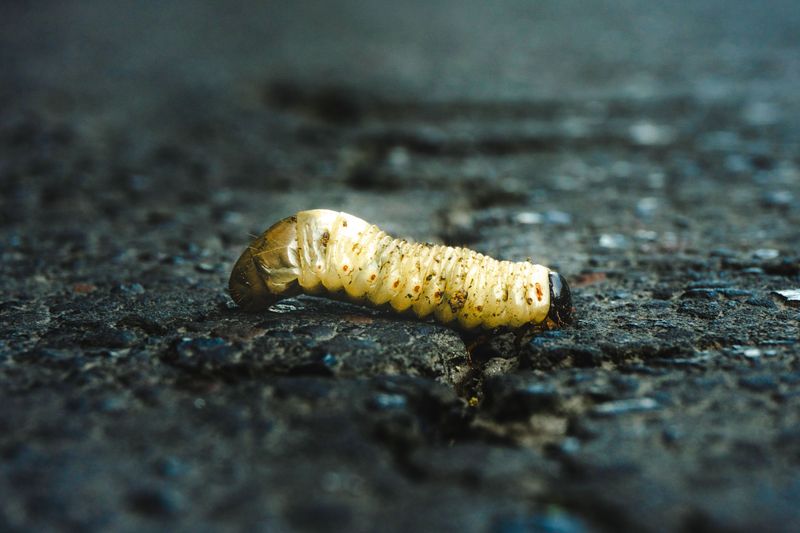
Hungry diners rarely visit empty restaurants. Armadillos dig because your lawn is serving a meal they love.
Their menu is mostly insects and small creatures living in the soil. White grubs, earthworms, beetles, and ant larvae top the list.
Grubs are baby beetles, like June bugs and Japanese beetles. They curl into a C shape and munch on grass roots.
A healthy lawn with moist soil can hold lots of these critters. To an armadillo, that is an all-you-can-eat buffet.
Try a simple test to check your own yard. Cut a one-foot square of turf and gently fold it back.
Count the grubs you see in the soil below. More than five per square foot can signal a problem worth checking.
Your Alabama Garden Changes Every Week. Your Plan Should Too.
Gardening in Alabama changes quickly throughout the season. Every Friday you’ll receive a simple weekly plan showing exactly what to plant, prune, fertilize, harvest, and protect so you never miss the right timing.
Earthworms also attract armadillos, even though worms help your soil. Well-watered lawns bring worms close to the surface, making digging easy.
So a beautiful yard can accidentally invite trouble. The greener and softer the grass, the tastier it seems.
Armadillos eat large amounts of insects each year. That sounds helpful until your front yard looks like swiss cheese.
Understanding their diet points you toward a smart fix. Fewer bugs underground can mean fewer visits, though earthworms still attract them.
Think of the holes as clues rather than just damage. Each pit marks a spot where something tasty was hiding.
September Nights And Soft Soil
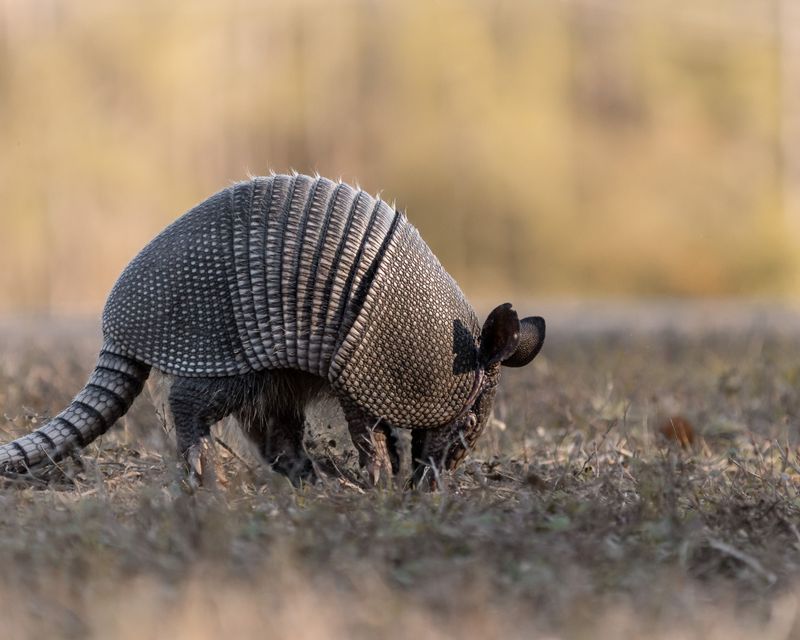
Late summer in Alabama feels like a slow exhale. As September rolls in, armadillos get extra busy in local yards.
Hot summer days push them to feed mostly after dark. Cooler fall evenings let them wander longer and dig more.
Grubs are also near the surface this time of year. Beetle eggs laid in summer have hatched into plump, hungry larvae.
Those young grubs feed close to the roots in early fall. That puts them right where armadillo noses can find them.
Rain and sprinklers soften the ground even more. Moist dirt makes each hole quicker and easier to dig.
Many homeowners notice the worst damage after a stormy week. Wet lawns can look torn up by morning.
Armadillos are most active from dusk until a few hours after midnight. In cooler weather, they often forage during warmer afternoon hours.
If you want proof, try a quiet night watch. Sit on the porch with a flashlight around ten o’clock.
You might hear rustling and soft snuffling sounds. A motion camera works well too if you prefer your sleep.
Once winter arrives, armadillos slow down a lot. They cannot handle long cold spells because they carry little body fat.
That makes September a smart month to act. Solving the problem now spares your lawn heading into spring.
The Costly Trap Set For The Wrong Suspect
Imagine spending a whole month treating for moles that are not there. The lawn keeps getting worse while your wallet gets lighter.
Misidentifying the animal is a common and costly mistake. Mole poisons, squirrel spray, and skunk traps rarely bother armadillos.
Castor oil repellents are sold everywhere for digging pests. Results for armadillos are mixed and often disappointing.
Mothballs are another popular myth, and using them outdoors violates their label. They can harm pets and soil, and armadillos seem mostly unbothered.
Some people bait traps with fruit or cat food. Armadillos eat insects, so these snacks usually go ignored.
A better trick is guiding them rather than baiting them. Place boards along a fence to funnel them into a cage trap.
Set the trap near a burrow or along a known path. Check it every morning so the animal is not stuck long.
Wear gloves when handling armadillos or their burrows. They can carry the germ that causes leprosy, though cases are rare.
Also check local rules before moving any wild animal. Many Alabama homeowners call licensed wildlife pros for help.
Guessing wrong also wastes the best digging season. Every week spent on the wrong fix means more holes by morning.
Take a few minutes to confirm the signs first. A correct guess saves time, money, and a lot of grumbling.
Repair Work That Brings Grass Back
Good news first, your lawn is tougher than it looks. Most armadillo damage heals quickly with a little care.
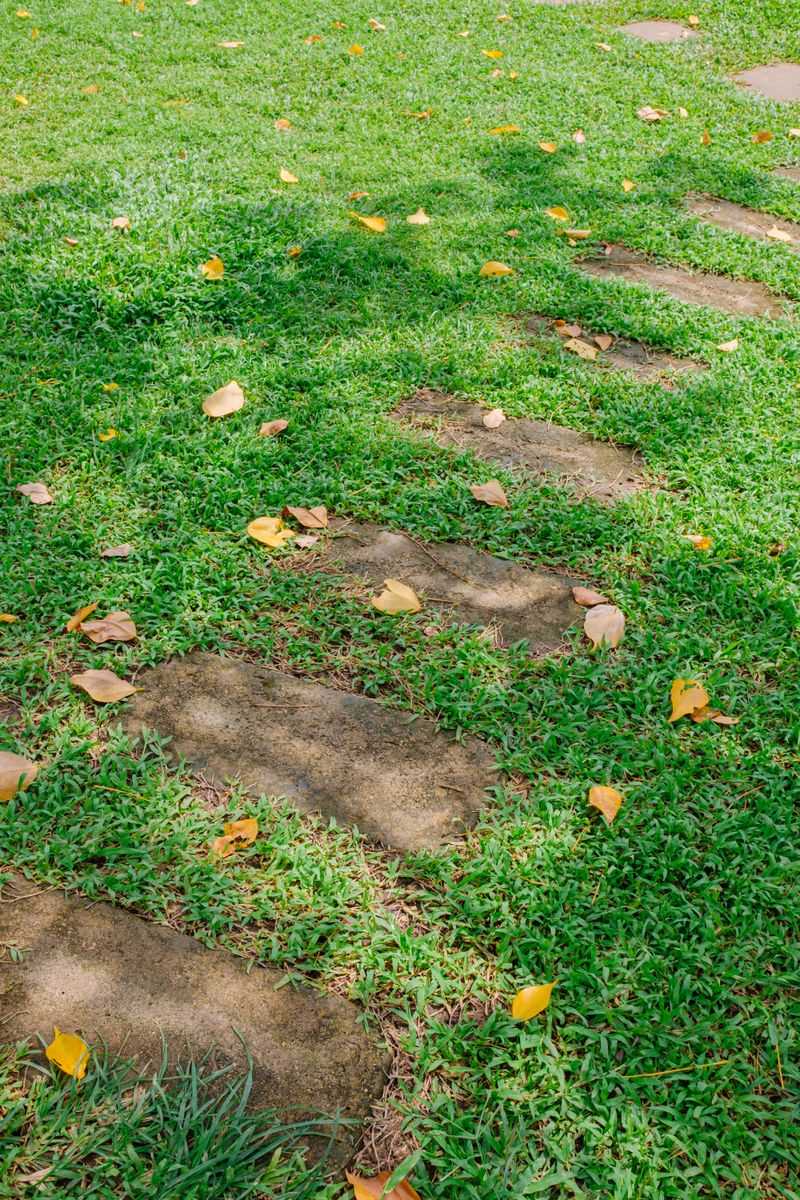
Start by pressing flipped turf back into place. Step on it gently so the roots touch the soil again.
Fill any open pits with a mix of topsoil and compost. Level the surface so mowers do not scalp the edges.
Water the repaired spots lightly for about a week. Moist roots reattach faster and turn green again.
Bare patches may need a bit of grass seed or sod. Bermuda, zoysia, and centipede grass all grow well in Alabama.
Sod patches can still root in September, especially in south Alabama. Seeding warm-season grass works best in late spring or early summer.
Avoid heavy fertilizer right after repairs. Too much can burn tender roots and invite more insects.
Treat grubs if your turf test showed many of them. Choose a product labeled for grubs and follow directions carefully.
Beneficial nematodes are a natural option worth trying. These tiny worms hunt grubs in the soil without harming pets.
Keep an eye on the yard for a few nights. Fresh holes mean the visitor has not moved on yet.
With steady care, most lawns bounce back within weeks. By next summer, few people will guess anything ever happened.
A Fence Line Plan For Peaceful Mornings
Keeping armadillos out beats cleaning up after them. A little planning can make your yard far less inviting.
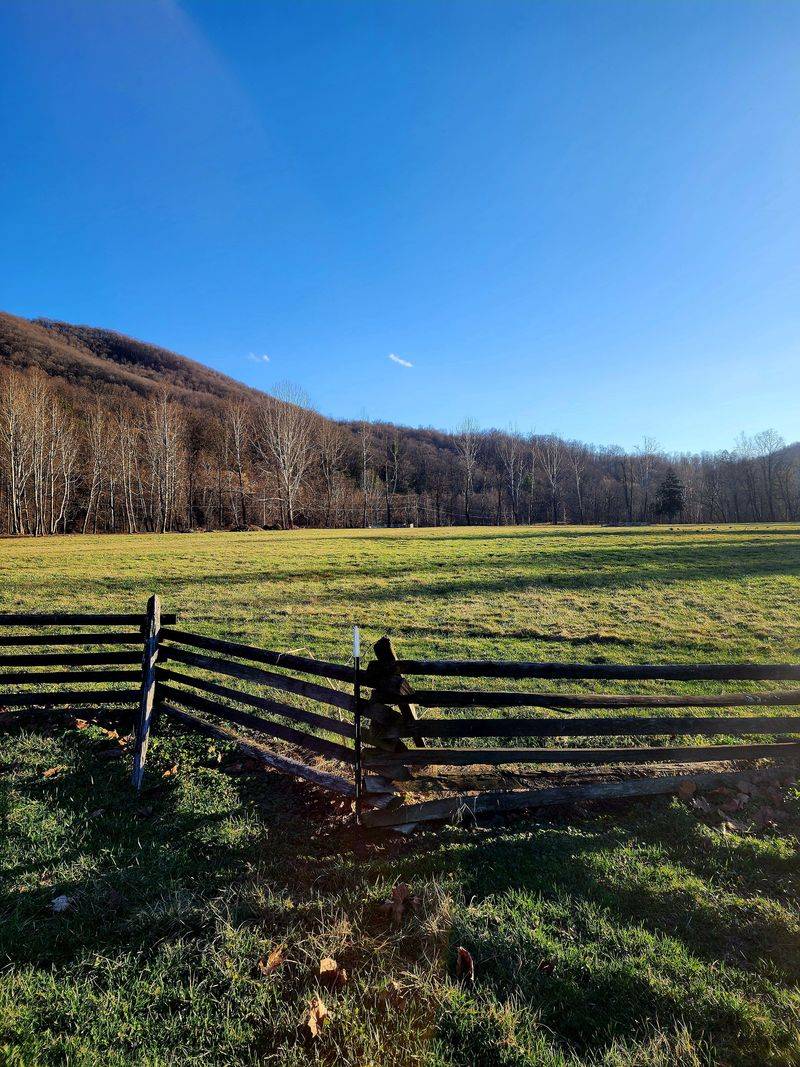
Fencing is the most reliable barrier for small yards. Use sturdy wire mesh about two feet tall.
Bury the bottom edge at least a foot deep, ideally eighteen inches. Armadillos dig under fences easily if the base is shallow.
Angling the buried part outward adds extra protection. It blocks them when they try to tunnel beneath.
Water your lawn less often but more deeply. Drier topsoil pushes worms and grubs lower, away from hungry snouts.
Early morning watering works better than evening watering. The surface dries during the day, before armadillos wake up.
Clear brush piles, wood stacks, and thick shrubs near the house. These spots make cozy daytime hiding places for burrows.
Seal gaps under decks, sheds, and porches too. An armadillo living close by may dig in your yard often.
Motion-activated sprinklers can startle them away. The sudden spray works on many night visitors.
Keep an eye out for grub numbers each summer. Controlling them early removes a major food source, though earthworms may still draw visitors.
Talk with neighbors about the problem as well. Working together across several yards gives better results.
Soon your mornings can return to coffee and calm grass. The only holes left might be from your own garden trowel.