Why Cover Crops Are The Smartest Thing Pennsylvania Gardeners Plant Now
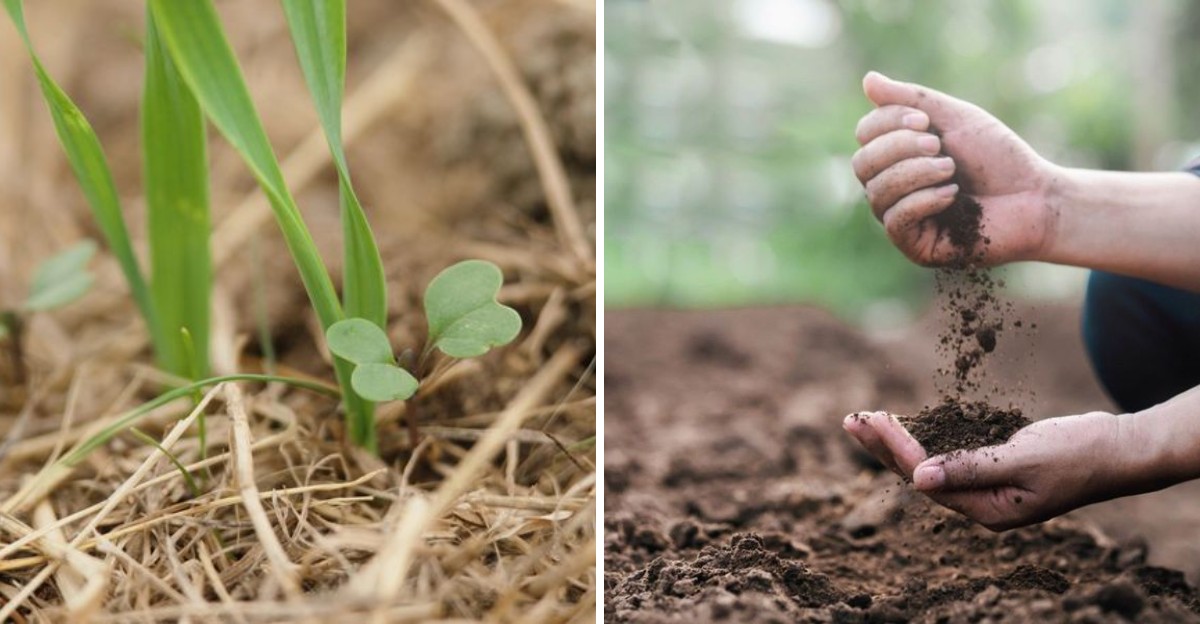
Once the last harvest is done, most Pennsylvania gardens sit empty until spring. That bare soil takes a beating.
Heavy rain washes away nutrients. Snowmelt carries off topsoil. Weeds move in the minute you turn your back.
Cover crops fix all of that, and they barely ask for anything in return. Plants like winter rye, clover, and hairy vetch hold the soil in place and crowd out weeds. They also feed the ground while you’re inside sipping cocoa.
Some even pull nitrogen from the air and store it in the soil, giving next year’s vegetables a free boost.
Farmers have relied on this trick for generations. Now home gardeners are catching on. Here’s why planting cover crops this fall might be the smartest move you make all year.
1. They Protect Bare Soil From Winter Erosion
Walk past a bare garden bed after a hard February rain, and you might spot little muddy streams running off the edges. That brown water is carrying away your topsoil. Once it leaves, it does not come back.
Pennsylvania weather is rough on empty ground. Winter brings soaking rains, heavy snow that melts fast, and nights that swing above and below freezing. Each freeze pushes soil up, and each thaw leaves it loose and easy to wash away.
Topsoil is the richest layer in your garden. It holds most of the nutrients, tiny living creatures, and organic matter your plants need.
Nature can take hundreds of years to build just one inch of it, so losing even a little each winter adds up fast.
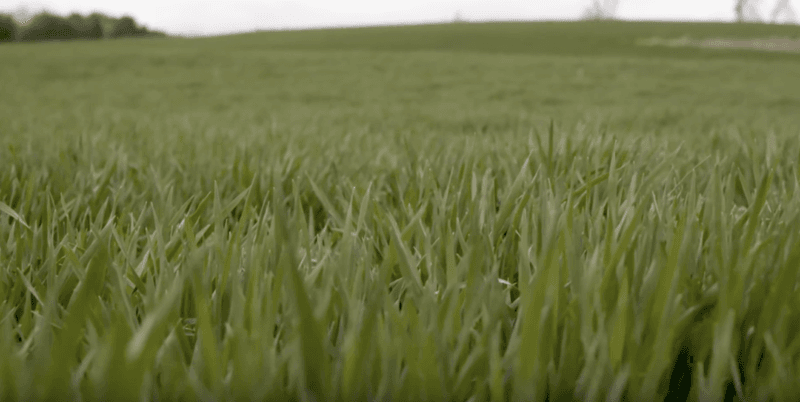
Cover crops act like a living blanket. Their leaves soften the blow of falling raindrops, so the soil does not splash and break apart. Underground, their roots form a tight web that grips the dirt and keeps it from sliding.
Sloped yards need this help most. Many Pennsylvania homes sit on hills, and gardens on a slant lose soil much faster than flat ones. A fall planting across a slope can stop gullies before they start.
Getting started is simple. Clear out spent plants, loosen the top inch of soil with a rake, and scatter your seed. Rake again lightly so the seed touches the dirt, then water if the weather is dry.
Try to plant a few weeks before the ground freezes. That gives roots time to spread out and take hold.
Even a thin green carpet protects far better than nothing at all. Your future self will thank you when spring arrives and the soil is still right where you left it.
2. Nutrients Stay Put Instead Of Washing Away
Here is a fact that surprises many gardeners. After harvest, a good amount of fertilizer and compost nutrients is still sitting in the soil. Your summer plants simply did not use it all.
Nitrogen is the biggest concern. It dissolves easily in water, so winter rain carries it deep below the root zone or off into ditches. By spring, much of what you paid for is gone.
Your Pennsylvania Garden Changes Every Week. Your Plan Should Too.
Gardening in Pennsylvania changes quickly throughout the season. Every Friday you’ll receive a simple weekly plan showing exactly what to plant, prune, fertilize, harvest, and protect so you never miss the right timing.
Cover crops grab those leftovers before they can escape. Their busy roots soak up nitrogen, potassium, and other nutrients and store them in their leaves and stems. Think of it like putting food in the fridge instead of leaving it out on the counter.
When you cut the plants down in spring, they slowly break apart. The stored nutrients return to the soil right where your new crops can use them. Nothing is wasted.
There is a bigger picture, too. Much of Pennsylvania drains into the Chesapeake Bay watershed.
Streams from places like Lancaster, Harrisburg, and State College all flow toward the bay through the Susquehanna River.
Extra nitrogen in that water feeds huge blooms of algae. The algae use up oxygen, which harms fish, crabs, and oysters. Farmers and cities across the state work hard to cut down on this runoff.
Home gardens are small, but there are millions of them. When lots of backyard growers plant cover crops, the effect adds up in a real way. You are helping clean water without leaving your yard.
For the best nutrient catch, choose fast-growing grasses like cereal rye or oats. Plant them soon after harvest so roots have time to reach deep. A quick soil test in spring can even show you how much you saved.
3. Richer, Healthier Soil Gets Built Season By Season

Ask any longtime gardener about their secret, and many will just point at the dirt. Great soil grows great food. Cover crops are one of the easiest ways to get there.
In spring, you cut the plants down and either leave them on top or mix them into the soil. As they rot, they turn into organic matter. That dark, crumbly stuff is what makes soil soft, spongy, and full of life.
Earthworms love it. So do fungi, bacteria, and tiny bugs you cannot even see. These helpers chew up the plant pieces, make tunnels, and release food for your vegetables.
Many parts of Pennsylvania have heavy clay soil. Clay packs down tight, drains poorly, and turns into bricks in summer. Organic matter pries those tiny clay bits apart so air and water can move through.
Other gardens, especially near rivers, have sandy soil. Sand drains so fast that plants go thirsty. Organic matter works like a sponge in sandy ground, holding moisture longer between rains.
Roots help as well. Deep-rooted crops like daikon radish punch holes through hard layers. When the roots break down over winter, they leave open channels behind for water and new roots to follow.
Do not expect magic in one year. Soil improves slowly, a little more each season. After three or four years of fall planting, most gardeners notice darker color, easier digging, and plants that stay green during dry spells.
A simple tip is to mow or chop your cover crop before it forms seeds. Smaller pieces break down faster. Let them sit a week or two, then gently work them into the top few inches.
4. Some Add Free Nitrogen To Your Garden
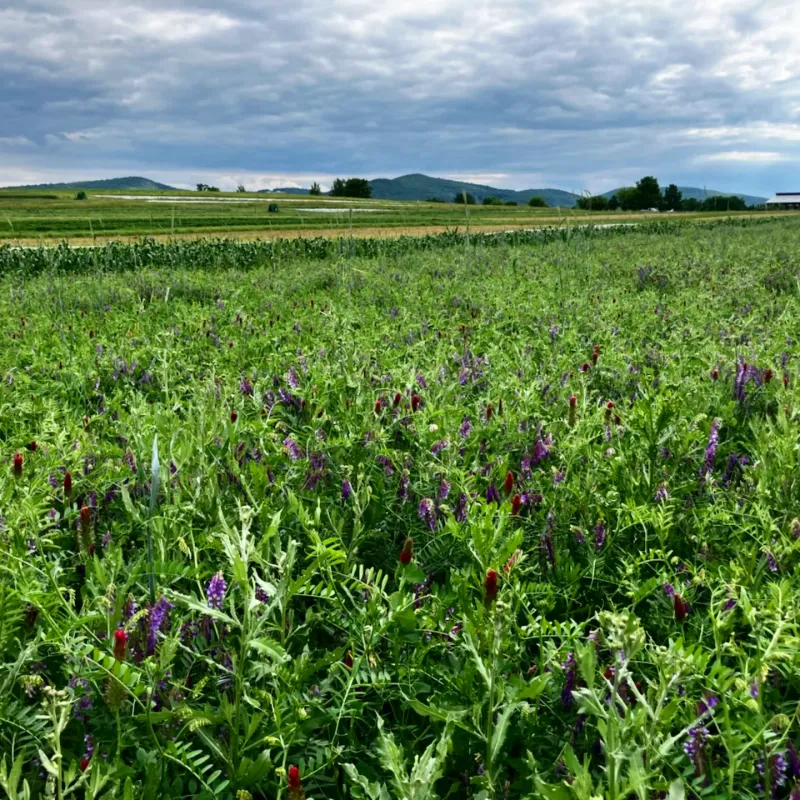
Free fertilizer that grows itself? It sounds too good to be true, but legume cover crops pull off this trick every year. Hairy vetch and crimson clover are two favorites for Pennsylvania gardens.
The air around us is about 78 percent nitrogen. Plants need nitrogen badly, yet most of them cannot use the kind floating in the air. Legumes are different because they team up with special soil bacteria called rhizobia.
These bacteria live in small bumps on the roots called nodules. They grab nitrogen from air in the soil and turn it into a form plants can use. In return, the legume feeds the bacteria sugar. It is a fair trade.
Dig up a healthy clover plant and split one of those nodules open. If it looks pink inside, the bacteria are hard at work. Kids especially love this little science experiment.
When you cut legumes down in spring, the stored nitrogen goes into the soil as they break down.
A thick stand of hairy vetch can supply enough nitrogen for a crop of tomatoes or sweet corn. That means buying less bagged fertilizer.
For best results, buy seed labeled as pre-inoculated. If yours is not, pick up a packet of inoculant powder at a garden store and mix it with the seed. The bacteria need to be present for the magic to happen.
Timing matters with legumes. Sow them in late August or September so they can grow before winter.
Many gardeners mix hairy vetch with cereal rye, because the rye gives the vetch something to climb. Bonus perk: crimson clover blooms bright red in spring, and bees go wild for it.
5. Weeds Get Smothered Before Spring Arrives
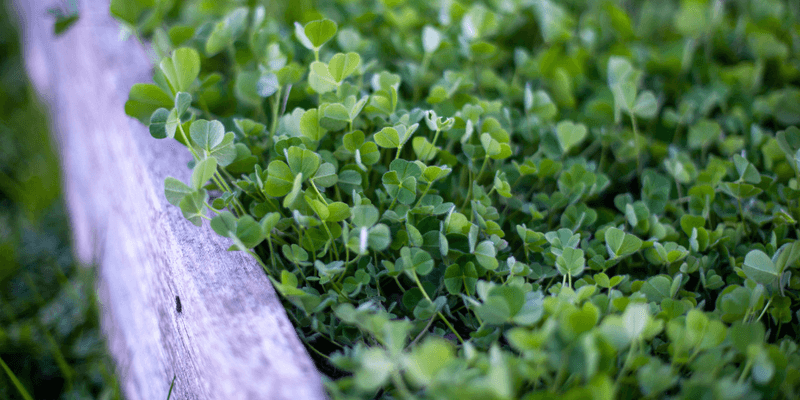
Nobody plants chickweed, yet somehow it shows up every spring. Henbit, purple deadnettle, and wild garlic join the party too. Bare soil is basically an open invitation for weeds.
Weed seeds are everywhere. Wind carries them, birds drop them, and many sit in the soil for years just waiting. When they get sunlight and space, they sprout fast.
A cover crop takes away that chance. A thick stand of plants covers the ground and blocks the light weed seeds need. Without sun, most of them never get going.
Roots help too. Cover crops fill the soil and soak up water and nutrients first. Weeds that do sprout end up weak and hungry, struggling to compete.
Some cover crops even fight back with natural chemicals. Cereal rye releases compounds that stop tiny weed seeds from sprouting. Scientists call this allelopathy, which is a fancy word for plant self-defense.
The payoff comes in spring. Instead of spending a whole Saturday pulling weeds, you simply cut down your cover crop.
Many gardeners leave the chopped plants on top as mulch, which keeps weeds down even longer.
Thickness is the key to success. A patchy cover crop leaves gaps for weeds to sneak through. Sow seed heavily, about twice what you would use on a farm field, and make sure it touches the soil.
Watch out for one thing. Cut your cover crop before it goes to seed, or it could become a weed itself. Mowing when plants start to flower keeps everything under control.
Fewer weeds means less work, more time to enjoy the garden, and happier vegetables with room to grow.
6. Cereal Rye Makes Planting This Late Easy
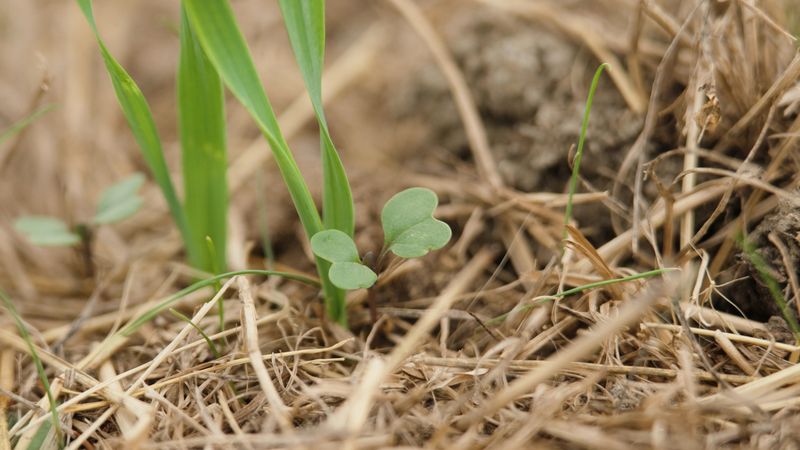
Missed the September window? Relax. Cereal rye is the late bloomer of the cover crop world, and it is ready when you are.
Most cover crops need warm soil to get established. Clover, vetch, and oats should go in by early fall in Pennsylvania. Plant them too late, and they may not survive the cold.
Cereal rye is much tougher. It can sprout in soil as cool as 34 degrees and keeps growing on mild winter days. Gardeners across the state can sow it through October and even into early November.
Fun fact: rye is one of the most cold hardy grains on Earth. It has been grown in chilly places like Russia and Scandinavia for centuries. Pennsylvania winters barely bother it.
Planting is quick. Rake the bed smooth, scatter about four ounces of seed per 100 square feet, and rake again to cover it lightly. Rye does not need to be perfect to thrive.
Make sure you buy cereal rye, not ryegrass. They sound alike but are totally different plants. Ryegrass can be hard to get rid of.
Spring timing matters with rye. As it breaks down, it releases natural compounds that can slow sprouting of small seeds like carrots, lettuce, and onions. Cut it down or turn it under about two to three weeks before planting.
That short wait lets the effect fade. Bigger transplants like tomatoes and peppers handle rye better, so you can plant them sooner. Some gardeners even plant tomato starts right through the cut rye mulch.
Rye grows tall fast in April, so do not wait too long. Cut it when it reaches knee height for the easiest cleanup.