Sweet-Smelling White Vines Are Blanketing Missouri Fences This Month
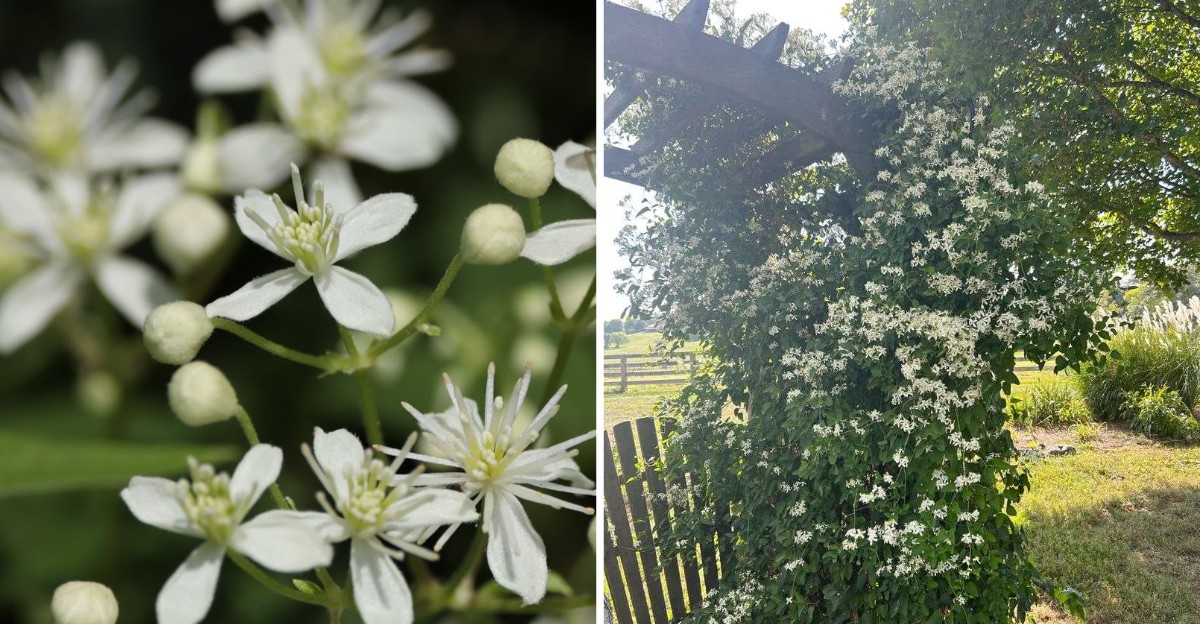
Walk past almost any Missouri fence right now, and your nose will notice first. A sweet, honey-like perfume drifts across the yard like somebody opened a giant candy jar.
Then your eyes catch up to the scene. Fences, mailboxes, and even parked trailers look draped in fluffy piles of tiny white stars.
It looks charming, almost like a late summer snowfall that forgot to check the calendar. Bees seem thrilled, buzzing around like shoppers at a clearance sale.
Yet many gardeners across Missouri are starting to squint at those blossoms with suspicion. Pretty things that grow this fast usually have a story behind them.
One neighbor says his chain-link fence turned white almost overnight. His dog now sniffs at the gate as if it were a stranger.
A Fast Climber With Scented Blooms
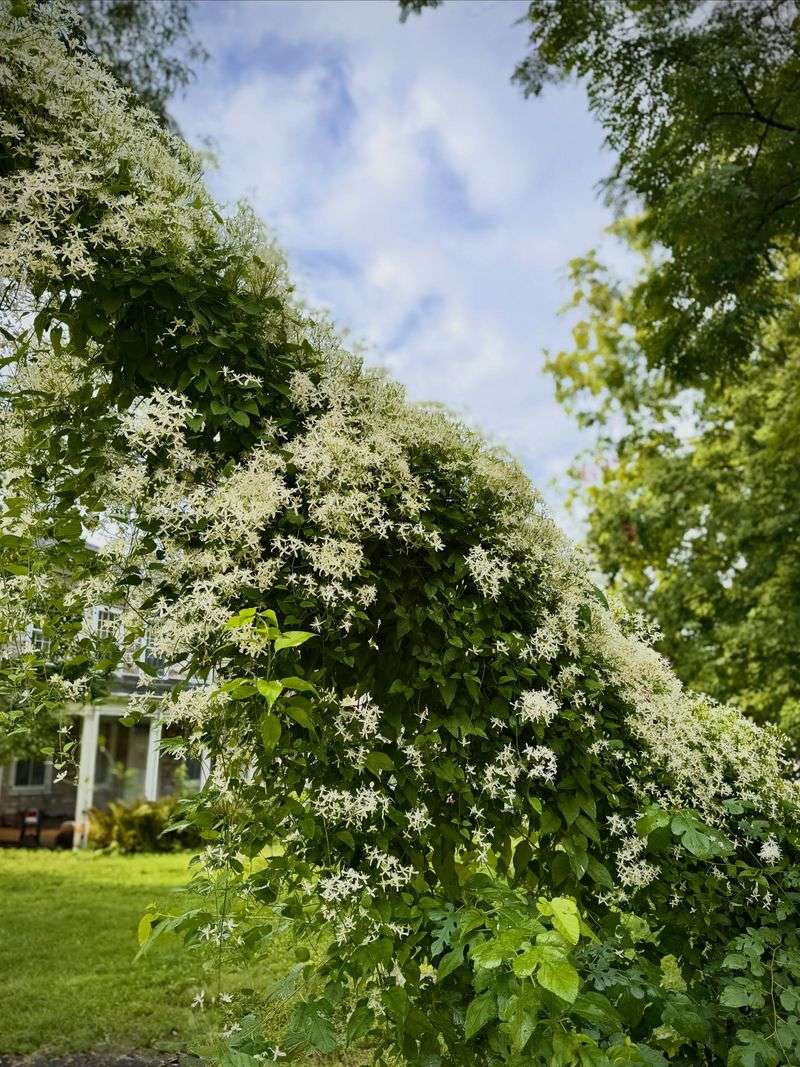
Picture a vine that smells like dessert and climbs quickly over almost any support. That plant is sweet autumn clematis, known to scientists as Clematis terniflora.
The plant originally came from Japan and China. Gardeners brought it to America as an ornamental because it covered arbors quickly and bloomed when most flowers were fading.
Each flower is small, only about an inch wide, with four narrow white petals. Hundreds open at once, which creates that frothy blanket you see covering fences.
The leaves grow in groups of three to seven leaflets with smooth edges. Stems twist and climb using leaf stalks that curl like tiny fingers.
In Missouri, this vine has jumped out of gardens and into woods, roadsides, and creek banks. The Missouri Department of Conservation classifies it as a nonnative, invasive plant.
So why does that matter for your backyard? A single vine can reach about twenty feet in length, draping over shrubs and blocking their sunlight.
The plant contains irritating compounds that can upset pets and livestock if eaten. Some people may also get itchy skin after handling the sap without gloves.
So if a sweet cloud of white has taken over your fence this month, you now know its name. Knowing what you face is the first real step toward handling it wisely.
The Late Summer Bloom Window
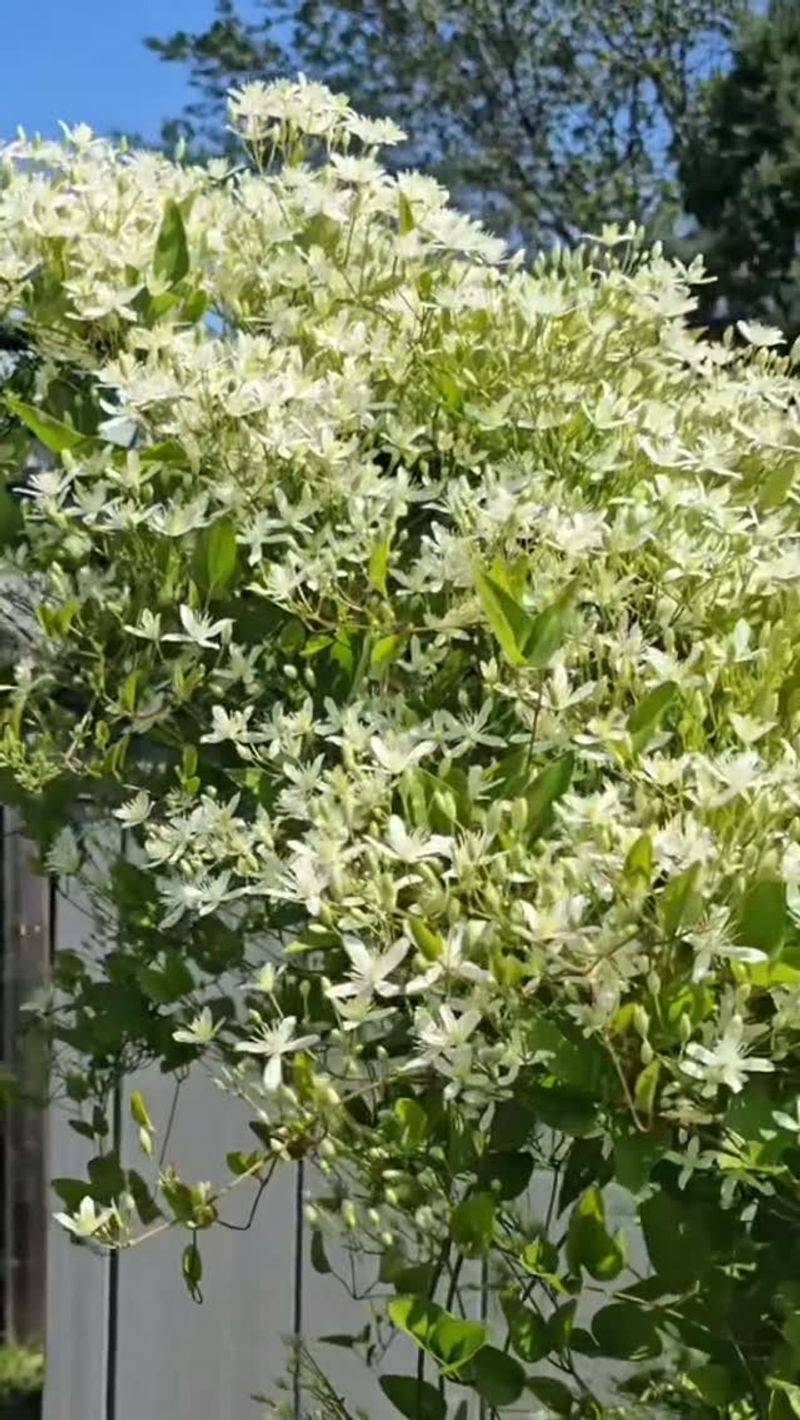
Timing is everything with this vine, and it plays its hand late. Most of the year it hides in plain sight as a tangle of ordinary green leaves.
Then late August arrives, and flower buds begin to swell. By early September, fences across Missouri look like they were frosted by a bakery.
The peak show usually lasts a few weeks, depending on rain. Warm days and cool nights in September seem to push the blossoms into full, fragrant overdrive.
The fragrance is easy to notice in the evening, when the air grows still. Many folks describe it as a blend of vanilla, almonds, and fresh honey.
Pollinators love the late buffet, since fewer flowers are open this time of year. You may spot honeybees, bumblebees, hoverflies, and small butterflies working the blooms.
Here is the catch that many busy gardeners miss. Once the petals drop in late September or October, the real spreading season begins.
Your Missouri Garden Changes Every Week. Your Plan Should Too.
Gardening in Missouri changes quickly throughout the season. Every Friday you’ll receive a simple weekly plan showing exactly what to plant, prune, fertilize, harvest, and protect so you never miss the right timing.
Right now is the best time to spot the vine and mark its location. The white flowers act like a giant flag waving from every fence line.
Grab your phone and snap photos of every patch you find during your next walk. Later, when the flowers fade, those pictures will help you track them down.
Think of September as your scouting month, not your admiring month. Enjoy the perfume for a moment, then make a plan before seed season starts.
Feathery Seed Plumes On The Wind
Ever blown on a dandelion puff and watched the seeds float away? This vine performs a similar magic trick, only on a much bigger scale.
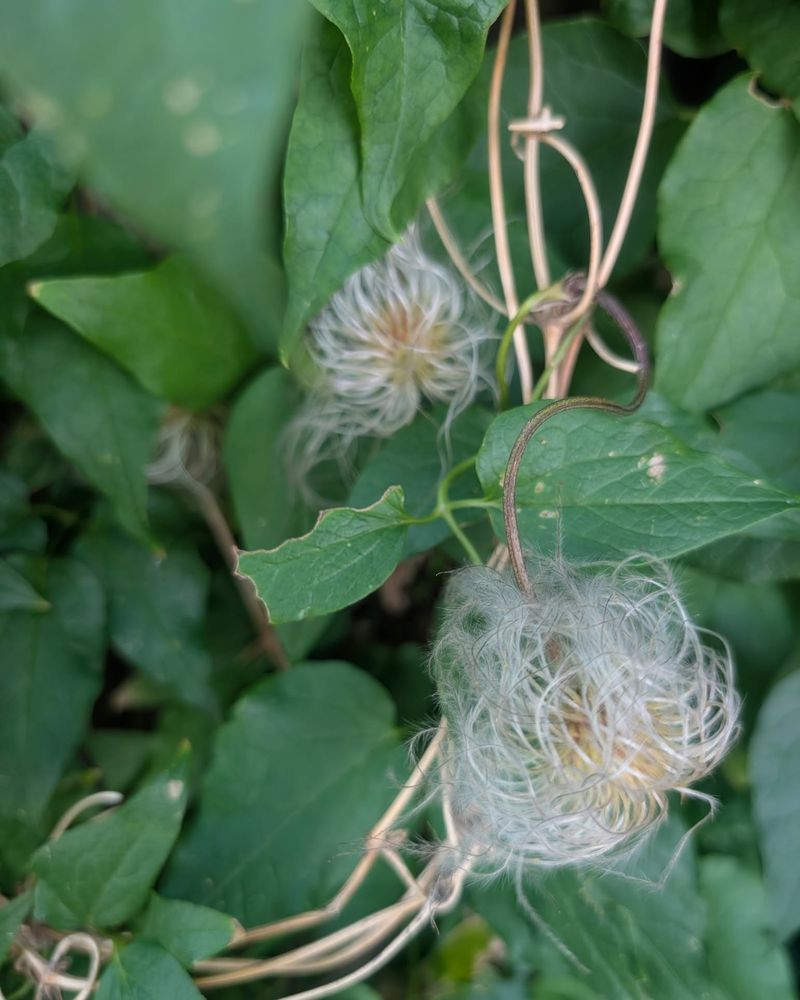
After the flowers fade, each one forms a cluster of seeds topped with silvery, feathery tails. From a distance, the vine looks covered in soft gray fuzz.
Those tails catch the breeze like tiny parachutes. Wind can carry them across yards, over roads, and deep into nearby woodlands. Fall rains can also wash seeds along creeks and into low areas.
One plant can release a very large number of seeds each autumn. Many can sprout the next spring wherever they land, especially along fences, forest edges, and shady ditches.
Seedlings grow quickly and can start flowering within a few years. That speed helps the vine crowd out slower native plants fighting for the same light.
Here is a fun fact to share at dinner. The genus name Clematis comes from an ancient Greek word meaning vine branch or climbing plant.
Fences give the vine a perfect ladder, which explains why you see it climbing them first. Sunny fence lines offer support, warmth, and plenty of room to sprawl.
Understanding this seed trick changes how you think about the pretty blooms. The seeds from today’s flowers could become many new vines next year.
Removing the vines before the plumes form is one of the most effective steps you can take. A little effort this month saves a lot of pulling later.
A Costly Case Of Mistaken Identity
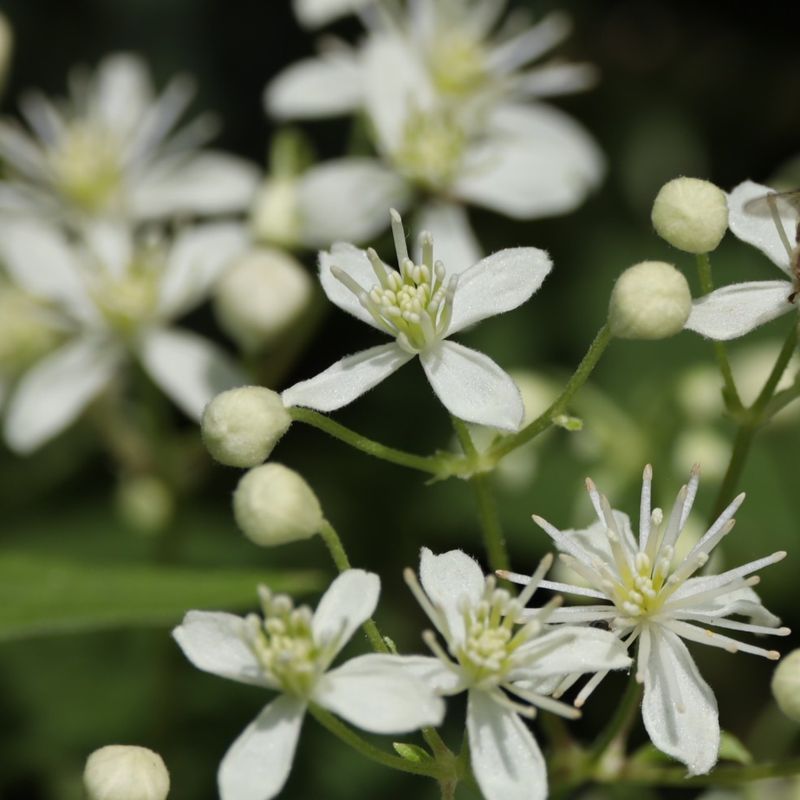
Some gardeners pull the wrong vine, and that mistake is easy to make. Missouri has a native cousin called virgin’s bower, or Clematis virginiana.
Both vines have white flowers, climb fences, and bloom in late summer. Both also make those fluffy seed heads after flowering.
So how do you tell them apart? Start by looking closely at the edges of the leaves.
Sweet autumn clematis has smooth leaf edges with no teeth. Virgin’s bower has toothed, often shallowly lobed leaflets.
Flower timing offers another clue. The native vine often starts blooming earlier, in July or August, while the invader peaks in September.
Leaf count helps as well. Virgin’s bower usually has three leaflets per leaf, while sweet autumn clematis usually has five or more.
Why should you care which is which? Virgin’s bower is native to Missouri and supports local pollinators and other wildlife.
Removing the native plant takes food away from local wildlife without solving your real problem. That would be like fixing the wrong pipe while the leak keeps going.
If you are unsure, take a clear photo of the leaves and flowers. Local extension offices and the Missouri Department of Conservation can help identify it.
Plant apps can offer a quick guess, but double-check their answers. A leaf edge rarely lies, even when an app gets confused.
Spending two extra minutes to confirm the vine keeps good plants safe. Your fence and your local bees will thank you.
Fall Pruning Before Seeds Ripen
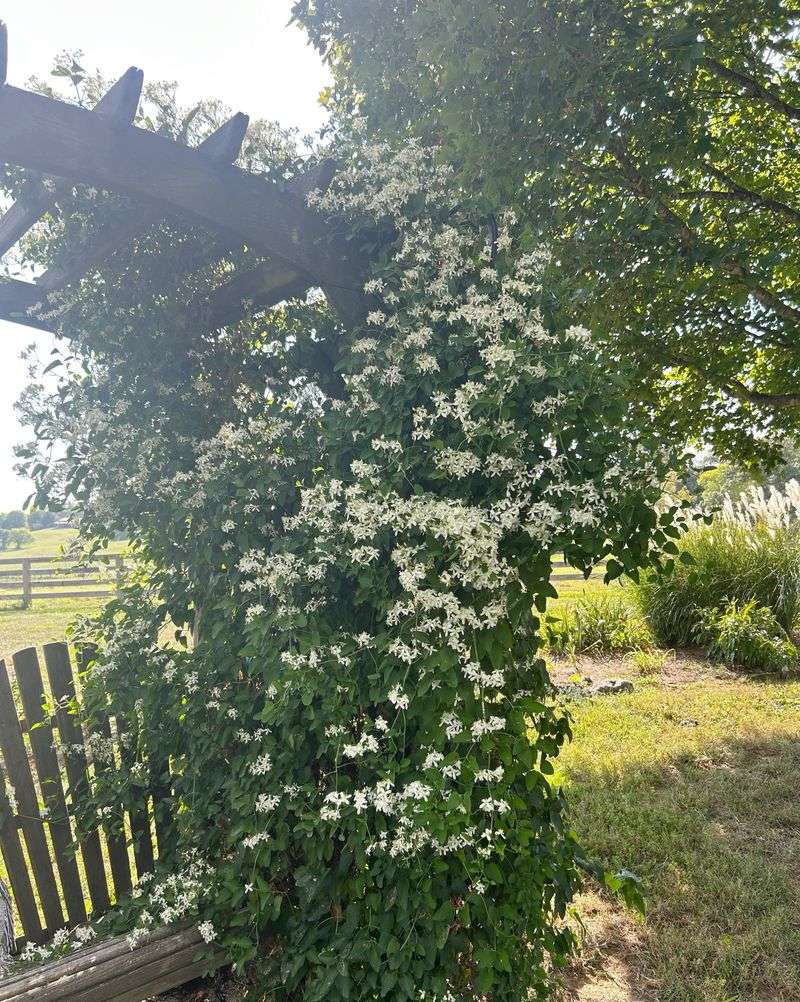
This vine is stubborn, but it can be managed. The trick is to act at the right moment with the right tools.
Put on gloves, long sleeves, and safety glasses before you start. The sap can irritate skin, and tangled stems can snap back toward your face.
Begin by cutting stems near the ground with sharp pruners or loppers. Then gently pull the vines off your fence, working from the bottom upward.
Do this while the flowers are still blooming or just fading. Cutting before the feathery seeds form helps limit next year’s spread.
Bag the cuttings instead of tossing them on a compost pile. Seeds can still ripen on cut stems, so trash pickup is the safer choice.
For small plants, dig out the roots with a garden fork after a soaking rain. Moist soil lets roots slide out more easily, with fewer broken pieces left behind.
Large, older vines may have thick woody roots that resist digging. Many experts suggest cutting the stem and carefully painting the stump with an herbicide labeled for vines.
Follow the label directions exactly, and keep pets and children away while it dries. Spot treatment helps protect nearby plants you want to keep.
Expect a few sprouts to pop up next spring. Pull them while they are small, and the vine will weaken year after year.
Patience matters more than muscle here. Two or three seasons of steady effort usually brings a fence under control.
Native Vines Worth Planting Instead
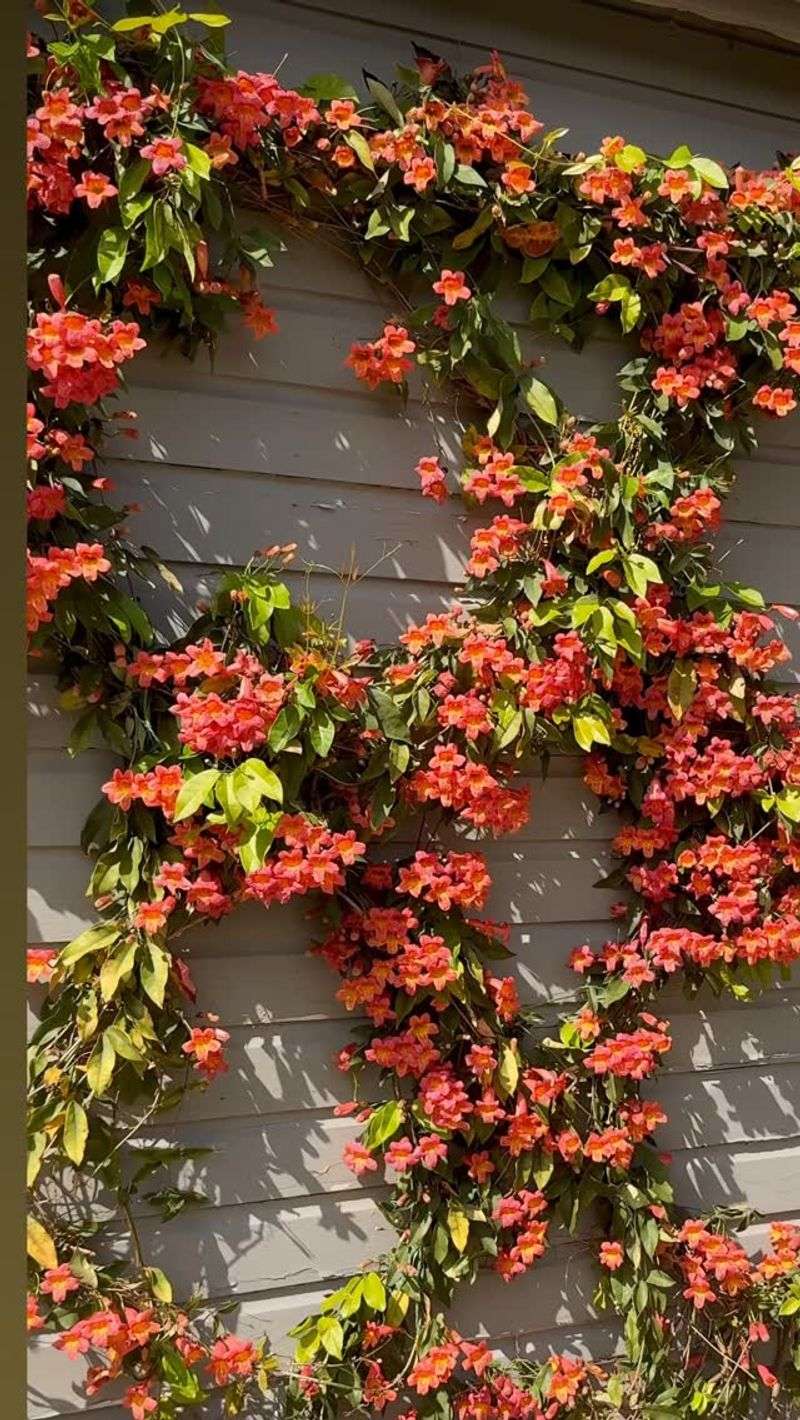
Once your fence is bare, it may look a little lonely. Luckily, Missouri has native vines that bring beauty without taking over.
Crossvine is a cheerful choice for southeastern Missouri, with orange and red trumpet flowers in spring. Hummingbirds zoom in for the nectar, putting on a free air show.
Yellow honeysuckle is another native favorite, and it is nothing like the invasive bush honeysuckle. Its tubular yellow to orange blooms appear in spring and attract hummingbirds.
For a late season flower show, try the native virgin’s bower. It offers white blossoms and fluffy seed heads while feeding local pollinators.
American wisteria grows slower and tamer than its Asian relatives. Its soft purple flower clusters look lovely draped across a sturdy wooden fence.
Purple passionflower, also called maypop, produces wild, fringed blooms that look like something from outer space. It also hosts caterpillars of fritillary butterflies.
Before planting, check how much sun your fence gets during the day. Most of these vines flower best with at least six hours of sunlight.
Local native plant sales often pop up in September and October across the state. Fall planting gives roots time to settle before winter arrives.
Keep an eye out for new sweet autumn clematis sprouts while your new vines grow. Catching one early takes seconds, while ignoring it costs whole weekends.
A fence covered in native flowers still smells nice and buzzes with life. The difference is that it welcomes neighbors instead of taking over the fence.