Warm September Weather Can Keep Ticks Active In Georgia Yards Into Fall
Once the first cool morning rolls in, it is easy to assume the ticks in your yard are done for the year.
Plenty of homeowners get caught off guard by that, because ticks do not shut down when summer ends. They stay active as long as afternoons are warm enough for them to move.
Here in Georgia, those warm afternoons can stretch well into October and sometimes longer.
Your dog is often the first to bring one home after a walk through tall grass. You might also find one on yourself after raking leaves near the fence line.
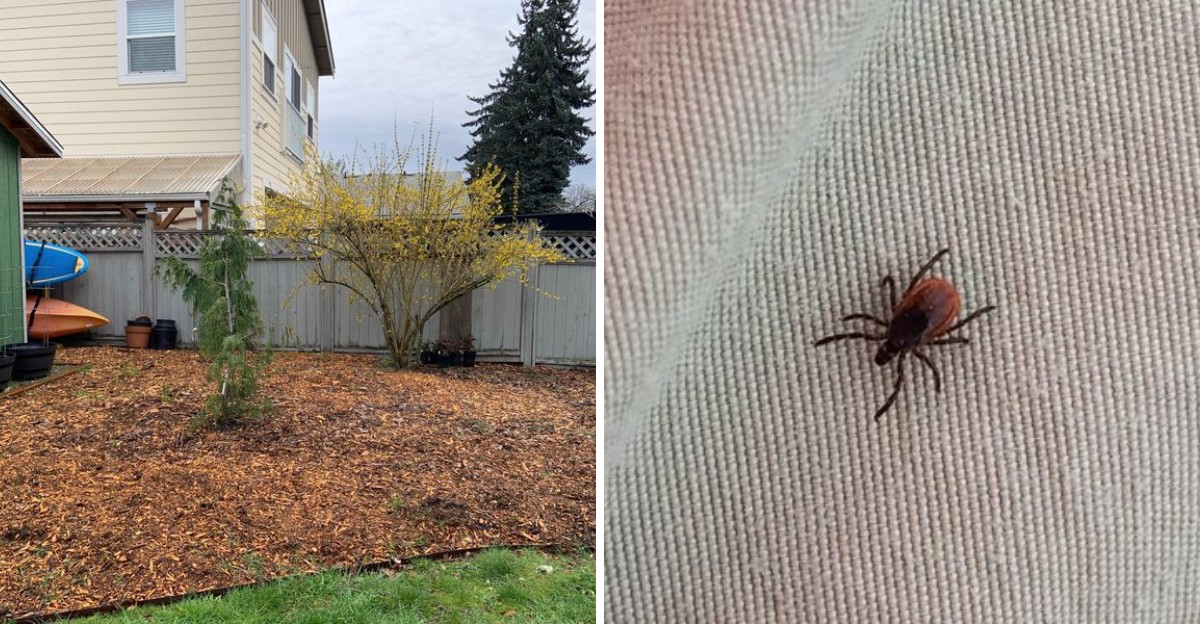
Most of those encounters start in the shady edges of a yard rather than the open lawn.
Paying attention to those spots now can spare you an unpleasant surprise later this fall.
1. Cooler Days Do Not Mean They Are Gone
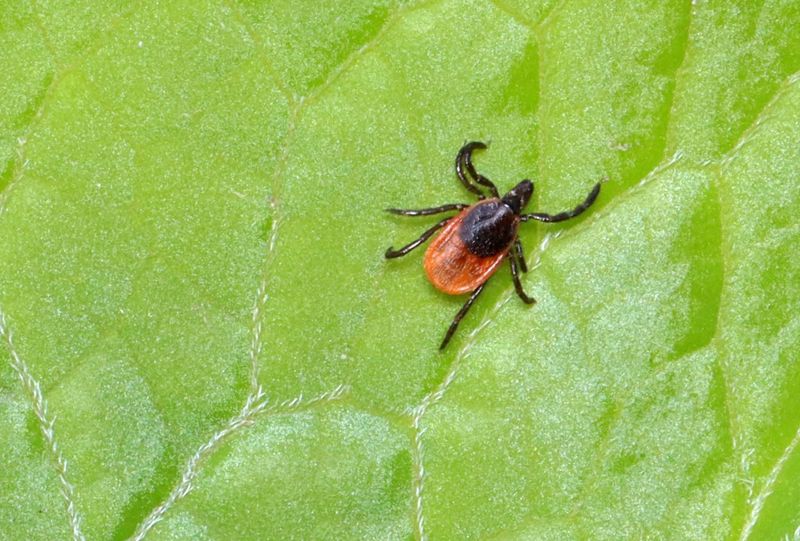
A crisp morning can fool almost anyone into thinking pest season has wrapped up. Ticks, however, respond to a lot more than one chilly sunrise.
Several common kinds can stay active when temperatures rise above roughly 40 to 45 degrees Fahrenheit.
In Georgia, September afternoons often climb into the 80s, even after a cool start to the day. That gap between morning and afternoon gives ticks plenty of warm hours to look for a host.
Humidity matters too, since ticks lose moisture quickly in dry, breezy air.
Shady, damp spots near shrubs or wooded edges stay comfortable long after the open lawn cools down. Those are the places worth checking first when you walk around the yard.
A light jacket on your shoulders does not mean your ankles are safe from hitchhikers.
Keep doing quick checks after yard time, especially behind the knees, along the waistband, and around the scalp. Finding a tick early helps, because many tick-borne germs need hours of feeding before they spread.
Weather forecasts can help you plan ahead. If the week looks mild and muggy, treat outdoor chores with the same care you would in July.
Think of a cool morning as a pause button rather than an off switch for these tiny pests.
2. Warm Spells Can Keep Them Active Longer
Heat works like fuel for a tick’s busy schedule.
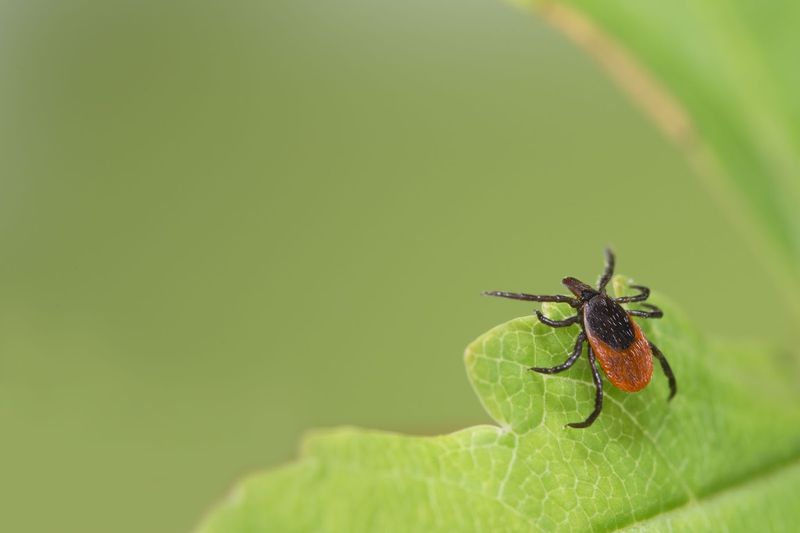
When a warm stretch settles in, ticks keep questing, which means climbing grass or brush and waiting for something to brush past. Cold snaps slow that behavior, but a few mild days can get them moving again.
Southern states tend to see these warm spells well into October, and sometimes later.
Rain adds another layer to the story. A soaking storm followed by a warm, humid afternoon creates conditions ticks seem to handle well.
Local weather varies a lot from year to year, so there is no single date when the risk drops off.
Coastal areas and southern counties usually stay warmer longer than mountain towns up north. Your own yard may also have warm pockets near brick walls, fences, or sunny slopes.
Paying attention to the thermometer is more helpful than watching the calendar.
Your Georgia Garden Changes Every Week. Your Plan Should Too.
Gardening in Georgia changes quickly throughout the season. Every Friday you’ll receive a simple weekly plan showing exactly what to plant, prune, fertilize, harvest, and protect so you never miss the right timing.
On mild days, wear light-colored long pants for outdoor chores so crawling ticks are easier to spot. Tucking pant legs into socks looks a little silly, but it keeps them on the outside of your clothes.
A repellent registered with the EPA, such as one with DEET or picaridin, adds another layer of protection when used as the label directs.
Warm weather invites everyone outside, including the creatures you would rather skip.
3. Some Ticks Stay Active Later Than Expected
Here is a twist most folks do not see coming. Certain ticks actually hit their busiest stretch as summer fades.
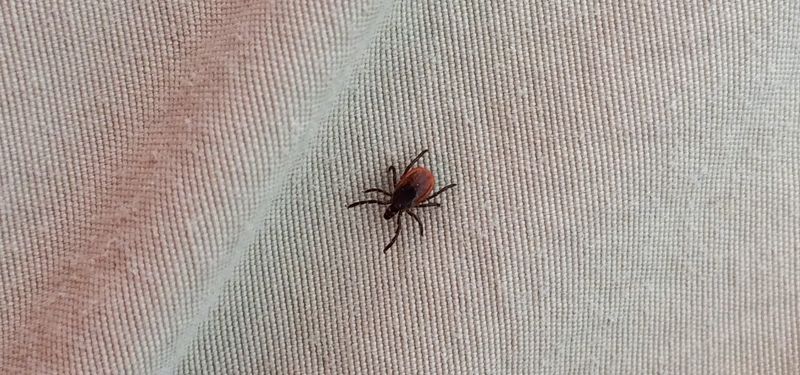
Adult blacklegged ticks, sometimes called deer ticks, often become more active in fall and can show up through winter on mild days.
Lone star ticks follow a different pattern in the Southeast. Their tiny larvae, often called seed ticks, can appear in late summer and early fall, sometimes in large clusters.
Finding dozens of pinpoint specks on your socks after a walk is a common sign of seed ticks.
Across Georgia, both of these species are well known to extension offices and public health agencies. Activity depends on weather, habitat, and how many wildlife hosts roam nearby, so every yard is a bit different.
Deer, raccoons, opossums, and even birds can carry ticks into residential areas.
Identification can be tricky because ticks are small and look alike at different life stages. Snapping a clear photo before tossing one helps if you later need to describe it to a doctor.
A sealed bag or a piece of clear tape can hold a removed tick for a few weeks.
Learning which ticks live near you makes the fall season feel less mysterious and a lot more manageable. Your county extension office is a helpful, free place to start asking questions.
4. Leaf Litter Creates Plenty Of Places To Wait
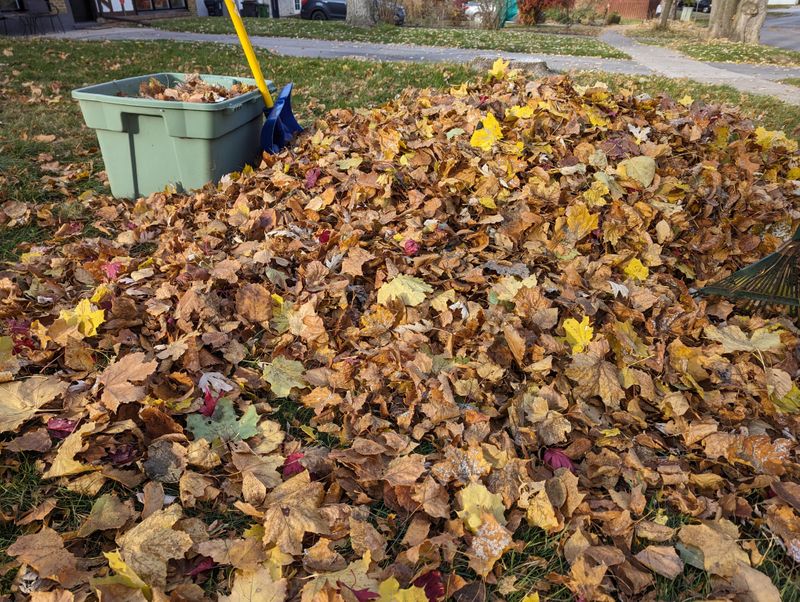
Picture a cozy blanket that stays damp, shady, and hidden from the sun.
That is basically what a pile of fallen leaves offers a tick. Moist leaf litter helps them avoid drying out, which is one of their biggest challenges.
Early leaf drop starts in September for some trees, especially during dry spells.
Oaks, maples, and sweetgums are common in Georgia neighborhoods, and each one adds another layer to the ground over time. Beds under shrubs and along fence lines collect leaves fastest and stay wet longest.
Ticks rest in that layer, then climb nearby plants when conditions feel right.
Raking leaves away from patios, play areas, and walkways reduces those resting spots where people spend the most time. You do not need to strip every bed bare, since leaves also help soil and beneficial insects.
A smart compromise is keeping leaf piles toward the back of the yard, away from busy paths.
Bagging leaves or moving them to a compost area can help as well. Wear gloves and long sleeves while you work, because disturbing the pile puts your hands right where ticks may be waiting.
Mowing leaves into small pieces lets them break down faster and keeps the lawn drier.
A little planning turns your autumn cleanup into simple tick prevention without extra effort.
5. Fall Yard Work Can Increase Your Exposure
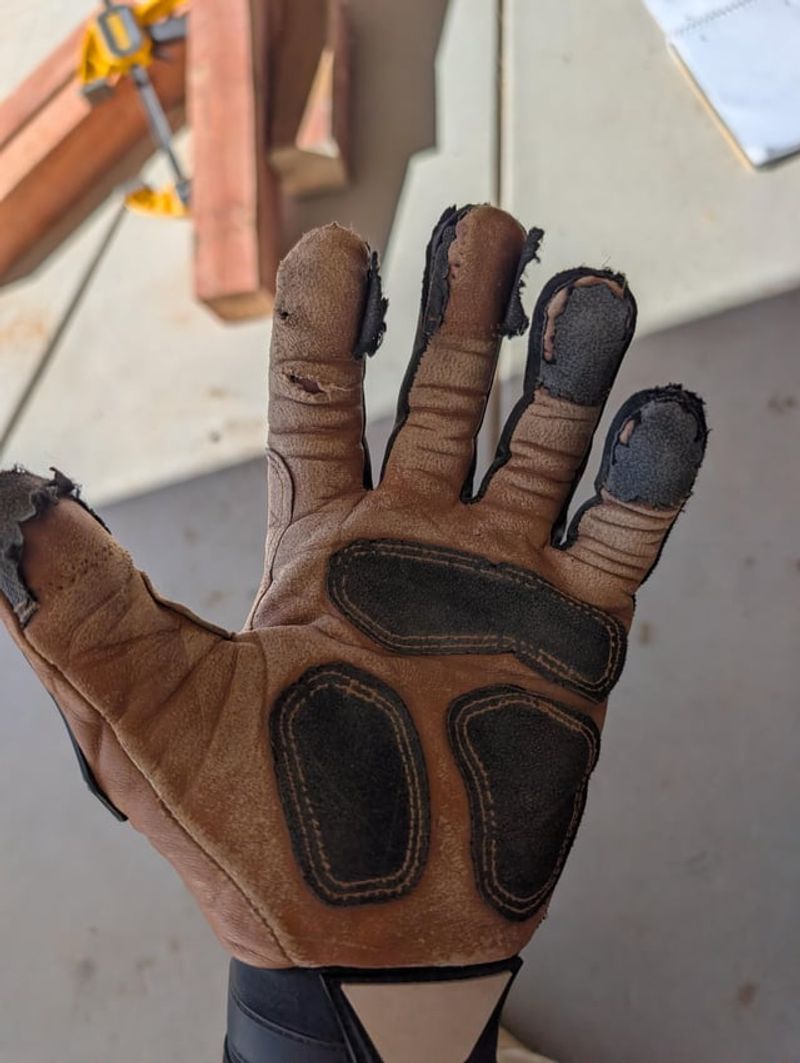
Autumn chores put you right in the thick of things. Trimming shrubs, pulling weeds, and clearing brush all happen where ticks like to hang out.
Kneeling in garden beds is especially risky, since your legs and arms rest on damp soil and mulch.
Gardeners across Georgia often do fall planting in September and October, when the heat finally eases a bit. Those comfortable days are great for pansies and garlic, but they also overlap with tick activity.
Dress for the job before you step outside.
Long sleeves, gloves, and pants tucked into socks create a simple barrier. Clothing treated with permethrin offers extra protection, and you can buy pretreated gear or treat items yourself following the label.
Skin repellents with DEET, picaridin, or oil of lemon eucalyptus can be applied to exposed areas.
Once the work is done, head inside and shower within about two hours, as the CDC suggests. Showering can wash off unattached ticks and gives you a good chance to spot any others.
Toss your work clothes in the dryer on high heat for around ten minutes to help take care of hidden ticks.
Keep a small mirror near the shower for checking your back and shoulders.
None of these steps takes long, and together they make fall gardening a lot more relaxing.
6. Pets Can Bring Them Closer To Home

Your dog thinks the backyard is paradise. Ticks see your dog as a free ride straight into the living room.
Pets that roam through tall grass, wooded edges, or leaf piles can pick up ticks quickly.
Once inside, a tick may drop off onto the couch, a rug, or even your bed. That makes pets one of the easiest ways for ticks to reach people who barely go outside.
Georgia’s long warm season means veterinarians often recommend year-round tick prevention for dogs and cats.
Ask your vet which product fits your pet’s age, size, and health. Some dog products contain permethrin, which can be harmful to cats, so reading labels matters in homes with both.
Quick daily checks help catch problems before they grow.
Run your fingers through the coat, feeling for small bumps. Pay close attention to ears, between the toes, under the collar, around the tail, and in the armpit area.
Brushing your pet outside on the porch keeps loose ticks from ending up indoors.
If you find an attached tick, remove it with fine-tipped tweezers by gripping close to the skin and pulling steadily. Watch for changes like limping, fever, or low energy, and call your vet if anything seems off.
7. A Few Precautions Still Matter Through Fall
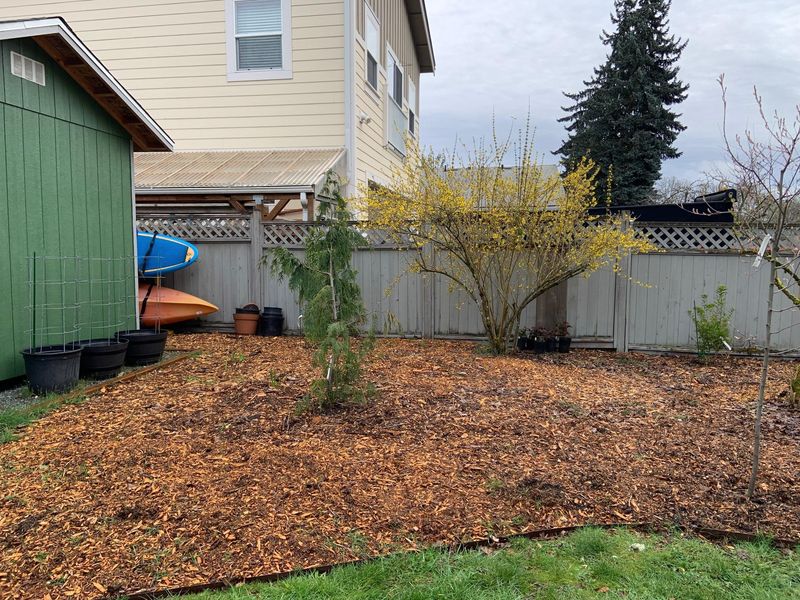
Small habits add up faster than big projects.
Keeping grass mowed short makes your lawn less inviting, since ticks prefer taller vegetation. Trimming overgrown shrubs near doors and paths helps too.
A three-foot strip of wood chips or gravel between lawn and woods can act as a visual and physical buffer.
Wildlife brings ticks along, so discouraging deer and rodents matters. Securing trash cans, cleaning up spilled birdseed, and stacking firewood off the ground in a dry spot all help.
Outdoor play areas work best in sunny spots away from wooded edges.
After any time outside, do a full body check, including hair, ears, and belly button. Kids may need help, and they usually love the idea of hunting for tiny bugs.
Removing a tick promptly with tweezers is simple and effective.
Skip old tricks like petroleum jelly, nail polish, or heat, since these can delay removal. Clean the bite area with soap and water afterward.
Tick-borne illnesses such as spotted fever rickettsiosis and ehrlichiosis are reported in Georgia. Contact a doctor if you notice fever, rash, headache, or body aches within a few weeks of a bite.
Staying alert through fall lets you enjoy cooler evenings outdoors with a lot more peace of mind.