10 Arizona Desert Bulbs That Multiply Underground for Years With No Water
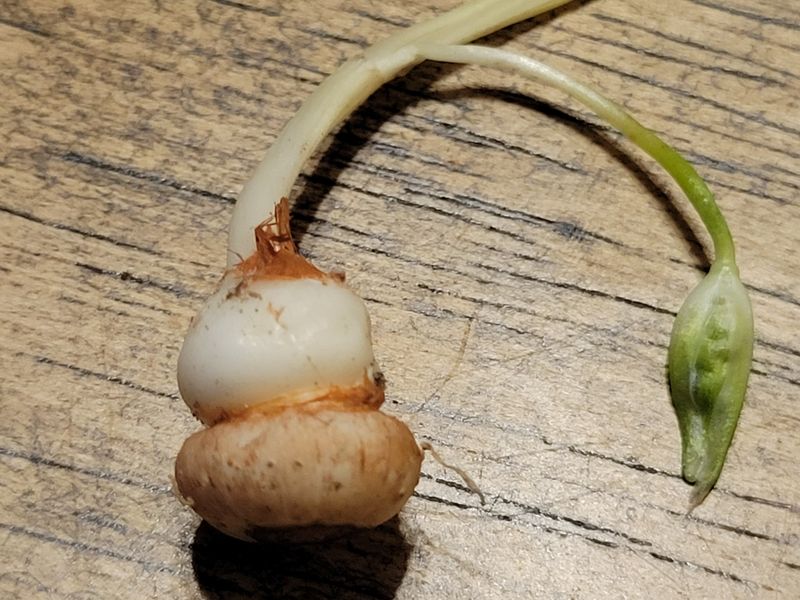
Some of the toughest plants in Arizona spend most of the year hiding underground, waiting for rain. When the winter or monsoon rains arrive, they pop up, bloom, feed bees and moths, and then slip back into the soil.
Many of them also quietly make new bulbs, tubers, or pups every year, so one small planting can turn into a bigger patch over time. If you want a yard that saves water, helps wildlife, and asks almost nothing from you, these ten underground survivors are worth knowing.
1. Desert Lily (Hesperocallis undulata)
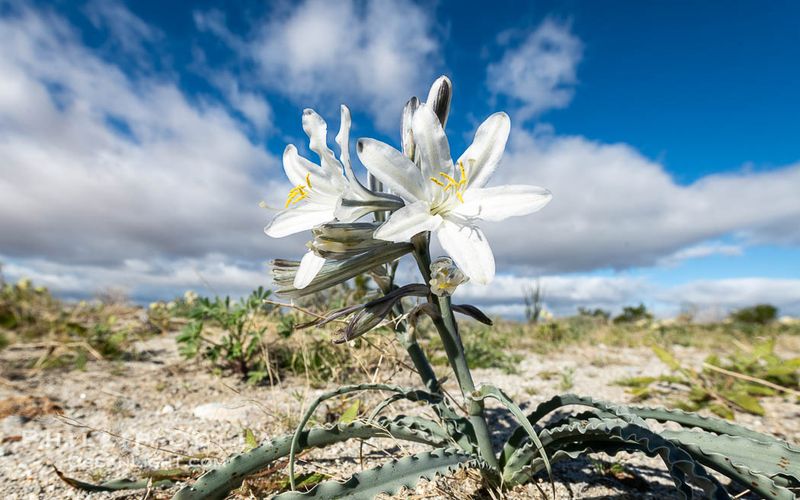
Locals sometimes call it the ajo lily, and for good reason. Its bulb tastes a bit like garlic, and early desert dwellers used it as food.
Today it is one of the most magical sights in a wet spring, when tall white trumpets rise out of bare sand.
The secret is depth. Desert lily bulbs can sit well below the surface, where the soil stays cooler and holds a trace of moisture long after the ground above has baked.
In dry years, the plant simply stays asleep and waits, sometimes for several seasons in a row.
When good winter rains come, the bulb sends up wavy, blue-green leaves and a flower stalk that smells sweet in the evening. Night-flying moths and bees visit the blooms, giving pollinators an early-season meal.
Over time, the bulb can form offsets underground, slowly building a small colony.
For home gardens, give it deep, sandy, fast-draining soil in full sun. Plant in fall so winter rain can do the work, and never water it in summer, since soggy soil during dormancy can cause rot.
Mark the spot with a rock so you do not dig into it by accident during the long quiet months.
2. Blue Dicks (Dipterostemon capitatus)
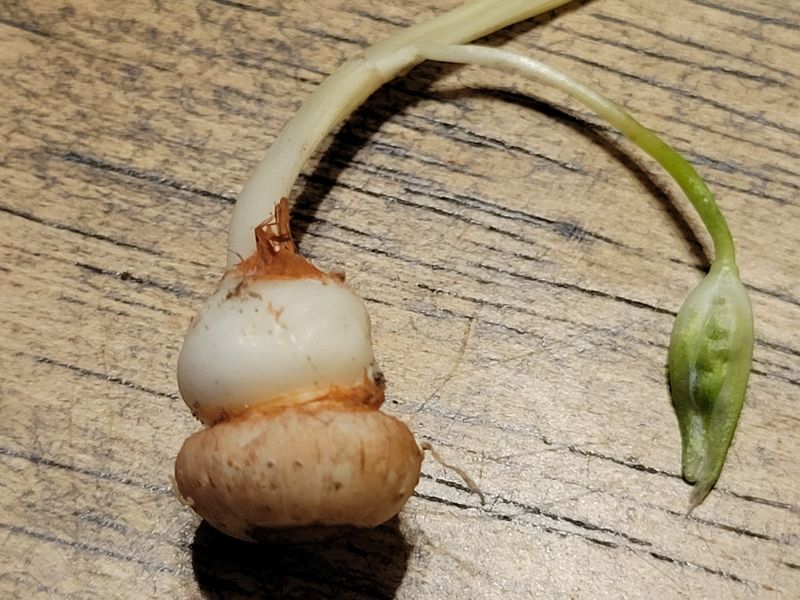
Picture a February hike outside Tucson, and suddenly the hillside is dotted with little purple pom-poms nodding on skinny stems. Those are Blue Dicks, one of the first wildflowers to wake up after winter rain.
They look delicate, yet they are among the hardiest bloomers in the low desert.
Each plant grows from a small corm, a round storage organ packed with food. After flowering, the corm makes tiny cormlets around its base, so a single planting slowly becomes a cluster.
When summer heat hits, the leaves fade and everything rests underground until the next cool, wet season.
Pollinators love the timing. Native bees, butterflies, and even hummingbirds may stop by, since few other flowers are open that early.
Tucking Blue Dicks between shrubs gives your yard a burst of color and food for insects before most plants have started.
Plant corms in fall about two to three inches deep in gritty soil. Rain alone usually carries them through, and summer irrigation should be avoided.
Let the foliage fade on its own, because those browning leaves are refilling the corm for next year.
3. Desert Onion (Allium macropetalum)
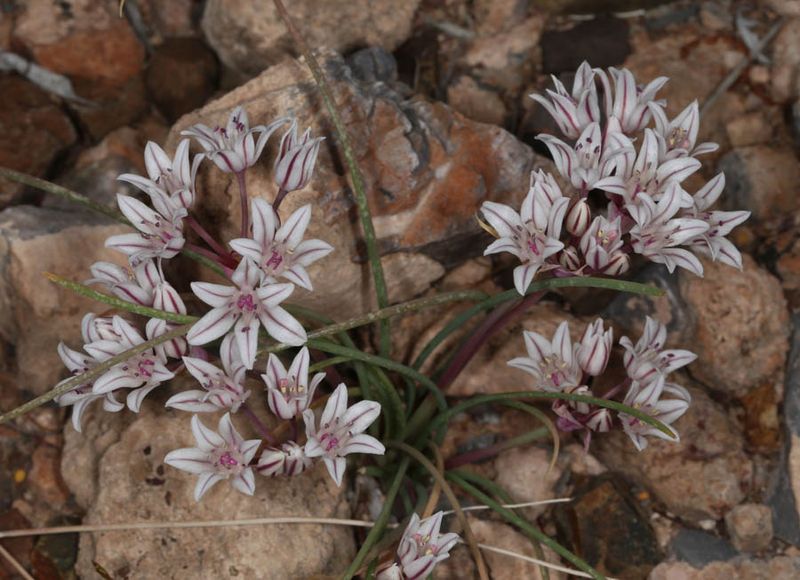
Crush a leaf and you will know exactly what family it belongs to. Desert onion carries that familiar oniony smell, which is part of its charm and part of its usefulness.
Your Arizona Garden Changes Every Week. Your Plan Should Too.
Gardening in Arizona changes quickly throughout the season. Every Friday you’ll receive a simple weekly plan showing exactly what to plant, prune, fertilize, harvest, and protect so you never miss the right timing.
Many nibbling critters tend to pass over plants with that sharp scent.
Small and low to the ground, this native produces pale pink, star-shaped flowers with darker stripes in spring. It grows from a tidy bulb that divides over the years and also drops seed, so patches can widen naturally.
In rocky, dry spots where little else wants to grow, it can feel right at home.
Why add it to a functional yard? The onion scent may make it less inviting to rabbits and similar grazers, and the flowers draw small native bees.
It fills gaps along paths and around boulders without asking for a drop of extra water once settled.
Fun fact: the species name means large petals, though the blooms are modest to our eyes. Plant bulbs in fall in lean, gravelly soil with full sun.
Skip rich compost and summer watering. It thrives on neglect and rewards patience with a slowly growing spring show.
4. Desert Mariposa Lily (Calochortus kennedyi)
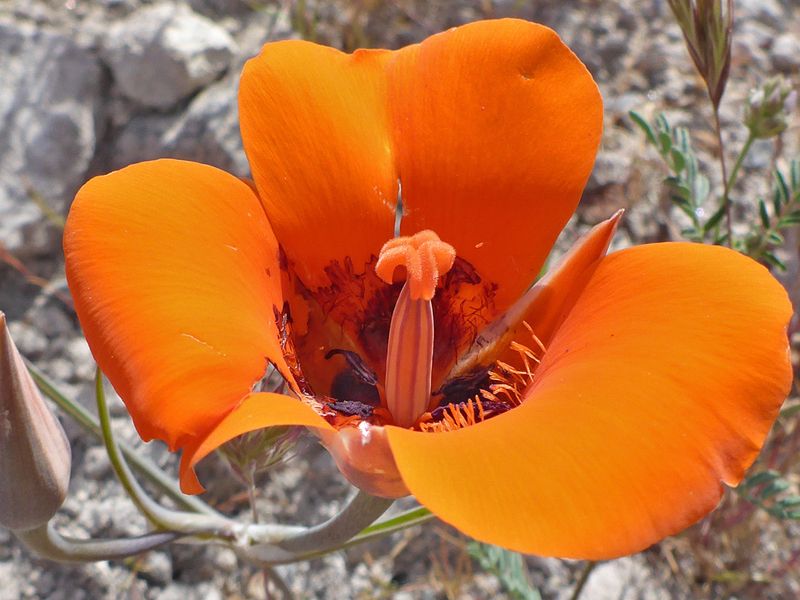
Mariposa means butterfly in Spanish, and one look at these glowing orange cups explains the name. In a good spring, they seem to float above the dry ground like butterflies resting on thin stems.
Few native flowers match their fiery color.
Below the surface sits a small bulb built for patience. Desert mariposa lilies may skip blooming entirely in dry years, saving energy until rain returns.
When conditions line up, they can flower in surprising numbers, and bulbs may produce small offsets over time.
Honesty time: this one is a bit fussier than others on the list. It hates summer water and rich soil, and it prefers to be left completely alone.
That actually makes it perfect for the forgetful gardener, as long as the drainage is excellent.
Give it a gravelly slope, a rock garden pocket, or a raised mound of sandy soil. Plant in fall and let nature handle the rest.
Native bees and beetles visit the blooms, and the bright color adds a bold note to an otherwise earthy desert palette. Seeing it return after a long dry stretch feels like a small reward for doing nothing.
5. Copper Zephyr Lily (Zephyranthes longifolia)
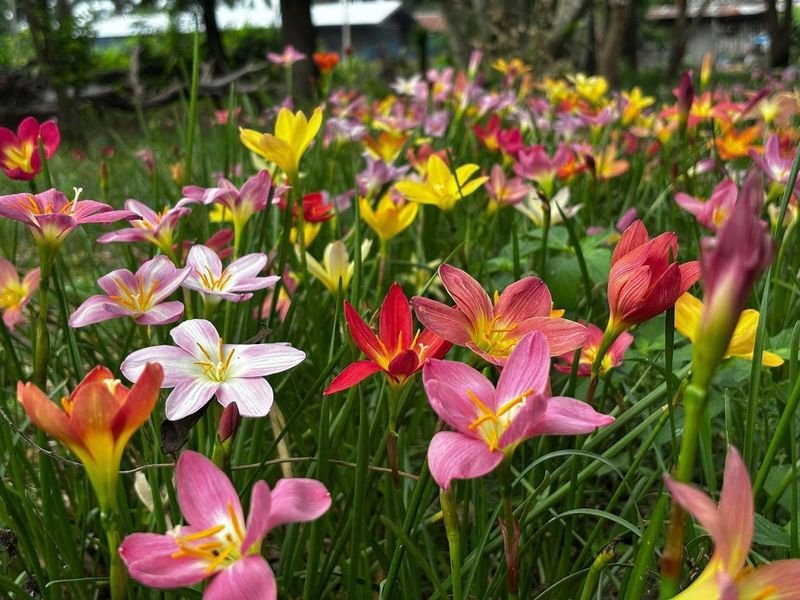
Monsoon lovers, this one is for you. A few days after a big summer storm, small copper-yellow blooms can pop up almost overnight, which is why zephyr lilies are often called rain lilies.
It feels like the desert is saying thank you for the rain.
Native to southern Arizona grasslands and desert edges, this little bulb spends dry months dormant and ready. Moisture from summer storms is its wake-up signal.
Bulbs can multiply slowly underground, forming tight clusters that bloom together after each good soaking.
Here is what sets it apart from the others: while most desert bulbs bloom after winter rain, this one follows the monsoon. That means your yard can have fresh flowers in late summer, when bees and other pollinators are hunting hard for food in the heat.
Plant bulbs shallowly in sandy or gravelly soil during fall or early spring. Full sun is best, and good drainage is a must.
You do not need to water it at all, since the storms do the job. Try grouping them near a wash or low spot where runoff collects for a bigger post-storm show.
6. Spotted Manfreda (Manfreda maculosa)
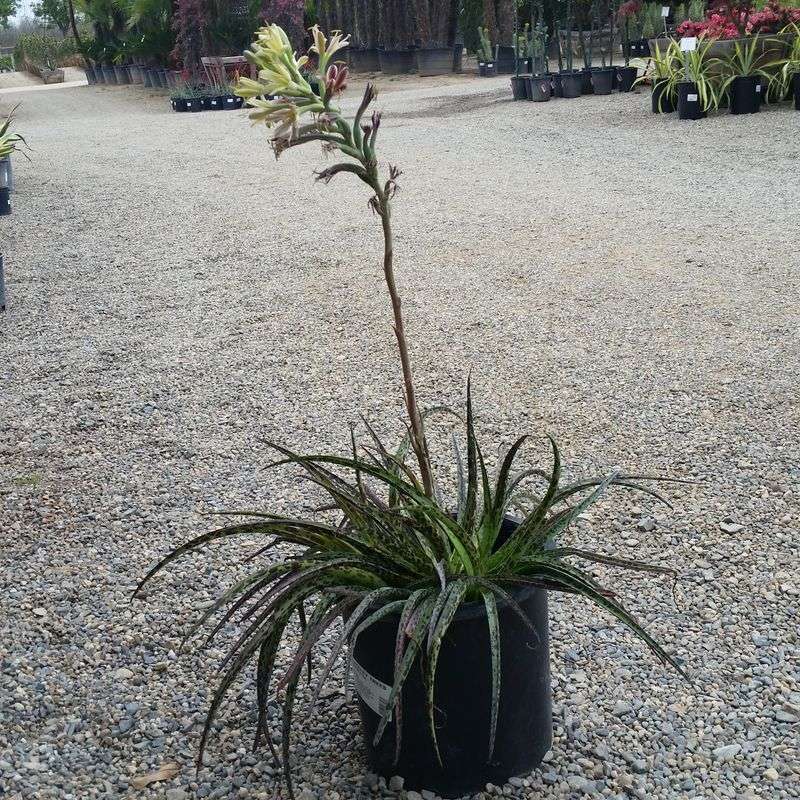
Think of it as an agave’s softer, spottier cousin. Spotted manfreda has fleshy leaves splashed with purple freckles and no sharp spines, so it is friendly near walkways.
Some people call it Texas tuberose because of its sweet-smelling flowers.
Its real power is underground. A thick, tuberous rootstock stores water and food, letting the plant handle long dry spells.
Over time it sends out offsets that form a small, spreading clump you can divide and share with neighbors.
The flowers are the star of the evening. Tall stalks carry pale, tubular blooms that grow fragrant at dusk, and that nighttime scent may attract sphinx moths and other night pollinators.
If you enjoy sitting outside after sunset once the heat breaks, this plant adds a quiet bit of wildlife action.
In the low desert, it appreciates afternoon shade during the hottest months, such as the east side of a wall or under a palo verde. Well-drained soil keeps the tuber healthy.
Once established, it can get by on rainfall in many spots, though a rare deep drink in extreme summer drought can help it look its best.
7. Desert Four O’Clock (Mirabilis multiflora)
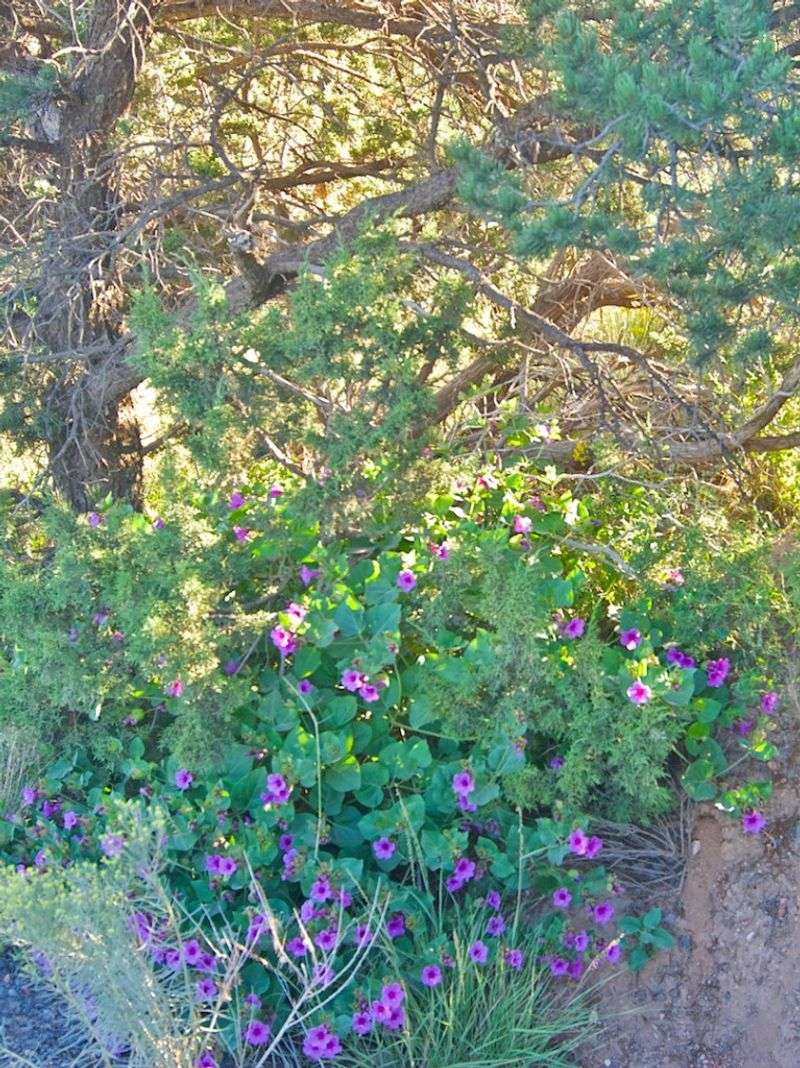
Dig one up by accident and you might think you found a buried sweet potato. Desert four o’clock grows from a huge taproot that can become as big as a football in older plants.
That hidden storage tank is how it shrugs off drought year after year.
Above ground, it forms a wide, leafy mound covered in magenta flowers. True to its name, the blooms open in the late afternoon and stay open into the evening.
Hawk moths, which hover like tiny hummingbirds, are frequent visitors at twilight.
Each winter the top dies back to the ground, and each spring it returns bigger than before as the root grows. It does not multiply by offsets like true bulbs, but it spreads by seed and the root expands every season, so one plant can cover several feet.
It is a fantastic choice for a hot, sunny slope where hoses do not reach. Plant in fall or early spring in well-drained soil, water to get it started, then step back.
Too much water can actually make it floppy and weak. Once settled, rainfall is usually all it needs, making it a true low-effort color machine.
8. Parry’s Agave (Agave parryi)
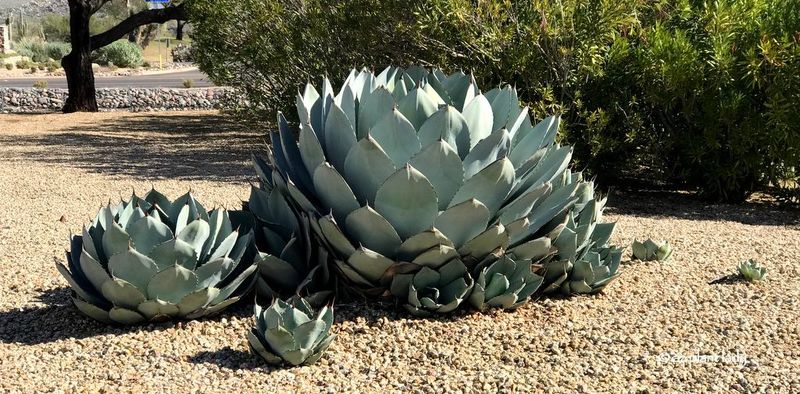
Ask any Arizona gardener about a plant that makes free babies, and agave usually comes up fast. Parry’s agave is a compact, silver-blue rosette that sends underground runners out from its base.
Little pups then pop up around the mother plant, slowly forming a spiky family.
Native to Arizona’s mountains and high desert edges, it handles low-desert heat well with a bit of afternoon relief. Its thick leaves store water, and its roots stay shallow to catch every passing shower.
Once rooted, many plants live on rain alone.
The wildlife payoff comes near the end of its life. After many years, it shoots up a tall stalk topped with golden flower clusters that can draw bats, hummingbirds, and bees.
The mother plant then fades, but the pups carry on, so the colony keeps going.
Plant in fall or early spring in fast-draining soil. Keep it a few feet from walkways, since those tips are sharp.
To share, dig up a pup with some roots, let it dry a few days, then replant. It is one of the easiest ways to fill a yard with tough, water-wise structure for free.
9. Sacred Datura (Datura wrightii)
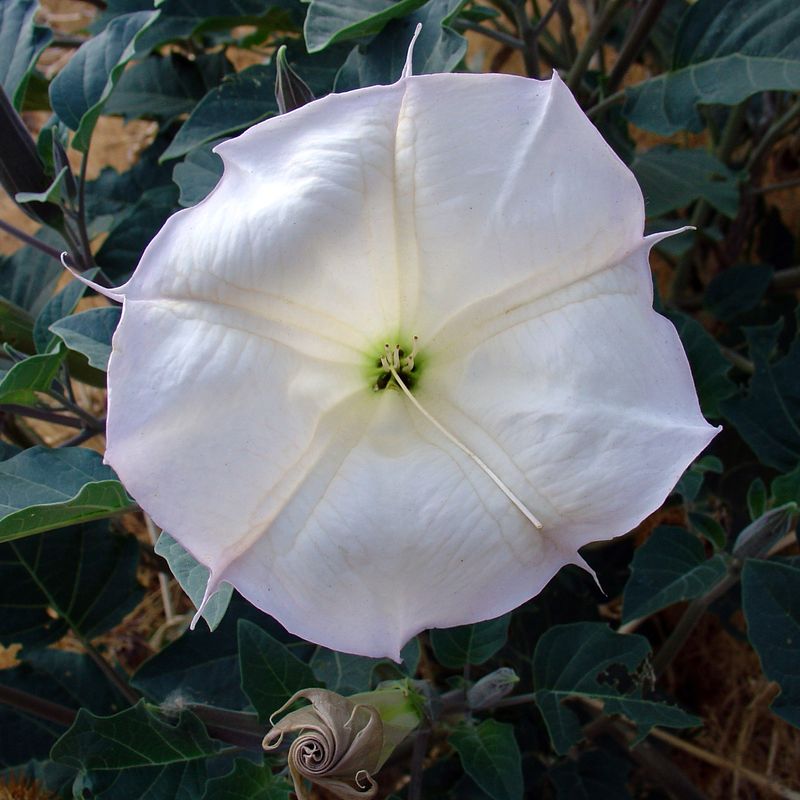
Moonlight gardens do not get much better than this. Sacred datura opens huge white trumpet flowers at dusk, and they seem to glow on warm summer nights.
By mid-morning they close, making each bloom a short, beautiful show.
Underneath, a thick, tuberous root lets the plant vanish in cold weather and return in spring. Each year the root grows stronger, so the plant spreads wider over time.
It also reseeds, so you may find new youngsters popping up nearby.
Hawk moths are its main partners. These big, fast moths sip nectar at night and help pollinate the flowers, and watching them hover is a treat.
Planting datura adds nighttime habitat that most yards lack.
One important caution: every part of this plant is toxic if eaten. Keep it away from spots where young kids or pets like to chew on things, and wear gloves when trimming.
Place it along a back fence or open area instead.
It thrives in full sun, poor soil, and heat that would wilt many plants. After the first season, rainfall is often enough.
Occasional summer water keeps it blooming longer, but it can live without it.
10. Beargrass (Nolina microcarpa)
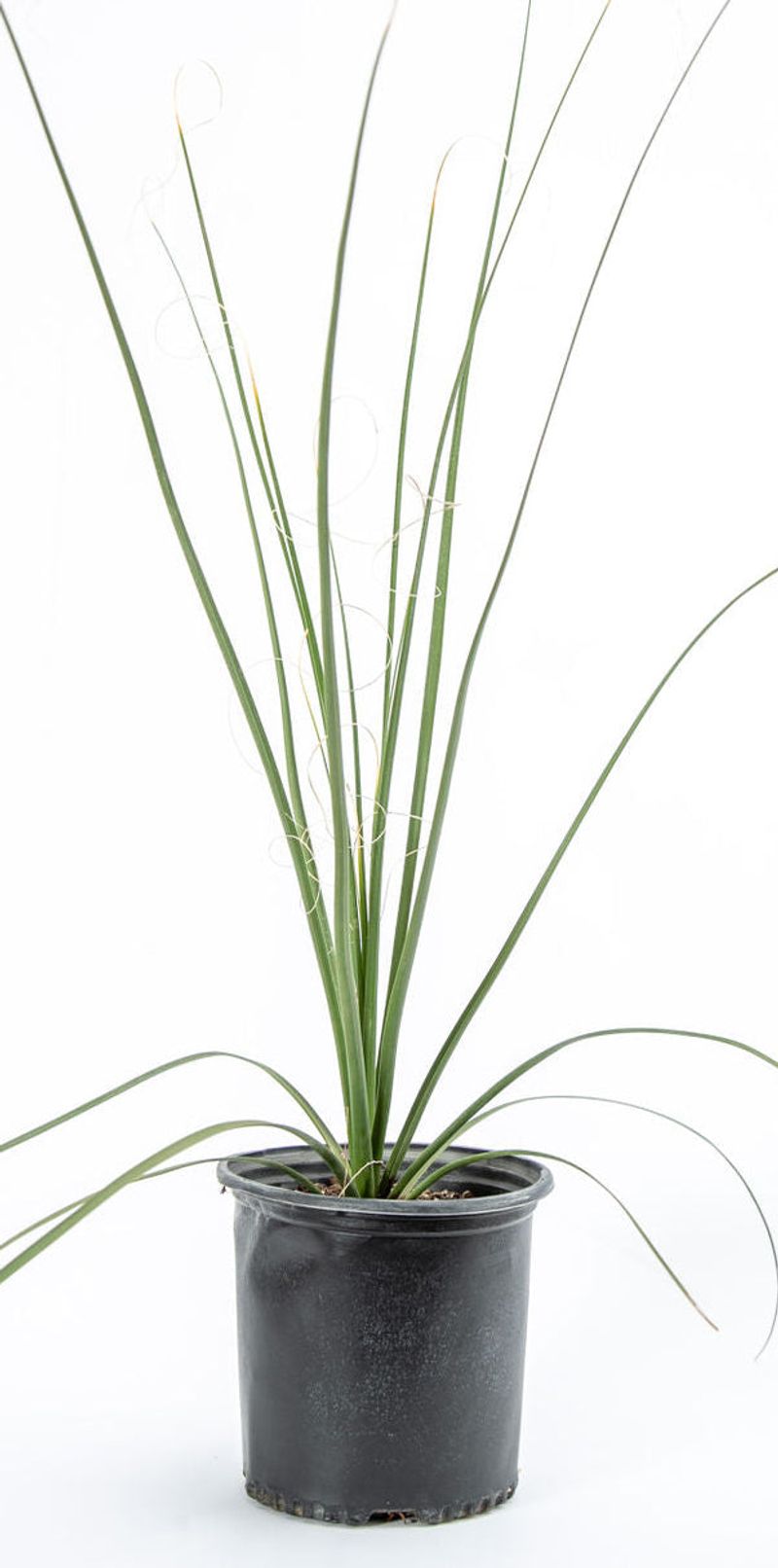
From a distance it looks like a giant fountain of grass, but beargrass is not a grass at all. It is a tough relative of agave, with a woody base partly buried in the soil.
That base acts like a storage hub that keeps the plant going through brutal dry spells.
Over many years, it grows new heads from that underground crown, turning one clump into a wide, arching mound. It never needs mowing and rarely needs trimming.
For busy homeowners, that alone is a big win.
Wildlife finds it useful too. The dense, grassy mound can offer shelter for lizards and ground birds, and those lizards happily snack on insects around your yard.
In late spring, cream flower stalks attract bees and other pollinators.
Here is a fun fact: people in the Southwest have long used the tough leaves for weaving baskets and mats. That strength also helps the plant handle wind and heat without flopping.
Plant in fall in rocky or sandy soil with full sun. Water deeply for the first summer to help roots settle.
After that, it can live on rainfall, giving your yard soft movement with almost no care.