7 Things That Attract More Opossums To Your Pennsylvania Yard
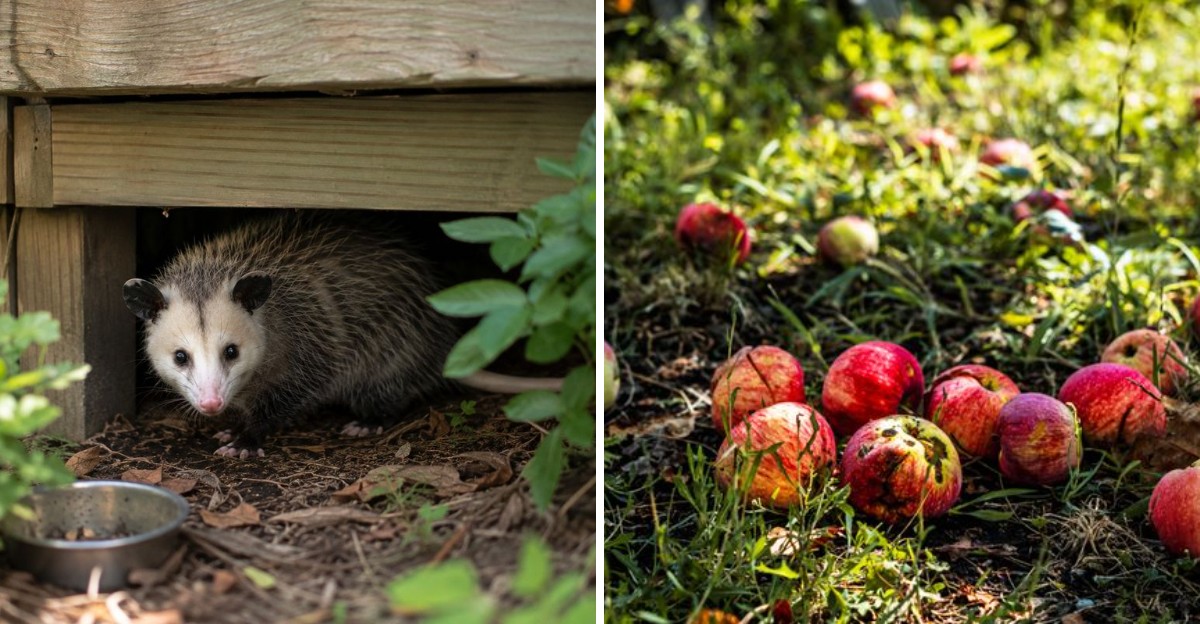
Opossums are quiet, curious, and always on the hunt for an easy snack. They aren’t picky, either. Fallen fruit, pet food, garbage, bugs, and even the scraps in your compost bin all look like a buffet to them.
To be fair, these critters have their perks. They clean up leftovers and rarely cause serious trouble. Still, nobody loves finding one tucked under the porch or rummaging through the trash cans at 2 a.m.
Here’s the thing. Opossums don’t wander in by accident. If they keep coming back, something in your yard is rolling out the welcome mat.
Let’s look at the most common things that attract opossums, plus a few easy ways to send them packing.
1. Uncovered Trash Cans And Loose Garbage
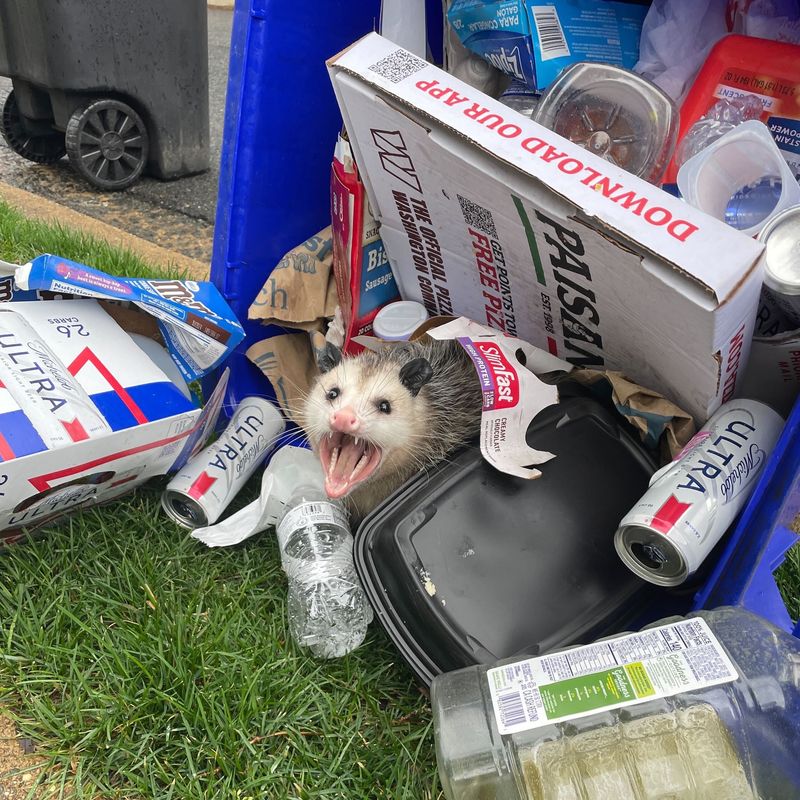
Picture a midnight buffet with no bouncer at the door. For an opossum, that is exactly what an open garbage can looks like.
The smell of old chicken bones, pizza crusts, and fruit peels can travel a long way on a cool Pennsylvania night.
Opossums have a strong sense of smell. They can sniff out food scraps from far down the street. Once they find an easy meal, they remember the spot and return often.
Trash cans with cracked lids or no lids at all are the biggest problem. Bags left on the curb overnight are even worse.
A hungry opossum can tear through thin plastic in seconds. Raccoons may knock a can over first, and then opossums come along to clean up the mess.
The good news is that fixing the issue is simple. Buy sturdy cans with tight-fitting lids. Bungee cords or locking straps work well to keep lids shut.
Try to store cans inside a garage or shed when you can. Here are a few more quick tips:
Put trash out on the morning of pickup, not the night before. Rinse food containers before tossing them.
Wash out your cans every few weeks to cut down on lingering smells. Wrap meat scraps in extra bags or freeze them until trash day.
Compost bins can also attract these animals. Keep meat, dairy, and greasy foods out of your compost. Use a closed bin instead of an open pile.
Fun fact: opossums are nature’s cleanup crew. They eat many things other animals leave behind.
Still, your trash does not need to be their dinner table. A few small habits can send them looking somewhere else.
2. Pet Food Left Outside Overnight
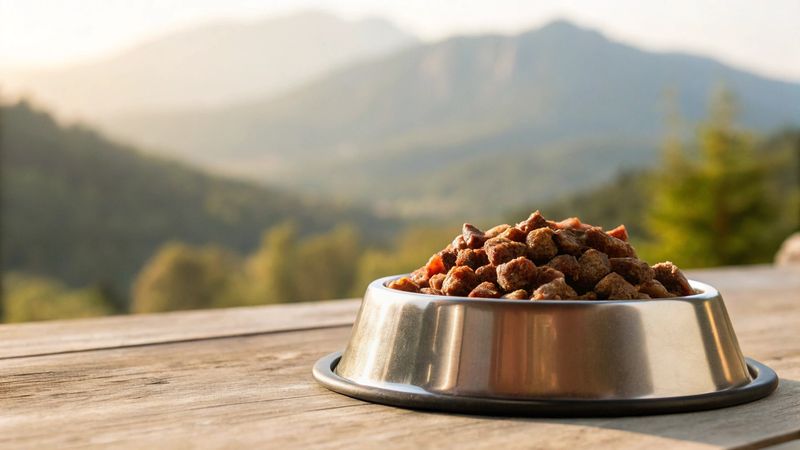
Your cat may be the picky eater of the family, but the opossum on your porch is not. Leftover kibble is one of the top reasons these animals visit homes across Pennsylvania. Many folks are shocked to find a furry stranger munching from Fluffy’s dish.
Dry and wet pet foods are packed with protein and fat. To an opossum, that is a tasty and easy meal. No hunting is needed, and the bowl is often in the same spot every night.
People who feed outdoor cats or barn cats see this happen a lot. Some even leave extra food on purpose so the cats never go hungry. Sadly, that also invites opossums, raccoons, and skunks to join the party.
Your Pennsylvania Garden Changes Every Week. Your Plan Should Too.
Gardening in Pennsylvania changes quickly throughout the season. Every Friday you’ll receive a simple weekly plan showing exactly what to plant, prune, fertilize, harvest, and protect so you never miss the right timing.
So what can you do? Start by feeding pets indoors whenever possible. If your pets eat outside, pick up the bowls as soon as they finish.
Never leave food out after sunset, since opossums are most active at night. Storage matters too. Keep bags of pet food in metal or thick plastic bins with locking lids. A paper bag in the garage is an easy target for a clever critter.
Bird seed and chicken feed deserve the same care. Store them in sealed containers and clean up spills right away.
Here is something neat to know. Opossums rarely fight with cats. Most of the time, the two simply ignore each other while sharing the porch.
Even so, sharing a food bowl can spread germs and fleas. Taking the bowl inside keeps your pets healthier and your porch quieter.
3. Fallen Fruit From Backyard Trees
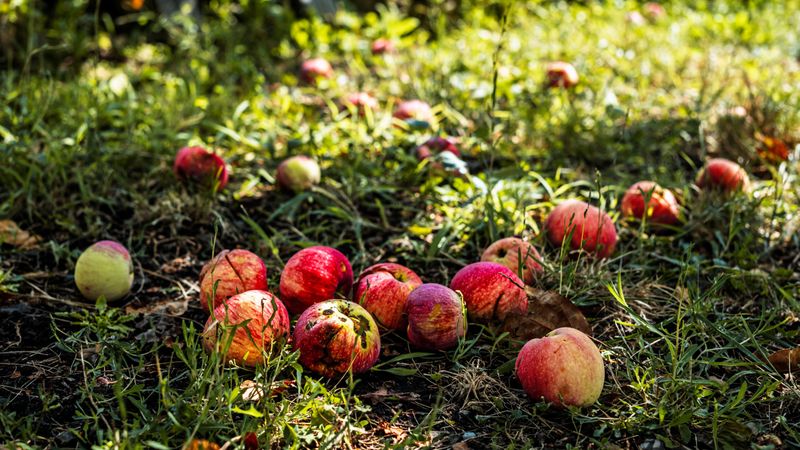
Late summer in Pennsylvania brings juicy apples, sweet pears, and ripe persimmons. You love the harvest, and guess what? So do opossums.
A lawn covered in fallen fruit is like a free farmers market for them.
Opossums are omnivores, which means they eat both plants and animals. Soft, sugary fruit is one of their favorite treats. They will happily munch on berries, grapes, cherries, and even mushy tomatoes from your garden.
Wild persimmon trees grow in the southern part of the state, and opossums go crazy for them. In fact, old folk tales often show opossums up in persimmon trees. That connection goes back hundreds of years in American stories.
Rotting fruit gives off a strong, sweet smell. That smell also attracts insects like beetles and slugs. Since opossums eat bugs too, a messy fruit patch serves up two meals at once.
Keeping your yard tidy during harvest season makes a big difference. Pick up fallen fruit every day or two. Harvest ripe fruit from the branches before it drops.
Put collected fruit in a closed compost bin, not an open pile. Vegetable gardens need attention as well. Pick ripe veggies quickly, and toss out damaged ones. Simple fencing around a garden bed can stop an opossum from wandering in.
Berry bushes can be covered with netting to protect your crop. This helps keep birds away too.
If you enjoy watching wildlife, you might leave a little fruit at the edge of your property. Just remember that whatever you leave, they will find. Keeping fruit cleaned up is the easiest way to stop the nightly snack visits.
4. Bird Feeders And Spilled Seed
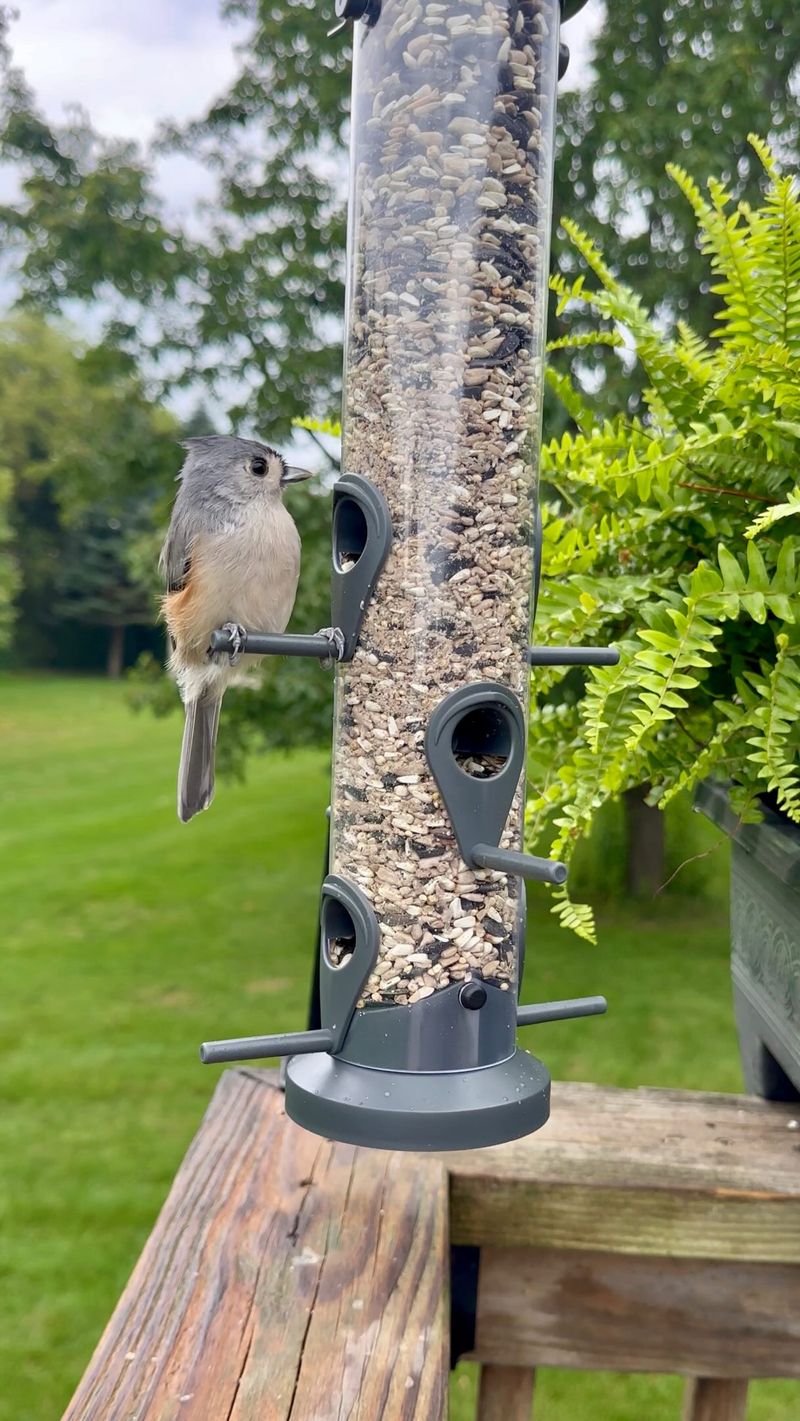
Bird lovers, this one might sting a little. The feeder you fill for cardinals and chickadees could be feeding opossums too. While the birds eat by day, opossums take the night shift.
Birds are messy eaters. They toss seeds all over the ground while they search for their favorites. By evening, the grass under a feeder can be covered with sunflower seeds, millet, and cracked corn.
Opossums are not picky. They slowly waddle over and vacuum up whatever they can find. Suet cakes are another big draw because they are full of fat.
Some opossums will even climb poles or trees to reach a hanging feeder. Their long tails help them balance while they climb.
Winter is when this problem grows. Pennsylvania winters are cold, and food is hard to find. Opossums do not hibernate, so they must keep searching for meals even in snow.
A steady seed supply can become part of their nightly route. You do not have to give up bird feeding. A few changes can help a lot:
Use a seed tray under the feeder to catch spills. Choose no-mess seed blends, like hulled sunflower hearts.
Add a baffle to the pole to block climbers. Bring feeders inside at night if you can.
Rake up extra seed on the ground every few days. Place feeders away from decks, sheds, and bushes where animals might hide.
Did you know? Opossums have 50 teeth, more than any other land mammal in North America. Those teeth make short work of seeds.
Keeping the ground clean will help your feathered friends and stop the late-night guests.
5. Easy Water Sources
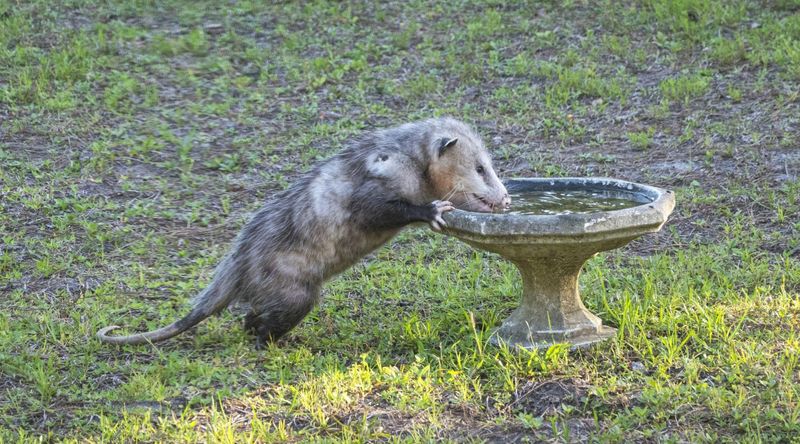
Every living thing needs water, and opossums are no exception. On a hot July night, a birdbath or pet water bowl looks like a cool drink station. Yards with easy water often see more wildlife than yards without it.
Common water spots include birdbaths, garden ponds, kiddie pools, and outdoor pet bowls. Even small things matter. Buckets that collect rain, clogged gutters, and plant saucers can all hold enough water for a thirsty critter.
Leaky garden hoses and dripping spigots are sneaky culprits. They create puddles and soggy soil.
Wet ground also brings out worms, slugs, and insects, which opossums love to eat. So a leak can give them both a drink and a snack.
Ponds can be extra attractive. Some opossums will eat frogs, snails, or small fish if they can catch them. If you keep koi or goldfish, you may want to add netting or give fish hiding spots.
Luckily, cutting back on water sources is not hard. Take a walk around your yard after a rainstorm. Look for spots where water sits for more than a day.
Dump out buckets, toys, and plant saucers. Fix dripping faucets and leaky hoses. Clean your gutters in spring and fall so water flows away. Bring pet water bowls inside at night.
Birdbaths can stay if you enjoy them. Try emptying and refilling them in the morning so they are dry by evening.
Removing standing water also helps fight mosquitoes, which is a nice bonus. You will protect your family from itchy bites while making your yard less inviting to nighttime visitors.
6. Cozy Hiding Spots Under Decks And Sheds
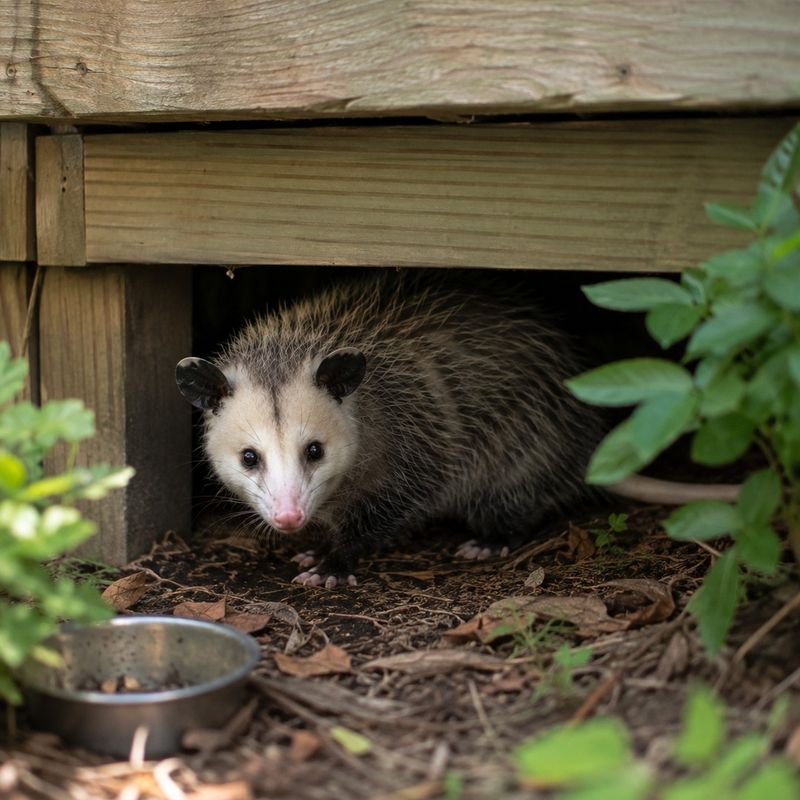
“Is something living under my deck?” That question comes up a lot in Pennsylvania neighborhoods. Often, the answer is yes, and the tenant is an opossum.
Opossums do not dig their own dens. Instead, they borrow spaces made by other animals or people.
Dark, dry, and quiet spots are perfect. The space under a deck, porch, or shed checks every box.
Mother opossums are especially interested in safe dens. After birth, babies ride in her pouch for about two months.
Later, they cling to her back as she moves around. A protected spot helps her keep the whole family safe.
Other popular hiding places include crawl spaces, garages with open doors, and gaps around foundations. Some even sneak into attics through loose vents or damaged roof edges.
Sealing these spaces takes a little effort, but it works. First, make sure nothing is living inside.
Sprinkle flour near the opening and check for tracks the next morning. You can also loosely stuff newspaper in the gap and see if it gets pushed out.
Once the space is empty, block it off. Use sturdy hardware cloth or wire mesh. Bury the bottom edge several inches into the ground so animals cannot dig under it.
Repair broken lattice and fix loose boards. Keep shed and garage doors closed, especially at night.
Spring is baby season, so be careful then. You do not want to trap a young family inside. If you are unsure, call a licensed wildlife control expert. They can help remove animals safely and humanely.
7. Overgrown Brush And Messy Woodpiles
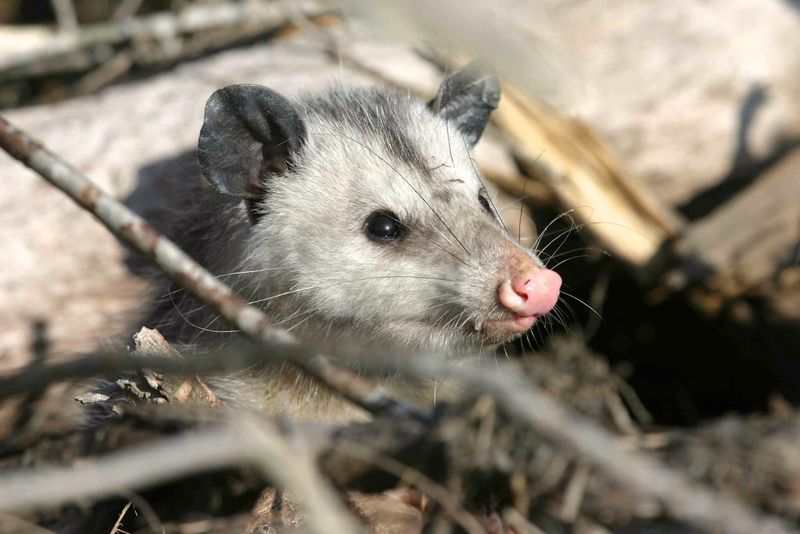
Some yards look like a wildlife hotel, and the opossums have already checked in. Thick bushes, tall weeds, and stacks of firewood offer shelter and safety. For a slow-moving animal, cover is very important.
Opossums are not fast runners. When danger comes, they prefer to hide. If they get really scared, they may even “play possum,” falling over and acting lifeless for up to a few hours.
That is a real reaction they cannot control, not a clever trick. Brush piles and woodpiles give them plenty of places to rest during the day.
These spots also attract mice, insects, and snakes. Opossums snack on many of these creatures, so messy areas double as a pantry.
Many Pennsylvania homes sit near woods, fields, or creeks. That means opossums already live close by.
An untidy yard just makes it easier for them to move in closer. Cleaning up does not mean you need a perfect lawn. Try these simple steps:
Trim bushes and shrubs so the bottoms are off the ground. Mow tall grass regularly during the growing season.
Remove old leaf piles, junk, and unused lumber. Stack firewood neatly on a rack, at least a foot off the ground and away from your house.
Clear out ivy and thick ground cover near your foundation. Motion-sensor lights can also make your yard feel less safe for nighttime visitors.
Remember, opossums are helpful neighbors in many ways. One opossum can eat thousands of ticks in a single season.
Keeping them at a friendly distance, rather than right next to your home, is a fair balance for everyone.