Pennsylvania Lawns Need This Before Fall Or Mole Damage Spreads
There is a particular kind of heartbreak that arrives with morning coffee on a Pennsylvania porch. You look out at the yard you mowed two days ago, and something underneath it has been busy.
The grass is still green, but it rises and falls in strange squishy lines. Step on one and your shoe sinks like the ground forgot how to be ground.
Most homeowners shrug it off in July, figuring the lawn will bounce back on its own. By the time cool air rolls down the Susquehanna Valley, those quiet little ridges have turned into a spreading map across the whole front yard.
Here is what changes everything hiding in that mess. There is a short stretch of late summer and early fall when the right move changes everything, and almost nobody in the neighborhood uses it.
A Late-Summer Check Is What Your Pennsylvania Lawn Needs
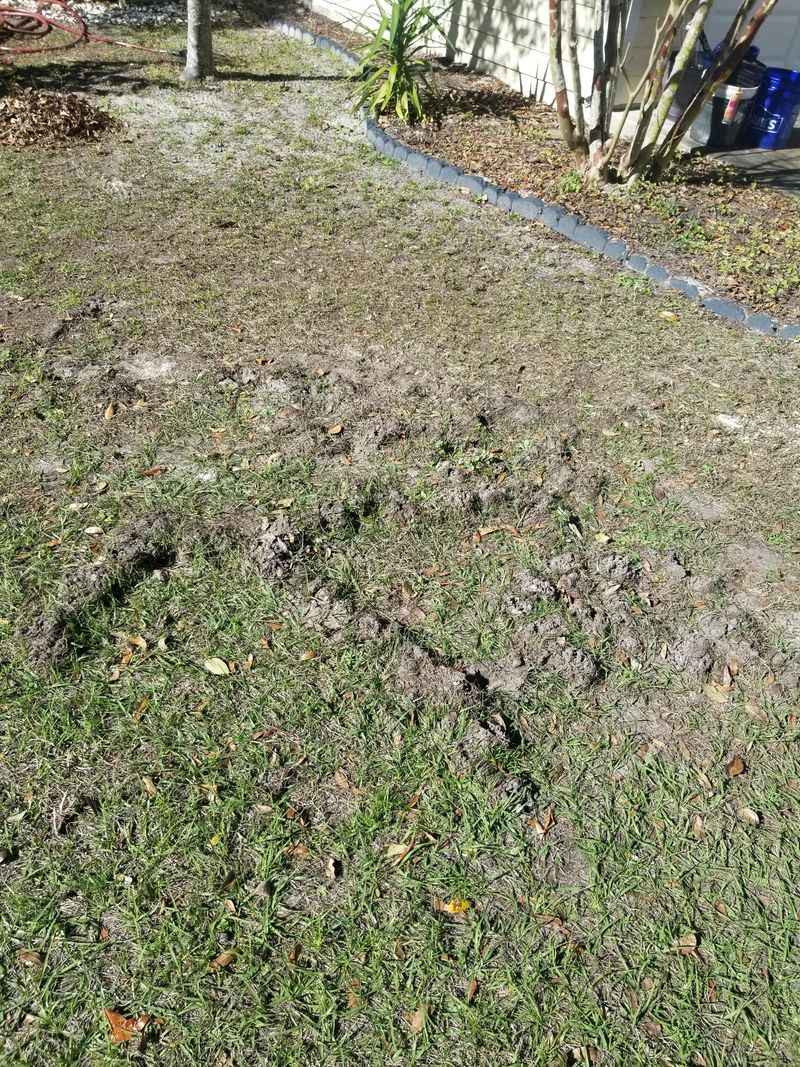
Walk your yard at sunrise after a rainy night and check for raised, squishy ridges winding through the grass. That soft, spongy give underfoot is the clearest sign something is tunneling just beneath the surface.
Press a ridge flat with your boot and mark the spot with a golf tee. If the ridge rises again within a day or two, that run is active and worth immediate attention.
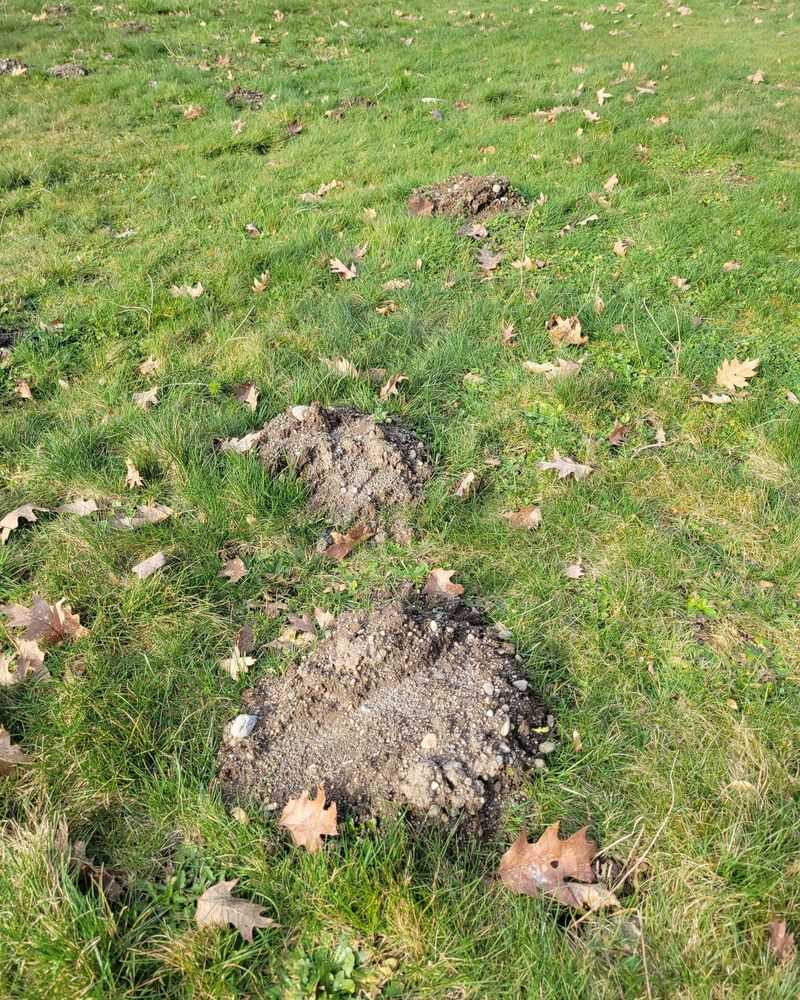
Mounds tell a separate part of the story. Those cone-shaped piles of loose soil mark deeper travel tunnels connecting feeding zones under your lawn.
Telling mole activity from vole activity saves a lot of wasted effort. Moles lift turf from below and leave the blades untouched, while voles chew narrow surface trails and nibble bark near shrub bases.
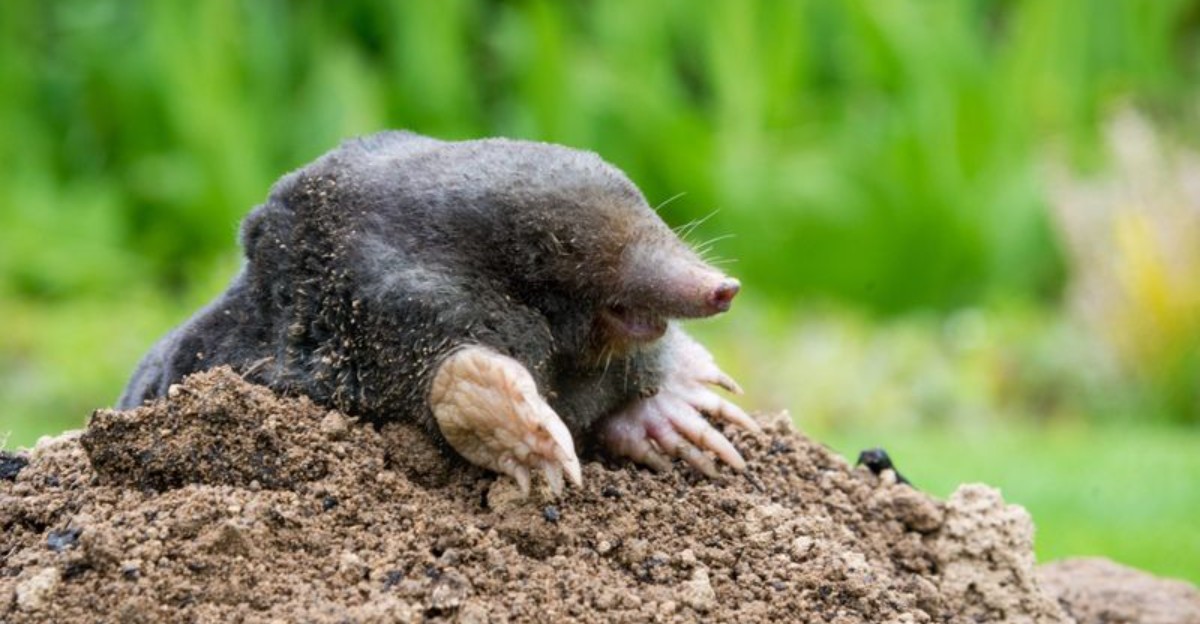
Eastern moles are the common visitors across Pennsylvania yards, and a single animal can push out more than a hundred feet of tunnel in one day. That pace is why a check now beats waiting until October.
Cooling soil in fall pushes feeding activity back toward the surface, so minor ridges can spread across an entire yard within weeks. A quick walk-through with a golf tee shows which runs are still active.
A lawn checked in late summer stays ahead of the damage. A few minutes with a golf tee now saves weeks of patchwork repair by spring.
Your Soil Menu Decides If Moles Stay Or Move On
Moles are not after your grass at all. They are chasing protein, and Pennsylvania soil serves a generous menu of earthworms, beetle larvae, and grubs.
An eastern mole eats close to its own body weight in soil creatures every day. That appetite keeps it digging, and digging is what tears up your turf.
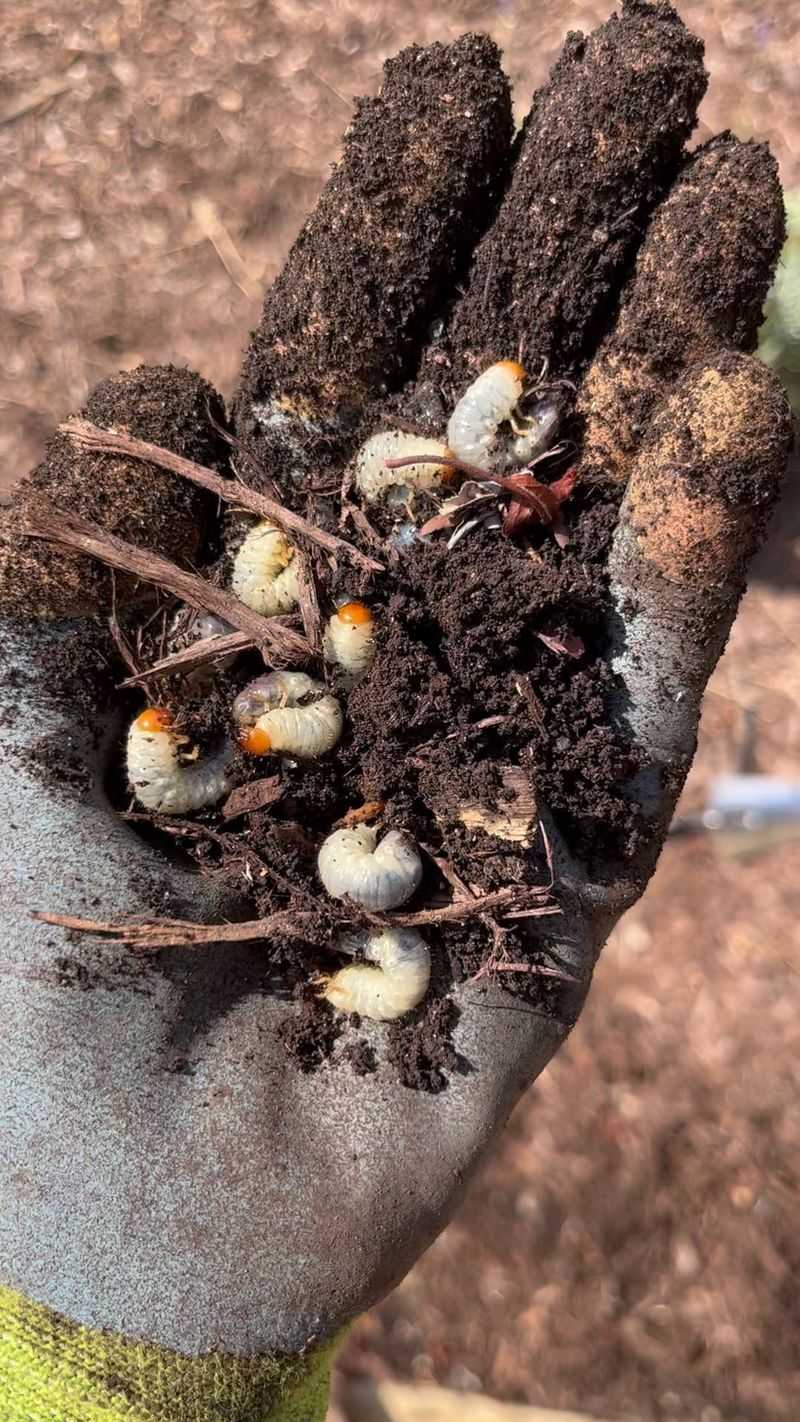
Grubs get most of the blame, and they deserve a share of it. Japanese beetle and masked chafer larvae feed on grass roots through mid and late summer, exactly when tunneling near the surface peaks.
Earthworms, though, make up the larger part of the diet in many yards. You cannot remove them, and you would not want to, since they keep soil loose and drainage healthy.
Your Pennsylvania Garden Changes Every Week. Your Plan Should Too.
Gardening in Pennsylvania changes quickly throughout the season. Every Friday you’ll receive a simple weekly plan showing exactly what to plant, prune, fertilize, harvest, and protect so you never miss the right timing.
A lawn with heavy grub pressure sitting on rich, worm-friendly ground becomes prime real estate. Trimming the grub side of that equation lowers the reward for tunneling without touching the helpful soil life.
Check your grub count before spending a dime. Peel back a square foot of turf in a suspicious spot and count the C-shaped larvae, since more than eight or ten usually signals real pressure.
Here is a quirky bit of trivia. Moles carry a special form of hemoglobin that lets them work comfortably in low-oxygen tunnels for hours, which is why hunger, not weather, sets their schedule.
Late August Through September Is The Window That Matters
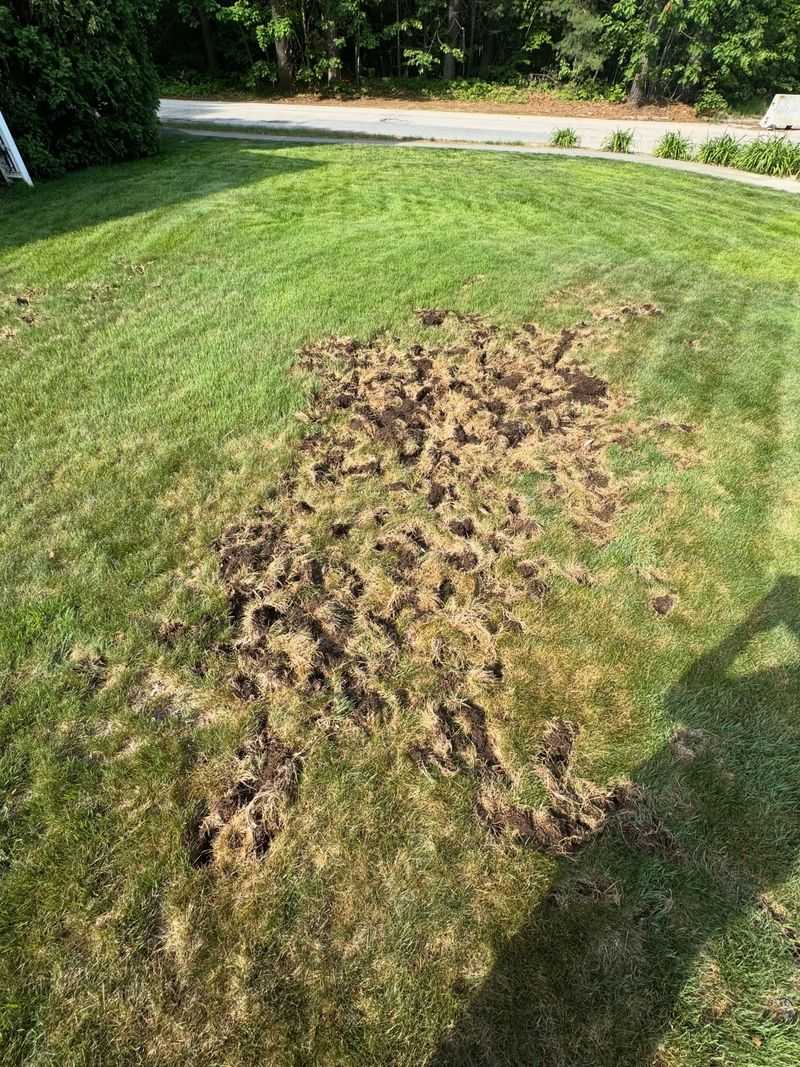
Timing is the quiet variable in this whole story. Treat at the wrong moment and you get a receipt with nothing to show for it.
Grub eggs hatch in Pennsylvania soil around late July and early August, and the young larvae feed close to the surface through September. Small grubs are far easier to manage than the fat, armored ones you find in October.
Preventive products go down in June or early July, before hatch. Curative products belong in that late August to mid September stretch, when larvae are actively feeding within reach of the treatment.
Once soil temperatures drop and grubs burrow deeper for winter, most treatments lose their punch. Waiting until you see damage in November usually means waiting until spring for results.
Trapping follows a similar calendar. Early fall runs are heavily traveled as animals stock up, which makes traps set in active tunnels far more productive than midsummer attempts in bone-dry soil.
Fall also happens to be the best season for cool-season turf recovery across the state. Aeration, overseeding, and fertilizing all work beautifully in September, so your repair work and your pest work land in the same weekend.
Mark the calendar now rather than trusting memory. Labor Day makes an easy mental anchor for lawn owners from Erie to Philadelphia.
Watering Habits And Thick Thatch Roll Out The Welcome Mat
Soft, damp, spongy ground is basically a neon sign for tunneling. Dig into that idea and a lot of yard mysteries start making sense.
Light daily sprinkling keeps the top inch of soil constantly moist, which is where earthworms and young grubs gather. Deep, less frequent watering pushes moisture down and encourages roots to follow it.
Aim for about an inch of water per week, delivered in one or two sessions. Morning watering lets blades dry before evening, which also helps with fungus problems common in humid Pennsylvania summers.
Thatch is the other quiet culprit. A layer thicker than half an inch holds moisture like a sponge and gives soil insects a cozy nursery just below the grass.
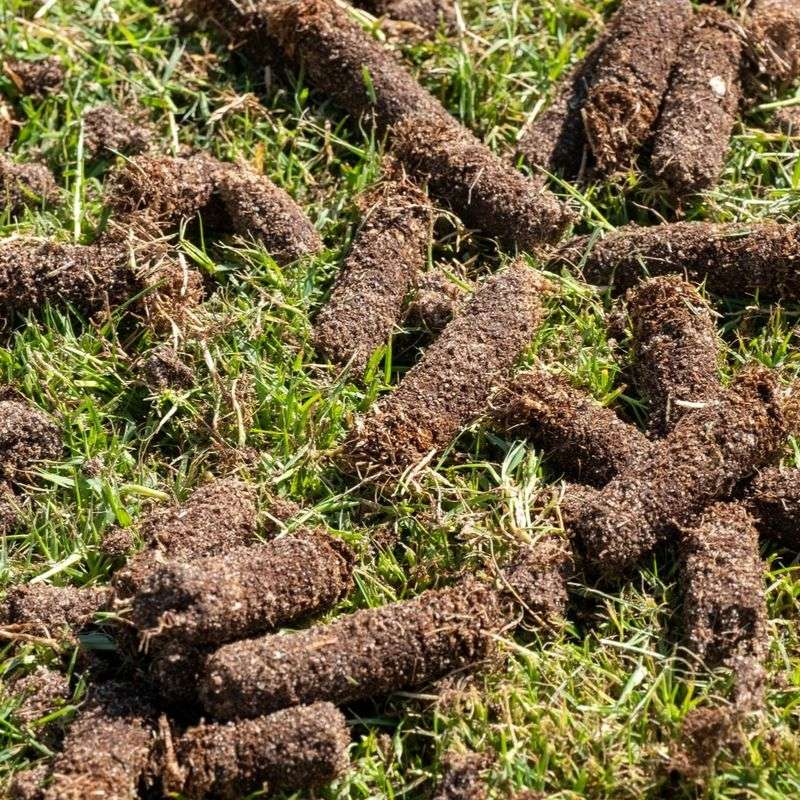
Pull a small plug with a trowel and measure that spongy brown band between green blades and dark soil. Core aeration in September breaks it up and improves drainage at the same time.
Compacted clay, which shows up in plenty of yards across the southeast corner of the state, creates its own trouble. Water sits near the surface instead of soaking in, and feeding activity concentrates right where your grass roots live.
Mulch beds and leaf piles along the fence line add extra shelter. Keeping mulch under three inches and edging beds cleanly removes a favorite staging area near the lawn.
Building A Fall Care Plan For Pennsylvania Turf
Think of the plan as three layers stacked together rather than one magic product. Food supply, physical control, and turf health each carry part of the load.
Start with the grub count you took earlier. If numbers ran high, a curative granular treatment applied in late August or early September and watered in with half an inch of irrigation handles the food supply side.
Preventive active ingredients such as chlorantraniliprole belong on next June’s calendar instead. Matching product to season is the difference between results and frustration.
Physical control comes next, and it is the most reliable piece. Scissor or grab-style traps set directly in active main runs, flattened and rechecked first, work far better than anything you sprinkle.
Barriers protect the spots you care about most. A strip of hardware cloth buried about a foot deep around a vegetable bed or a new perennial border keeps tunneling away from tender roots.
Beneficial nematodes and milky spore appeal to organic-minded gardeners. Both take patience and consistent soil moisture, so treat them as long-range support rather than a quick fix.
Finish with turf strength. Aerate, overseed with a quality tall fescue or bluegrass blend, and apply a fall fertilizer around Labor Day so roots thicken before frost.
Dense, deep-rooted grass shrugs off tunneling that would wreck a thin, struggling lawn.
Rolling, Reseeding, And Getting Turf Ready For Winter
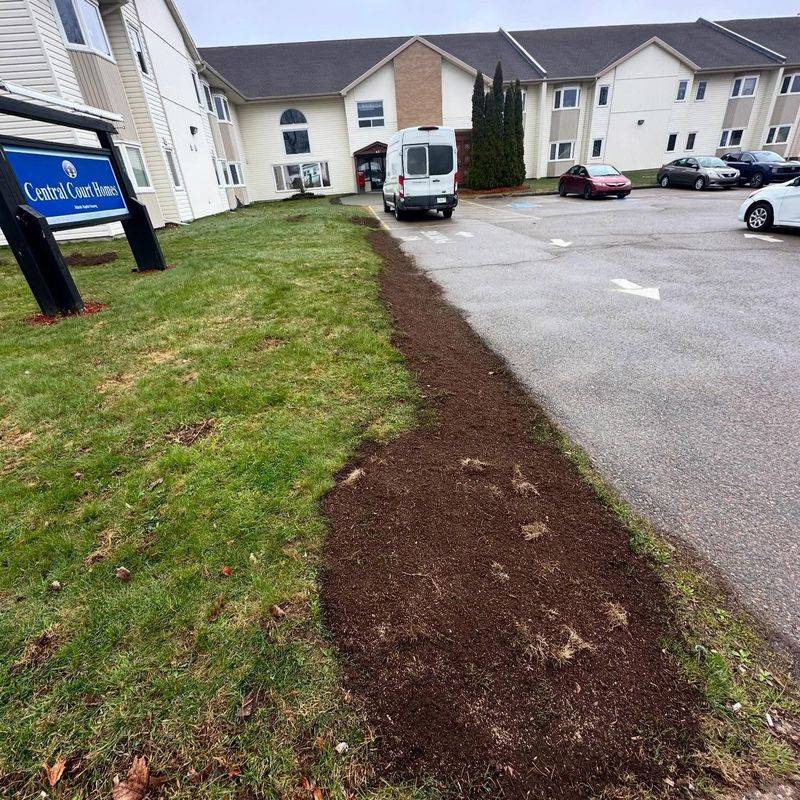
Repair work is the part people skip, and it shows by April. Tunnels left hollow through winter turn into pale, patchy strips once the snow clears.
Begin by walking every ridge and pressing it firmly back into contact with the soil. A water-filled lawn roller does the job faster on larger yards.
Follow with a light watering to settle everything. Roots need soil packed around them again, otherwise they dry out during those windy stretches in January.
Knock mounds apart with the back of a rake and spread the loose soil thinly across the lawn. Piling it in one spot smothers whatever grass is left underneath.
Bare strips get seed while soil is still warm. Mid September gives cool-season grass enough time to germinate and establish before the first hard freeze arrives.
Rake a little topsoil or compost over the seed and keep it lightly moist for two or three weeks. Straw mulch helps on slopes where runoff carries seed toward the driveway.
Keep leaves cleared or mulched into the turf with a mower. A smothering blanket of wet maple leaves undoes weeks of careful repair.
Come spring, the difference is obvious. Neighbors who ignored their ridges spend April patching, while your lawn greens up even and firm underfoot.