The Fragrant Herb That Makes Your Virginia Porch Less Tempting To Yellow Jackets
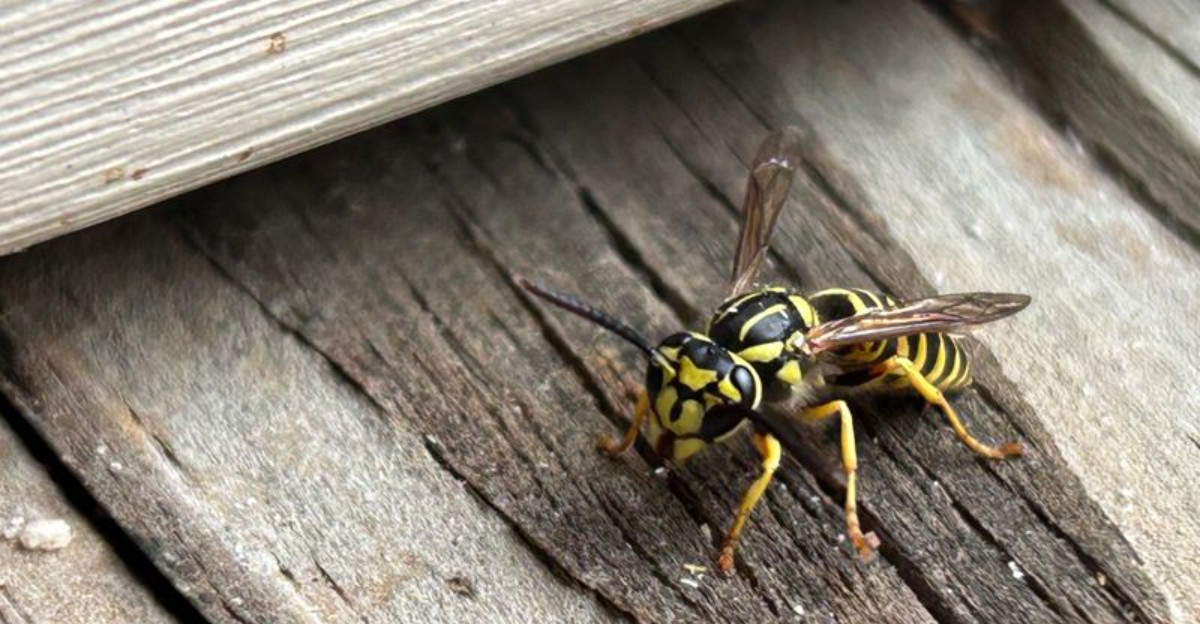
A slice of pie on the porch railing, and within seconds a yellow jacket lands on the crust. Across Virginia, fall is when these striped party crashers get their boldest.
You pour a cold drink, settle into the rocking chair, and suddenly a buzzing visitor wants a sip. Swatting and flapping only seem to make things worse.
Luckily, one humble herb with a cool, fresh scent may help tip the odds in your favor. It grows easily, smells wonderful when you brush past it, and tastes great in lemonade.
Still, a plant alone can’t do all the work, and a few smart habits make a big difference. Knowing where yellow jackets nest and when they get pushy helps too.
The tips below cover how to grow this leafy helper and where to place it. You’ll also learn how to keep its buzzing opponents from ruining your porch time.
Mint Is The Herb Worth Potting Up
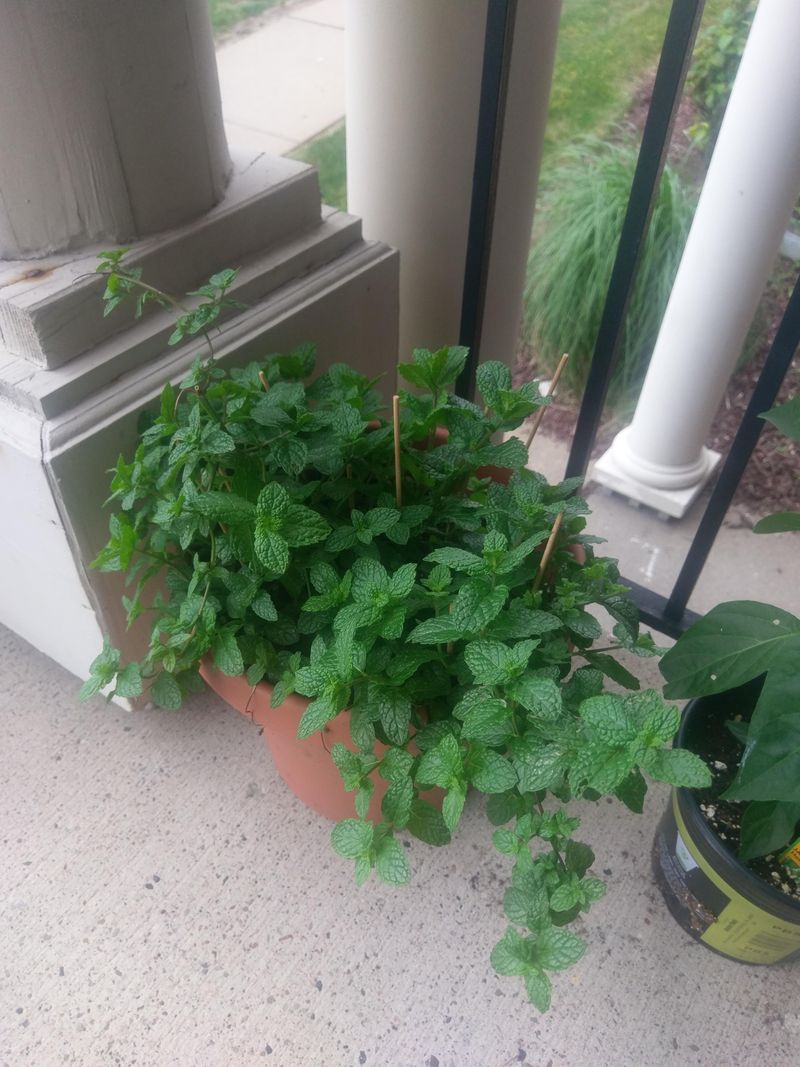
Picture a porch lined with bright green pots that smell like chewing gum on a hot afternoon. Mint makes that dream easy, and yellow jackets tend to dislike its bold aroma.
Plenty of herbs smell nice, but mint stands out for pest control. Its oils seem to confuse the senses yellow jackets use to find food.
Several kinds of mint may offer a little help against these wasps. Peppermint and spearmint are the top picks, since their oils have been tested against yellow jackets.
Peppermint often gets extra praise because it packs more menthol. More menthol usually means a stronger smell that lingers longer in the air.
Garden centers across Virginia sell small mint starts in spring for just a few dollars. Pick plants with firm stems, deep green leaves, and no yellow spots.
Place your pots where people actually sit and snack. Good spots include the steps, near the porch swing, and beside your outdoor table.
Grouping three or four pots together builds a stronger scent zone. A single lonely plant in a far corner will not do much good.
Keep your expectations realistic, though, because mint is not a magic shield. Think of it as one helpful teammate rather than the whole team.
Here is a fun bonus that makes mint worth growing anyway. You can toss fresh leaves into iced tea, fruit salad, or lemonade all summer.
Friendly guests will likely ask what smells so good out there. Few pest fixes come with such a tasty and refreshing reward.
Its Strong Scent Comes From Menthol-Rich Oils
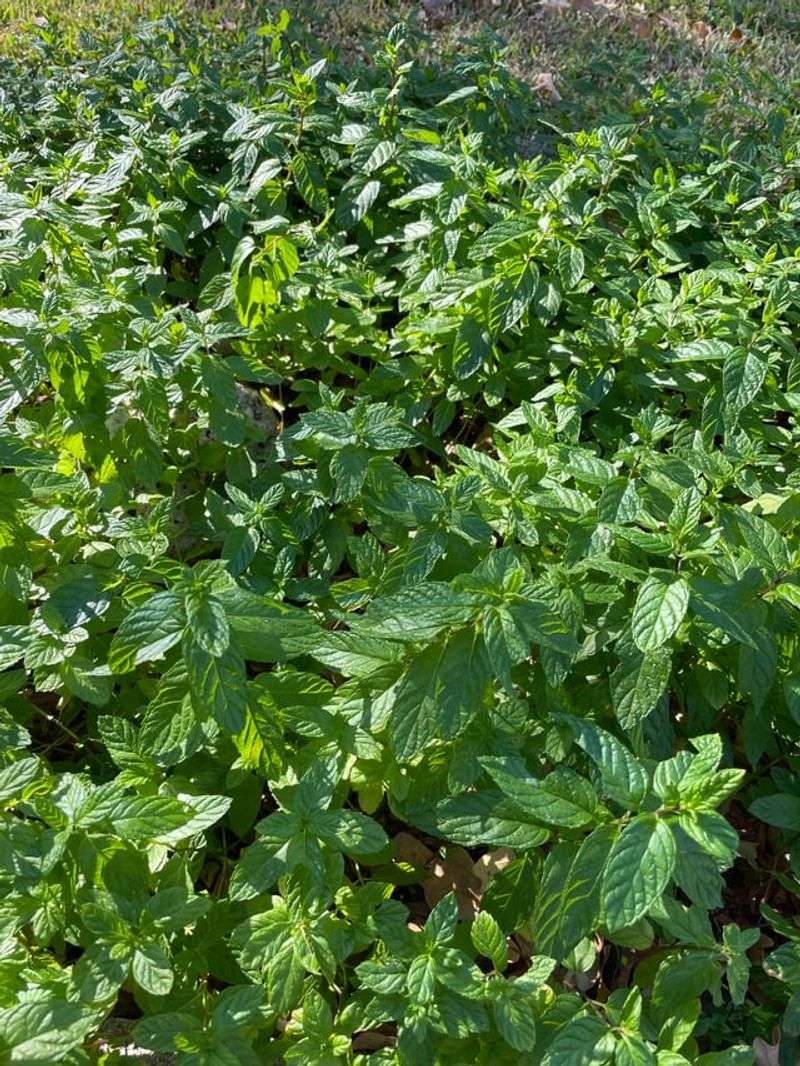
Ever wonder why mint makes your mouth feel icy cold? Tiny oil glands on each leaf hold natural chemicals with serious power.
Menthol is the star of the show, and peppermint is roughly 40 percent menthol. Menthone and pulegone join the mix and add even more punch.
Scientists and pest experts point to menthone as a potent yellow jacket deterrent. Peppermint oil also carries natural insect-fighting traits that wasps find unpleasant.
Here is how it works in simple terms. Yellow jackets hunt with their antennae, which act like super sensitive noses.
Your Virginia Garden Changes Every Week. Your Plan Should Too.
Gardening in Virginia changes quickly throughout the season. Every Friday you’ll receive a simple weekly plan showing exactly what to plant, prune, fertilize, harvest, and protect so you never miss the right timing.
A cloud of minty smell can irritate those antennae. The wasps then feel less eager to hover, snoop, or build nests nearby.
Mint has another sneaky trick up its leafy sleeve. Its aroma can help cover the sweet smells of soda, fruit, and grilled burgers.
Food smells are like a dinner bell for hungry wasps. Muddy that signal, and fewer scouts may find your picnic table.
Some Virginia homeowners boost the effect with homemade peppermint spray. Mix about ten drops of peppermint oil with water and a little dish soap.
Mist it along railings, under the eaves, and around chair legs. Test a small hidden spot first so you do not stain painted wood.
Reapply after rain or every few days during busy weeks. Oils fade over time, so staying consistent matters more than using a lot.
Brushing The Leaves Releases More Fragrance
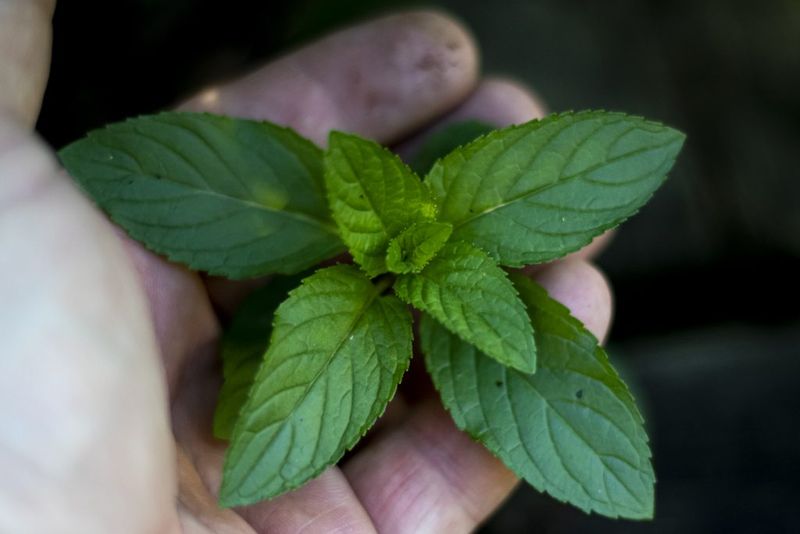
My neighbor has a funny habit every time she walks up her porch steps. She runs her fingers through the mint pot like she is petting a cat.
Turns out, she is onto something smart. Rubbing or lightly crushing mint leaves breaks open the tiny oil pockets inside.
Once those pockets burst, the scent jumps into the air right away. Your whole porch can suddenly smell fresh and cool.
A stronger smell may give yellow jackets one more reason to buzz off. So a little hands-on attention can boost your plant’s power.
Try giving the leaves a gentle brush before guests arrive. You can also do it when you carry drinks or snacks outside.
Placing pots right along walkways helps too. Every time someone passes, legs and hands nudge the leaves and release fragrance.
Some folks go a step further with crushed leaves. They scatter a few bruised sprigs on the table near plates and cups.
Swap those sprigs out once they wilt and turn brown. Old leaves lose their oils quickly, especially in steamy summer heat.
Be gentle, though, and avoid ripping stems apart. A soft rub works better than yanking handfuls off the plant.
Healthy plants keep making fresh leaves packed with oil. Treat your mint kindly, and it will reward you with scent all season long.
Kids usually love this job, so hand it over. It turns pest control into a fun, sweet-smelling little ritual.
Pots Keep This Spreader From Taking Over The Yard
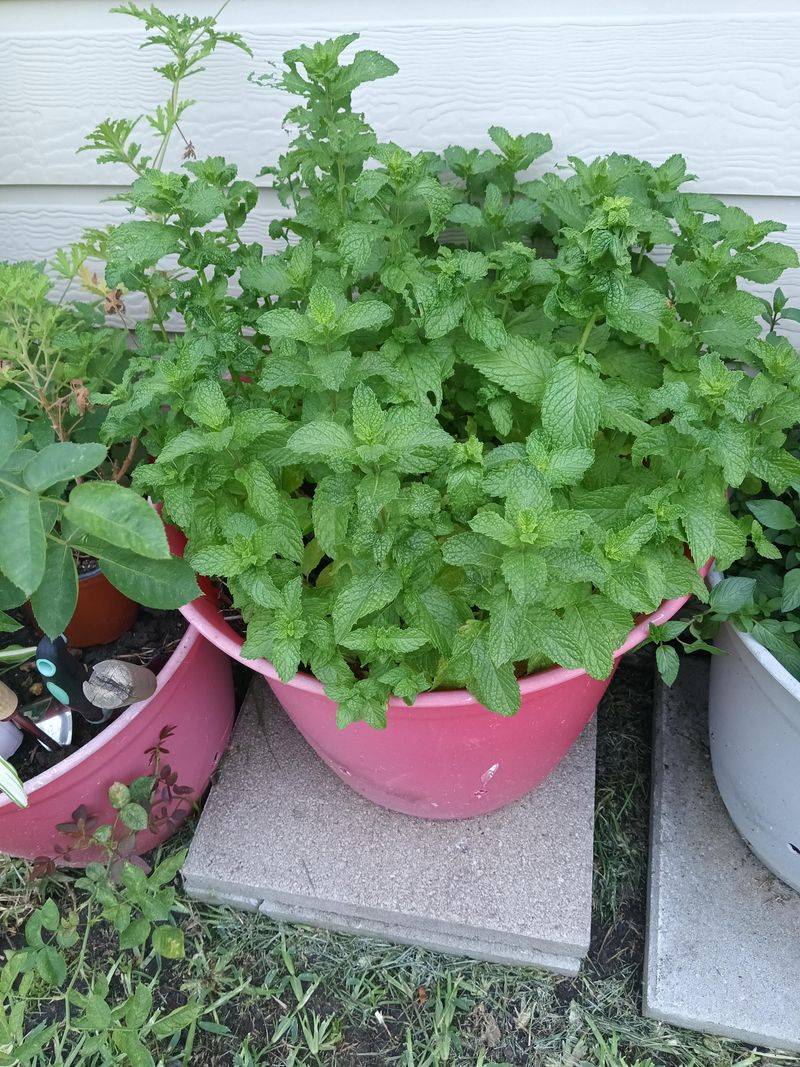
Plant mint in the ground once, and you may be pulling it up for years. Gardeners joke that mint has big plans for world domination.
Underground stems called runners creep sideways just below the soil. New plants pop up far from the original spot, sometimes in the lawn.
Containers solve that problem neatly. The pot walls stop runners from sneaking out into beds, cracks, and grass.
Choose a pot at least 12 inches wide with good drainage holes. Bigger pots hold more moisture, which mint appreciates during hot spells.
Watch for sneaky escapes, though. Runners can slip out through drainage holes if the pot sits right on soil.
Set containers on a porch floor, paver, or plant stand instead. That small lift keeps roots where they belong.
Really want mint in a garden bed? Bury a bottomless bucket or plastic edging as a barrier around the plant.
Leave an inch or two of the barrier above ground. Otherwise, clever stems may simply hop over the top.
Every spring, check how crowded the roots have become. Divide overgrown plants and share the extras with friends and neighbors.
Many Virginia gardeners learned this lesson the hard way. A potted plant stays a charming porch guest instead of a yard-hogging bully.
Fresh potting mix each year also keeps plants vigorous. Happy mint grows fuller leaves, which means more of that helpful scent.
Morning Sun And Afternoon Shade Suit It Best
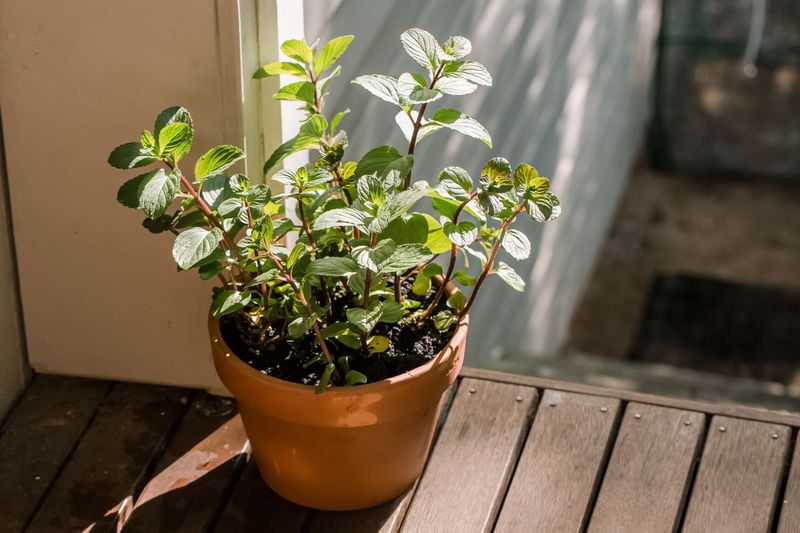
Virginia summers can feel like standing inside a warm, damp towel. Mint handles plenty of sunshine, but it sulks when afternoon heat gets fierce.
Most mint wants at least four to six hours of direct sun daily. More sun usually brings richer oils and a stronger smell.
Still, blazing sun dries pots out fast. Wilted, crispy leaves will not do much to protect your porch.
An east-facing porch often works like a charm. Plants soak up gentle morning light, then rest in shade when things heat up.
No east side available? Try placing pots near a railing where the roof blocks late-day rays.
Moisture is the other half of the recipe. Mint likes soil that feels damp but not soggy.
Poke a finger an inch into the pot each morning. If it feels dry, give the plant a deep drink.
During July heat waves, you may need to water twice a day. Terracotta pots dry faster than plastic or glazed ones.
A layer of mulch on top helps hold water longer. Shredded bark or straw works well in containers.
Fun fact: Virginia has its own native mountain mint. That cousin prefers six to eight hours of full, unblocked sun.
Watch your leaves for clues about lighting. Pale, leggy stems want more light, while scorched edges beg for shade.
Snip Off The Flowers, Since Blooms Attract Wasps
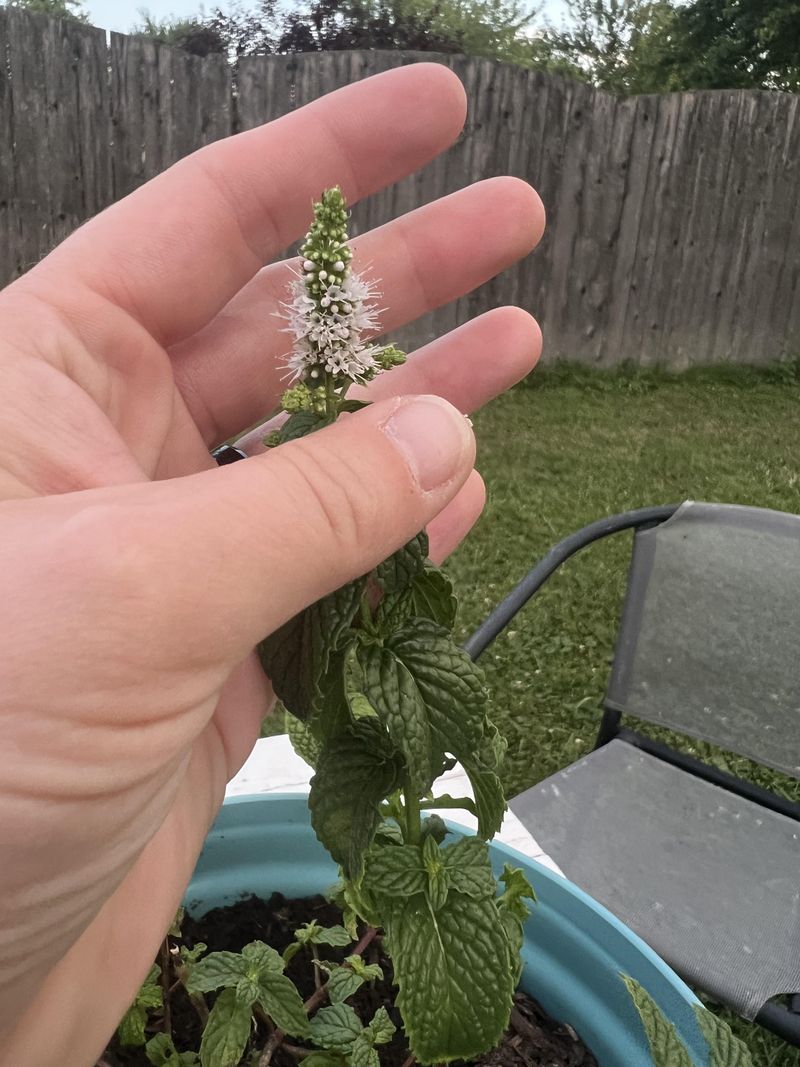
Here is a twist that surprises many gardeners. The same plant you grow to shoo away wasps can end up inviting them.
By midsummer, mint sends up skinny spikes of tiny white or lavender flowers. Those blooms are full of sweet nectar.
Bees and hoverflies love those flowers, which sounds lovely. Yellow jackets, however, show up for the sugar too.
A blooming pot beside your chair can undo your whole plan. You want a scent barrier, not a snack bar.
Keep a pair of small scissors handy on the porch. Once you spot flower buds forming, snip the stem tips off.
Cut just above a pair of leaves. New side shoots will grow there, making the plant bushier and fuller.
Pinching regularly has other perks as well. It stops mint from dropping seeds and spreading into unexpected places.
Leaves also tend to taste better before flowering. After bloom, they can turn a bit bitter and tough.
Check your pots once a week from June through September. It only takes a minute during your morning coffee.
Love helping pollinators? Grow a flowering mint pot far from where people gather.
Place it out in the garden, well away from seating areas. That way, bees get a treat without drawing wasps toward your family.
Toss snipped tops into your kitchen instead of the trash. They make great tea, garnish, or homemade mint syrup.
Late Summer Is When Yellow Jackets Get Pushiest
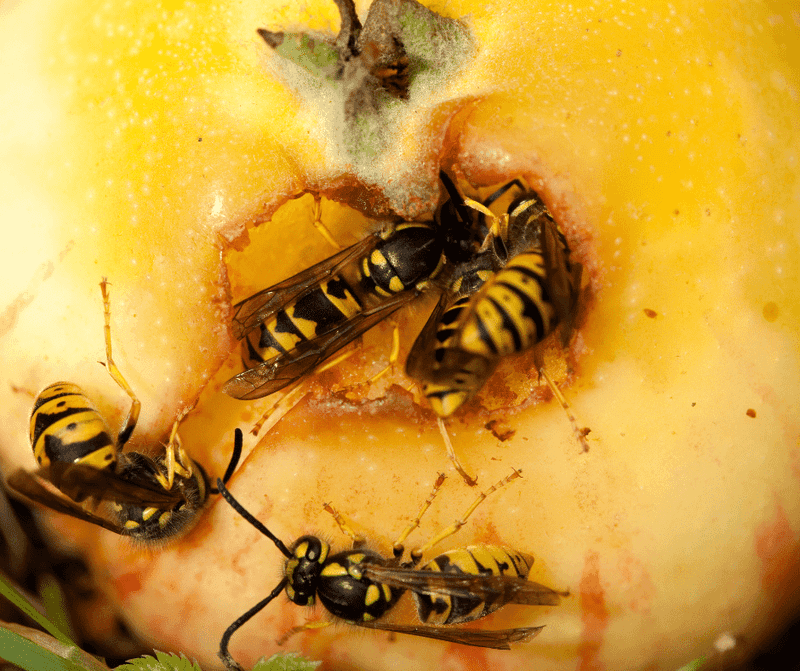
Remember those Labor Day cookouts where yellow jackets seemed to follow you everywhere? You were not imagining it.
Colonies grow all summer long. By late summer and early fall, populations hit their peak, sometimes thousands strong.
More workers means more mouths hunting for food. That leads to many more run-ins with people outdoors.
Their menu changes around this time too. Early in the year, workers gather insects for protein to feed growing young.
Later on, they crave sugar instead. Soda, fruit, ice cream, and juice suddenly look irresistible.
Natural food sources also start running low. Fewer insects around means wasps get bolder near human snacks.
As the colony winds down for the year, workers turn more defensive. They guard food sources with extra attitude.
Hot, dry spells can make things even worse. Drought pushes wasps to search harder for moisture and sugar.
So plan ahead for August and September in Virginia. Step up your mint care and keep every drink covered.
Eat meals indoors during the worst weeks if needed. Or set snacks out only right before serving.
Stay calm when one lands nearby. Slow movements work far better than panicked swatting.
Good news arrives with the first hard frost. Most workers fade away, and only new queens remain to rest through winter.
Some Yellow Jackets Help Your Garden By Eating Pests
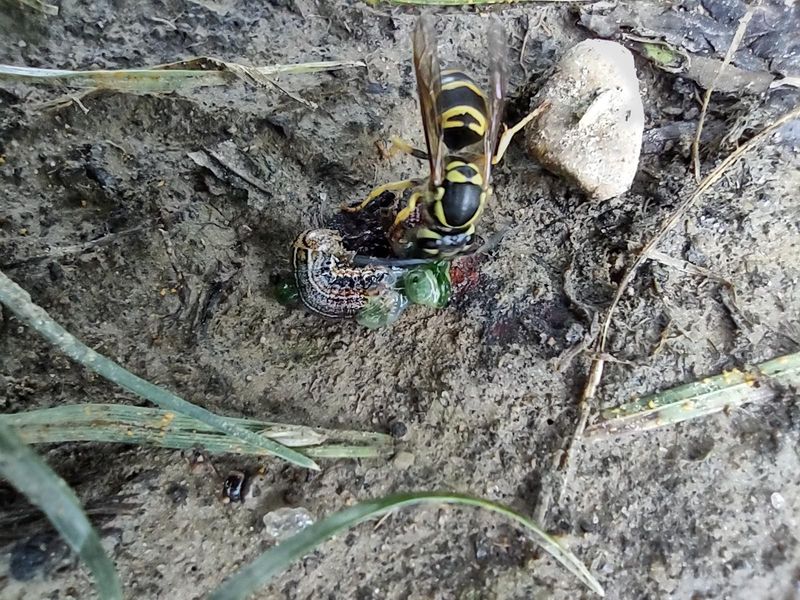
Believe it or not, yellow jackets are not pure villains. In spring, they act like tiny garden bodyguards.
Early in the season, workers hunt other bugs nonstop. They carry that protein back to feed growing larvae in the nest.
Their menu includes caterpillars, aphids, flies, and grubs. Mosquitoes and mites land on the list too.
Tomato growers especially appreciate this hunting spree. Fewer caterpillars can mean healthier plants and more fruit.
Yellow jackets also sip nectar from flowers. Along the way, they move pollen and help some plants make seeds.
Certain species serve as nature’s cleanup crew. They clear away leftover animal remains that might otherwise linger.
Knowing all this can change how you handle them. The goal is keeping them off your porch, not wiping them all out.
Nests far from people can often be left alone. Out in a back field, they quietly help control pests.
Focus removal efforts on nests near doors, paths, and play areas. Safety for your family comes first.
That balanced approach fits Virginia gardens nicely. Mint keeps your sitting area calm, while wasps work the far corners.
Next time you see one chasing a caterpillar, give it a little credit. Your vegetables might just be thanking it.
With fresh mint, tidy habits, and a bit of respect, your porch can stay pleasant. Enjoy the breeze and that sweet tea in peace.