September Is One Of The Best Times To Tackle Fire Ants In Georgia Yards
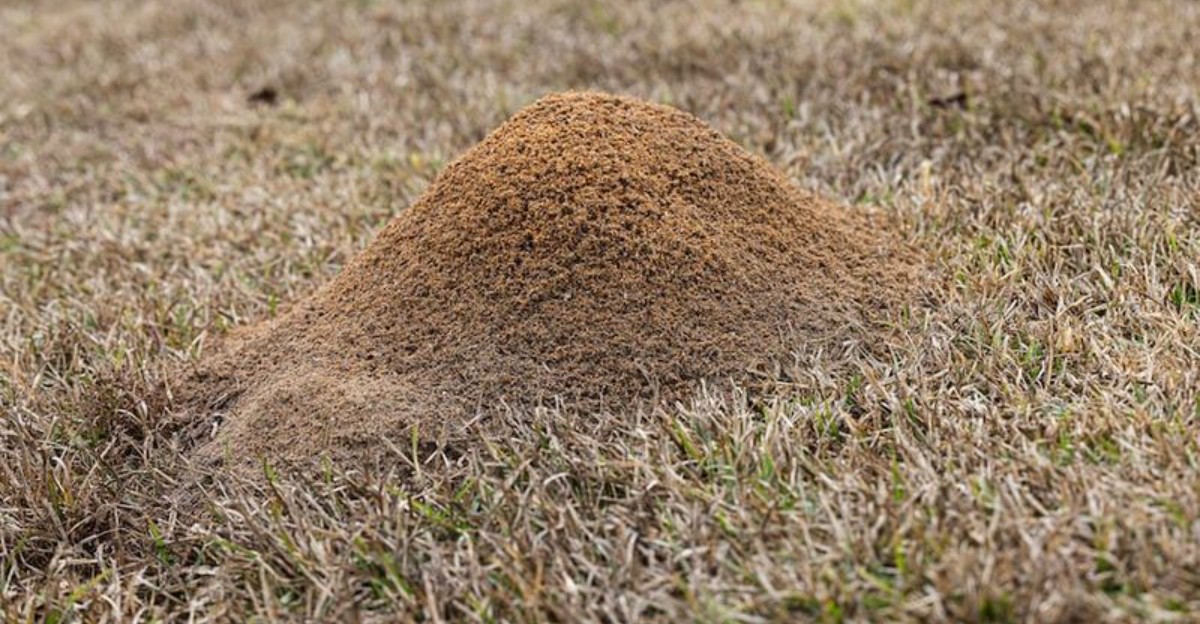
Fire ant mounds seem to appear overnight, usually in the one spot where you least want them.
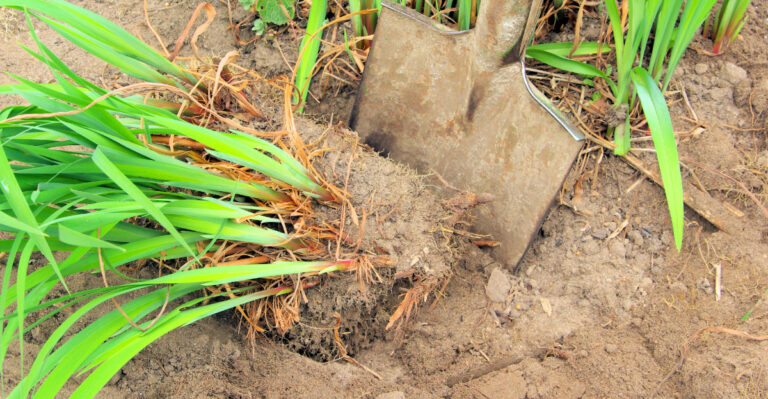
Knocking them flat with a shovel only sends the colony a few feet over. Most of the ants, including the queen, stay underground where you cannot reach them.
What gives you an advantage right now is how the ants behave once the worst summer heat fades.
Workers come closer to the surface and spend more of the day out looking for food. In Georgia, that busy stretch lines up with the mild weeks most yards get in early fall.
Anything those workers carry home during that window reaches the rest of the colony much faster.
Dealing with mounds while they are this active can mean far fewer of them showing up next spring.
1. Late Summer Timing Gives Homeowners A Real Edge
Timing matters more than the product you pick. In Georgia, September lines up several helpful conditions at the same moment.
Colonies are large after a long summer, and workers are still out gathering food every day.
Soil stays warm enough for steady activity, yet the worst heat of July and August has usually eased. Ants that hid deep during scorching afternoons often forage more across the day now.
That combination gives baits and treatments a better shot at reaching the queen, which is the real goal.
Knocking down a few mounds is easy, but lasting control depends on reaching the colony underground. A queen that survives can keep laying eggs, and the mound often returns within weeks.
Fall treatment also sets up the yard for spring, when new mounds tend to appear quickly.
University extension experts in the Southeast commonly suggest a fall bait application as part of a yearly plan. Results still depend on weather, lawn size, and how many colonies your neighbors have nearby.
Think of September as a window, not a magic switch, because conditions can change quickly from one week to the next.
Checking your yard now, picking a dry stretch of days, and choosing fresh products can make a noticeable difference. A little planning this month may mean fewer surprises when you mow next April.
2. Rain Can Make Fire Ant Activity Much Easier To Spot
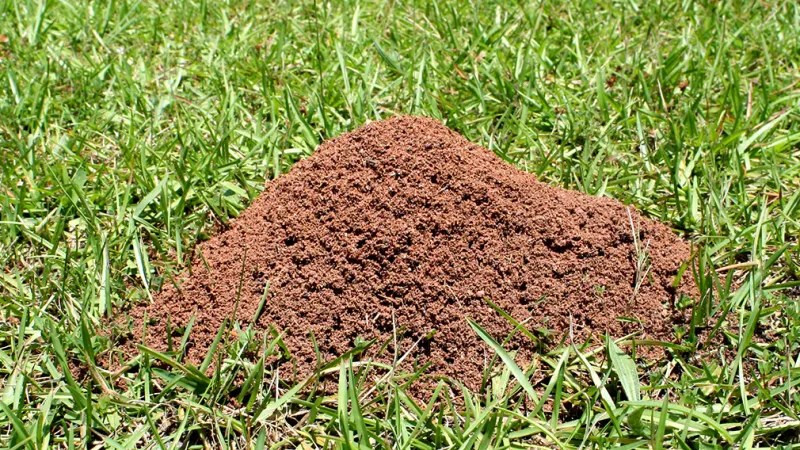
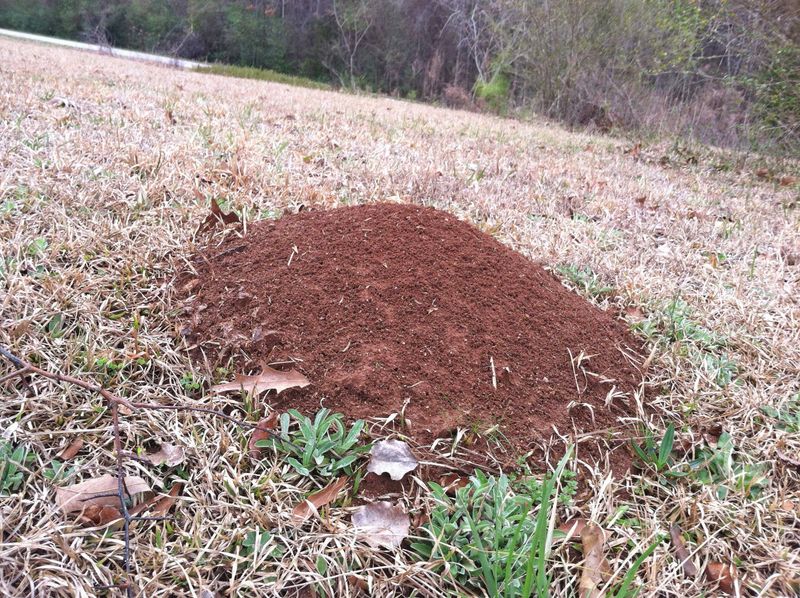
After a good soaking, the yard starts telling on itself. Fire ants often push fresh soil upward after rain, and new mounds can appear within a day or two.
Those fluffy, crumbly domes stand out clearly against wet, dark grass.
September showers in Georgia can reveal colonies that stayed nearly flat during dry summer weeks. Hidden nests under mulch, along sidewalks, or near the foundation become much easier to find.
Take a slow walk around the yard the morning after a storm, and bring a few small flags or sticks.
Marking mounds helps you track how many colonies you have and where they cluster. A quick sketch on your phone also works if flags would bother the mower.
Keep your shoes on and your pants tucked into your socks during this search.
Your Georgia Garden Changes Every Week. Your Plan Should Too.
Gardening in Georgia changes quickly throughout the season. Every Friday you’ll receive a simple weekly plan showing exactly what to plant, prune, fertilize, harvest, and protect so you never miss the right timing.
Freshly rebuilt mounds are full of workers ready to defend their home, and stings arrive fast. Kneeling close or poking at the soil to check activity is a painful way to learn that lesson.
Spotting mounds is only step one, since the wet soil itself is not the best time to treat.
Most granular baits lose their appeal once they get damp, so waiting for the grass to dry makes sense. Use rainy days for scouting, then save the treatment for a drier stretch ahead.
3. Warm Soil Keeps Colonies Active Into Early Fall
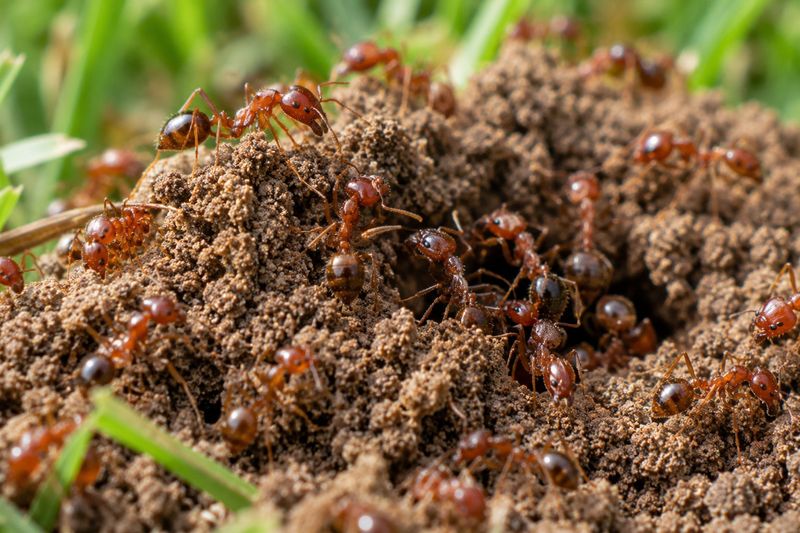
Summer does not flip off like a light switch. Soil holds heat long after the air feels a bit cooler, so fire ants keep working well into fall.
Across much of Georgia, September soil temperatures often sit in a range where workers forage actively.
Fire ants tend to feed most eagerly when soil is roughly between 70 and 90 degrees. Once it drops much lower, activity slows, and baits can sit untouched for days.
A cheap soil thermometer can take the guesswork out of timing.
Push it about an inch or two into the ground near a mound, then check the reading in the morning and afternoon. You may be surprised how different a shady spot reads from a sunny patch near the driveway.
North Georgia mountain yards may cool sooner than lawns near Savannah or Valdosta, so local conditions matter.
Warm soil also means the colony is still raising young and needs steady food. Workers carry what they find back to the queen and brood, which is exactly what you want a bait to do.
Watch the forecast for sudden cool fronts, which can briefly slow foraging even in a warm month.
Treating during a steady warm spell usually gives the colony more days to pick up and share the bait. That extra time can matter when results take a few weeks to show.
4. Active Foraging Makes Timing Especially Important
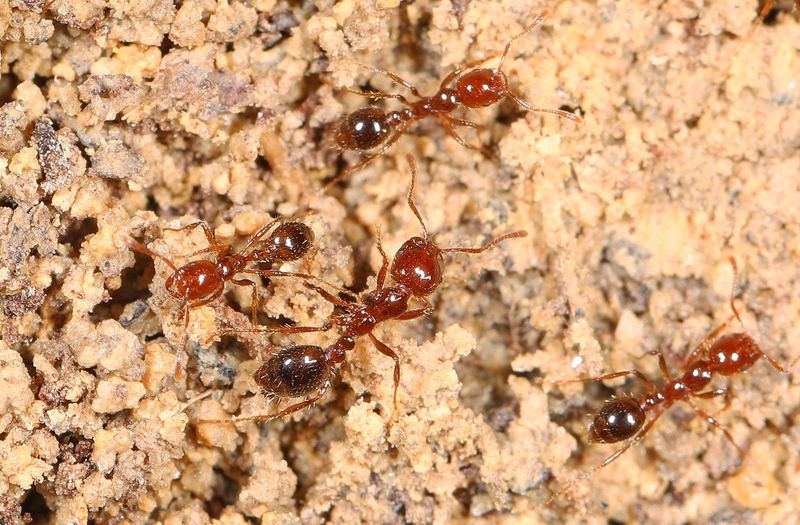
Here is a cheap trick worth trying before you spend money. Drop a potato chip or a small piece of hot dog near a mound, then walk away for about 30 minutes.
If ants swarm the snack when you return, they are foraging and likely to take bait.
No crowd around the chip usually means the timing is off, even if the calendar says September. Soil may be too hot at midday, too wet after rain, or cooler than it looks.
Try the test at different times, because foraging can shift throughout the day.
Late afternoon and early evening often work well during warm spells in Georgia. On milder days, ants may be busy in the morning too, so a quick check saves wasted product.
Workers do the shopping, while the queen stays deep underground and relies on them for every meal.
That is the whole reason timing matters so much with fire ants. Bait that sits on the surface for hours, getting stale or soggy, does little good for anyone.
Keep pets and curious kids away from your test snacks, since a treat near a mound invites trouble.
Once you see strong activity, you have a green light to move ahead. Waiting for that signal feels slow, but it can make each bag of bait go further.
5. Baits Work Best When Workers Are Searching For Food
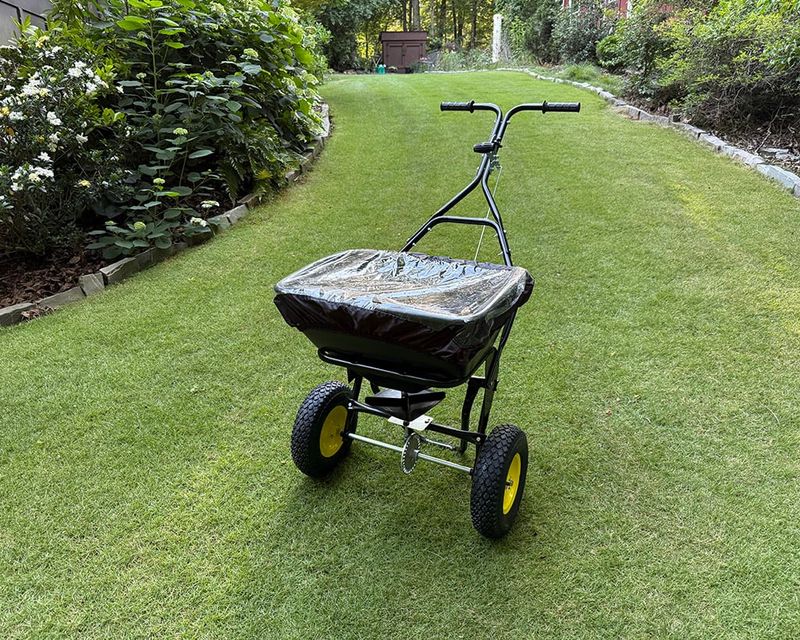
Fire ant baits are sneaky by design. Workers carry the tiny granules home, share them through the colony, and the active ingredient eventually reaches the queen.
Hungry colonies in September tend to pick up baits quickly when conditions are right.
Freshness counts more than people expect. Baits use a food oil that can turn stale, so an opened bag left in a hot Georgia garage may lose its appeal.
Buy only what you need for the season, and seal the bag tightly between uses.
Broadcasting over the whole lawn with a hand spreader treats hidden colonies you may not have found. Spot treating works too, spreading bait in a circle a few feet around the mound instead of dumping it on top.
Follow the label rate carefully, because more product does not mean faster results.
Some baits act within a week or two, while growth regulator types can take several weeks to show change. Patience is part of the process, and mounds may look busy for a while after treatment.
Hold off on watering the lawn for a day or so afterward.
Giving workers time to collect the granules before moisture reaches them helps the effort pay off. Reading the product label for exact timing and safety steps is the smartest move here.
6. Dry Conditions Give Treatments A Better Chance To Work
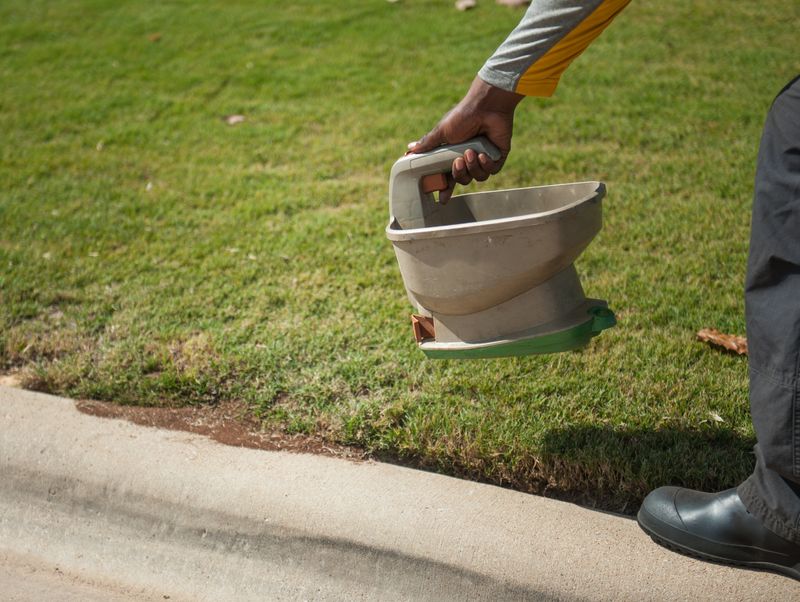
Wet grass and fire ant bait do not mix well. Moisture can soak into the granules, making them less attractive to foraging workers within a short time.
Aim for a window when the lawn is dry and no rain is expected for at least a day or two.
September in Georgia can bring both muggy afternoons and sudden storms, so checking the forecast is worth a minute. Heavy dew counts as moisture, so a late morning or afternoon application often works better.
A dry spell after a rainy week can be ideal timing.
Ants rebuilt their mounds during the wet days, and now the ground has dried enough for treatment. You get easy-to-spot targets plus conditions that help bait stay appealing.
Liquid mound drenches follow different rules, so read the label before treating.
Drenches need enough liquid to soak deep into the mound, often a gallon or more depending on the product. Pouring too little may only reach the top layer, leaving the queen safe below.
Skip irrigation right before and after baiting, and pause the sprinkler timer if needed.
Small scheduling steps like these are easy to forget during a busy week. Even so, they can decide whether your effort shows results or simply washes away.
7. Disturbing A Mound Can Make Control More Difficult
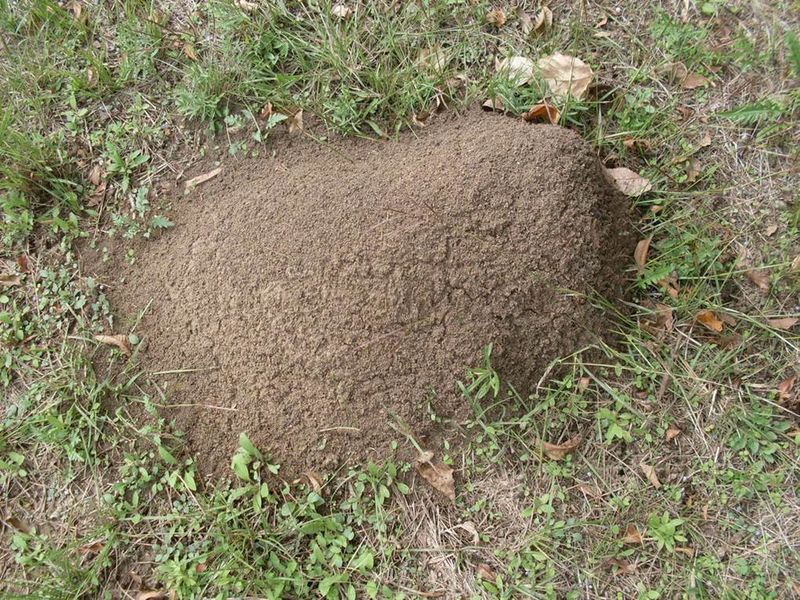
Kicking a mound feels satisfying for about three seconds. After that, you may be dealing with angry ants and a colony that decides to pack up and move.
Fire ants can relocate their queen when their nest is badly disturbed, sometimes just a few feet away.
Raking, shoveling, or mowing over mounds right before treatment can scatter workers and change their routine. They switch into defense mode instead of foraging, which is the opposite of what bait needs.
Leave mounds alone for a day or two before and after you treat.
Home remedies like pouring gasoline, bleach, or grits on a mound are common in Georgia backyard lore. Several are unsafe for soil, pets, and people, and results tend to be unreliable at best.
Boiling water can harm a colony but also scalds nearby grass and plants.
Even then, it may not reach the queen deep in the nest, so the mound can pop up again. Burns are a real risk too, especially while carrying hot pots across uneven ground.
Mowing a lawn full of mounds takes some care during September.
Try to mow a day or two before treatment, then give the yard a break afterward. Gentle patience here tends to work better than a heavy boot.
8. Fall Control Can Reduce Problems Before Cooler Weather Arrives
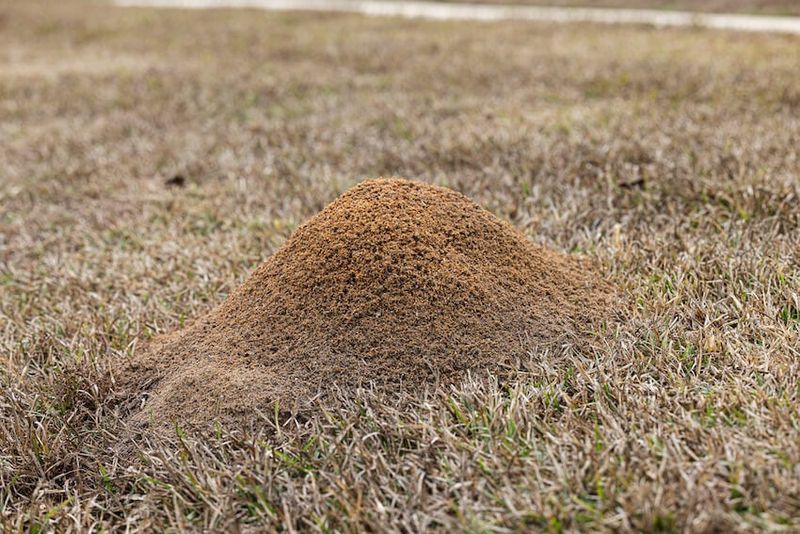
Spring mounds usually start with colonies that made it through winter. Treating in fall gives you a chance to shrink that population before cold weather sends ants deeper into the soil.
Fewer colonies heading into winter may mean fewer surprises when the grass greens up again.
Georgia winters are mild enough that fire ants rarely stop entirely. They slow down, cluster lower in the ground, and often wait for warm days to resume activity.
Once soil cools, baits become less effective because workers simply are not searching much for food.
That shrinking window is the main reason September and early October get so much attention. Waiting until November often means baits sit on the surface without many takers.
Plan on checking the yard again about four to six weeks after treating.
Some mounds may survive, and new colonies can move in from neighboring yards or open lots. A quick spot treatment on those holdouts can clean things up before the season ends.
Talking with neighbors about treating around the same time can help the whole block.
Fire ants do not respect property lines, so shared effort may slow reinfestation. No plan offers permanent results, but a steady fall routine can make spring yard work far more pleasant.