What It Means When You Spot A Wild Turkey In Your Texas Yard This Fall
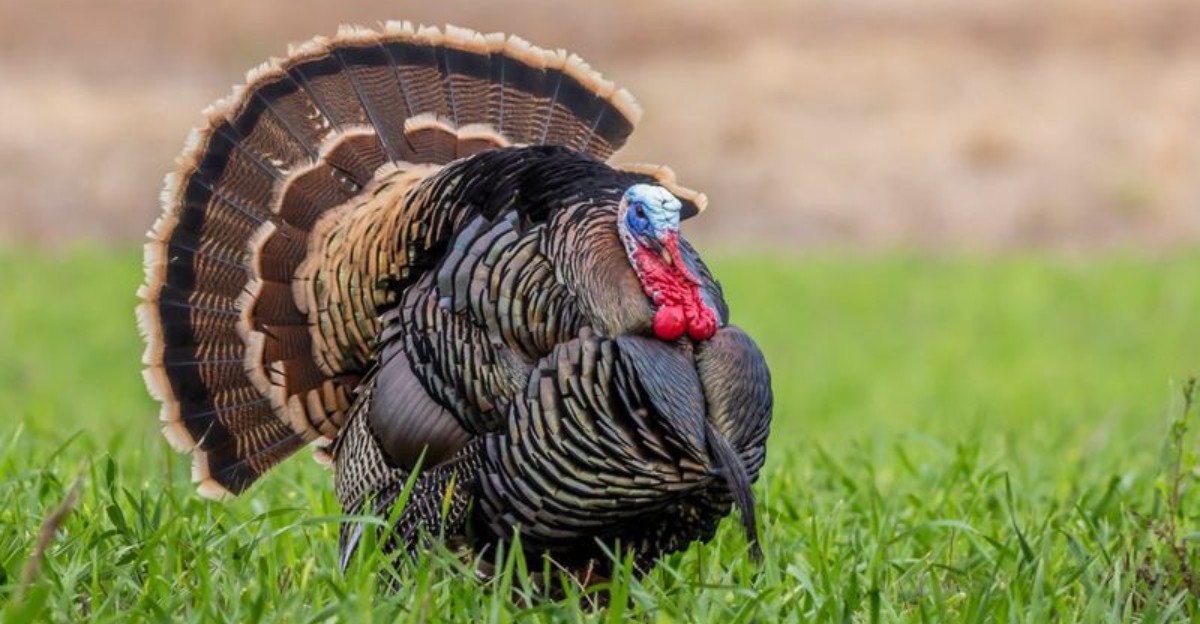
You shuffle outside with your morning coffee, still half asleep, and something in the grass stops you completely. A large bronze shape is bobbing past the fence with the kind of confident energy that suggests it has absolutely no idea it is trespassing.
Then it fans its tail, the sunlight catches those copper feathers, and suddenly you are very much awake. A wild turkey.
In your yard. Acting like it pays rent.
Fall in Texas has a talent for delivering surprises, and a wild turkey strutting through your backyard on a crisp autumn morning is genuinely one of the better ones.
But here is the part most people do not think about: that visit is actually telling you something interesting about your yard, your neighborhood, and the habitat quietly supporting wildlife right outside your door.
1. Your Yard Offers Great Fall Food
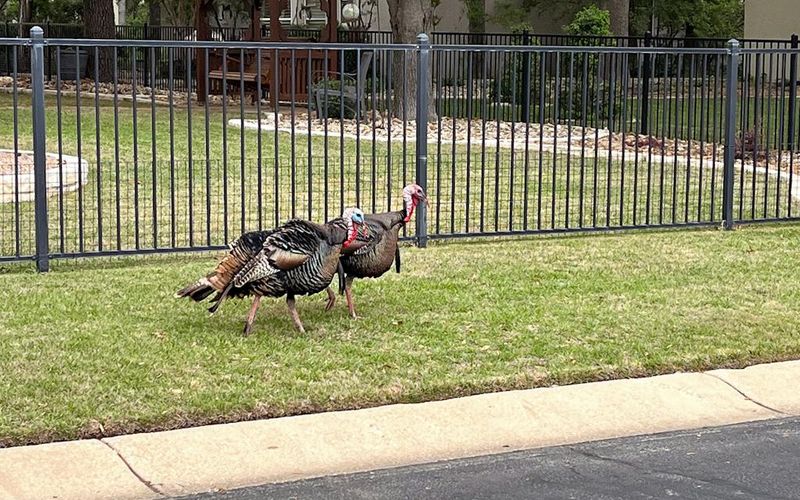
Picture a buffet table loaded with snacks, and you have a turkey’s view of your lawn. Fall is when acorns, pecans, and seeds start dropping everywhere.
Wild turkeys are always hunting for easy meals before winter arrives. If one strolls through your yard, it likely found something tasty on the ground.
Live oaks, post oaks, and pecan trees are common across Texas neighborhoods. Their nuts are packed with fat and energy, which turkeys need as the weather cools.
Grasshoppers and beetles also hang around in the fall grass. Turkeys gobble up these bugs like popcorn, so your lawn becomes a protein-rich snack bar.
Bird feeders can draw them in too. Spilled sunflower seeds and cracked corn under a feeder look like a free lunch to a hungry turkey.
Want to see if food is the reason for the visit? Walk around and check for scratched-up patches of leaves, since turkeys rake the ground with their feet while searching.
You can keep a few acorns and seeds around if you enjoy the company. If you would rather not host daily guests, rake up fallen nuts and clean under feeders each evening.
Either way, a turkey sighting is a compliment of sorts. Your yard is healthy enough to feed wildlife, and that says good things about your plants and soil.
2. Fall Flocks Are On The Move Across Texas
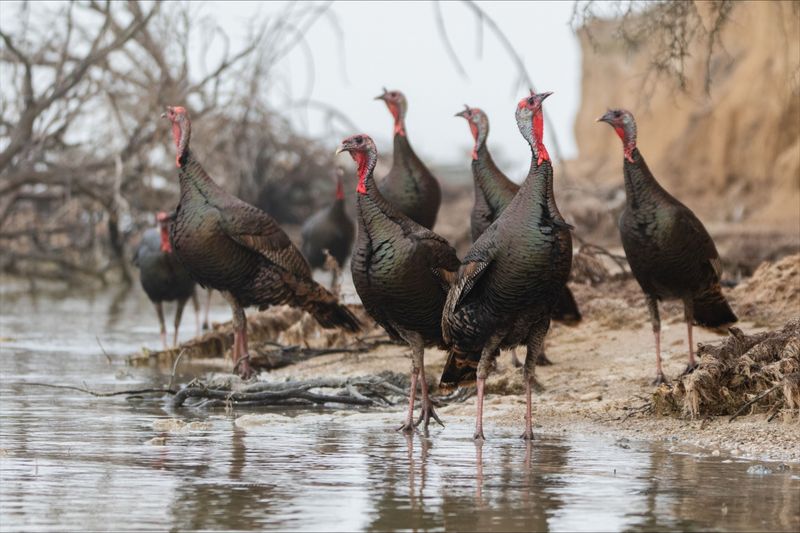
Here is a fun fact to share at dinner: a group of turkeys is called a rafter. In fall, these rafters get bigger and start roaming across the state.
During spring, turkeys spread out to nest and raise their chicks. Once autumn rolls around, hens and their young birds often team up into larger groups.
Male turkeys, called toms, may form their own bachelor clubs. It sounds a little like middle school, with the boys and girls hanging out in separate crowds.
These flocks travel between feeding spots and roosting trees. Your yard could simply be a stop along their daily route, sort of like a rest area on a highway.
Some flocks cover a mile or more in a single day. They tend to follow the same paths, so if you spot them once, you might see them again around the same time.
Your Texas Garden Changes Every Week. Your Plan Should Too.
Gardening in Texas changes quickly throughout the season. Every Friday you’ll receive a simple weekly plan showing exactly what to plant, prune, fertilize, harvest, and protect so you never miss the right timing.
Keep a small notebook by the window and jot down when they appear. Kids especially love tracking the flock and counting how many birds show up each visit.
Seeing a group means the local turkey population is doing well. Wildlife experts count on healthy flocks as a sign that the surrounding habitat is in good shape.
So enjoy the parade while it lasts. By late winter, the groups begin to split up again as spring approaches.
3. Habitat Near You Is Healthy
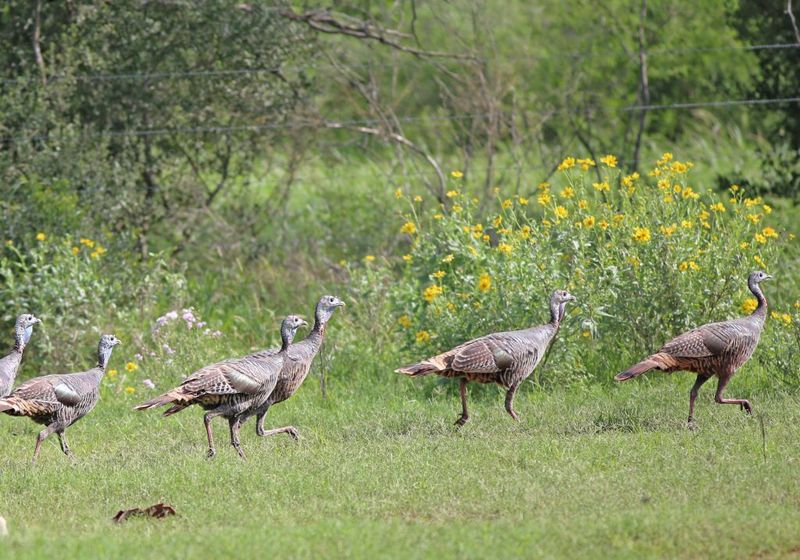
Think of turkeys as nature’s report card. When they show up nearby, your corner of Texas is probably earning good grades.
Turkeys need a mix of things to thrive. They look for open areas to feed, thick brush to hide in, and tall trees for sleeping at night.
If they are visiting your yard, those pieces likely exist close by. A creek, a patch of woods, or a quiet greenbelt could be supporting them.
Not every neighborhood can say that, which makes the sighting worth appreciating.
Back in the early 1900s, wild turkeys had nearly vanished from many parts of the country. Careful conservation work helped bring them back, and Texas now has one of the largest populations anywhere.
That comeback is a real success story. Your backyard visitor is part of a long effort by wildlife groups, landowners, and hunters working together.
You can help keep things healthy with a few simple choices. Plant native shrubs like American beautyberry or yaupon holly, which feed birds of many kinds.
Cutting back on pesticides also helps a lot. Turkeys eat plenty of insects, and fewer chemicals mean safer meals for them and for songbirds too.
Leaving a small brushy corner untouched gives wildlife a hiding spot. It takes less work than mowing, and it turns your yard into a friendlier place for many creatures.
4. Symbols Of Harvest And Thanks
Long before turkeys starred on Thanksgiving plates, many cultures saw them as special. Spotting one in your Texas yard in fall can feel like a friendly nudge to slow down.
Several Native American traditions linked the turkey with abundance and sharing. The bird was often seen as a giver, a reminder that there is enough to go around.
Benjamin Franklin even admired the turkey. In a letter to his daughter, he called it a more respectable bird than the bald eagle, and he meant it kindly.
Fall is a natural season for gratitude. Crops are harvested, families gather, and the days grow shorter, making cozy moments feel extra meaningful.
So if a turkey struts past your window, you might take it as a small sign. Maybe it is time to call a grandparent, thank a teacher, or share extra garden veggies with a neighbor.
Some families even start a fun tradition around their sightings. You could snap a photo each fall and add it to a scrapbook of seasonal memories.
Whether you see meaning in it or just enjoy the view, the timing is hard to ignore. A bird so tied to harvest showing up right before the holidays feels a bit like good luck.
5. Weather Changes Are Pushing Birds Closer
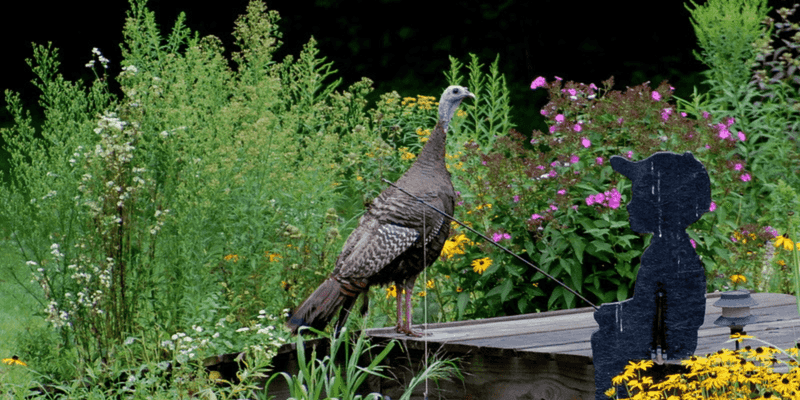
Ever notice how you head for the kitchen when you get hungry after a long day? Turkeys do something similar when Texas weather gets tough.
Many parts of the state face hot, dry summers that stretch into early fall. When creeks shrink and wild food runs low, turkeys go looking for better options.
Neighborhoods often have green lawns, bird baths, and leaky garden hoses. To a thirsty turkey, that water is worth a short walk out of the woods.
Cold fronts play a role too. When a chilly northern wind blows in, turkeys may shift toward sheltered spots with thick trees and fewer breezes.
Your yard might offer just that kind of cover. Fences, sheds, and hedges can block wind and make a surprisingly comfy resting place.
If you want to help without spoiling them, keep a shallow water dish in a quiet corner. Change the water every couple of days so it stays clean and mosquito-free.
Avoid tossing out bread or table scraps, though. Human food can upset their stomachs and teach them to crowd your porch.
Watching how turkeys respond to weather is actually a cool science lesson. You can compare your sightings with the forecast and see if drought or cold snaps bring more visitors.
6. Know Which Turkey Is Visiting
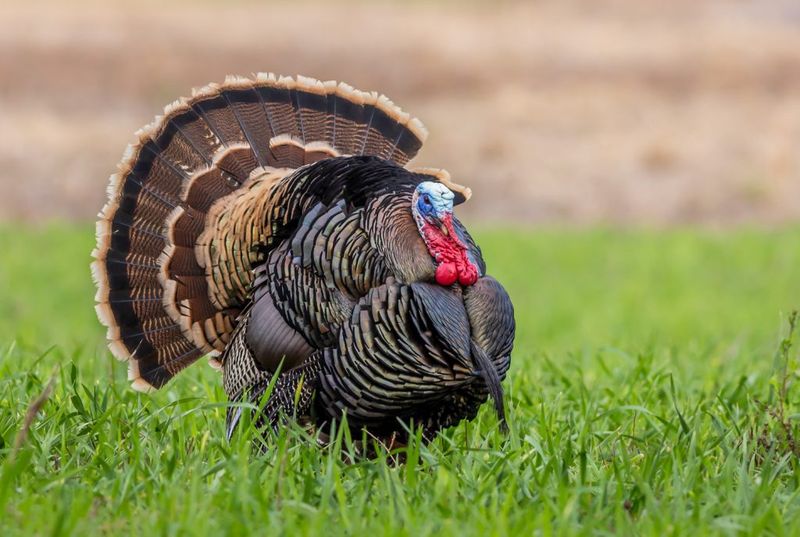
Not all turkeys are exactly alike, and Texas is home to more than one kind. Knowing which one strolled through your yard makes the sighting even more fun.
The Rio Grande turkey is the most common type in the state. You will find it across central, south, and west Texas, including the Hill Country.
Look closely at the tail feathers for a clue. Rio Grande turkeys have tan or buff-colored tips, almost like the ends were dipped in coffee with cream.
In the piney woods of East Texas, you might spot an Eastern wild turkey instead. Their tail tips are a darker chocolate brown, and they usually stick to forested areas.
A few Merriam’s turkeys live in the far western mountains. Their tail tips are nearly white, making them look extra fancy.
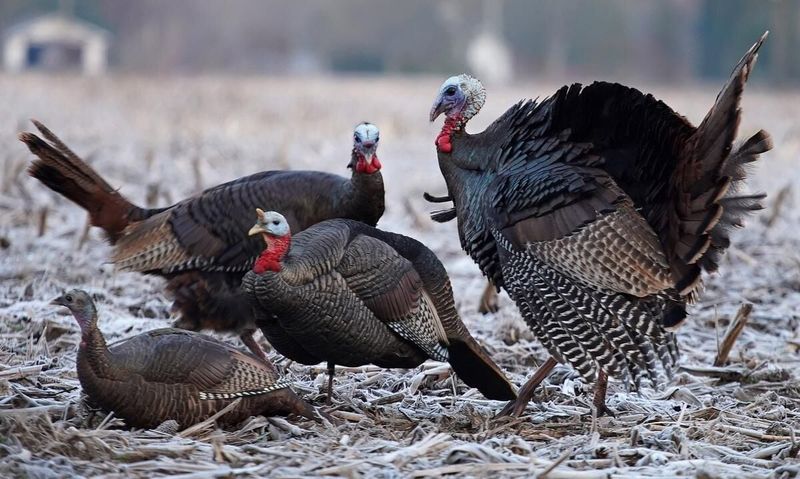
Telling males from females is easier. Toms have bright red and blue heads, a long beard of hair-like feathers on the chest, and they puff up to show off.
Hens are smaller and duller, with brownish feathers that help them hide. Young males, called jakes, have short beards and a slightly awkward teenage look.
Try snapping a photo and comparing it with a field guide or a bird app. Pretty soon, you will be the neighborhood turkey expert.
7. Protect Your Garden Without Stress
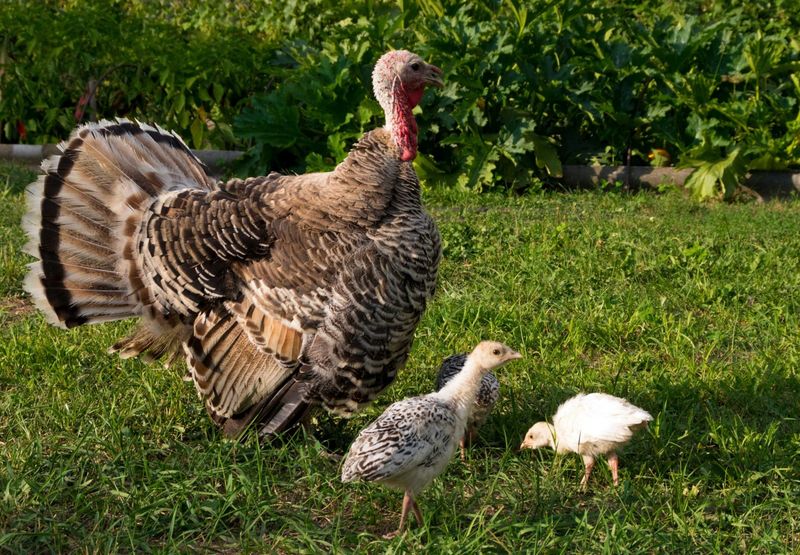
Okay, let’s be honest for a moment. As charming as turkeys are, they can scratch up flower beds faster than a toddler with a sandbox shovel.
Fall gardens in Texas often hold lettuce, spinach, and fresh mulch. Turkeys may dig through it all hunting for bugs and seeds.
Good news, though, there are gentle ways to protect your plants. Lightweight bird netting or chicken wire around raised beds works surprisingly well.
Motion-activated sprinklers are another favorite trick. A quick splash startles turkeys without harming them, and they usually learn to steer clear.
Try covering fresh seed beds with a thin layer of straw or row cover. That keeps curious beaks from finding tiny sprouts right away.
Keep pet food and fallen fruit picked up too. Less free food means fewer reasons for turkeys to linger all afternoon.
If a bird gets bold, stand tall and wave your arms or open an umbrella. Most turkeys will waddle off quickly once they realize you are in charge.
A garden hose on a light spray can also send a clear message. Stay calm and give the bird space to leave, since cornering any wild animal is not a great idea.
With a few smart tweaks, you and your feathered visitors can share the space peacefully.
8. Safe Watching Tips For Texas Families
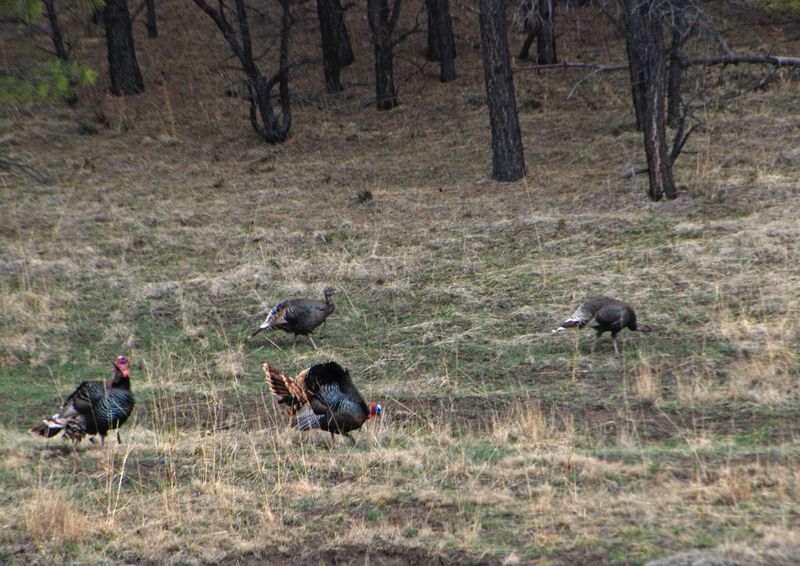
Few things beat the thrill of a child whispering, look, a turkey! Watching these birds can become a favorite fall activity for families all over the state.
Start by keeping a respectful distance. About 30 feet or more lets the birds feel relaxed while you still get a great view.
Binoculars make a huge difference. Even an inexpensive pair lets kids see the shiny feathers, snood, and wattle up close.
Quiet voices and slow movements help too. Turkeys have sharp eyesight, and sudden motions can send them running at up to 25 miles per hour.
Yes, they can fly as well. Wild turkeys often roost in trees at night, flapping up to high branches to stay safe from predators.
Keep dogs inside or on a leash during visits. A barking pup can stress the birds and might get pecked if it gets too close.
Remind everyone not to feed turkeys by hand. Birds that lose their fear of people can become pushy, especially during spring breeding season.
For a fun project, have kids sketch the birds or write a short story about their visitor. You can also report sightings to citizen science apps like eBird, which helps researchers learn more.
These simple moments outdoors build curiosity and create memories that last well beyond autumn.