The Comeback Plant That Handles Texas Heat And Looks Stunning In Pots All Summer Long
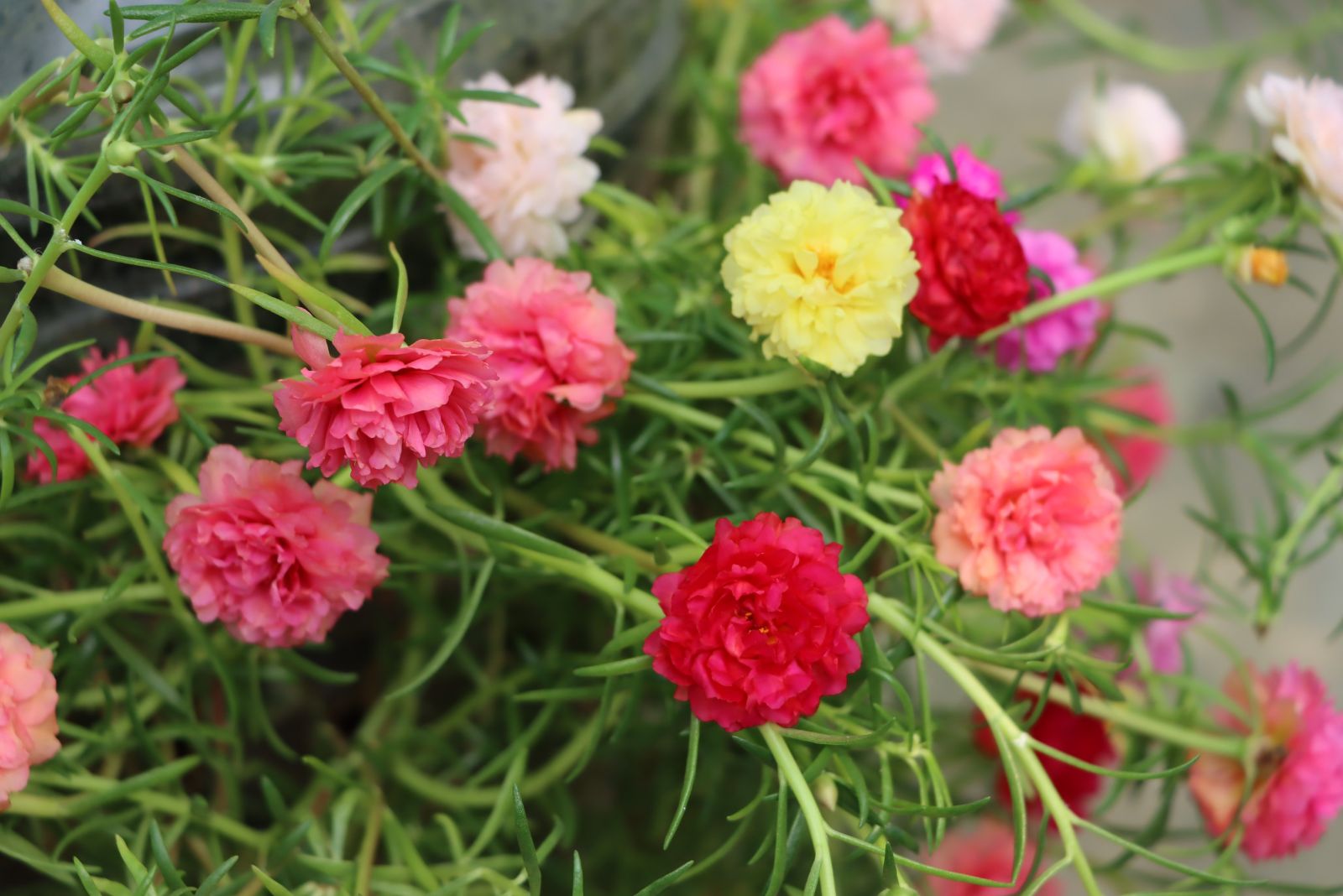
Texas summers have a way of narrowing the container plant conversation down to a short list of survivors, and most gardeners end up rotating through the same predictable options season after season.
There is a plant that has been gaining real momentum in Texas container gardening circles, and the enthusiasm around it is not hard to understand once you see what it does from June through September.
It handles full sun and reflected heat without flinching, stays full and visually interesting through the hottest stretch of the season, and brings a presence to a pot or patio arrangement that makes it the kind of thing people ask about when they visit.
It had a period of being overlooked or dismissed as old-fashioned, but Texas gardeners working with it now are finding that the heat tolerance and visual staying power it offers in a container setting is genuinely hard to match with newer alternatives.
Sometimes the comeback plant earns its second look for very good reasons.
Portulaca, The Sun-Loving Superstar
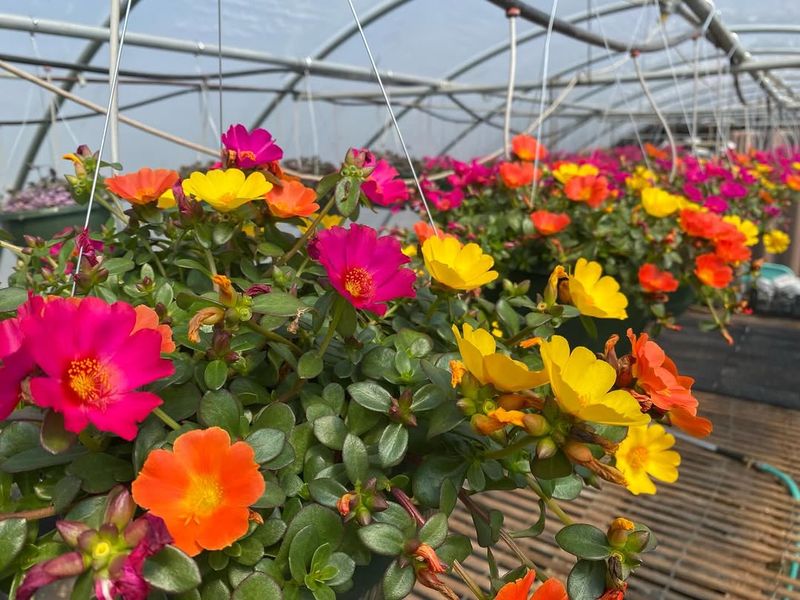
Walk past a pot of portulaca on a blazing Texas afternoon and you will immediately understand why gardeners love it so much. While other flowers droop and fade, portulaca stands tall, flashing its jewel-bright blooms like it owns the summer.
Known by its nickname, moss rose, this plant has been a garden favorite for generations, and for very good reason.
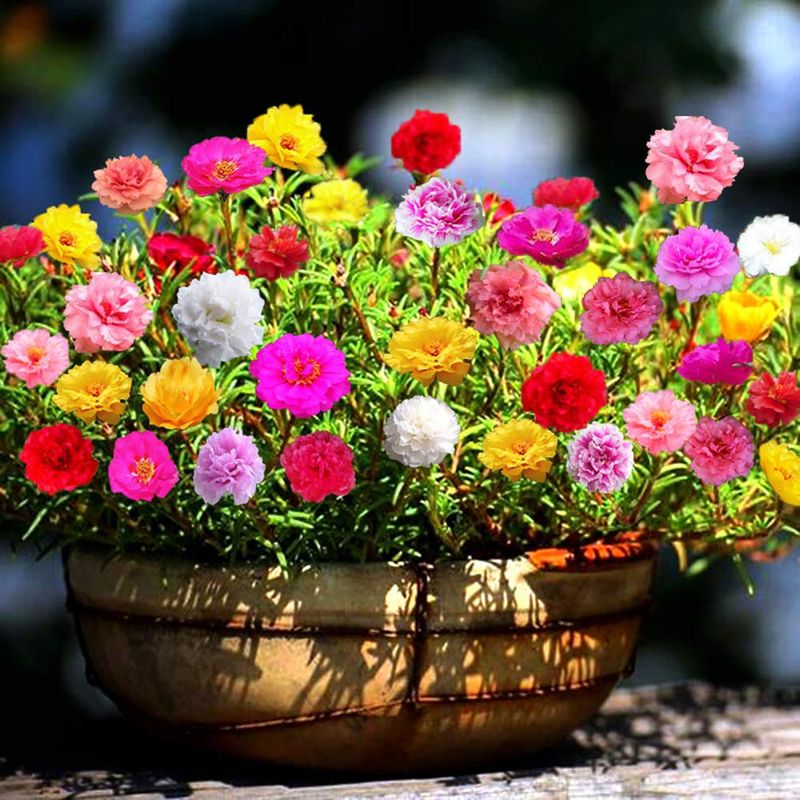
Portulaca is a low-growing annual that rarely gets taller than six inches, but what it lacks in height it more than makes up for in color. Its flowers come in shades of hot pink, coral, orange, yellow, white, red, and lavender.
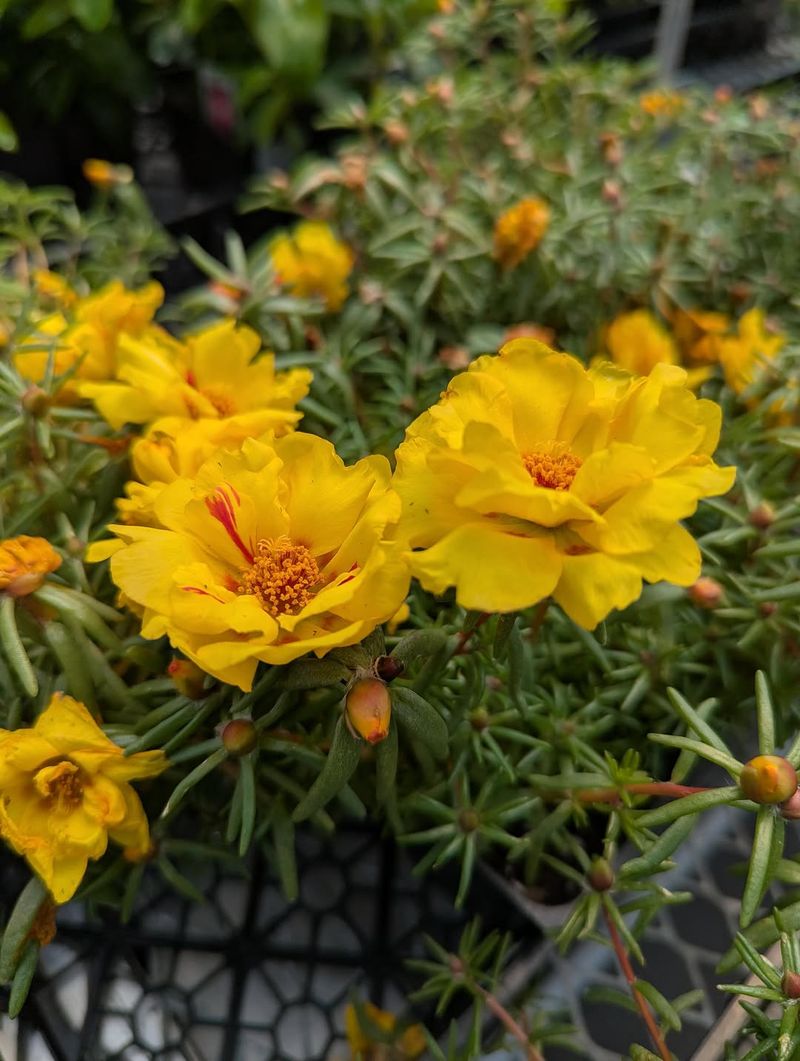
Some varieties even have striped or bicolored petals that look almost too pretty to be real. The leaves are small, thick, and slightly round, almost like tiny green peas lining the stems. That succulent texture is not just for looks.
It is actually the plant’s secret weapon for surviving Texas heat. Those leaves store water, which means portulaca can go longer between waterings than most other flowers.
Fun fact: Portulaca is related to the common garden weed purslane, which is why it is so tough and self-sufficient. Gardeners in hot, dry climates have counted on moss rose for over two centuries because it simply refuses to give up.
Plant it once, give it a sunny spot, and watch it reward you with nonstop color from late spring all the way through the first cool days of fall. It is truly the superstar your summer garden has been waiting for.
Thrives When The Heat Is On
Most gardeners in Texas have a story about a flower that looked great in spring and then completely fell apart by July. Petunias get leggy.
Impatiens turn to mush. Even marigolds can struggle when temperatures push past one hundred degrees.
Portulaca, on the other hand, seems to wake up and get more energetic as the heat climbs higher.
The reason portulaca handles extreme heat so well comes down to its biology. It uses a special type of photosynthesis called CAM, or Crassulacean Acid Metabolism, which allows it to open its pores at night instead of during the day.
Your Texas Garden Changes Every Week. Your Plan Should Too.
Gardening in Texas changes quickly throughout the season. Every Friday you’ll receive a simple weekly plan showing exactly what to plant, prune, fertilize, harvest, and protect so you never miss the right timing.
That means it loses far less moisture during those scorching afternoon hours when other plants are basically sweating themselves out.
Full sun is not just something portulaca tolerates. It is something portulaca genuinely needs to perform its best.
Give it at least six to eight hours of direct sunlight daily, and the blooms will be bigger, brighter, and more plentiful. Put it in a shady spot and it will actually produce fewer flowers and look a bit sad.
Compared to shade-loving or cool-season flowers, portulaca is in a completely different league when it comes to summer stamina.
Gardeners in San Antonio, Austin, Dallas, and Houston have all discovered that portulaca is one of the very few plants that gets better looking as summer gets more intense.
When the whole neighborhood garden looks tired and washed out, a pot of portulaca will still be putting on a show. That kind of reliability is priceless in Texas heat.
The Drought-Proof Bloomer
Forget to water your garden for a week during a Texas August? Most plants will not forgive you.
Portulaca will barely notice. This remarkable little plant stores water right inside its own leaves and stems, functioning almost like a tiny living canteen.
That built-in water storage system is what makes it so incredibly drought-tolerant compared to almost any other flowering annual you can name.
The thick, fleshy leaves you see on portulaca are packed with moisture-holding cells. When rain is scarce and the soil dries out fast, the plant simply draws on those internal reserves to keep its flowers going.
It is the same survival strategy used by cacti and other desert plants, just packaged in a much prettier, flower-covered form.
For busy gardeners or people who travel during the summer, portulaca is basically a dream come true. You do not need to set up elaborate irrigation systems or ask a neighbor to water every other day.
A good soak once or twice a week is usually plenty, and in some cases, even less is fine depending on your soil and pot size.
One important tip: portulaca actually prefers lean, sandy, or well-draining soil over rich, heavy soil. Too much moisture sitting around its roots can cause more problems than too little water.
If you are planting in pots, use a cactus or succulent mix for the best results. That simple soil swap can make a huge difference in how well your portulaca performs all season long. Fewer worries, more blooms, and a happier garden with almost no effort required.
Continuous Color Explosion
Imagine stepping outside every single morning from May through October and finding fresh, colorful flowers waiting for you. That is exactly the kind of experience portulaca delivers when it is happy.
Unlike some plants that bloom for a few weeks and then call it quits, portulaca is a non-stop color machine that just keeps going and going all season long.
Each individual flower on a portulaca plant only lasts about one day, opening wide in the morning sunshine and closing up by evening. But the plant produces so many buds at once that you would never know any single bloom had a short lifespan.
New flowers open every morning to replace the ones that finished, creating a seamless wave of color that never seems to stop.
Want to encourage even more blooms? Lightly trimming back the tips of the stems every few weeks can actually push the plant to branch out more and produce additional flower buds.
It does not take much effort at all. Just a quick pinch or snip here and there, and the plant responds by going into overdrive with new growth and more color.
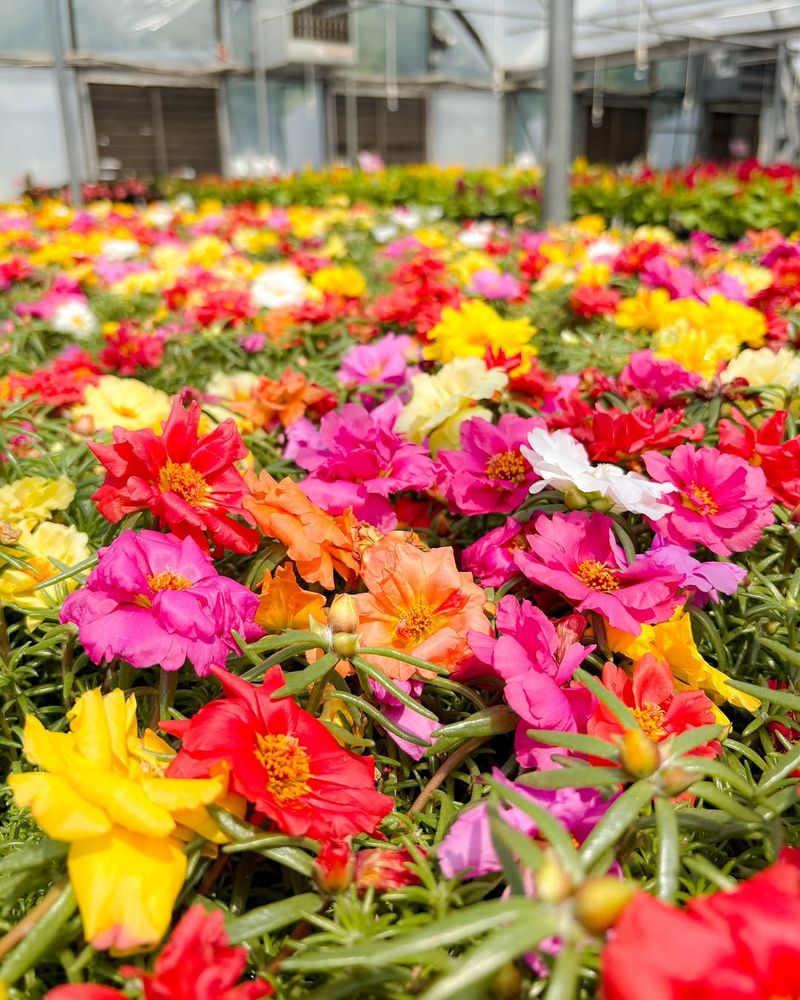
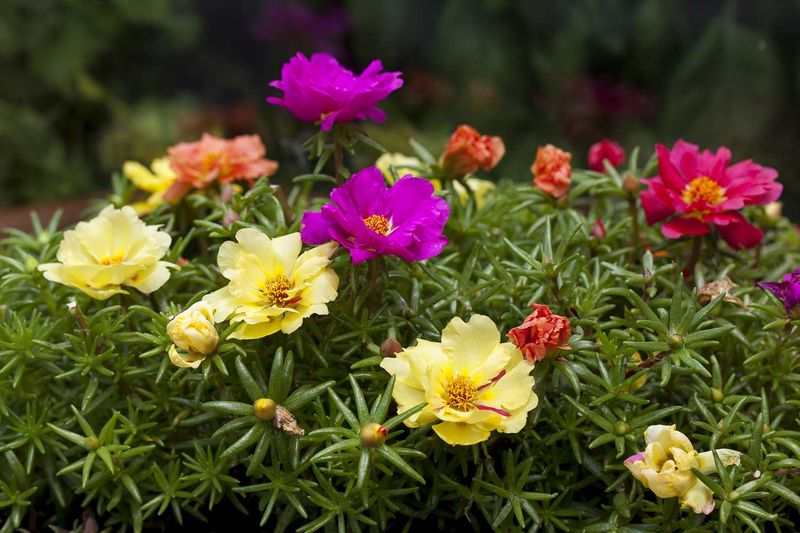
The color range available in portulaca varieties today is genuinely impressive. You can find solid shades of cherry red, golden yellow, hot orange, soft lavender, and creamy white.
Mix several colors together in one pot and you get a living bouquet that changes slightly every day as new flowers open.
Nurseries across Texas stock portulaca all summer, so you can add more plants mid-season if you want to refresh the look of your containers or borders anytime.
Low-Maintenance Magic
Not everyone has hours to spend in the garden every weekend, especially during a Texas summer when just stepping outside feels like opening an oven door.
That is where portulaca really shines as one of the most effortlessly manageable flowering plants you can grow. It asks for very little and gives back an enormous amount of beauty in return.
One of the biggest time-savers with portulaca is that it does not require deadheading. Deadheading means removing faded flowers by hand to encourage new growth, and it can be a tedious chore with other plants.
Portulaca handles that process on its own. Old flowers drop cleanly and new ones take their place without any help from you at all.
Fertilizing is another area where portulaca keeps things simple. Because it naturally grows well in poor, sandy soils, it does not need heavy feeding.
A light application of a balanced, slow-release fertilizer at planting time is usually all it needs for the whole season. Overfeeding portulaca can actually result in lots of leafy green growth but fewer flowers, which is the opposite of what you want.
Pest problems are also rare with portulaca. Its thick leaves are not particularly appealing to most common garden insects, and it rarely suffers from the fungal diseases that plague other summer annuals in humid conditions.
For apartment dwellers, first-time gardeners, or anyone managing a busy schedule, portulaca in a container on a sunny balcony or porch is about as close to a no-fuss garden as you can possibly get. Simple, stunning, and stress-free all summer long.
Perfect For Pots, Borders, And Hanging Baskets
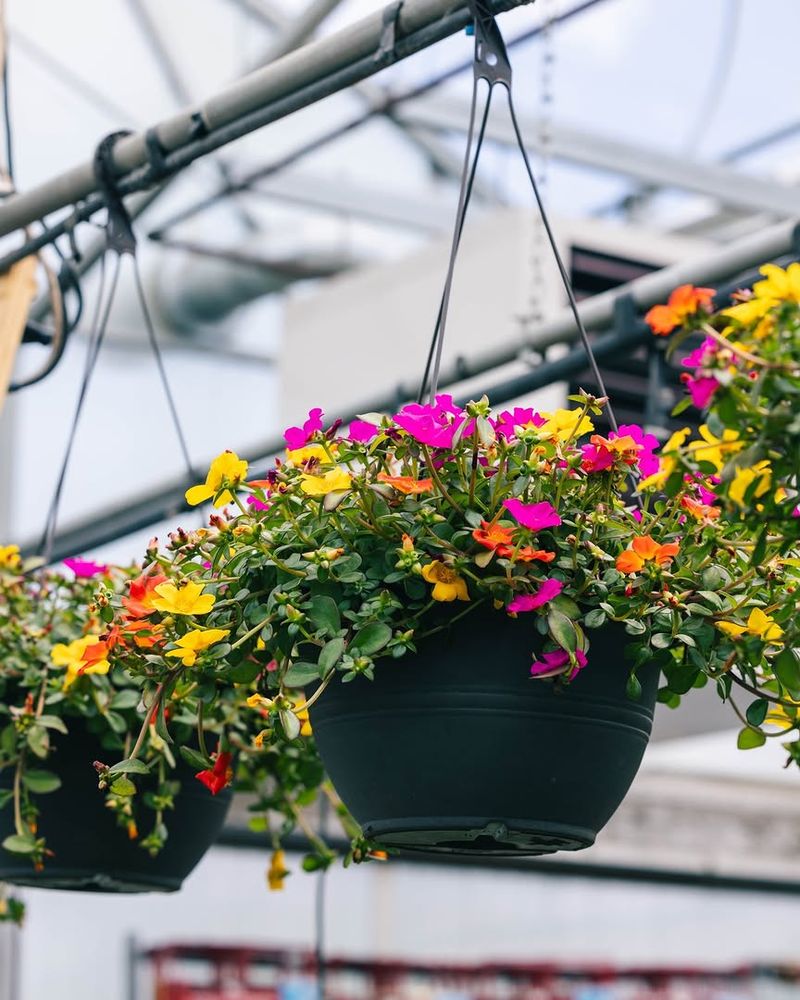
One of the best things about portulaca is how flexible it is when it comes to where you can use it.
Its low, spreading growth habit makes it a natural fit for all kinds of garden situations, from classic terracotta pots on a front porch to hanging baskets dripping with color by the front door. It even works beautifully as a ground cover along the sunny edges of garden beds.
When planting portulaca in containers, drainage is the most important factor to get right. Choose a pot with at least one drainage hole at the bottom, and fill it with a light, gritty mix like a cactus and succulent blend.
Avoid standard potting soil that holds too much moisture, since portulaca roots do not enjoy sitting in wet conditions for extended periods.
Spacing matters too. Plant portulaca about six to eight inches apart in containers or borders to give each plant enough room to spread and fill in nicely.
Crowding them too close together can reduce airflow and lead to leggy growth. Give them a little breathing room and they will reward you with a fuller, more lush appearance by midsummer.
For companion plants that pop alongside portulaca, consider pairing it with ornamental grasses, lantana, or dusty miller. The contrasting textures make the bright portulaca blooms stand out even more.
In hanging baskets, try mixing two or three different portulaca colors together for a cascading rainbow effect that catches every eye.
Whether you are decorating a patio, a balcony, or a garden bed edge, portulaca brings effortless, stunning style to any sunny spot in your Texas landscape.