8 Easy To Grow Perennials Every Low Effort North Carolina Gardener Should Have
Not every North Carolina garden needs constant deadheading, dividing, and fussing to look full and colorful year after year.
A handful of tough, dependable perennials thrive on genuine neglect, establishing quickly and returning reliably each spring without much more than an occasional cutback.
These plants tend to tolerate a wide range of soil types and rainfall swings, which matters a lot given how unpredictable North Carolina weather can be from one season to the next.
Because they’re chosen specifically for resilience rather than showiness, they still manage to deliver plenty of color and structure without demanding the attention fussier varieties require.
For gardeners who want a beautiful yard without treating it like a second job, these eight perennials offer a genuinely low-effort path to real results.
1. Black-Eyed Susan Blooms Through The Summer Heat
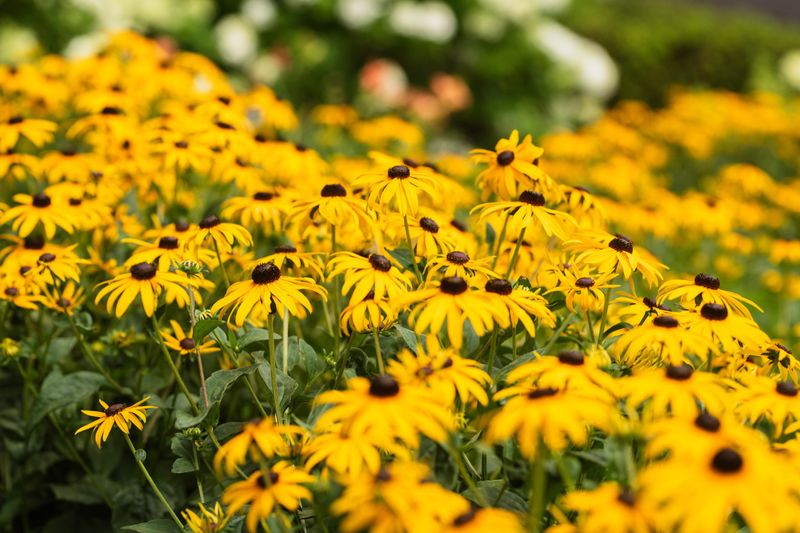
Few flowers shout summer quite like a patch of golden black-eyed Susans glowing along a sunny fence.
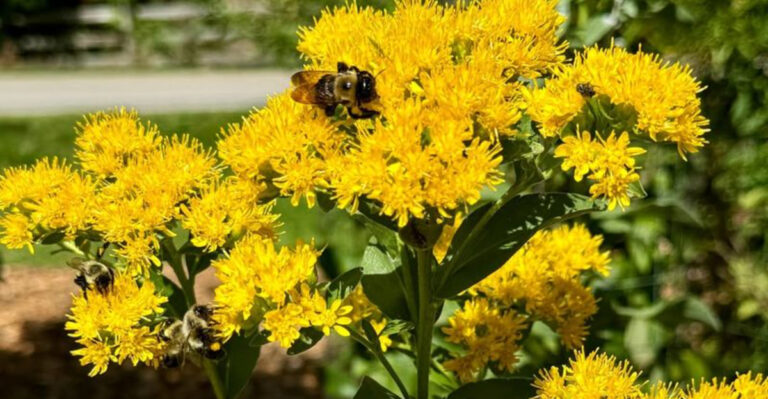
Orange coneflower (Rudbeckia fulgida) grows wild in North Carolina, so it already knows how to handle our weather. Its famous cultivar, Goldsturm, is one of the most popular garden perennials in the country.
Bright yellow petals circle dark brown centers from midsummer well into fall. While other plants wilt in July, this one keeps smiling through the heat and humidity.
Over time, it spreads slowly into full, thick clumps that crowd out weeds and need very little attention.
Getting started is simple. Plant in full sun to light shade during spring or fall, when cooler weather helps roots settle in. Water regularly during the first growing season, and after that, rain usually does most of the work.
Skip the fertilizer, because these tough plants do just fine without it. Every three to four years, clumps may get crowded in the middle and bloom less. Dig them up in spring, split them into smaller pieces, and replant or share them with a neighbor.
When fall arrives, resist the urge to tidy up. Leaving the seed heads standing gives goldfinches a tasty snack, and watching them bounce on the stems is a real treat on a chilly morning.
North Carolina gardeners will love how flexible this plant is. It grows in heavy Piedmont clay, sandy Coastal Plain soil, and rocky Mountain ground alike. No matter where you live in the state, it fits right in.
2. Purple Coneflower Handles Drought With Ease
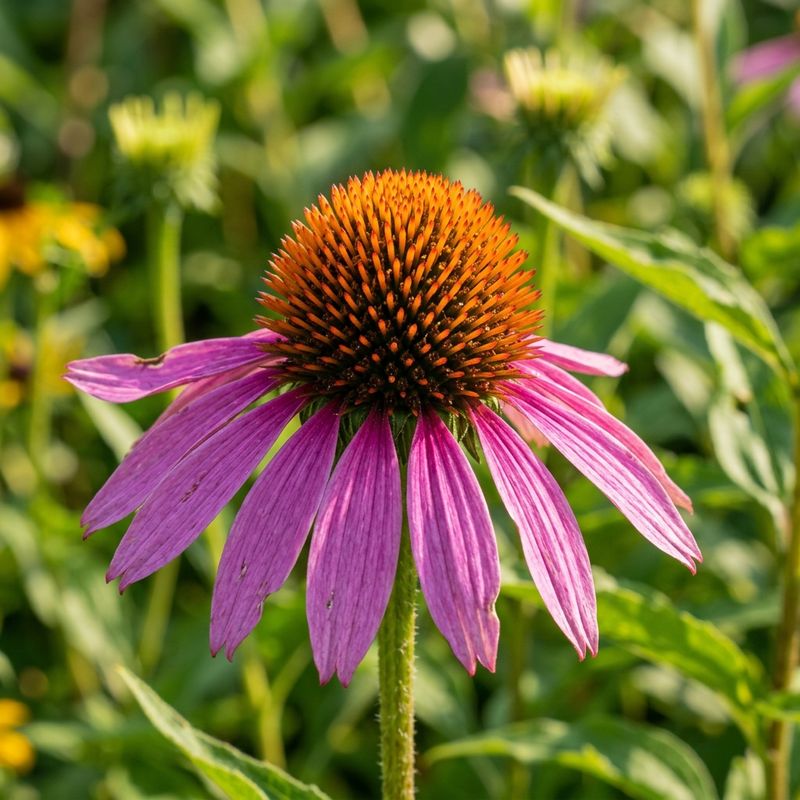
Tough as nails and pretty as a painting, purple coneflower (Echinacea purpurea) is a plant that seems to laugh at dry weather.
Native to the eastern United States, it has been brightening meadows and prairies for a very long time. Many gardeners call it the backbone of a pollinator garden.
From early summer into fall, it shows off pinkish purple, daisy-like flowers with spiky orange-brown centers.
Bees and butterflies crowd around the blooms all season long. Later, birds like goldfinches pick seeds from the cones, so the plant stays busy even after the petals fade.
Why does it handle drought so well? Once established, it sends deep roots down into the soil, where moisture lasts longer during dry spells. That means you can relax when the forecast shows a week with no rain.
Your North Carolina Garden Changes Every Week. Your Plan Should Too.
Gardening in North Carolina changes quickly throughout the season. Every Friday you’ll receive a simple weekly plan showing exactly what to plant, prune, fertilize, harvest, and protect so you never miss the right timing.
Plant it in full sun and well-drained soil for the best results. Water it during the first season while roots grow strong. After that, it mostly takes care of itself.
Here is a surprising tip. Rich soil and heavy fertilizer can actually hurt this plant, causing tall stems to flop over. A little tough love keeps it sturdy and upright.
In fall, leave some seed heads standing into winter for birds and for a bit of garden texture. Coneflowers may also reseed, giving you free new plants.
Across North Carolina, it stands up well to summer heat and dry stretches. Just avoid spots where water puddles after a storm, since soggy soil is the one thing it truly dislikes.
3. Hybrid Daylilies Thrive On Neglect
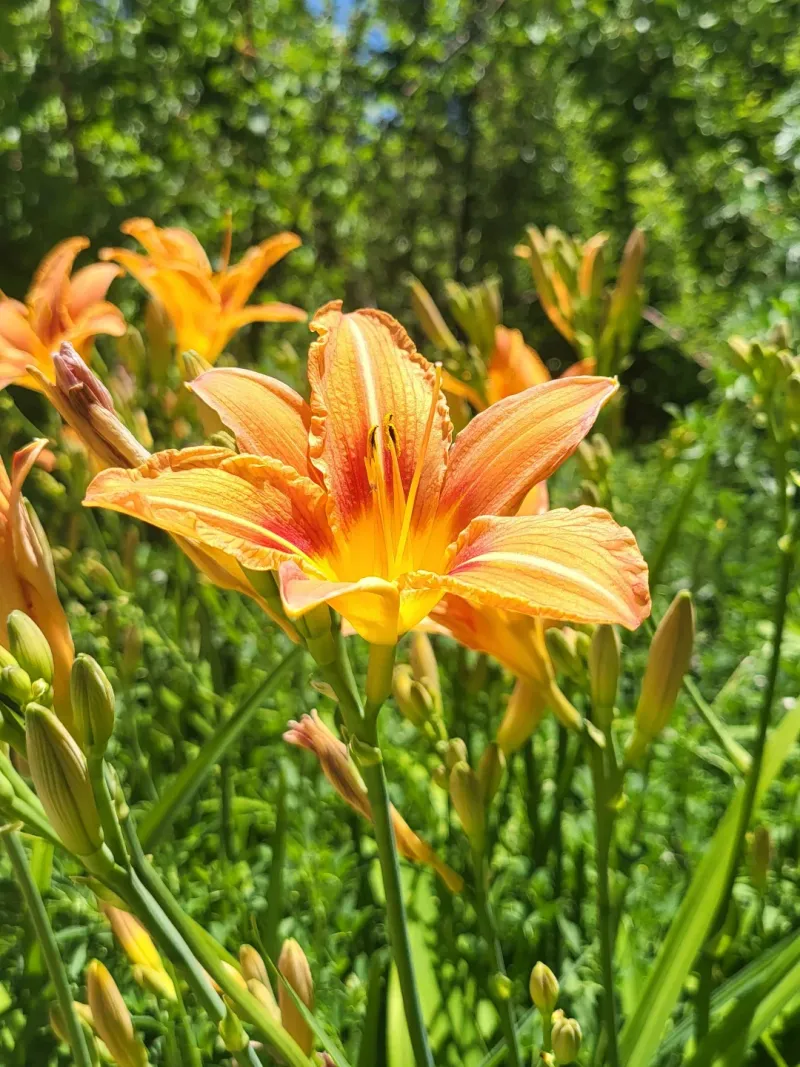
Forget to water for a week? Daylilies will barely notice. Hybrid daylilies (Hemerocallis) rank among the easiest perennials anyone can grow, which makes them a favorite for busy families and first-time gardeners.
Each flower opens for just one day, which is how the plant got its name. Luckily, every stalk holds many buds, so new blooms keep coming.
Reblooming types like the cheerful golden Stella de Oro flower on and off from late spring through summer. These plants handle heat, drought, heavy clay, and poor soil without much complaint.
You can find them in nearly every color except true blue, from soft peach to deep burgundy. There are tens of thousands of named varieties, so picking favorites can be half the fun.
Plant them in full sun to part shade, though more sun usually means more flowers. During the first year, give them a drink during dry spells. Snapping off spent flower stalks keeps them looking neat.
After a few years, clumps get crowded. Dig and divide them in early fall or spring to keep them blooming well. Choose named hybrids instead of the common orange ditch lily, which spreads aggressively and can take over a bed.
Daylilies grow happily in every region of North Carolina, from the mountains to the coast. There is one catch, though. Deer love to nibble the buds, so these plants perform best in fenced yards or areas with low deer pressure.
4. Lenten Rose Brings Blooms To Shady Spots In Late Winter
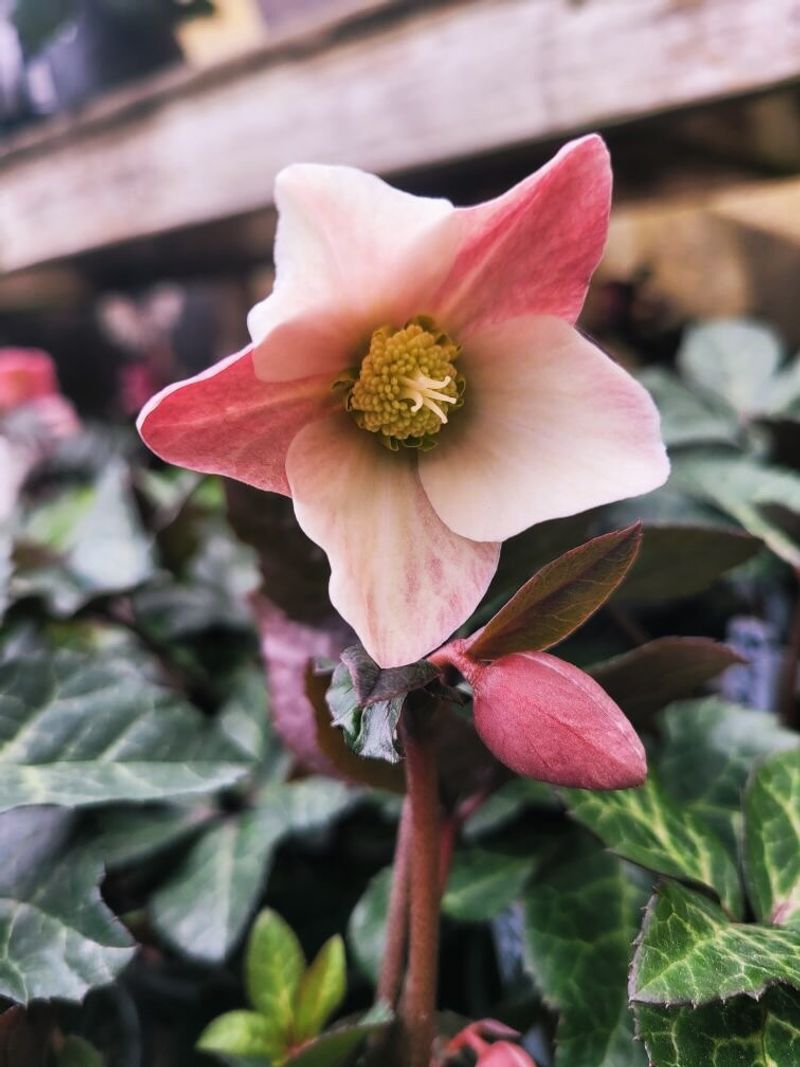
In February, when most gardens look brown and sleepy, the Lenten rose quietly steals the show. Helleborus × hybridus opens its nodding flowers in late winter and early spring, right when you need color the most.
Blooms come in white, pink, purple, green, and sometimes speckled mixes. Tilt a flower up to see its lovely freckled center. Despite the name, it is not a rose at all, but a member of the buttercup family.
Its leathery, evergreen leaves stay green all year, so shady corners never look empty. Even better, deer and rabbits usually leave it alone because the plant is toxic. That is a big bonus for anyone tired of hungry wildlife.
Plant it in part to full shade in rich, well-drained soil. Spread a 2 to 3 inch layer of shredded leaves or bark around it to hold moisture and keep roots cool. Water during long dry spells, especially in summer.
One small chore makes a big difference. In late winter, trim away old, tattered leaves before new flowers push up. The fresh blooms will look cleaner and easier to see.
Patience pays off with this plant. Clumps grow bigger and fuller each year, and seedlings often pop up nearby.
In North Carolina, Lenten roses thrive under deciduous trees in the Piedmont and Mountains, where winter sun reaches them. They also do well in shaded spots across the Coastal Plain, bringing cheer to gray days.
5. Threadleaf Coreopsis Keeps Flowering With Little Help
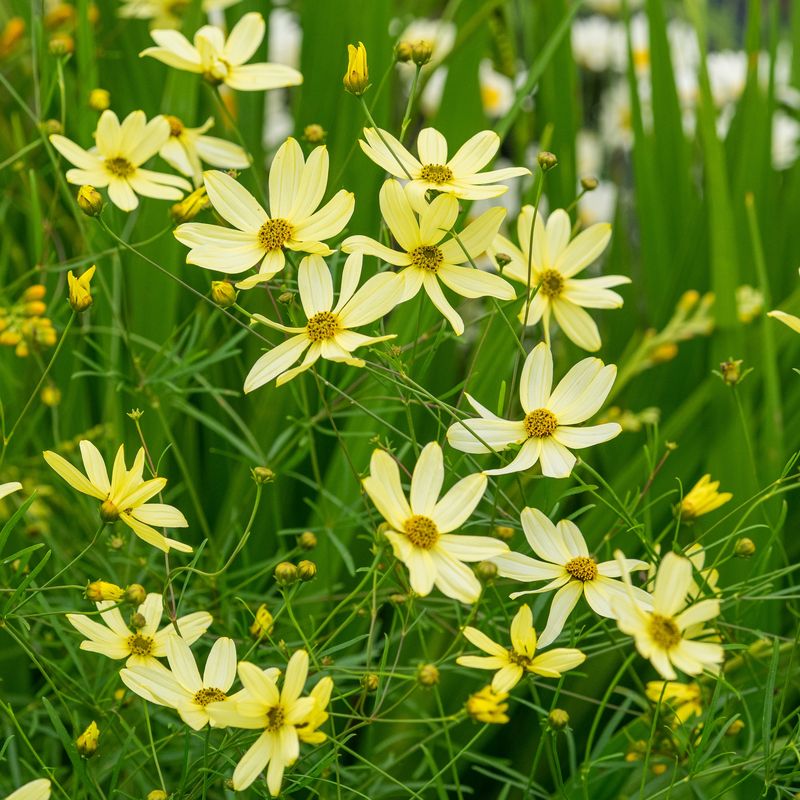
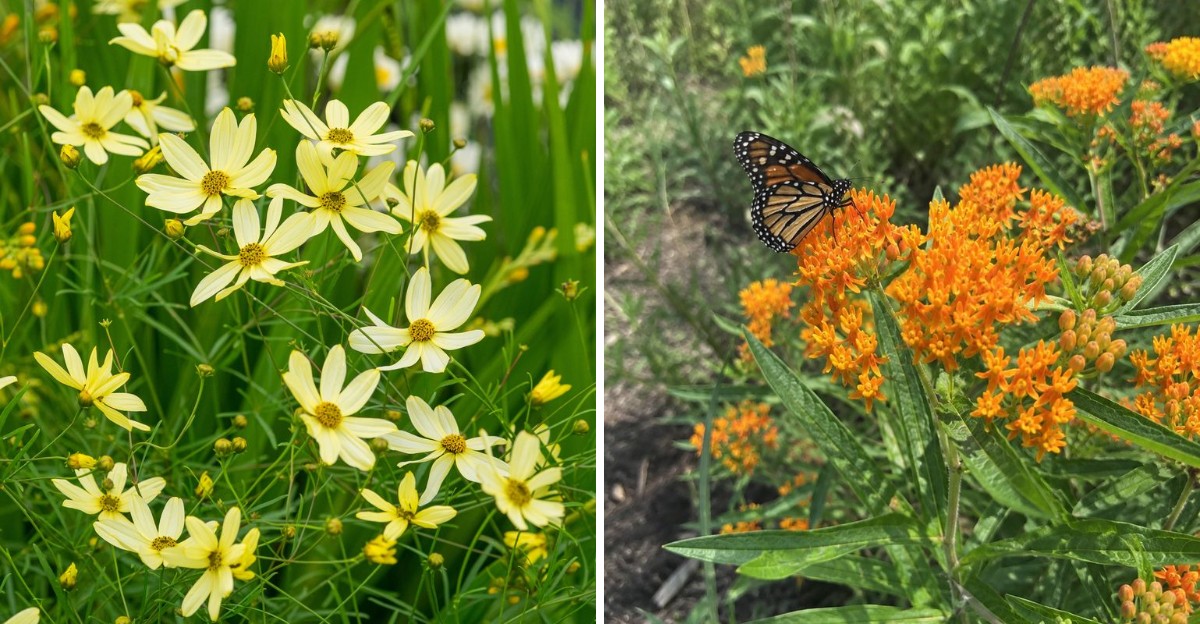
Soft, airy, and covered in tiny stars of yellow, threadleaf coreopsis looks delicate but acts like a champ. Coreopsis verticillata is a native perennial with fine, feathery leaves that almost look like green thread.
The popular cultivar Moonbeam blooms in a gentle, buttery yellow that pairs beautifully with purple and blue flowers. Other types offer brighter gold shades. All of them bloom heavily from early summer into late summer.
Drought does not scare this plant. Once settled, it handles dry weather well and keeps flowering. It also grows into tidy mounds, making it a smart pick for the front edge of a garden bed or along a walkway.
Start with full sun and well-drained soil. Water during the first season so roots can spread. After that, you can mostly let nature take over.
Want more flowers? After the first big flush of blooms fades, shear the whole plant back by about one third. It sounds scary, but within a few weeks, fresh buds appear and a second wave of color follows.
Using hedge shears makes the job quick, since picking off tiny flowers one by one would take forever. Every few years, divide clumps to keep them strong and full.
North Carolina summers suit this plant well. It handles sandy Coastal Plain soils and hot Piedmont afternoons without fuss. Just keep it away from spots that stay wet in winter, because soggy roots can quickly cause trouble.
6. Autumn Joy Sedum Adds Late Season Color
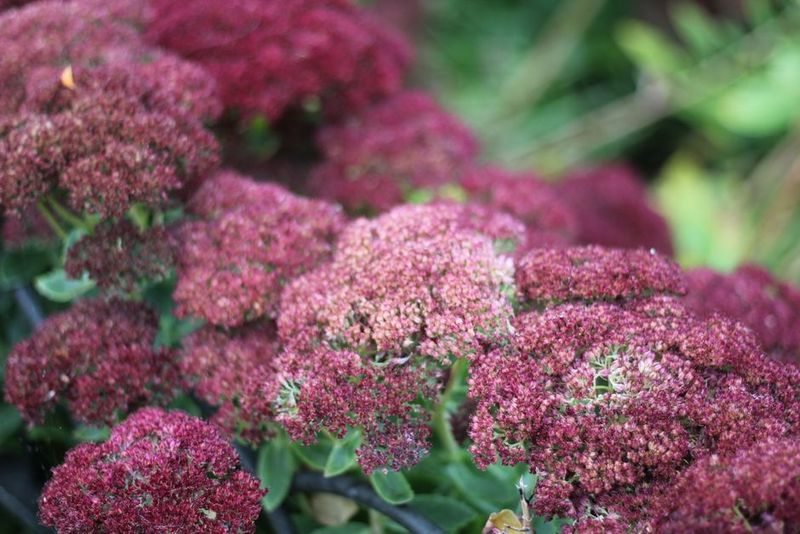
Think of Autumn Joy sedum as a mood ring for your garden. Its broad flower heads start pale green in late summer, turn pink, and then deepen to a rich, rusty red as fall settles in. Watching the colors change is part of the fun.
Hylotelephium ‘Autumn Joy’ is a succulent, which means its thick, fleshy leaves store water. That built-in water tank lets it shrug off drought, heat, and poor soil with almost no help from you.
Late in the season, when many flowers are finished, bees and butterflies flock to its blooms. On a warm September afternoon, a single plant can buzz with activity. It is a simple way to keep pollinators fed as summer winds down.
Plant it in full sun with well-drained soil. Here is the tricky part for eager gardeners: do not fertilize. Rich soil and extra food make the stems flop open in the middle, which looks messy.
A clever trick keeps plants sturdy. In late spring, cut the stems back by about half. The plant grows back shorter and stronger, with more flower heads.
After the blooms dry, leave them standing. They turn a warm brown and look lovely dusted with frost or holding a little snow. Trim them away in early spring before new growth appears.
North Carolina summers can be brutal, but this plant holds up through hot, dry spells with ease. Then, just as fall arrives, it bursts into its best color.
7. Christmas Fern Covers Shade With No Fuss
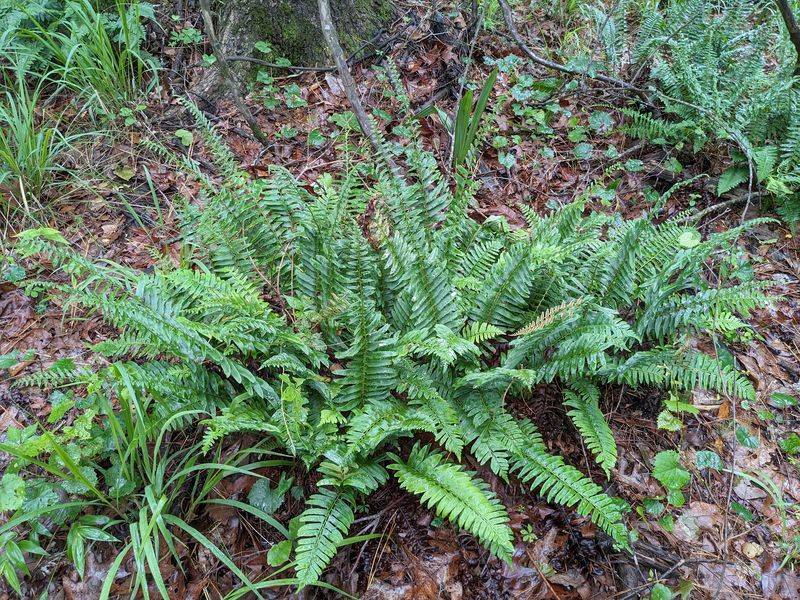
Long before anyone planted a garden, Christmas fern (Polystichum acrostichoides) was already covering North Carolina woodlands. It still grows wild on shaded hillsides across the state, which tells you just how tough it is.
The name comes from its glossy green fronds, which stay green through the holidays. Early settlers used them for winter decorations. Look closely at a single leaflet and you might notice it resembles a tiny stocking or sleigh.
Most ferns sulk in dry shade, but this one handles it better than almost any other. Deer usually pass it by, too. For that dark, tricky spot under trees where grass refuses to grow, it is a real problem solver.
Plant it in part to full shade in soil with some organic matter. A layer of shredded leaves works as perfect mulch, since it copies the forest floor where this fern feels at home. Water during the first season while roots settle in.
Care after that is almost nothing. In early spring, trim away the old, flattened fronds before the new ones unfurl. Those fresh fronds rise as fuzzy, curled fiddleheads, and watching them open is a sweet sign of spring.
Christmas fern forms neat clumps instead of spreading wildly, so it stays where you put it.
From the Mountains through the Piedmont and down into the Coastal Plain, it grows on wooded slopes and in shaded yards. Few plants feel more at home in North Carolina.
8. Butterfly Weed Feeds Monarchs And Handles Poor Soil
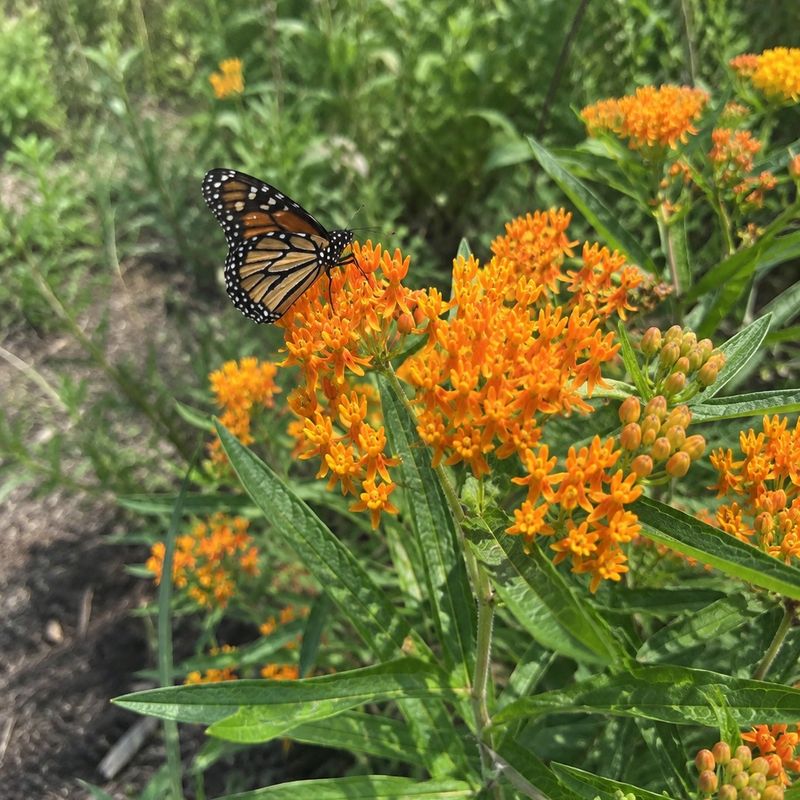
Blazing orange and buzzing with wings, butterfly weed (Asclepias tuberosa) turns a plain sunny spot into a pollinator party. This native North Carolina milkweed lights up summer with bright clusters of flowers.
Monarch butterflies depend on milkweeds to raise their young. The caterpillars eat only milkweed leaves, so planting butterfly weed gives them a place to grow. Bees, hummingbirds, and many other butterflies also sip nectar from the blooms.
Unlike some milkweeds, this one has no milky sap. What it does have is a deep taproot that reaches far down for water. Once established, that root helps it handle drought and poor, sandy soil like a pro.
Start with young plants in full sun and well-drained soil. Choose the spot carefully, because the long taproot does not like being moved later. Think of it as a plant that wants to stay put forever.
Spring requires a little patience. Butterfly weed wakes up later than most perennials, sometimes not showing until late spring. Mark its spot so you do not dig it up by mistake.
When striped yellow, black, and white caterpillars show up, celebrate! They may chew the leaves down, but the plant bounces back, and those caterpillars will soon become monarchs.
In North Carolina, butterfly weed grows naturally in dry fields and sandy areas. It is right at home in the Sandhills and Coastal Plain. Just keep it out of heavy clay that stays wet, since soggy ground is its biggest enemy.