8 California Shrubs That Can Add Fall Color Without Heavy Watering
Cinnamon rust. Holiday red. Golden hour. Polished mahogany.
Those sound like paint colors at a hardware store. In reality, they describe a California yard in October, and none of them came from a can.
Many people link bright fall color to maple leaves in New England. Crisp air, cozy sweaters, a thousand postcards. California rarely gets that kind of credit. Summers run long and dry, and plenty of yards look a little tired by autumn.
So could a dry garden steal some of that spotlight?
A handful of hardworking plants say yes. They shrug off the heat. They sip water and skip the big gulps.
Then, right when everything else fades, they put on a show. Some use berries. Some use seedheads. One or two rely on something many people rarely think to notice.
The best part? Your hose gets a well-earned break. And the water bill shrinks right along with it.
Ready to see which plants bring the color? Keep your sunglasses handy. Things are about to get bright.
1. Toyon Trades Summer Flowers For Red Berries
Long before anyone strung holiday lights, California hillsides had their own red decorations.
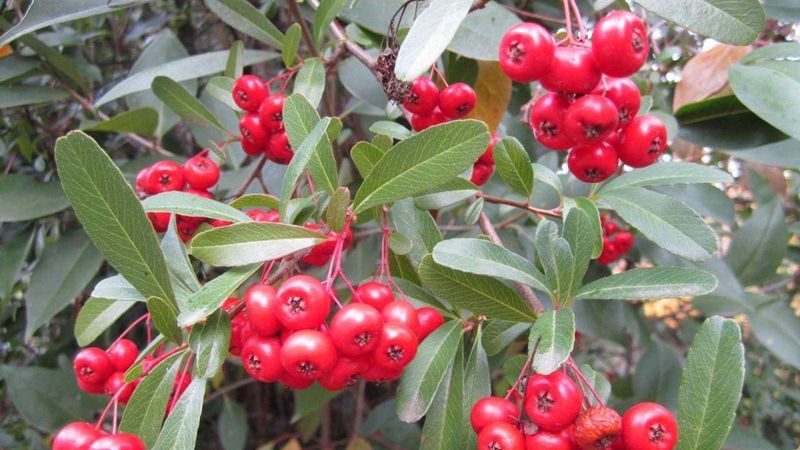
Toyon, sometimes called Christmas berry or California holly, deserves the credit. Some people even say Hollywood got its name from this native shrub.
The color show unfolds slowly. In early summer, toyon covers itself in flat clusters of small white flowers that bees love.
Over the following months, those flowers turn into green berries. By late fall and winter, the berries ripen to bright red. The leaves stay dark green all year, so all the color comes from the fruit.
Toyon ranks among the toughest natives around. Its roots usually need two or three years of regular deep soaks to settle in. After that, it gets by on very little summer water. In many coastal and valley gardens, an occasional deep drink through a long dry spell is plenty.
Now resist the urge to spoil it, because too much summer water can actually cause problems. This shrub prefers tough love.
Give it room to grow. Toyon can reach six to fifteen feet tall and nearly as wide. That makes it a great screen or backyard hedge. It handles full sun or part shade and most soil types, as long as water drains well.
Robins, cedar waxwings, and mockingbirds often flock to ripe berries in winter. Enjoy the view early, before the feathered crowd arrives and clears the buffet.
2. Western Redbud Turns Gold Without Much Water
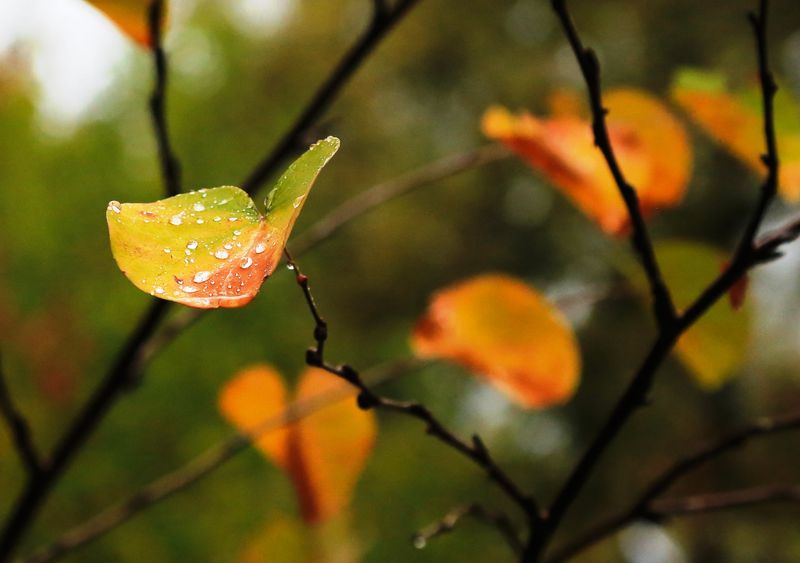
Ask California gardeners about native plants with real autumn leaf color, and western redbud comes up fast. Plenty of low-water shrubs stay green all year. This one actually changes its leaves before it drops them for winter.
The show depends a bit on location. Round, heart-shaped leaves usually turn yellow in fall. Colder inland areas can add orange or reddish tones. Gardens with chilly nights tend to get brighter color than mild coastal yards, so expect some variety from year to year.
Your California Garden Changes Every Week. Your Plan Should Too.
Gardening in California changes quickly throughout the season. Every Friday you’ll receive a simple weekly plan showing exactly what to plant, prune, fertilize, harvest, and protect so you never miss the right timing.
In early spring, bare branches burst with magenta-pink flowers before the leaves appear. Flat seed pods follow and turn purple to brown. Many hang on into fall for extra texture.
Western redbud grows wild in dry foothills, so its water needs stay modest. Once established, it usually needs only an occasional deep soak through summer.
Young plants need more help for their first couple of years. Good drainage matters a lot, since soggy soil can lead to root trouble.
Plan for a plant that can act like a large shrub or small tree, often ten to twenty feet tall. It likes full sun to light shade. Some winter cold actually helps it bloom well. Remove a few lower branches to shape it into a lovely multi-trunk form.
Now choose the spot like a photographer would. Plant it where morning or evening light hits the leaves. Golden foliage in low autumn sun could make even your phone camera look like a pro.
3. California Buckwheat Shifts Into Rusty Tones
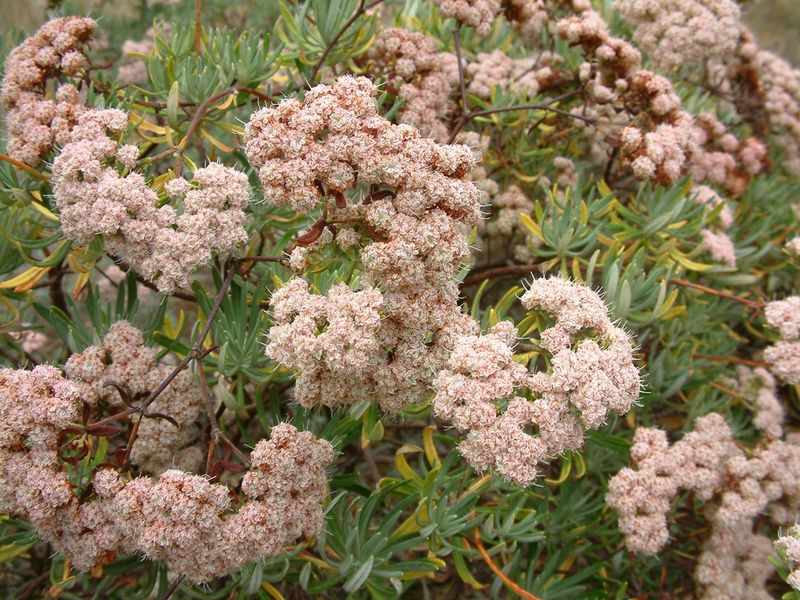
Some plants fade out quietly at the end of summer. California buckwheat does the opposite and simply changes outfits.
From late spring through summer, this rounded shrub wears fluffy clusters of tiny white to pale pink flowers. Pollinators go wild for them. It ranks among the best native plants for bees and butterflies.
As the heat builds and the flowers dry, they shift to tan. Then they deepen into rust and cinnamon brown. By fall, the whole plant can look dusted in warm spice colors, like a pumpkin latte in shrub form.
That color comes from dried flowers and seedheads, not leaves. The small, narrow leaves stay gray-green and make a nice backdrop. Many gardeners leave the seedheads on through fall. They look great and feed small birds like finches and sparrows.
Now prepare to put the hose away, because this plant barely needs it. California buckwheat thrives on coastal slopes and inland hills with almost no summer rain. After its first year, many plants need little to no summer water. Too much can even shorten their lives.
Sun and drainage are the keys. Plant it in full sun with fast-draining soil, and skip rich compost. It usually grows two to four feet tall and wider across.
A light trim in late fall or winter removes old flower stems and keeps things tidy. Stay out of old woody stems, since they may not sprout back well. Your buckwheat prefers a trim, not a buzz cut.
4. Smoke Bush Delivers Color On Minimal Irrigation
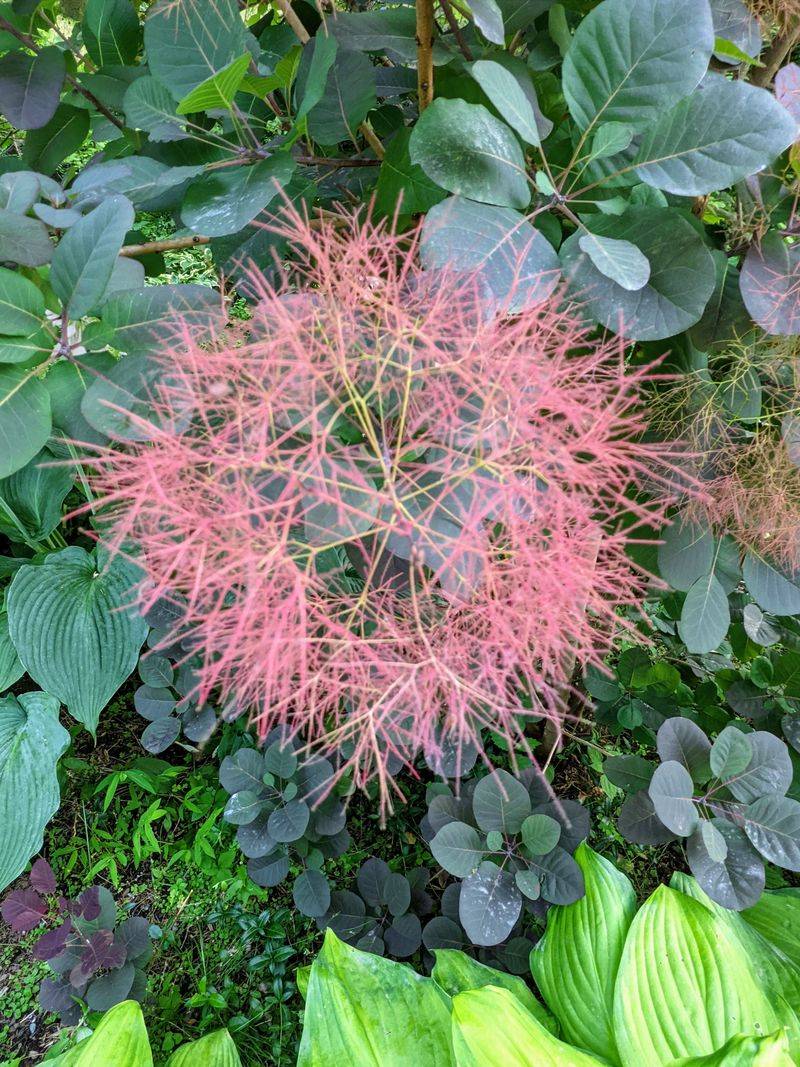
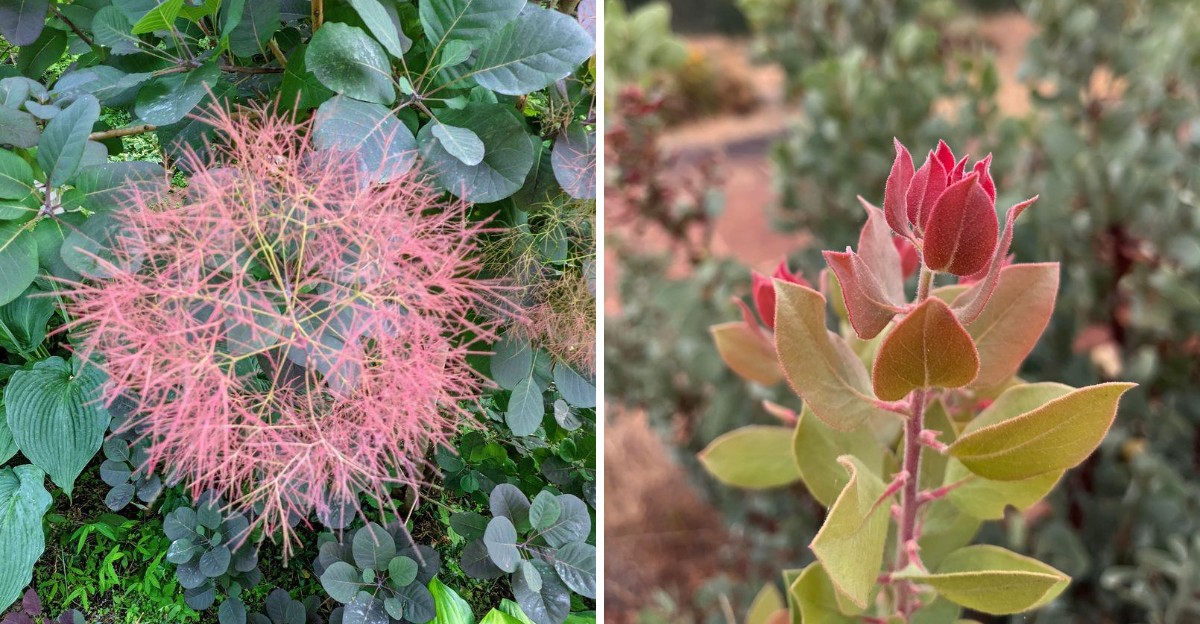
A pink haze floats over this shrub in summer. Then, in autumn, its leaves seem to catch fire with orange and red. It earns its spot with both tricks.
Common smoke bush, Cotinus coggygria, is not a California native. It hails from southern Europe and Asia. Still, it has a long history in California gardens and handles dry summers well once settled.
The name comes from fuzzy flower stalks that appear in late spring and summer. After the tiny flowers fade, feathery hairs puff out and create that smoky look.
In fall, the real color arrives. Leaves shift to yellow, orange, red, or purple, depending on the variety. Purple-leaf types like ‘Royal Purple’ often turn deep red.
The water routine stays simple after the first couple of years. Young plants need regular deep soaks to build roots.
Established shrubs usually get by with an occasional deep drink in summer. They dislike wet feet, and too much water or rich soil can mean floppy growth and weaker color.
Now decide what matters most to you, because this shrub offers a fun trade-off. It can grow ten to fifteen feet tall, but a late-winter trim keeps it smaller. Hard cuts bring bigger leaves but fewer smoky plumes.
Full sun brings out the boldest color. Very mild coastal spots may see duller leaves, while inland gardens with cool fall nights often get the brightest show.
Where there is smoke, there is fire, at least in the leaf department.
5. Sugar Bush Holds Its Own Through Dry Fall
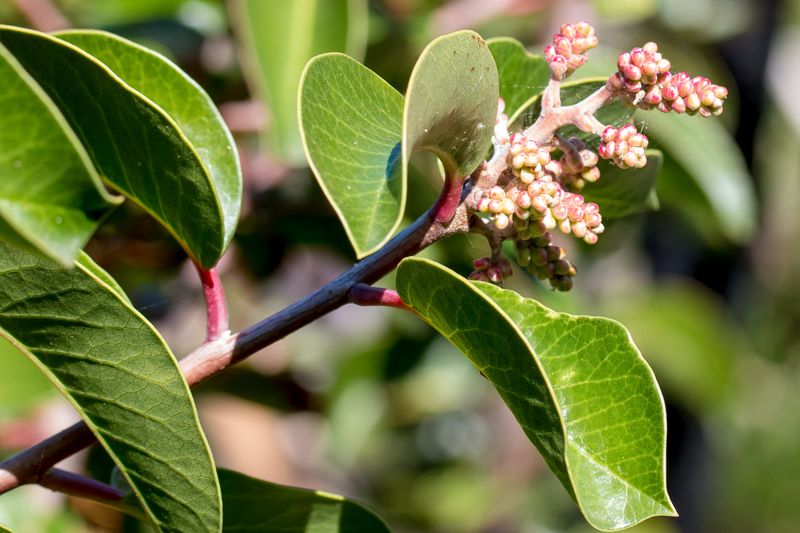
Not every shrub needs to change color to stand out in autumn. Sugar bush, Rhus ovata, simply stays healthy while so much around it looks worn out.
Sugar bush is evergreen, so its leaves do not turn red or gold in fall. Instead, thick, shiny, leathery leaves stay deep green through the hottest, driest months.
The stems often carry a reddish tint. By late fall or winter, clusters of reddish flower buds begin to form and add small pops of color.
Those buds open in late winter to spring as little pink to white flowers. Sticky reddish fruit follows in summer.
Now for a sweet bit of history, and it explains that sugary name. Native peoples once used the coating on the fruit to make a sweet drink. Nature, apparently, invented lemonade stands long before kids did.
Once established, sugar bush often needs little to no summer water, especially in inland Southern California. Regular summer water can actually invite root rot and shorten its life. Fall is the best time to plant, so winter rains help roots grow.
It can reach eight to twelve feet tall and wide, with a dense, rounded shape. That makes it handy for a fence screen, a windbreak, or soil control on a slope. Full sun and fast-draining soil suit it best.
Sugar bush plays the steady friend in your fall garden. It keeps things calm and green so the brighter plants can take their bows.
6. Coyote Brush Blooms When Little Else Does
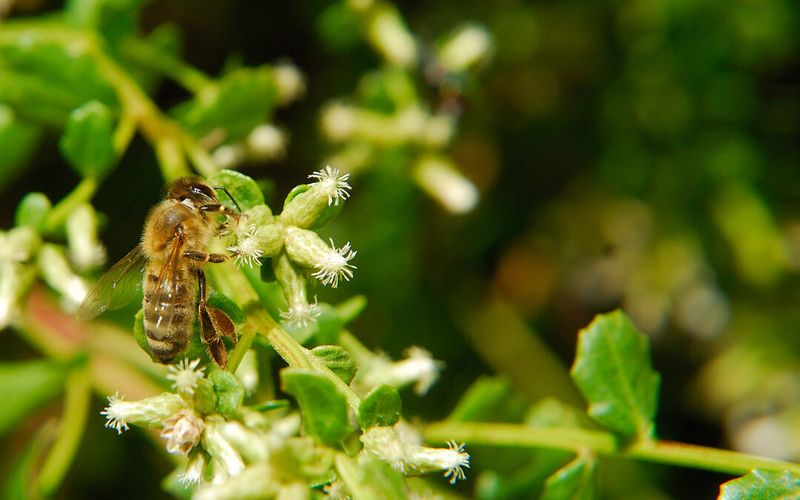
By late fall, most native plants are resting. Coyote brush picks that exact moment to bloom, and pollinators seem to find it right away.
Its flowers will not win any beauty contests. They form small, creamy clusters from late summer through fall and even into early winter.
Now for a fun bit of plant trivia to share at dinner. Coyote brush plants are either male or female. Female plants make fluffy white seed tufts that can make the whole shrub look lightly frosted. Male plants carry yellowish flowers instead.
That bloom schedule matters a lot for wildlife. Bees, flies, butterflies, and beneficial insects visit when food runs scarce. The dense branches also shelter birds and lizards.
Water needs stay very low. Coyote brush grows wild along the coast and in inland hills. Once established, it usually needs little or no summer water. It handles wind, poor soil, and salty air better than many shrubs.
Two main forms are worth knowing. Upright types can grow six to ten feet tall. Low groundcover types, such as ‘Pigeon Point,’ stay about one to two feet high and spread wide. The low types shine on slopes and big open areas.
Some gardeners find the seed fluff messy. Male groundcover varieties skip the fluff entirely. A late-winter trim keeps the plant neat and fresh.
It blooms when the rest of the garden naps. Talk about a shrub that loves the late shift.
7. California Wild Rose Offers Fall Hips
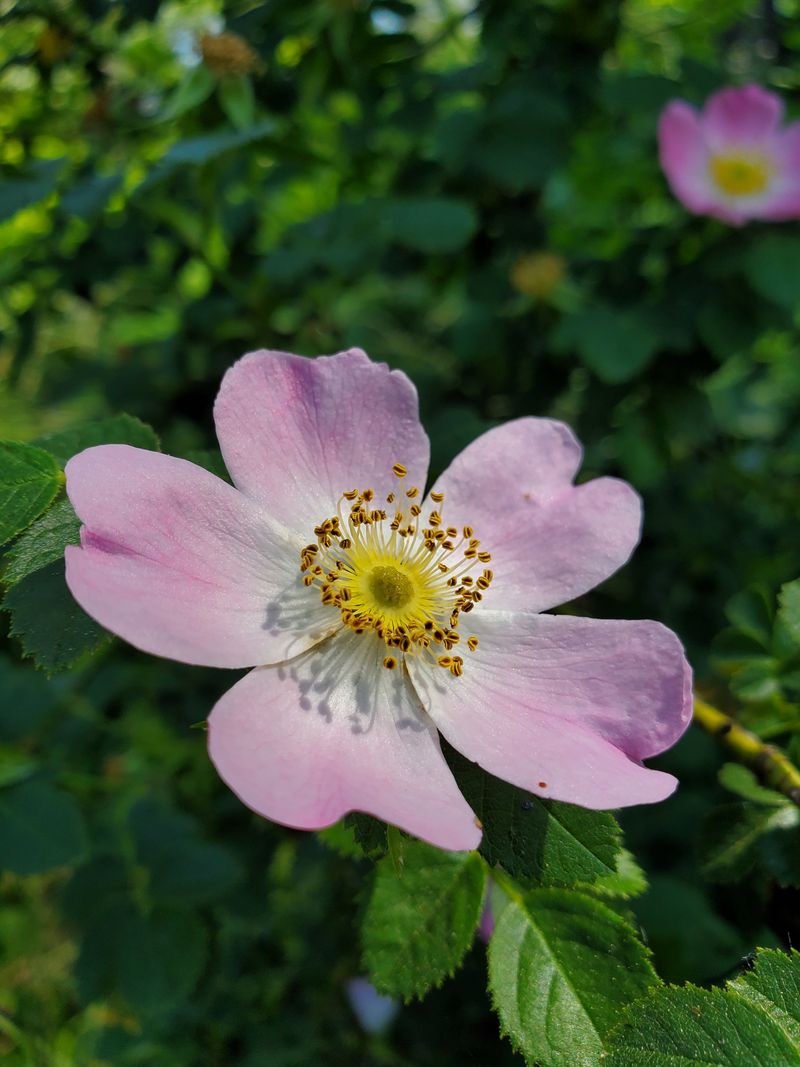
Forget the high-maintenance roses that demand sprays and constant attention. California wild rose, Rosa californica, is the laid-back cousin that shows off best after its flowers finish.
In spring and early summer, it opens simple pink flowers with five petals and a sweet scent. As the season rolls on, those blooms turn into round rose hips.
By late summer and fall, the hips ripen to bright red or orange-red. Many stay on the stems into winter. Some leaves may turn yellow before they drop, but the hips steal the show.
Wildlife adores this plant. Birds eat the hips through fall and winter. The prickly, tangled stems make a safe hideout for quail and songbirds. Native bees visit the spring flowers too.
People have brewed rose hip tea for a very long time, since the hips are rich in vitamin C.
Now for a small water note, because this rose plays by slightly different rules. In the wild, it often grows near streams. That means it likes a bit more water than buckwheat or sugar bush.
Once established, it still handles dry summers with an occasional deep soak. Very dry spells may push it into semi-dormancy.
Be ready for a bit of a spread. Underground runners help it form a thicket three to six feet tall. That suits a wildlife hedge or back corner, not a tiny bed.
Plant it in sun or part shade. Then leave the hips alone, because the birds already made dinner reservations.
8. Manzanita Adds Bark And Berry Interest
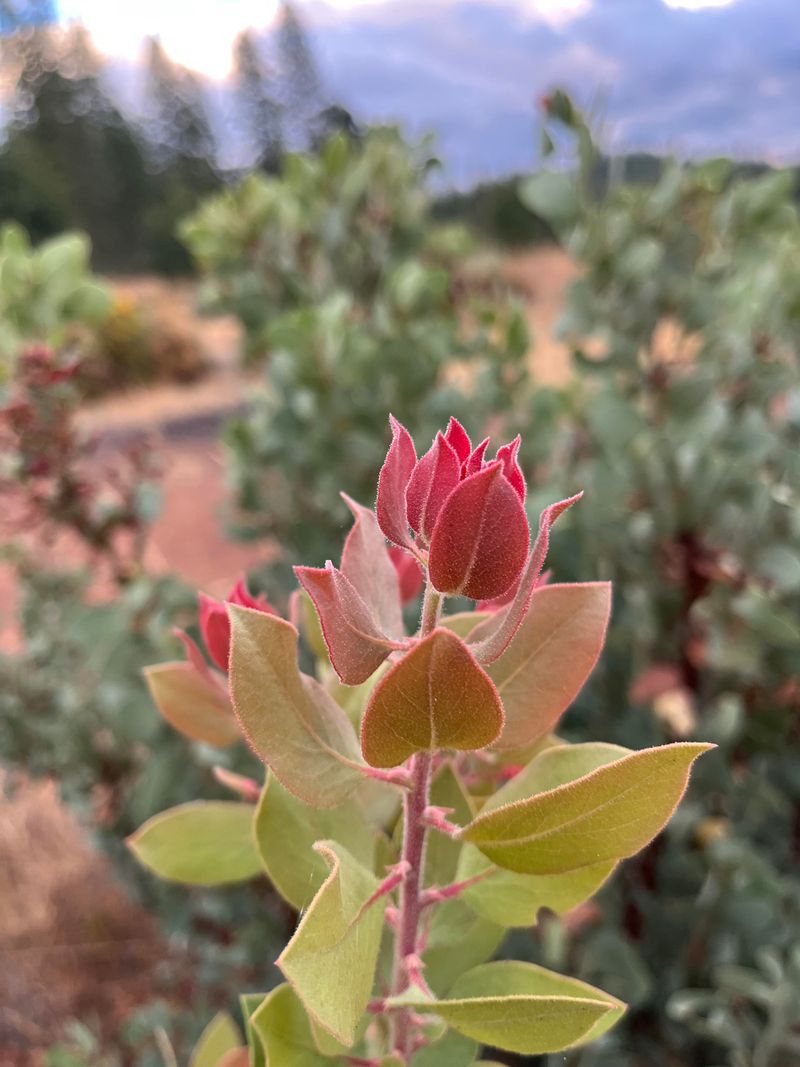
Run your hand along a manzanita branch, and you may feel something surprising. The bark is smooth, cool, and polished, almost like carved wood. Its colors range from deep red to rich mahogany.
That bark is the main fall gift here. Most manzanitas are evergreen, with gray-green to bright green leaves all year, so do not expect a dramatic leaf change. Their beauty comes from twisty branches, rich bark color, and peeling bark that reveals fresh layers underneath.
Berries add a second layer of interest. Manzanita means little apple in Spanish, since the small round fruits look like tiny apples. They follow the winter and early spring flowers, turn red-brown by summer, and sometimes hang on into fall.
Now for a bonus that arrives just as other plants call it quits. Tiny bell-shaped white or pink blooms often open in winter. Early hummingbirds and bees rush in for a snack.
Manzanitas are champions of the dry garden. Once established, many need little to no summer water. In fact, summer water in warm soil can trigger serious root disease. Fast-draining soil and full sun or light shade keep them happiest.
Dozens of species and varieties exist, from flat groundcovers to small trees. ‘Howard McMinn’ and ‘Sunset’ are popular garden picks. Check the mature size before you plant.
With all eight shrubs in place, your fall garden glows while the hose takes a nap. Some color really does grow on trees, or at least on very thrifty shrubs.