This Mowing Mistake Is Helping Crabgrass Take Over Your New York Lawn
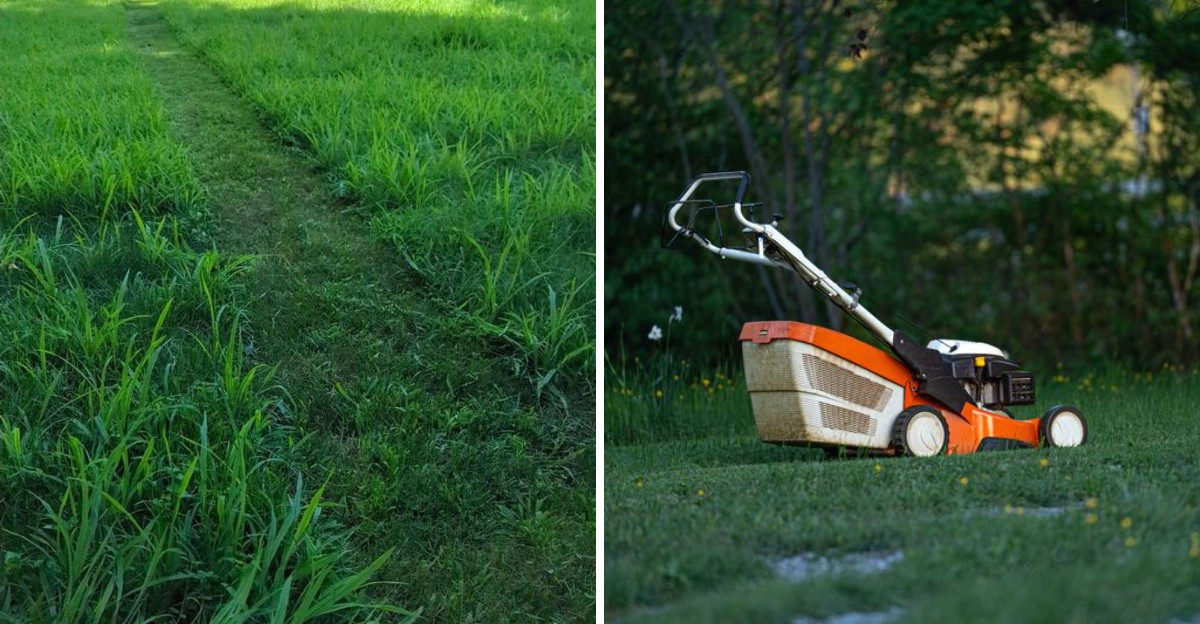
Your mower might be crabgrass’s best friend, and you’d never know it. Picture a hot July afternoon, the smell of fresh-cut grass, and a lawn that looks perfectly tidy.
A few weeks later, pale green clumps start sprawling across the yard like uninvited party guests. By fall, frost wipes them out and leaves bare patches ready for next year’s seeds.
Many New York homeowners blame bad luck, poor soil, or the neighbor’s messy yard. The real culprit often hides in one simple habit repeated every weekend.
A few smart changes can turn the tables fast. You won’t need fancy tools or a big budget to win this fight.
The fix below is easier than you might expect, and fall is the perfect time to start. Get it right now, and next summer’s lawn will look very different.
Cutting Too Short Is The Mistake
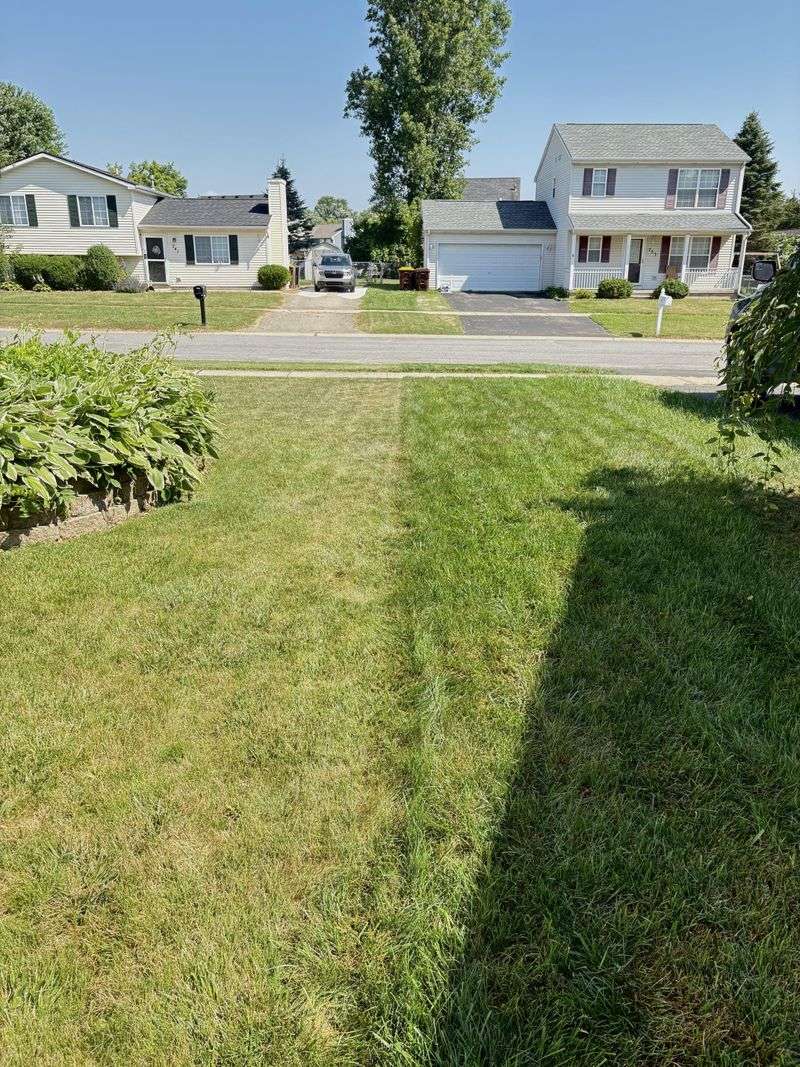
Picture a buzz cut on a scorching summer day. Your scalp would feel the burn, and your lawn feels something similar.
Many homeowners mow low because it looks clean and saves time between cuts. Sadly, that tidy look comes at a real cost to your grass.
Grass blades work like tiny solar panels that make food for the plant. Chop them too short, and the grass loses much of its power to grow.
Weak grass cannot fight back against weeds very well. Crabgrass loves a lawn that is tired, thin, and struggling to keep up.
Across New York, cool-season grasses like Kentucky bluegrass and tall fescue fill most yards. Both types prefer a longer cut to stay strong through hot summers.
Here is a simple test you can try this weekend. Walk your lawn after mowing and look for spots where you can see soil.
Visible dirt is a warning sign that your mower sits too low. Those open spaces are exactly where crabgrass seeds love to settle in.
Raising your mower deck takes about thirty seconds on most machines. Look for a lever near each wheel or a single height handle.
Once you raise it, keep it there for the whole season. Lowering it again in midsummer can undo weeks of good progress quickly.
Think of taller grass as a living shield for your yard. It blocks weeds, holds moisture, and keeps roots healthy during rough weather.
Fixing this one habit sets up every other tip on this list. Everything else works better once your grass stands tall and proud.
Short Grass Lets Sunlight Reach Crabgrass Seeds
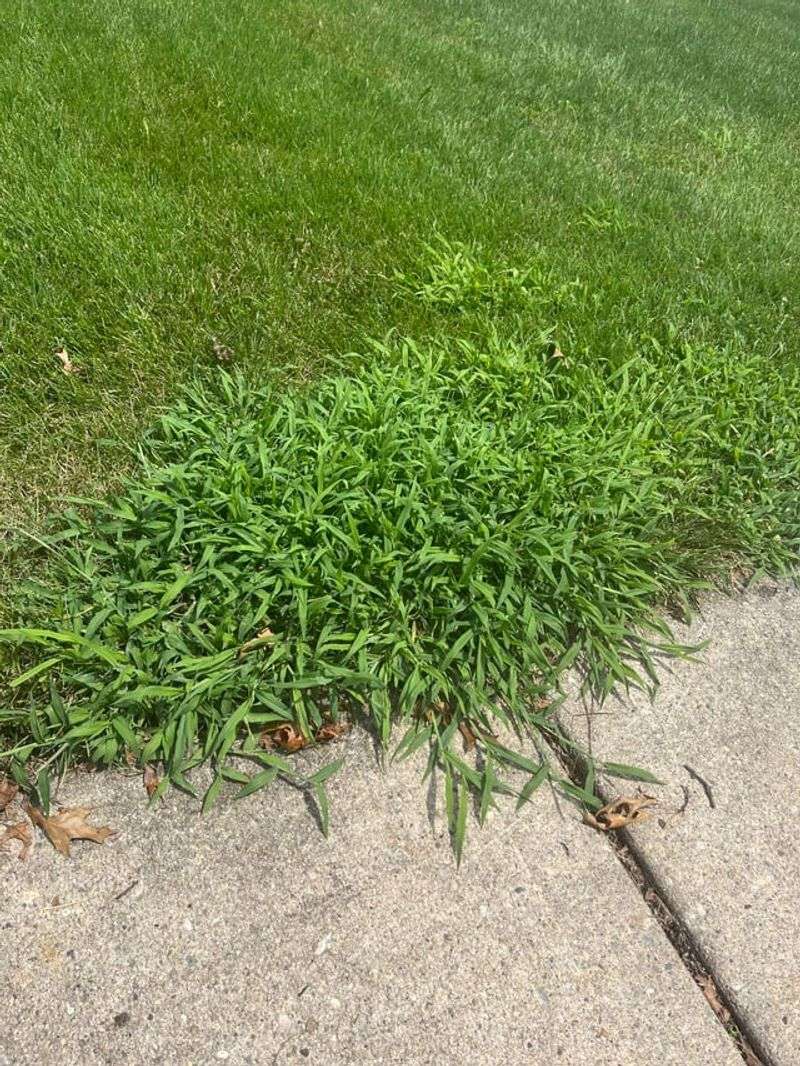
Crabgrass seeds are a bit like sunbathers at the beach. They need direct light on their faces before they wake up and sprout.
Tall grass creates a thick green canopy over the soil. That shade keeps light from reaching the seeds hiding just below the surface.
Short grass pulls back the curtain and lets the sunshine pour in. Suddenly, sleeping seeds get the signal they have been waiting for all winter.
Soil temperature matters just as much as light. Crabgrass usually sprouts once soil stays above 55 to 60 degrees for several days.
Your New York Garden Changes Every Week. Your Plan Should Too.
Gardening in New York changes quickly throughout the season. Every Friday you’ll receive a simple weekly plan showing exactly what to plant, prune, fertilize, harvest, and protect so you never miss the right timing.
Bare, sunny ground warms up much faster than shaded ground. A short lawn basically turns your soil into a warm seed-starting tray.
Shade from taller grass keeps the soil a little cooler. Even a few degrees can slow down crabgrass and give your turf a head start.
Want to see the difference for yourself? Try placing a cheap soil thermometer in a short spot and a tall spot.
Check both readings on a sunny afternoon in late spring. You may be surprised how much warmer the short patch runs.
Fun fact: one lone crabgrass plant can drop thousands of seeds. Many of them wait patiently in the soil for the perfect sunny moment.
Keeping your grass tall is like closing the blinds on a nap. Those seeds stay sleepy, and your lawn stays greener and cleaner.
Shade costs nothing, and it works every single day of summer. Let your grass do the heavy lifting for you.
Scalped Turf Leaves Bare Gaps Behind
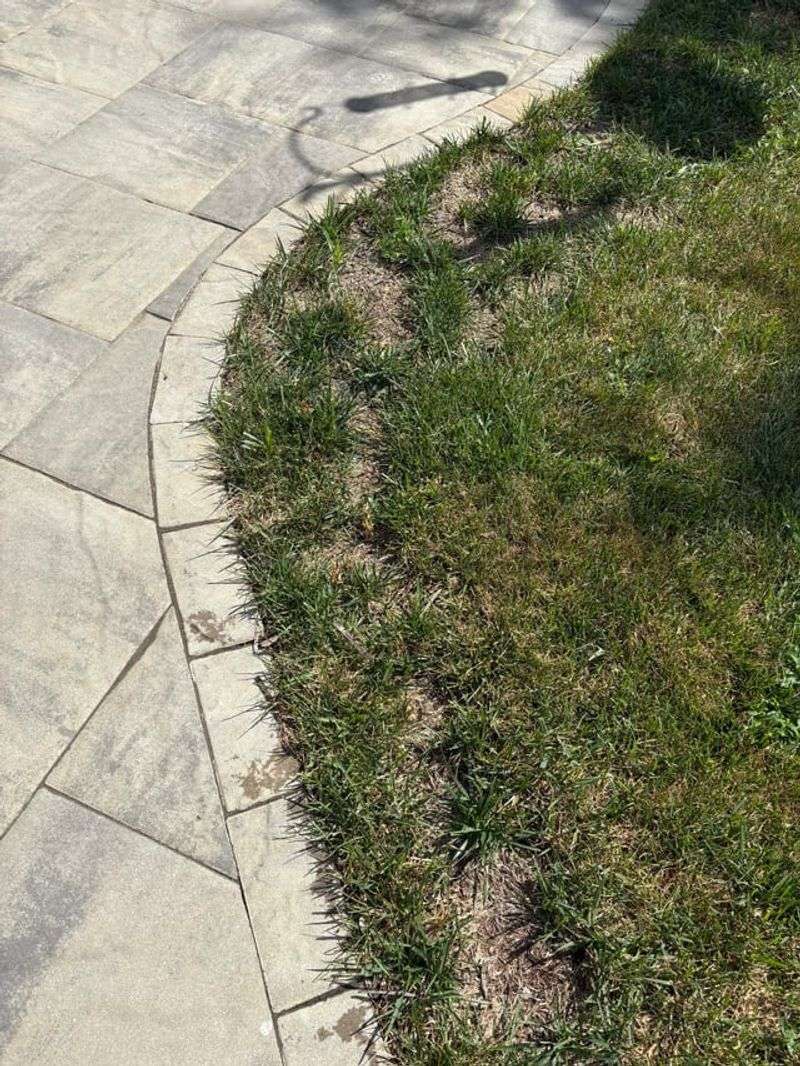
Ever notice crabgrass popping up along bumpy spots and slopes? Those raised areas often get scalped when the mower dips or tilts.
Scalping means cutting grass so low that you reach the brown stems or soil. It leaves bald patches that look rough for weeks.
Nature hates empty space, and weeds rush to fill it. Crabgrass is usually first in line when bare dirt shows up.
Thin turf gives crabgrass all the room it needs. It spreads sideways, rooting as it grows, and quickly crowds out tired grass.
Scalping also stresses the healthy grass that remains. Stressed grass grows slowly and struggles to fill in those open gaps.
So how do you stop it? Start by walking your yard and marking high spots, edges, and small hills.
On those tricky areas, raise the mower a notch higher. You can also mow across slopes at a slight angle to avoid dips.
Fill low spots with a mix of topsoil and compost in early fall. Smoother ground means your mower stays level and cuts evenly.
If you already have bare patches, do not leave them empty. Rake them lightly and add grass seed when the weather cools.
Many yards have rocky, uneven ground from old glaciers. Leveling it out takes patience, but it pays off in thicker turf.
A lawn with no gaps leaves crabgrass nowhere to land. Close the doors, and the weeds lose their welcome mat.
Three Inches Or Taller Is The Sweet Spot
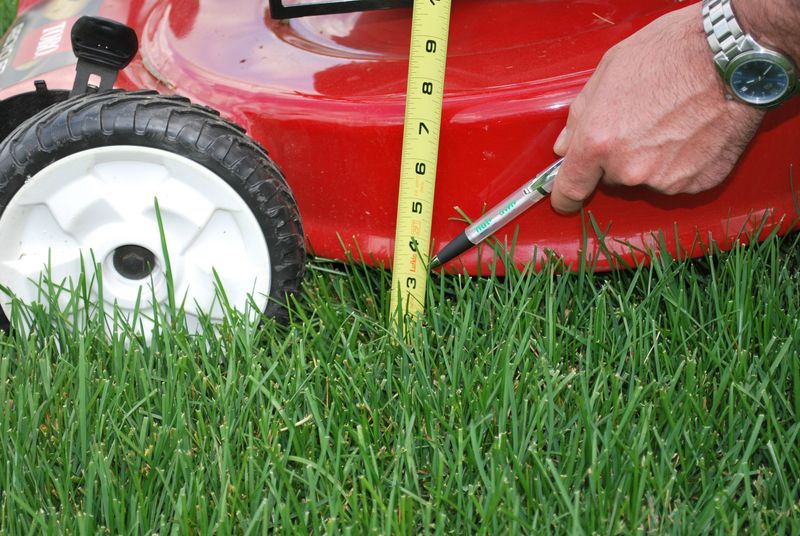
Grab a ruler and head outside for a quick experiment. Push it into your grass and check how tall the blades really stand.
Most experts suggest keeping cool-season grass between 3 and 3.5 inches tall. Some even recommend going up to 4 inches for extra protection.
Research backs this up in a big way. Studies show that higher mowing heights clearly reduce crabgrass across many types of lawns.
Taller blades mean deeper roots under the soil. Deep roots can reach water far below the surface during dry summer spells.
Summers can swing from soggy to bone dry quickly. A lawn with strong roots handles those swings with far less stress.
Tall fescue and Kentucky bluegrass both handle a 3.5 inch cut nicely. Fine fescues in shady spots also prefer staying on the taller side.
Worried your yard will look messy? Tall grass looks lush and thick, almost like a soft green carpet.
Most mowers list heights on the deck lever or in the manual. If yours uses numbers instead, measure the cut once and write it down.
Consider marking your ideal setting with a dab of bright paint. Anyone who mows can then match it without guessing.
During very hot stretches, bump it up another half inch. Extra height gives grass more shade and moisture when heat waves hit.
Think of three inches as the starting line, not the finish. Taller often wins this race against crabgrass.
Never Remove More Than A Third Of The Blade
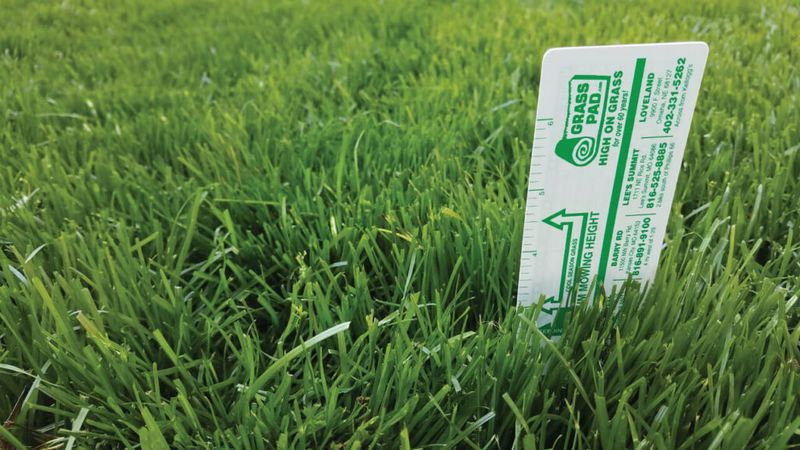
Lawn pros swear by one easy rule of thumb. Cut off no more than one-third of the grass blade at a time.
Say your grass is 4.5 inches tall right now. Cutting it down to 3 inches follows the rule perfectly.
Chopping more than that shocks the plant. Grass has to spend its energy healing instead of growing strong roots.
Stressed turf becomes an easy target for weeds and disease. Crabgrass happily moves in while your grass is busy recovering.
Vacations and rainy weeks can make grass grow extra long. Resist the urge to hack it all down in one pass.
Instead, mow it in steps over a week or so. Take off a third, wait a few days, then trim again.
Spring growth in New York can be surprisingly fast. You might need to mow every four or five days during May.
Summer growth usually slows when heat arrives. Mowing once a week or even less may be plenty then.
Let the grass tell you when to mow, not the calendar. Measure it quickly before starting the engine.
Here is a handy trick for busy weekends. If your target is 3 inches, mow when the grass reaches about 4.5 inches.
Following the one-third rule keeps grass steady and calm. Healthy, unstressed turf is the best weed blocker you can grow.
It may feel like extra work at first. Soon, it becomes a natural rhythm that keeps your lawn thriving.
Dull Blades Shred And Stress The Grass
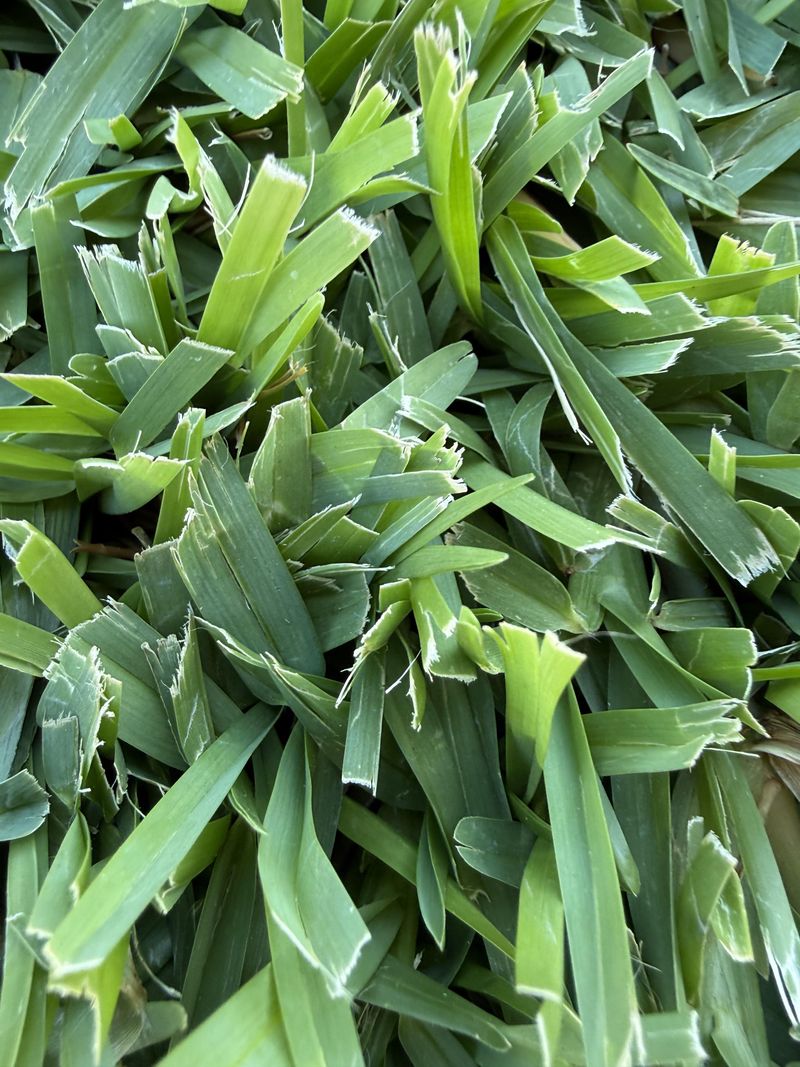
Try cutting paper with dull scissors, and you get a jagged mess. Your mower does the same thing to grass with a worn blade.
Dull blades rip and tear the tips instead of slicing cleanly. Those ragged edges turn brown and dry out faster than clean cuts.
Look closely at your lawn a day after mowing. A whitish or tan haze on top often means your blade needs attention.
Torn grass loses more water and heals more slowly. Stressed plants also welcome pests, disease, and yes, crabgrass.
Sharpening your blade is simpler than many people think. A metal file or bench grinder can bring back a clean edge.
Always disconnect the spark plug or remove the battery first. Safety should come before any work under the mower deck.
Most homeowners should sharpen at least once or twice a season. Heavy mowers or rocky yards may need it more often.
Not comfortable doing it yourself? Many hardware stores in New York sharpen blades for a small fee each spring.
Keeping a spare blade on hand is a smart move. You can swap it quickly and sharpen the old one later.
Balance matters too after sharpening. An uneven blade shakes the mower and can cause uneven cuts across the yard.
A sharp blade gives your lawn a clean, healthy trim. Better cuts mean happier grass that pushes weeds aside with ease.
Crabgrass Can Flower Below Your Mower Deck
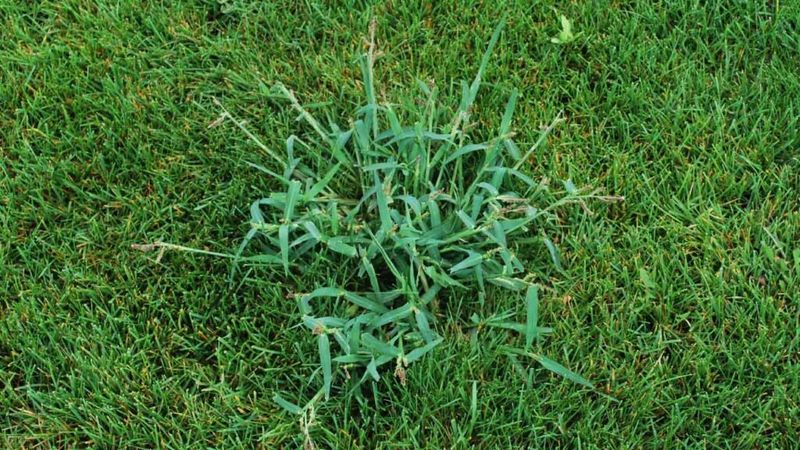
Here is a sneaky secret about crabgrass. It can bend, crouch, and still make seeds right under your mower.
Crabgrass adapts to mowing better than almost any weed. It can form seed heads even when cut as low as half an inch.
Those seed heads look like thin fingers spreading from one point. You might spot them lying flat against the ground in late summer.
One single plant can produce thousands of seeds each season. Some big plants may even pass the 100,000 mark.
Even worse, those seeds can stay alive in soil for years. A single bad summer can cause trouble for many seasons ahead.
Mowing alone will not stop crabgrass from going to seed. That is why tall, thick grass matters so much for prevention.
Spotted a few plants already? Pull them by hand before those finger-like heads appear.
Water the area first to loosen the soil. Grab the plant at its base and pull slowly to get the roots.
For larger patches, a simple weeding tool can save your back. Fill the empty spots with grass seed or soil afterward.
Crabgrass fades away with the first hard frost in fall. Its seeds, however, wait patiently for next spring’s warm weather.
Catching plants early breaks that cycle. Every plant you remove today means fewer seeds battling your lawn next year.
Clippings Left Behind Feed The Lawn
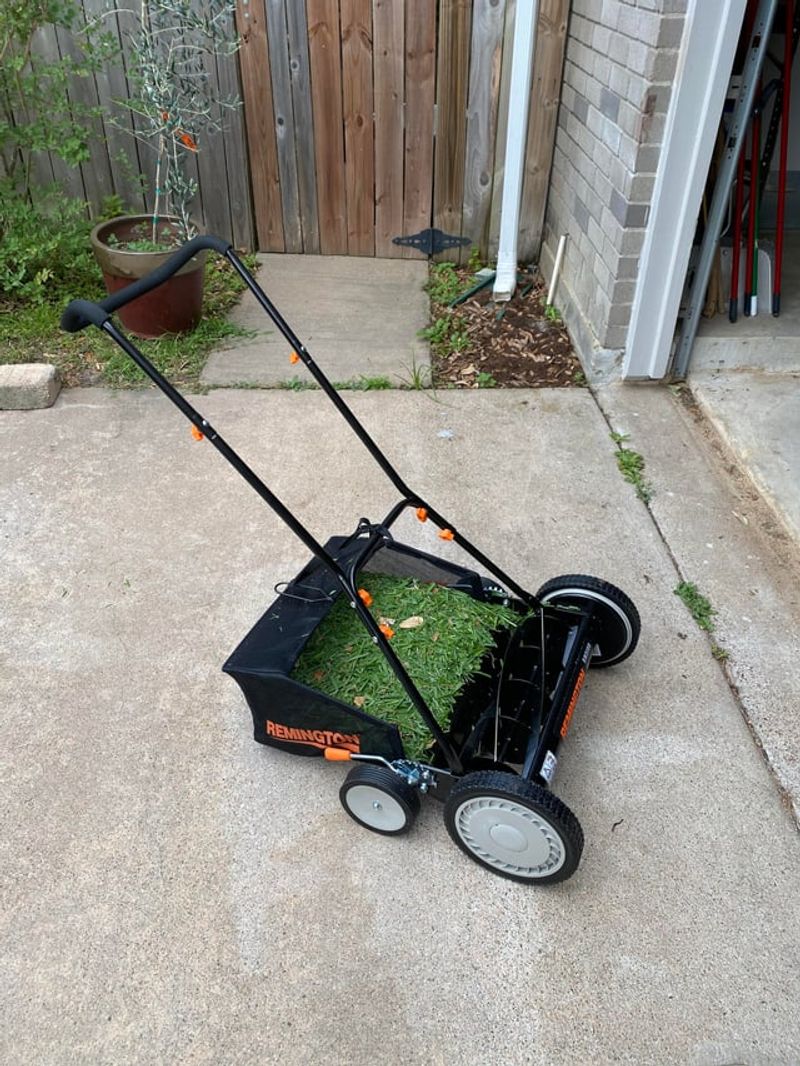
Good news for tired arms everywhere. You can skip the bagging and let those clippings stay right where they fall.
Gardeners call this practice grasscycling. Clippings break down quickly and return nutrients like nitrogen, phosphorus, and potassium to the soil.
Leaving them can cut your fertilizer needs by up to 20 percent. That saves money and keeps your grass fed naturally.
Clippings also add organic matter to the soil. Better soil holds moisture longer, which helps grass during dry summer weeks.
Worried about thatch? Short clippings usually break down fast and rarely cause thatch problems.
A mulching mower chops clippings into tiny pieces. Those bits slip down between the blades and disappear within days.
Stick to the one-third rule for best results. Smaller clippings break down faster and will not smother your grass.
There is one important exception to remember, though. If crabgrass has already gone to seed, bag those clippings instead.
Spreading seed heads across your yard only invites more weeds next year. Diseased lawns should also be bagged to limit spreading spores.
Once the weeds are handled, go back to grasscycling. Your lawn gets a free snack every time you mow.
A well-fed lawn grows thicker and greener. Thick turf leaves very little room for crabgrass to sneak in.
Fall Is The Time To Thicken Thin Turf
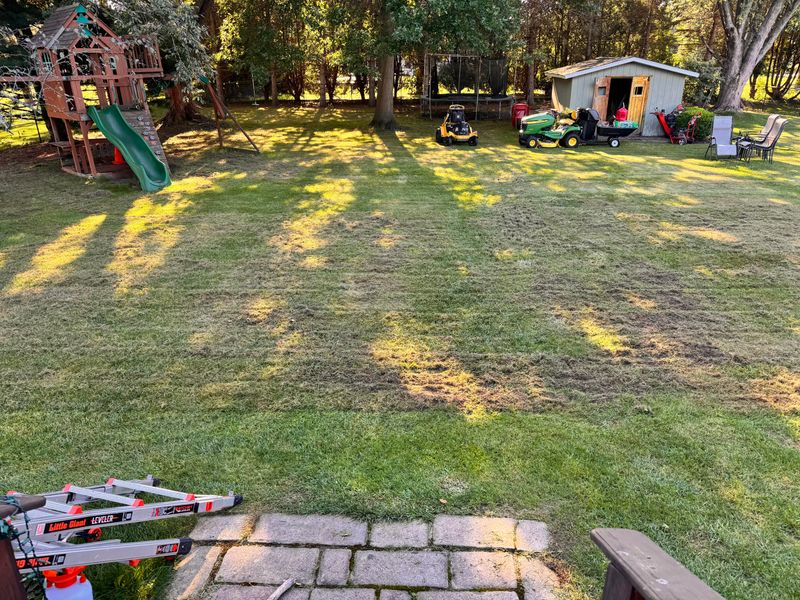
Crisp mornings and warm afternoons make early fall a lawn lover’s dream. It is also your best chance to beat next year’s crabgrass.
Mid-August through mid-September is the prime window for New York lawns. Cool air, warm soil, and steady rain help seeds sprout fast.
Cool-season grasses grow eagerly in these conditions. Crabgrass, meanwhile, is fading and cannot compete for space.
Start with core aeration to loosen packed soil. The machine pulls small plugs, letting air, water, and seed reach the roots.
Many garden centers rent aerators by the day. Splitting the cost with a neighbor makes the job even cheaper.
Next, spread seed over the whole lawn, not just bare spots. Choose a blend suited to your sun and shade levels.
Keep the soil lightly moist until new grass appears. Short daily watering works better than one long soak at first.
Homeowners in places like Westchester County often see big results from fall seeding. Thicker turf in October means fewer weeds the following spring.
Avoid using preemergent products when you overseed. Those treatments can stop your new grass seeds from sprouting too.
Keep mowing at your usual tall height as the new grass fills in. Gentle care helps young blades toughen up before winter.
A dense lawn is nature’s best weed barrier. Put in the effort now, and spring will feel much easier.
Spring Preemergent Timing Stops The Next Wave
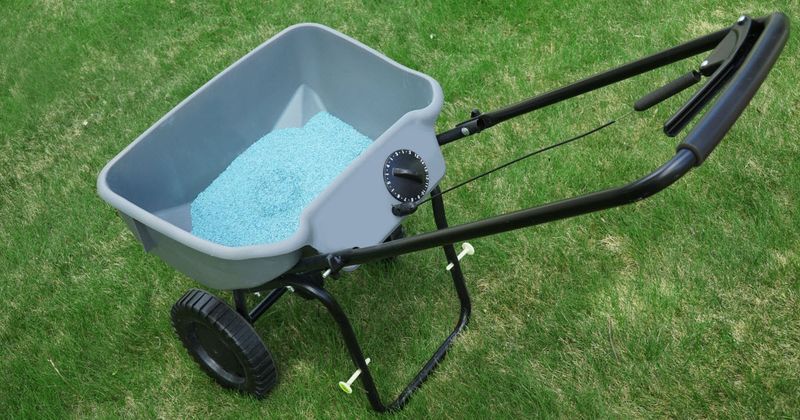
Timing is everything, especially when crabgrass seeds are waiting to wake up. A preemergent works like a shield that stops sprouts before they start.
These products do not affect crabgrass that has already sprouted. They must go down before seeds begin to germinate.
Soil temperature is your best guide. Germination usually starts when soil stays near 55 degrees for several days.
For most of the state, that means mid-April to early May. New York City and Long Island often warm up by mid to late April.
Upstate areas usually lag behind by a week or two. Late April into early May tends to work well there.
Old-timers use a simple nature clue. When forsythia bushes bloom bright yellow, it is often time to apply.
Applying too early can let the product break down before seeds sprout. Going too late means crabgrass has already slipped past your defense.
Free online soil temperature maps can help you pick the right week. Check them often as spring weather shifts.
Use a spreader for even coverage across the lawn. Water lightly afterward if the label recommends it.
Remember that preemergents also block grass seed. Plan spring seeding carefully or save it for fall instead.
Pair good timing with tall mowing and thick turf. Together, they give crabgrass very little chance to take over your yard this year.