10 Arizona Native Shrubs You Plant Once This Fall That Spread Into Free Shade For Years
Summer in the low desert can turn a bare yard into a frying pan, but the right native shrubs can change that for good. Fall is the best time to plant in Phoenix and Tucson because roots get months of mild weather to settle in before the heat returns.
The ten shrubs below grow wider and fuller each year, creating cool shade, bird habitat, and privacy while sipping very little water. Plant them once this October or November, and they keep paying you back for decades.
1. Arizona Rosewood
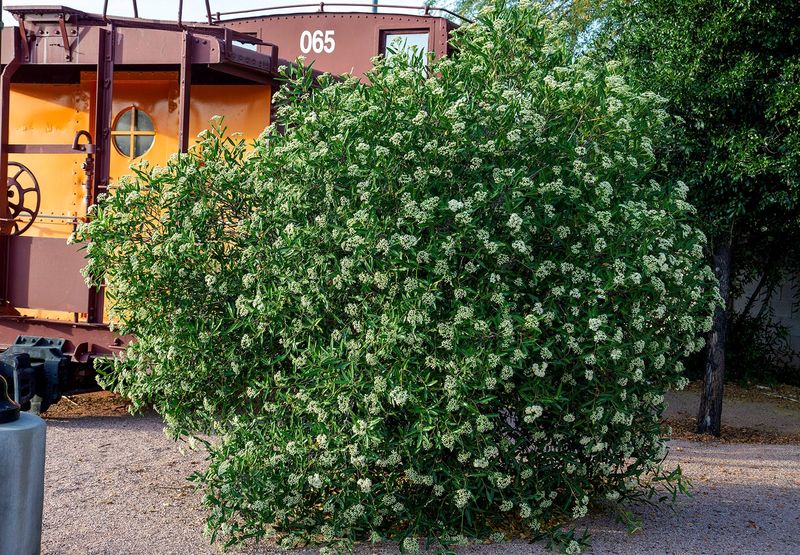
Picture a living wall that stays green in January and July alike. Arizona Rosewood pulls off that trick with almost no help, growing 10 to 15 feet tall with thick, leathery leaves that block sun, wind, and nosy neighbors.
Many homeowners start with one as a corner screen and end up planting a whole row. You can leave it bushy for a hedge or trim the lower limbs to shape it into a small, multi-trunk tree that casts a real pool of shade over a patio or west-facing window.
Birds love the tight branching, which gives them safe places to nest and hide from hawks. Small white flower clusters in late spring draw bees, and the rusty seed heads that follow add a warm touch of color.
Fall planting matters here because Rosewood grows at a steady but modest pace. Give it deep water every week or two through its first summer, then taper off.
Once established, a soak every few weeks in peak heat is usually plenty, even in caliche-heavy soil.
Fun fact: the wood is so hard and reddish that it inspired the common name, though the plant has no relation to true roses.
2. Desert Willow
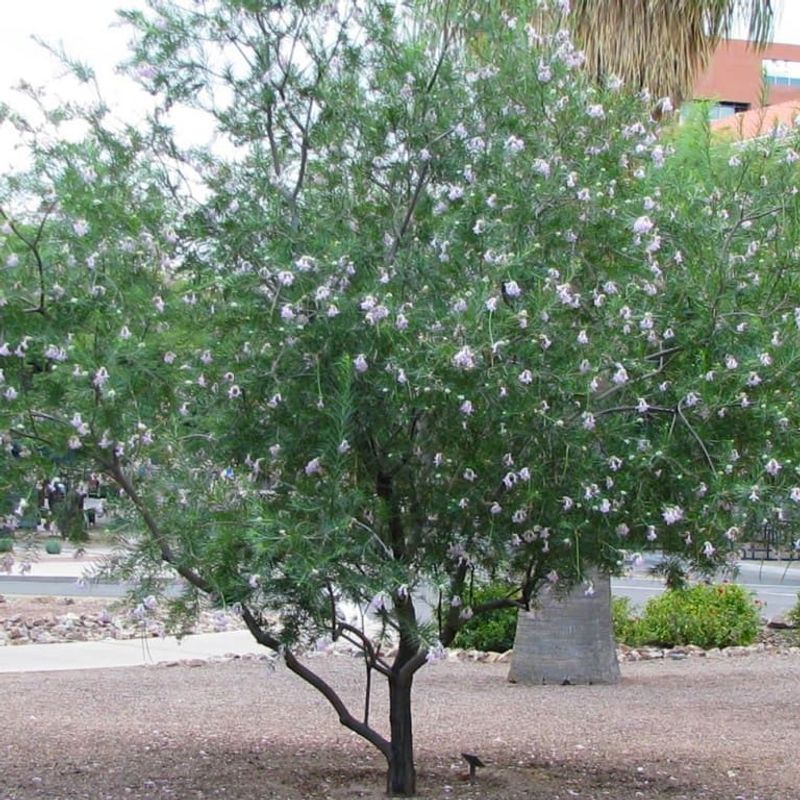
Hummingbirds seem to have a radar for Desert Willow. The moment those orchid-like trumpet flowers open in late spring, tiny visitors show up and keep coming back all summer long.
Despite the name, it is not a real willow at all. It earned the nickname from its long, narrow leaves, and it thrives on a fraction of the water a true willow would demand.
Expect it to reach 15 to 25 feet with a loose, airy canopy that filters harsh sunlight into soft, dappled shade.
That lighter shade is actually a bonus. Plants underneath still get some sun, so you can tuck in penstemon or salvia below for a layered habitat garden that feeds pollinators from spring into fall.
Desert Willow grows fast once roots settle, which is why a fall start pays off. By its second summer, you may notice a real difference in how hot your patio feels by late afternoon.
It drops its leaves in winter, letting warm sunshine reach your windows when you actually want it. Look for seedless varieties like Bubba or Burgundy if you prefer less cleanup from the skinny seed pods.
3. Jojoba
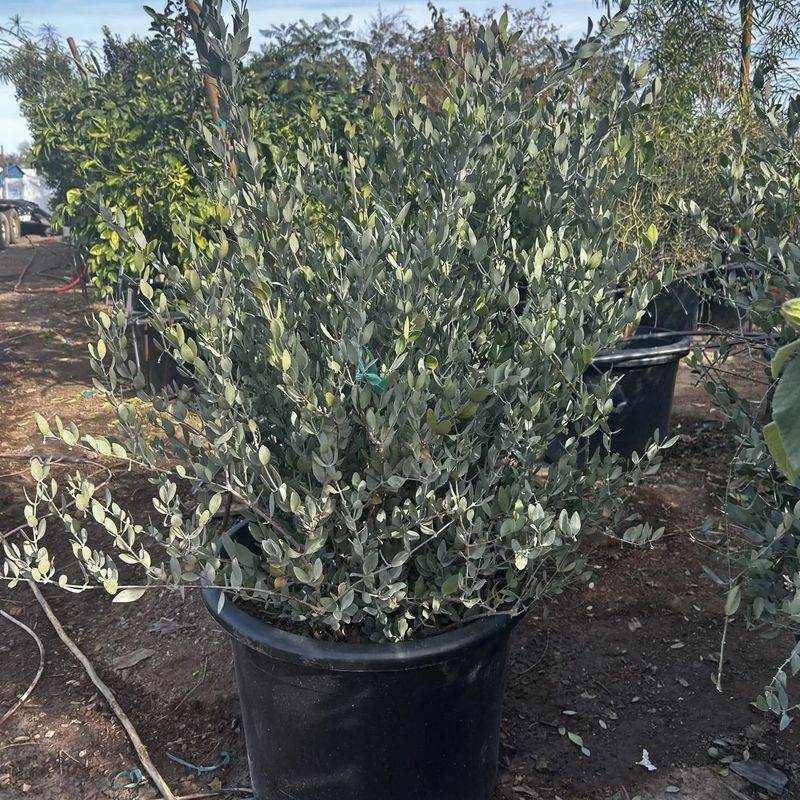
Some plants want attention. Jojoba wants you to forget it exists, and it rewards that neglect by growing into a tough, rounded mound up to 10 feet tall and just as wide.
Your Arizona Garden Changes Every Week. Your Plan Should Too.
Gardening in Arizona changes quickly throughout the season. Every Friday you’ll receive a simple weekly plan showing exactly what to plant, prune, fertilize, harvest, and protect so you never miss the right timing.
Its gray-green leaves stand vertically on the stems, a clever trick that lets them dodge the worst midday sun. That same habit makes jojoba one of the most heat-hardy shrubs you can plant anywhere in the Valley.
The dense growth works beautifully as a screen along a driveway or back fence. Quail, rabbits, and ground-dwelling birds duck beneath it for cover, and the nut-like seeds on female plants are a favorite snack for wildlife.
You might already know the name from shampoo bottles. The liquid wax pressed from jojoba seeds shows up in lotions and hair products worldwide, and it all comes from this humble Sonoran native.
Plant it in fall in a sunny, well-drained spot and water deeply while it gets going. After a year or two, occasional summer soaks keep it looking lush, though it can survive on rainfall in many spots.
Skip heavy pruning, since its natural shape already offers the thickest cover and shade.
4. Creosote Bush
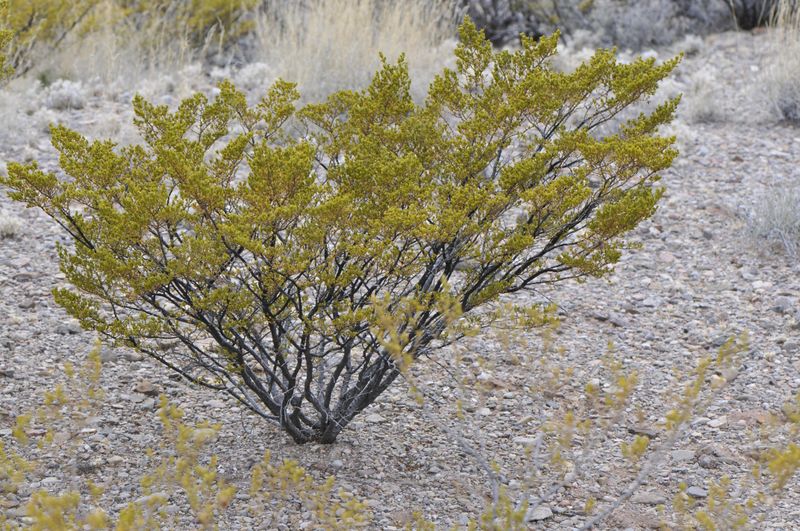
Ask any longtime Arizonan what the desert smells like after a monsoon storm, and they will describe creosote. That sharp, clean scent is one of the best rewards for planting this rugged shrub near a patio or window.
Creosote is a true survivor. Some rings of creosote in the Mojave are estimated to be thousands of years old, making them among the oldest living things on Earth.
In your yard, it grows 4 to 8 feet tall and forms loose, airy thickets. Planted in a cluster, it breaks up hot winds, screens views, and creates shady pockets where lizards and ground birds can rest during the hottest hours.
Its small yellow flowers bloom off and on through the year, feeding dozens of native bee species that specialize in this plant. The waxy, resinous leaves are rarely munched by rabbits, which saves new gardeners a lot of frustration.
Here is the honest truth: creosote grows slowly at first and hates soggy soil. Plant it in fall, water sparingly, and let it do its thing.
Overwatering is the most common way people lose it, so resist the urge to baby it.
5. Quailbush
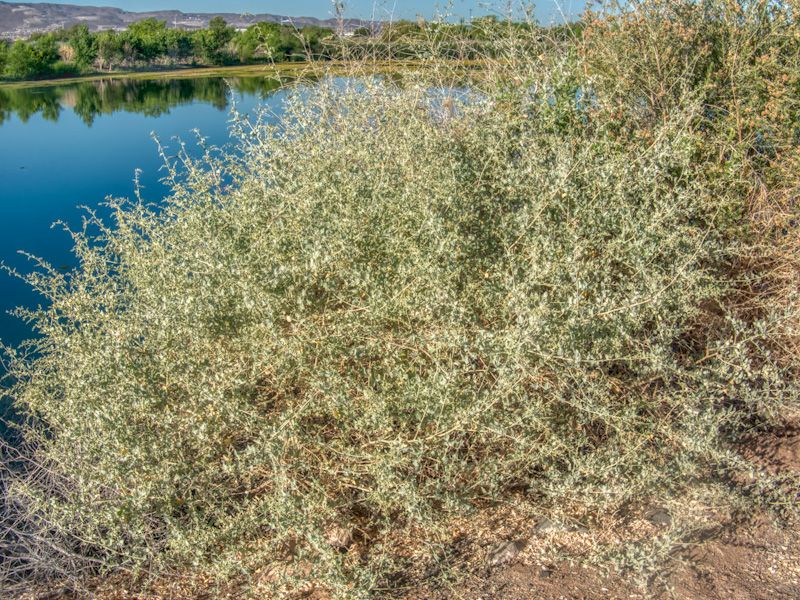
Want a covey of Gambel’s quail strutting through your yard every morning? Quailbush got its name honestly, and few shrubs welcome these charming birds quite as well.
It grows big and fast, often 6 to 10 feet tall and even wider, with soft silvery-gray foliage that looks cool even on a 110-degree afternoon. That size makes it a smart pick for filling a large empty side yard or softening a long block wall.
The thick, tangled branches give quail, sparrows, and other small birds a safe hideout from hawks and roaming cats. Its tiny seeds feed them through fall and winter, when other food gets scarce.
Quailbush also handles tough conditions many plants cannot. Salty soil, reflected heat from pavement, and poor drainage rarely bother it much.
That toughness makes it popular along roadsides and in erosion control projects around Arizona.
Plant in fall with plenty of room to spread, at least 8 feet from walkways. Water regularly the first year, then back off.
If it gets too wide, a hard trim in late winter brings it back quickly and keeps the new growth thick and full.
6. Desert Hackberry
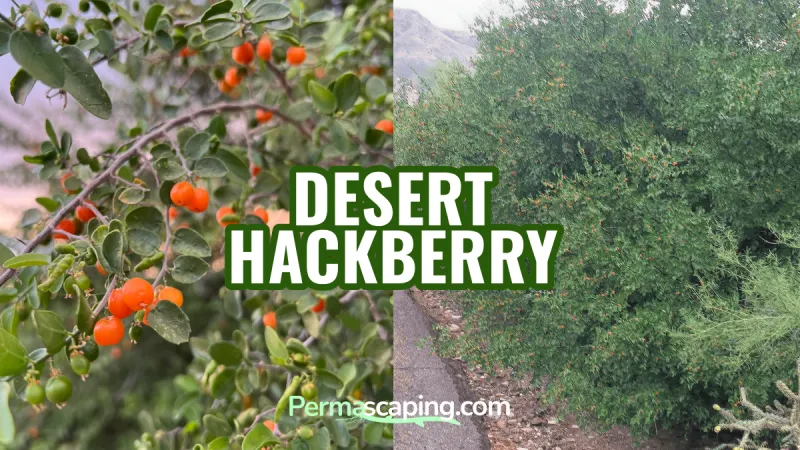
Bird watchers, this one is for you. Desert Hackberry might be the busiest shrub in the Sonoran Desert, hosting cactus wrens, verdins, thrashers, and even roadrunners hunting for lizards and insects beneath its tangle.
It grows into a sprawling, thorny mound about 6 to 10 feet tall with small bright-green leaves. The thorns keep predators out, which is exactly why so many birds nest inside.
In late summer and fall, small orange berries appear. Birds gobble them up, and they are edible for people too, with a sweet, slightly tangy taste.
A yard that draws roadrunners and insect-eating birds may become less inviting to scorpions and large bugs, since those birds actively hunt them. It is not a guarantee, but it is a natural way to tip the balance in your favor.
Use it along a back property line or as a barrier hedge where you do not want foot traffic. Its thorns make it a natural security fence, too.
Fall planting gives it a strong start. Once established, it needs only occasional deep watering and practically no pruning, aside from trimming stray branches near paths.
7. Texas Sage
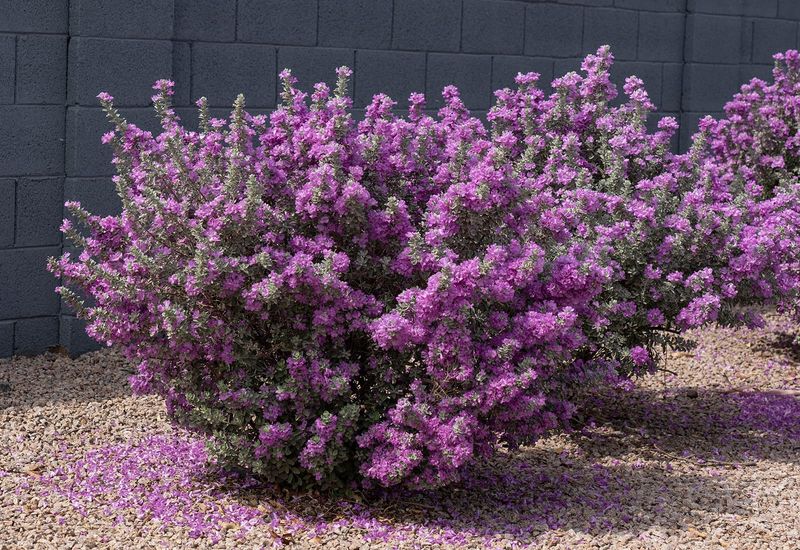
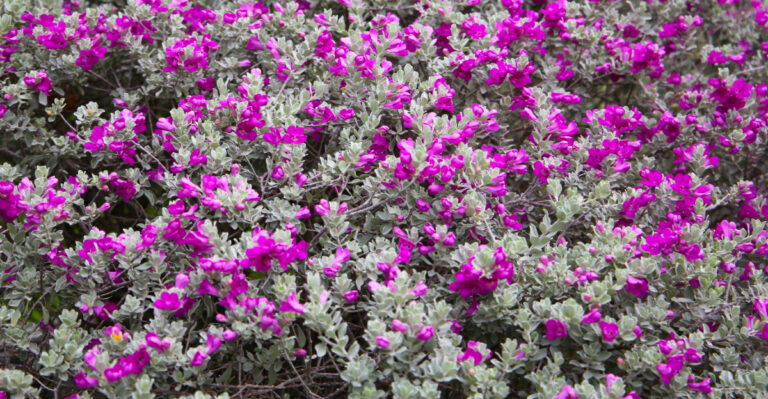
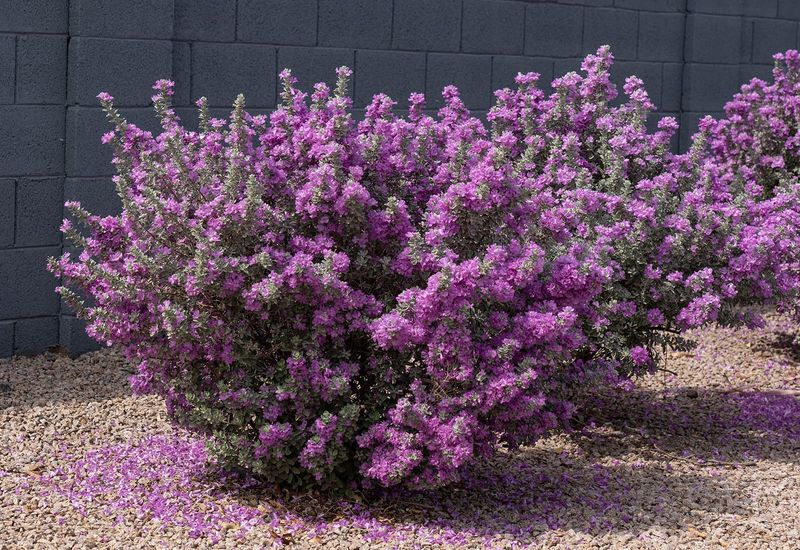
Locals sometimes call it the barometer bush, and for good reason. When monsoon humidity rolls in, Texas Sage bursts into a sea of purple, pink, or white blossoms almost overnight.
Though not technically an Arizona native, this Chihuahuan Desert shrub is so well adapted to the low desert that it has become a staple in Phoenix and Tucson yards. Its silvery leaves reflect sunlight, helping it shrug off brutal heat.
Most types reach 3 to 6 feet, with some varieties stretching taller. Planted in a group, they create a soft, silvery screen along sidewalks or under windows, shading the ground and cooling the soil below.
Bees swarm the flowers during bloom cycles, and butterflies stop by too. Small lizards often shelter at the base, where the dense lower branches trap cooler air.
One big tip: skip the tight, boxy shearing you see around town. Heavy shaping removes flower buds and weakens the plant.
Let it grow into its natural rounded form, and you get more blooms and fuller shade.
Fall planting lets roots settle before summer. After that, water every few weeks in the heat and much less in winter.
8. Littleleaf Cordia
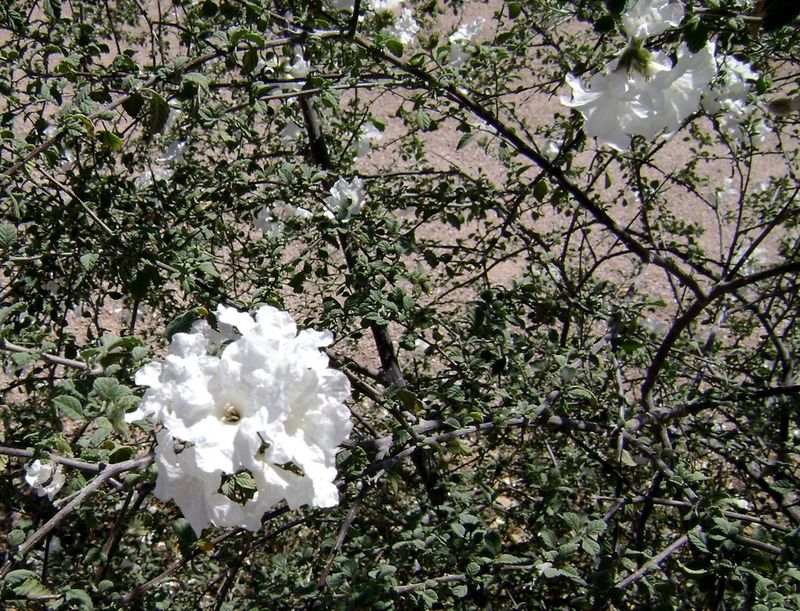
Tissue paper flowers in the middle of June? That is what Littleleaf Cordia delivers, covering itself in crinkly white blooms that look almost too delicate for the desert.
Looks can fool you, though. Native to the Sonoran region, this shrub handles full sun and dry soil with ease, growing into a rounded, twiggy form about 6 to 10 feet tall and wide.
Its gray-green leaves are small, which helps it hold onto water. Even so, the branches grow thick enough to shade a hot corner or hide an air conditioning unit.
Butterflies and native bees visit the flowers from spring through fall, especially after a good soaking or monsoon rain. The long bloom season makes it one of the most reliable pollinator plants on this list.
Littleleaf Cordia also handles a bit of pruning well. A light trim in late winter keeps it tidy and encourages fresh growth for another round of flowers.
Plant it in October or November in a sunny, well-drained spot. It may lose some leaves in a hard frost, but it usually bounces back quickly in spring.
Deep water every two to three weeks in summer keeps it blooming.
9. Desert Ironwood
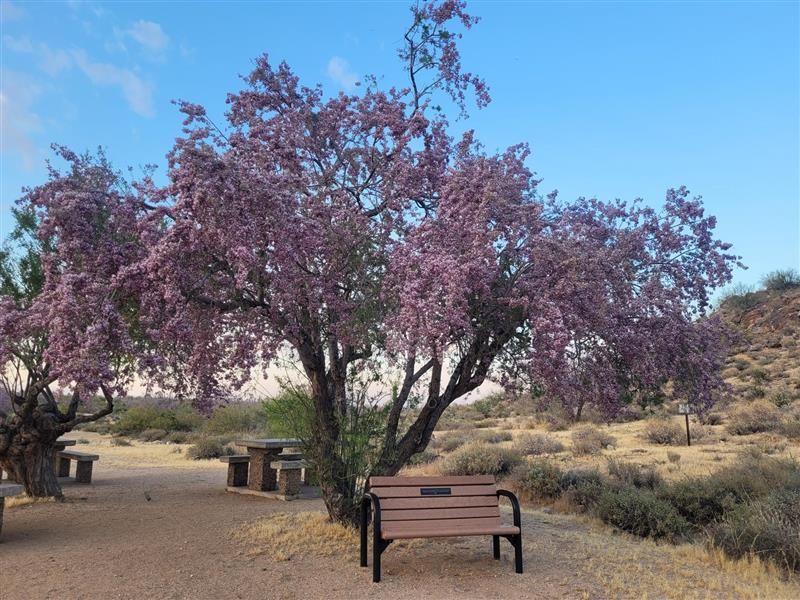
Out in the wild, Desert Ironwood acts like a nurse, sheltering baby saguaros and dozens of other plants beneath its canopy until they can stand on their own. Bring one home, and it offers the same generosity to your yard.
You can grow it as a large multi-stem shrub or let it become a small tree. Either way, its dense gray-green canopy casts some of the coolest, deepest shade of any desert native.
It grows slowly, and it lives a very long time. Some wild ironwoods may be hundreds of years old.
The wood is so dense it sinks in water, which explains its tough reputation.
In late spring, lavender flowers cover the branches, drawing bees by the hundreds. Birds, lizards, and small mammals all use it for shelter, turning a single plant into a mini wildlife neighborhood.
Because it starts slow, fall planting gives it a real head start. Water deeply and infrequently to encourage deep roots.
Protect young plants from hard frost in their first winter or two with frost cloth on the coldest nights.
Think of it as an investment. Your future self, lounging in that shade, will be grateful.
10. Sugar Sumac
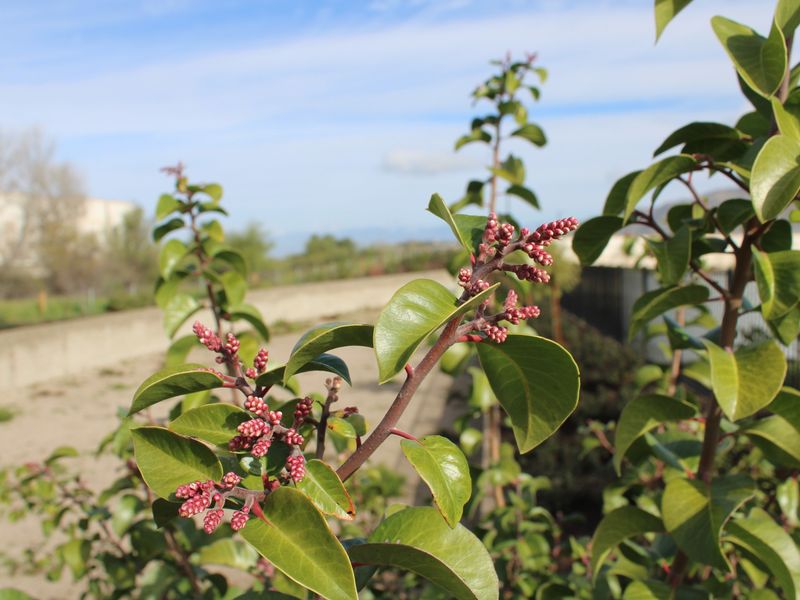
Glossy, dark green leaves are rare in the desert, which makes Sugar Sumac stand out like a jewel. It brings a lush, almost tropical look without the water bill that usually comes with it.
Native to central Arizona’s foothills and chaparral, it grows slowly into a rounded shrub or small tree around 10 feet tall. Its thick, waxy leaves stay put all year, creating steady evergreen shade and privacy.
In late winter and early spring, clusters of pinkish buds open into small flowers that bees love. Later, sticky reddish berries form.
Early settlers and Native peoples reportedly soaked them to make a tangy, lemony drink.
Deer and rabbits usually leave it alone, a nice bonus for homes near open desert. Small birds and wildlife use its dense branches for shelter.
Good drainage is the key to success. Sugar Sumac dislikes soggy roots, so plant it on a slight slope or in a raised bed if your soil holds water.
It does best in areas that get a little afternoon relief from the harshest sun.
Plant it this fall, water deeply once a week or two while it establishes, and then only periodically in summer.