How To Wrap Young Michigan Trees To Keep Rabbits And Voles Away This Winter
Young tree trunks face a hidden winter threat in Michigan that has nothing to do with cold itself, since hungry rabbits and voles turn to bark as a food source once snow covers up their usual options.
These animals can girdle a trunk by chewing through bark in a complete ring around its circumference, cutting off the tree’s ability to move water and nutrients and often destroying it outright even if the roots survive.
Wrapping trunks with protective guards or hardware cloth before snow accumulates creates a physical barrier these animals can’t easily chew through, especially important for trees still thin-barked enough to be vulnerable.
Because voles often tunnel beneath snow cover to reach bark near the base, protection needs to extend slightly below the soil line to be fully effective.
1. Know How Rabbits And Voles Damage Trees
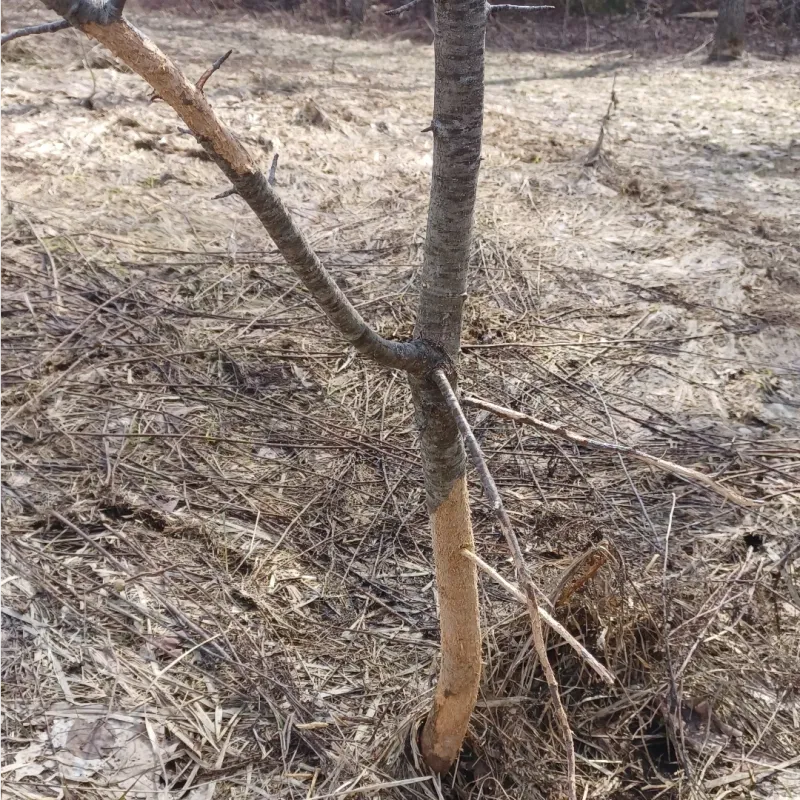
Two small animals cause most of the winter bark trouble on young Michigan trees. Rabbits and voles both love bark, but they feed in very different ways. Knowing which one visited your yard helps you pick the right protection.
Rabbits work above the ground. They gnaw bark and snip off small branches, reaching as high as they can while standing on snow. Voles are sneakier, chewing bark at the soil line or just below it, often hidden under snow or mulch where you cannot see them working.
Both animals can girdle a tree. Girdling means the bark gets chewed all the way around the trunk. Since the layer just under the bark carries water and nutrients, a fully girdled tree may never recover, even if it looks fine for a little while.
Spotting the culprit is easier than you might think. Rabbits leave clean, angled cuts on twigs, almost like someone used pruning shears. Their bark gnawing looks rough, and you will usually find small round droppings nearby.
Voles leave a different calling card. Look for tiny, uneven tooth marks close to the base of the trunk. In spring, when the snow melts, you may also see narrow runways worn through the grass like little highways.
Michigan winters make the problem worse. Long months of deep snow bury the plants these animals normally eat, leaving bark as one of the few meals around. A young tree with thin, smooth bark is basically a snack bar in January.
Once you understand how each animal feeds, every other tip on this list makes a lot more sense.
2. Choose Hardware Cloth For The Strongest Protection
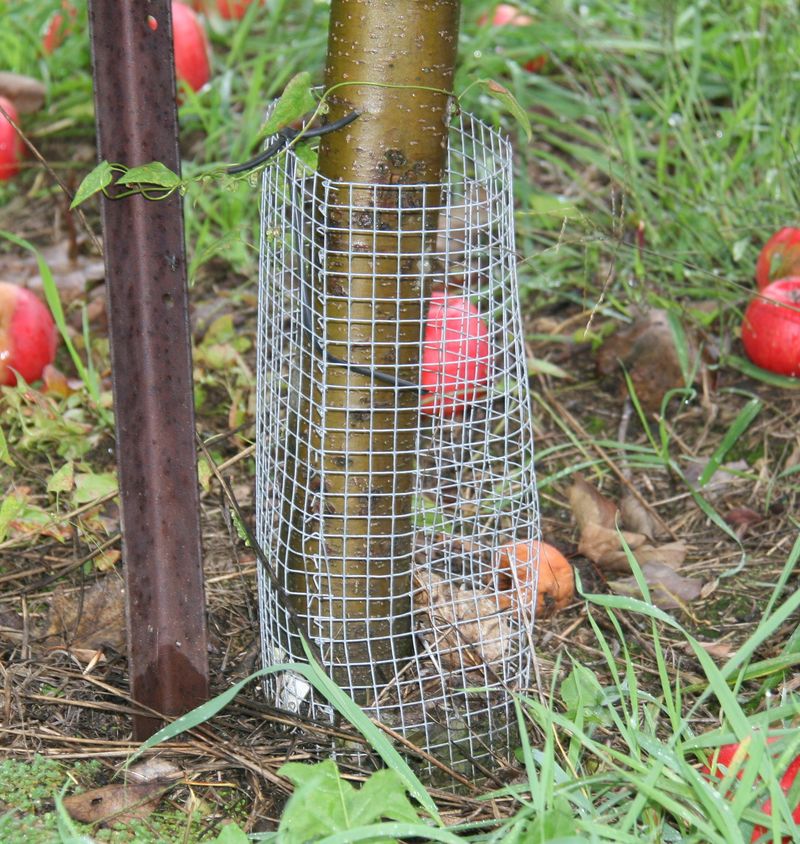
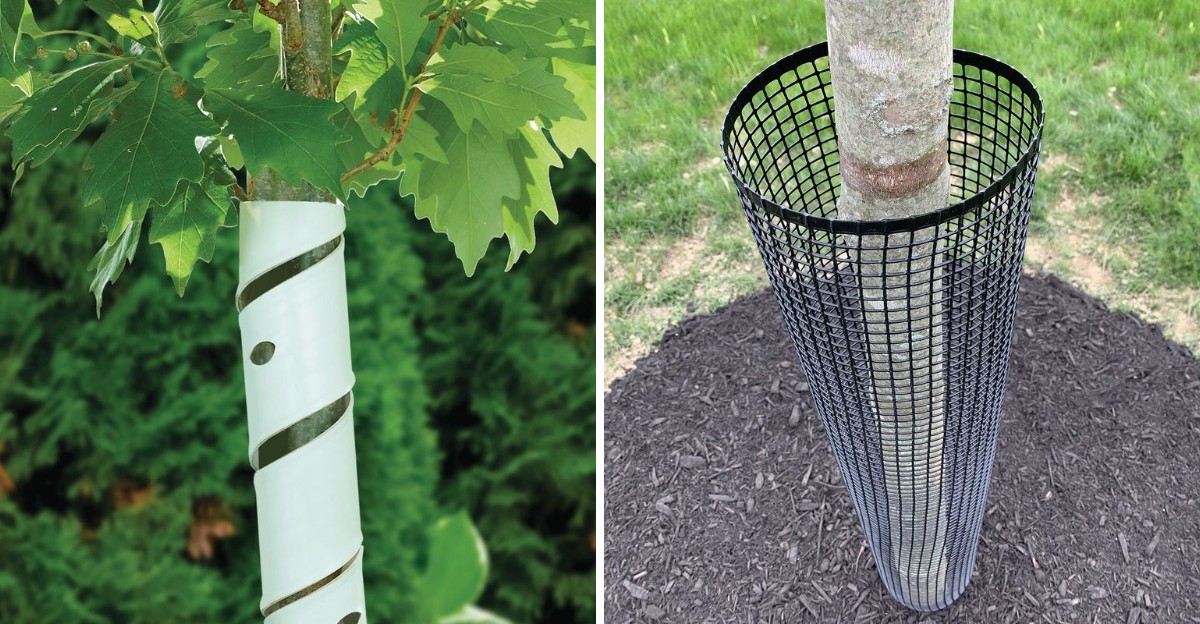
Ask any orchard grower in Michigan about their favorite tree guard, and many will point to a roll of hardware cloth. Despite the name, it is not cloth at all. It is a stiff wire mesh that works like armor for young trunks.
Galvanized hardware cloth with 1/4-inch mesh is the best pick. Those tiny openings are too small for voles to squeeze through. The wire is also too tough for rabbit teeth, and the galvanized coating helps it resist rust, so one guard can last for several winters.
Your Michigan Garden Changes Every Week. Your Plan Should Too.
Gardening in Michigan changes quickly throughout the season. Every Friday you’ll receive a simple weekly plan showing exactly what to plant, prune, fertilize, harvest, and protect so you never miss the right timing.
Making a guard is a simple weekend project. Start by measuring around the trunk, then cut a piece long enough to wrap around it with plenty of room to spare. Roll the mesh into a cylinder and hold the edges together with wire or zip ties.
Gloves are a must here. Freshly cut hardware cloth has sharp little points along every edge, and they can scratch your hands quickly. Some gardeners bend the sharp ends inward with pliers so the finished guard is safer to handle.
A roll of hardware cloth might cost more up front than plastic wraps. Still, the price evens out because you can reuse it year after year. One roll often makes guards for several trees.
Michigan yards are full of trees that need this kind of protection. Apple, pear, and cherry trees are common targets, along with crabapples and serviceberries.
Until their bark thickens and roughens with age, these trees benefit from a sturdy wire shield every winter, and hardware cloth delivers that peace of mind.
3. Make The Guard Tall Enough For Snow
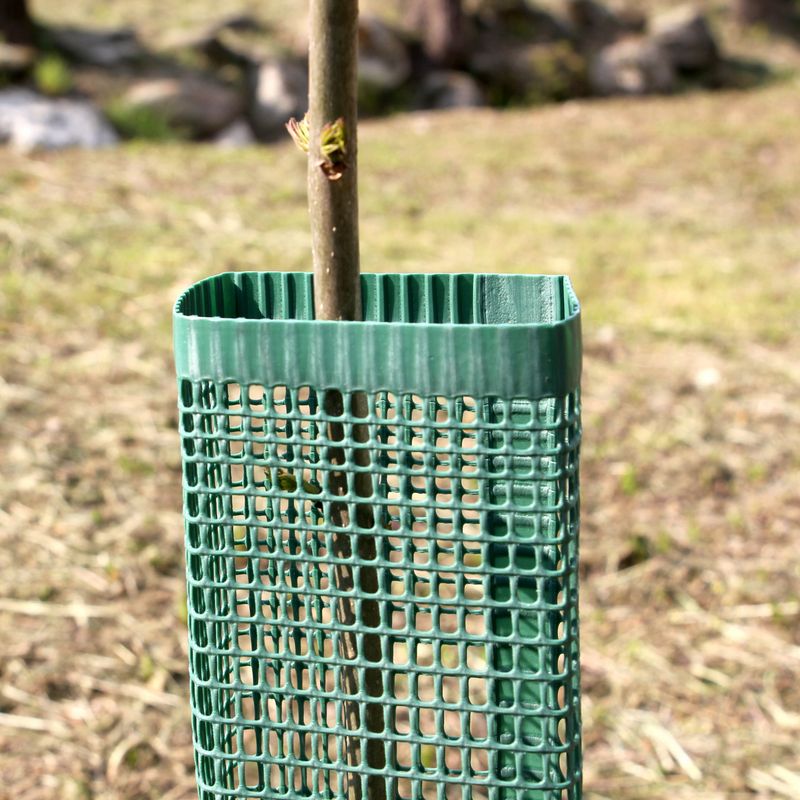
Snow has a sneaky way of turning a short guard into a useless one. A wrap that looks tall in October can be nearly buried by February. When that happens, rabbits simply hop on top of the snow and nibble the bark above it.
Rabbits do not climb trees, but packed snow works like a step stool for them. Each storm raises the ground level a little more. Before long, a hungry rabbit can reach bark that seemed perfectly safe back in fall.
The fix is to build guards with extra height. Plan for them to stand at least 18 to 24 inches taller than the deepest snow you usually see. So if your yard often gets a foot of snow on the ground, a guard around three feet tall makes a smart choice.
Snow care helps too. After a heavy snowfall, head outside and pack down or clear the snow around the base of each tree. Taking away that raised platform keeps rabbits from reaching higher on the trunk.
Where you live in Michigan changes the math. The southern Lower Peninsula tends to get moderate snow, so shorter guards may work there.
West Michigan, the northern Lower Peninsula, and the Upper Peninsula often get buried by lake-effect snow, which can pile up fast and deep.
Gardeners in those snowy areas often go taller than they think they need. Take a quick look back at the last few winters in your area. That memory is a great guide for picking a guard height that stays above the drifts all season long.
4. Bury The Bottom To Stop Voles
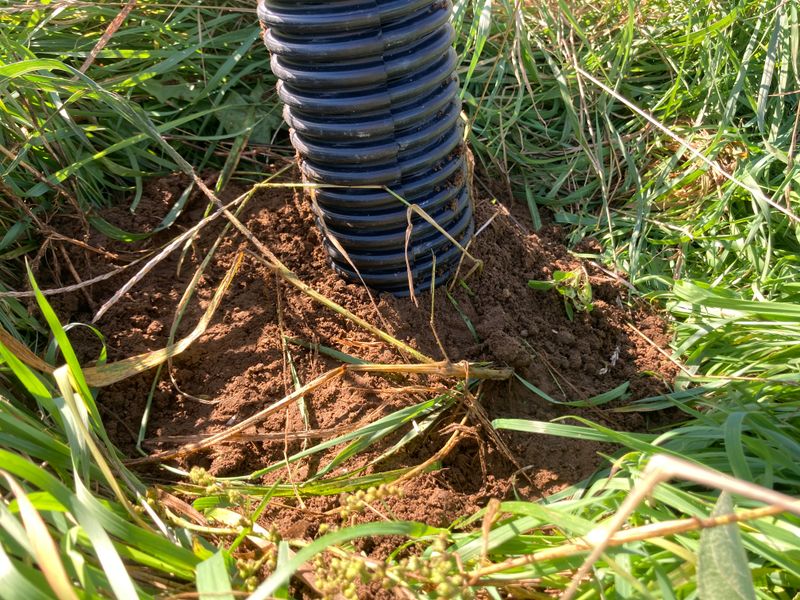
Voles are small, but they are clever diggers. A guard that sits on top of the ground leaves a tiny gap at the bottom, and that is all a vole needs. It can slip right under the edge and start chewing on the trunk.
These little rodents spend much of the winter moving through tunnels. Some run at the soil line, while others wind through the space between the ground and the snow above. Because they travel low, the bottom of your guard matters just as much as the top.
Burying the edge closes that gap. Push or dig the bottom of the guard 2 to 3 inches into the soil all the way around. A garden trowel makes it easy to open a shallow trench, set the guard inside, and firm the soil back against it.
Timing is everything with this step. Install guards in fall, before the ground freezes solid. Once the soil turns hard, getting the mesh into the ground properly becomes nearly impossible, and you may end up with a guard that just sits on the surface.
Many Michigan gardeners tie this chore to other fall jobs. Raking leaves or planting spring bulbs is a great reminder to check your tree guards too.
Michigan snow gives voles a cozy hideout. Under a thick white blanket, they can feed on bark all winter long without hawks, owls, or foxes spotting them. You might not notice any damage until spring melt, so a well-buried guard is your quiet, reliable defense.
5. Leave Space Between The Guard And The Trunk
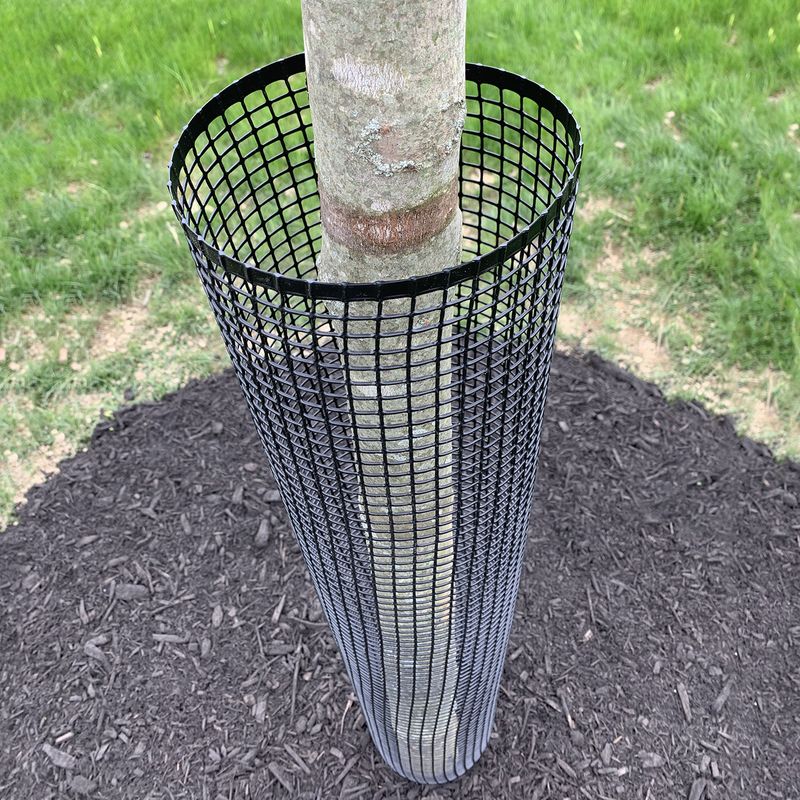
Tight hugs are nice for people, but not for trees. A guard that presses snugly against the trunk can cause more trouble than you might expect. A little breathing room goes a long way.
Here is the problem with a close fit. A snug guard can rub against the bark or press into it as the wind moves the tree. Animals can also chew right through mesh that touches the trunk, since their teeth can reach the bark through the openings.
A gap solves both issues. When the mesh sits away from the tree, rabbit and vole teeth cannot reach the bark. The open space also lets air move around the trunk, which helps keep the bark dry and healthy.
Aim for about 1 to 2 inches of space between the trunk and the guard on every side. If the guard keeps leaning or sliding against the tree, drive a small stake into the ground and tie the guard to it. That keeps everything centered, even during windy storms.
Growth is the other thing to watch. Young trees add width every year, so a guard that fits well today may feel cramped in two or three seasons. Loosen the ties or make a bigger cylinder whenever the gap starts to shrink.
Michigan gardeners often leave hardware cloth guards up for several years in a row. That makes this step extra useful. A quick check each fall to confirm the spacing keeps your tree safe from teeth and from the guard itself.
6. Use Plastic Spiral Guards As A Short-Term Option
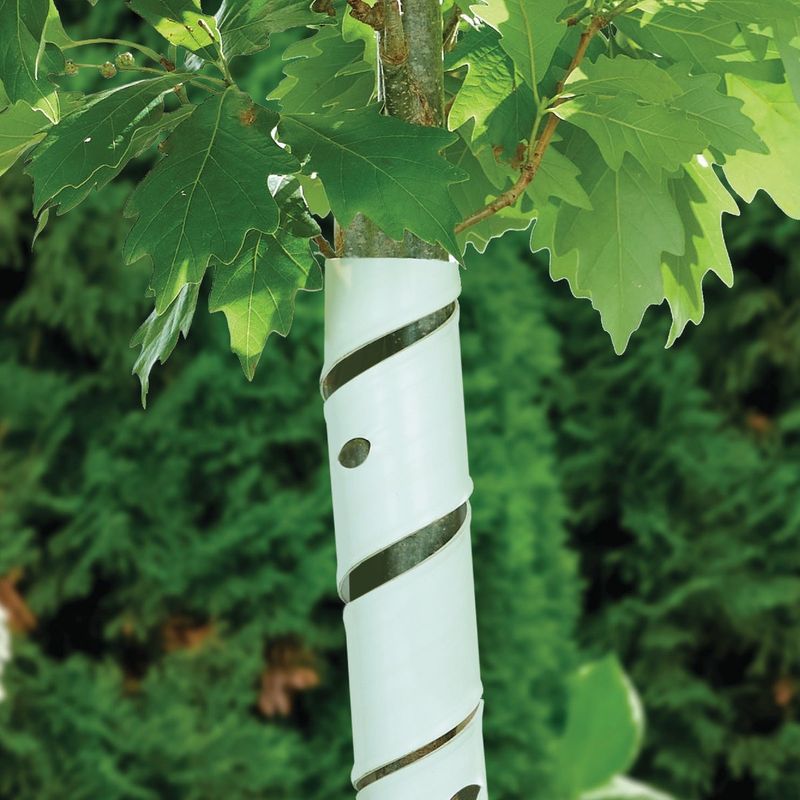
Walk into almost any Michigan garden center in the fall, and you will spot bundles of white plastic spirals near the checkout. Plastic spiral guards are cheap, quick to use, and handy for small trees. They just need a little extra thought to work well.
The design is clever. Each wrap coils around the trunk like a spring and gently opens up as the tree grows. That hard plastic layer blocks rabbits from reaching the bark.
Start at the soil line and wrap your way up the trunk. Make sure the spiral reaches above the snow depth you expect. A wrap that ends too low will leave bark exposed once drifts pile up.
Spring removal is a must. Plastic left on through the growing season can trap moisture against the trunk. It can also give insects a sheltered hiding spot right next to the bark, which is the opposite of what you want.
Spirals also have a weak spot at the bottom. They do not stop voles on their own, since those tunnelers can get under the plastic at the base. Pair the spiral with a small collar of hardware cloth pushed into the soil if voles are active in your yard.
Spiral guards are sold widely across Michigan for young fruit and shade trees. Think of them as a winter coat, not a year-round outfit. Put them on in late fall, take them off in spring, and they can do a solid job for a few seasons while your trees are small.
7. Pull Back Mulch And Mow Around Trees
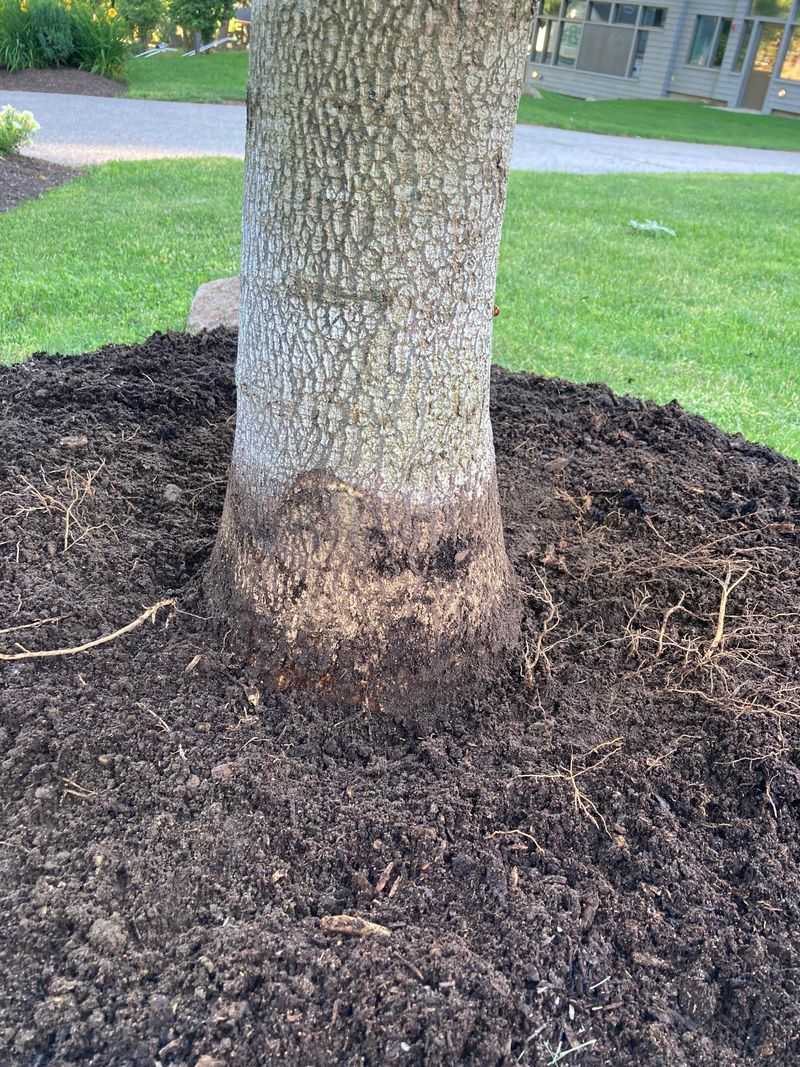
Voles are homebodies. They like to eat close to where they sleep, and the space right around your tree trunk can look like a dream apartment to them. Changing that space is one of the easiest ways to cut down on damage.
Thick mulch and tall grass give voles cover from hungry birds and foxes. They also offer warm, soft places to build nests. When shelter sits right next to a tree, voles do not have to travel far for a bark dinner.
Before winter arrives, grab a rake and pull the mulch back several inches from the trunk. The bare ring around the base makes voles feel exposed. Keep the rest of your mulch layer no deeper than 2 to 3 inches, which is plenty to protect roots.
Mulch piled high against a trunk, sometimes called a mulch volcano, is a common mistake. It holds moisture against the bark and invites pests. Flattening it out helps your tree in more ways than one.
Grass matters too. Mow the area around your trees short in late fall, and clear away weeds, fallen branches, and leaf piles at the base. A tidy space leaves voles with nowhere to hide.
Michigan orchards know this lesson well. Growers often find the worst vole damage in rows where grass grew tall near the trees. Home yards follow the same pattern, so a little late-season cleanup can make a big difference by spring.
8. Check Guards Through Winter And Adjust In Spring
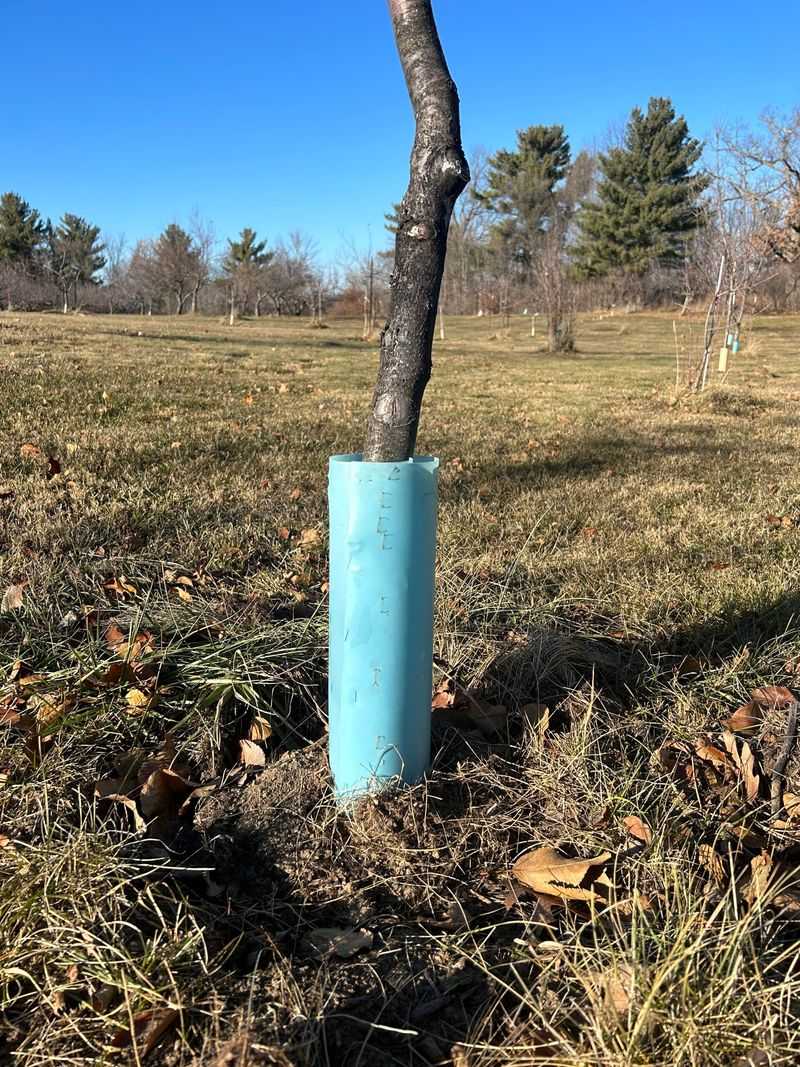
Installing a tree guard is a great start, but the job is not quite finished. Winter keeps changing things around your trees. A quick walk through the yard every so often keeps your hard work paying off.
Plenty can go wrong between fall and spring. Snow drifts can push guards sideways, and frost heaving can lift the bottom edge right out of the soil. Curious animals may nudge or dig at a guard until part of the bark shows.
Plan to check trees after heavy snowstorms and again during thaws. If a guard has tipped or shifted, straighten it and press the bottom back into the ground when you can. While you are there, look closely at the bark and nearby twigs for fresh gnawing marks.
Spotting damage early gives you a chance to fix the weak spot. A gap at the base or a guard that sank into deep snow can be adjusted in just a few minutes.
Spring brings a different set of chores. Take off plastic wraps once the weather warms. For hardware cloth guards, loosen the ties or build a larger cylinder if the trunk is getting close to the mesh, since a tight guard can squeeze a growing tree.
Michigan winters are long and full of surprises. The season can stretch from November into March, with freezes, thaws, and fresh snow on repeat. Checking in regularly means your young trees wake up in spring healthy, protected, and ready to grow.