How To Protect California Herbs From Sudden Temperature Swings
California weather loves a good plot twist.
Sunny afternoons in the 70s. Clear skies. Not a cloud in sight. Then night falls, and the thermometer drops like it forgot something important.
Your herb garden feels every bit of that roller coaster.
Some plants shrug it off like seasoned pros. Others wake up the next morning looking like they had a very rough night.
The difference often catches gardeners by surprise.
So which herbs in your yard can handle the ups and downs, and which ones quietly need a little backup?
The answer depends on where those plants came from, how they grow, and a few small habits you can pick up this week.
None of them take much time. A couple use things you probably already have in the garage.
Get it right, and your garden keeps its flavor through every surprise swing. Get it wrong, and dinner plans may need a quick rewrite.
Ready to buckle up? Grab your forecast app and a light jacket. The ride starts tonight.
Basil Reacts Fastest To Sudden Cold
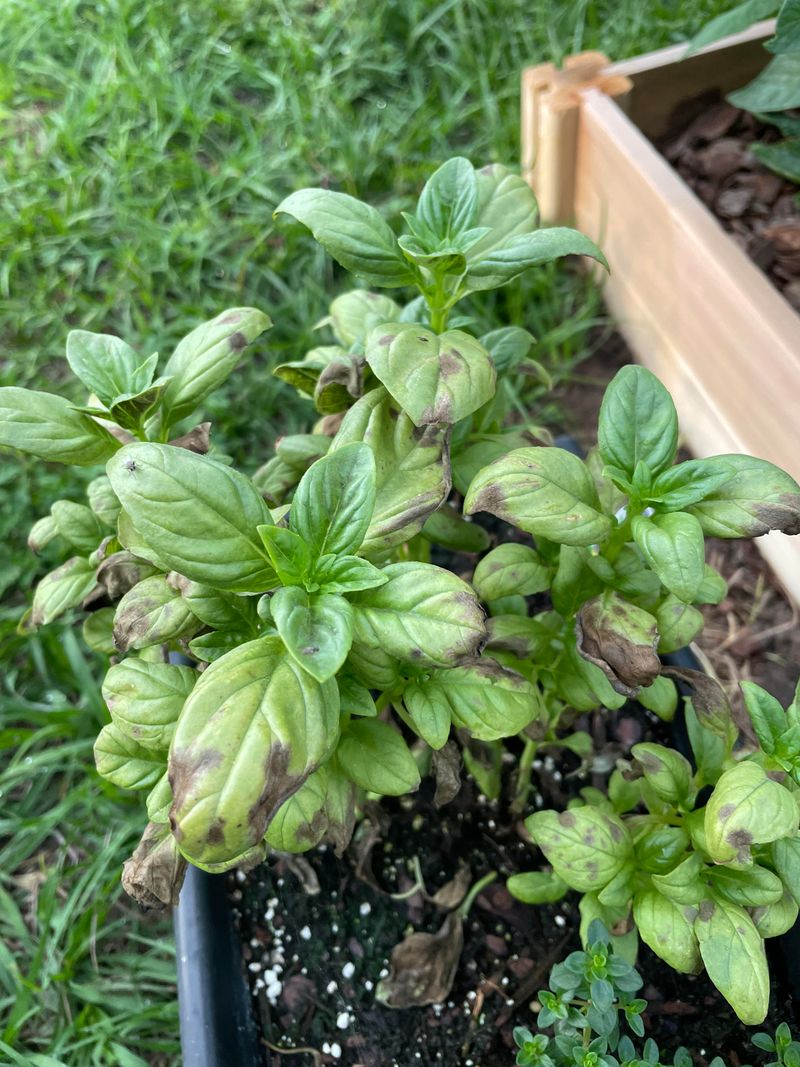
A basil plant can look amazing on Friday and show dark, slimy patches by Sunday morning. That sad sight greets plenty of California gardeners every spring and fall.
Basil is a warm-season annual, and it simply dislikes the cold.
This herb counts as frost-tender. It belongs outside only once nights stay warm.
Many gardeners notice trouble once temperatures dip into the 40s, even without frost. Leaves can turn black or bronze as cold harms the cells inside them.
Gardeners often call that problem chill damage.
Soft, juicy growth makes basil extra touchy. Those tender leaves hold lots of water and have no thick coating for protection.
A sudden drop after weeks of mild weather gives the plant no time to adjust.
Now keep one eye on the forecast, because inland valleys can surprise you. Nights there can fall fast.
Coastal gardens often stay milder, but a clear, still night can still bring a chill. A low near 45 degrees or colder is a good signal to protect or move your basil.
The exact damage point varies by variety and conditions. Treat that number as a helpful guide, not a hard rule.
Basil likely came from warm tropical regions, which explains its strong dislike of chilly air. It is basically a summer vacation plant that forgot to pack a sweater.
Give it a warm welcome, and it pays you back in pesto.
Mediterranean Herbs Handle Swings Better
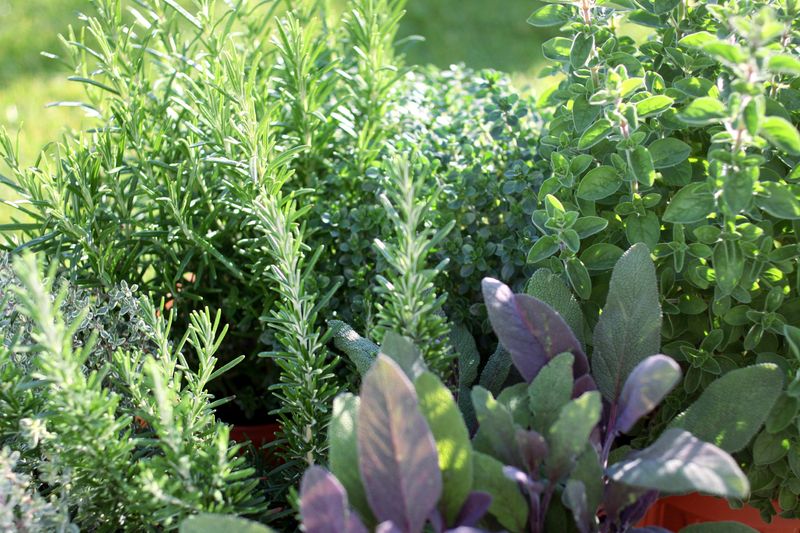
Some herbs grew up on sunny hillsides around the Mediterranean Sea. Winters there run cool, and summers stay hot and dry.
California has a very similar climate, which is why rosemary, thyme, sage, and oregano feel right at home here.
These herbs are perennials that return year after year in most California gardens. Their leaves are smaller and tougher, often coated with oils or tiny hairs.
Those features help them handle heat, wind, and chilly nights far better than soft basil.
In most parts of the state, a sudden cold night barely fazes them. Covers, blankets, and special care usually stay in the closet.
Your California Garden Changes Every Week. Your Plan Should Too.
Gardening in California changes quickly throughout the season. Every Friday you’ll receive a simple weekly plan showing exactly what to plant, prune, fertilize, harvest, and protect so you never miss the right timing.
A few exceptions deserve a mention. Young plants set out just weeks ago have weaker roots and may appreciate a little shelter.
Mountain and high desert areas can get cold enough to hurt even these tough herbs. Some rosemary types also handle cold less well than others.
Local nurseries in those zones can point you toward hardier picks.
Now for a surprise, because too much care can actually backfire here. Soggy soil poses a bigger danger than cold air. Wet roots can rot.
Let these herbs stay on the dry side. Skip the fuss, and save your energy for the plants that truly need help.
Rosemary and friends basically run on autopilot. They are the low-maintenance roommates every garden hopes to find.
Frost Cloth Buys Tender Herbs Time
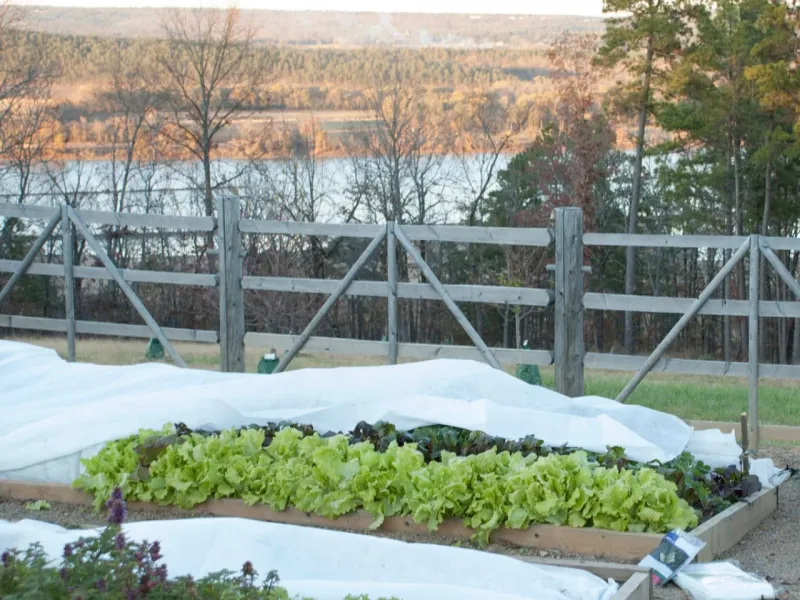
Frost cloth works like a light jacket for the garden. It traps some of the warmth that rises from the soil at night.
For tender herbs like basil, that small bit of trapped heat can make a big difference.
The ground stores heat during the day and releases it after dark. A cover that reaches all the way to the soil holds that heat around the plant.
A sheet that only sits on top, with no contact at the ground, does much less.
Now for the setup, and it takes only a few minutes. Drape the cloth over the plants in late afternoon, before the sun goes down.
Let the edges hang to the ground. Hold them in place with rocks, bricks, or a little soil.
Keep the fabric off the leaves as much as possible. Small stakes or a simple wire hoop can hold it up like a tent.
Plastic makes a poor choice, since it can touch leaves and pass the cold right through.
Pull the cover off in the morning once temperatures warm up. A cover left on through a sunny day can trap too much heat.
Frost cloth usually adds only a few degrees of protection. It works best for short cold snaps, not long, deep freezes.
An old bedsheet or light blanket can fill in for one night. Your basil will not mind the mismatched decor, as long as it stays cozy.
Containers Move Easier Than Garden Beds
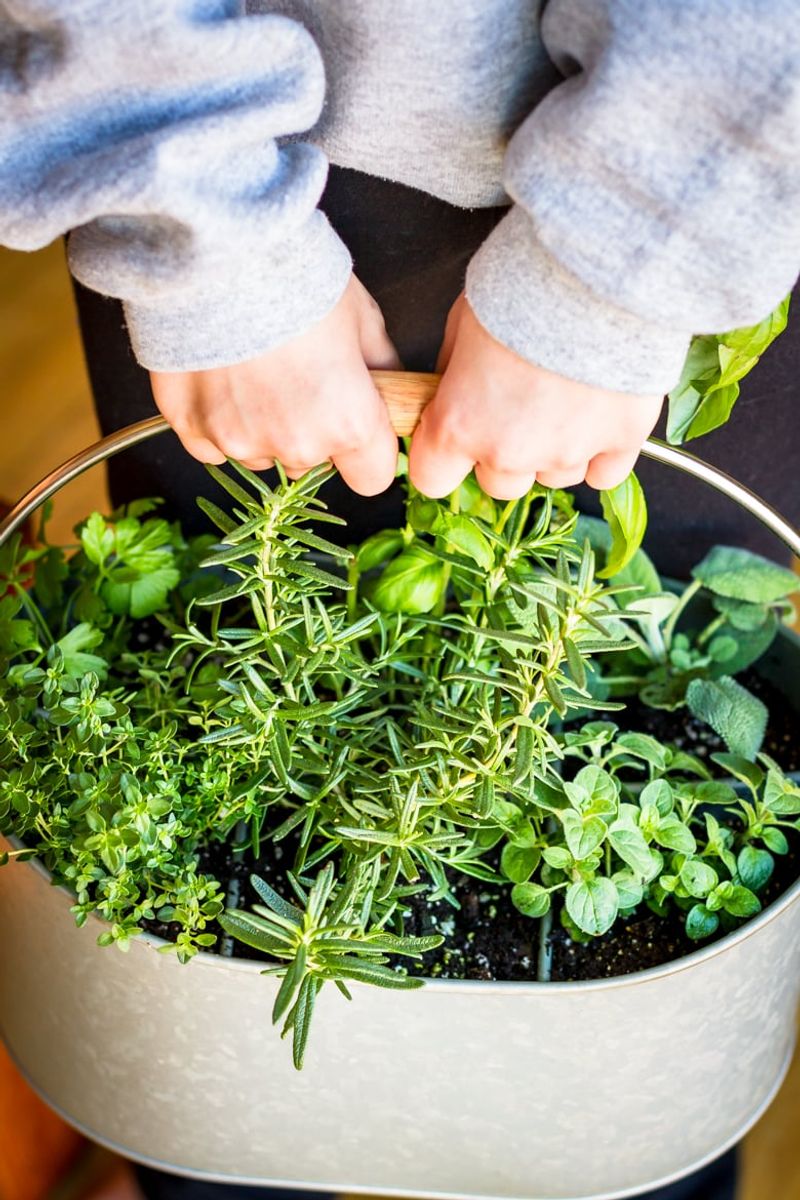
Pot growers have a secret weapon. When the weather turns, they simply pick up their herbs and walk away from the cold.
Garden beds cannot do that. A pot of basil on a wheeled stand or a light tray can reach safety in less than a minute.
That quick escape matters, because containers actually get colder than the ground. Soil in a pot sits exposed on all sides.
Roots lose heat faster than roots buried in a bed, so a quick move helps tender herbs even more.
Several good spots work well. A garage, covered porch, or spot near a south-facing wall stays warmer than an open yard.
Even a patio table overhead can block some of the cold night sky.
Now for a quick houseguest tip, because basil can be a little picky indoors. A night inside works well, but keep it away from heater vents that dry out leaves.
Move it back outside the next morning once the air warms up. Basil craves lots of sun, and long stays indoors can leave it weak and floppy.
A little forethought makes life easier too. Grow basil in pots on purpose, and keep hardy herbs like rosemary in the ground where they can spread out.
Pots grouped close together share a little warmth when a move is not possible. They are also much easier to grab in a hurry.
Your basil gets a cozy sleepover, and you get to feel like a very thoughtful host.
Watering Before A Cold Snap Helps
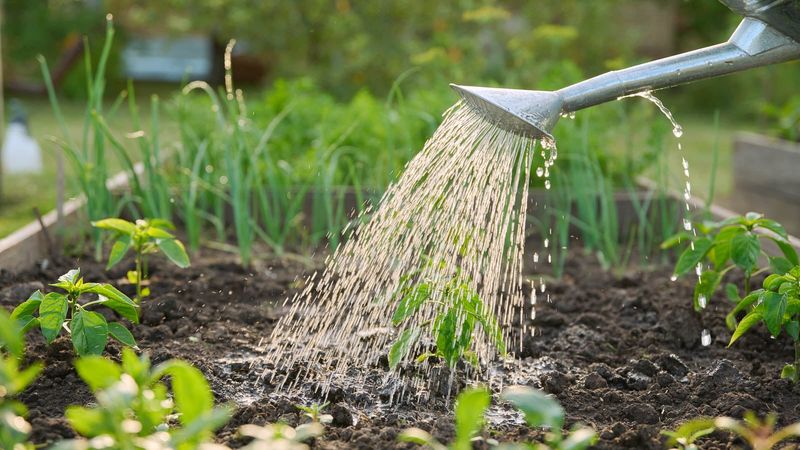
It sounds a little strange, but a drink of water can help keep plants warmer. Moist soil soaks up and holds more heat from the sun than dry soil.
At night, that stored heat slowly rises and warms the air right around low plants.
Dry, fluffy soil behaves differently. It has lots of air pockets, and air holds heat poorly.
A dry bed can cool down faster on a clear night, which leaves roots and lower leaves more exposed.
Now check the clock, because the hour really matters here. Water a day or two before the cold arrives, ideally in the morning or early afternoon.
That gives the sun time to warm the damp soil. A late-evening drink helps much less, since no sunshine remains to heat things up.
Aim for soil that feels moist, not muddy. A soggy mess can harm roots, especially in pots with poor drainage.
Water around the base of the plant instead of a spray over the leaves.
This step suits basil and young herbs best. Rosemary, thyme, sage, and oregano prefer drier soil.
Skip extra water for them unless they are truly dry, since wet roots can rot in cool weather.
Pair this trick with frost cloth for even better results. The damp soil gives off heat, and the cloth holds it in.
Together, they create a cozy pocket of warm air all night long. Your basil basically gets a heated blanket, no electric bill included.
Harvest Tender Herbs Before A Hard Freeze
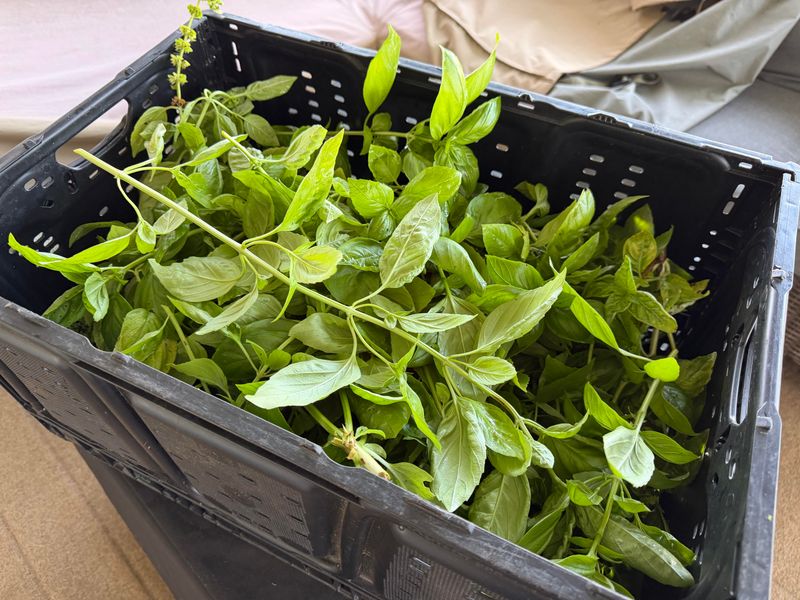
Sometimes the smartest move is to grab the scissors. A hard freeze on the way can be too much for basil, even under a cover.
A harvest first means you still get to enjoy all that summer flavor.
A hard freeze usually means temperatures well below 32 degrees for several hours. Basil cannot handle that and can turn black overnight.
Damaged leaves lose their sweet smell and taste.
Check the forecast a day or two ahead. Harvest in the morning after any dew dries, when leaves are full of flavor.
Cut stems just above a pair of leaves. With the cold season close, pull the whole plant instead.
Now for the tasty part, and your kitchen is about to smell amazing. Blend basil with olive oil and freeze it in ice cube trays for easy meals later.
A big batch of pesto is another fun way to save a huge pile of leaves.
Fresh basil dislikes the fridge, since cold air can darken it there too. Place stems in a glass of water on the counter instead, like a bouquet.
They stay fresh for a few days.
Hardy herbs tell a different story. Rosemary, thyme, sage, and oregano rarely need a rescue harvest.
Snip them as needed all winter. Save the rush for tender plants that truly cannot take the freeze.
Your freezer fills up with little green cubes of summer. Future pasta nights just got a lot more exciting.
Small Steps Prevent Most Cold Damage
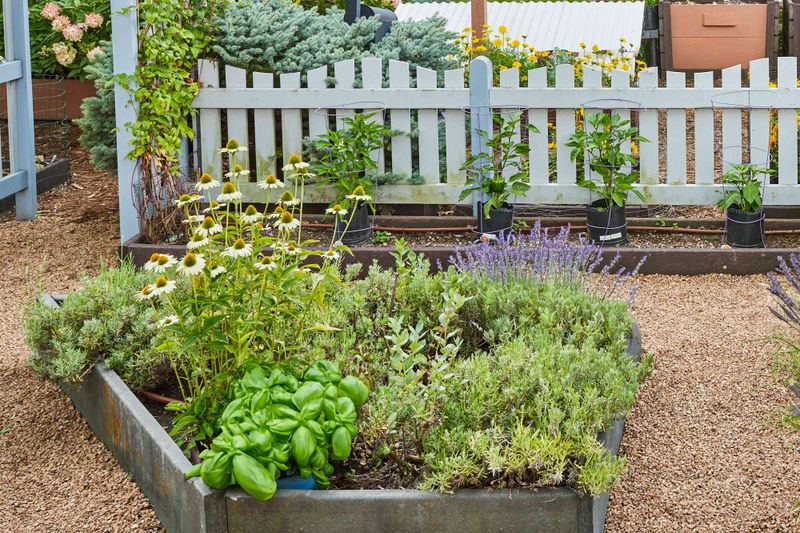
Cold protection for herbs does not have to be hard or costly. A few simple habits usually keep the garden looking great.
The key is to know which plants actually need help.
Start with a quick sort. Basil and other soft, tender herbs go on the watch list.
Rosemary, thyme, sage, and oregano can usually handle the ups and downs of California weather on their own.
Next, keep an eye on the forecast. A free weather app can warn you when a chilly night is on the way.
Inland valleys and low spots in the yard often run colder than nearby areas. Extra attention pays off there.
Now open your small cold-weather toolkit, because it holds everything you need. Water the soil earlier in the day. Cover tender plants with frost cloth. Move pots to a sheltered spot.
A hard freeze on the horizon calls for a basil harvest. Turn it into pesto or frozen cubes.
After the cold passes, look before you prune. Damaged leaves can shield the growth below from the next chilly night.
Wait until the weather settles before any trim. Your plants may surprise you with a strong comeback.
A little forethought goes a long way. These steps help your garden stay healthy and tasty through every surprise swing.
You spend less time on worry and more time in the kitchen. The weather roller coaster may continue, but your herbs now ride with a seat belt.