This Is The Easiest Evergreen Shrub California Gardeners Aren’t Growing Yet
Some plants earn their place in the yard by demanding constant attention. Others quietly look good, behave themselves, and somehow never become the star of the nursery cart.
That second category is where California gardeners may be missing out.
An easy evergreen shrub can solve more garden problems than you might expect. It can add year-round structure, fill awkward gaps, soften fences, and keep a landscape looking finished even when flowering plants are taking a break.
Better yet, the right choice does not have to turn weekends into an endless cycle of pruning, fussing, and wondering why one branch has suddenly gone rogue.
California gardens come with their own challenges, so finding a shrub that looks polished without acting precious is always worth celebrating.
And yet some surprisingly practical choices still fly under the radar while flashier plants get all the attention at garden centers.
If you have space for one more evergreen, skip the usual suspects for a moment. There is an easier option that deserves a serious look, especially if low-maintenance landscaping is high on your wish list.
1. It Stays Evergreen In Mild California Gardens
Not every shrub holds onto its leaves through winter, but the island bush snapdragon does it without any fuss.
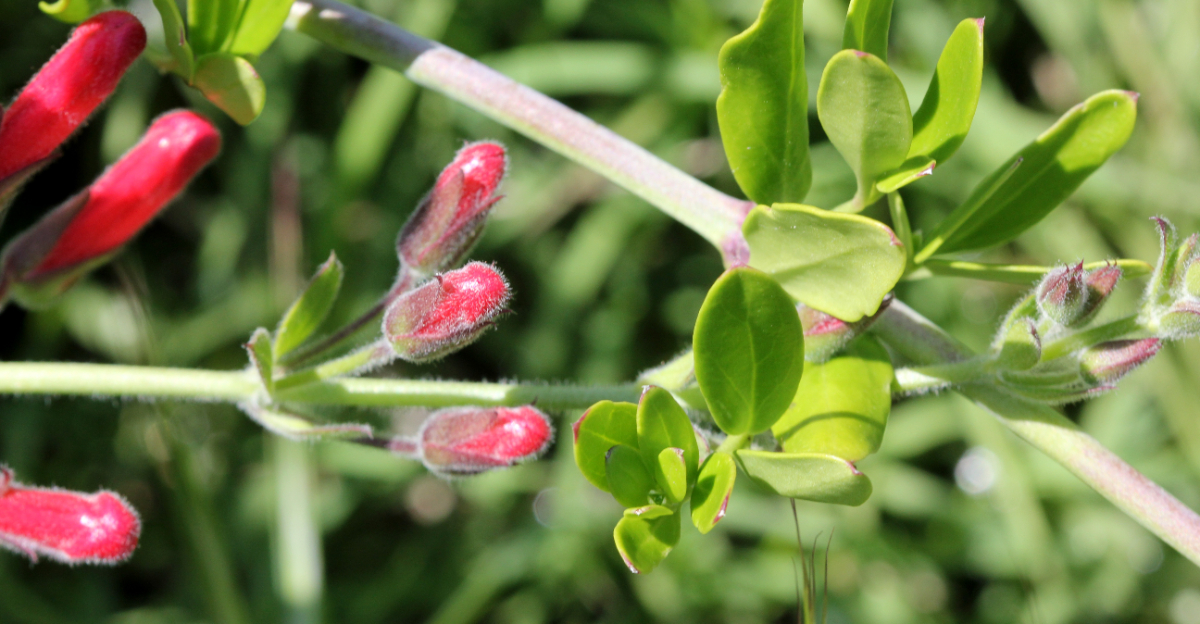
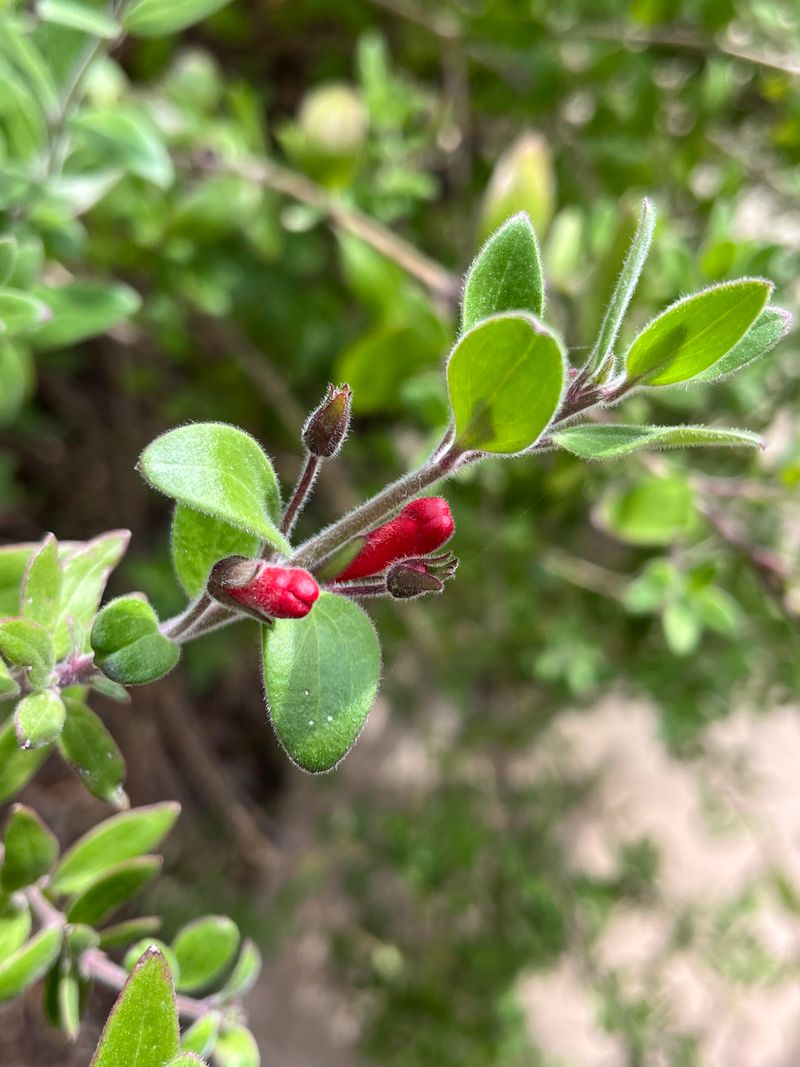
Galvezia speciosa is a native shrub that keeps its foliage looking full and green even during cooler months. That’s a big deal for gardeners who want their yard to look alive year-round.
The plant grows naturally on the Channel Islands off the Southern California coast. Because it evolved in a mild, Mediterranean-style climate, it handles the same conditions in most home gardens without much struggle.
You don’t need to baby it through the seasons. Many ornamental shrubs drop their leaves in fall or look tired and scraggly by late summer. The island bush snapdragon avoids both problems.
It stays lush and leafy no matter what time of year you walk past it. Evergreen plants are especially useful near entryways, along fences, or in spots where you need consistent coverage. This shrub fits all of those roles well.
It grows to about three to five feet tall and spreads a little wider, giving you solid visual coverage without taking over the space.
For gardeners who want low-maintenance beauty that lasts all four seasons, this plant is a smart pick. It won’t disappoint you in the off-season when most other flowering shrubs look bare and forgettable.
2. Bright Red Flowers Add Color Without Much Work
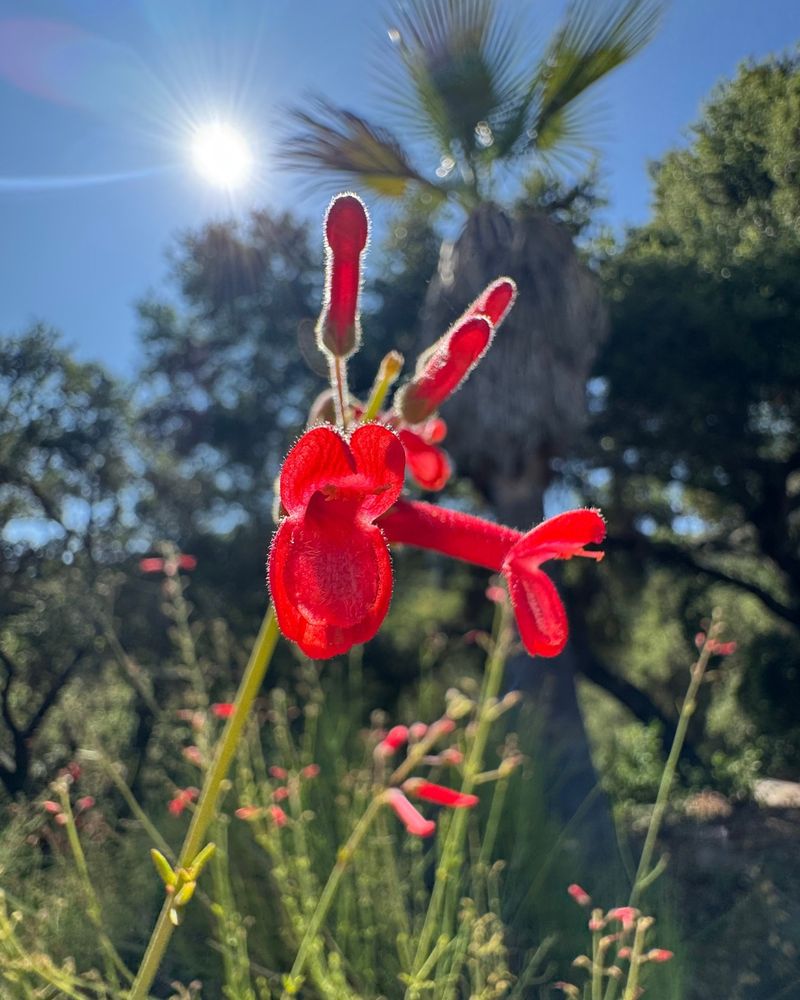
Few things grab attention in a garden like a burst of red flowers. The island bush snapdragon delivers exactly that, and it does it with very little effort on your part.
The tubular blooms are a rich, warm red that pops against the dark green foliage in a really satisfying way.
Flowering typically peaks in spring, but blooms can appear at other times of year too, especially in mild coastal climates.
That extended bloom period means you get color for a longer stretch than you would from many other flowering shrubs. It’s a great return on a small investment.
Your California Garden Changes Every Week. Your Plan Should Too.
Gardening in California changes quickly throughout the season. Every Friday you’ll receive a simple weekly plan showing exactly what to plant, prune, fertilize, harvest, and protect so you never miss the right timing.
You won’t need to deadhead spent flowers constantly to keep new ones coming. The plant handles that process mostly on its own.
Just give it decent sun and a little water when it’s getting established, and the flowers will show up reliably.
Red is one of the most powerful colors in garden design. It draws the eye immediately and creates a natural focal point.
Planting this shrub near a patio, walkway, or garden border gives that space an instant boost of visual energy.
Even when the plant isn’t in full bloom, the deep green leaves look attractive on their own. The flowers are the star of the show, but the foliage holds its own between blooming cycles. Together, they make this shrub a year-round winner.
3. It Handles Dry Conditions Once Established
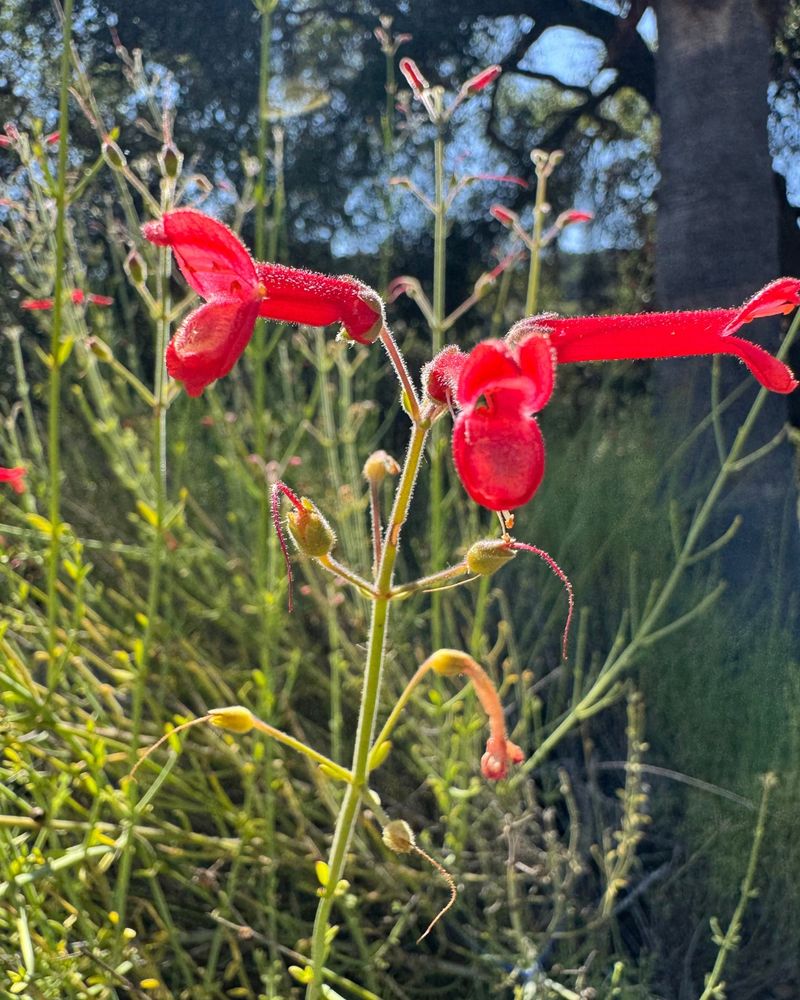
Drought tolerance is one of the most valuable traits a garden plant can have. Once the island bush snapdragon is settled into its spot, it can handle long stretches without rain or extra watering. That makes it a genuinely practical choice for water-conscious gardeners.
During the first growing season, some regular watering helps the roots spread out and get comfortable. After that, the plant becomes much more self-sufficient.
Most gardeners find they can cut back watering significantly after the first year without seeing any stress in the plant.
This shrub evolved on islands where rainfall is seasonal and soils can be thin and rocky. Those tough beginnings gave it a strong ability to survive with less moisture than most ornamental plants need.
You’re essentially working with nature’s design when you plant it. Dry summers are a fact of life in many parts of the western United States.
Having plants in your yard that thrive under those conditions means less time spent dragging hoses around and lower water bills every month. That’s a practical win most gardeners appreciate.
Pairing this shrub with other drought-tolerant natives creates a low-water garden that still looks full and colorful. Salvia, buckwheat, and toyon all make good neighbors.
Together, they form a garden that works with the local climate instead of fighting it every single season.
4. The Shrub Keeps A Loose Natural Shape
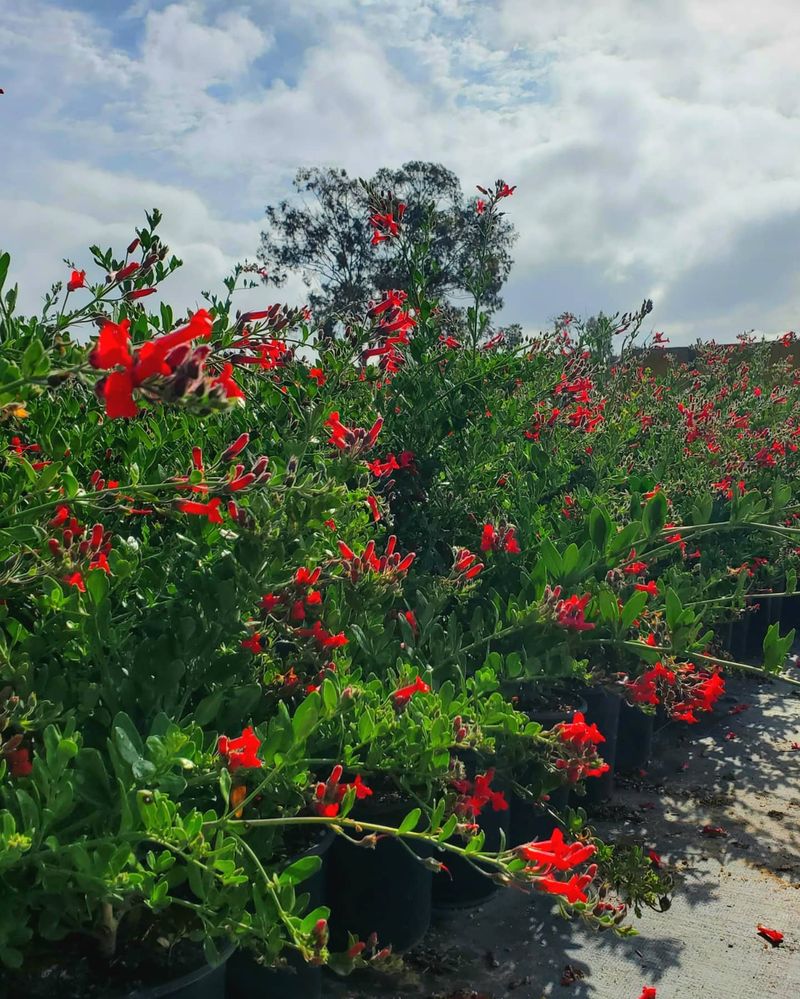
Some shrubs grow into stiff, boxy shapes that look almost artificial in a natural garden setting. The island bush snapdragon takes a completely different approach.
It has a relaxed, arching habit that feels organic and fits easily into casual or naturalistic landscapes.
The branches spread outward in a flowing way, giving the plant a soft silhouette. That loose form works beautifully when you want a plant that looks like it belongs in the landscape rather than one that was forced into a shape.
It blends in without looking out of place. Gardeners who prefer a more wild or native-inspired look will appreciate how this shrub grows on its own.
You don’t have to constantly clip it into a formal shape to make it look presentable. The natural form is part of its charm.
This kind of growth habit also makes it a great candidate for slopes, hillsides, or informal garden borders.
The spreading branches can help hold soil in place while also adding visual texture to the landscape. Function and beauty working together is always a good combination.
If you do want to tighten up the shape a little, light pruning handles it easily. But many gardeners find they prefer to leave it mostly alone.
Once you see how gracefully it fills its space, trimming it into something rigid almost feels like a shame.
5. Hummingbirds Are Drawn To The Tubular Blooms
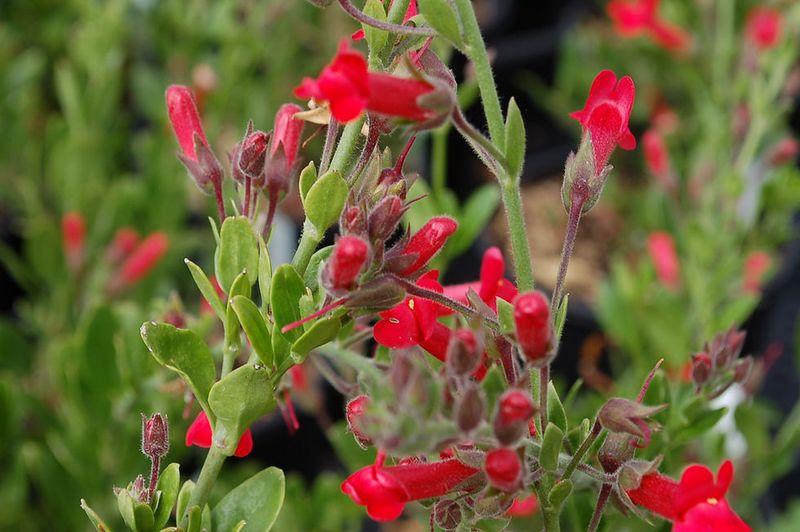
There’s something genuinely exciting about watching a hummingbird dart around your garden. If you plant island bush snapdragon, those visits become a regular thing.
Hummingbirds are naturally attracted to tubular red flowers, and this shrub produces exactly that kind of bloom.
The long, narrow flower shape is almost perfectly designed for hummingbird feeding. Their slender bills fit right into the tube to reach the nectar inside.
While they feed, they also transfer pollen from flower to flower, which helps the plant reproduce naturally.
Anna’s hummingbirds are common year-round in many western gardens, and they actively seek out native plants for food.
Planting Galvezia speciosa gives them a reliable nectar source, especially during seasons when other flowering plants aren’t blooming yet. That makes your yard a more welcoming space for local wildlife.
Beyond hummingbirds, the flowers can also attract native bees and butterflies. Creating a garden that supports multiple pollinators is one of the best things a home gardener can do for the local ecosystem.
Every flower that feeds a pollinator helps the bigger picture. Watching wildlife interact with your plants adds a whole new layer of enjoyment to gardening. You’re not just growing something pretty to look at.
You’re creating a small habitat that buzzes and flutters with life, and the island bush snapdragon plays a central role in making that happen.
6. It Works Well In Sunny Coastal Gardens
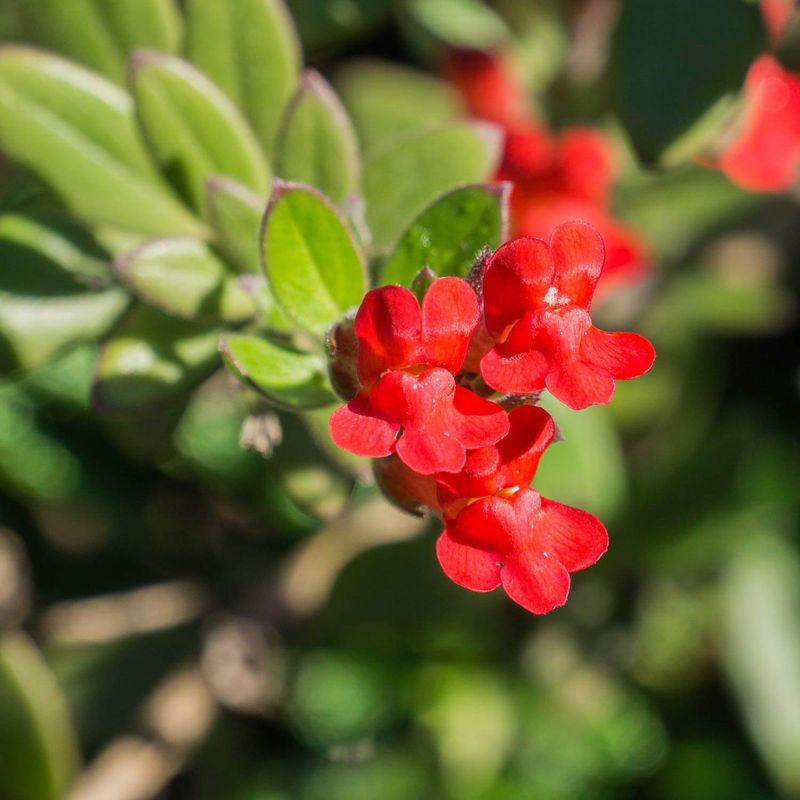
Coastal gardens come with their own set of challenges. Salt air, wind, and sandy soil can be hard on many plants.
The island bush snapdragon handles all of those conditions without complaint, which is exactly why it’s such a smart fit for gardens near the ocean.
Since it originates from the Channel Islands, this shrub is already accustomed to coastal conditions. It grew up in salty, breezy environments and adapted to thrive there.
Bringing it into a similar garden setting is like returning it to its natural home.
Full sun is where this plant does its best work. It loves bright light and performs noticeably better in open, sunny spots than it does in heavy shade.
If your coastal garden gets plenty of direct sunlight, this shrub will reward you with healthy growth and regular blooms.
Well-drained soil is important for success with this plant. Sandy coastal soils often drain quickly, which suits Galvezia speciosa just fine.
It doesn’t like sitting in wet, soggy ground for long periods. Good drainage is one of the simplest ways to keep it happy.
Gardeners who live near the coast often struggle to find plants that look good and hold up to the environment. This shrub solves that problem in a straightforward way.
Plant it in full sun with good drainage, and it will thrive in ways that many other ornamentals simply can’t match in that setting.
7. Light Pruning Is Usually Enough To Keep It Tidy
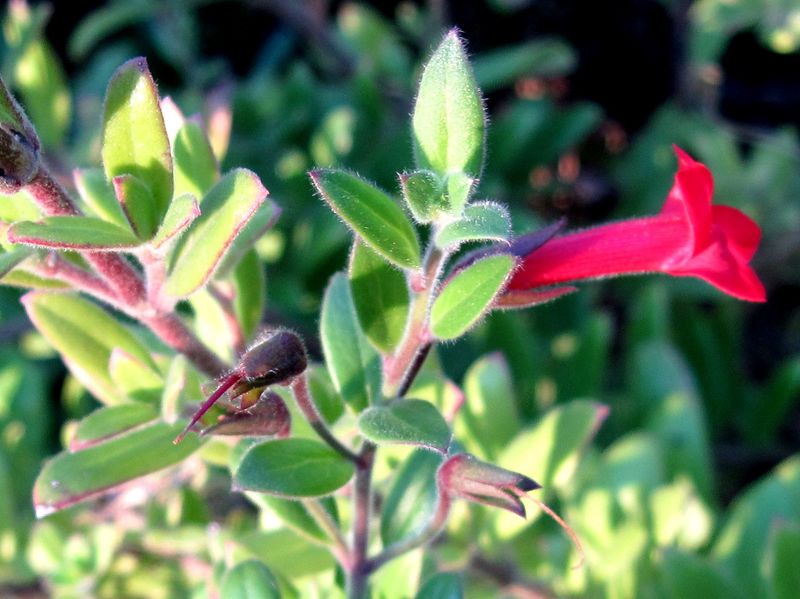
Heavy pruning schedules are one of the biggest reasons gardeners avoid certain shrubs. The island bush snapdragon skips all that drama.
A light trim once or twice a year is usually all it takes to keep the plant looking clean and well-shaped.
After the main bloom period ends, cutting back some of the longer stems encourages fresh new growth. That new growth often brings another round of flowers with it, which is a nice bonus.
You’re not just tidying the plant; you’re actually setting it up for more color.
Using clean, sharp hand pruners is the best approach for this shrub. You don’t need hedge clippers or power tools.
The stems are relatively soft and easy to cut, so the job goes quickly even if you’re new to pruning.
Avoid cutting back too hard into old woody growth, as that can stress the plant unnecessarily.
Stick to trimming the newer, greener stems and removing any branches that look crowded or are crossing each other. That simple approach keeps things tidy without overdoing it.
For busy gardeners who don’t have hours to spend on maintenance, this shrub is a genuine relief. You can give it a quick trim in spring or early fall and then mostly forget about it for months.
That kind of low-effort upkeep is exactly what makes this plant so easy to love and live with long term.
8. It Needs Less Summer Water Than Many Ornamentals
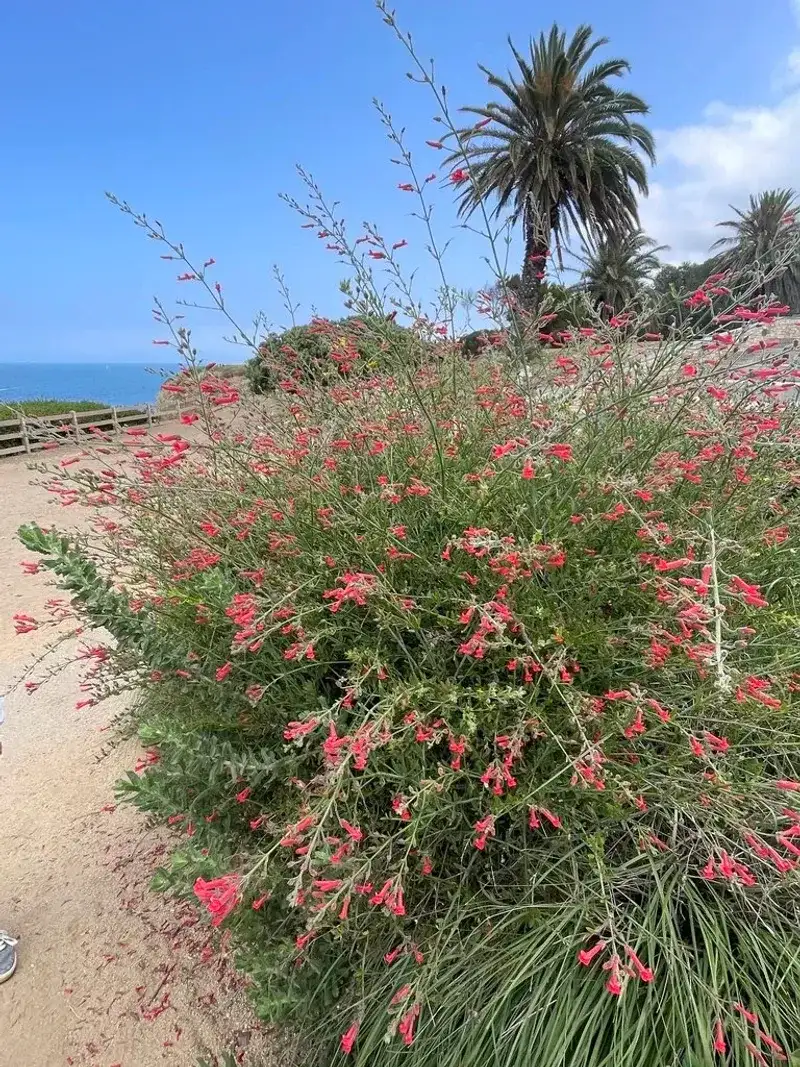
Summer water restrictions have become a real concern for gardeners across the western United States. Finding beautiful plants that don’t demand constant irrigation is more important than ever.
The island bush snapdragon fits that need better than most ornamental shrubs on the market today.
Once established, this plant gets by on very little supplemental water during the dry season. In many garden situations, rainfall alone during the cooler months provides enough moisture to carry it through summer.
That’s a remarkable level of efficiency for a plant that also produces showy flowers.
Overwatering is actually one of the most common mistakes gardeners make with this shrub. Too much summer water, especially in heavy clay soils, can cause root problems.
Backing off on irrigation during the warm months actually helps the plant stay healthier in the long run.
Replacing thirsty ornamentals with water-wise natives is a smart move for any garden. Every plant that needs less water frees up resources for other parts of the yard.
Over a full growing season, the savings in time, water, and effort really start to add up in meaningful ways. This shrub proves that low water use doesn’t mean low visual impact.
The red flowers keep coming, the foliage stays green, and the plant holds its shape without needing constant moisture to do it. That combination of beauty and efficiency is hard to beat in any garden setting.