This Invasive Weed Is Spreading Through Texas Lawns Faster Than Nutsedge
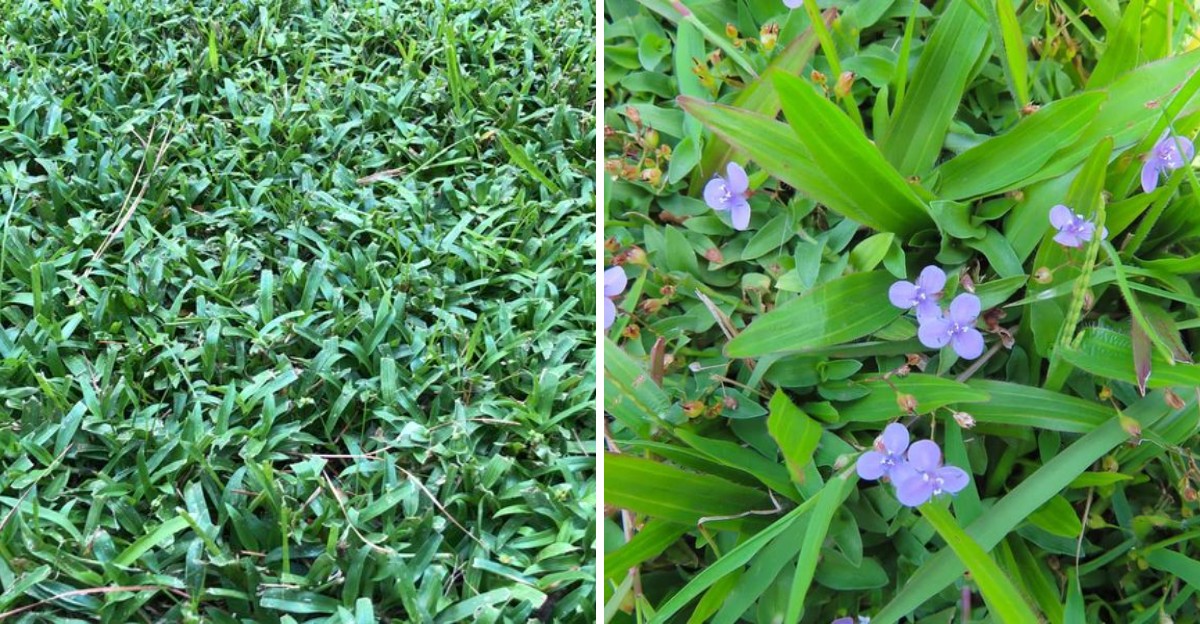
At first glance, it looks like grass. That’s exactly what makes it so sneaky. This invasive weed has been creeping into Texas lawns, and many homeowners don’t notice it until it’s taken over big sections of the yard.
Its thick, glossy leaves blend right in with St. Augustine and other warm-season turf. By the time tiny purple-blue flowers pop up, it has usually spread farther than you’d expect.
It loves heat and moisture, so damp spots, low areas, and overwatered lawns are prime targets.
Its creeping stems root as they spread, forming dense mats that crowd out healthy grass. Even seasoned gardeners say it moves faster than nutsedge, and that’s saying a lot.
The sooner you learn to tell it apart from your turf, the easier it is to control. Here’s what to look for and how to keep it from taking over your lawn.
The Lawn Invader To Watch
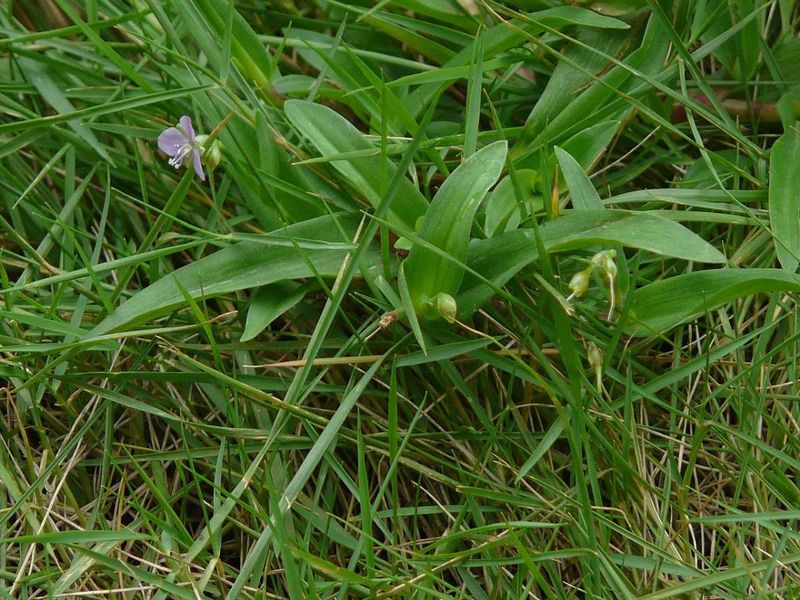
Long before it reached Texas, doveweed was quietly growing in the warm fields of tropical Asia and Australia.
Nobody there thought of it as a lawn villain. Over time, though, it hitched a ride to new places and made itself at home.
Today, doveweed has naturalized across much of the warm and tropical Americas. That means it grows wild on its own, without anyone planting it.
For years, it was mostly a headache for homeowners in the Southeast. Florida, Georgia, and the Carolinas dealt with it first.
Now it is moving west. Texas lawns have become its newest target, and many people are just starting to notice. Some yard owners mistake it for a patch of healthy grass.
Others think it is just a strange type of nutsedge. Both guesses can lead to the wrong treatment.
So why should you care? Doveweed does not stay small. Once it settles in, it can crowd out your turf and leave your lawn looking patchy and uneven. It also competes with your grass for water, sunlight, and nutrients.
Here is a fun fact. The plant belongs to the spiderwort family, which includes some popular garden flowers. So it has some pretty relatives, even if it behaves badly in a yard.
The smartest move is to stay alert. Walk your lawn every couple of weeks during summer. Look for patches that feel thicker or shinier than the rest of your grass.
Catching doveweed early makes the whole fight much easier. A small patch is simple to handle, but a lawn full of it can take years to fix.
Why It’s So Hard To Spot
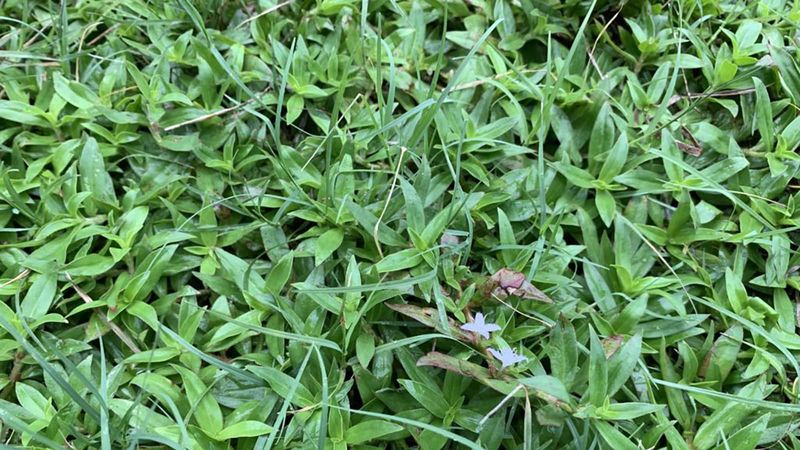
Ever looked right at a weed and never noticed it? That happens all the time with doveweed. It is a master of disguise, and it fools even careful gardeners.
The trick is in its leaves. Doveweed foliage looks a lot like grass. The blades are long, green, and narrow, so from a few feet away, it blends right into your lawn. You could mow over it for weeks without knowing it was there.
Your Texas Garden Changes Every Week. Your Plan Should Too.
Gardening in Texas changes quickly throughout the season. Every Friday you’ll receive a simple weekly plan showing exactly what to plant, prune, fertilize, harvest, and protect so you never miss the right timing.
But doveweed is not a true grass. It flowers like a broadleaf weed, which makes it a bit of an odd mix. That split personality is part of why it confuses people. It acts one way and looks another.
St. Augustine and zoysia lawns make hiding even easier. Both of these popular Texas grasses have wide, flat blades. Doveweed leaves share a similar shape and shade of green.
When everything matches, the weed simply melts into the background. So how do you catch it? Get down low. Kneel on your lawn and look closely at the leaves and stems.
Doveweed tends to look a little shinier and waxier than regular turf. The stems also feel thicker and juicier when you touch them.
Another tip is to check your lawn in late summer. That is when doveweed grows most, and patches may look a lighter or brighter green. Some homeowners notice clumps that seem to grow faster after rain.
Take photos of any strange spots. Compare them over a few weeks. If the patch keeps growing and looks different up close, you may have found your hidden intruder.
How To Identify It
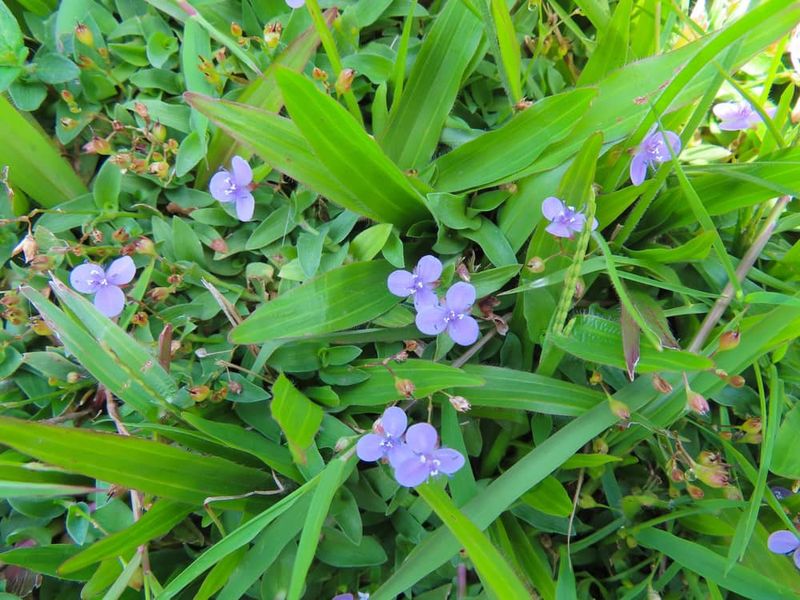
Think of yourself as a lawn detective for a moment. Every weed leaves clues, and doveweed has a few that are easy to learn. Once you know them, you will spot it quickly.
Start with the leaves. Doveweed has narrow, linear leaves, which means they are long and slim like a ribbon. Look closely and you will see parallel veins running straight down each leaf.
These lines do not branch out like the veins on an oak leaf. Next, check the stems. Doveweed spreads by creeping, fleshy stems that crawl along the ground. They feel plump and a bit rubbery, almost like a succulent.
Grass stems are much thinner and tougher by comparison. Now look for flowers. As doveweed matures, it produces small purple to bluish-purple blooms. They are tiny, often only about the size of a pencil eraser.
You might see them tucked low in the lawn during late summer and early fall. Here is a quick checklist to keep handy.
Leaves are slim with straight, parallel veins. Stems are thick, juicy, and creep along the soil. Small purple or blue flowers appear later in the season.
A simple test can help too. Pull up a small piece and snap the stem. Doveweed stems are soft and moist inside. You may also see little roots growing from joints along the stem.
If you are still unsure, take a sample to your local county extension office. Texas A&M AgriLife offices can help identify lawn weeds. Getting the right name matters because the treatment depends on it.
Why It Spreads So Quickly
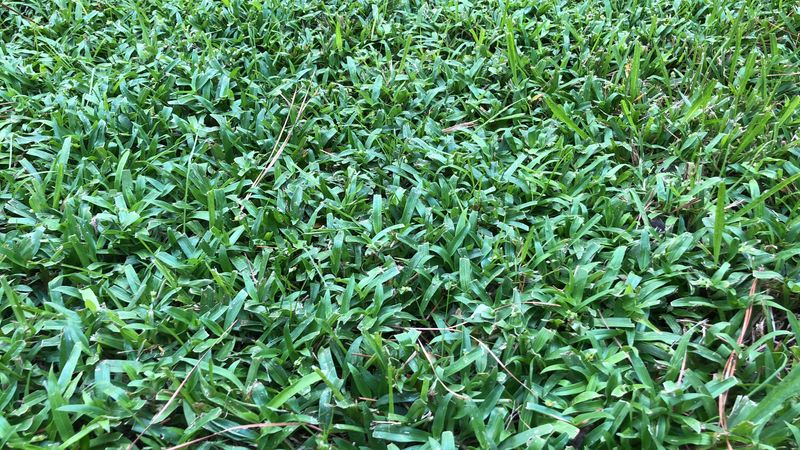
Speed is doveweed’s superpower. Homeowners often say a small patch doubled in size in just a few weeks. That fast growth is exactly why it is outpacing nutsedge in some Texas yards.
The secret lies in its stems. Doveweed grows thick, above-ground creeping stems that stretch across the lawn.
As they travel, they push into open spaces and crowd your grass. It is a bit like a slow green carpet unrolling across your yard.
Those stems have another sneaky talent. Along each stem are small joints called nodes. Doveweed roots easily at these nodes, so every joint can anchor a new plant. One runner can quickly become many rooted pieces.
Even broken bits cause trouble. Doveweed can start new plants from stem fragments. When you mow, rake, or pull it the wrong way, small pieces scatter. Each piece that lands on moist soil may take root and grow.
It is also a tough survivor. Doveweed adapts to a wide range of soils and conditions. Sandy soil, clay soil, sun, or partial shade do not slow it down much.
So what can you do right now? Bag your clippings when mowing infested areas. That keeps fragments from spreading to clean parts of the lawn. Clean your mower deck and tools after working in weedy spots.
If you hand pull, go slow. Try to lift the whole plant and its stems in one piece. Put pulled weeds in a trash bag, not your compost pile. These small habits can stop a patch from turning into a full takeover.
Where It Takes Hold First
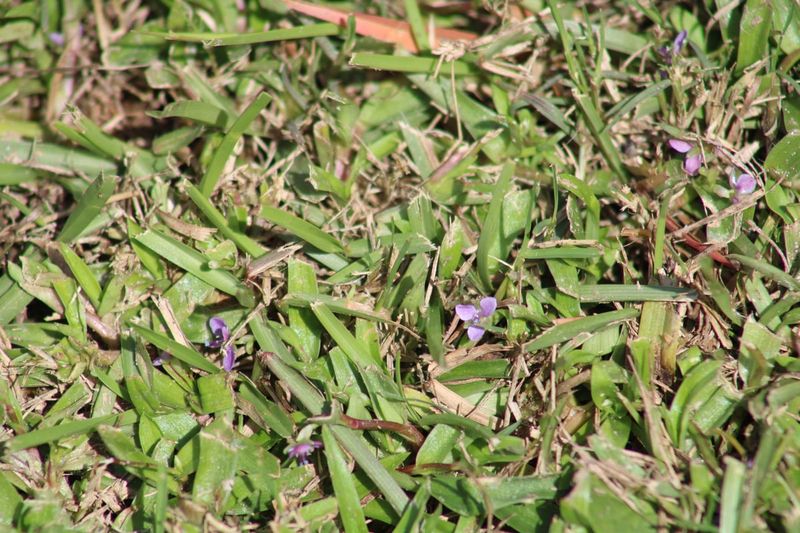
Water is the welcome mat for doveweed. If there is a soggy corner in your yard, chances are good that doveweed will find it first. Wet ground is where it feels most at home.
Poorly drained spots are a favorite starting point. These are areas where water sits after rain and the soil stays muddy for days. Overwatered zones work just as well for this weed.
Take a walk around your sprinkler system. It is common to find doveweed growing right around irrigation heads.
Those spots get extra water every time the system runs. A leaky or misaligned head makes things even worse.
Low areas are another hot spot. Water flows downhill and collects at the bottom of dips and slopes. Doveweed loves settling in these little basins where moisture lingers.
Weak grass also invites it in. Doveweed quickly moves into thinned or stressed patches of lawn. Areas damaged by drought, bugs, heavy foot traffic, or disease leave open soil.
Open soil is an easy doorway for weeds. Here are a few ways to protect those trouble zones.
Check sprinkler heads for leaks or overspray. Fill low spots with a light layer of soil or sand over time. Reseed or add sod to bare patches so your grass fills in fast.
A friendly tip is to map your lawn. Sketch where water pools and where grass looks thin. Watch those areas most closely each summer.
When you guard the weak spots, doveweed has a much harder time getting its first foothold.
How To Get It Under Control
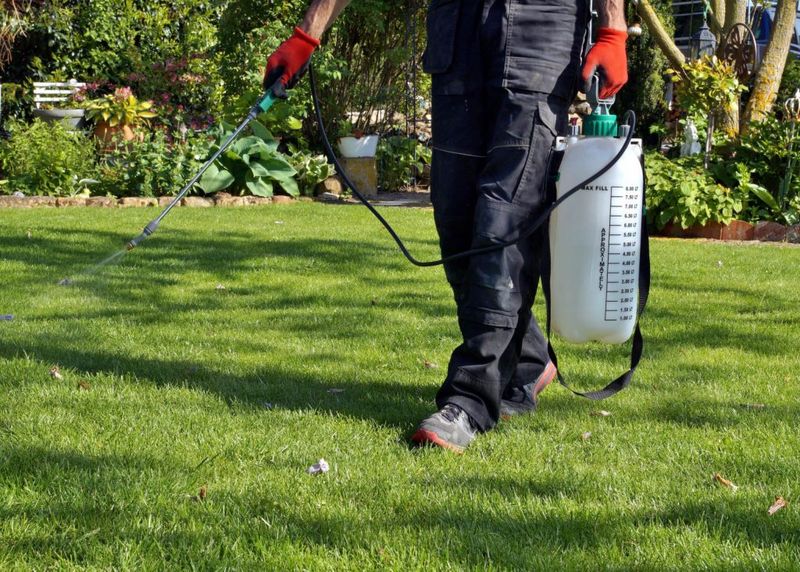
Patience wins this battle. Doveweed will not vanish in one weekend, and that is okay. With a steady plan, most Texas homeowners can take their lawns back.
First, fix the water problem. Since doveweed thrives in wet areas, drying things out makes a big difference. Improve drainage in soggy spots and adjust your sprinklers.
Water deeply but less often, usually about one inch per week, including rain.
Timing matters next. Doveweed sprouts later than weeds like crabgrass. It usually pops up from late summer into early fall. That means a spring-only weed plan will likely miss it.
The best approach combines two kinds of herbicides. Preemergence products stop seeds from sprouting, so apply them before doveweed seeds start growing. Many experts suggest a second application in early summer to cover its late start.
Postemergence herbicides handle plants that already came up. Choose a product labeled for doveweed and safe for your grass type.
St. Augustine and zoysia can be sensitive, so read the label carefully. Spray on calm days when temperatures are not too hot.
Healthy turf is your best long-term defense. Mow at the right height for your grass and fertilize on schedule. Thick grass leaves little room for weeds to move in.
Expect the process to take two to three years. Seeds in the soil can keep sprouting for a while. Stay consistent each season and track your progress with photos.
Little by little, those shiny green patches will shrink. One day, you will look out and see a lawn that is truly yours again.