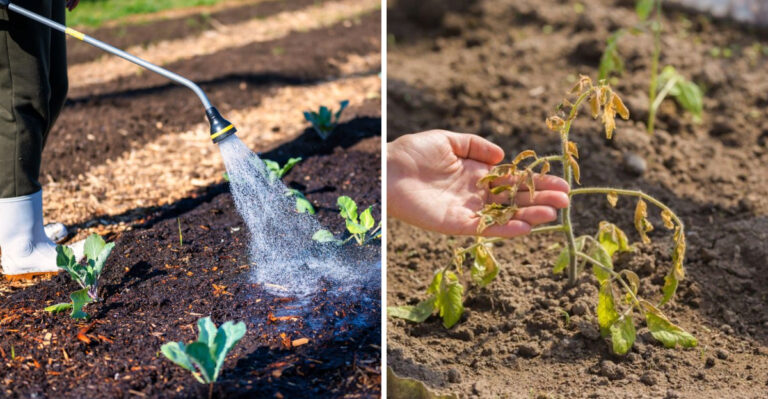
Plants That Actually Harm Your Pennsylvania Tomatoes When Planted Nearby
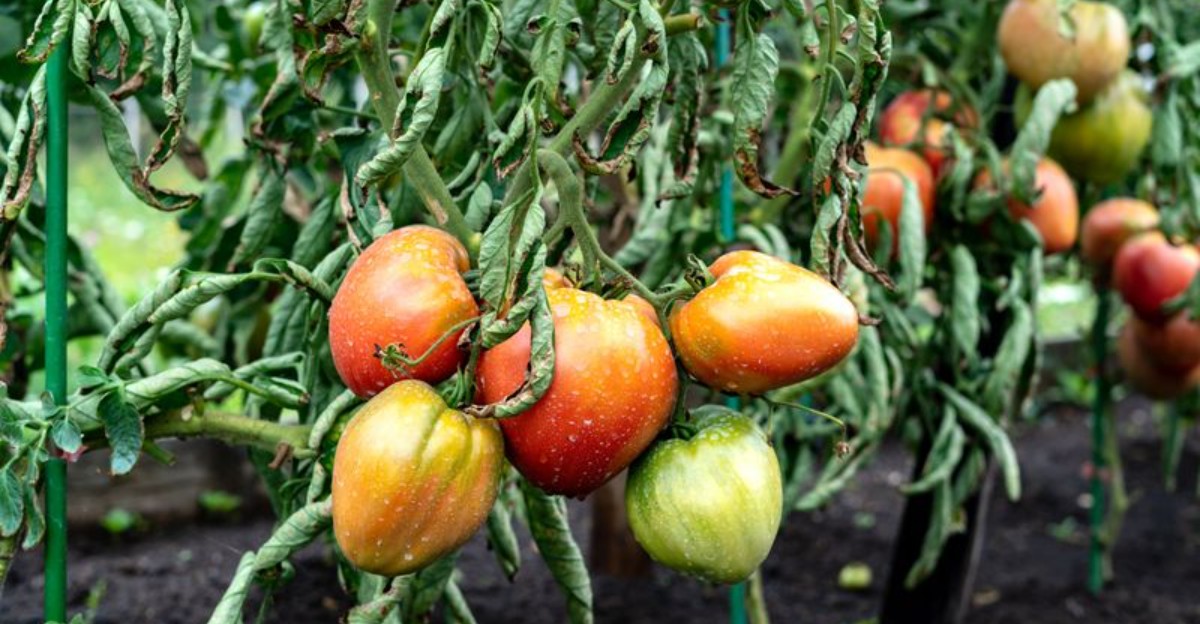
Plants might look peaceful sitting side by side in the garden, but a lot is happening where you can’t see it.
Below the soil, roots are competing for water and nutrients. Above ground, plants are sharing pests, trading diseases, and battling for sunlight.
Some even release natural compounds that can slow the growth of whatever is planted nearby.
Most of the time, it goes completely unnoticed. Until your tomatoes start to struggle.
That’s the tricky part. A weak plant, a small harvest, or leaves that never quite look right can all trace back to a bad neighbor.
And with Pennsylvania’s fairly short growing season, there isn’t much time to fix mistakes once summer is underway.
The good news is that a few smart spacing choices can make a big difference. Knowing which plants to keep away from your tomatoes could lead to your best harvest yet.
1. Black Walnut Trees Cast A Toxic Shadow
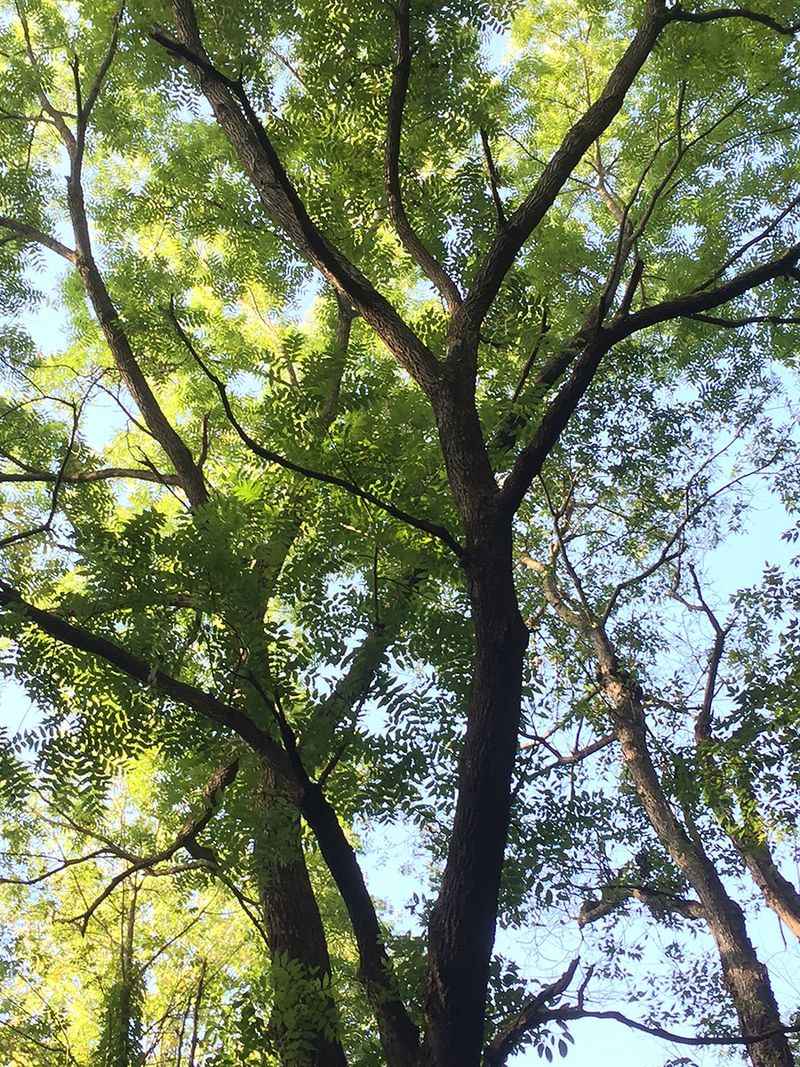
Old farmers in Lancaster County have a saying. Nothing good grows under a walnut. They were right, especially when it comes to tomatoes.
Black walnut trees are native to Pennsylvania and grow all over the state. Their roots, leaves, and nut husks release a chemical called juglone. Tomatoes are very sensitive to it, more than most garden plants.
When tomatoes soak up juglone, they start to wilt. The leaves turn yellow and curl. Stems may turn brown inside, and the plant stops growing.
Many gardeners think they have a disease when the real problem is the tree.
The roots can spread far beyond the branches. Experts say the danger zone can reach 50 to 80 feet from the trunk. That is a big chunk of a backyard!
So what can you do? First, look around your yard for black walnuts. They have long leaves made of many small leaflets.
In fall, they drop round green balls that turn black.
Next, plant your tomatoes as far away as you can. If space is tight, try raised beds with a thick barrier at the bottom. Fill them with fresh soil from a trusted source.
Also, never put walnut leaves, husks, or wood chips in your compost. Juglone can stay in the material for months. It can sneak right back into your tomato bed.
Fun fact: Pennsylvania has some of the oldest black walnut trees in the eastern United States. Their wood is prized for furniture and gunstocks. Just enjoy them from a safe distance when you grow tomatoes.
2. Potatoes Share Too Many Problems
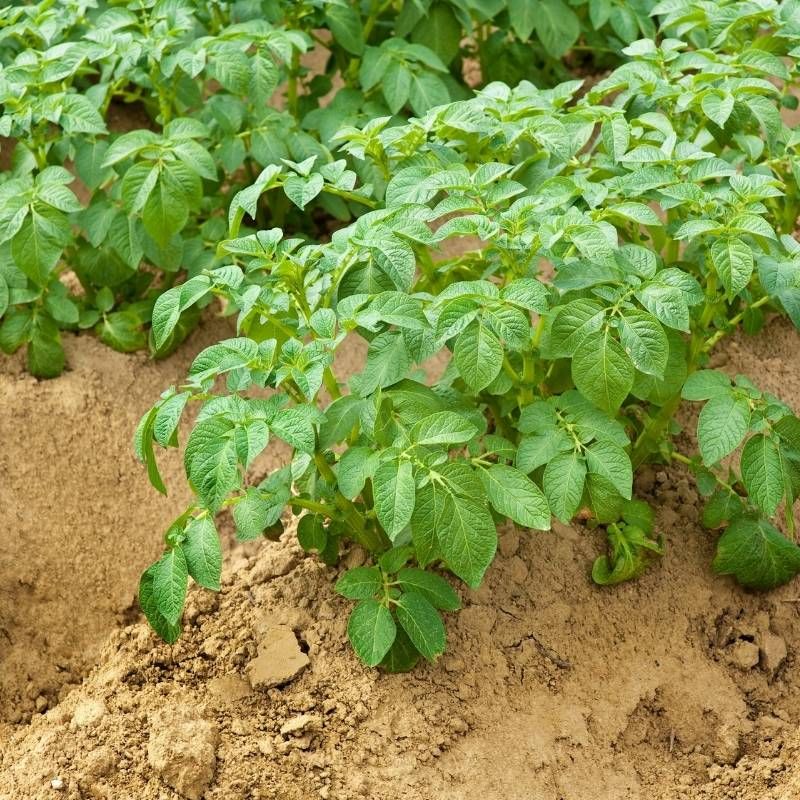
Tomatoes and potatoes are cousins. Both belong to the nightshade family. You might think family members would get along, but in the garden they bring out the worst in each other.
The biggest issue is a disease called late blight. It is the same disease that caused the Irish Potato Famine in the 1840s. It loves cool nights and damp, humid days, which Pennsylvania has plenty of in late summer.
Late blight moves quickly. It shows up as dark, greasy spots on leaves and stems. In just a week, a whole row of tomatoes can turn brown and mushy.
Your Pennsylvania Garden Changes Every Week. Your Plan Should Too.
Gardening in Pennsylvania changes quickly throughout the season. Every Friday you’ll receive a simple weekly plan showing exactly what to plant, prune, fertilize, harvest, and protect so you never miss the right timing.
When potatoes and tomatoes grow side by side, the spores jump from one plant to the other. The wind carries them too. One sick potato plant can spread trouble to your entire tomato patch.
Pests are another concern. Colorado potato beetles munch on both plants. These striped bugs can strip leaves bare in a few days.
Here is a simple fix. Keep potatoes at least 10 to 20 feet away from tomatoes. If you can, plant them on opposite sides of the yard.
Crop rotation helps as well. Do not plant tomatoes where potatoes grew last year. Wait at least three years before using that spot again for any nightshade.
Watch the weather reports too. Penn State Extension shares blight alerts during the season. When cool, wet weather rolls in, check your plants every day.
Catching trouble early gives your tomatoes the best chance to stay healthy.
3. Fennel Plays Badly With Almost Everyone
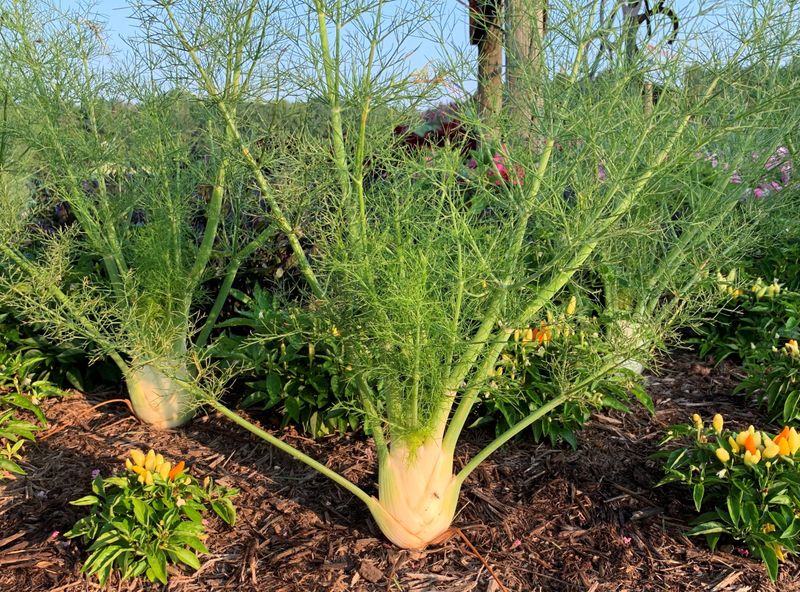
Fennel is the loner of the vegetable world. It has pretty, feathery leaves and smells like licorice. But put it next to your tomatoes, and it turns into a grumpy neighbor.
Scientists call what fennel does allelopathy. That is a fancy word for a plant releasing chemicals that slow down other plants. Fennel roots let out substances that can stunt tomato growth.
You might notice your tomatoes stay small. They may produce fewer flowers and less fruit. The plants just seem tired, even when you water and feed them well.
Fennel also grows tall and bushy. It can reach four or five feet by midsummer. That size means it can block sunlight from young tomato plants.
Honestly, the easiest answer is to give fennel its own home. Many gardeners grow it in a big pot on the patio. Others plant it at the far end of the yard, away from the veggie beds.
Don’t give up on fennel completely, though. Its flowers attract helpful insects like ladybugs, hoverflies, and tiny wasps. Those bugs eat aphids and other pests that bug your tomatoes.
So a fennel plant 15 or more feet away can actually be a friend. It helps from a distance without crowding or poisoning the soil.
One more tip: fennel reseeds itself easily. Snip off the flower heads before they drop seeds. Otherwise, you might find baby fennel popping up right in your tomato bed next spring.
4. Corn Invites A Hungry Worm
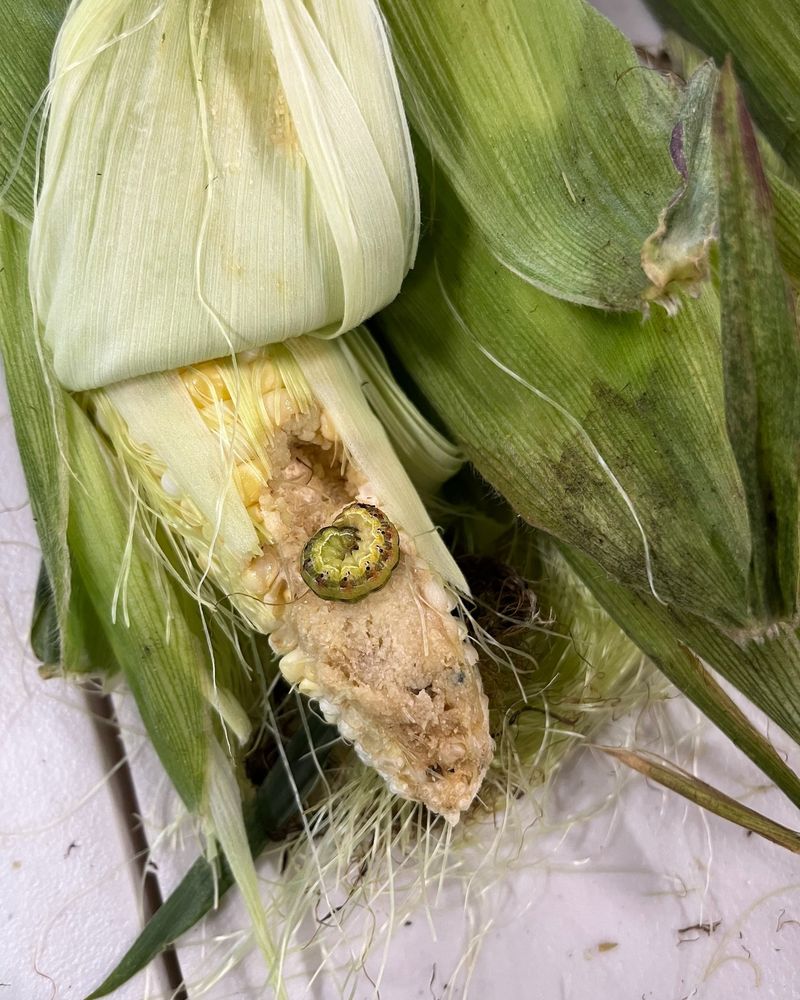
Sweet corn and tomatoes are the stars of a Pennsylvania summer picnic. It feels natural to grow them together. Sadly, one sneaky caterpillar loves them both.
Gardeners call it the corn earworm. When it attacks tomatoes, people call it the tomato fruitworm. Same bug, two names, double the damage.
The moth lays eggs on corn silk first. When the corn dries out, the next wave of moths looks for new food. Nearby tomatoes become the next buffet.
The worms chew holes right into the fruit. They often go for green tomatoes. You may find a perfect-looking tomato with a dark, wet hole on the side.
Corn has other downsides too. It grows tall and thick, so it can shade your tomato plants. Tomatoes need six to eight hours of full sun to make lots of fruit.
Corn is also a heavy feeder. It gulps up nitrogen and water from the soil. That leaves less for your tomatoes during hot, dry spells in July and August.
Want to grow both? Just separate them. Put corn on the north side of the garden so it doesn’t block light.
Keep at least a few rows of other crops in between.
Check tomato plants every few days for small eggs or tiny green caterpillars. Pick them off by hand and drop them in soapy water. A natural spray made with Bt can help as well, and it is safe for people and pets.
5. Cabbage Family Crops Compete For Space
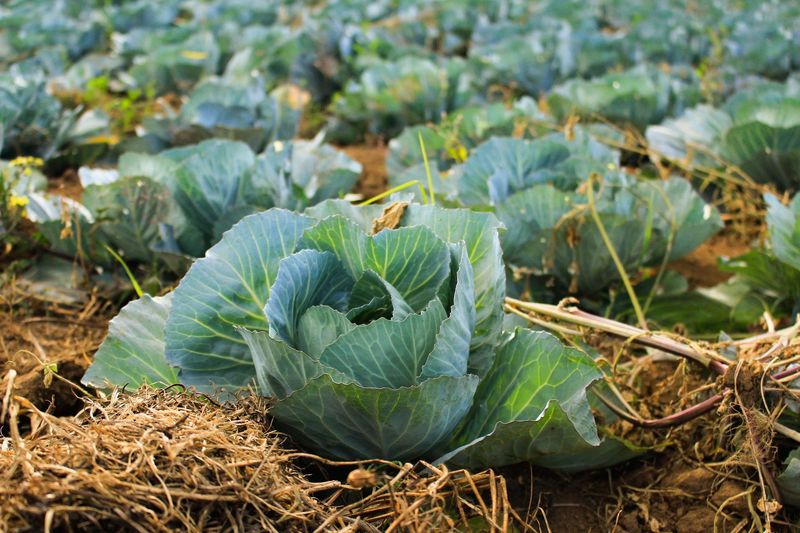
Picture a crowded school lunch table where everyone wants the same snack. That is what happens when you pack cabbage family plants next to tomatoes.
This group is called brassicas. It includes cabbage, broccoli, cauliflower, kale, and Brussels sprouts. They are tasty and healthy, but they are also big eaters.
Brassicas and tomatoes both need lots of nutrients. They compete for nitrogen, calcium, and water. When food runs short, tomatoes can develop blossom end rot.
That is the black, leathery spot on the bottom of the fruit.
Some gardeners also notice slower tomato growth near brassicas. The two plant types just don’t seem to share the soil well.
Timing matters in Pennsylvania. Many folks plant broccoli and cabbage in early spring. Then they tuck tomatoes in around Mother’s Day, right between the leafy crops.
By June, the space gets crowded fast.
A better plan is to give each group its own bed. Grow brassicas in spring and fall when the weather is cool. Use a separate sunny spot for tomatoes in summer.
If you must share a bed, space them wide apart. Add plenty of compost before planting. Water deeply once or twice a week so both crops get enough.
Here’s a helpful bonus: a thick layer of straw mulch keeps soil moisture steady. Steady moisture means fewer cracked tomatoes and less blossom end rot. Your broccoli will thank you too.
6. Eggplant And Peppers Pass Along Pests
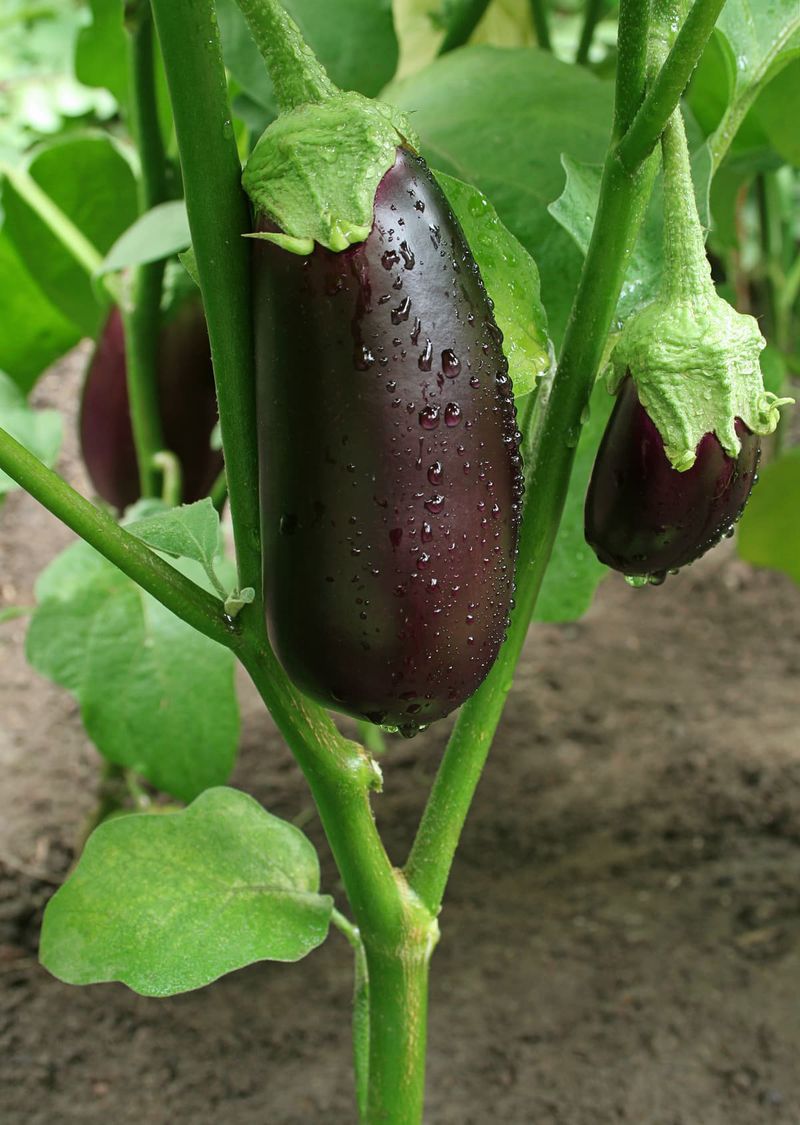
Let’s be real. Eggplants and peppers look great next to tomatoes. Many garden plans even group them together.
But being in the same family can cause trouble.
Like potatoes, eggplants and peppers are nightshades. They share many of the same diseases as tomatoes. Early blight, verticillium wilt, and bacterial spot can hop from plant to plant.
Pests love this group too. Flea beetles chew tiny holes in eggplant leaves. Hornworms munch on tomatoes and peppers.
Aphids and spider mites travel easily across a crowded bed.
When all your nightshades sit together, one problem can hit everything at once. That can wipe out a big part of your summer harvest.
You don’t have to skip these crops. Just spread them out. Try planting peppers and eggplants in a different bed from your tomatoes.
Put flowers, beans, or herbs like basil in between.
Rotation is another key habit. Keep a simple garden map each year. Write down where every nightshade grew.
Then move them to new spots next season.
Healthy spacing helps as well. Leave room for air to flow between plants. Pennsylvania humidity can trap moisture on leaves, and wet leaves invite fungus.
Did you know? Hornworms are the larvae of the sphinx moth, a big moth that hovers like a hummingbird at dusk. If you see a hornworm covered in tiny white cocoons, leave it alone.
Those cocoons belong to helpful wasps that control more hornworms.
7. Dill Turns From Helper To Hindrance
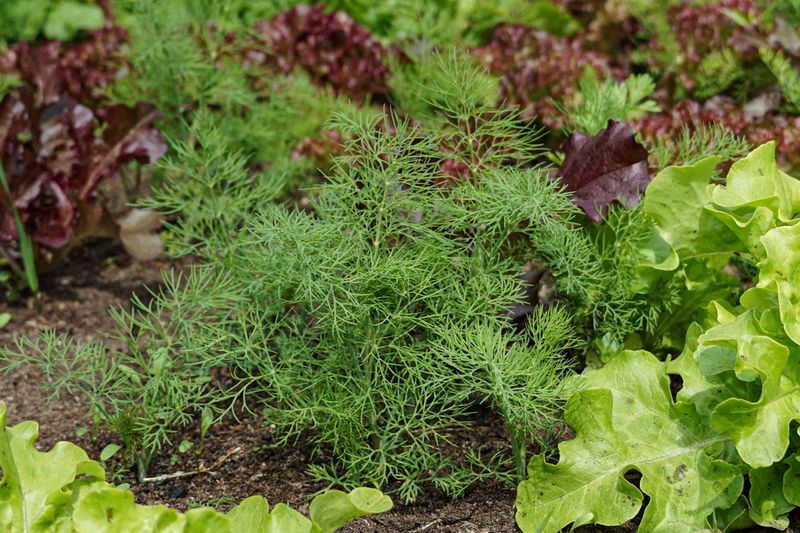
Here’s a plant with a split personality. When dill is young, it can help tomatoes. Once it grows up, it becomes a problem.
Young dill attracts good bugs. Parasitic wasps and ladybugs visit its leaves. These tiny helpers go after hornworms and aphids that bother tomato plants.
As dill matures and flowers, things change. Some gardeners report that mature dill slows tomato growth. Dill also grows tall and floppy, often reaching three feet or more.
That height can shade your tomatoes and trap humid air around them. In a muggy Pennsylvania August, that can invite leaf spot and other fungus problems.
Dill also attracts tomato hornworm moths in some gardens. That’s the opposite of what you want near your prized Big Boys and Brandywines.
So how do you handle it? One smart trick is to plant dill near tomatoes early in the season. Then trim it often to keep it bushy and small.
Before it starts to flower, harvest it or pull it out.
Another choice is to grow dill a few feet away in its own patch. That way, you still get the helpful bugs without the downsides.
Fun fact: dill is the main host plant for black swallowtail caterpillars. These green, black, and yellow caterpillars turn into gorgeous butterflies. Many Pennsylvania gardeners grow a separate dill patch just for them.
It’s a sweet way to support local wildlife and keep your tomatoes happy at the same time.